







deep well pump 50
When you hear “pump for well 50”, the first thing that comes to mind is probably a ready-made model for a specific depth. But in reality everything is more complicated. The number 50 is more of a guideline, a starting point for calculations, and not a rigid label. Many customers, and even some installers, fall into the trap of thinking that it is enough to just buy a unit marked “for 50 meters” and everything will work. In fact, you need to take into account the dynamic level, the flow rate of the well, the required pressure for the house, and even seasonal fluctuations. It’s these nuances that are not written in large numbers in catalogues, and it’s worth talking about.
Why ?50 meters? - it's not just depth
Let's take, for example, a standard problem: a well with a nominal depth of 50 meters. Static level - 30 meters. It would seem that the pump needs to overcome only 20 meters of the water column to the water surface. But here lies the first pitfall - the dynamic level. When the pump is turned on, the water level drops. How much? It depends on the flow rate. If the flow rate is small, then pumping can lower the mirror another 10-15 meters. And now your pump, designed for 50 meters according to the passport, is already working on the edge: it needs to create a pressure of not 20, but 35 meters just to raise the water to the surface. But you still need to ensure the pressure in the house system, say, 2-3 atmospheres (this is another 20-30 meters of pressure). In total, the actual required characteristic of the pump is already 55-65 meters. So it turns out that the choice is based on the principle: well depth = 50, which means the pump is 50? - this is a sure way to frequent switching on, overheating and rapid failure.
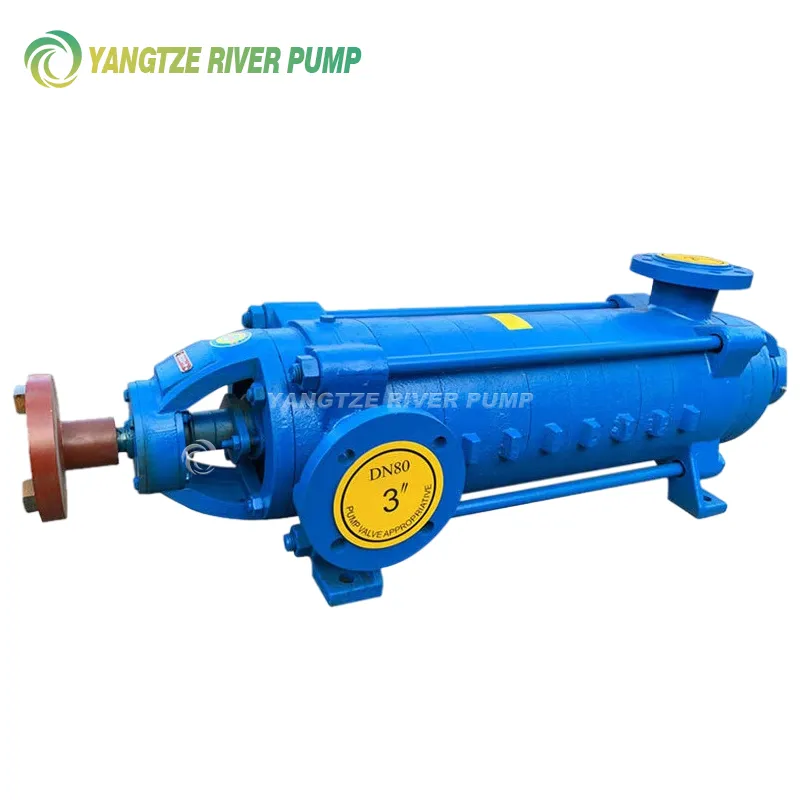
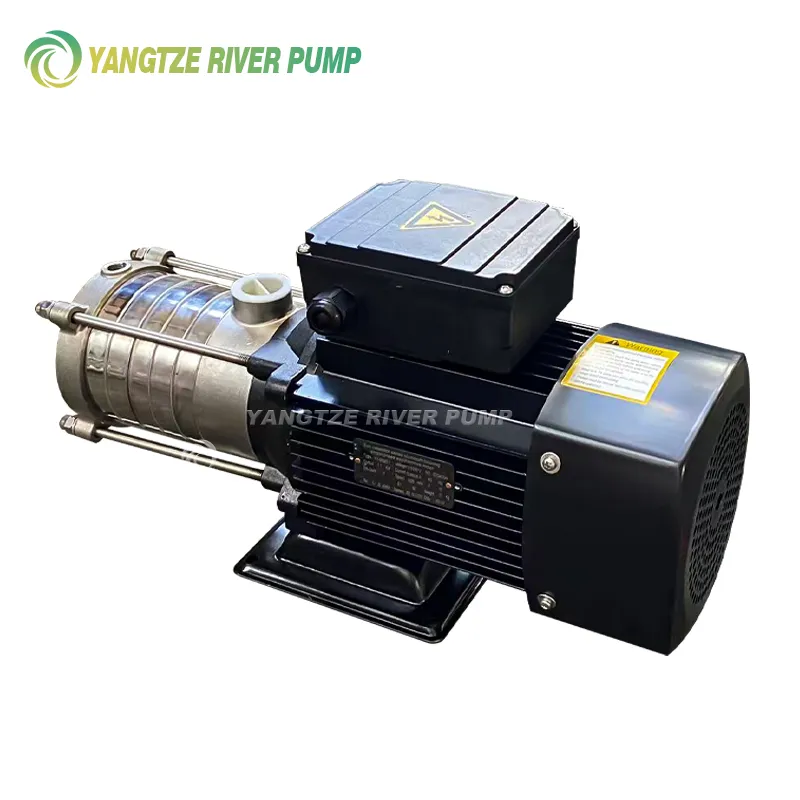
In this context, I often pay attention to multi-stagedeep well pumps. Their design allows you to flexibly dial in the required pressure due to the number of steps. You don't always need a record holder. at 100 meters, a model with a headroom reserve specifically for your design parameters often looks more optimal and reliable. In our production, inZhejiang Yangzijiang Pumping Industry Co.,Ltd, the line for the production of multistage centrifugal pumps is precisely tailored to such an individual approach. You can select the number of impellers to meet specific pressure requirements for the same conditionwells 50meters, but with different flow rates.
There was a case at a site in the Moscow region: a 52-meter well, the customer bought an inexpensive pump with a maximum pressure of 55 m. After startup, the pressure in the house was weak, and when two taps were opened simultaneously, the system generally “choked.” During the measurements, it turned out that the dynamic level when pumping out 2 cubic meters per hour dropped to 45 meters. The pump simply did not have enough reserve. We replaced it with a model with a pressure of 75 meters - all the problems went away. This is a typical story that shows that saving on correct calculations backfires.
Materials and execution: what really works in depth
Let's move on to the "filling". Fordeep well pumpoperating at the 50 meter mark, corrosion resistance is critical. Water can be different - with a high iron content, with aggressive salts. Stainless steel AISI 304 is practically the standard for a good device, but for difficult environments it is better to look at AISI 316. The shaft should be made of stainless steel, the impellers should be made of wear-resistant polymer (for example, PPS) or also stainless steel. The savings on materials here are immediately visible: after a season or two, noise appears, productivity drops, and then it’s not far from jamming.
In our production we went through this process of trial and error. Previously, we experimented with different composite materials for wheels, but for stable operation in the conditions of Russian wells, we settled on proven solutions - stainless steel and abrasive-resistant technopolymers. Allsubmersible pumpsundergo mandatory hydraulic tests on special stands that simulate different depths and operating modes. This is not for show - we ourselves want to understand how the unit will behave after several years of operation.
Separately, it is worth mentioning the cable and sealing. The water-absorbing cable is a defect. Dot. The cable must be in a waterproofing sheath designed to withstand prolonged exposure to water under pressure. The cable entry point into the pump is a critical point. There should be a high-quality stuffing box or seal. Once I watched how they “saved” on this unit from a different brand - water leaked through the cable into the engine within six months. The cost of the repair was almost equal to that of a new pump.
Power, performance and the “golden mean?”
Another myth is that the more powerful the better. Forwells 50meters, installing a pump at 3-4 cubic meters per hour with a flow rate of 1.5 cubic meters is a direct road to dry running and rapid depletion of the source. The pump will pump out water faster than it can enter the barrel. It is necessary to select productivity approximately 15-20% lower than the well flow rate. This will ensure a long and stable life of both the pump itself and the source.
People often ask about single-phase and three-phase motors. For depths of up to 50-60 meters, a high-quality single-phase motor with a good starting capacitor is usually sufficient. But here it is important to look at the stability of the voltage in the network. If there are problems with this, it is better to install a stabilizer or immediately consider a three-phase design, which is less sensitive to changes. By the way, our assortment includes both options. And from experience, for a dacha with an unstable network, a three-phase pump (if it is possible to connect) often turns out to be more durable, despite a more complex start-up.
Automation is a different matter. Float switches are not suitable for deep-well pumps, of course. Here you need either a separate control system with pressure and flow sensors, dry-running protection, or a pump with built-in frequency control. The last option is ideal, but also expensive. It smoothly adjusts the speed to the current water consumption, eliminating water hammer and saving energy. For permanent residence in a house with several bathrooms, this is an excellent investment. For a seasonal dacha, you can get by with simple relay automation with a good hydraulic accumulator.
Installation and operation: points that the instructions are silent about
Even the bestdeep well pumpcan be ruined by improper installation. Cable. It would seem like a small thing. But you cannot use ordinary galvanized steel wire - it rusts and breaks. You need a stainless steel cable or, at a minimum, a polymer-coated one. The cable must be securely attached to the pump, but without overtightening the housing.
Lowering a pump into a well is an operation that requires care. You can't hold it by the cable alone. You need to carefully release the cable, cable, and pipe (or hose) at the same time, avoiding twisting. A common mistake is that the pump rests against the filter part or the wall of the well. It must be installed correctly: several meters below the dynamic level, but not below the pumping part (this is usually indicated in the passport) and not close to the bottom so as not to trap sand and silt.
The first start-up after installation is always an exciting moment. You need to let the pump run, pump the well, possibly with muddy water. Here it is important to monitor the pressure and stability of work. If you hear extraneous noise or vibration, it is better to stop and figure it out. Sometimes the problem is not in the pump, but in an air lock in the pipes or in unregulated automation.
Instead of a conclusion: thoughts about reliability and choice
So what is gooddeep well pump 50meters? This is not a specific model, but a correctly selected tool. A tool that takes into account all the parameters of your specific well and your water supply system. This is a device made from the right materials, with a headroom, and protection against typical risks such as dry running or voltage surges.
When we develop and assemble pumps in our production facility inZhejiang Yangzijiang Pumping Industry Co.,Ltd, we proceed from this logic. Not to create “the cheapest product on the shelf,” but to create a device that, after installation, will work silently for years. Our engineers from the R&D department constantly analyze breakdowns, returns, and feedback from sites. This is not for a report, but for real improvements to the design, selection of more resistant seals, and improvement of engine cooling systems. The entire chain - from development and testing at our stands to service support - is designed to ensure that the end user does not think about problems with water.
Therefore, my main advice is: don’t just look for a “50 meter pump?”. Collect data on your well (passport, dynamic level measurements), calculate water consumption in the house. With these numbers, you can already look towards specific models, where the pressure and performance will correspond to your reality, and not to an abstract figure in meters. And then, be it our multistage centrifugal pump or a device from another trusted manufacturer, it will become that inconspicuous and reliable source of water in the house, which in the end everyone forgets about - because it just works.
Correspondingproducts
Related Products

Best Sellingproducts
Best Selling Products-
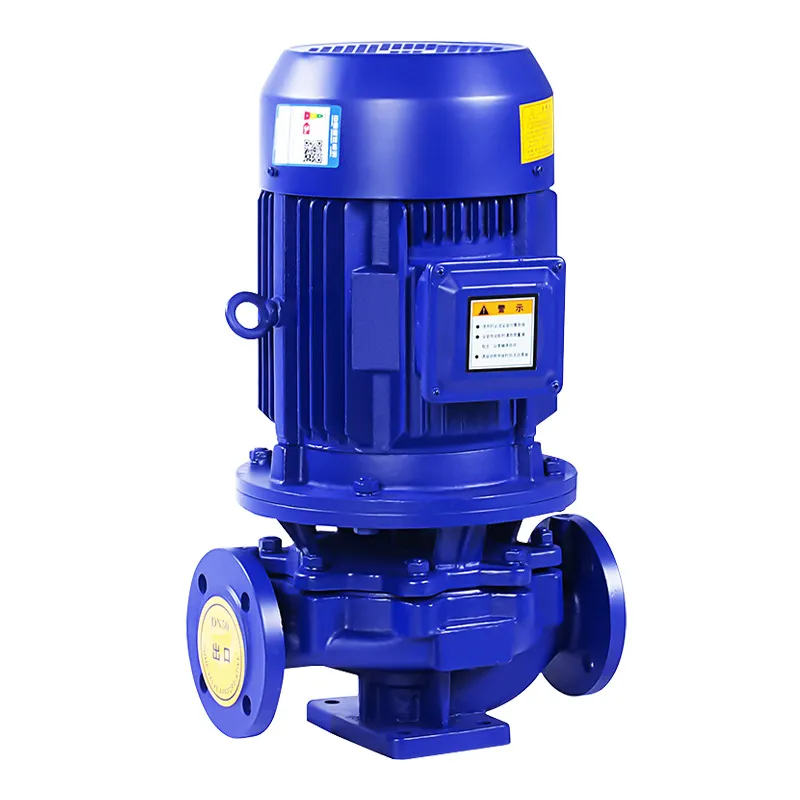 Vertical single-stage pipeline centrifugal pumps ISG and IHG
-
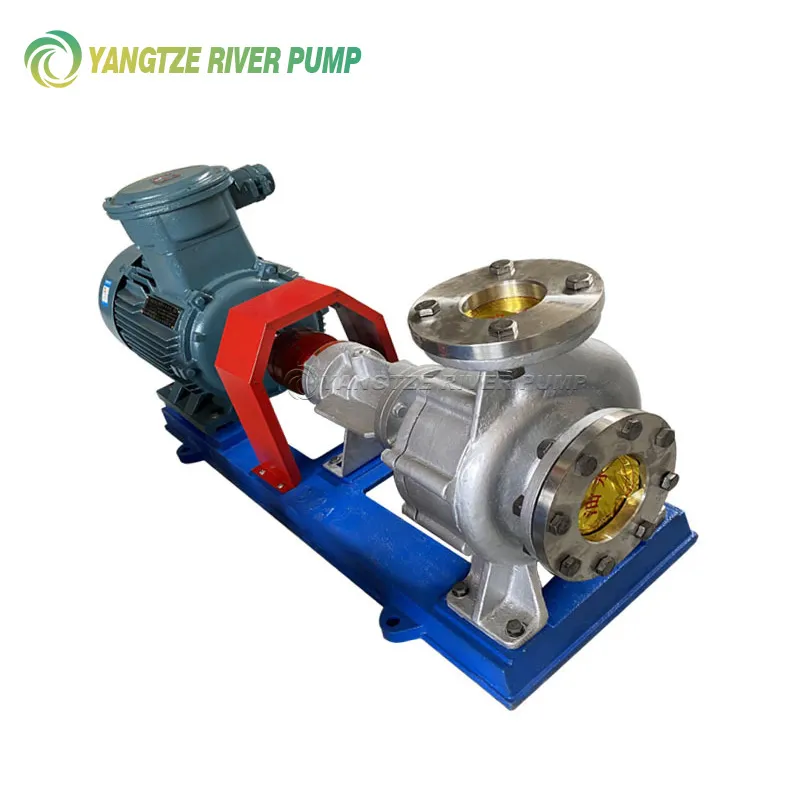 RY thermal oil pumps
-
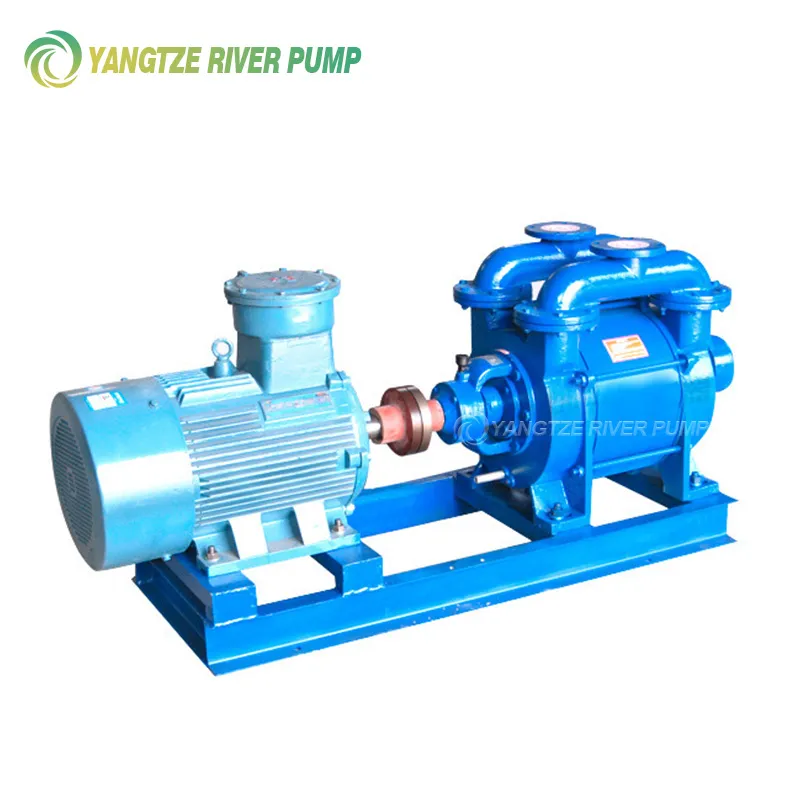 Liquid ring vacuum pumps type SK
-
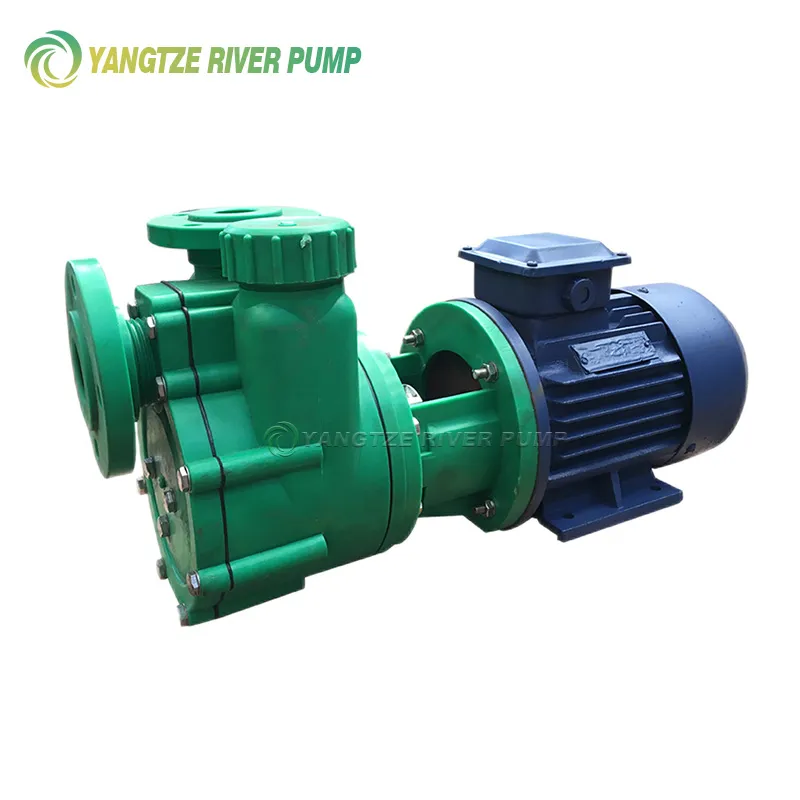 Plastic self-priming centrifugal pumps FP and FS
-
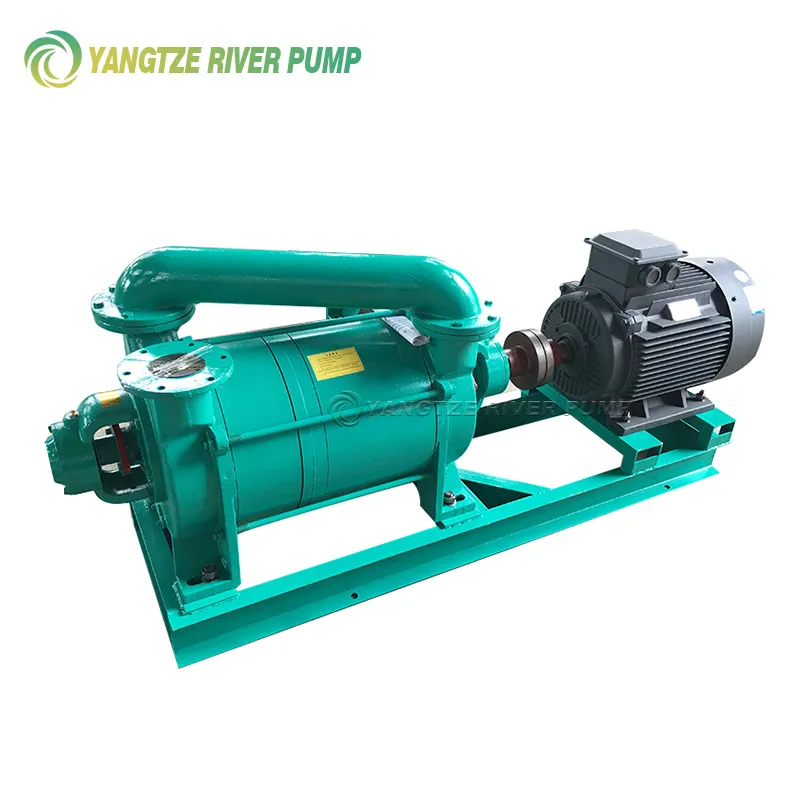 Liquid ring vacuum pumps type 2SK
-
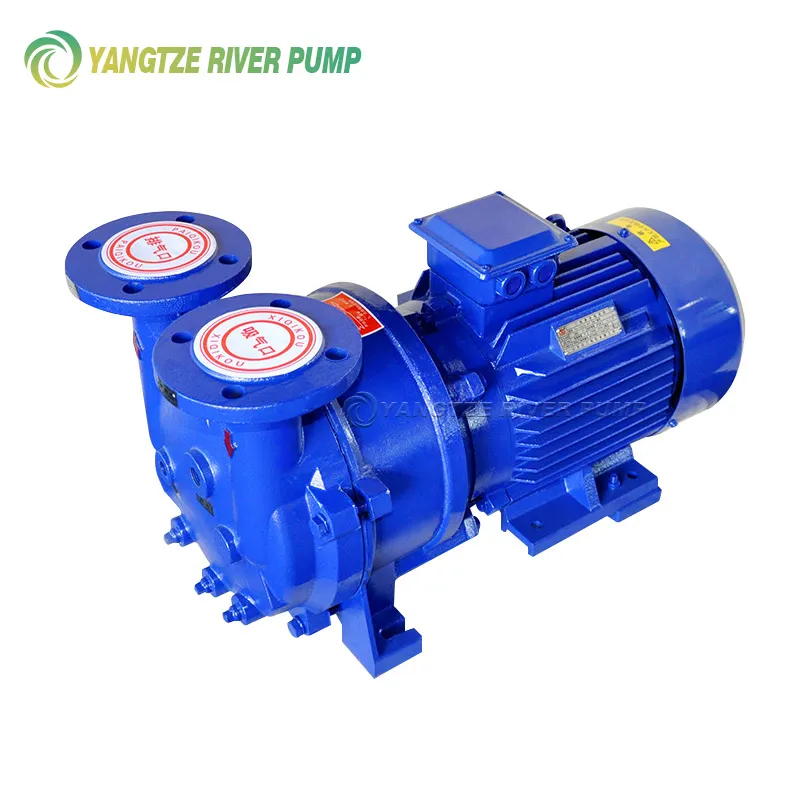 Liquid ring vacuum pumps type SKA and 2BV
-
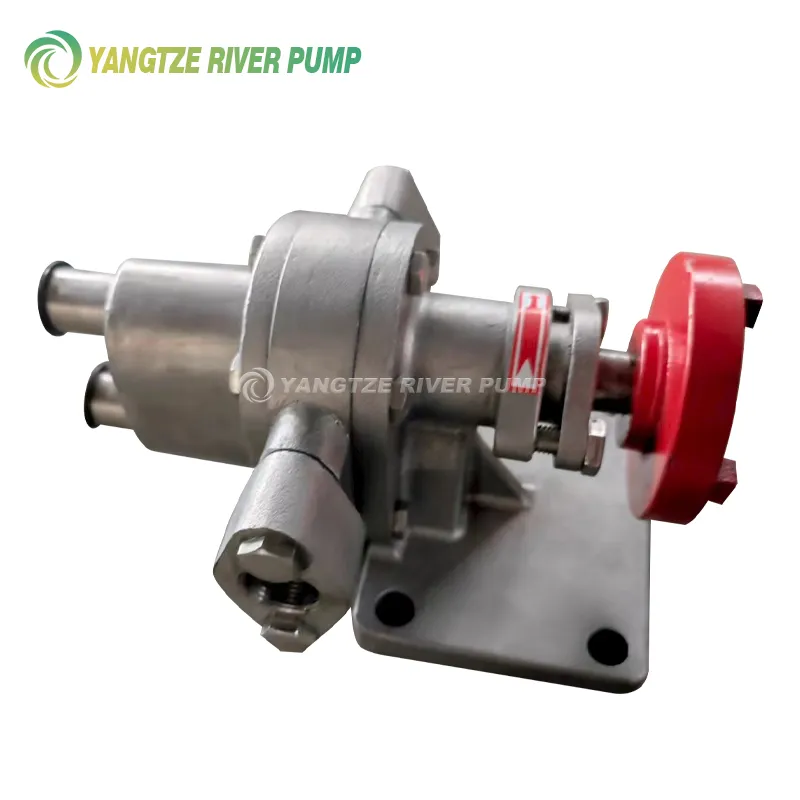 Gear oil pumps type KCB
-
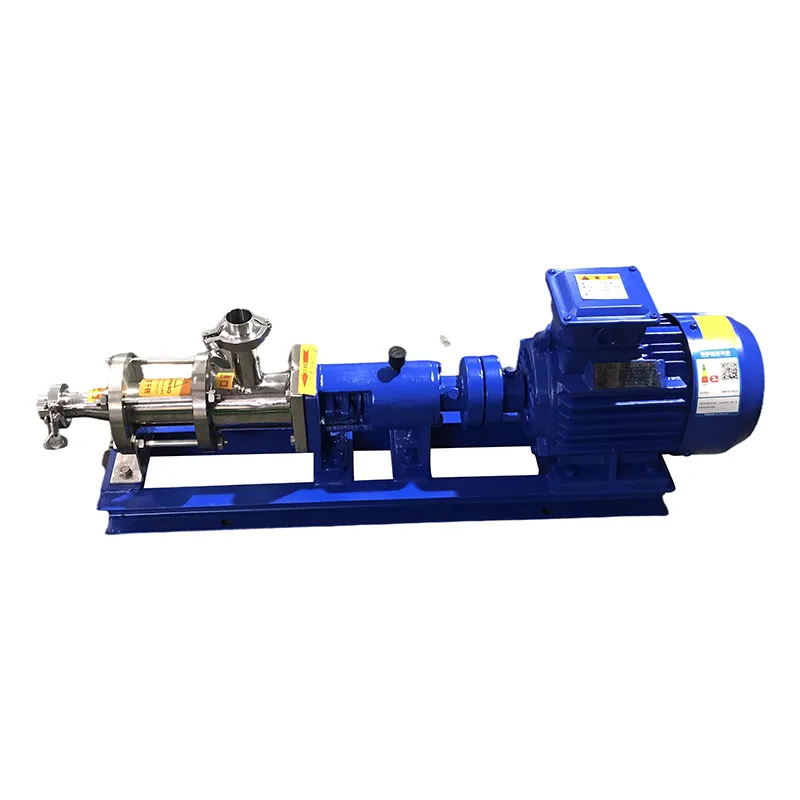 Sanitary screw pumps type GF
-
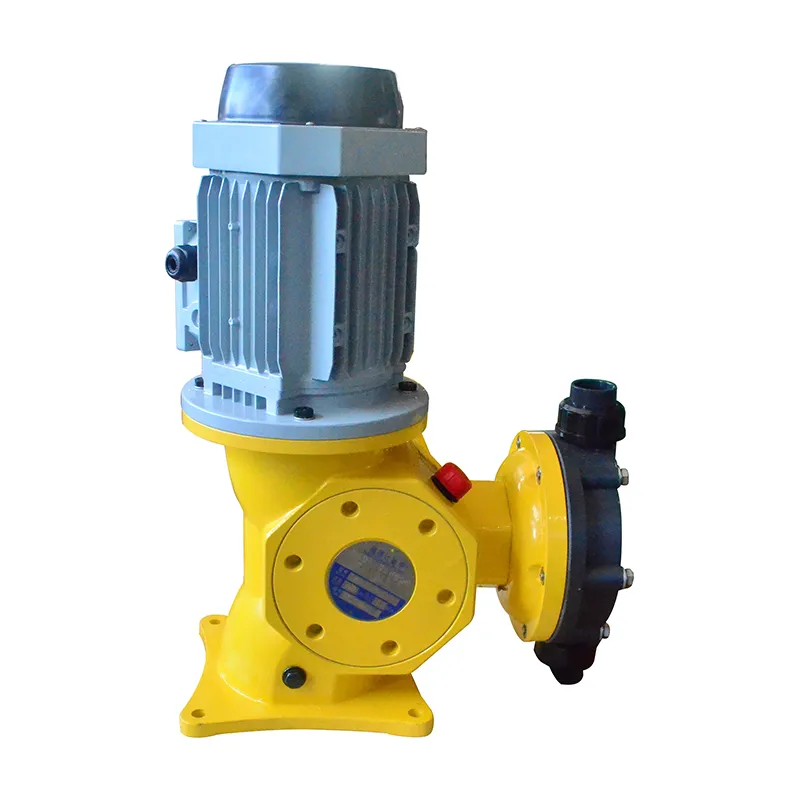 Mechanical diaphragm dosing pumps DJ-Z
-
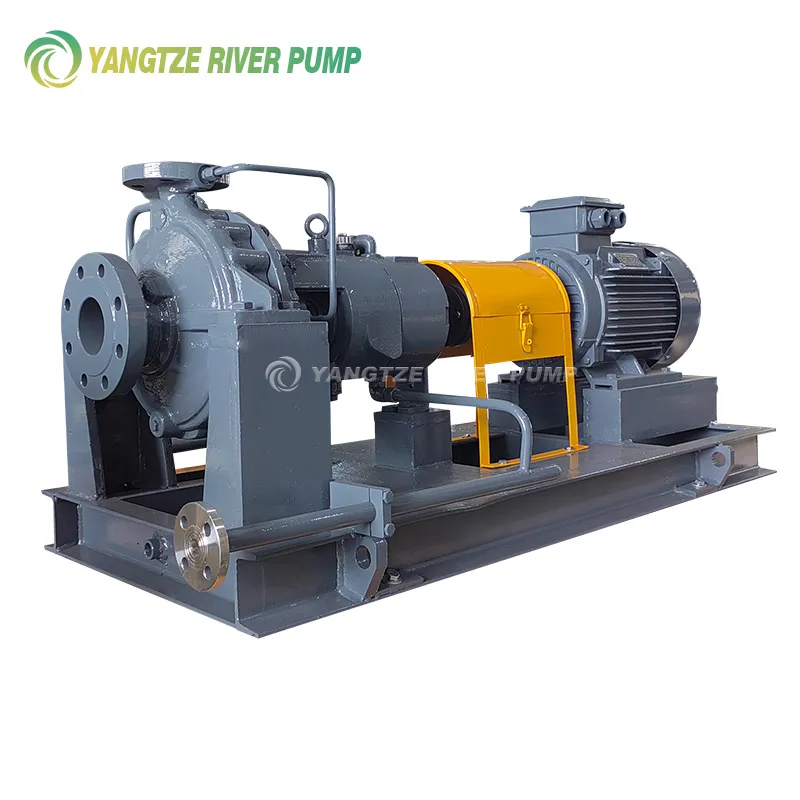 Petrochemical Process Pumps API 610 YZE
-
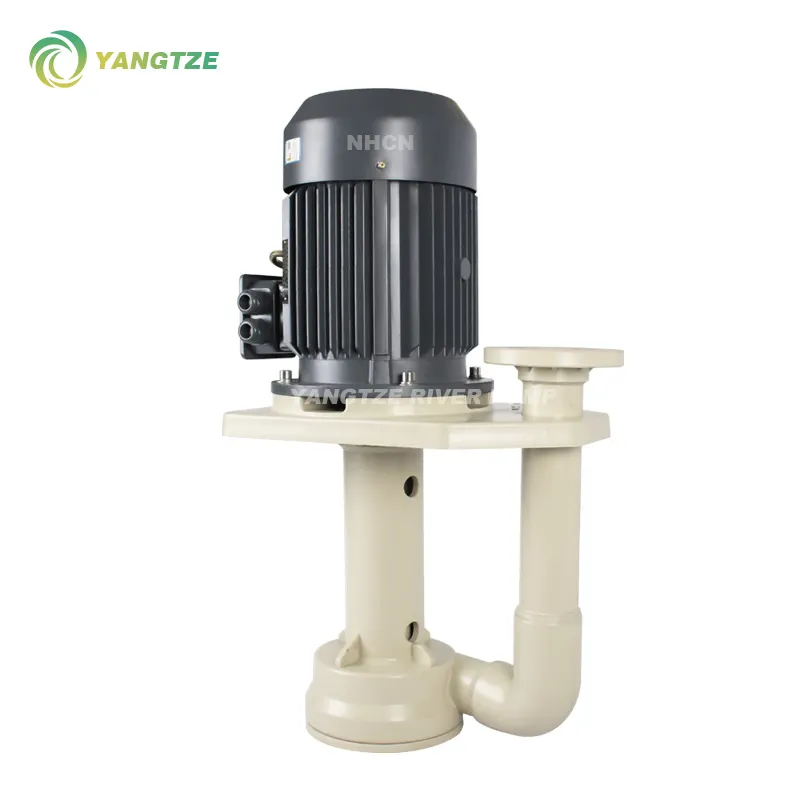 Vertical pumps for installation inside/outside tanks YZCN and YZCW
-
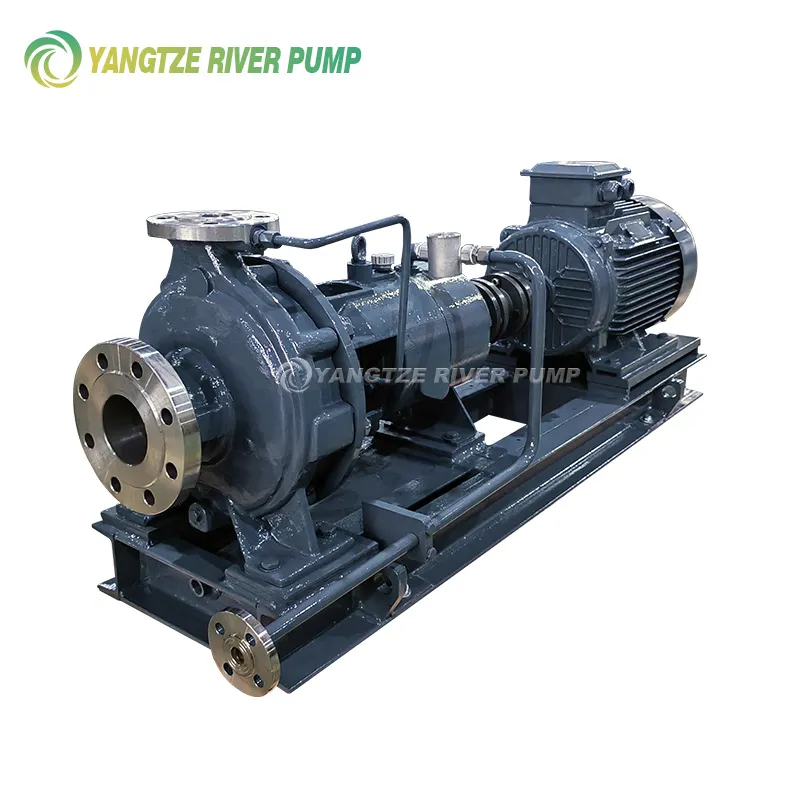 Petrochemical Process Pumps API 610 YZA