







centrifugal pumps 100 m3 h
When they say “centrifugal pumps 100 m3 h,” many immediately imagine some kind of universal, standard piece of equipment. I’ll say right away that this is one of the most common misconceptions. The figure of 100 cubic meters per hour is just a point on a graph, and without the context of pressure, environment, temperature and hydraulic diagram, it means almost nothing. Many times I have encountered situations where a customer, focusing only on this parameter, purchased a completely unsuitable unit, and then spent months dealing with cavitation, engine overload, or simply the fact that the pump did not produce the required pressure. Let's figure out what's hidden behind this seemingly simple number.
Why ?100 m3/h? - this is not a passport, but a starting point
Let’s say a request comes in: we need a centrifugal pump with a capacity of 100 cubic meters per hour to pump water. The first question that comes to a practitioner’s mind is: why exactly? Irrigation? Cold water supply? Circulation in the process loop? Because for every occasion ?water? - different. For irrigation, a regular cantilever pump is often suitable, but if there are abrasive suspensions in the water, then you need to look at the materials of the flow part - cast iron will not always work, maybe a wear-resistant alloy is needed.
The second, and main, question is pressure. Without this parameter, talking about 100 m3/h is pointless. A pump that produces 100 cubic meters of pressure per 10 meters, and a pump that produces the same 100 cubic meters, but for 80 meters, are fundamentally different machines in design, number of stages, engine power and, of course, price. I often see how in technical specifications they write “capacity 100 m3/h”, but they forget about the pressure, then problems with coordination begin.
And the third point is Wednesday. Even if it is water, what kind? Cold, hot (and to what temperature?), clean, with chemical additives, sea? For hot water up to 110°C, a special design is already needed, with compensation for thermal expansion, possibly with a double mechanical seal and a cooling system. For chemically active media, completely different materials are used, often 304 or 316 stainless steel, or even plastic chemical pumps. At our production site inZhejiang Yangzijiang Pumping Industry Co.,LtdWe come across this all the time: one line makes standard cast iron water pumps, and the other makes specialized ones, made of stainless steel or coated, for more complex tasks.
Single-stage vs multi-stage: choice for hundreds?
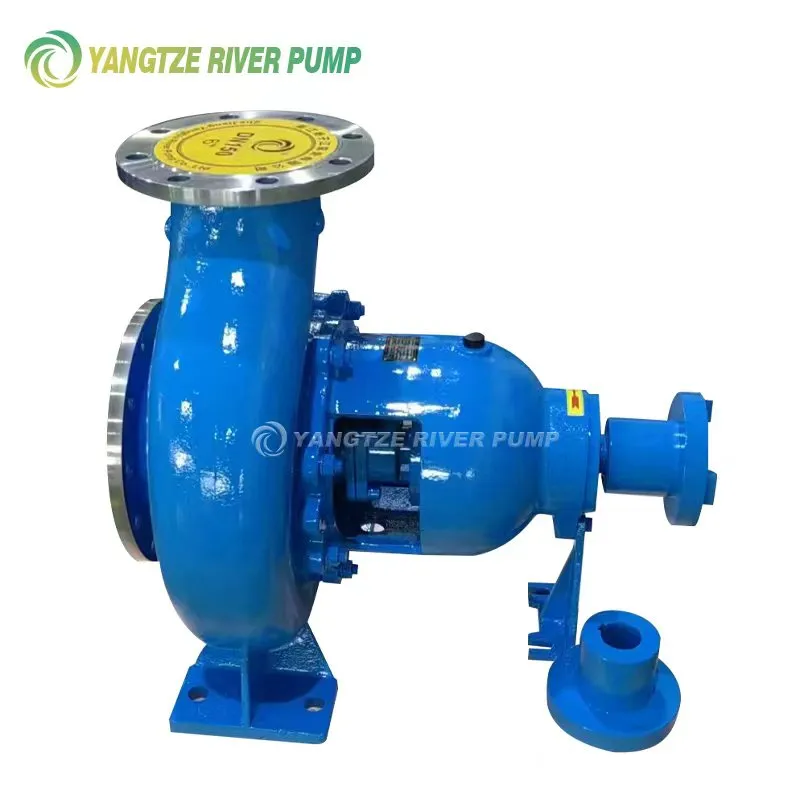
For the 100 m3/h parameter, the question most often arises of choosing between a single-stage and a multi-stage pump. If the pressure required is small, say up to 30-40 meters, then a single-stage centrifugal pump is an ideal option. It is simpler, cheaper, more reliable, and easier to maintain. We have such models in our line, and they are well suited for water supply or circulation tasks in systems with low hydraulic resistance.
But as soon as the pressure exceeds 50 meters, the single-stage unit begins to lose. To create high pressure with one impeller, you need to greatly increase its diameter and peripheral speed, which leads to an increase in loads, noise, risk of cavitation and dimensions. This is where multistage centrifugal pumps come into play. They achieve the same 100 m3/h by connecting several wheels in series in one housing, each of which adds its own portion of pressure. It turns out to be more compact, more efficient, and often higher efficiency. We produce them for boiler rooms, pressure boosting systems, and flushing systems.
I had experience when a production line required 100 m3/h at 90 meters of pressure. First, we tried to select a powerful single-stage pump - its dimensions did not fit into the allotted space, and the mounting plate was too heavy to lift. We switched to considering a multistage vertical pump - the size problem was solved, and operating energy costs were lower. This is the case when you can’t get hung up on one type of design.
Flow path materials: from cast iron to plastic
This is perhaps the most common reason for premature failures. Take a pump designed for clean water and begin to pump a suspension or weak acid solution through it. The cast iron flow part is eaten up within six months. Therefore, when ordering a pump for 100 m3/h, the material is not a secondary issue, it is a matter of service life.
For neutral clean liquids - cast iron or carbon steel is the standard. If there are abrasive particles, as in mine waters or when pumping pulp, then high wear resistance is needed. Pumps with a flow part made of high-chromium cast iron or with a rubber lining may be suitable here. We offer such solutions for the mining and processing industry.
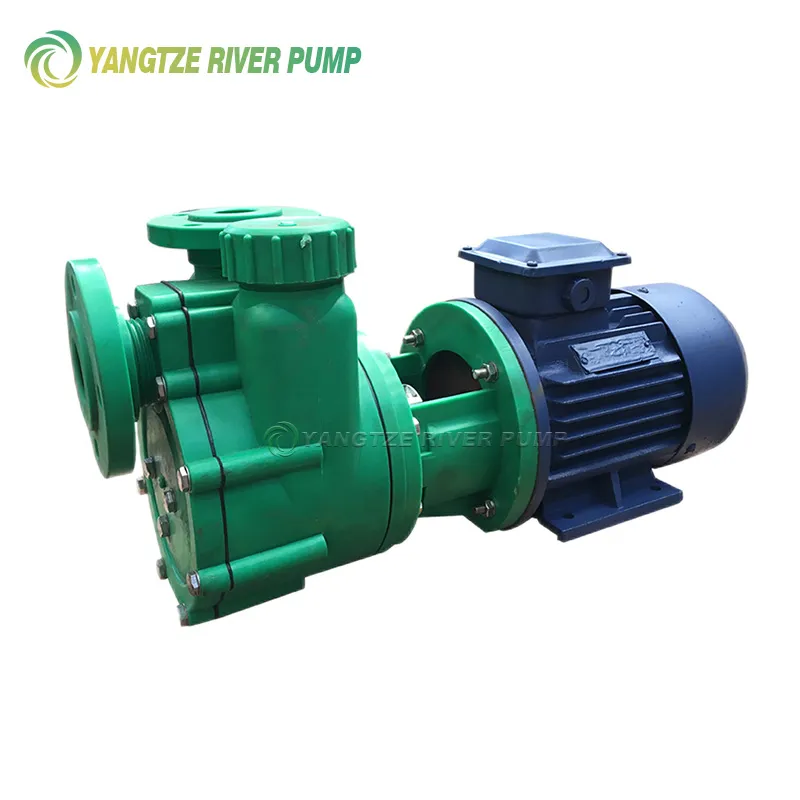
But for chemistry it’s a different story. If the environment is aggressive but not abrasive, plastic chemical pumps are often the best choice. Their body and impeller are made of polypropylene, PVDF or other polymers that are resistant to a wide range of reagents. They are lighter, often cheaper than AISI 316 stainless steel pumps, and for many 100 m3/h processes - the perfect balance of price and durability. On our websiteyangtzeriverpump.ruYou can see in more detail which materials we recommend for which environments - the information is based on real tests in our laboratory.
Self-priming and submersible models: when are they needed for such performance
Often a request for 100 m3/h comes for tasks where there is a problem with backwater - for example, pumping from a tank, well or pit. A conventional centrifugal pump is not suitable for this; it needs priming. There are two main ways here.
The first is self-priming pumps. They are capable of removing air from the suction line and creating a vacuum to lift liquid from a certain depth (usually up to 7-8 meters). For a productivity of 100 m3/h these will be quite large units, but they are indispensable, for example, for mobile fire stations, irrigation systems or temporary water intakes. An important nuance: after starting “dry” They should not run for long periods of time, otherwise the seal will overheat.
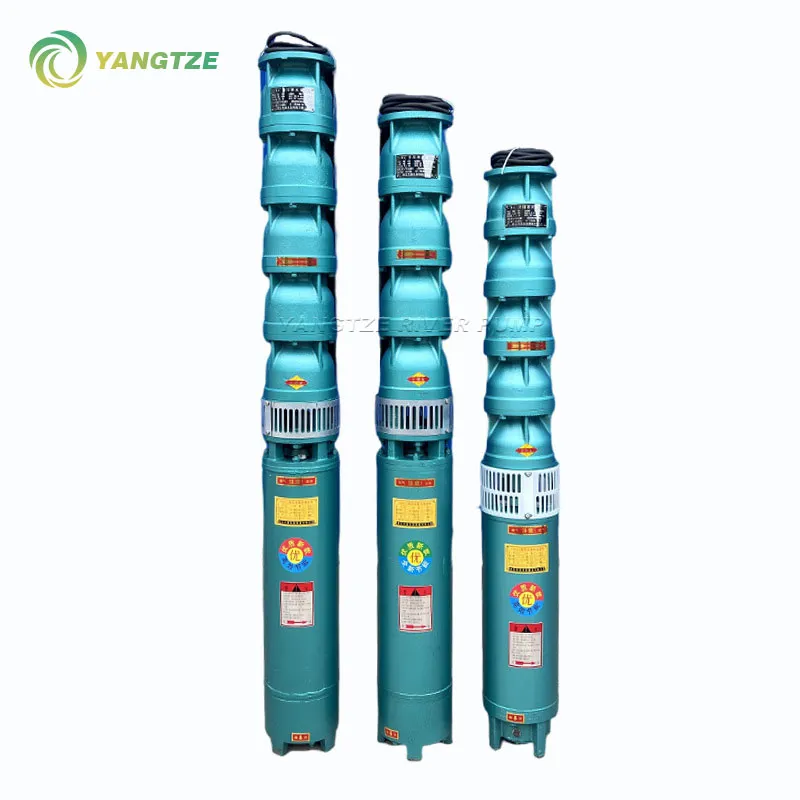
The second option is submersible pumps. For wells or deep wells this is the only solution. A 100 m3/h submersible pump is already a serious machine, often multi-stage, with a long body. Its key advantages are that it does not require filling and makes virtually no noise on the surface. But there are also disadvantages: it is more difficult to maintain (you need to lift it), high-quality engine protection from moisture is critical. We produce such pumps for water supply to villages and irrigation of large areas.
Tests and pitfalls commissioning
It would seem that the pump has been selected according to all parameters, manufactured, and delivered to the site. The fun starts here. One of the most critical aspects is ensuring the required NPSH. If the pressure at the pump suction drops below the saturated vapor pressure of the pumped liquid, cavitation will occur - the collapse of steam bubbles with microscopic water hammer. For a 100 m3/h pump this is fatal: erosion of the impeller blades, vibration, drop in performance and pressure. I had to see how cavitation “ate away” over the course of a year. stainless steel wheel.
Therefore, before starting, you should always check: is the diameter of the suction pipe sufficient? Are there any extra bends, valves, or filters on it that create additional resistance? This is especially important for hot liquids, which have a higher vapor pressure. Sometimes the problem is not solved by replacing the pump, but by moving the suction line to a larger diameter pipe or moving the pump closer to the source.
Another common ?stone? - work on a closed valve or on the far left side of the characteristic. Centrifugal pumps 100 m3 h are designed to operate in the optimal zone of their Q-H schedule. If the system requires, say, 80 cc, and the pump is constantly running at 100, it will overload the engine. If you use a valve at the outlet to “strangle” it? up to 50 cubic meters, the radial load on the shaft will increase, which will lead to increased wear of bearings and seals. The solution is to properly configure the system or use a frequency converter for smooth regulation.
Final thoughts: don’t chase the number, but understand the process
Ultimately, what do I want to convey? Key words ?centrifugal pumps 100 m3 h? - this is not the name of the product, but a technical condition. This is the starting point for dialogue between technologist and engineer. In our company,Zhejiang Yangzijiang Pumping Industry Co.,Ltd, we have built a full cycle - from R&D and testing at our stands to production and service - precisely so that this dialogue is substantive. So that you can not just sell a unit with the required number in the passport, but select, and, if necessary, design a solution that will work effectively in your specific conditions for ten or more years.
Therefore, when formulating a problem, think not only about 100 cubic meters per hour. Think about what you pump, with what pressure, at what temperature, where you take it from and where you supply it, whether there are solid inclusions in the liquid. These details are the difference between equipment that simply works and a truly reliable piece of technology. Based on this, it is worth choosing between a single-stage centrifugal pump, multi-stage, self-priming or submersible, between cast iron, steel or plastic. There are no universal solutions, and this is where the complexity and interest of our work lies.
Correspondingproducts
Related Products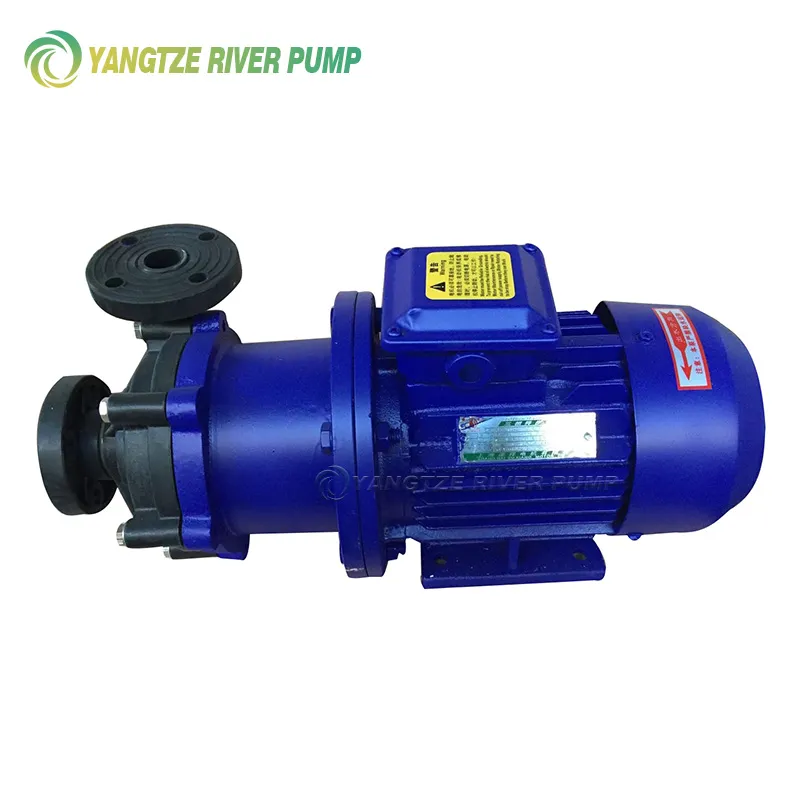

Best Sellingproducts
Best Selling Products-
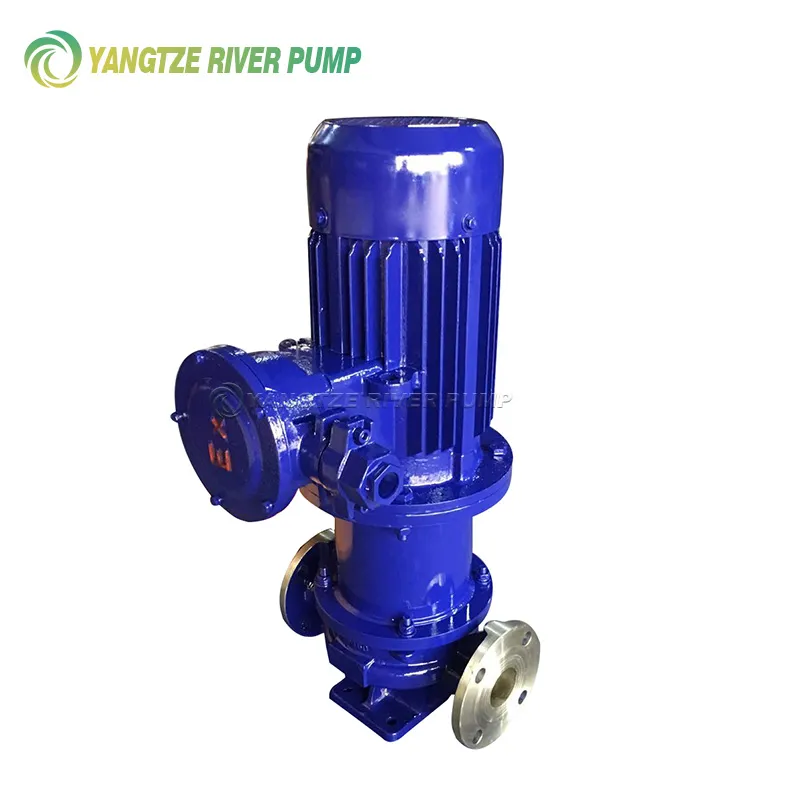 Vertical magnetic pumps CQB-L
-
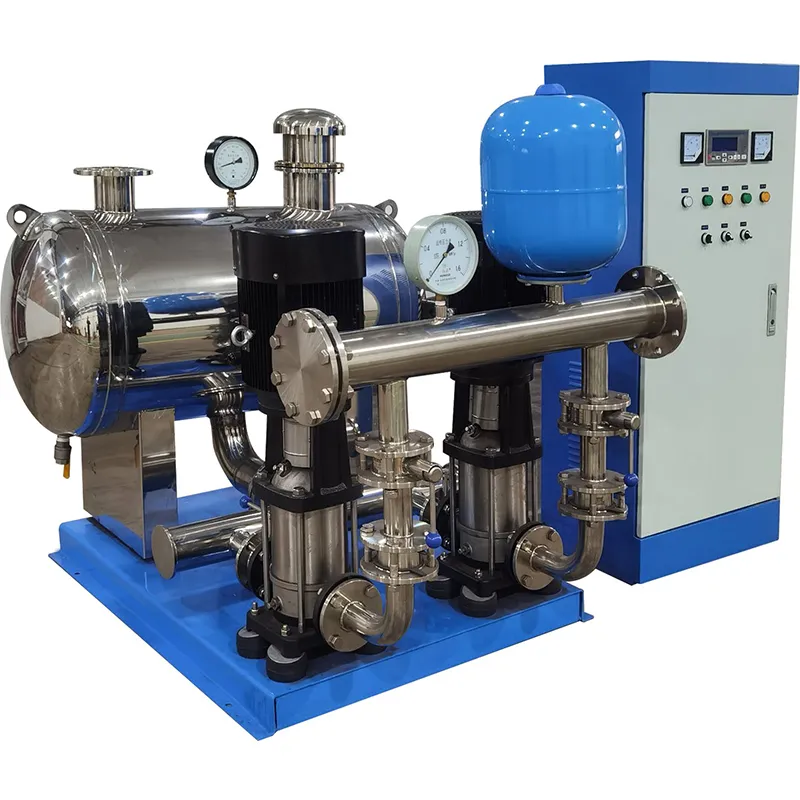 Complete water supply installations with frequency regulation and constant pressure CDLF
-
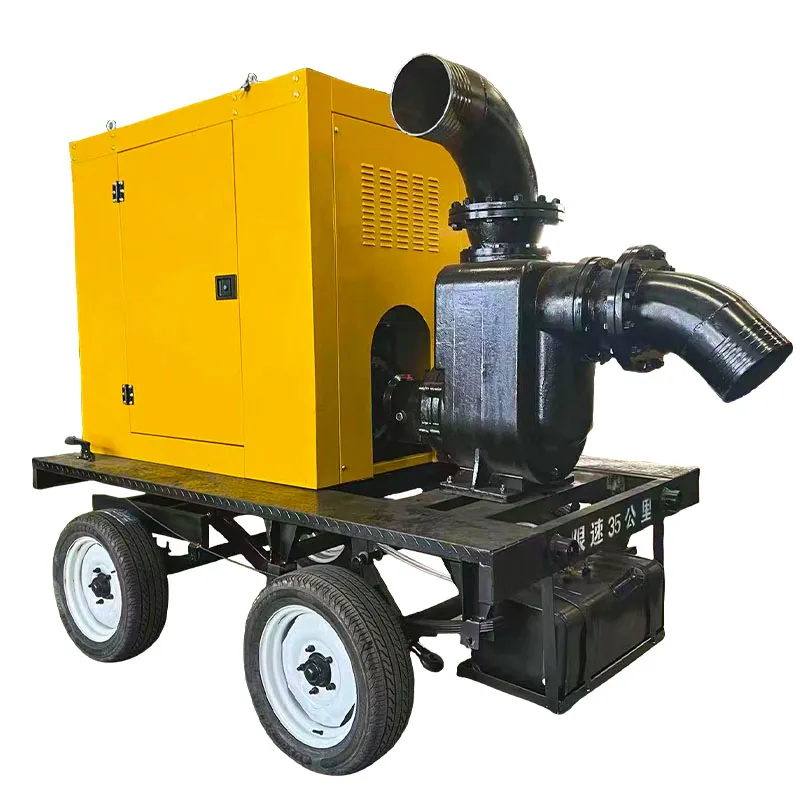 YZZW Diesel self-priming pumps
-
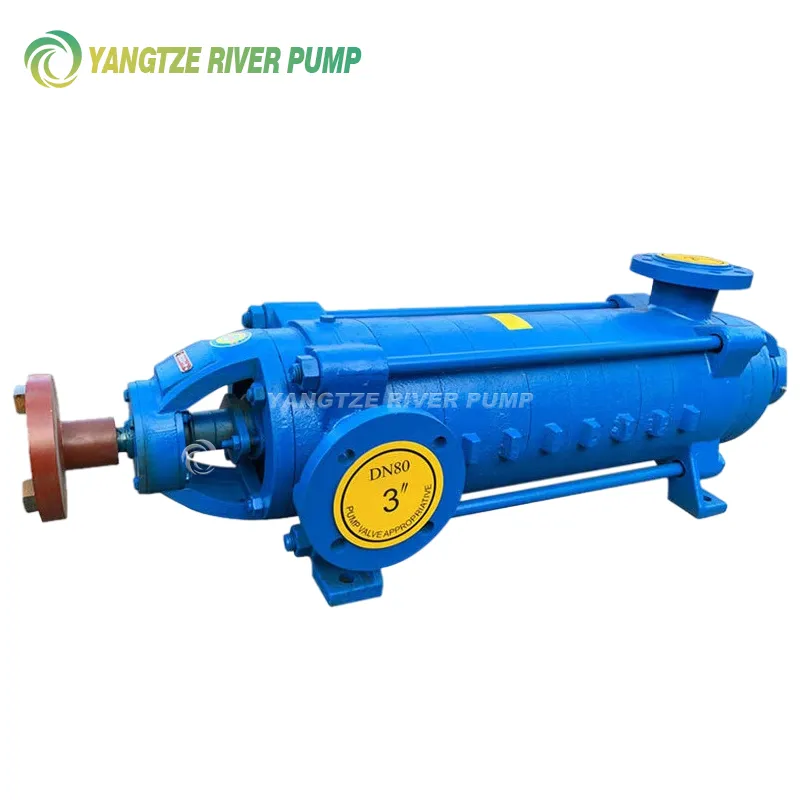 Horizontal multistage pumps for feeding DC boilers
-
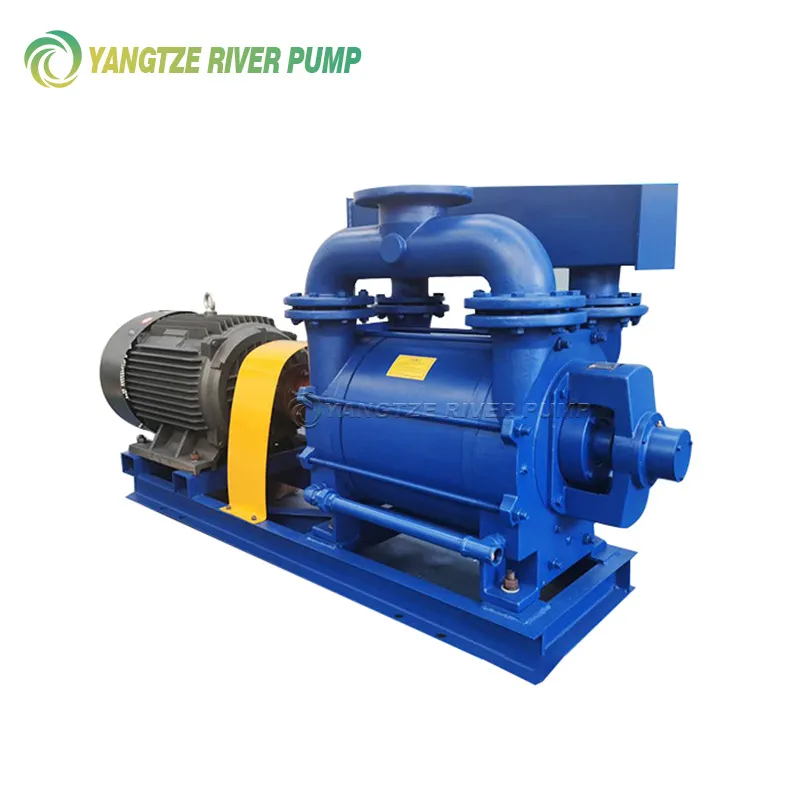 Liquid ring vacuum pumps type 2EB
-
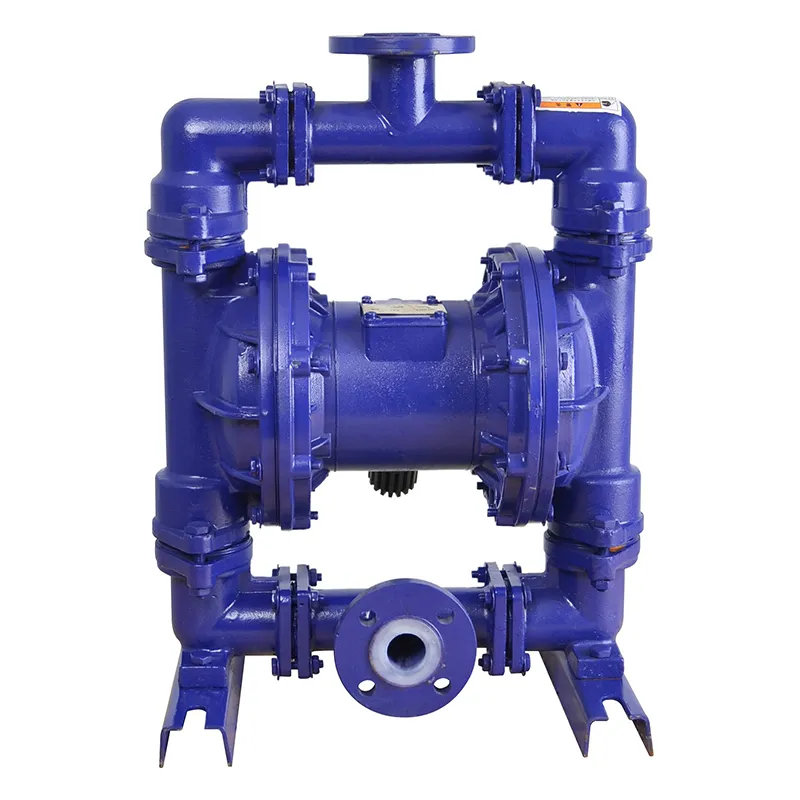 Metal pneumatic diaphragm pumps QBK
-
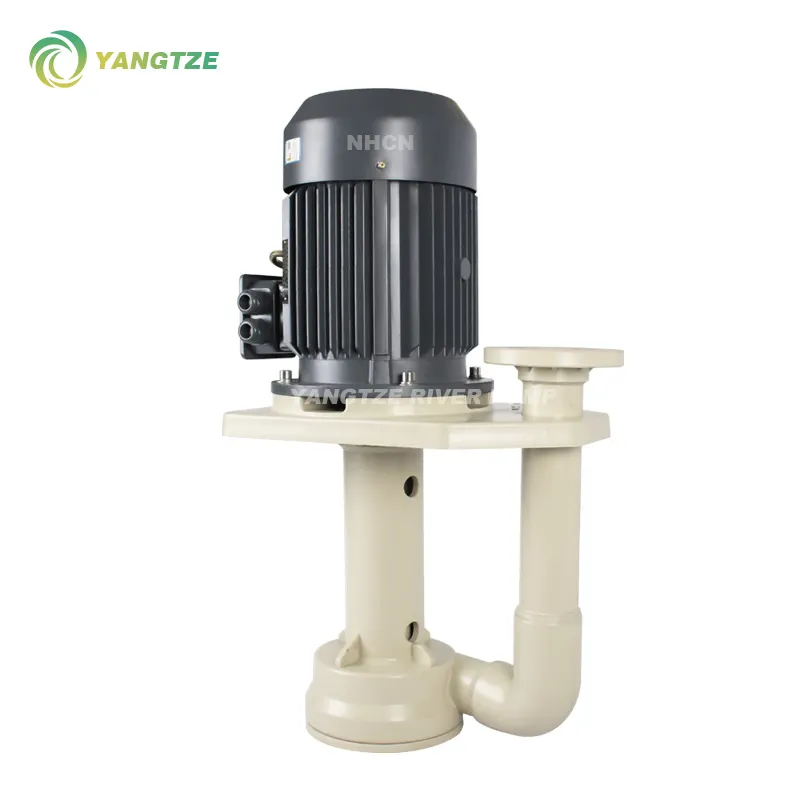 Vertical pumps for installation inside/outside tanks YZCN and YZCW
-
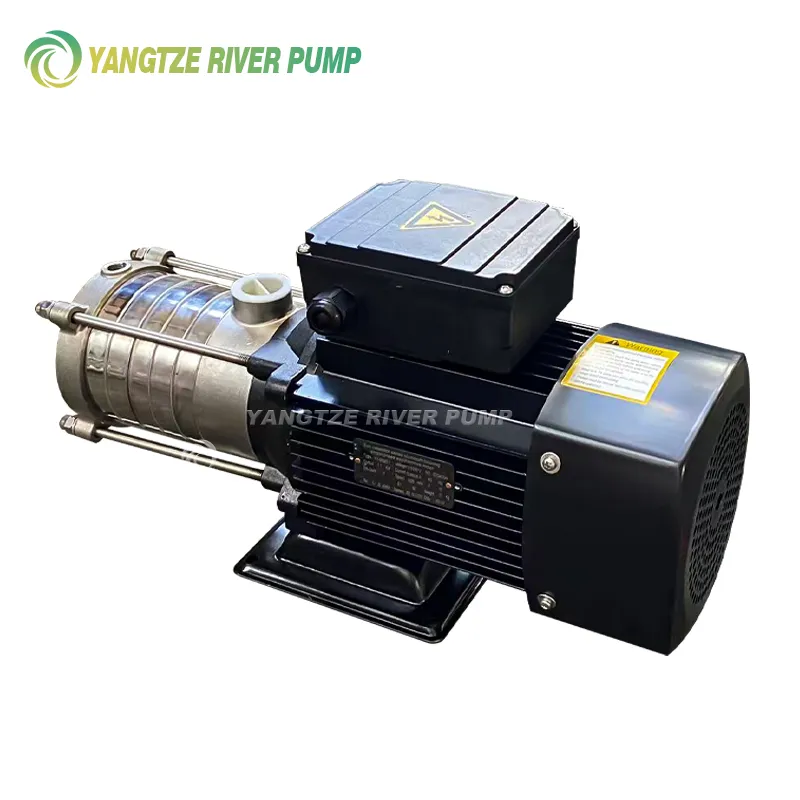 Horizontal multistage centrifugal pumps (light series) CHL and CHLF
-
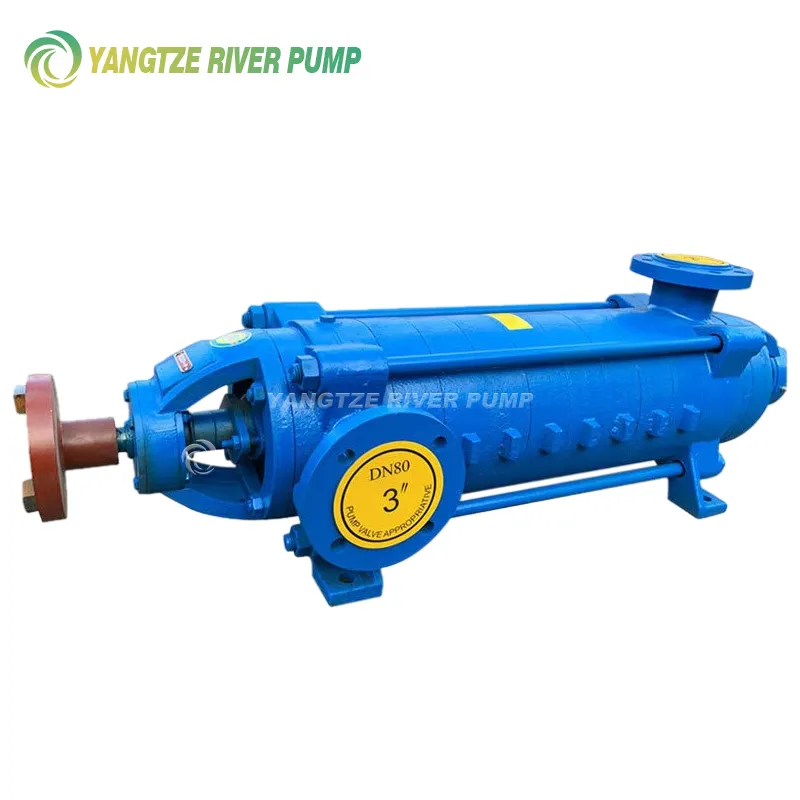 Horizontal multistage pumps for feeding DG boilers
-
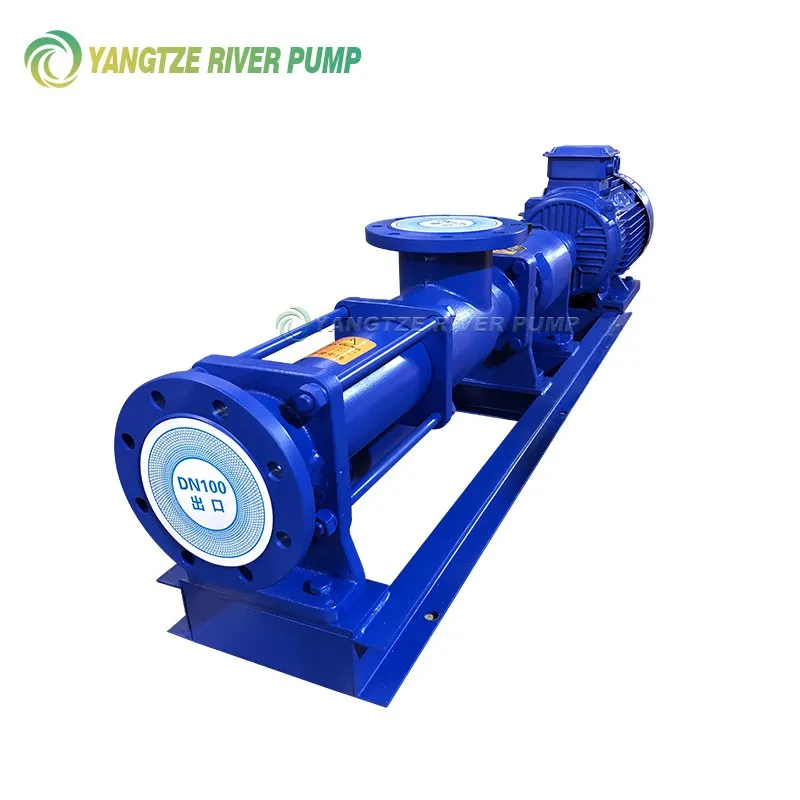 Single screw pumps type G
-
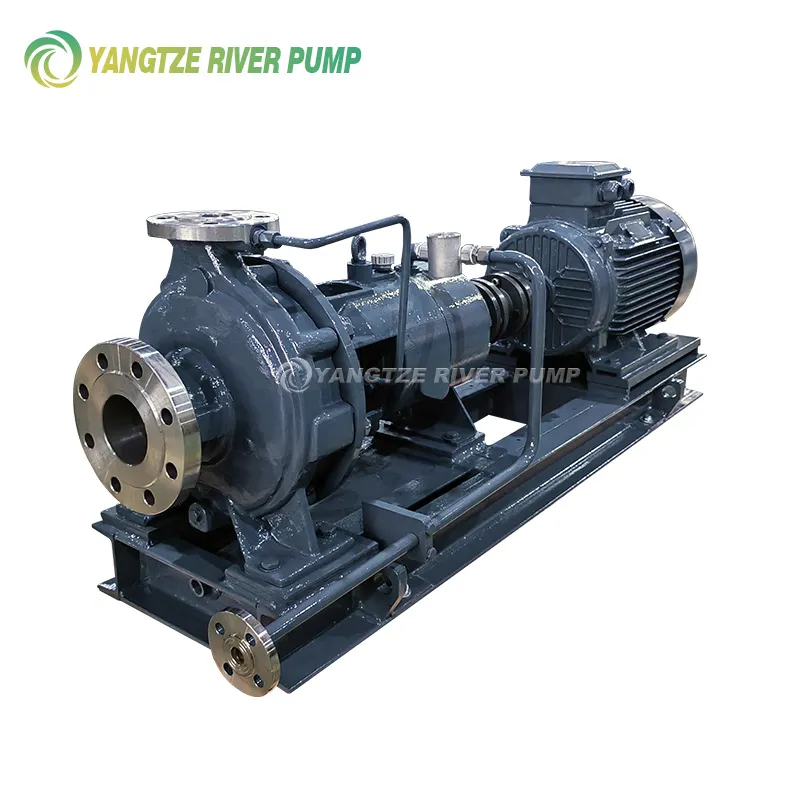 Petrochemical Process Pumps API 610 YZA
-
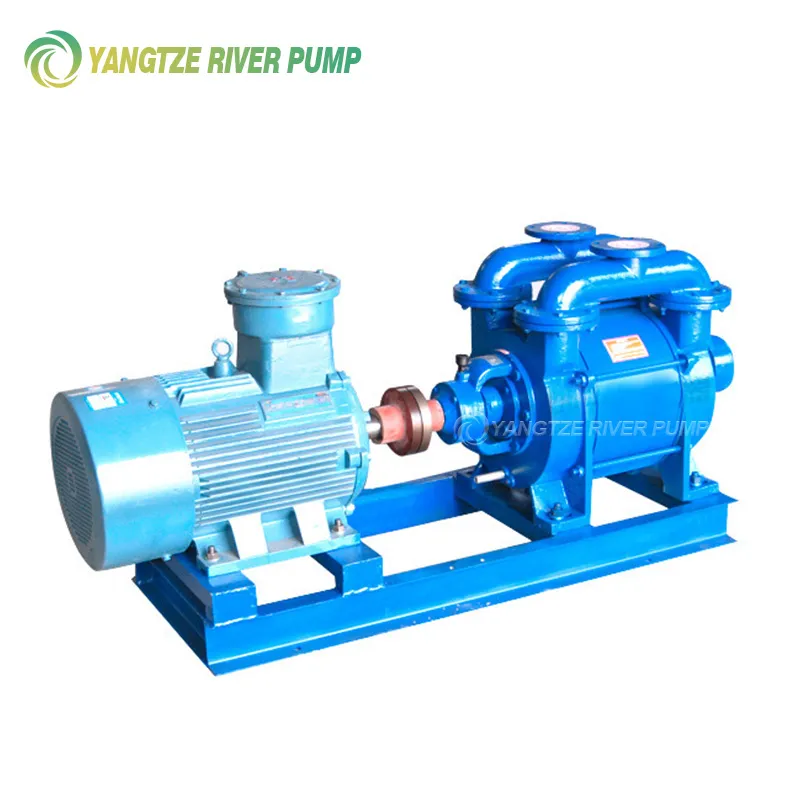 Liquid ring vacuum pumps type SK