







deep pump 120 meters
When you hear “submersible pump 120 meters”, the first thing that comes to mind is the finished specification, the certified depth. But in practice, this figure is more of a starting point for calculations, rather than a guarantee. Many people think that they bought a pump with this marking, lowered it 120 meters - and everything worked. The reality is more complicated: there is a static water level, and a dynamic one, well flow rate, and pressure loss in the pipeline. The most common mistake is choosing a pump only according to the maximum depth, without taking into account the total required pressure to lift to the point of disassembly and create pressure in the system. As a result, the pump can “reach?” from the depths, but the stream from the tap will barely flow.
What does 120 meters really mean? for submersible pump
The passport for a deep-well pump, especially a multi-stage one, like ours at Zhejiang Yangtzejiang Pumping Industry LLC, indicates the maximum immersion depth or maximum pressure. For 120 meters, this is usually a pump with a significant number of stages, capable of creating a pressure of 12 bar and higher. But the key word is “maximum”. This is the limit at which the pump will still pump, but with minimal efficiency. The operating point must be chosen with a reserve so that the equipment does not work for wear.
For example, for a well where the dynamic water level is set at 100 meters, and a house with a pressure switch is located at a height of 10 meters, you need a pump with a pressure of not 110, but at least 130-140 meters. Otherwise, it will constantly work in a mode close to the maximum, which will affect the resource. When selecting, we always stipulate this, because we have seen cases when clients scolded “weak?” pump, but the problem was an incorrect calculation of the hydraulics.
Another nuance is the diameter. Wells with a casing of 110-120 mm are usually located at 120 meters. This means the pump must be 4 inches (about 100 mm). But if the well is old or has been drilled with a reserve, a 3-inch model may be suitable. This is a matter of individual selection; there are no universal solutions here.
Manufacturing Experience and Typical Configurations
At our plant, where complete lines from R&D to testing are assembled, the production of deep-well pumps with such parameters is a separate story. For 120 meters we almost always use a multi-stage design. Each stage adds pressure, but reduces productivity. Therefore, the task of engineers is to find a balance: how many steps to install so that with the required pressure of 120+ meters there is still an acceptable water flow, say, 1.5-2 cubic meters per hour for a house.
Materials are a separate topic. For such depths, the step bodies are made of stainless steel, as are the shafts. Plastic, even reinforced, in its pure form for constant load at great depths raises questions. Although it works for less critical nodes. We test pumps on stands that simulate different depths and operating modes before sending them to the warehouse. There is no way without this.
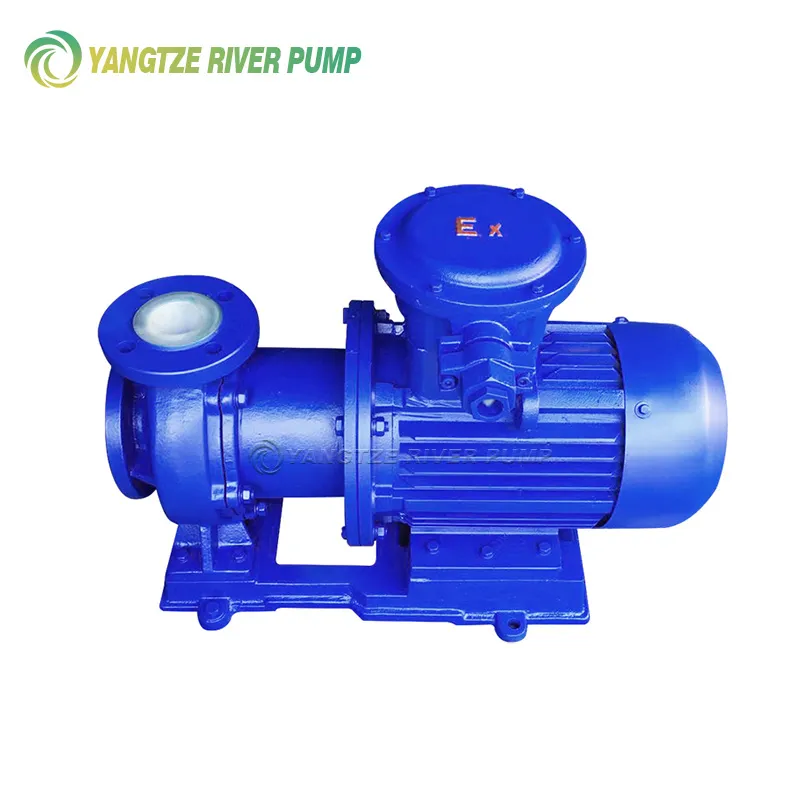
People often ask aboutmagnetic pumpsfor such depths. The technology is interesting, there are no seals, but for 120 meters with high pressure they are still less common than classic centrifugal ones. Their strengths are tightness and work with clean media, but in conditions of possible sand in the well, I would recommend a proven multi-stage design.
Problems at the site: from theory to practice
One of the most common problems you encounter with an already operating well is a drop in flow rate. The pump is designed for 120 meters, but the water went deeper. Or vice versa, during the build-up the level rose. Here you either raise the pump lower, or change the model to a more powerful one. And these are additional costs. Therefore, in our company, during consultation, we always clarify the data on the well passport and recommend taking dynamic level measurements before purchasing.
Another point is power supply and control. At this depth, the pump's starting current can be high. A weak cable or an incorrectly selected circuit breaker will lead to constant outages. We always complete oursubmersible pumpscable of the appropriate length and cross-section, but installers sometimes save money and install something cheaper. Then the client complains about the work, but the pump is not to blame.
There was a case when a client installed a pump to the entire depth of 120 meters in a new well. Six months later, interruptions began. It turned out that there was an error in the well's passport, the filter part was higher, and the pump partially stood on the sand layer. I had to lift it, wash it, and reinstall it. Now we always advise you to clarify not only the depth, but also the design of the well filter.
Comparison with other types of pumps in our range
At Zhejiang Yangzijiang Pump Industry LLC, we have a wide line: both self-priming and linear centrifugal. But for 120 meters this is definitely the sphere of submersibles. A self-priming pump will not physically lift water from such a depth; its suction limit is 8-9 meters. Linear centrifugal ones are powerful, but are not intended for wells; they are more for surface pumping.
Sometimes they ask aboutdiaphragm pumpsor plastic chemical ones for deep wells. No, these are completely different devices. Diaphragm - for dosing or aggressive media, with low pressure. Plastic chemical ones are also for specific liquids, and not for clean (or not so clean) water from a 120-meter well. Using them there would simply be a mistake.
Butsingle screw pumps(screw) are sometimes used for deep wells. They cope well in water where there is sand. But their efficiency is usually lower than that of centrifugal multistage ones, and for clean water with high pressure they lose in efficiency and, often, in price. The choice always depends on the water analysis.
Service and final recommendations
The main advice we give after many years of production and service: do not skimp on selection and installation. A 120 meter pump is not a household appliance; its installation must be carried out by specialists with accurate measurements. Be sure to use a check valve, dry-running protection and a voltage stabilizer if there are fluctuations in the network.
Our support service on the website https://www.yangtzeriverpump.ru often receives questions about already installed equipment. And in 70% of cases, the problem is not in the pump itself, but in the piping, power supply, or changing the parameters of the well. That’s why an integrated approach is so important: the right pump + the right installation + the right operation.
As a result,deep pump 120 meters- this is not just a commodity item. This is an engineering solution that must take into account a dozen parameters of a specific well and water supply system. And if you approach the matter with an understanding of this, then the equipment, be it ours or another trusted manufacturer, will last for many years without problems. And chasing the lowest price for such parameters most often means buying yourself a headache for the coming season.
Correspondingproducts
Related Products
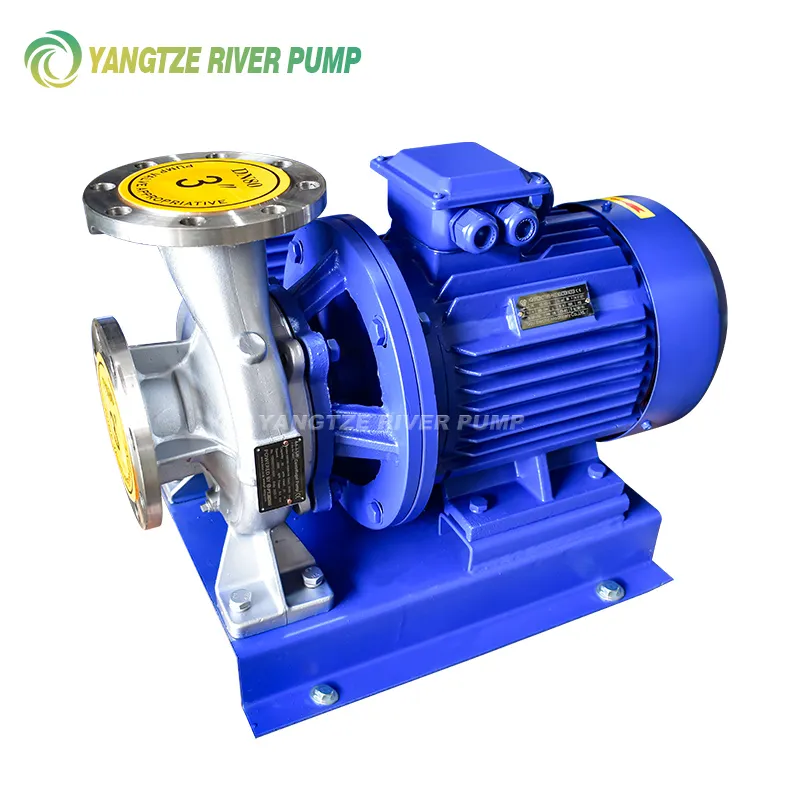

Best Sellingproducts
Best Selling Products-
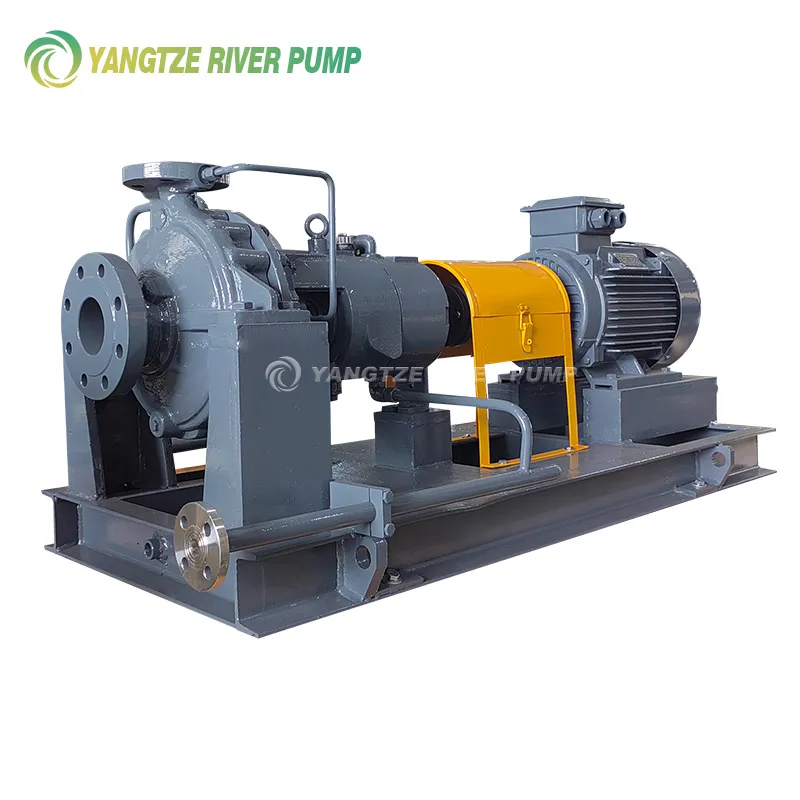 Petrochemical Process Pumps API 610 YZE
-
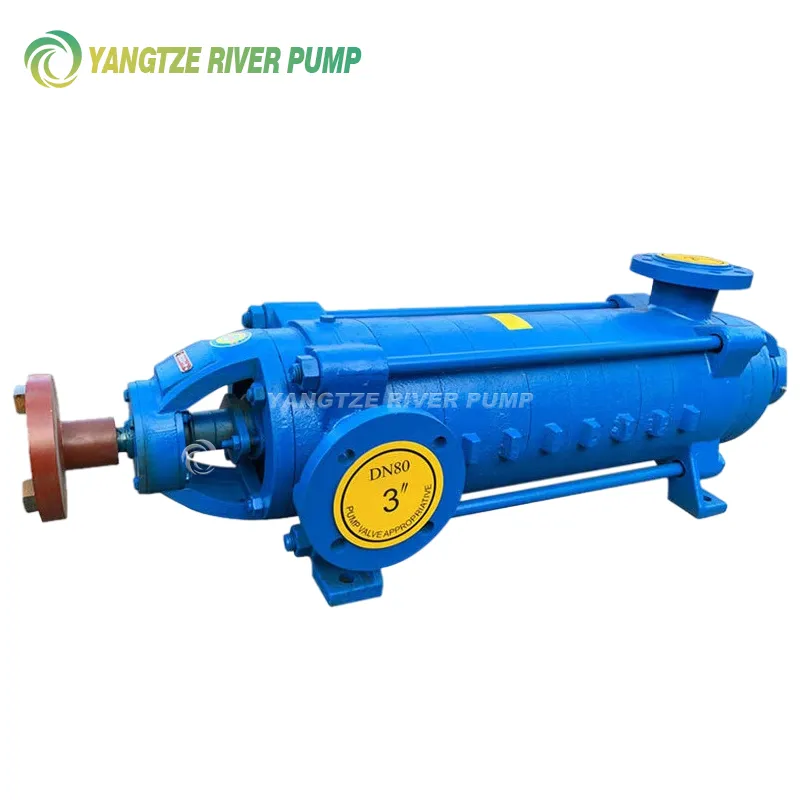 Horizontal multistage pumps for feeding DC boilers
-
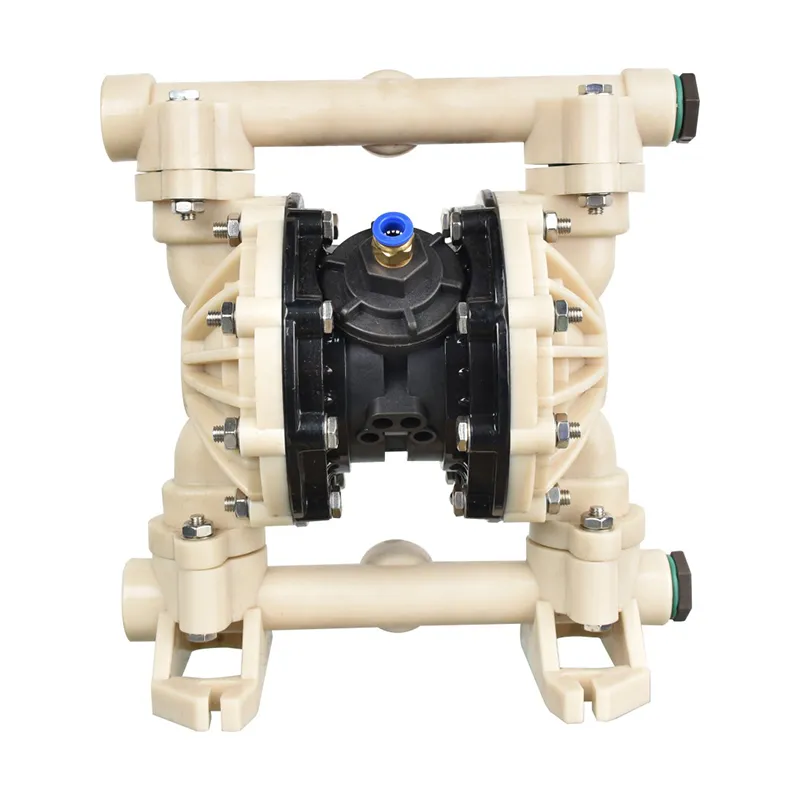 QBK Non-Metallic Air Operated Diaphragm Pumps
-
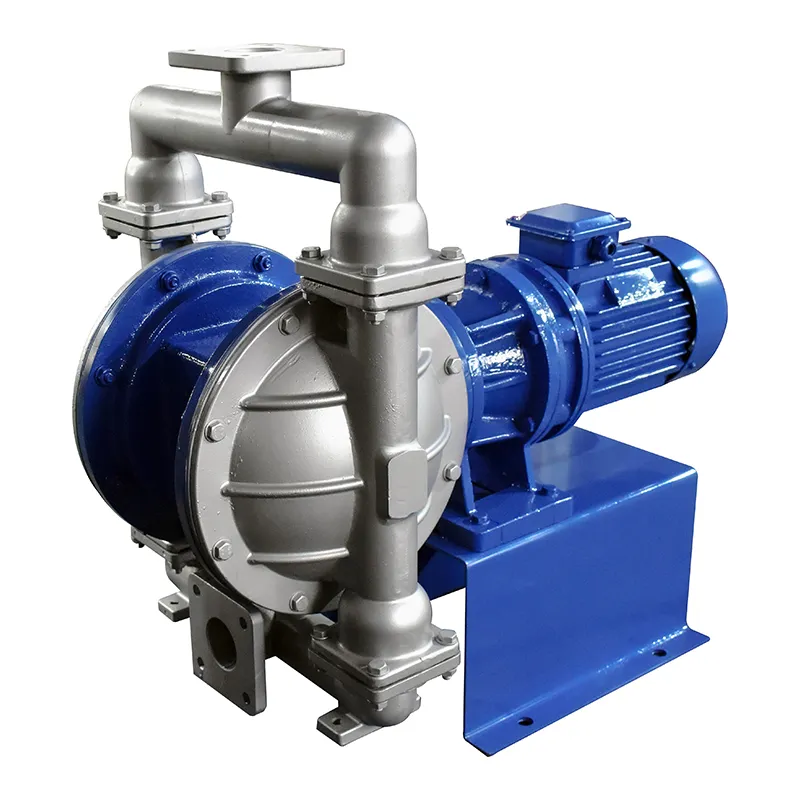 Metal electric diaphragm pumps DBY
-
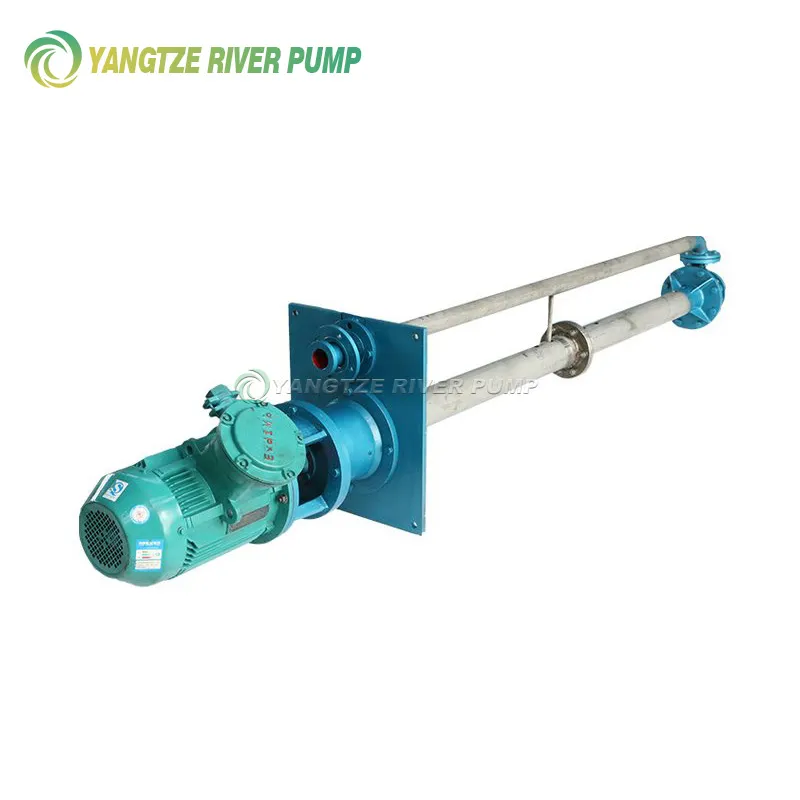 FY Submersible Chemical Pumps
-
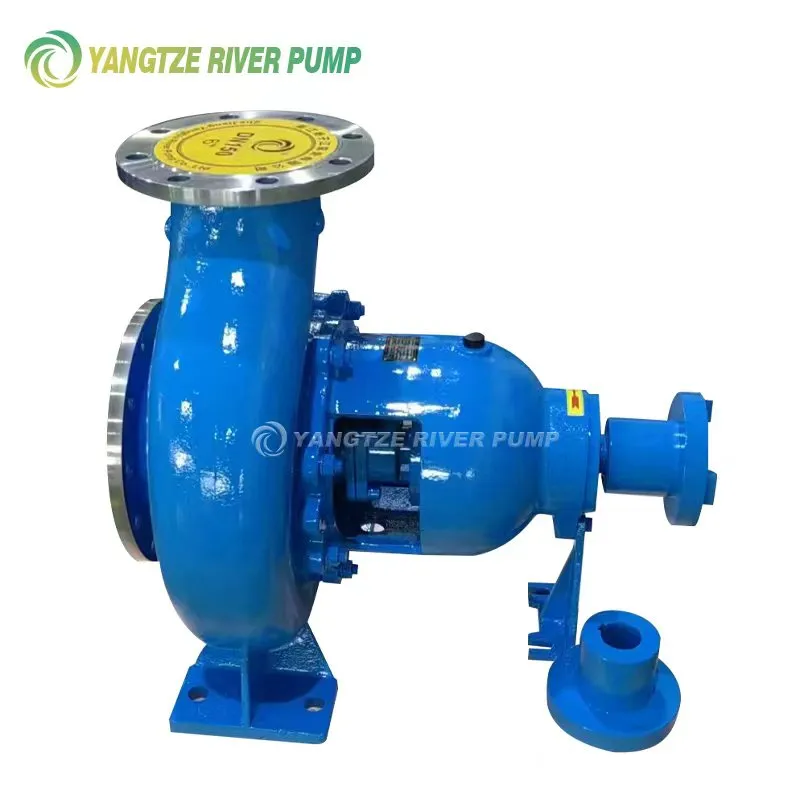 IH Stainless Steel Chemical Centrifugal Pumps
-
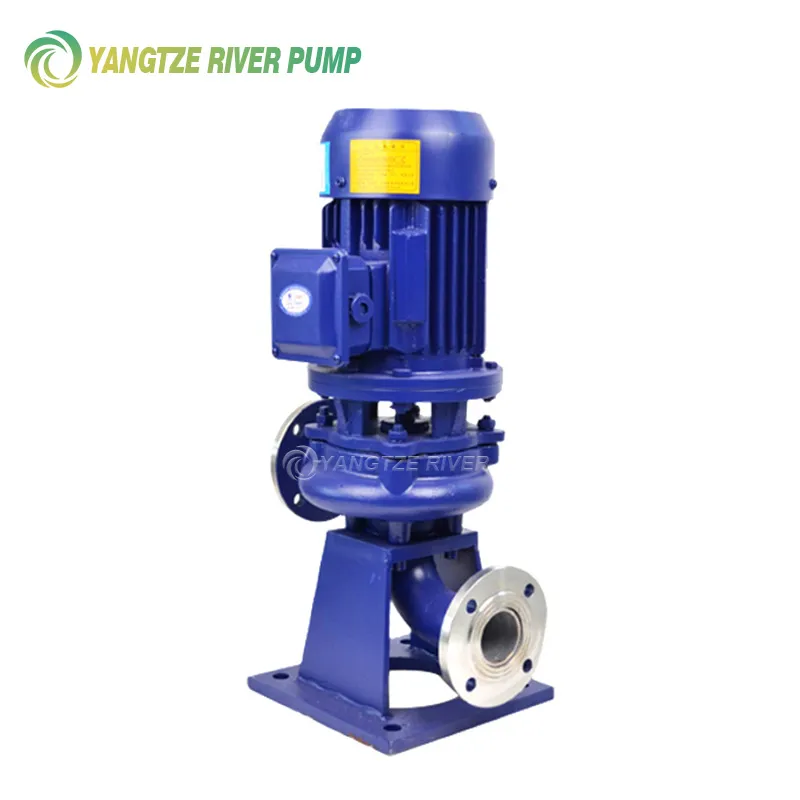 Non-clogging vertical wastewater pumps LW
-
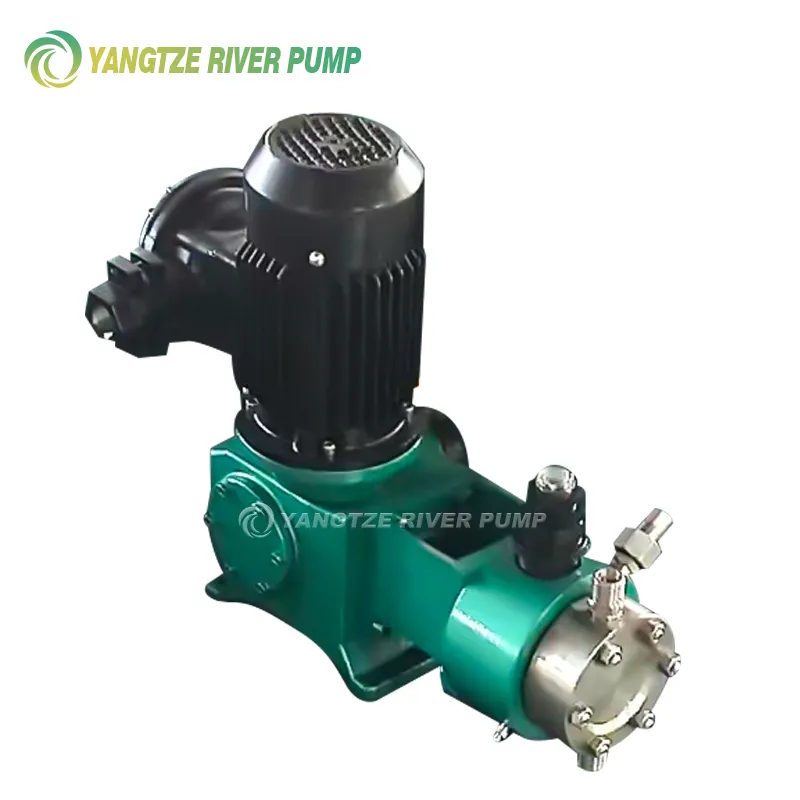 Plunger dosing pumps type DZ-X
-
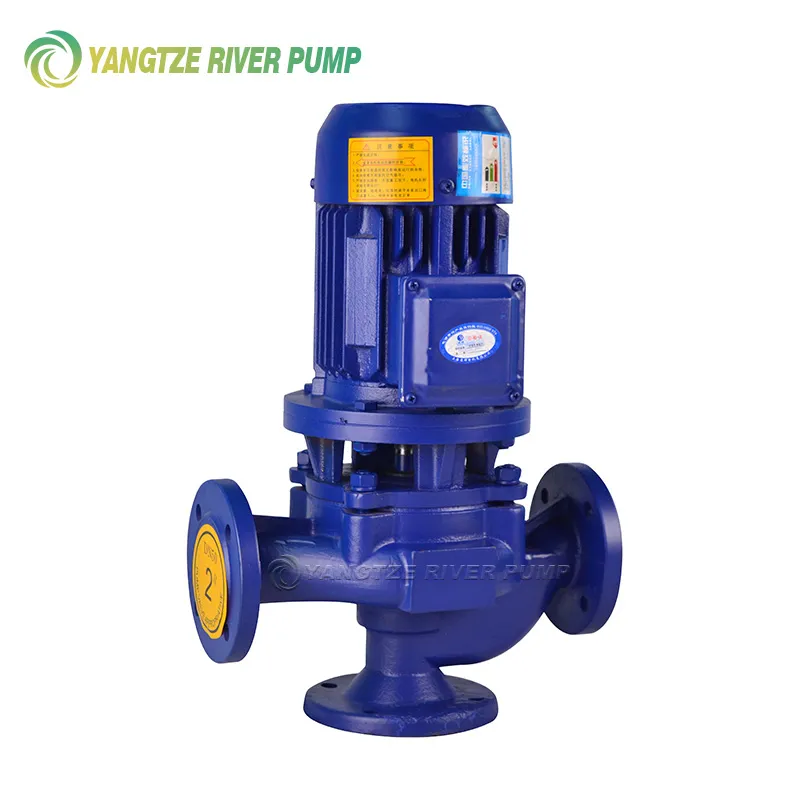 Pipeline wastewater pumps GW
-
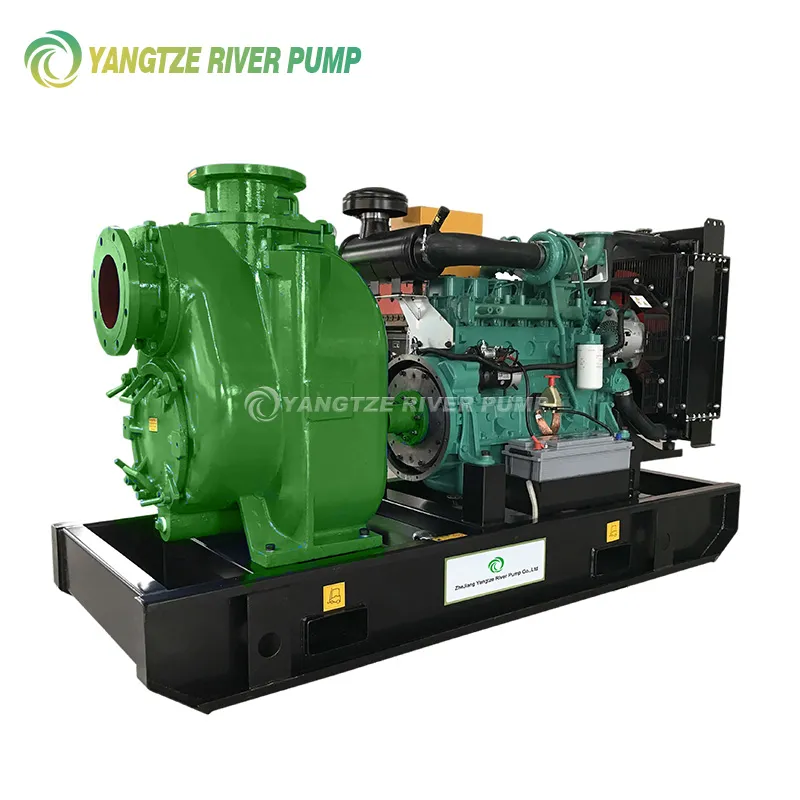 YZSP Diesel Self-Priming Pumps
-
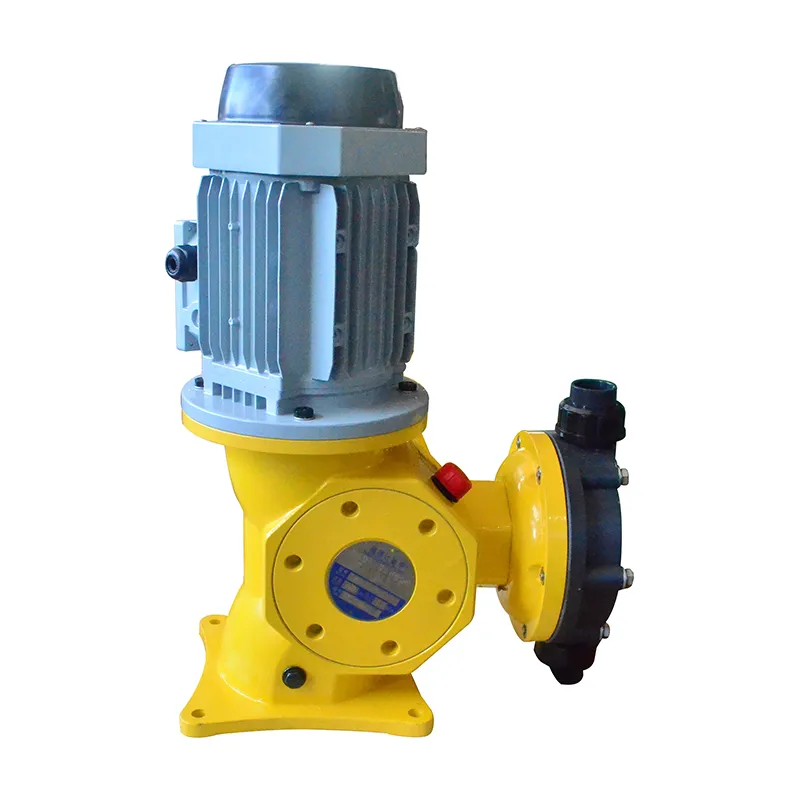 Mechanical diaphragm dosing pumps DJ-Z
-
 Magnetic pumps with fluoroplastic lining CQB-F