







centrifugal pumps 8 18
When you see “centrifugal pumps 8 18” in a specification or request, many, especially newcomers to the industry, immediately go to the selection tables and look for a ready-made model. But in reality it is more of an indication of the type and, perhaps, an approximate range. 8-18 is, roughly speaking, about the standard size, nominal diameter and pressure characteristics, but not a single article. We at Zhejiang Yangzijiang Pumping Industry LLC have encountered this all the time: the client sends technical specifications with this wording, and we need to decipher what he actually needs - for clean water or suspension, what pressure in meters, what productivity in cubes. And this is where the real work begins.
What is hidden behind the numbers 8-18? Personal decryption experience
I remember one of my first projects, about seven years ago. An order came from a small chemical plant: 'We need centrifugal pumps, type 8-18, to pump the solution.' Colleagues in the sales department almost immediately sent a commercial proposal for a standard single-stage cantilever pump. And when I started digging into the environmental parameters - the temperature is under 90, there is a fine abrasive suspension - it became clear that the standard cast iron version here would burn out in six months. Numbers 8-18 set the vector, but did not give an answer regarding the material of the flow part, seal, or engine.
It is precisely for such cases that we have a whole testing workshop at our production site. You can’t just take a drawing from a catalog and stamp it. We test pumps on stands with different media, look at the cavitation reserve, at the behavior of the shaft seal - be it a stuffing box or a mechanical seal. For the same 'chemical' tasks from the 8-18 line, it is often necessary to offer options with a flow part made of AISI 304 or 316 stainless steel, or even completely plastic chemical pumps if the environment is particularly aggressive. This is no longer just a “centrifugal pump”, this is a piece-by-piece work adjusted to the conditions.
And another nuance that is often missed: these numbers may refer to different designs. In the same standard size there can be a conventional cantilever pump (type K) or a monoblock pump (type KM), where the impeller sits directly on the motor shaft. The difference is in installation, in maintenance, and in the end, in price. We at Yangtzejiang Pump do both options for the 8-18 series, because there is a demand for both. For some, compactness and ease of installation are important - we take a monoblock. Where maintainability and the ability to quickly replace the engine are more important, we offer a cantilever version with a coupling connection.
From drawing to stand: how we test pumps in action
Any theoretical calculations must be confirmed by practice. On our website yangtzeriverpump.ru we write about eight complete production lines, and this is not just a nice word. One of these lines is just for testing and fine-tuning. There was a story with an order for severalcentrifugal pumps8-18 for irrigation system. According to the passport, everything matched: the pressure was about 18 meters, the flow was 50 cubic meters per hour. But the pumps at the site began to make noise and lose pressure after a month of operation.
p>We figured it out. It turned out that the water had a high sand content, which the customer kept silent about, and we didn’t specify it strictly enough. The abrasive quickly killed the impeller and o-rings. I had to urgently make a batch with wheels made of wear-resistant cast iron with the addition of chromium and change the seals to more resistant ones. Now, with any order, even the simplest one, our technologist always asks a dozen clarifying questions about the environment. This is the case when one failure teaches better than ten successful deliveries.The test bench is everything to us. We don't just pour water in and see if it pumps or not. We build performance characteristics: we take Q-H (flow-pressure) curves, look at efficiency at different points, and check cavitation. For 8-18 pumps, which often operate in variable flow systems, this is critical. Because if the pump operates most of the time in an area far from optimal efficiency, this will cost the owner a pretty penny in electricity bills. We then attach these real characteristics to the passport so that the client has no illusions.
Where pumps 8-18 and our solutions most often fail
According to my observations, size 8-18 is a real workhorse for many industries. But each has its pitfalls. Let's take the water supply of small villages or farms. Reliability and simplicity are needed there. Conventional single-stage centrifugal pumps are often installed. But if the well is deep or the pressure in the network needs to be increased significantly, a single-stage one may not work. Here we offer to look at multi-stage centrifugal pumps from our assortment. In the same range of standard sizes, they can give a pressure many times higher, albeit with a slightly lower flow. Or, as an option, submersible pumps for wells.
The chemical industry is a completely different story. There is no time for experimenting with materials anymore. There was a case at one paint and varnish production: they were pumping solvent-based paint. The client first bought a cheap conventional pump somewhere. Two weeks later the seal leaked and the housing began to corrode. Contact us. We offered a magnetic pump from our line - without seals, with complete tightness. Both the body and internal parts are made of fluoroplastic. Yes, it's more expensive. But it has been working for three years without any complaints. For chemistry, it is often sealless solutions - magnetic or diaphragm pumps - that turn out to be the only correct ones, even if the classic ones were initially included in the requestcentrifugal pumps 8 18.
Another area is fire fighting. The reliability requirements here are prohibitive. The pump must start at any time and produce strictly specified parameters. For such tasks, we make special designs with reinforced shafts, bearings with increased service life, often in a monoblock version to minimize losses on the coupling. And always with a full set of tests and certificates. This is no longer a product from a warehouse, it is a piece product that is assembled and tested for a specific responsible task.
Evolution of the approach: from selling hardware to selling solutions
Previously, about ten years ago, work was often structured like this: there is a catalog, there is a price, there is a deadline. Sold - shipped - forgotten. You can't survive like that now. The customer doesn't just want a pump, he wants his fluid pumping problem solved. Therefore, at Zhejiang Yangzijiang Pumping Industry Co., Ltd., we have gradually restructured our work. Yes, we have ready-made models, the same onescentrifugal pumps 8 18in different modifications. But the sales department now works closely with process engineers.
A request arrives. The first question: 'Why?' Second: 'What are we downloading?' Third: 'Under what conditions?' Only after receiving these answers do we begin the selection. Sometimes it turns out that the client does not need a centrifugal pump, but, for example, a single screw pump for a viscous liquid. Or a self-priming pump if there are problems with suction pressure. Our task is to offer the best option, even if it is not from the most popular line. Because in the end everyone wins: the client receives working equipment, and we receive a loyal partner who will return with a new order.
This approach was also reflected on our website yangtzeriverpump.ru. We try to provide not just lists of products, but information that will help the client’s engineer or technologist make a decision. Technical notes, application examples, strapping recommendations. It may be somewhat crude from a copywriting point of view, but it is true and from the first person - from the people who design, assemble and test these pumps.
Instead of a conclusion: a few thoughts out loud about the future of the standard size
There is a lot of talk now about digitalization, about 'smart' pumps with sensors and IoT connections. I wonder how this will affect such classics as 8-18 centrifugal pumps. On the one hand, these are simple, reliable machines that have been tested for decades. On the other hand, adding simple telemetry for vibration, bearing temperature, and current consumption could dramatically increase their reliability and predictability of maintenance. We are already experimenting with such options in our R&D department. While this is a bit expensive for the mass segment, it could become a standard for critical applications.
Another trend is a general increase in efficiency requirements. Energy is becoming more expensive, and a pump that runs 24/7, even with a small percentage of losses, will eat up the difference in price between a standard and energy-efficient model in a few years. Therefore, we are now paying a lot of attention to the hydraulic finishing of impellers and spiral bends specifically for popular standard sizes, including 8-18. Gaining even 2-3% efficiency is already a serious achievement for serial products.
In conclusion, what are 'centrifugal pumps 8 18'? For me this is not a line in the price list. This is a whole layer of tasks, conditions, materials and engineering solutions. This is the foundation on which a good half of pumping systems in industry and housing and communal services rest. And the approach to them should be appropriate - not formulaic, but thoughtful, taking into account all, even the most unobvious details. This is the only way the equipment will work for years, and not become a headache for those who bought and installed it.
Correspondingproducts
Related Products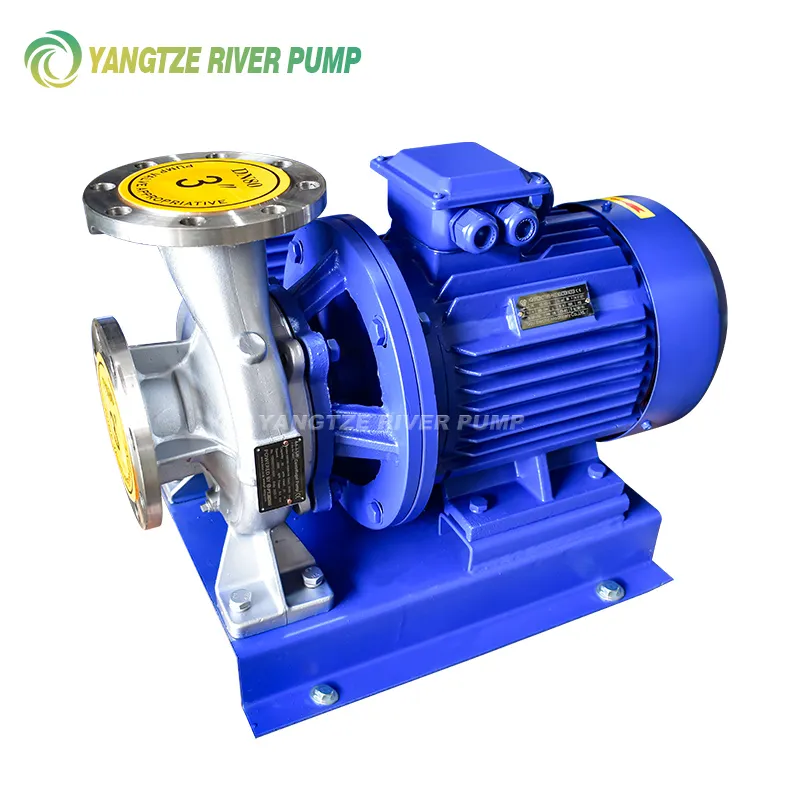
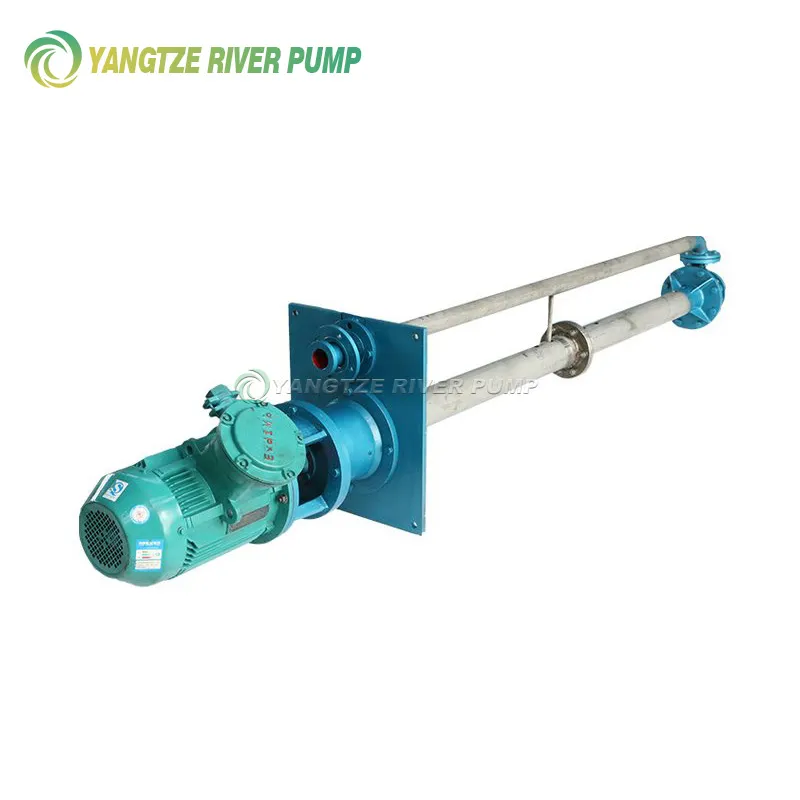
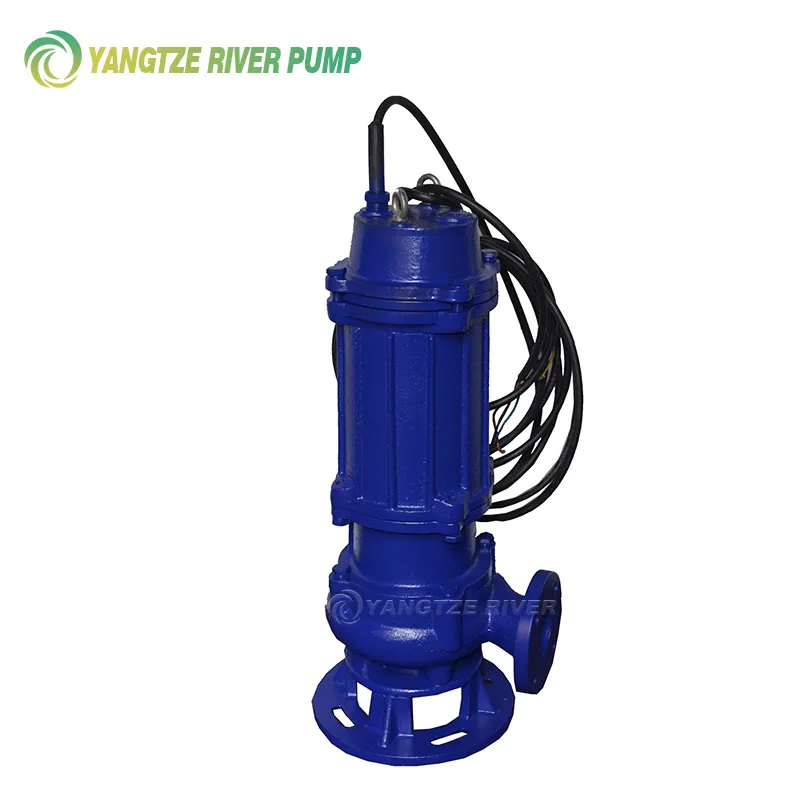
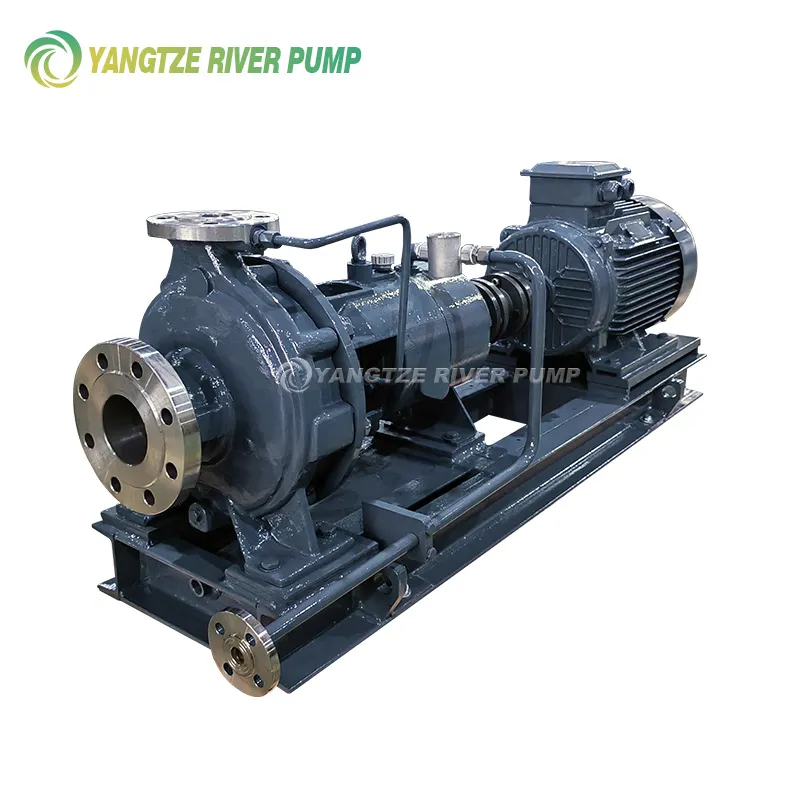
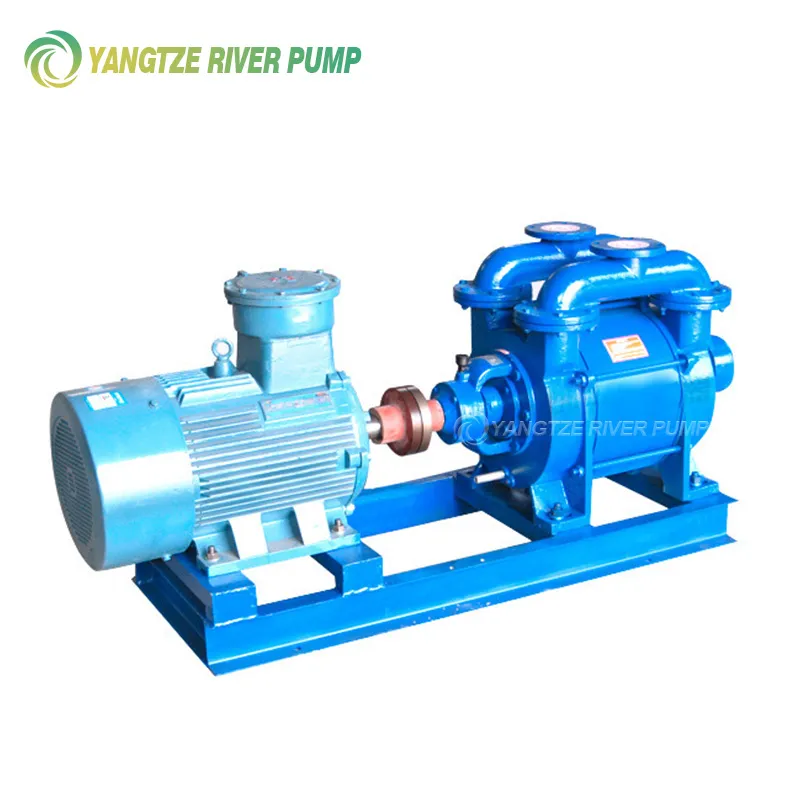

Best Sellingproducts
Best Selling Products-
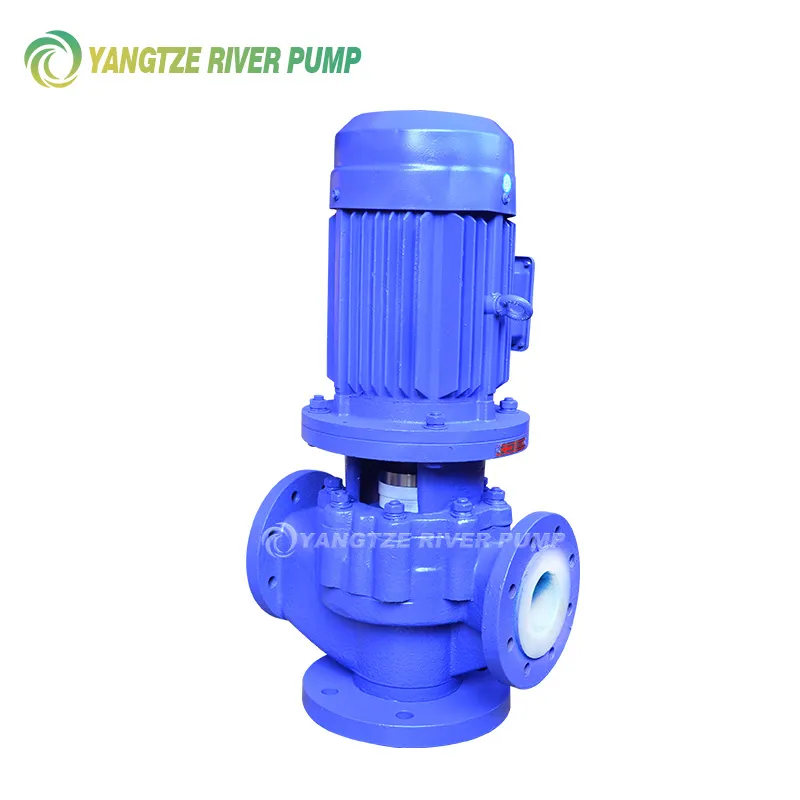 Vertical pumps with PTFE lining YQF
-
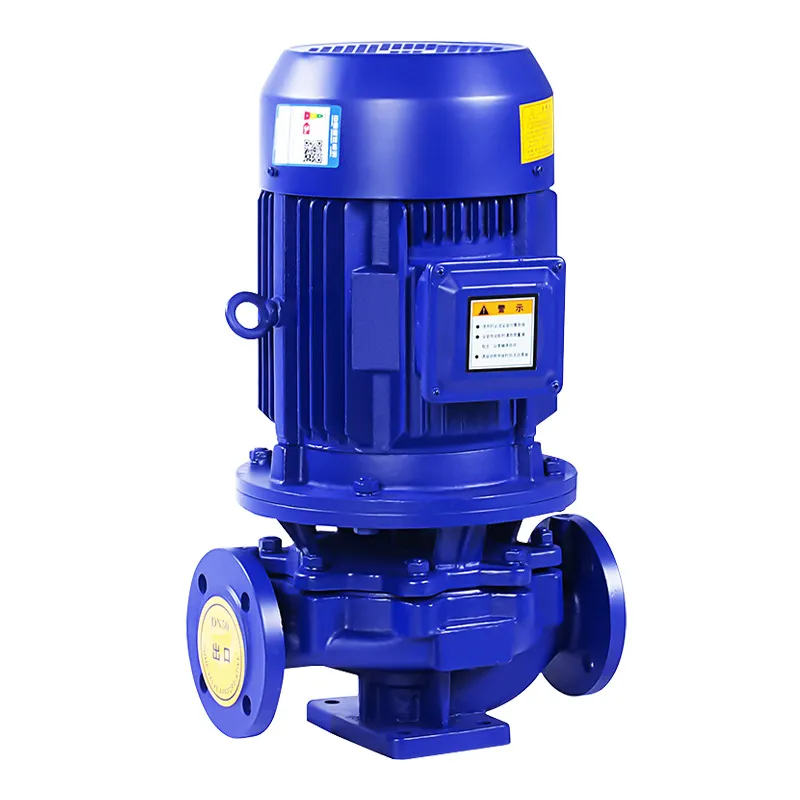 Vertical single-stage pipeline centrifugal pumps ISG and IHG
-
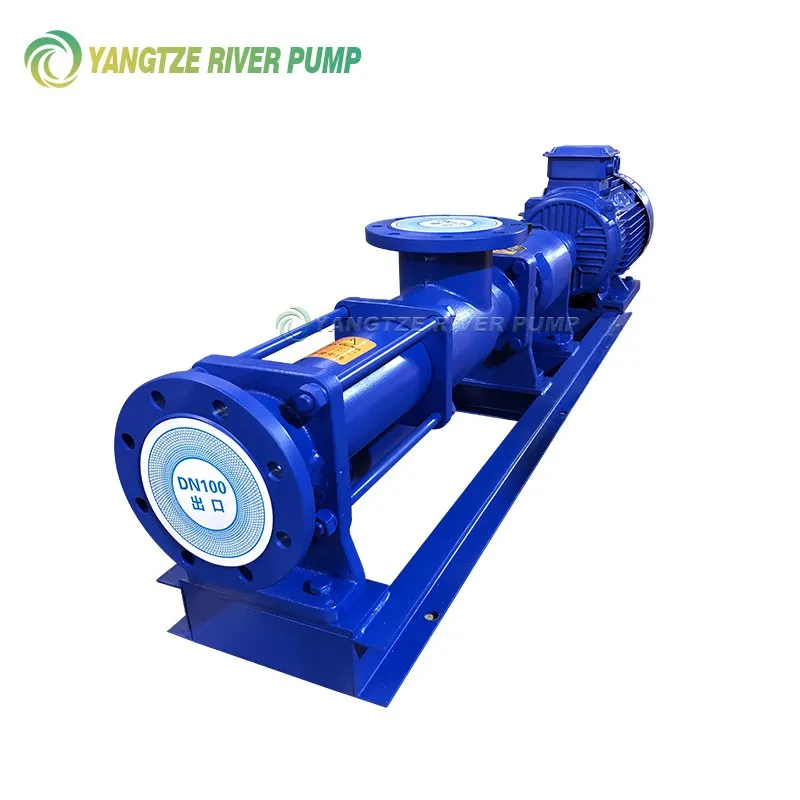 Single screw pumps type G
-
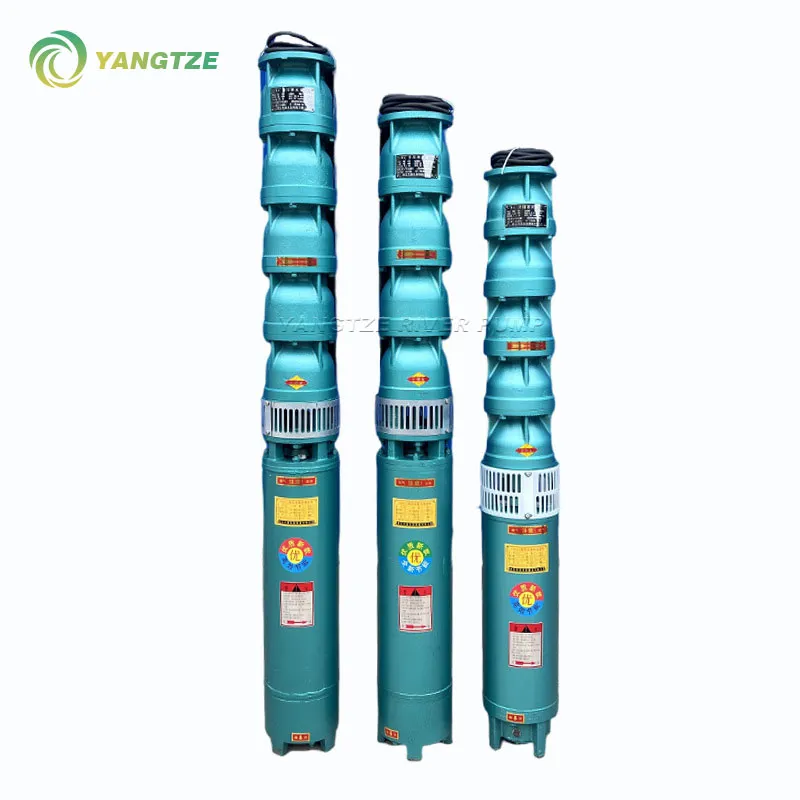 QJ type borehole pumps
-
 YW Vertical Submersible Sewage Pumps
-
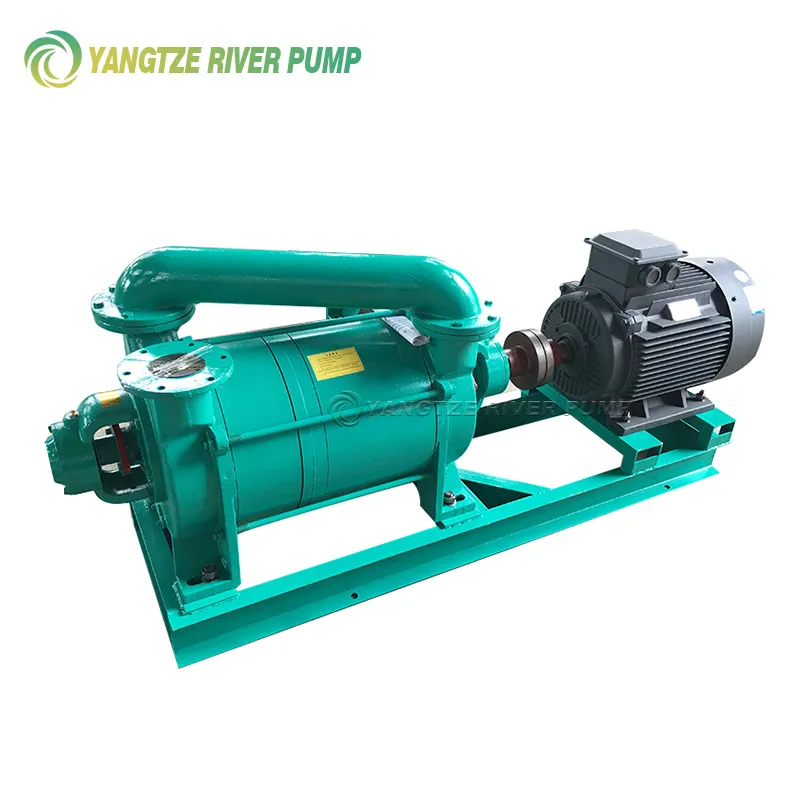 Liquid ring vacuum pumps type 2SK
-
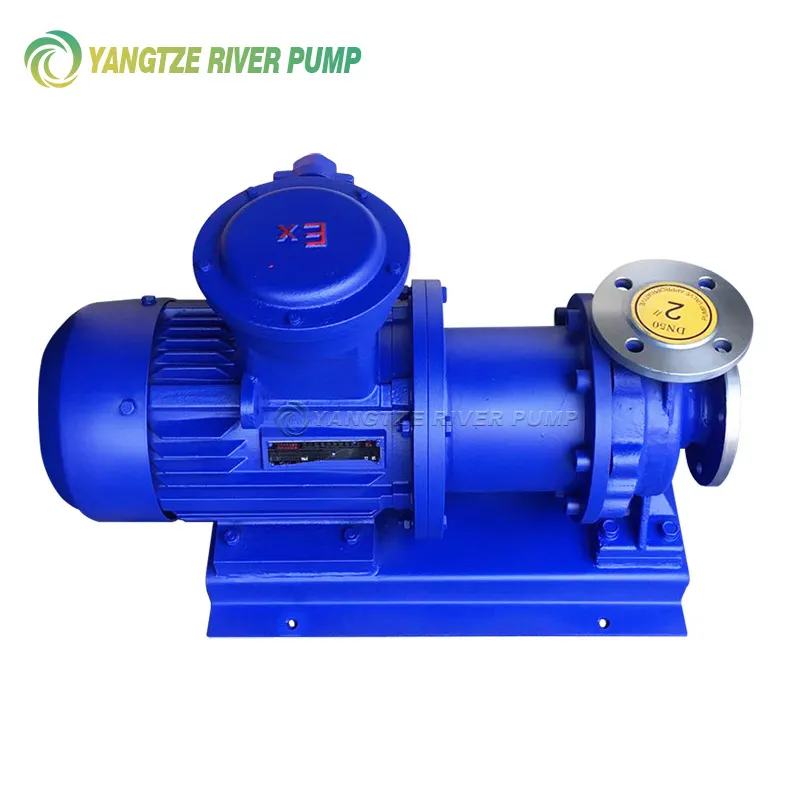 CQB Stainless Steel Magnetic Pumps
-
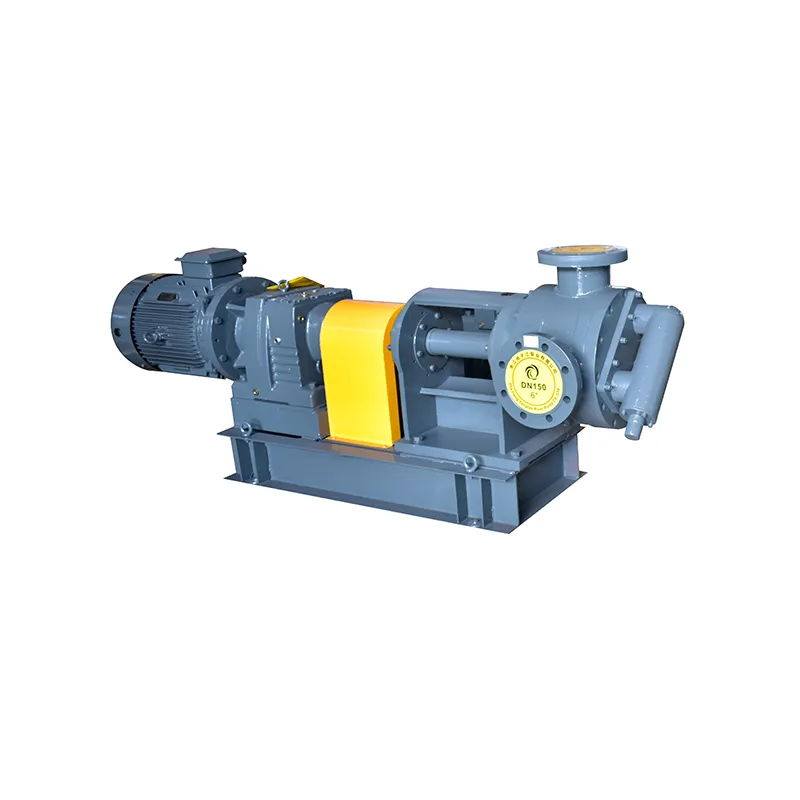 NYP High Viscosity Internal Gear Pumps
-
 Infinitely variable screw pumps type G
-
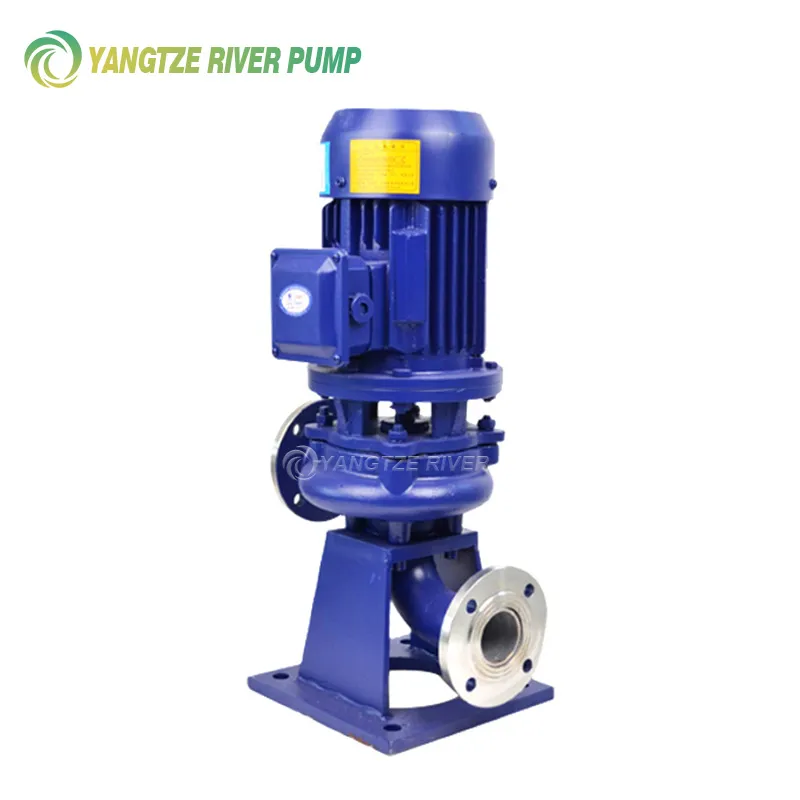 Non-clogging vertical wastewater pumps LW
-
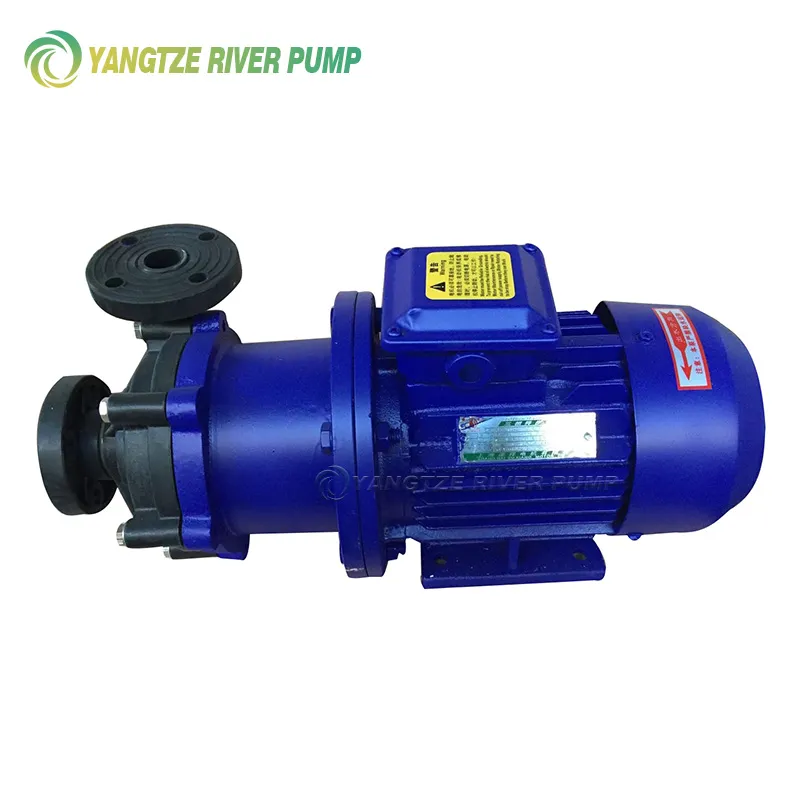 CQF Plastic Magnetic Pumps
-
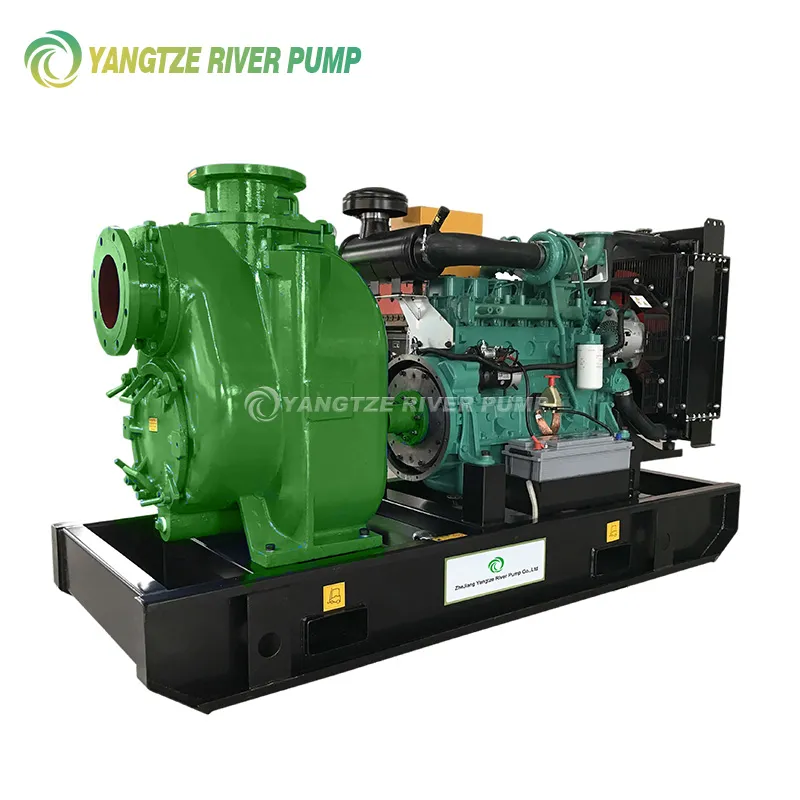 YZSP Diesel Self-Priming Pumps