







submersible centrifugal water pump
When you hear “centrifugal submersible water pump?”, the first thing that comes to mind for many is simply a unit that is thrown into a well or well, turned on, and it pumps. In reality, if we talk about reliable and long-term operation, everything is much more subtle. This includes the choice of the type of impeller, the material of the flow part for a specific water, and the correct installation, which is often forgotten. I have seen many times how people took the first pump they came across, and then wondered why it failed after a season or did not provide the required pressure. This is not just a “bucket with a motor”, it is a complex hydraulic machine, and you need to choose it accordingly.
The main misconception and where the catch lies
The most common mistake is ignoring water quality. They takesubmersible centrifugal water pumpwith conventional steel or cast iron wheels for wells with sand or high aggressiveness. After a few months - jamming or corrosion. Seems obvious, but repeats itself all the time. The water needs to be analyzed. For sand there are options with a semi-open wheel made of wear-resistant materials, for aggressive environments - stainless steel or even composite plastics.
The second point is the pressure and flow characteristics. Often they look only at ?depth? in meters, but they forget about the horizontal section and the required flow rate at the point of analysis. The pump can deliver its 50 meters according to the passport, but if you have 30 meters horizontally from the well to the house and still need to be raised to the second floor, the pressure may not be enough. This is a basic hydraulic calculation, but it is often overlooked in favor of a "rough estimate".
And the third, purely installation nuance is the suspension. Do not hang the pump on a regular hose or a weak cable. Vibration from operation, especially when starting/stopping, creates stress. A stainless steel cable is needed, the cable must be fastened without tension, and the pipe must be securely fixed to the head. A little thing that breaks the whole system.
From practice: the case of a multi-stage unit
We had a project where we needed high pressure for a deep well with clean water. The client initially wanted a powerful single-stagesubmersible pump, but calculations showed that for the required parameters (depth 100m + horizontal section + pressure in the system), the motor will work at the limit, the efficiency will drop, and the dimensions will be large. Offered to considermultistage centrifugal pump.
The bottom line is that several successive impellers on one shaft create pressure in stages. This makes it possible to obtain high pressure with relatively compact dimensions and more efficient use of engine power. For the client, this resulted in a smaller well diameter (saving on casing) and a more stable pressure in the system, without drawdowns when several taps were opened simultaneously.
The key was to choose the right number of steps and material. The water was without abrasive, but with a high salt content, so we chose wheels made of AISI 304 stainless steel. We assembled the unit, carried out factory tests on the bench - we took the real characteristics, and did not trust the paper passport. Installed, it has been working for four years without any complaints. This is an example where the right engineering approach, rather than simply selling a “pump in a box,” solves a problem for years to come.
Where parts matter: from bearings to cable glands
If you dig inside, then reliabilitysubmersible centrifugal pumpidentify components that are rarely looked at when purchasing. Shaft bearings. Cheap models use simple sliding bushings, which are very resistant to sandy water. Normal ones have ceramic or high-quality rolling bearings with an oil seal. This directly affects the resource.
Engine cooling system. The submersible motor is cooled by pumped water, which passes through the gap between the stator and the casing. If the pump is selected with a reserve diameter and operates within the recommended flow range, there are no problems. But if it is placed in a column that is too wide and it operates at low flow rates, there may not be enough cooling and the motor will overheat. This is a classic mistake when replacing an old pump with a new one without taking into account the hydraulics.
Cable entry. The place where the electrical cable enters the sealed motor housing is a critical point. There must be a high-quality stuffing box, and the cable itself must be special, for submersible pumps, with waterproofing. I have seen more than once how “masters” At the facility, the cable was extended using conventional twisting, electrical tape and heat shrink. After six months there is a short circuit, repairs are more expensive than a new pump.
Bad experience and conclusions
There were also negative experiences that were instructive. The customer insisted on using a very cheapcentrifugal water pumpfrom the series ?no name? for irrigation from the river. The water had a lot of silt and small algae. The pump worked for two weeks. The impeller became tightly clogged and the engine burned out from overload. Disassembly showed: the wheel is made of fragile plastic, the gaps are large, but the design is such that the algae fibers are tightly wound around the axle. The engine did not have proper protection against overheating.
The analysis of the failure was simple: for contaminated water with fibrous inclusions, either a pump with a cutting mechanism (screw type) or a specialsubmersibledesign with enlarged flow channels. A cheap centrifugal unit for clean water was doomed here. I had to explain to the customer that savings at the purchase stage led to a complete loss of funds and missed deadlines. Now he consults first.
The rule follows from this: you always need to know not just “water”, but its exact composition and the nature of the contaminants. Sand, silt, fibers, chemical aggressiveness - for each case there is an optimal technical solution. There are no universal pumps.
About production and integrated approach
When we're onZhejiang Yangzijiang Pumping Industry Co.,LtdWhen we talk about production, we mean precisely this integrated approach. From R&D to testing and service - everything in one chain. This is not just assembling components. For example, for a linecentrifugal pumpsthis means that we can not only offer a standard model from the catalog, but also adapt it to the customer’s specific parameters: change the material of the flow path, the number of stages, cable type, length.
On the websiteyangtzeriverpump.ruyou can see our assortment, but behind dry names like “multistage centrifugal pumps” or ?submersible pumps? This customization opportunity is worth it. The test bench allows you to test the pump not on water, but on a liquid that is close in density and viscosity to the customer’s conditions. This is expensive, but it is a guarantee that the pump will work out its life.
Therefore, returning to the topic, the choicesubmersible centrifugal water pump- it's always a dialogue. Dialogue between the requirements of the object, the characteristics of the environment and the technological capabilities of the manufacturer. The manufacturer’s willingness to delve into details and offer not a template, but an engineering solution is, perhaps, the main criterion, in addition to formal characteristics. After all, in the end, a pump is not a product on a shelf, but a key element of the system, on which its uninterrupted operation depends for years.
Correspondingproducts
Related Products

Best Sellingproducts
Best Selling Products-
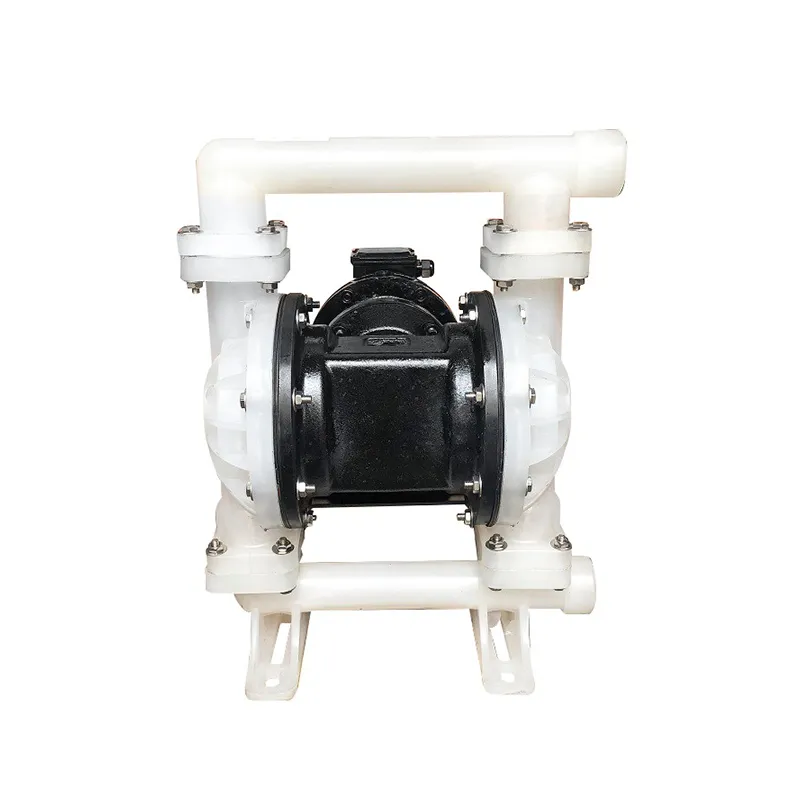 DBY Non-Metallic Electric Diaphragm Pumps
-
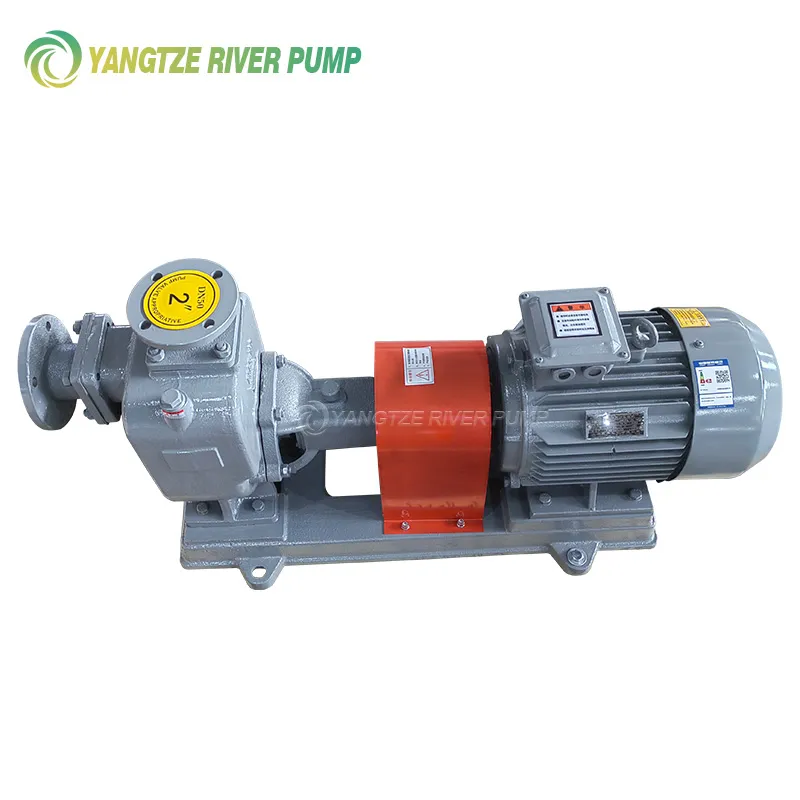 Non-clogging self-priming wastewater pumps ZW
-
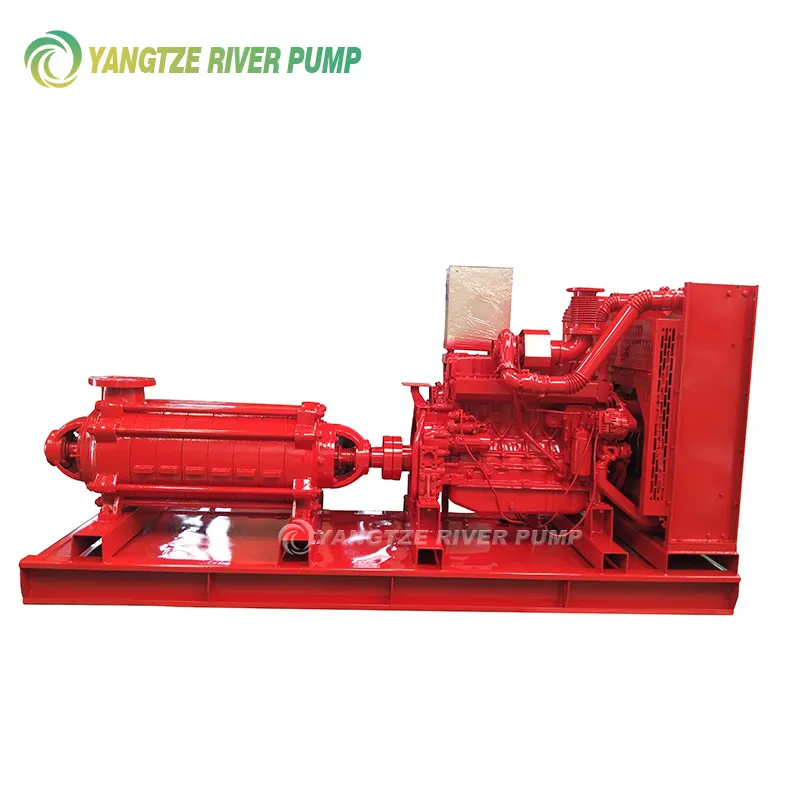 XBC Diesel Intelligent Fire Pumps
-
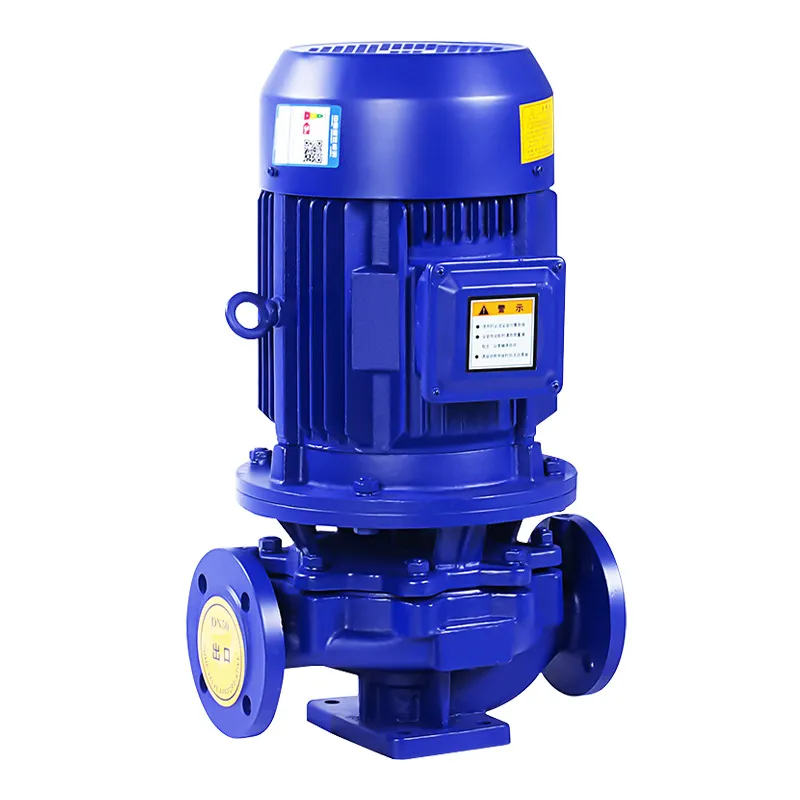 Vertical single-stage pipeline centrifugal pumps ISG and IHG
-
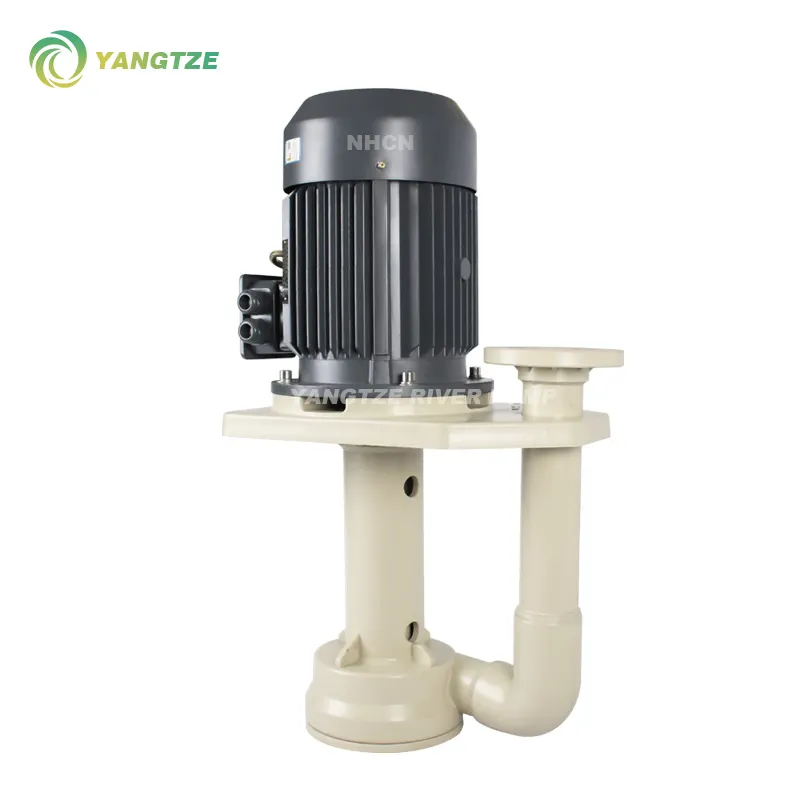 Vertical pumps for installation inside/outside tanks YZCN and YZCW
-
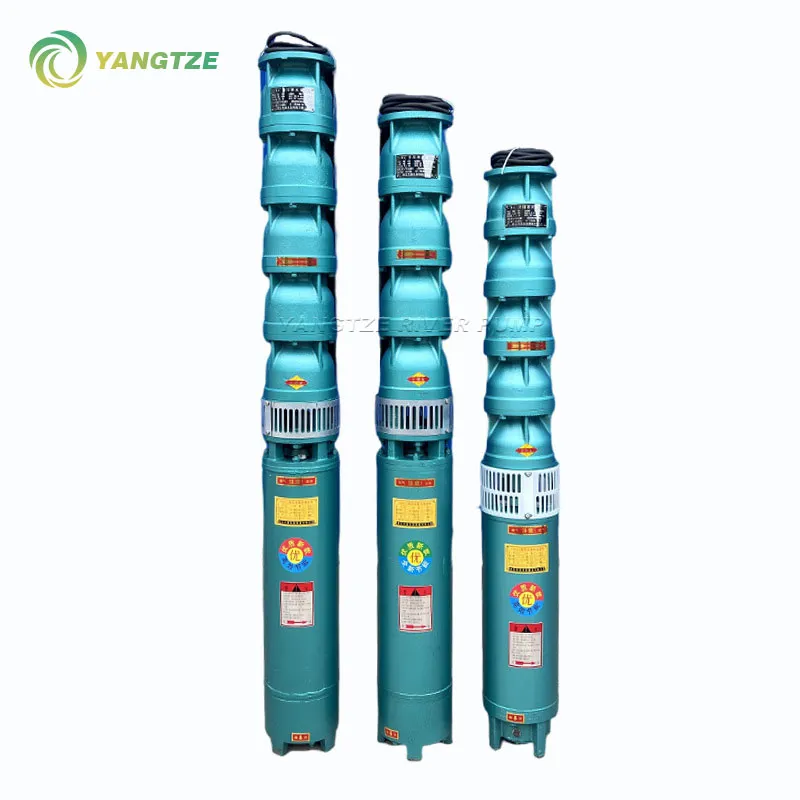 QJ type borehole pumps
-
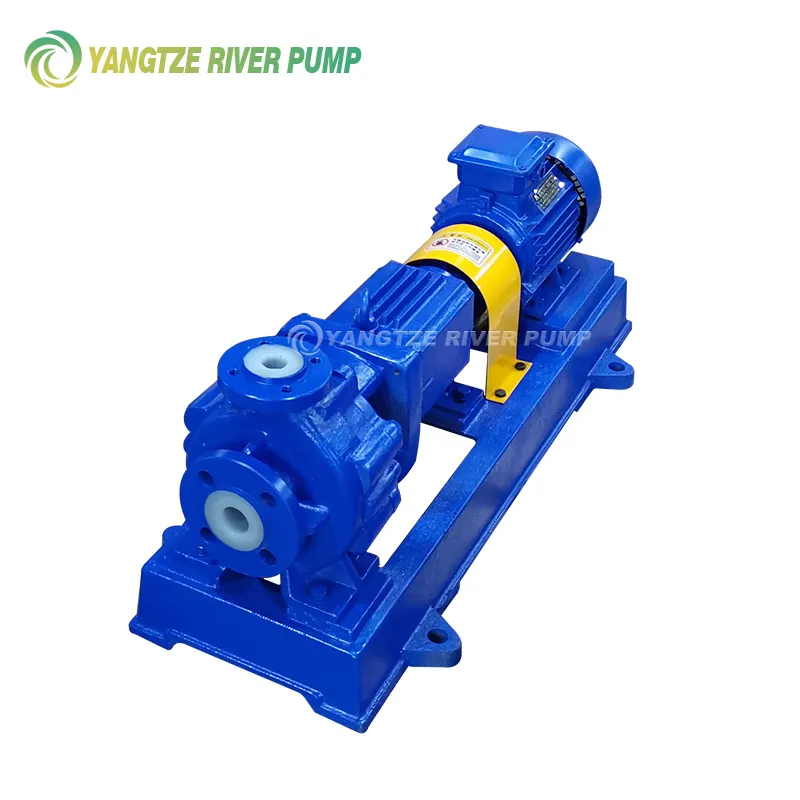 IHF PTFE Chemical Centrifugal Pumps
-
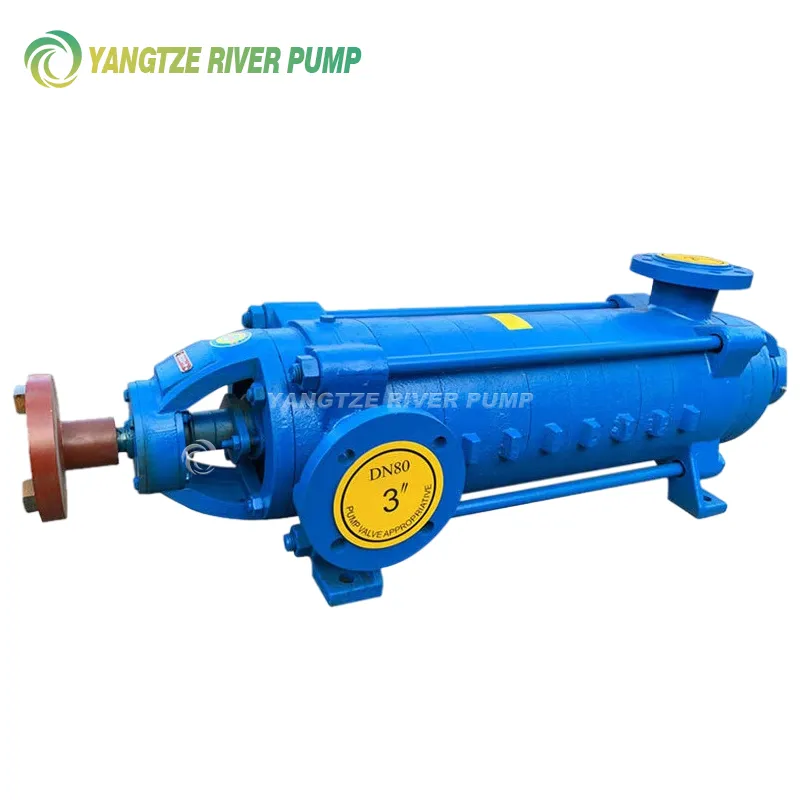 Horizontal multistage pumps for feeding DC boilers
-
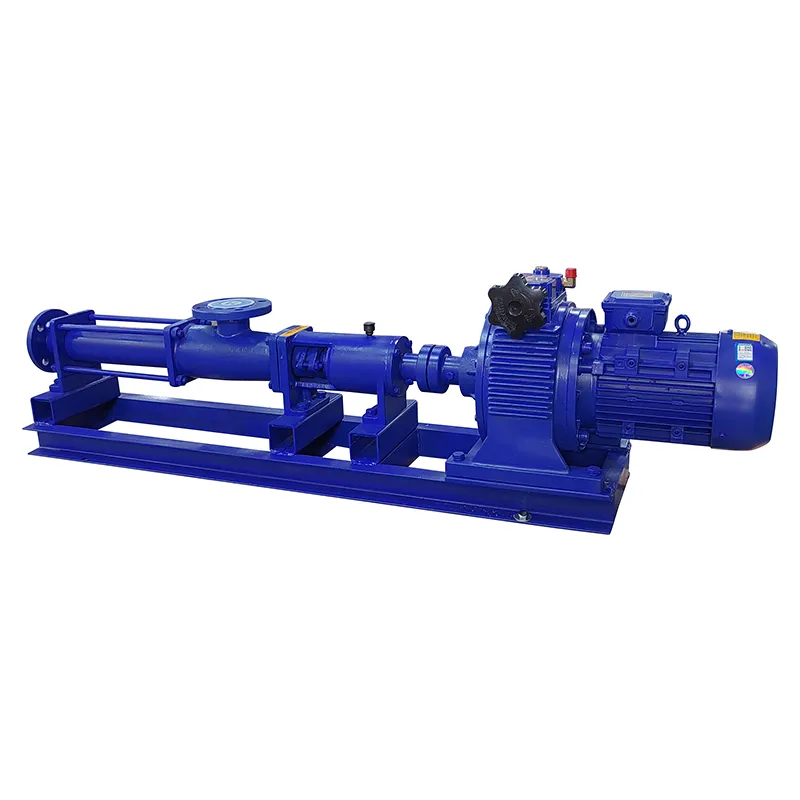 Infinitely variable screw pumps type G
-
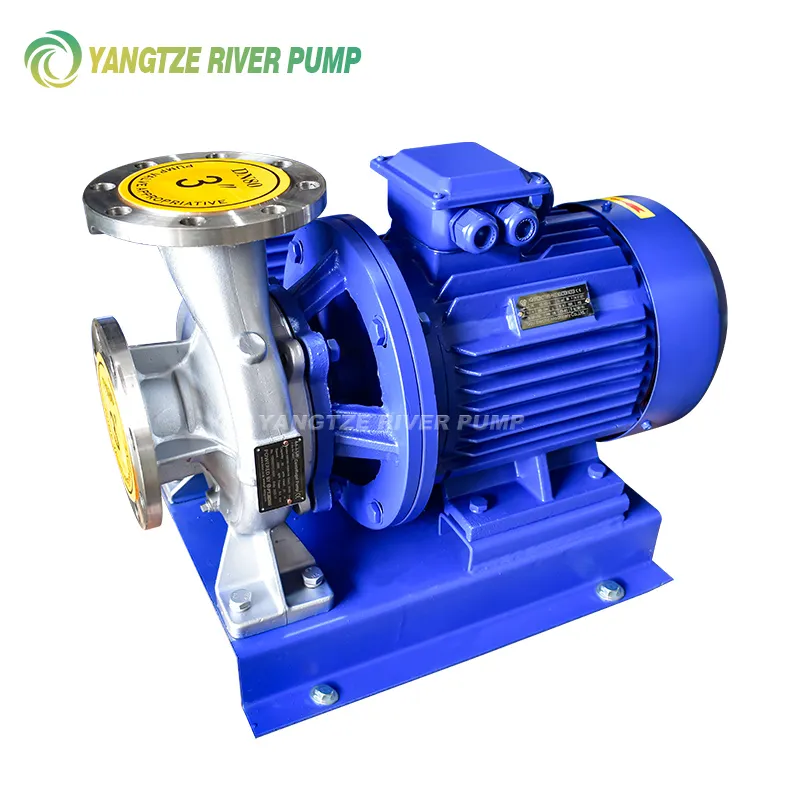 ISW and ISWH Single Stage Horizontal Pipeline Centrifugal Pumps
-
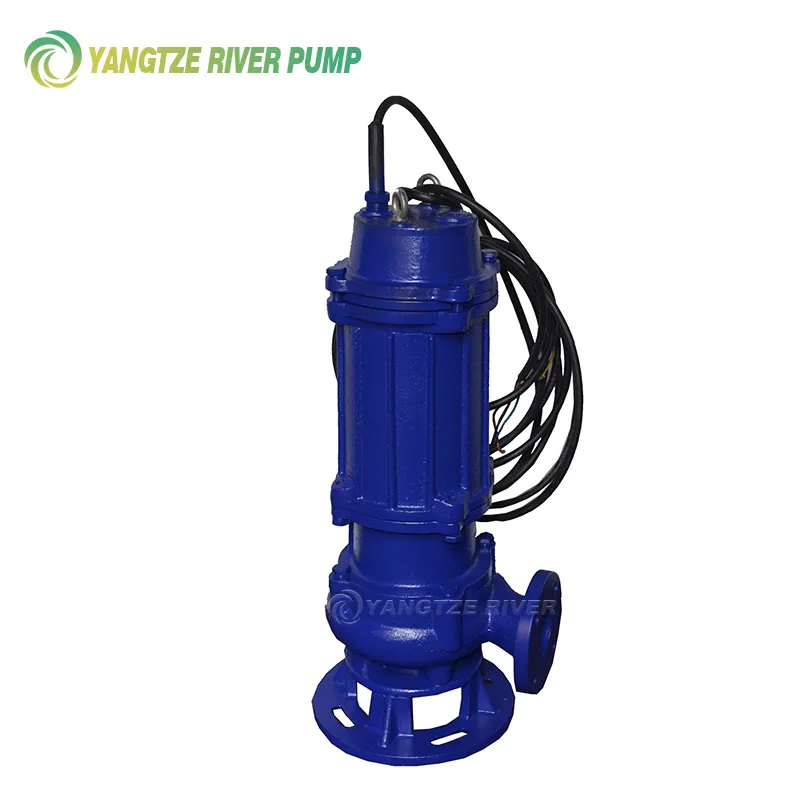 QW Non-clogging Submersible Sewage Pumps
-
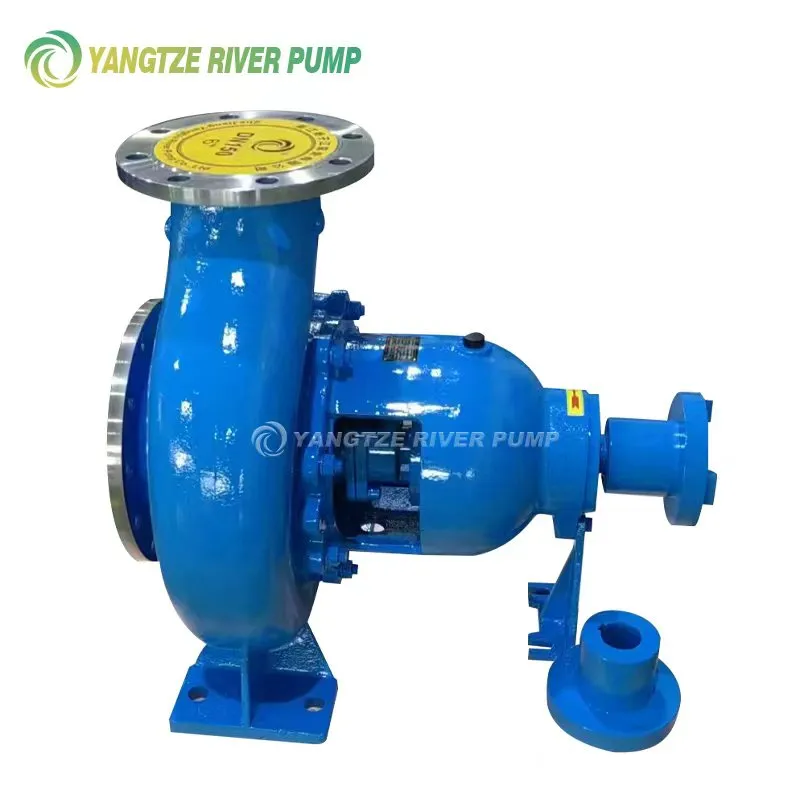 IH Stainless Steel Chemical Centrifugal Pumps