







centrifugal pump 20 30
When you hear “centrifugal pump 20 30?”, the first thing that comes to mind is the standard size, flow 20 cubic meters per hour, head 30 meters. But if you have actually worked with equipment at sites, then you know that there is a whole story hidden behind these numbers. Many people, especially when selecting from catalogues, think that these are the main parameters. In fact, if we take, for example, the model fromZhejiang Yangzijiang Pumping Industry Co.,Ltd, then they may have several modifications in this size range - for clean water, for slightly aggressive environments, with different types of seals. And here the most interesting part begins: the choice is not based on numbers, but on the “filling”. I once saw how at a construction site they installed a standard 20/30 for pumping process water with fine suspended matter - the shaft seal was killed within a month. And all because they looked only at pressure and delivery. On the websiteyangtzeriverpump.ruBy the way, this is well worked out in the product descriptions - you can immediately see for which tasks to choose which version. But more on that later.
What does the 20/30 label really mean?
Let's figure it out without water. The numbers 20 and 30 are, as a rule, the nominal operating points on the characteristic curve at optimal efficiency. But the curve is not linear! The pump can produce 25 cubic meters at a pressure of 25 meters, and 15 cubic meters at 35 meters. The question is where your unit will work. If the system has variable hydraulic resistance, and you chose a pump based only on the “top”? curve, it can work most of the time in an inefficient zone, overload the engine and consume excess energy.
At one of our water supply facilities there was justcentrifugal pump 20 30- I think it was a single-stage console model of type K, if I'm not mistaken. So, according to the project, it was supposed to pump from the reservoir into the network with a relatively stable pressure. But in practice it turned out that the network resistance “floated?” due to constantly changing flow rates in different wings of the building. As a result, the engine periodically overheated. I had to install a frequency switch to “move?” operating point according to the characteristic. This is to the question that the standard size is only a starting point for conversation.
And one more point about the design. ?Centrifugal? is a common name. Within this category, manufacturers, likeZhejiang Yangzijiang Pumping Industry Co.,Ltd, there is a division: single-stage, multi-stage, linear, self-priming. For the conventional 20/30, single-stage cantilever pumps are most often used - they are simple, reliable, and repairable. But if you need the same pressure, but with a smaller cavitation reserve, you are already looking towards multi-stage or other structures. On their production lines, judging by the description, it is possible to make different options in the same standard size.
Selection experience and common mistakes
The most painful experience is when the customer or even the designer saves on selection and takes a pump “about the same?”. There was a case with chemical production, low capacity. It was necessary to pump an alkaline solution of medium concentration. The specification includedcentrifugal pump 20 30in chemical design with mechanical seal and stainless steel body. But someone ?in order to save money? I purchased a regular cast iron water pump with similar parameters. After two weeks, the housing began to leak, and a month later, cavitation erosion began on the impeller due to the incompatibility of the material with the liquid. The equipment stopped, the line was idle. The losses far outweighed the savings.
Therefore, now I always look not only at the catalog, but also at the manufacturer’s ability to do the “right” thing. execution. For example, if you go toyangtzeriverpump.ru, it is clear that the company produces not only standard pumps, but also plastic chemical pumps and magnetic pumps. This suggests that they have competence in the field of aggressive environments. For the same 20/30 size, they can most likely offer several options for flow end materials - from cast iron and stainless steel to polypropylene. This is critical.
Another mistake is ignoring suction conditions. A pump with parameters 20/30 can be either self-priming or conventional. If airing is possible at the suction or it is necessary to lift water from a certain depth, then a standard centrifugal pump will not start. You need to look at the NPSH. I once participated in the commissioning of a system where the pump kept breaking down. into cavitation. It turned out that the suction height was calculated incorrectly, plus there were losses on the filter. I had to change the suction pipeline layout. It’s good that the pump itself, a single-stage centrifugal, was of high quality, from a trusted supplier, and withstood this “bullying”. until the error is corrected.
Reliability and maintenance issues
The reliability of a pump, even one as simple as a single-stage centrifugal, depends on the little things. The casting quality of the housing and impeller, shaft balancing, type of bearing assembly, shaft seal design. When you see products from a manufacturer with a full cycle, from R&D to testing, likeZhejiang Yangzijiang Pumping Industry Co.,Ltd, there is more confidence that these little things are controlled. Because if production and testing are combined, then before shipment the pump is most likely tested on a stand, vibration, bearing temperature, and tightness are checked.
Service is a different matter. A 20/30 pump design usually allows repairs to be made without removing the piping—called a rear swing-out bracket design. This is a huge plus for operation. Changing the stuffing box seal to a mechanical seal, cleaning the impeller of deposits - all this should be done relatively quickly. I remember at the boiler room we changed the seal on a similar pump in half a day, without stopping the entire system for long. Rear access and standardized packing chamber dimensions were key.
But sometimes there are nuances with bearings. Cheap models may have bearings of the wrong class or with insufficient lubrication. When working around the clock, this leads to overheating and failure. It's a good sign if the manufacturer specifies the type and brand of bearings, as well as service intervals. This can be seen from serious technical descriptions, not just from a catalog with pictures.
Scope of application and variations
Where is it most common?centrifugal pump 20 30? Water supply for small buildings, cottage villages, irrigation systems in small areas, pumping in technological lines of the food or chemical industry (in the appropriate design), circulation systems in heating. This is a "workhorse" mid range.
But here's what's interesting. The same size can be implemented in different types of pumps. For example, judging by the assortment, the same manufacturer also has linear centrifugal pumps (in-line). They take up less space and can be embedded directly into the pipeline without a foundation. For a 20/30 pump, this can be an excellent solution for cramped machine rooms or retrofitting existing systems where there is no room for a traditional cantilever design with a separate foundation.
Another option is self-priming pumps. They are more expensive, but are indispensable when you need to remove air from the suction line. Imagine a mobile installation for pumping water out of a pit. A standard centrifugal pump would have to be primed every time. And self-priming - start it up and work. And yes, they also come in versions with the same 20 cubic meters and 30 meters of pressure. You just need to clearly understand the task.
Instead of a conclusion: thoughts on choosing a supplier
So, back to the beginning. The key numbers 20 and 30 are just the door to the world of technical nuances. Choosing a pump is always a compromise between price, reliability, maintainability and exact compliance with operating conditions. When you see a company that develops, produces, tests and sells itself, howZhejiang Yangzijiang Pumping Industry Co.,Ltd, this inspires more confidence. Because questions regarding application, modifications or warranty can be resolved directly, without intermediaries, who often simply resell the equipment without delving into its features.
Websiteyangtzeriverpump.ruIn this regard, it is a good showcase. It can be seen that the range is wide: from single-stage to multi-stage centrifugal pumps, there are magnetic and plastic ones. This means that if the standard 20/30 is not suitable, an alternative can be discussed within the same manufacturer. This is valuable for an engineer or technologist - not to waste time searching for a new supplier for every non-standard task.
Ultimately, working with pumping equipment is a matter of practice. No catalog can replace startup experience, observation of operation in different modes, and failure analysis. But choosing a full-service manufacturer with a clear technical policy is the first step to ensuring that the experience is positive and not a headache for years to come. So, when you see “centrifugal pump 20 30”, ask yourself more questions. What environment? What are the suction conditions? What material is needed? Is frequency regulation required? The answers to them will lead you to the right model, be it a standard console or a specialized version from a manufacturer with eight of its own production lines.
Correspondingproducts
Related Products

Best Sellingproducts
Best Selling Products-
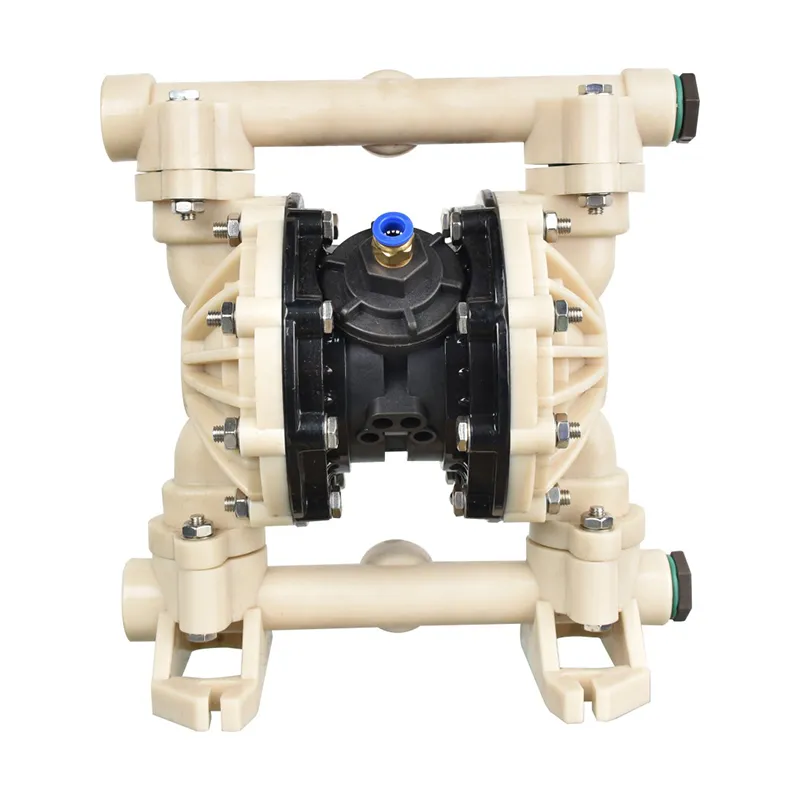 QBK Non-Metallic Air Operated Diaphragm Pumps
-
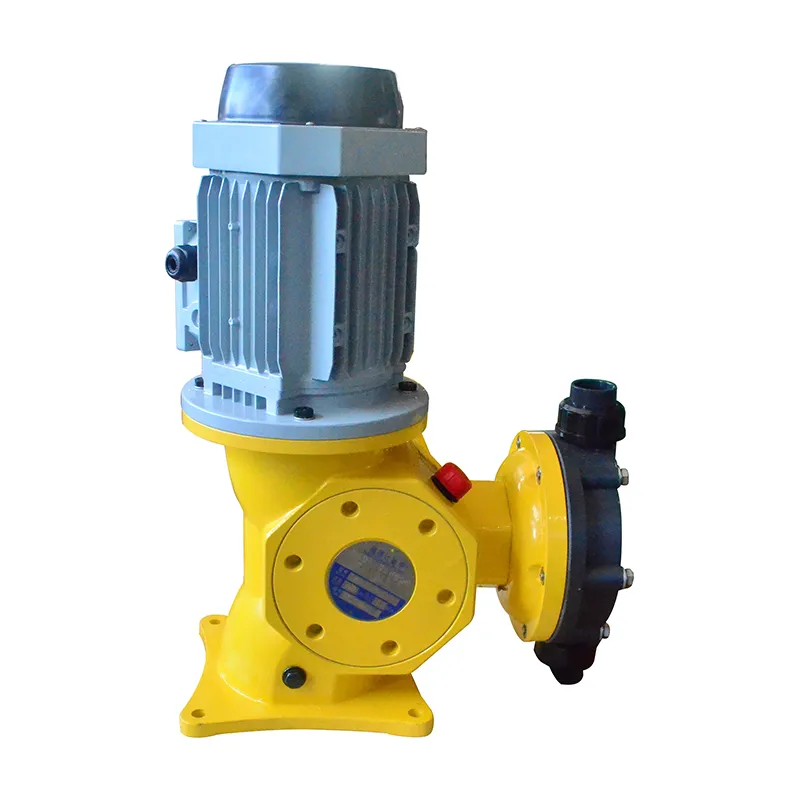 Mechanical diaphragm dosing pumps DJ-Z
-
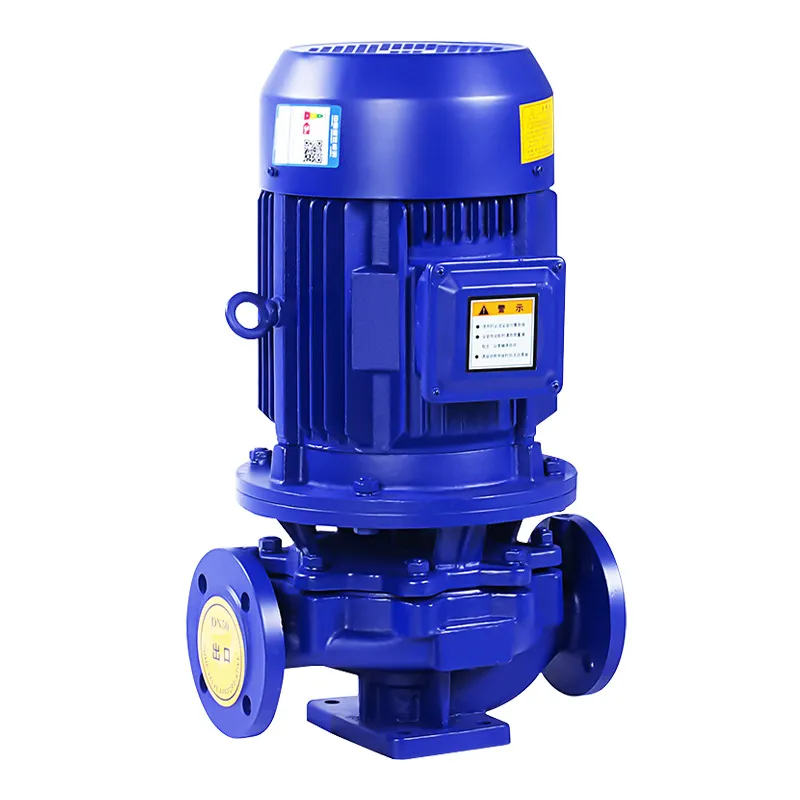 Vertical single-stage pipeline centrifugal pumps ISG and IHG
-
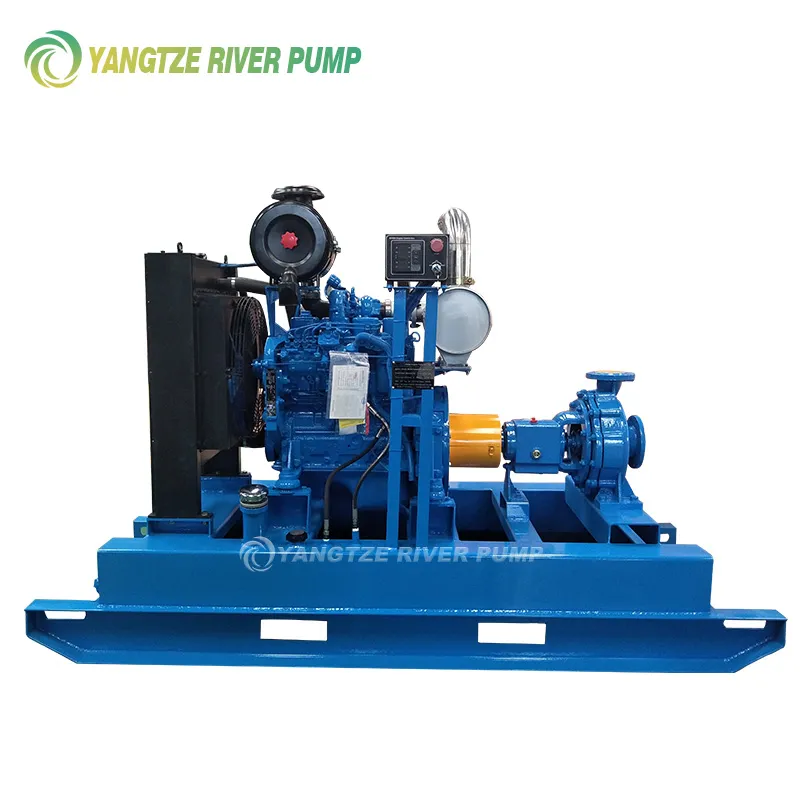 YZIS Diesel Single Stage Centrifugal Pumps
-
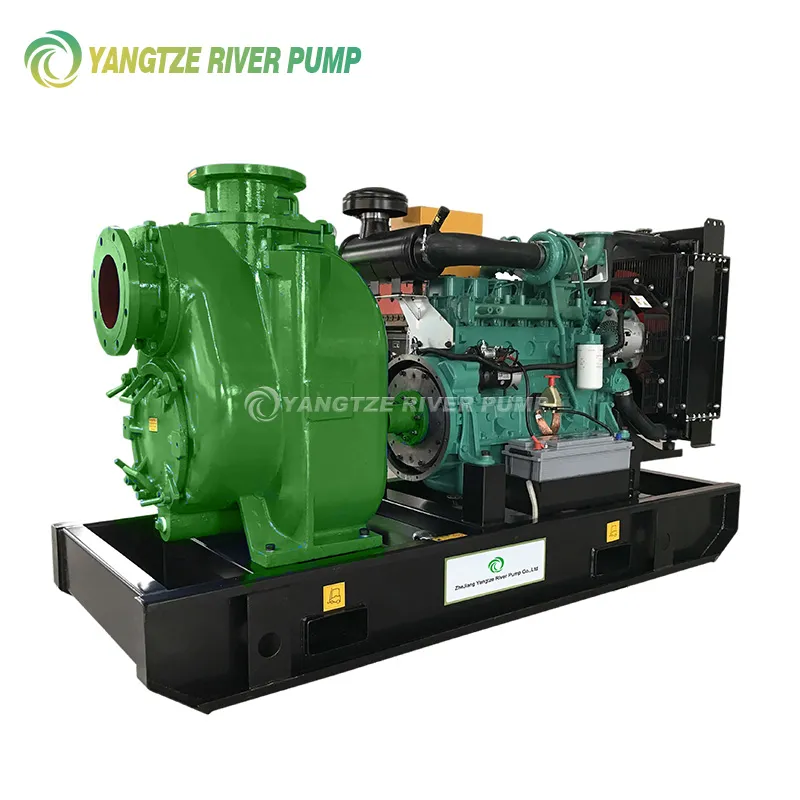 YZSP Diesel Self-Priming Pumps
-
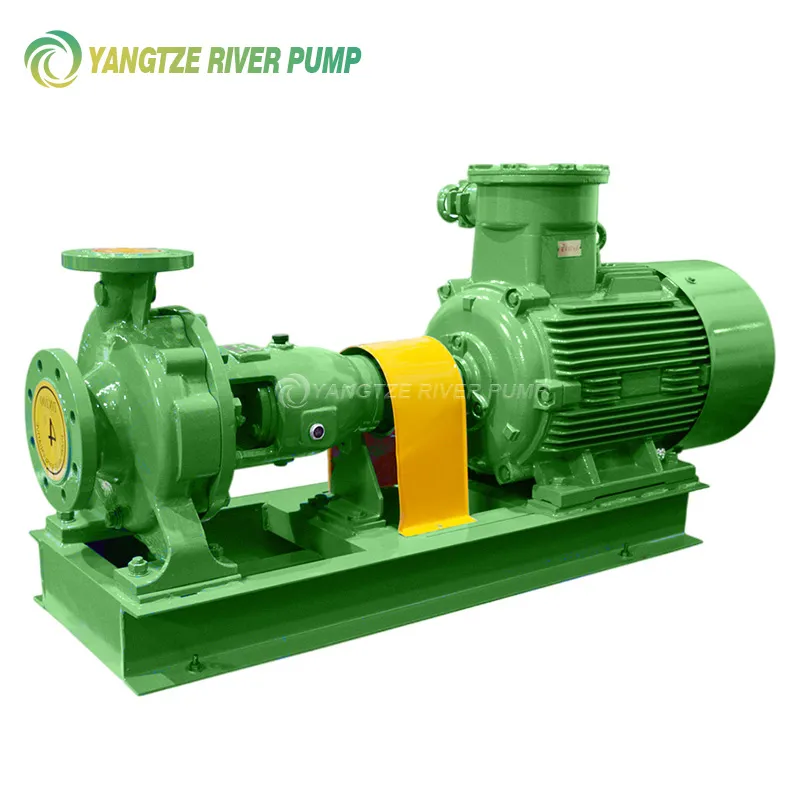 YCZ Chemical Process Pumps
-
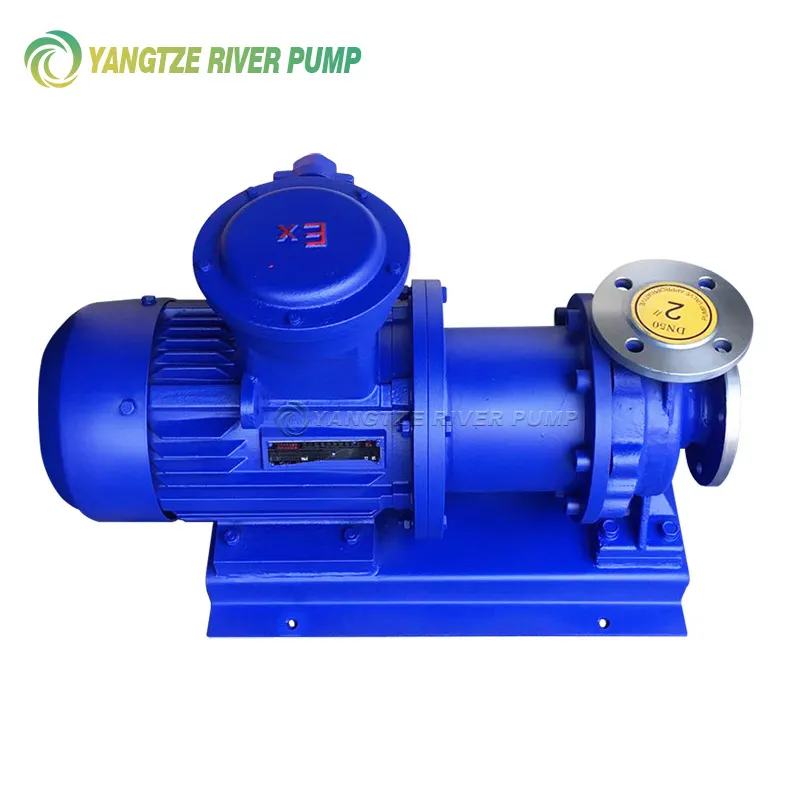 CQB Stainless Steel Magnetic Pumps
-
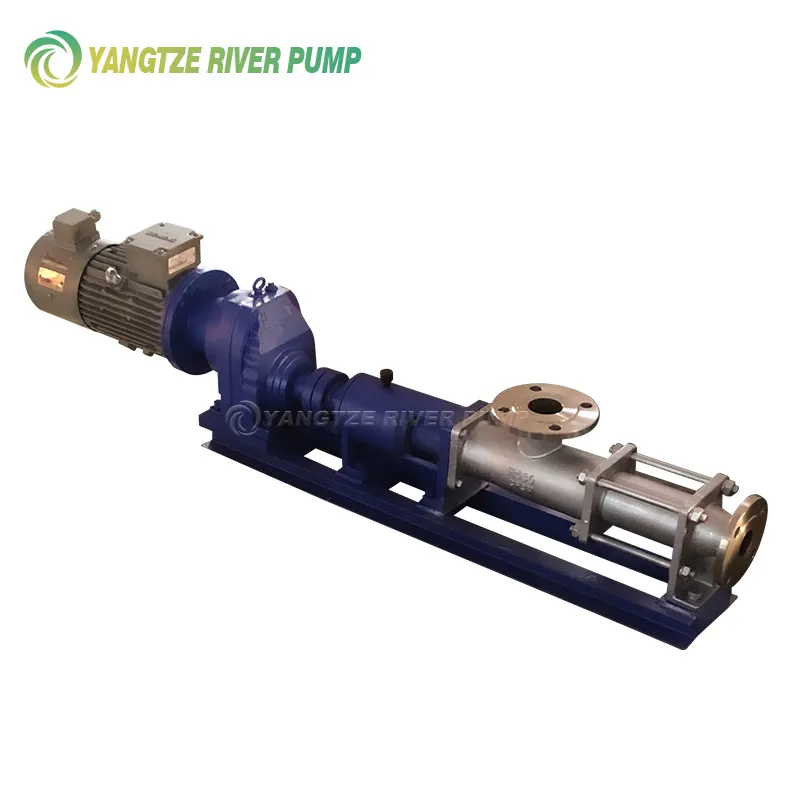 Geared screw pumps type G
-
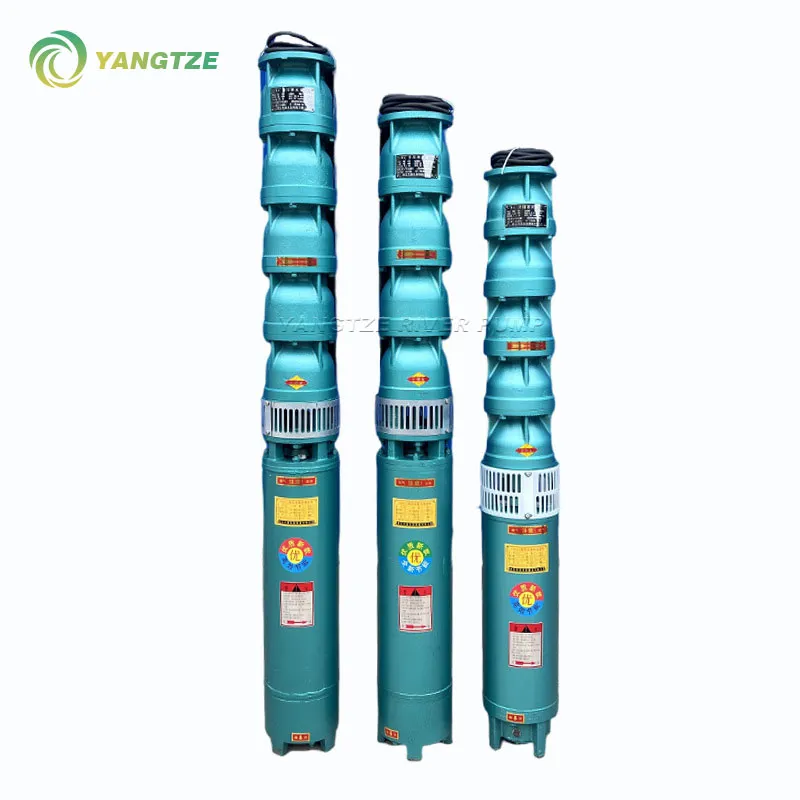 QJ type borehole pumps
-
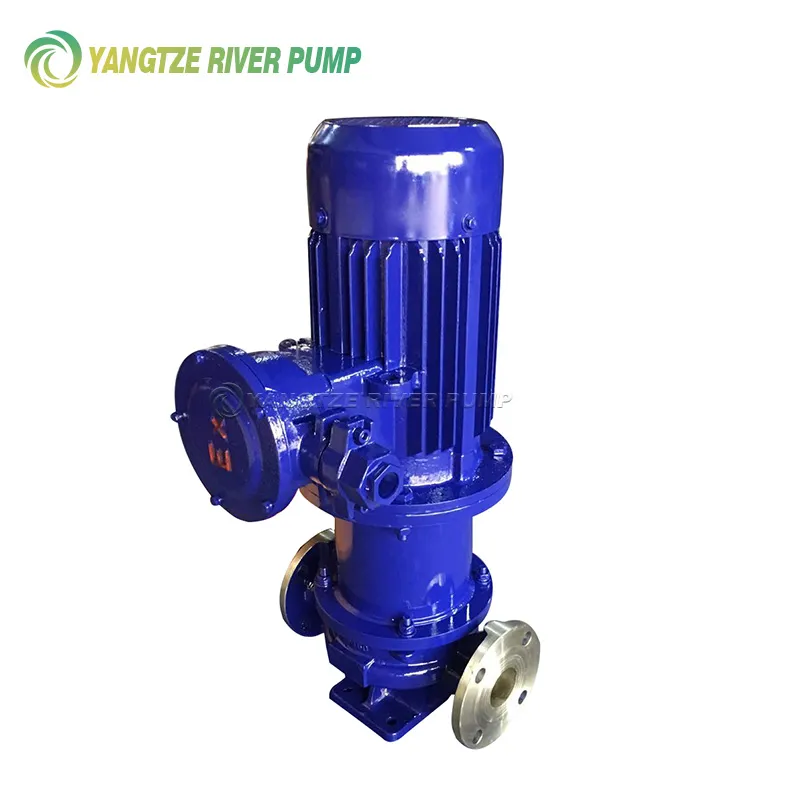 Vertical magnetic pumps CQB-L
-
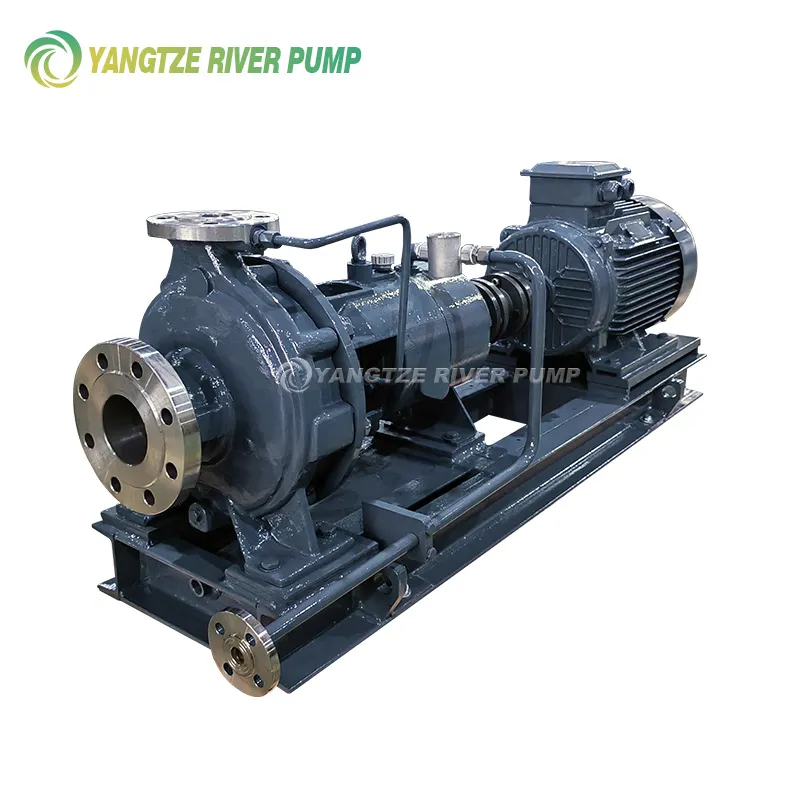 Petrochemical Process Pumps API 610 YZA
-
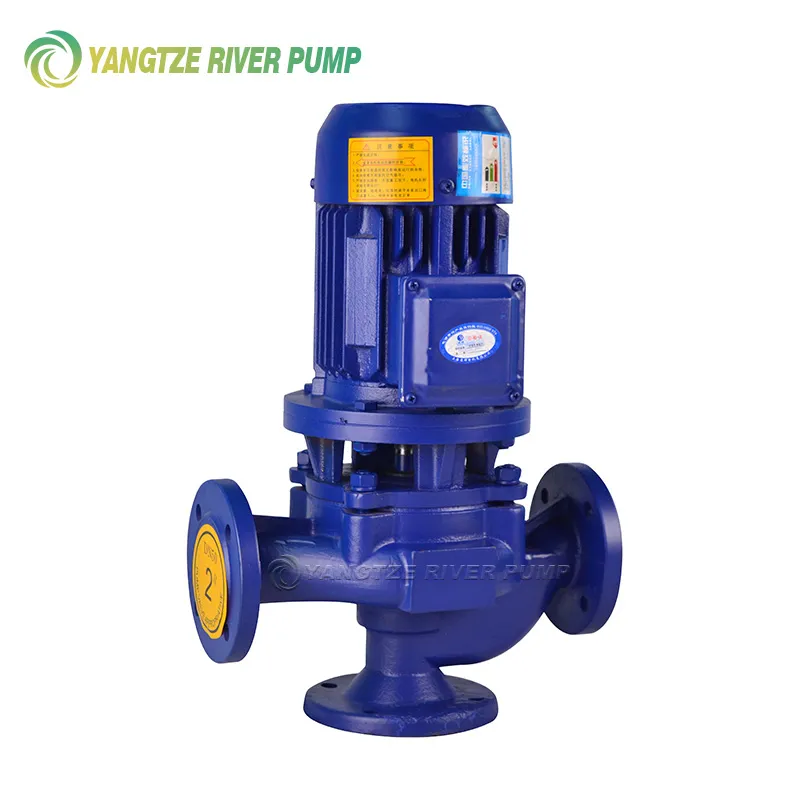 Pipeline wastewater pumps GW