







deep water pump
When they say “deep water pump,” many people imagine just a long cylinder that you lower into a well and pump water. This is perhaps the most common and dangerous simplification. In fact, the selection and operation of such a unit is always a compromise between well flow rate, pressure, water quality (sand, aggressiveness) and, critically, reliability. Too powerful - you can drain the horizon or ?catch? sand, too weak - you will suffer. And yes, a cheap pump is almost always expensive to maintain. I will present my thoughts on this matter based on what I have seen in practice.
Design: What's inside matters
The main misconception is that all deep-well pumps are designed the same. If we take classic centrifugal multistage models, then the key thing is the material of the impellers and housings. For clean water, polymer ones will also work, but we rarely have ideal conditions. Wells often contain fine abrasives, and the water hardness is high. Here you need stainless steel, and not just any kind. I have seen cases where wheels made of AISI 304 were literally eaten away over a season in water with a high content of chlorides. For such tasks, you need to look towards AISI 316 or duplex steels. But this, of course, is a different price.
Another nuance is the engine cooling system. In cheap models, cooling occurs by pumped water, which passes through the gap between the stator and the casing. If there is water with sand, this casing and seals wear out catastrophically quickly, water gets into the electric motor - and that’s it, goodbye pump. More expensive and reliable designs have a separate, sealed engine compartment filled with oil or a special liquid to remove heat. The motor does not come into contact with the pumped medium. This is critical for long-term work.
By the way, about our production. BZhejiang Yangzijiang Pumping Industry Co.,LtdThey just focus on this balance. The line of deep-well pumps includes both standard solutions for clean water and reinforced versions with stainless steel wheels for abrasive conditions. And they don’t just declare it, but run suspensions with sand on their test bench, checking their service life. This is not an advertisement, but a statement: without our own tests and R&D, it is simply pointless to produce more or less serious equipment.
Selection: where mistakes are most often made
The most common mistake when selecting is to rely only on the well passport. It says: debit 3 cubic meters per hour, depth 50 meters. It would seem that take a pump with a capacity of 3 m3/h and a pressure of a little more than 50 meters. But the passport is ideal conditions, often obtained during pumping immediately after drilling. In a year, the debit may drop, the dynamic level (water level during operation) may drop. If the pump is designed end-to-end, it will begin to work with overload, switch on and off frequently, and quickly fail.
Hence the rule of thumb that we always tell our clients: you need a headroom. Not 10%, but better 20-25%. If the dynamic level is 40 meters, and the height to the upper sampling point is another 10 meters, we count not 50 meters, but a minimum of 60-62 meters of pressure. This protects against seasonal fluctuations and slight filter clogging. The pump will operate in the optimal zone of its characteristics, not at the limit, and will live longer.
The second point is power supply and automation. Three-phase motors, of course, are preferable for powerful units - the start-up is smoother, the load on the network is less. But in the private sector there is often one phase. Here it is important to look not only at power, but also at starting currents. A single-phase pump that is too powerful can simply “knock out?” weak defense. And be sure to have a high-quality hydraulic accumulator and a pressure switch with the correct settings. Without this, the pump will turn on every two minutes when someone has washed their hands.
Installation and “little things” that make all the difference
You can buy the most reliable pump and ruin it in a month with improper installation. The first is the suspension. Do not hang the pump on the power cable! This is an axiom that for some reason is constantly violated. You need a strong, preferably stainless steel cable or tape that will take on all the weight. The cable must be freely suspended, without tension.
The second is protection against “dry running”. Level sensors are good, but you can’t install them in narrow casing pipes. Therefore, they often install current protection relays or pressure sensors that turn off the pump if the water level drops and it starts pumping air. Dry work for a deep-well pump - certain death in a matter of minutes, as it overheats and jams.
And the third, it would seem, nonsense is a check valve. They place it immediately after the pump, on the rise. But they often save money and install cheap brass or even plastic ones. After a year or two, he begins to “harass”. Water from the pressure column flows back into the well, the next time the pump is turned on, it receives a water hammer and is forced to gain full pressure again from scratch. This is a colossal extra burden. It is better to immediately install a high-quality stainless steel valve. A trifle, but it saves thousands on repairs.
Case study: when theory meets reality
We had a project, a private house, a deep artesian well. The water is pure, but with a high content of dissolved iron salts. The client supplied a powerful imported pump with polymer impellers. Everything worked perfectly... for six months. Then the pressure began to drop. They got it out - and inside the wheels and diffusers were covered with a dense brown coating, the flow sections had decreased significantly. Iron oxides precipitated and literally cemented the channels.
I had to disassemble, clean with acid (which in itself is a risk for the seals), and reassemble. The client was shocked - the water was clean, not sandy! They explained that such chemicals require either coatings that are resistant to deposits, or, again, smooth stainless steel, with which deposits are easier to clean off. We switched to a model with AISI 316 wheels. A year later, the preventive lifting showed only a light coating that did not affect the operation. Conclusion: chemical analysis of water before choosing a pump is not a whim, but a necessity.
We later used this case when refining our models. On the websiteyangtzeriverpump.ruThe descriptions of some submersible pumps now explicitly indicate a recommendation for use in waters with a high iron content. Not because we came up with something unique, but because we went through it and know what parameters of the material to pay attention to.
Maintenance: the myth of “set it and forget it?”
A deep-well pump is not a perpetual motion machine. The myth that he was let down and forgotten for 20 years is very tenacious. The reality is: even the highest quality unit requires control. At least once every 2-3 years, it is advisable to lift and do a visual inspection: the condition of the cable, cable, check the insulation resistance. This takes half a day, but can prevent a sudden stop in the water supply at the most inopportune moment.
Another point is monitoring of operating parameters. If previously pressure and current could only be checked manually, now there are inexpensive systems with remote monitoring. They show not only the fact of operation, but also the current consumed. An increase in current is often the first sign that the pump is starting to get “heavy.” work: either clogged or mechanical wear has appeared. A decrease in current may indicate a “dry run”. Previously, they found out about this when the pump stopped pumping.
In conclusion, I will say that the market is flooded with offers. But you need to choose a deep-well pump not by the most beautiful picture or the lowest price, but by the totality: is the design suitable for your conditions, does the manufacturer have real experience and tests, how is technical support organized. Because when the pump is at a depth of 80 meters, repairing it is not replacing the gasket in the tap. This is a large and expensive operation. And here every detail, from the wheel alloy to the strength of the cable, begins to play its very important role.
Correspondingproducts
Related Products
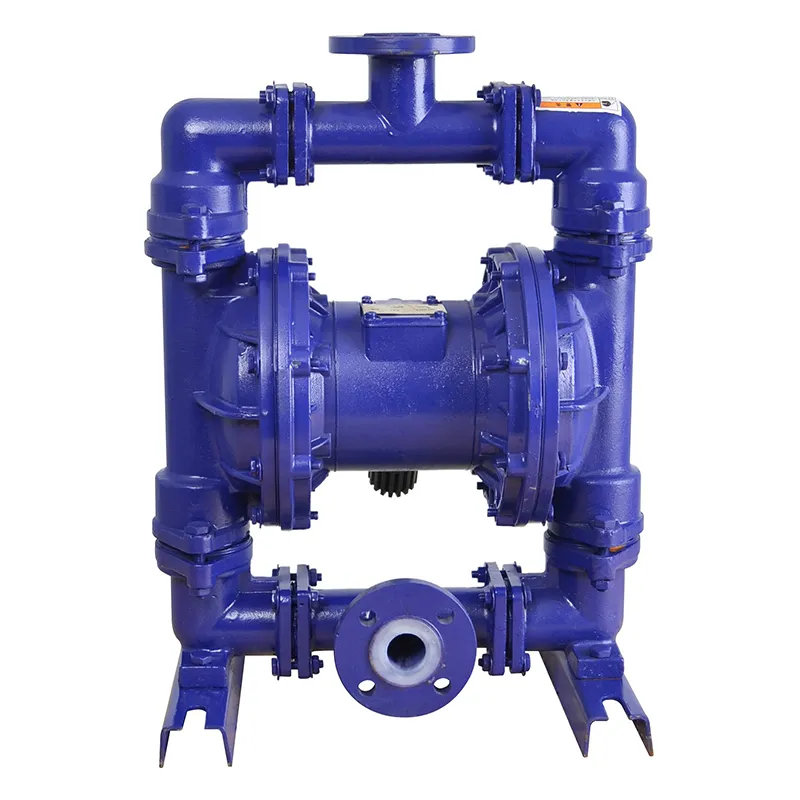

Best Sellingproducts
Best Selling Products-
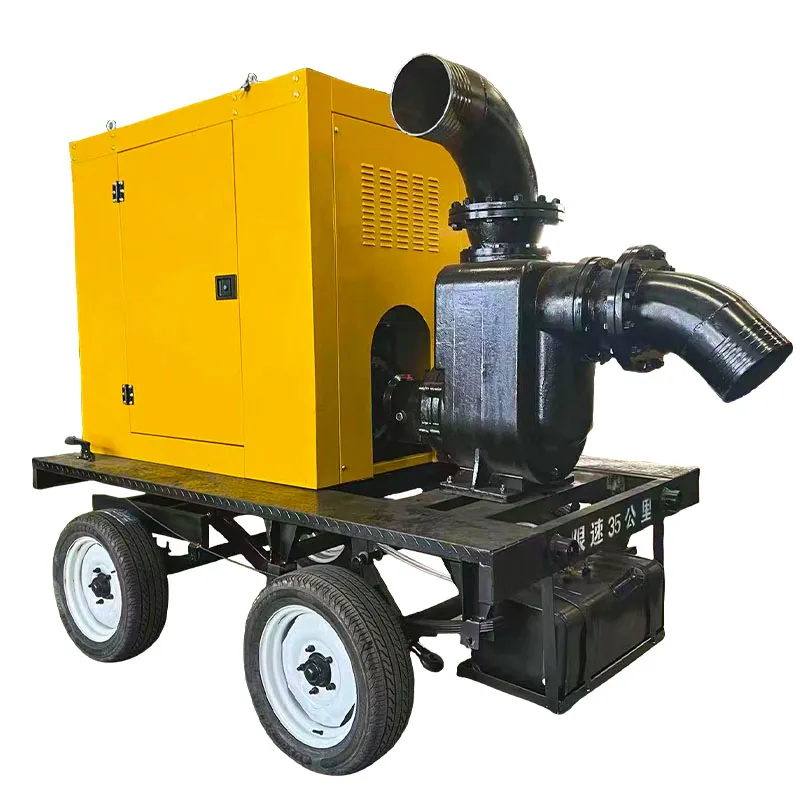 YZZW Diesel self-priming pumps
-
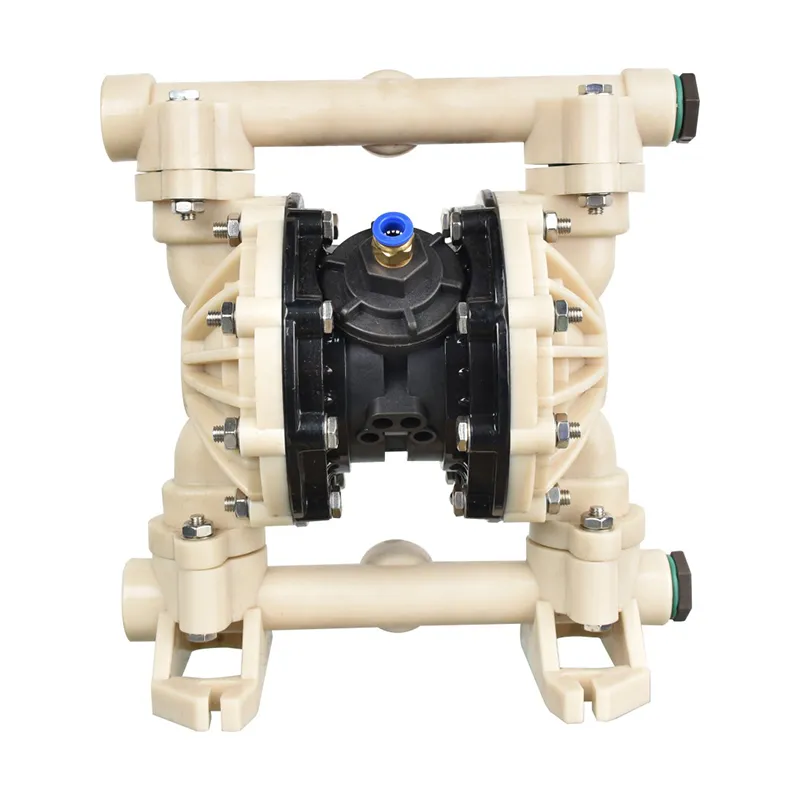 QBK Non-Metallic Air Operated Diaphragm Pumps
-
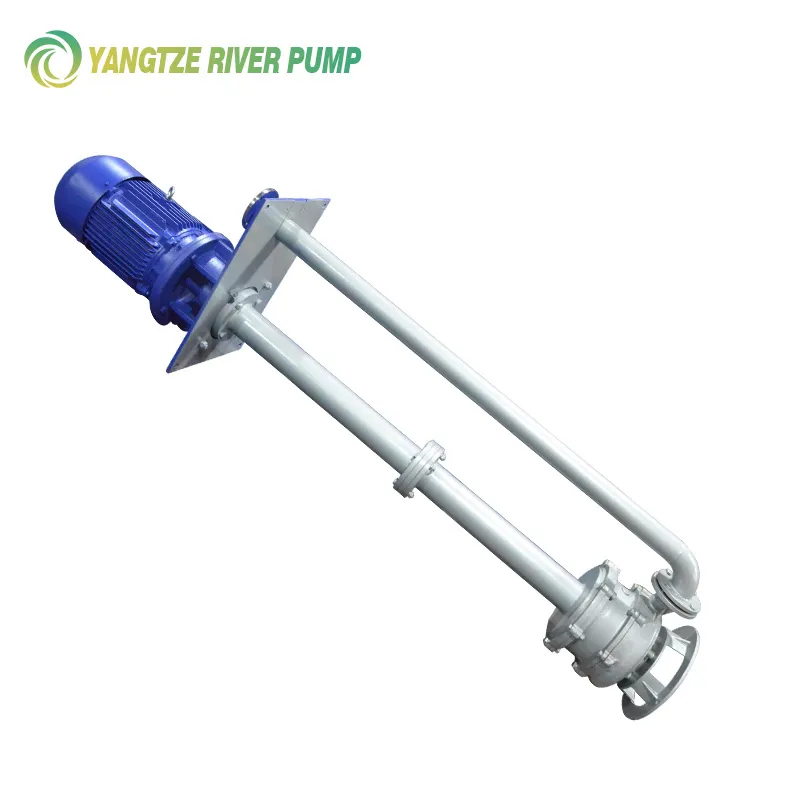 YW Vertical Submersible Sewage Pumps
-
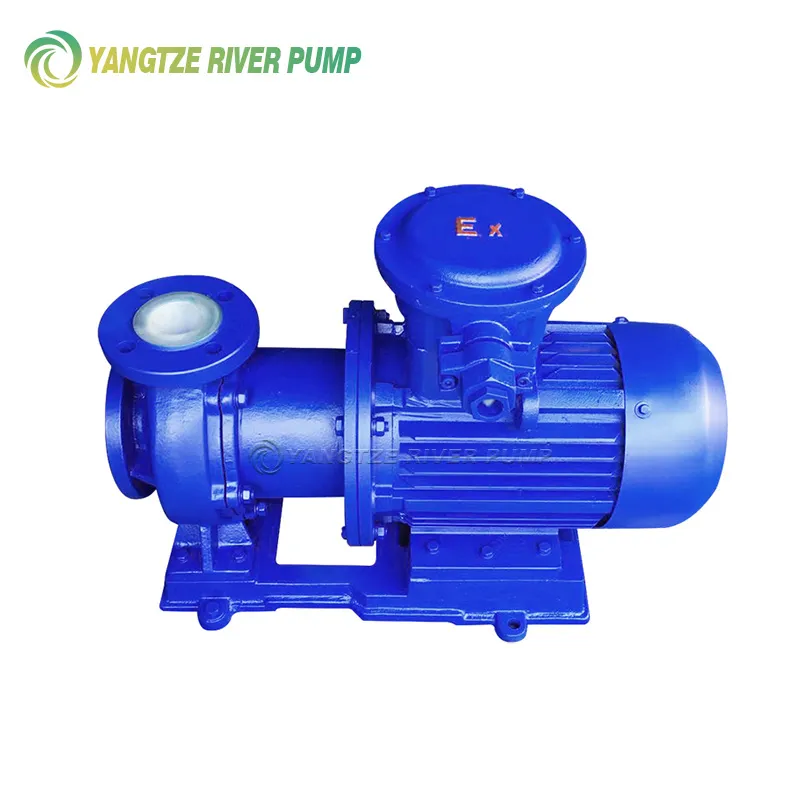 Magnetic pumps with fluoroplastic lining CQB-F
-
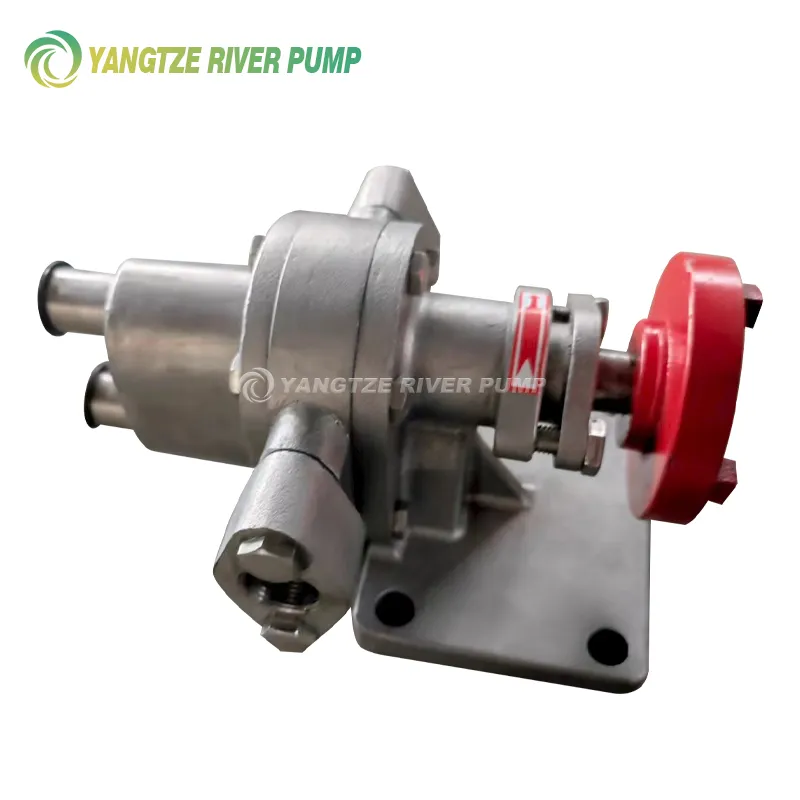 Gear oil pumps type KCB
-
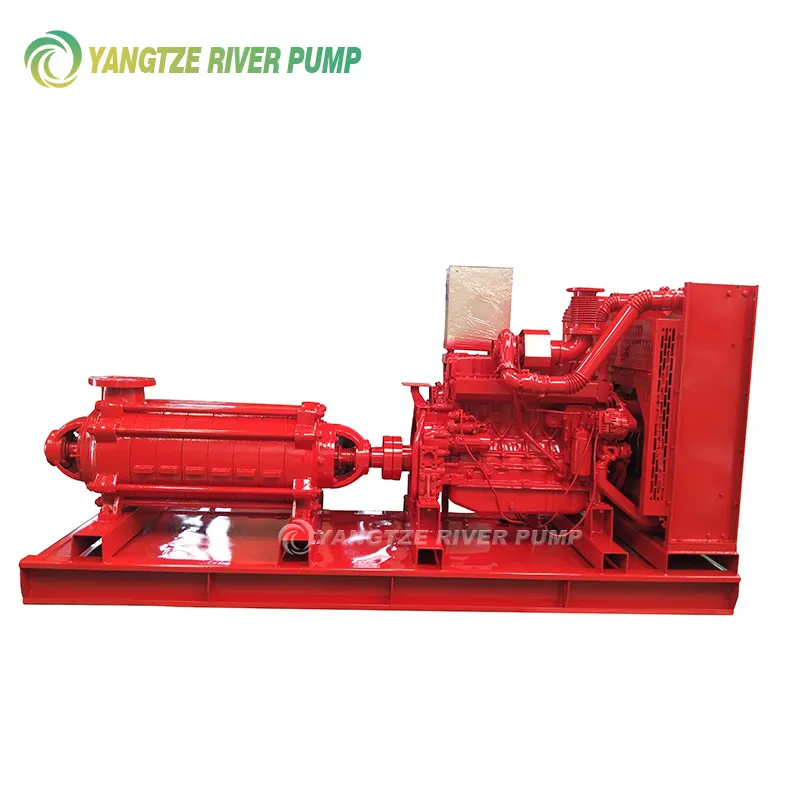 XBC Diesel Intelligent Fire Pumps
-
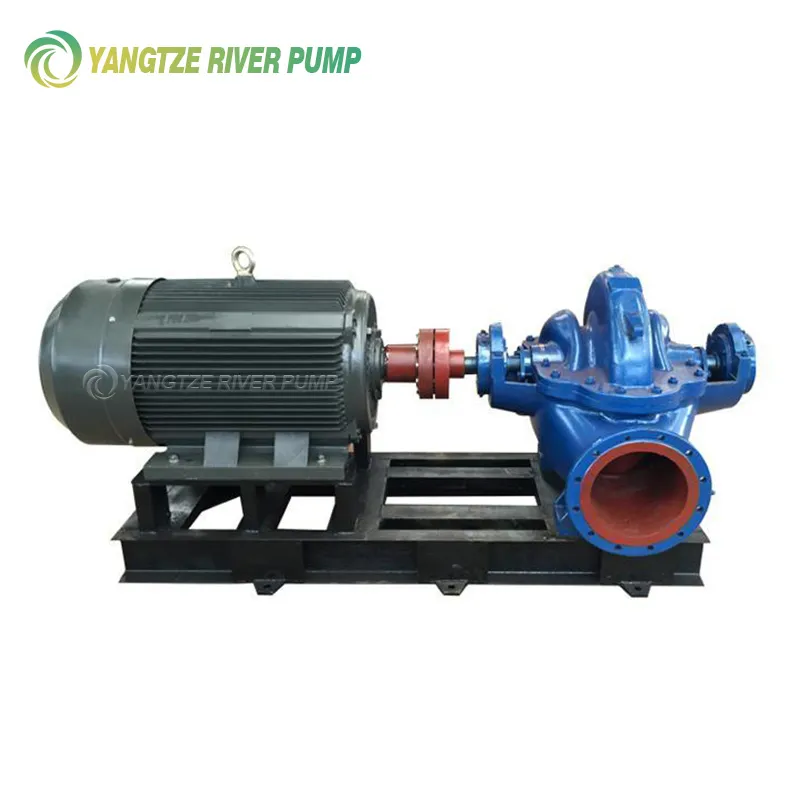 Single Stage Double Entry Centrifugal Pumps Type S
-
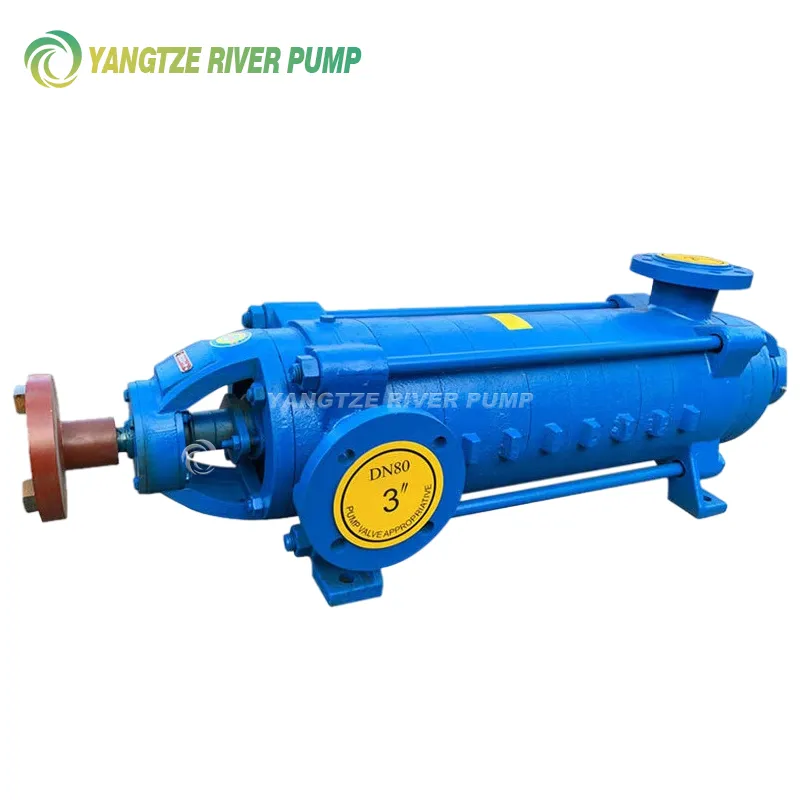 Horizontal multistage centrifugal pumps type D
-
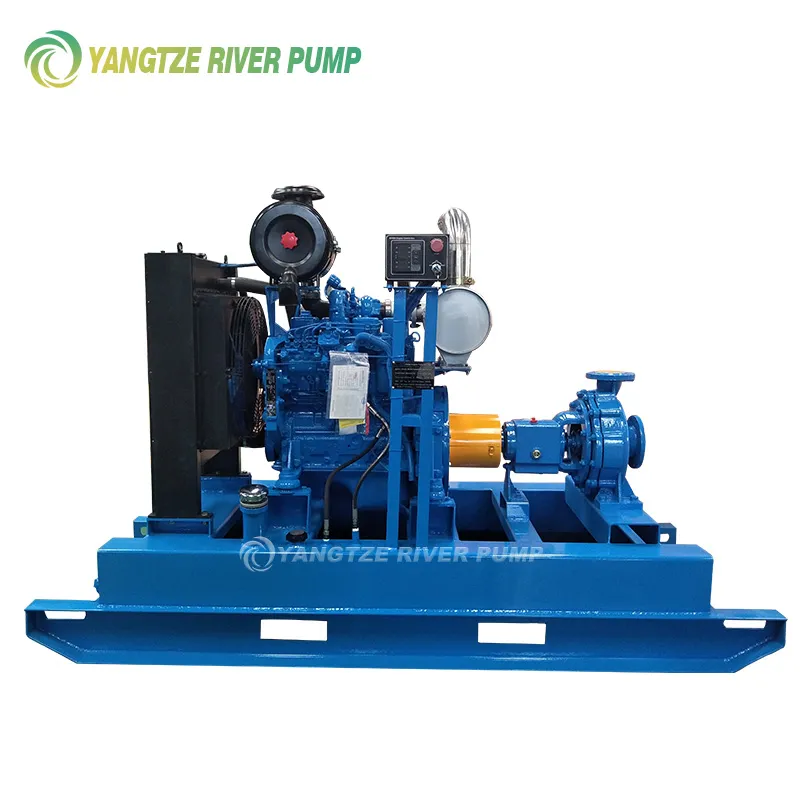 YZIS Diesel Single Stage Centrifugal Pumps
-
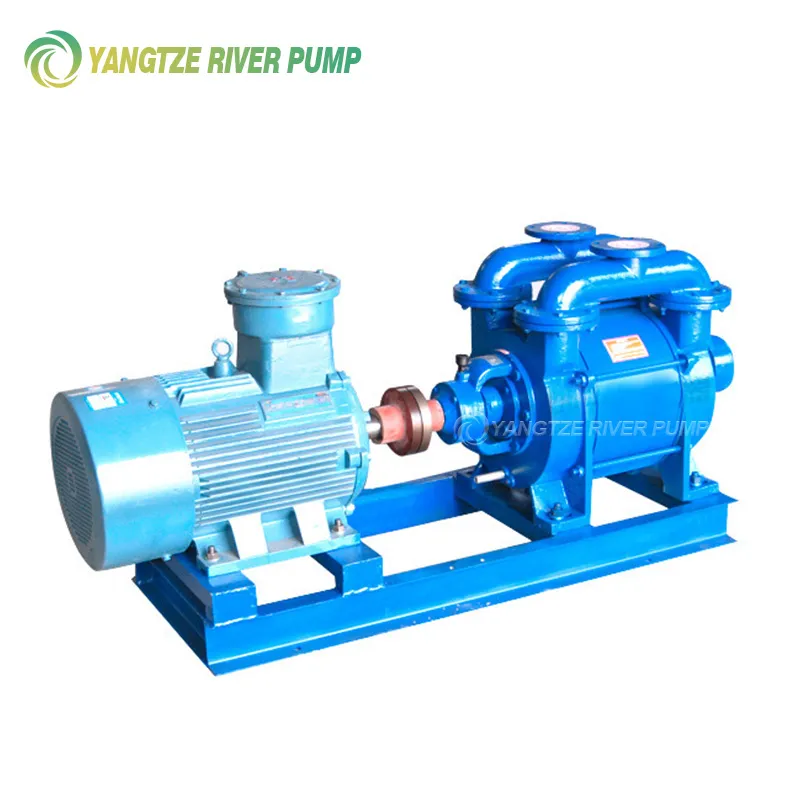 Liquid ring vacuum pumps type SK
-
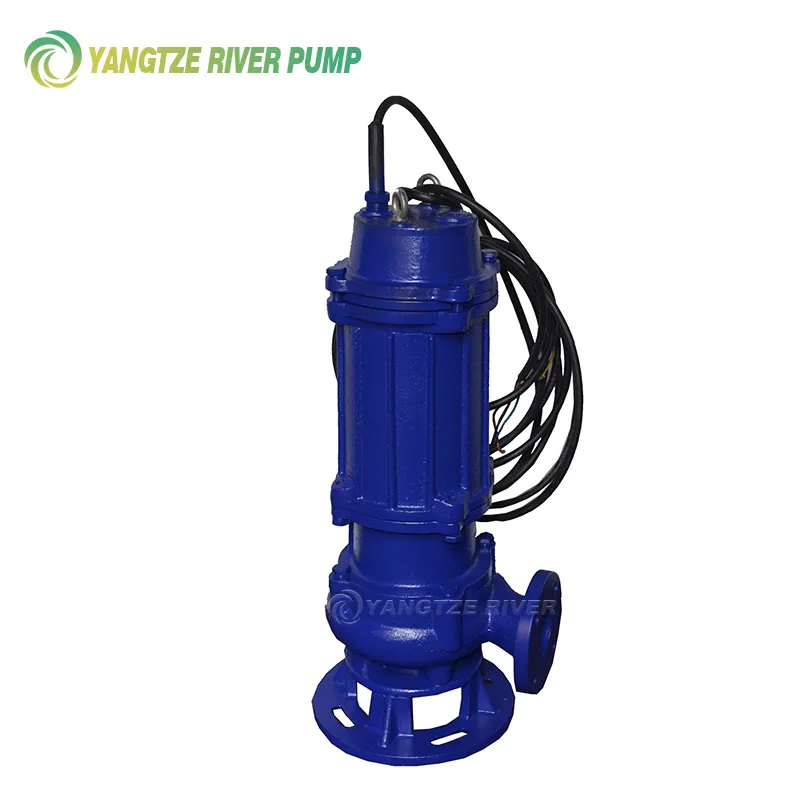 QW Non-clogging Submersible Sewage Pumps
-
 Vertical pumps with PTFE lining YQF