







vertical type centrifugal pump
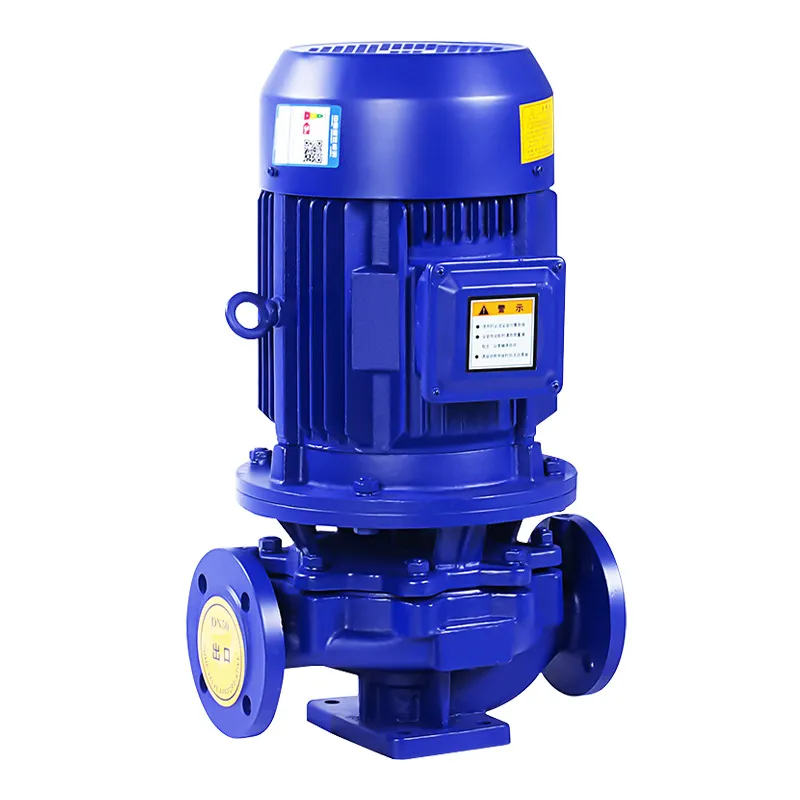
When they say “centrifugal pump of a vertical type?”, many immediately imagine an ordinary “vertical”, which is simply placed upside down. But this, to be honest, is a rather superficial view. In reality, especially at industrial enterprises, choosing such a design is a whole story with pitfalls. At Zhejiang Yangzijiang Pump Industry LLC, we have had many such units pass through test benches, and each time it was a case, and not just an assembly according to drawings. The main feature is saving space, yes, but then the nuances begin: axial loads, cavitation in the upper part, difficulties with servicing the bearing assembly... Often the customer requires a vertical design, because there is space in a well or technological niche - the cat has cried, and then questions arise about the resource. It is these undercurrents that I would like to speculate on, based on our production experience and, no less important, on feedback from installers and operators.
Constructive essence and common misconceptions
If we take it purely structurally, the main difference is the location of the shaft. The shaft is vertical, hence all the consequences. Many people think that this is just a horizontal pump turned 90 degrees. A big mistake. The thrust bearing here operates in completely different conditions, constantly struggling with the weight of the rotor and axial force. We are in our production for models likevertical centrifugal pumpwith a long shaft (for wells or tanks), we immediately install reinforced units. There have been cases of setting up equipment at a client’s place, when you arrive and our unit is standing there, but with “horizontal” ones. bearings supplied by local repairmen - and they wonder why vibration appears after six months.
Another myth is that the efficiency of vertical ones is lower. Not a fact. It all depends on hydraulics. When our engineers design multi-stage vertical pumps to increase pressure in high-rise buildings, they test the flow part on benches in such a way that sometimes it is possible to achieve even better performance than their horizontal counterparts due to a more optimal flow supply. But this, of course, is not a rule, but the result of painstaking work. By the way, on the websiteyangtzeriverpump.ruin the product section you can see that we have a whole line of such solutions - from compact chemical pumps to powerful multi-stage units. This is not for show; each type was born from specific market requests.
And yes, about the material. For chemical media, a vertical design is often preferable - there are fewer points of potential leakage along the shaft. But this has its own headache: it is more difficult to ensure alignment and absence of distortions in a case made of stainless steel or, especially, made of plastic (which we also make). Compromises have to be made in tolerances.
Installation and “first start-up”: where the problems lie
The most painful topic. A perfectly level foundation slab is sacred. The slightest misalignment, and the load on the shaft becomes uneven. I remember a story at one of the pulp and paper mills: they installed ourvertical centrifugal pumpto supply lye, we started it - it seems to work. And a month later, increased wear and tear on the seal began. We arrived and started checking - it turned out that the installers had saved money. time for leveling, they say, four anchors are tightened and okay. I had to dismantle it and install spacers for alignment. After this incident, we added a bold clause to the instructions about mandatory alignment checks after preliminary, but before final tightening of the foundation bolts.
Another critical point is piping. The vertical pump must not be subject to loads from pipelines! This seems obvious, but in practice pipe pipeters often lead the line “as conveniently as possible?”, creating a lateral force on the flange. The result is deformation of the housing, violation of the rotor alignment. We now sometimes even recommend that clients install expansion joints or flexible inserts as a mandatory requirement, especially for high-pressure models. This makes the project a little more expensive, but saves from future downtime.
And, of course, filling. Forgetting to fill the pump housing before starting is a classic. But in vertical systems with top supply this is especially dangerous due to the risk of “dry” stroke and instantaneous failure of the mechanical seal. During testing in our workshop, this point is checked twice.
Operation: observations from the test site
This is what our company’s service engineers who visit sites note: the resource largely depends on the operating mode.Vertical centrifugal pump, operating in a stable mode close to the nominal value, can go away for decades. But one that constantly turns on and off or operates with a strong cavitation reserve will require attention much earlier. Vibration control is an operator's best friend. On our powerful units we even provide points for installing vibration sensors by default.
Bearing maintenance is a separate matter. In some designs, access to them is difficult; you need to remove the coupling half and casing. This is a minus. Therefore, when designing, we try, where possible according to the technical specifications, to use designs with an upper location of the bearing assembly and a removable cover - for quick inspection and replacement of lubricant. This does not always work out, for example, in submersible designs, but for above-ground vertical pumps it is good practice.
Working with abrasives. If a suspension is pumped, then wear on the lower part of the impeller and the shaft protective sleeve is more intense. For such cases, we have versions with wear-resistant pads or special alloys. But it is important to understand that the vertical layout can allow solids to settle more quickly in the housing if the pump stops. Recommendation: flushing after stopping.
Specific cases from the YangtzeRiver Pump portfolio
I’ll tell you about two typical projects. The first was the supply of a line of vertical multistage pumps for a fire extinguishing system in a business center. Compactness, high reliability and low noise levels were required. We made it on the basis of our standard models, but with modifications: we used more precise rolling bearings and specially designed dynamic seals for periodic operation. The key was to ensure immediate availability after a long period of downtime. Passed all acceptance tests with simulated launch.
The second case is chemicalvertical type centrifugal pumpmade of thermoplastic for pumping acid on a galvanic line. The customer initially doubted the reliability of the plastic housing under pressure. We have provided hydrotest protocols that we carry out on each product unit. The main focus was on the shaft material (coated special steel) and the design of the mechanical seal to be compatible with the media. The pump has already worked beyond the warranty period; according to the latest feedback, there are no complaints. Such stories confirm that there are no universal solutions, each project requires a thoughtful approach, which is what we practice at Zhejiang Yangzijiang Pumping Industry LLC.
There was also a bad experience, where without it. We tried to make a universal vertical pump for all occasions? for the CIS market. It seemed to be put together successfully. But during tests it turned out that when working on viscous liquids (such as fuel oil) in the standard configuration, problems arise with pumping and overheating. I had to recognize the dead end and segment the line: for water/light media - one hydraulics and seals, for viscous media - a completely different one, with increased clearances and enhanced cooling. The conclusion is simple: a vertical pump is very sensitive to the parameters of the pumped medium.
Looking Ahead and Final Thoughts
Where is the industry heading? In my opinion, the trend is toward intellectualization. Temperature, vibration, and flow sensors are becoming standard for expensive projects. This is especially true for vertical pumps, since many critical components are hidden from view. Perhaps soon we will offer "smart" by default. bearing covers with wireless data transmission. But without fanaticism - the reliability of the mechanics is primary.
Summarizing my experience, I will say this: a vertical centrifugal pump is an excellent solution for saving space and certain technological schemes. But this is not a “simple vertical”. This is a device that requires competent selection (our selection specialists on the website can help here), careful installation and understanding of operating conditions. You can’t just “stick” it? instead of horizontal and expect the same result.
The main advice we give to clients: do not focus only on price or dimensions. Send the complete technical specifications - medium, pressure, flow, temperature, work schedule. Then it will be possible to design or select from our catalog atyangtzeriverpump.ruthe same onevertical centrifugal pump, which will work for years and not create problems. At the end of the day, our goal as a manufacturer is for the equipment to do its job and for you to simply forget about it.
Correspondingproducts
Related Products
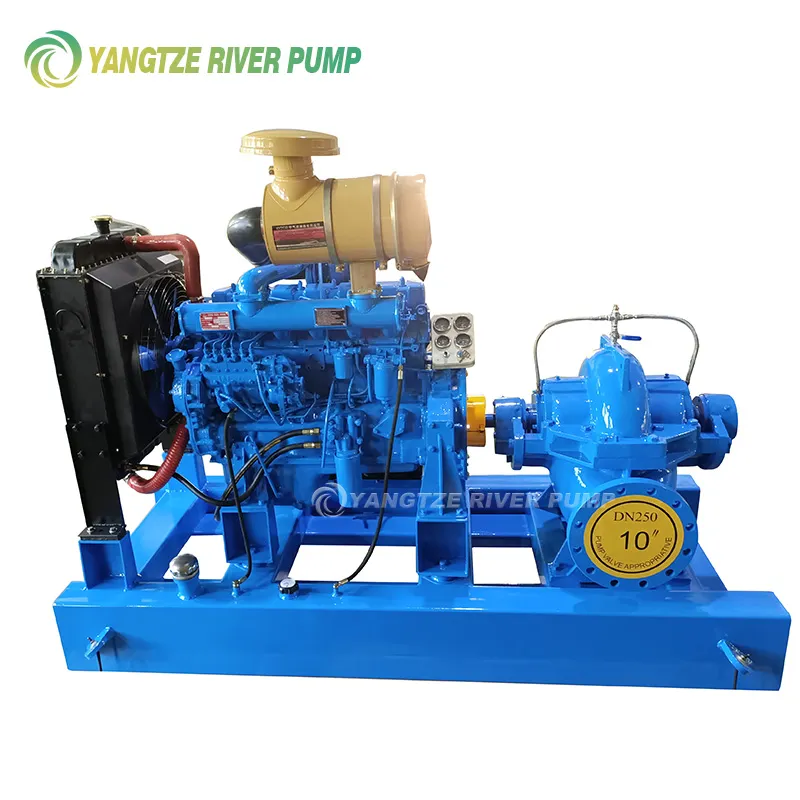
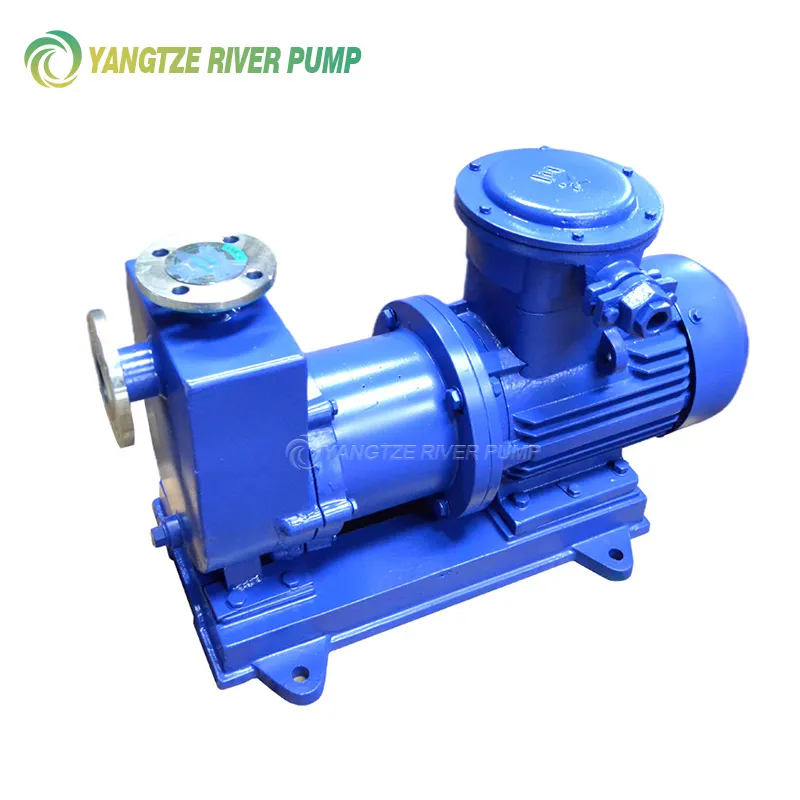

Best Sellingproducts
Best Selling Products-
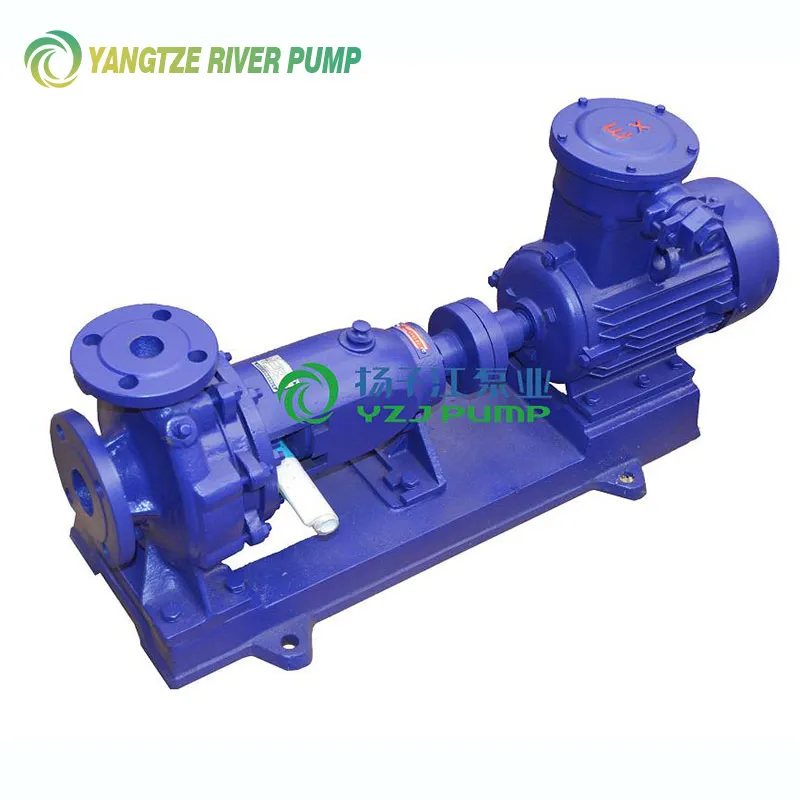 Horizontal chemical centrifugal pumps types IS and IR
-
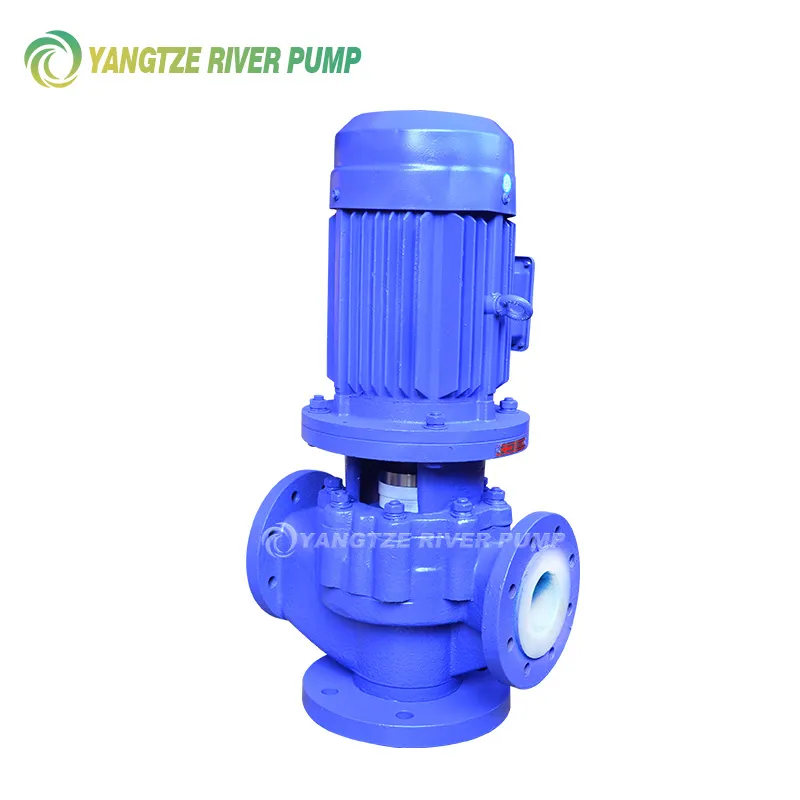 Vertical pumps with PTFE lining YQF
-
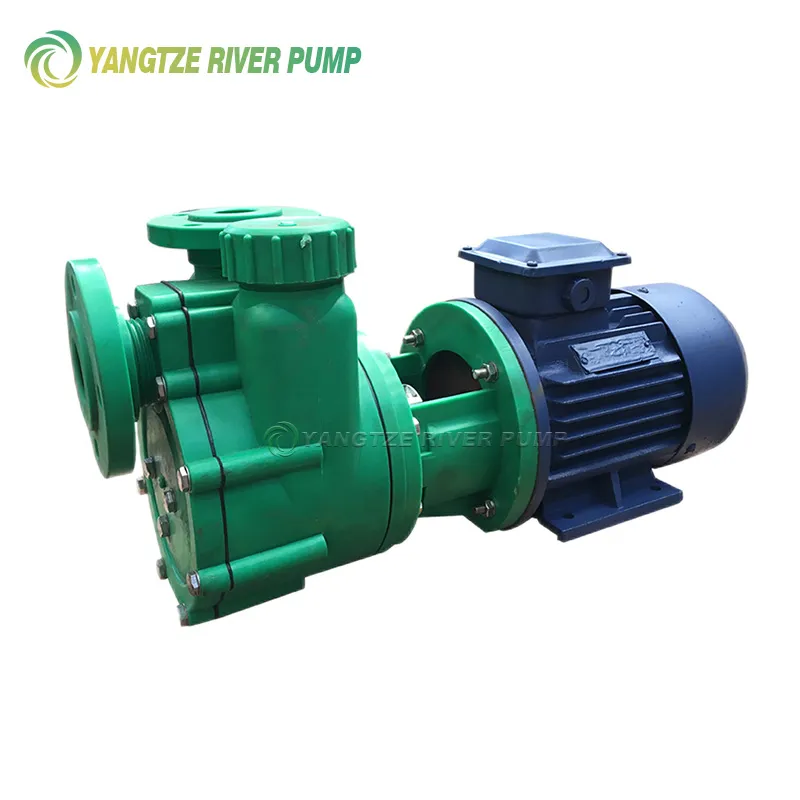 Plastic self-priming centrifugal pumps FP and FS
-
 Mechanical diaphragm dosing pumps DJ-D
-
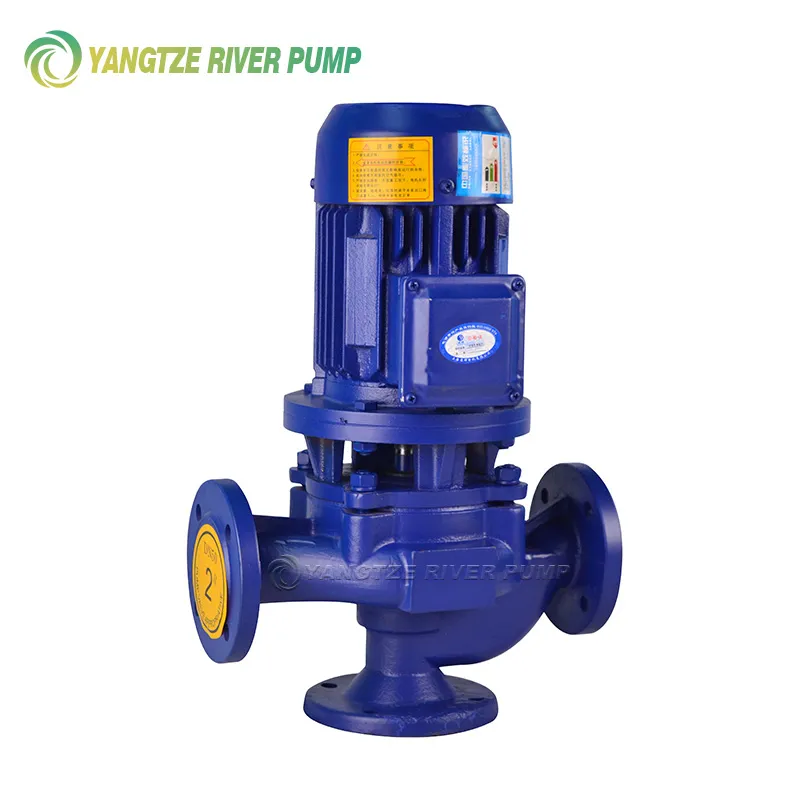 Pipeline wastewater pumps GW
-
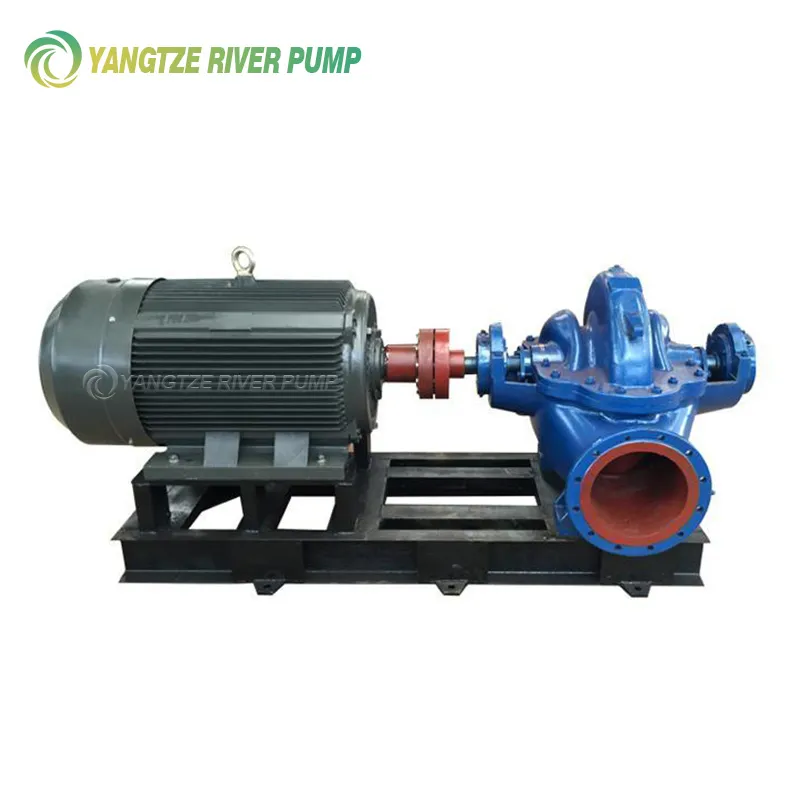 Single Stage Double Entry Centrifugal Pumps Type S
-
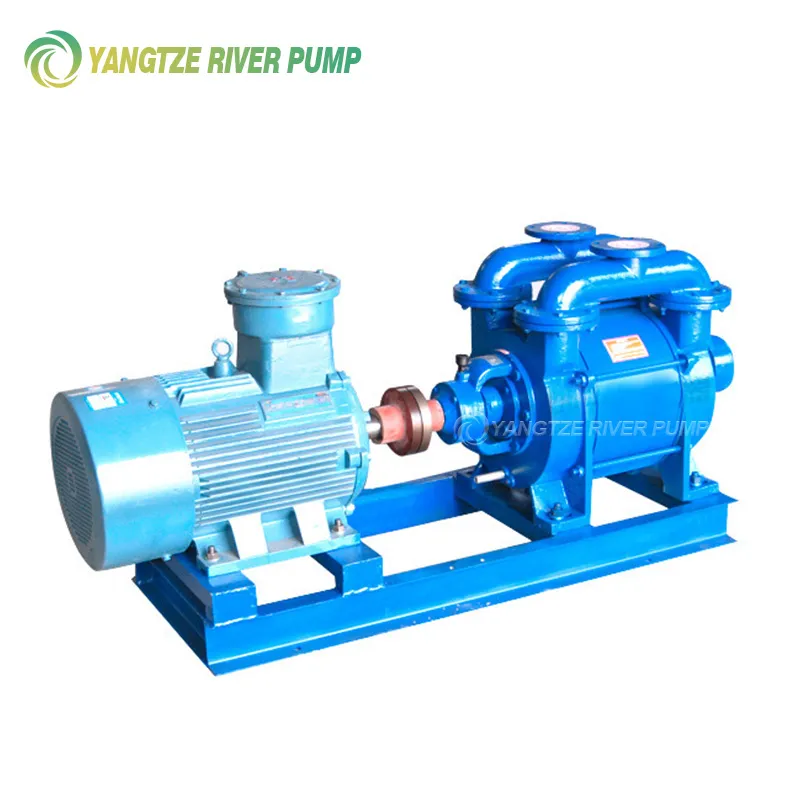 Liquid ring vacuum pumps type SK
-
 Horizontal multistage centrifugal pumps (light series) CHL and CHLF
-
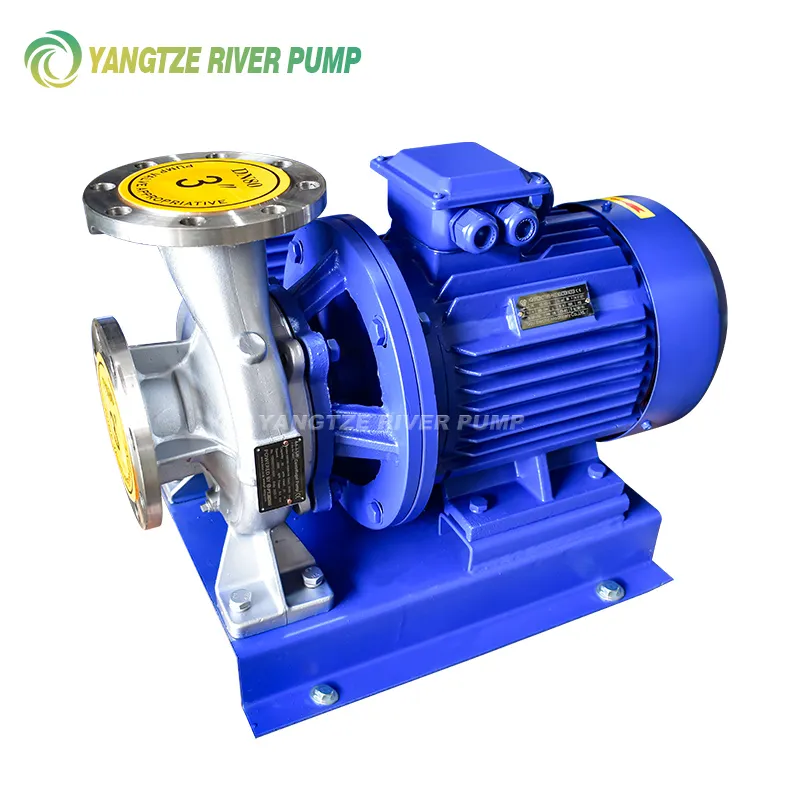 ISW and ISWH Single Stage Horizontal Pipeline Centrifugal Pumps
-
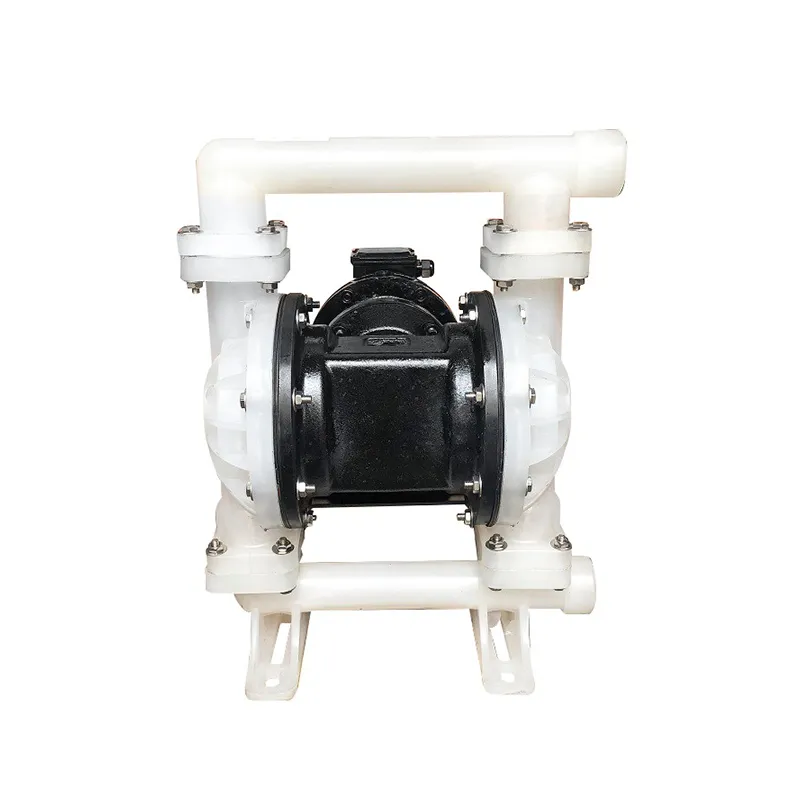 DBY Non-Metallic Electric Diaphragm Pumps
-
 IH Stainless Steel Chemical Centrifugal Pumps
-
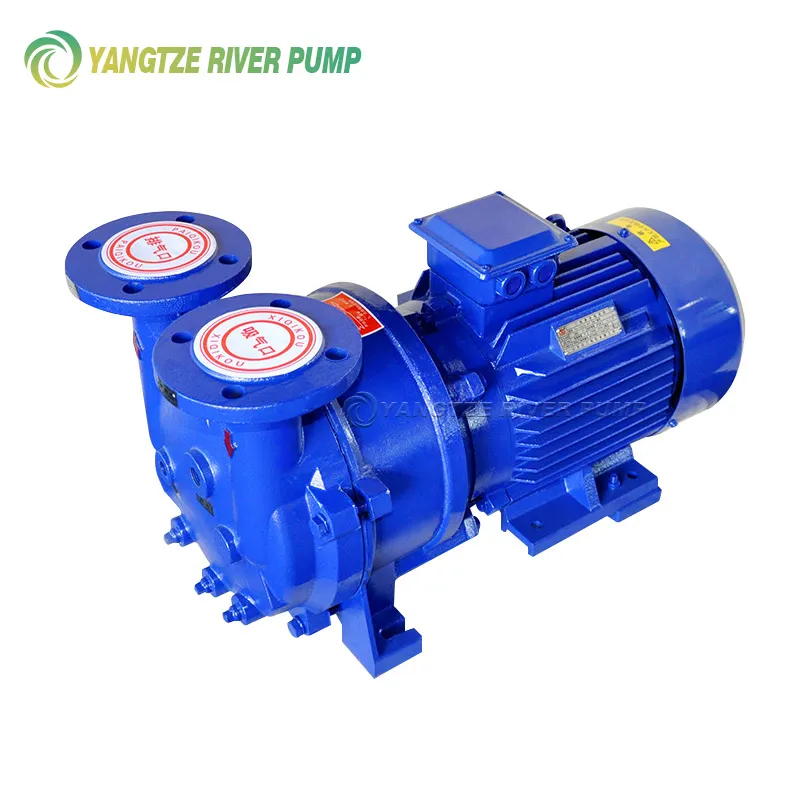 Liquid ring vacuum pumps type SKA and 2BV