







multistage centrifugal water pumps
When you hear “multistage centrifugal pump?”, the first thing that comes to mind is probably the idea of several impellers strung on one shaft to press the water harder and harder. Many people think that the main thing is the number of steps, and everything else will follow. In practice, this often becomes a trap. You can assemble a unit with a dozen stages, but if you don’t take into account the hydraulics at the joints, the features of shaft seals specifically for a multi-section design, or the behavior of the material under long-term axial load, you will not get a pump, but a source of constant vibrations and repairs. We at Zhejiang Yangtzejiang Pump Industry LLC went through this when we expanded the line. Not everything went smoothly right away.
From drawing to vibration: where the pitfalls lie
Take, for example, the classic problem of ensuring stable pressure in a high-rise building. It seems like take itmultistage centrifugal pumpswith the appropriate pressure according to the catalog - and it’s done. But the catalog will not tell you how a particular assembly will behave during consumption pulsations on the upper floors. Once they put the production model on site, the calculations seemed to converge. And a couple of months later I got a call: noise, drop in parameters. It turned out that with frequent partial loads in certain stages, cavitation pressure arose, which was simply not caught under ideal test bench conditions. I had to disassemble it and look at the impellers - and yes, two of the six showed signs of cavitation. This means that the problem is not in the overall pressure, but in the hydraulic profile of each individual stage under a non-ideal, real work schedule.
This incident forced us to seriously reconsider the approach to testing. Now on our website https://www.yangtzeriverpump.ru, although we write about eight full lines and control, we have introduced an additional cycle of tests for ourselves specifically for multi-stage models - on “torn” ones. modes, simulating real network disturbances. Because a stand with an even flow is one thing, but a system where a faucet is unexpectedly closed somewhere or a washing machine starts is completely different. Vertical ones are especially sensitive to thismultistage pumps— the weight of the rotor and the load on the supports are different.
Or another moment - assembly. It would seem that the technology has been worked out. But the slightest deviation in the alignment of the section bodies when tightening - and you get not the calculated axial force, but a misalignment that will eat up both the efficiency and the bearings in six months. In production, we spent a long time selecting the tightening torque of the studs and the sequence of this operation. Experiencedly, with probes and indicators. Not from a textbook, but with specific people who are now carrying out this operation. Without such a seemingly trifle, the whole idea of multi-stage water goes to hell - reliability drops catastrophically.
Materials and environment: why ?stainless steel? - not always a panacea
Often the customer asks: “Let’s make it stainless steel, so it’s reliable?”. Logical. But forcentrifugal pumpsmulti-stage, working, for example, with artesian water, this may be unnecessary and even harmful for some units. The water is not aggressive, but it may contain a high content of dissolved salts or fine abrasives. Stainless steel of certain brands is not the best fighter against sand; it can be subject to erosion. But for wheels, sometimes a special polymer or coating is better suited. In our assortment, along with classic models, we have taken the path of flexibility. Sometimes it is more rational to make the body from cast iron with protection, and the internal elements from a material more resistant to specific impurities. This is cheaper for the client and is often more durable in their conditions.
There was a project where pumps pumped water with a high chloride content. It was made entirely of AISI 304 stainless steel. A year later, there was pitting corrosion on the mechanical seals of the wheels. Revised. It turned out that this environment required AISI 316 or even duplex steel for critical areas, but not for the entire pump mass. We made a hybrid version - the main body parts are from 304, and the shafts, wheels and sealing rings are from 316. The service life has increased significantly. Now, when we consult through the sales department, we always clarify not just “for water?”, but which one, where it comes from, whether there is a chemical. analysis. Because a multistage pump is a long-term investment and its material must be suitable for the environment throughout its service life.
We have extended this principle to other types that we make - the samesubmersible pumpsor linear centrifugal. But for multi-stage ones it is critical due to the number of surfaces in contact with the medium and the complexity of subsequent repairs. Disassembling and replacing one impeller in a deep well is not the same as opening a horizontal multi-stage installation in a heating substation. Therefore, the material and design of the seals between the stages is a separate story that we can talk about for hours.
Neighborhood in the catalog: where multistage pumps live among other types
At our production, as indicated on the website, there are several lines: andsingle stage centrifugal pumps, both magnetic and screw. A common question: when to choose a multi-stage one, and when, say, to assemble a cascade of several single-stage ones? There is no universal answer here. The cascade is more flexible in control; it can be switched on in steps to suit changing loads. But it takes up more space, requires more piping and is generally more complex to automate. A multi-stage unit means compactness and often higher efficiency for stable operation with constant high pressure. It is placed where it needs to be guaranteed to “push through” system: water supply for high-rise buildings, fire protection systems, flushing systems in industry.
It happens that a client wants to save money and asks for a single-stage high-pressure pump. You explain that it will operate on the extreme right side of the characteristic, with low efficiency and the risk of engine overload. Amultistage centrifugal pumpfor water is just created for such conditions - it distributes the load. It’s like carrying a load with one hand or distributing it into two: you’ll work more reliably and longer. We at Yangtzejiang Industry often encounter the need not just to sell, but to select. Sometimes, after analysis, it is more profitable for the customer to offer a pair of linear pumps, and sometimes - one vertical multistage pump. Depends on the load schedule, which many simply cannot provide at the request stage.
This is where our integration from R&D to service provides an advantage. Designers who see test reports and field data from the service can make adjustments to the following models. Not global, but point-specific: slightly change the shape of the channel in the guide vane to reduce turbulence, or offer a different type of mechanical seal for a specific order. This is not a mass market, this is piece work, albeit serial work. When you see the same unit failing at different facilities for a similar reason, this is a signal for improvement. And so on in a circle.
Testing as part of production, not the final chord
Previously, the test bench was the last frontier before shipping. Now it is rather part of the production cycle. Especially for complex products. Everyonemultistage pumpfor water, especially high power, we “drive away?” not only at nominal value, but also in modes close to the limit. They look not just at pressure and flow, but at the temperature of the housings, vibration, and noise. Data is recorded and stored. This is not for show. This is so that if a question arises at the site a year later, you can return to the “fingerprints”. this particular unit and compare.
I remember the incident with the supply for the boiler room. The pumps worked, but the customer complained about what he thought was an increased noise. According to his measurements, he was normal, but for him it was discomfort. We got the test report - the noise level was even slightly lower than stated. We came and listened. It turned out that the resonance at a certain frequency was caused not by the pump itself, but by incorrectly selected and installed piping at the site - a pipe of almost the wrong diameter and without proper support. We redid the harness - “hum?” disappeared. Without clear initial data from the stand, such a conversation could drag on and turn into a warranty dispute. And so - everything is transparent. This is the service we are writing about.
Therefore, when we talk about a full cycle, these are not beautiful words. For multistage pumps, testing is a validation of all those calculations and technological solutions that were laid down earlier. Casting the housing, balancing the rotor, assembling - each stage affects the final "voice" and behavior of the unit. And if something goes wrong at the stand, the pump does not go for revision, but returns for analysis of the reasons. It’s more expensive, but this is how the same reliability is born, which is then valued by installers and operators who don’t want to get into a complex multi-sectional structure every six months.
Instead of a conclusion: thinking out loud about the future of such systems
Where is the topic going? It’s no longer just about increasing efficiency by a percentage or two. Nowadays there is an increasing demand for intelligent control.Multistage centrifugal pumpswith a frequency converter - this is already a standard for many tasks. But the next step is built-in diagnostics. Vibration sensors, bearing temperatures, monitoring the condition of seals - so that the pump itself can report any problems before it stops. We are working on this in our developments, trying pilot projects. While this adds cost, but for critical facilities where downtime costs a lot of money, it pays off.
And another trend is unification and maintainability. Make it so that a failed stage can be replaced on site, without taking the entire pump to the factory and without completely disassembling it. We are also struggling with this. Sometimes it seems that an ideal design from a hydraulic point of view conflicts with an ideal design from a maintenance point of view. We are looking for balance. As always in this matter.
In the end, back to the beginning. A multistage pump is not just about “more pressure”. This is a complex engineering system where every detail is important, from the material to the precision of the assembly and understanding where and how it will work. Mistakes in selection or design are costly. And the right choice and high-quality execution mean years of quiet, reliable operation. This is essentially what we strive for at Zhejiang Yangzijiang Pumping Industry LLC, producing not just equipment, but working tools for water that will not let you down. Everything else is details, important, but secondary.
Correspondingproducts
Related Products
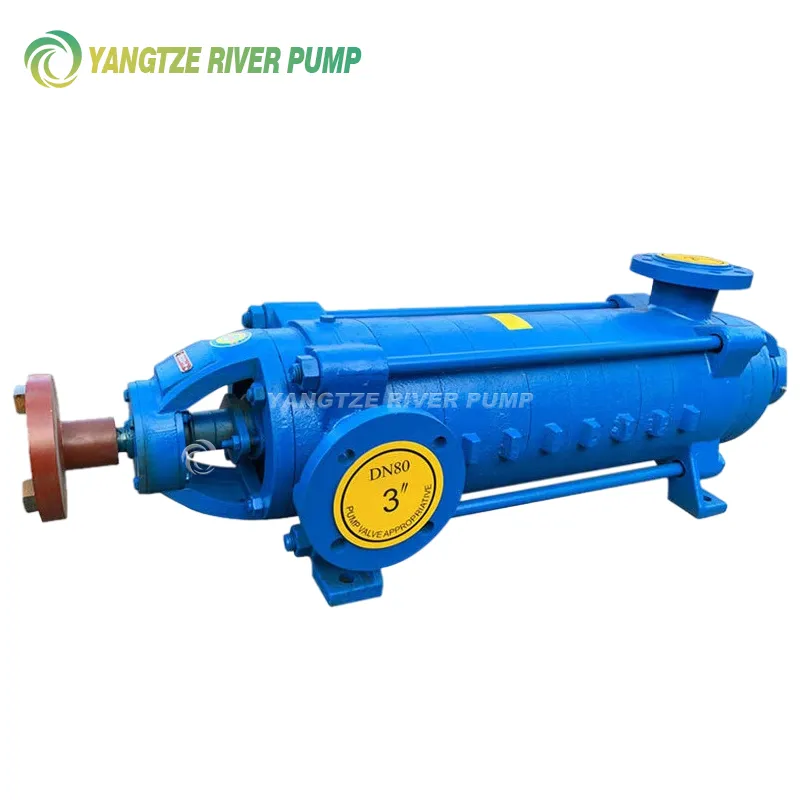
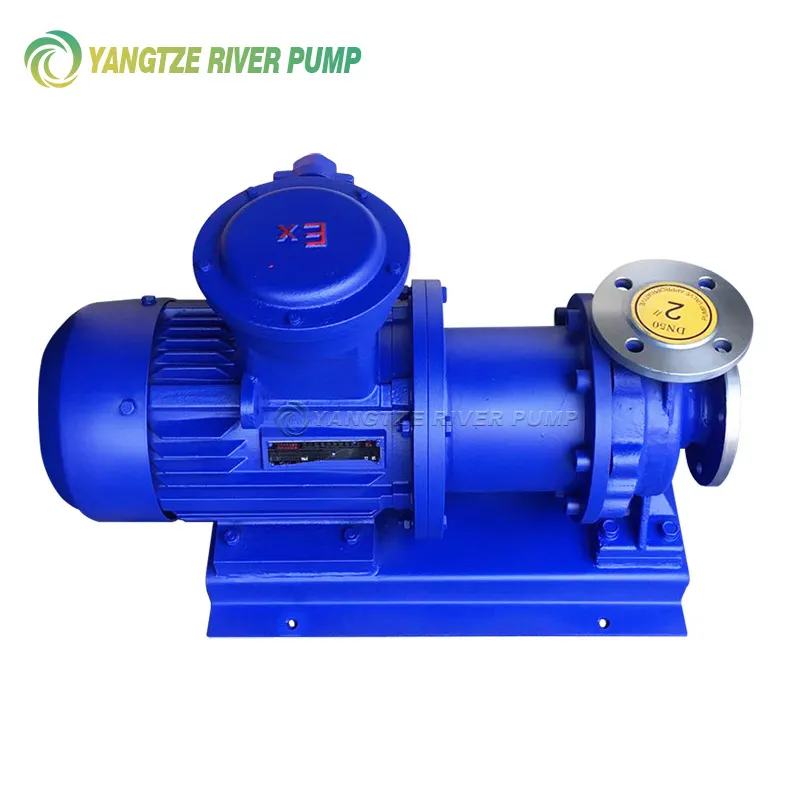

Best Sellingproducts
Best Selling Products-
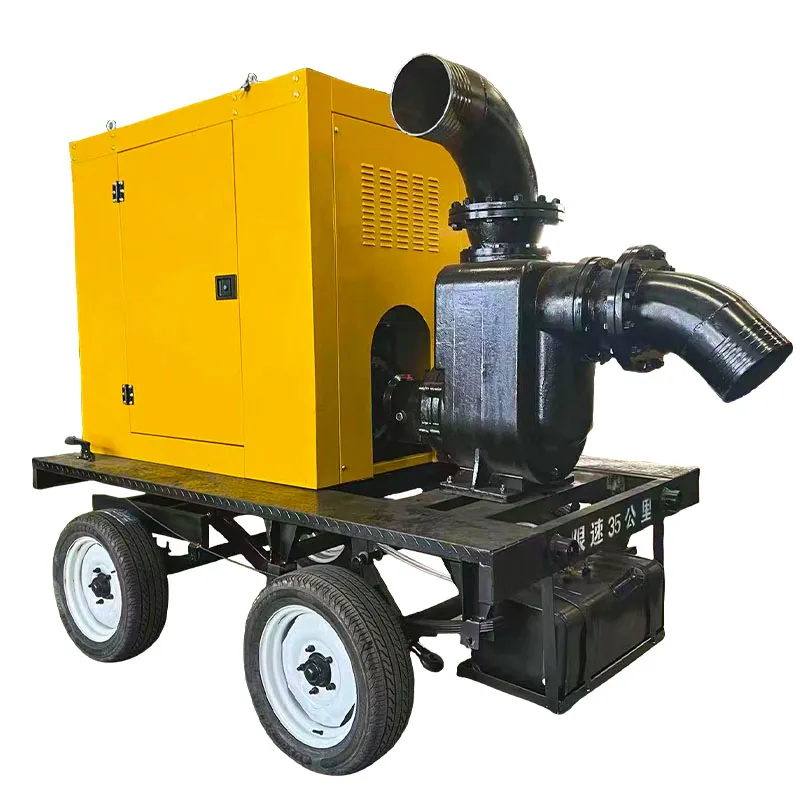 YZZW Diesel self-priming pumps
-
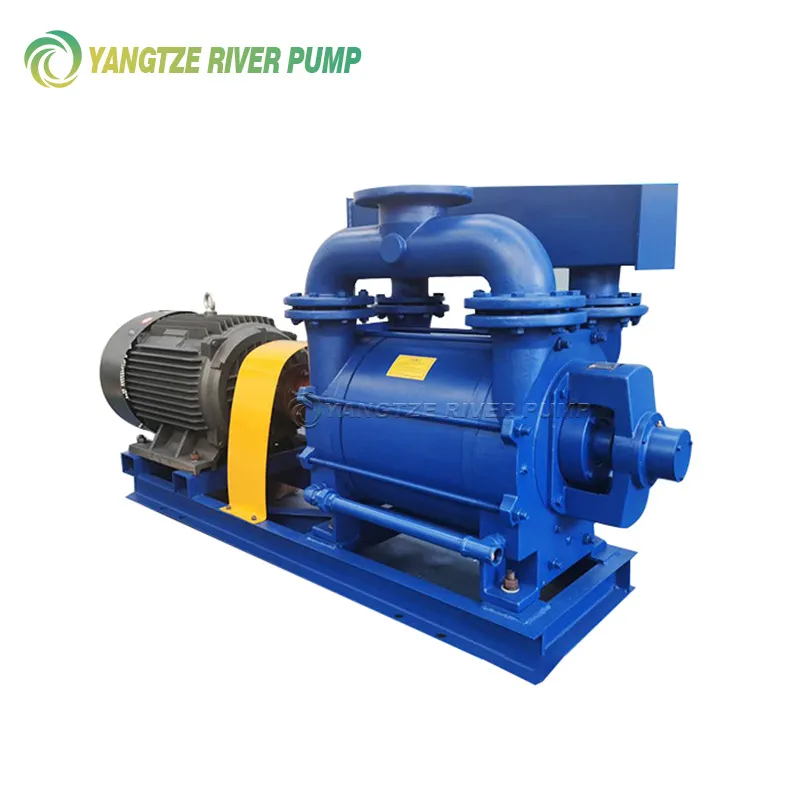 Liquid ring vacuum pumps type 2EB
-
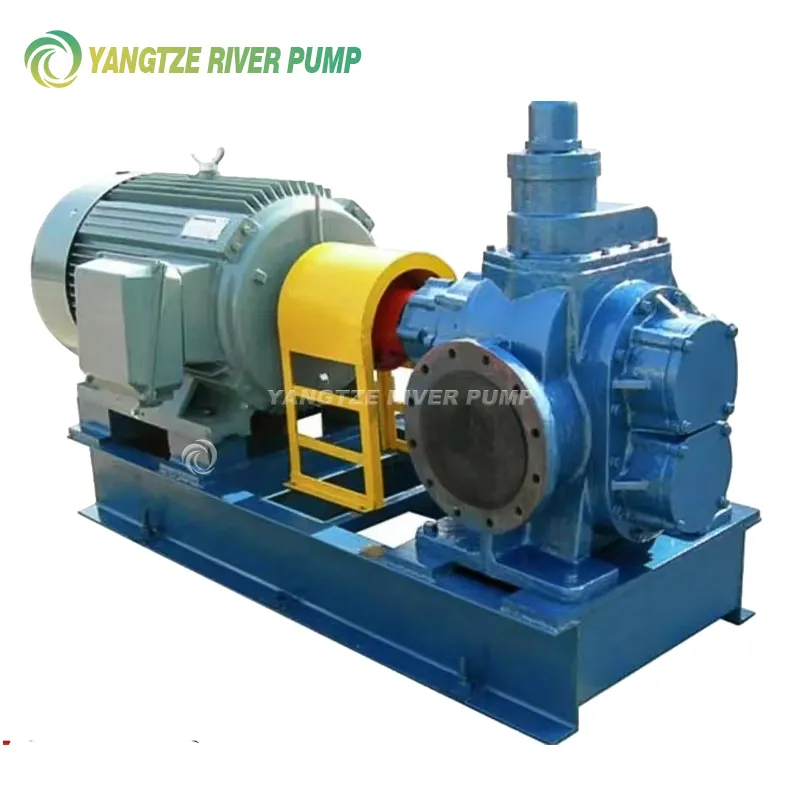 YCB Type Circular Gear Pumps
-
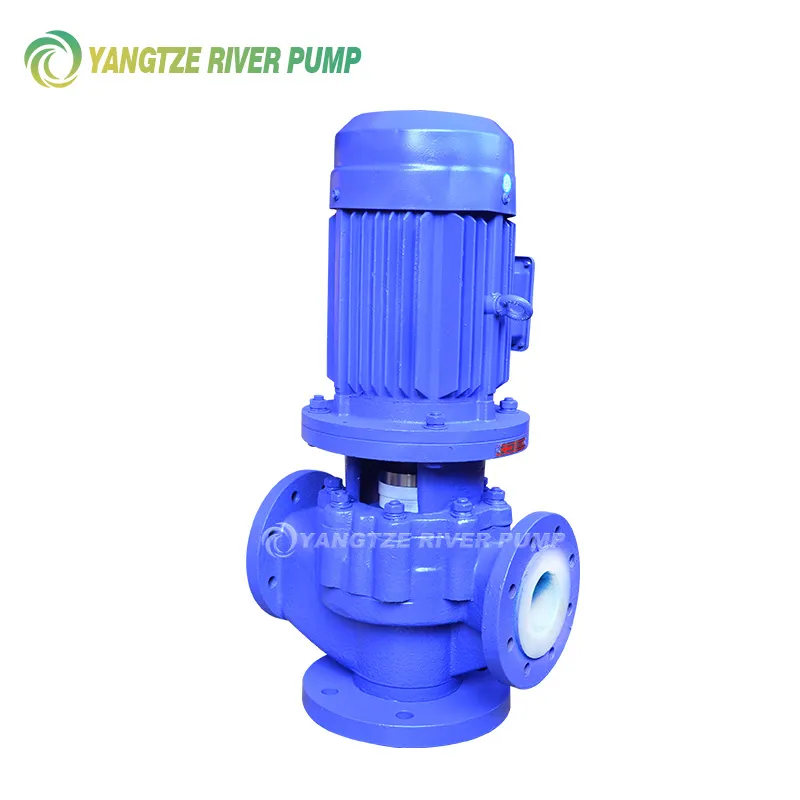 Vertical pumps with PTFE lining YQF
-
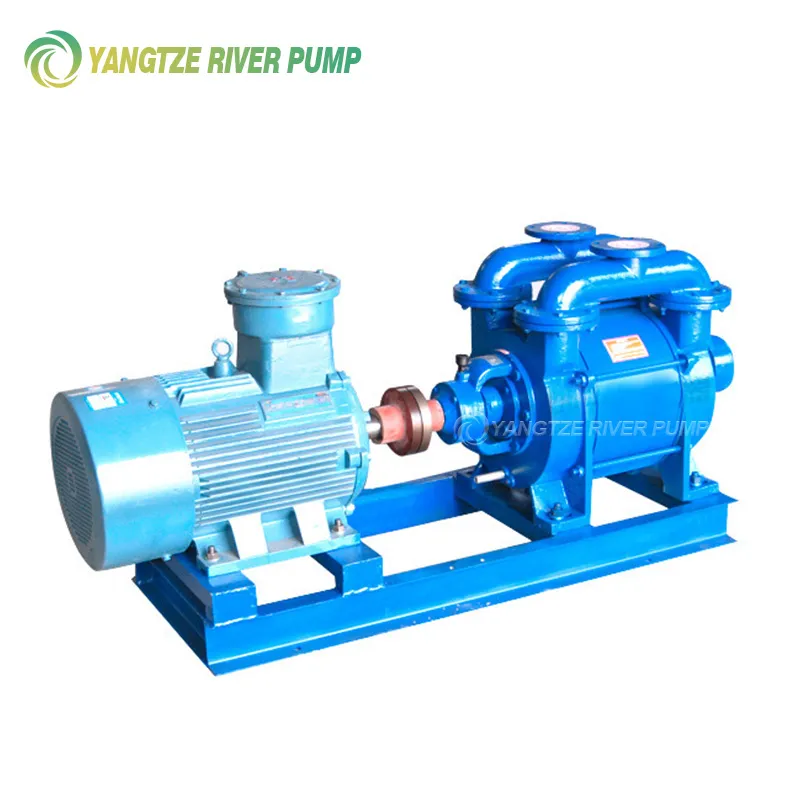 Liquid ring vacuum pumps type SK
-
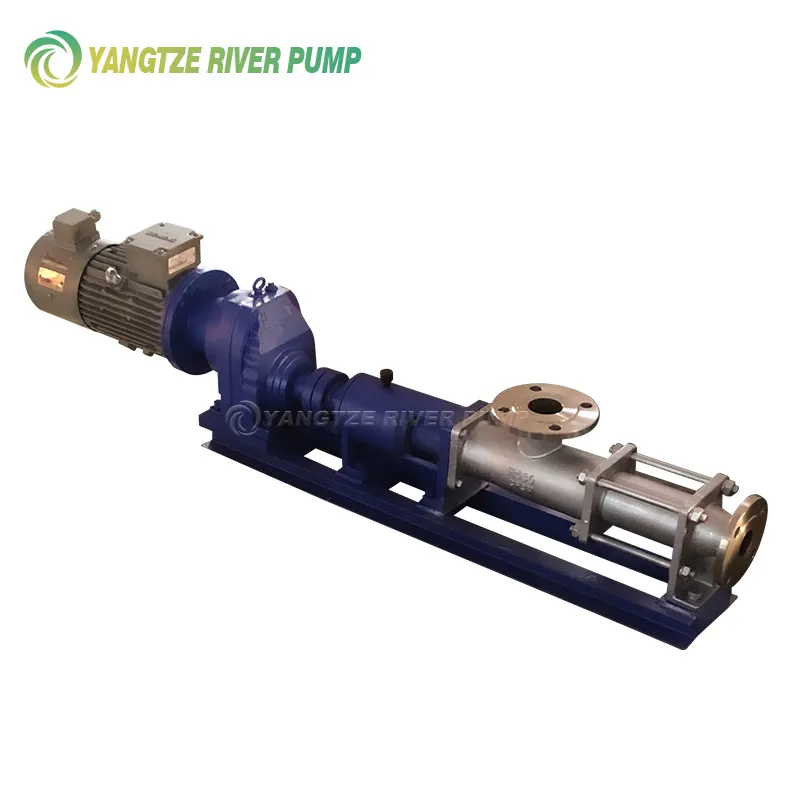 Geared screw pumps type G
-
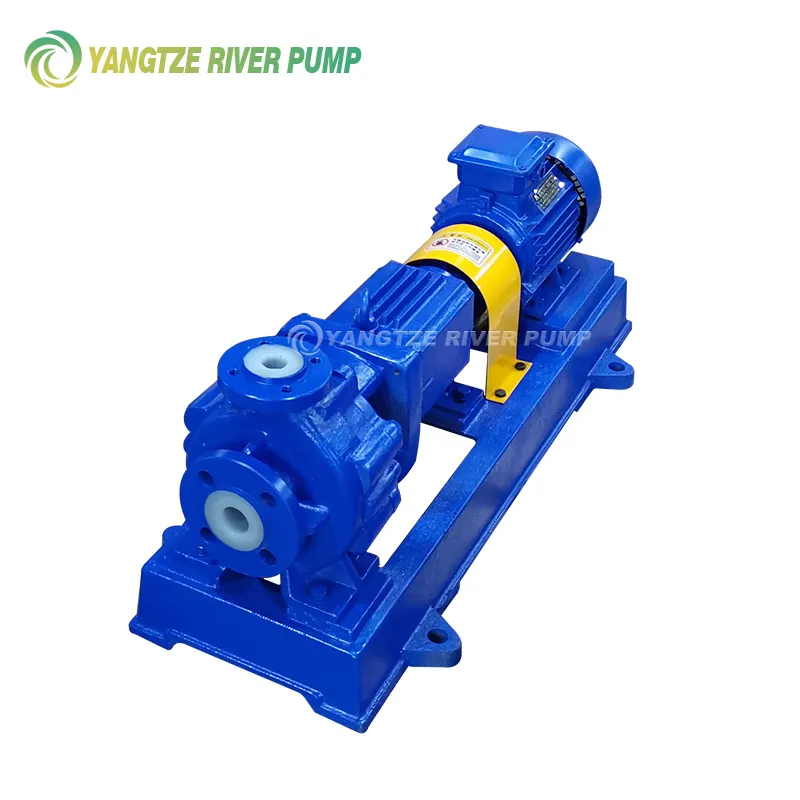 IHF PTFE Chemical Centrifugal Pumps
-
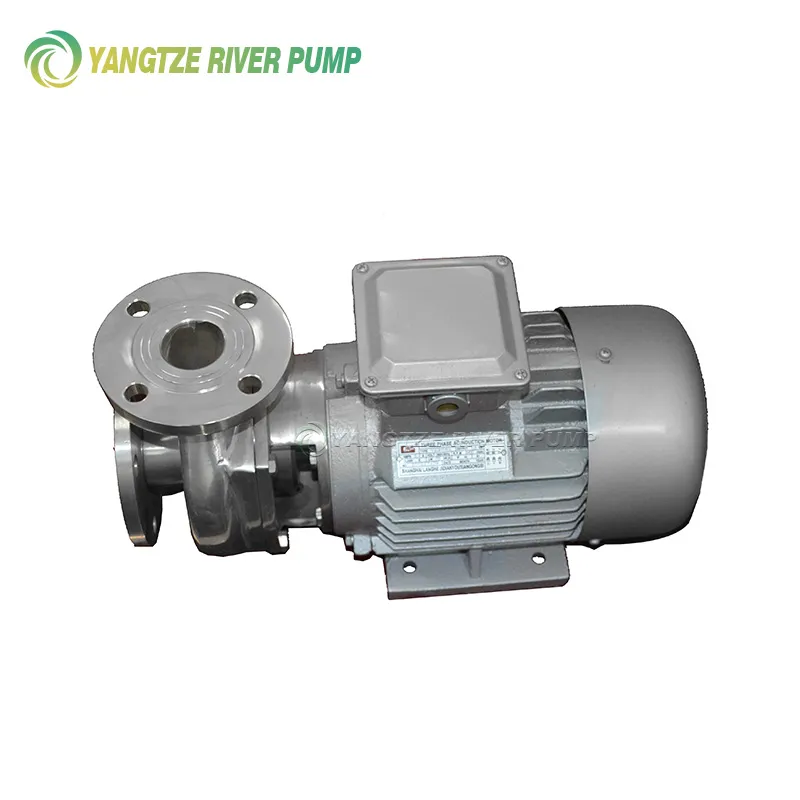 Corrosion-resistant stainless steel centrifugal pumps SFB and SFBX
-
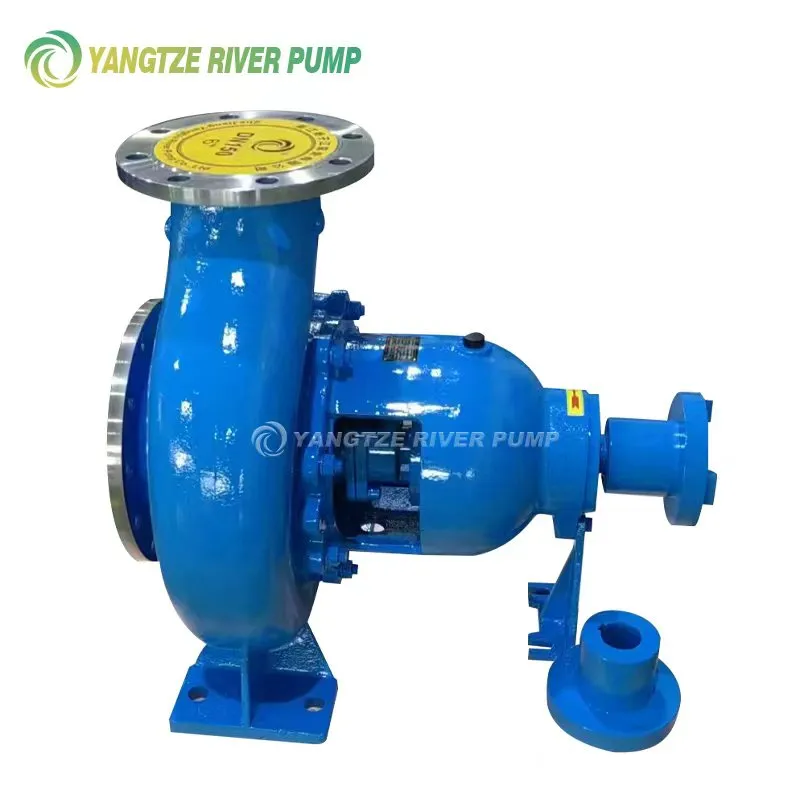 IH Stainless Steel Chemical Centrifugal Pumps
-
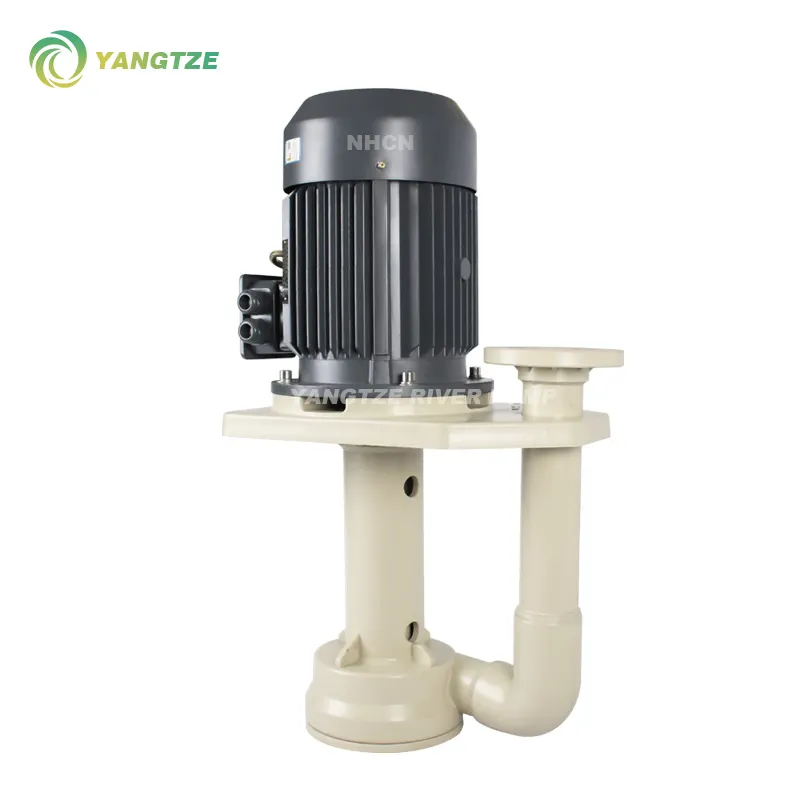 Vertical pumps for installation inside/outside tanks YZCN and YZCW
-
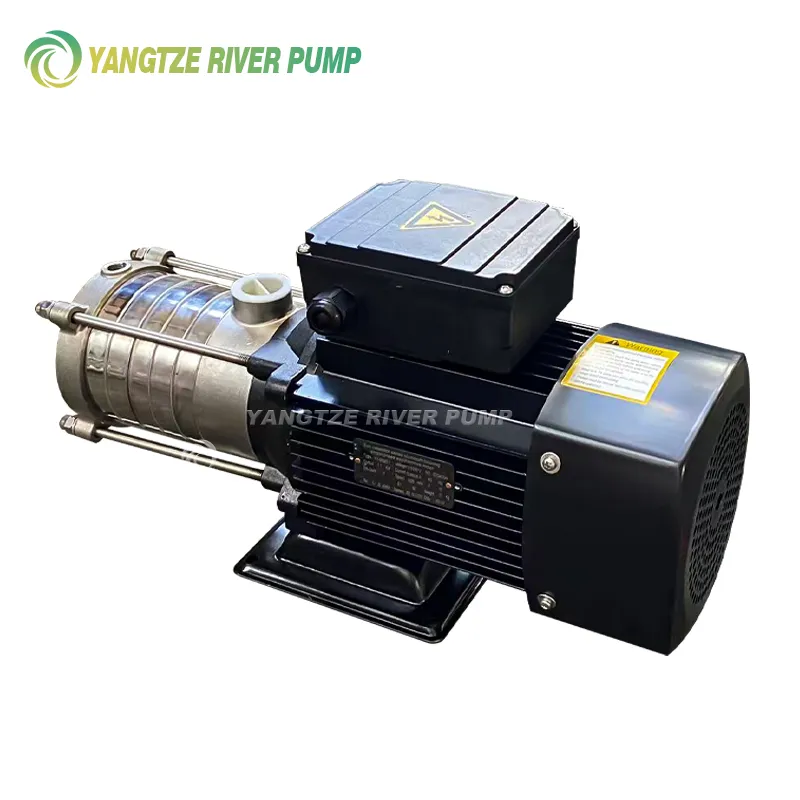 Horizontal multistage centrifugal pumps (light series) CHL and CHLF
-
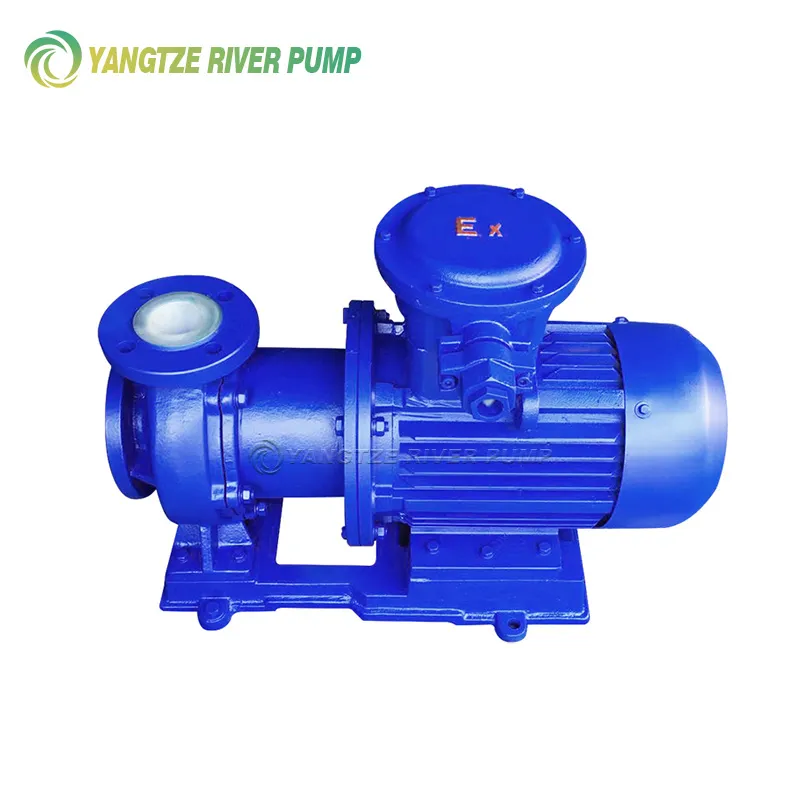 Magnetic pumps with fluoroplastic lining CQB-F