







deep water pump
When they talk aboutdeep water pump, many immediately imagine simply “something powerful that pumps from great depths.” But in practice, if you have worked with such systems, you know that there are dozens of nuances that determine whether this thing will work for five years or give up after a season. A common mistake is to chase the maximum declared depth or motor power, without taking into account the composition of the water, the diameter of the well, and the operating mode. Here at Zhejiang Yangzijiang Pump Industry Co., Ltd., hundreds of configurations have gone through the test bench, and I have seen more than once how an incorrectly selected pump either “suffocates” or “suffocates.” from sand, or overheats due to frequent starts in a system with a small hydraulic accumulator.
Design: Not all submersible pumps are the same
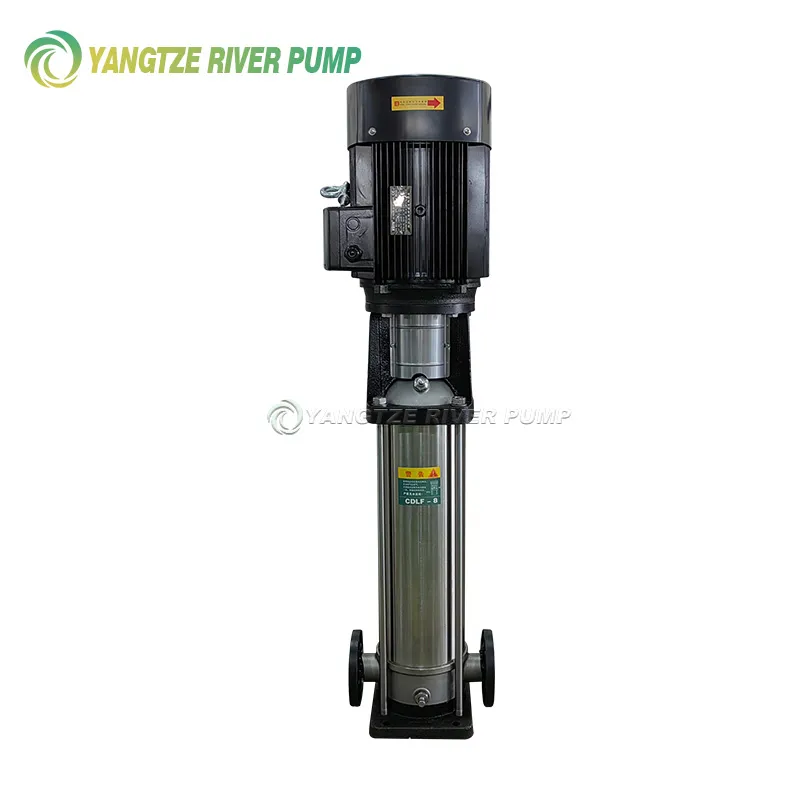
If we take exactlydeep water pumpfrom wells, then we are usually talking about vertical multi-stage systems. Each step has its own pressure. An important point that is often missed in specifications is the material of the impellers and diffusers. For clean water, polymer will also work, but if there is at least a minimal abrasive suspension, stainless steel is better. In our line there are models with a combined design, precisely because there is no universal solution. I remember a case with a client from the Krasnodar Territory - he had an increased concentration of fine sand in his water. At first they installed the standard version, after six months there was a drop in productivity. We took it apart - the channels were clogged, the impellers were ground off. We switched to the option with reinforced stainless steel wheels - the problem went away.
Another design nuance is the cooling system. The pump hangs in the casing, surrounded by water. But if the well is low-yield, and the pump is selected without taking into account the minimum required flow to cool the motor, it will overheat. This is not always obvious during selection. In our calculations, we always request data on flow rate and static/dynamic level. It happened that they dissuaded us from an overly powerful model, offering a less productive one, but with a suitable thermal regime.
And, of course, the cable. Moisture resistance, resistance to pressure - little things that become critical at a depth of 50-70 meters. Poor quality insulation - that's all, it requires lifting and replacement, and this cost of work is comparable to the price of a new pump. We pay special attention to this in our production, because the developments from warranty claims directly affect design changes.
Selection for the task: a well is not an abstraction
Here you can’t just take a table and select a model. You need to understand hydrogeology. Hard water with high salt content? This is a risk of deposits on internal surfaces. Water with high iron content? There are already questions about the material of the housing and shaft. Our technical support department often encounters situations where a pump is brought in for “opening.” with a noise or vibration complaint. And the reason is simple cavitation due to the fact that the pump operates in an area where the dynamic level drops below the suction pipe. This is an installation and calculation error, and not a breakdown of equipment.
Therefore, our approach at https://www.yangtzeriverpump.ru is based on requesting the most complete data. The diameter of the casing pipe is critical to the dimensions of the pump. Flow rate - to select productivity so as not to drain the well. And, what is very important, the water consumption regime. For permanent residence in the house and for periodic watering of the site, the schemes will be different. In the first case, pressure stability and quiet operation are important, in the second - resistance to frequent starts/stops and, possibly, pumping imperfectly clean water from a reservoir.
By the way, about watering. Oftendeep water pumpThey are trying to use it both for a well and for collecting from a pond. This is not always correct. For open reservoirs, self-priming or surface centrifugal pumps are often more suitable, which we also have in production. Running an expensive multi-stage well pump to pump water with sludge means wasting its resource.
Installation and first launches: where the risks lie
Even a perfectly selected pump can be ruined during installation. The most common story is incorrect piping, lack of a check valve or its poor quality. The water flows back into the well, the next time the pump is turned on, it experiences a water hammer and starts “dry?” for a split second. Over time, this kills bearings and seals.
The second point is the fastening of the cable/cable. The cable should not be strained, it should run freely and be attached to the pressure pipe with ties at a certain pitch. The tension causes damage to the insulation on the edge of the casing. I have seen such cases, and the damage did not appear immediately, but after a year or two, when corrosion had done its job.
Commissioning. It is imperative to monitor the current consumption during the first start-up and in operating mode. Deviations from the passport values are the first signal. Either the pump is overloaded (clogged, jammed), or there are problems with the power supply. During our tests, each unit is driven on a stand, taking the full load characteristics. And we are ready to provide this data for comparison with field measurements - this helps to diagnose problems at the site.
Service and durability: what extends the life of equipment
Nothing lasts forever, but you can significantly delay the moment of repair. Main Enemiesdeep water pump- this is dry work, overcurrent and abrasive. The first two problems can be solved with the correct wiring (pressure switch, dry-running sensor, voltage stabilizer) and, again, proper selection. With abrasive it is more difficult. If there is sand in the water, you need not only a pump with reinforced parts, but also a good filtration system at the entrance to the home network. And ideally, a water analysis and, possibly, a recommendation for retrofitting the well with coarse filters.
Routine maintenance for deep-well pumps is a relative concept. You can't sort it out every six months. Therefore, all diagnostics are indirect: monitoring pressure, flow, current consumption, the presence of extraneous noise. We always advise customers to keep a simple log of these settings after installation. A sharp change in any of them is a reason for an in-depth check.
Having our own service department in Zhejiang Yangzijiang Pumping Industry Co.,Ltd is not just a publicity stunt. This is an opportunity to analyze failed components and make changes to the design and technology. For example, the transition to a certain type of mechanical shaft seal in pumps for aggressive media was made based on the results of an analysis of several dozen returns.
Production base as a guarantee of control
When you have eight full lines - from R&D to testing and service - it’s not about scale, but about control. You can track the entire chain: from smelting stainless steel for the shaft to the final load test on a bench that simulates real conditions. This allows you to avoid the situation “the pump is made well, but the engine from a third-party supplier failed?”. All synergy in one hand.
Our production of submersible pumps is not just assembly. This is the selection of materials for specific tasks, its own tests for cavitation, resistance to water hammer, and durability of seals. We can afford to make small batches for non-standard well diameters, because we are not tied to giant conveyors of third-party factories. This is flexibility that our installation partners value.
In the end, back to the beginning.Deep water pump- this is not a product from a catalog that can be bought based on one characteristic. This is an engineering decision that requires taking into account dozens of variables. And experience, which lies not in knowledge of the model range, but in understanding what is happening at a depth of a hundred meters underground, in dark water, under pressure. It is this experience that we try to put into every piece of equipment that leaves our factory and for which we are ready to provide full technical support through our website yangtzeriverpump.ru. Because the right pump is the one you forget after installation. It just works.
Correspondingproducts
Related Products

Best Sellingproducts
Best Selling Products-
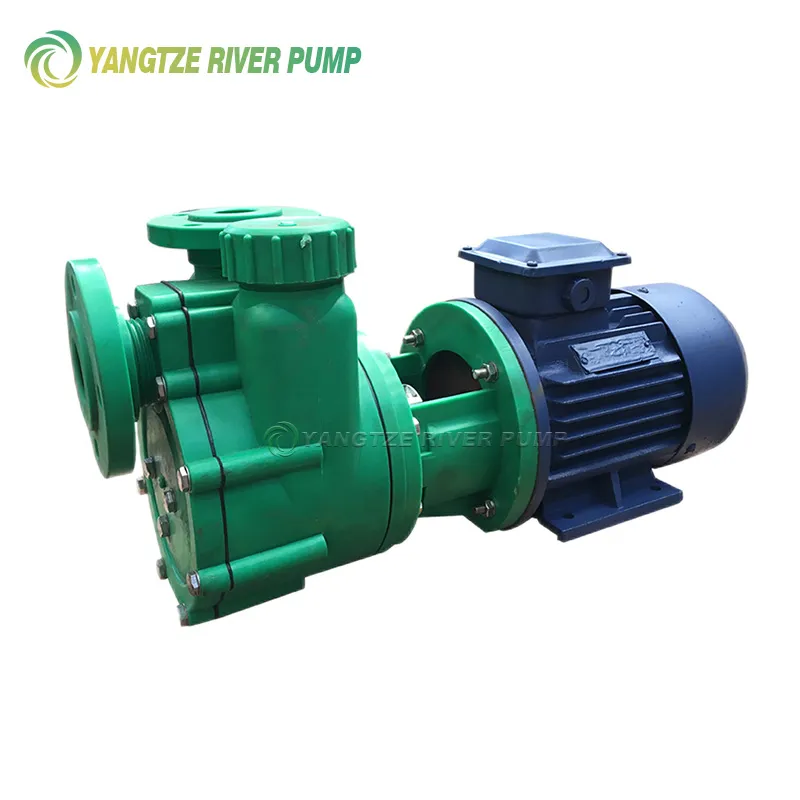 Plastic self-priming centrifugal pumps FP and FS
-
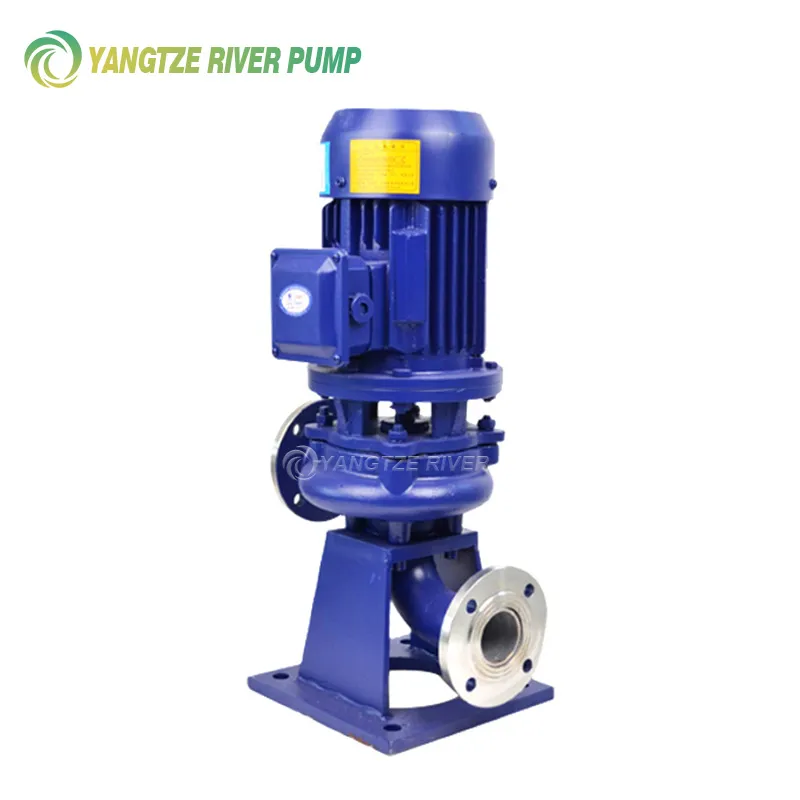 Non-clogging vertical wastewater pumps LW
-
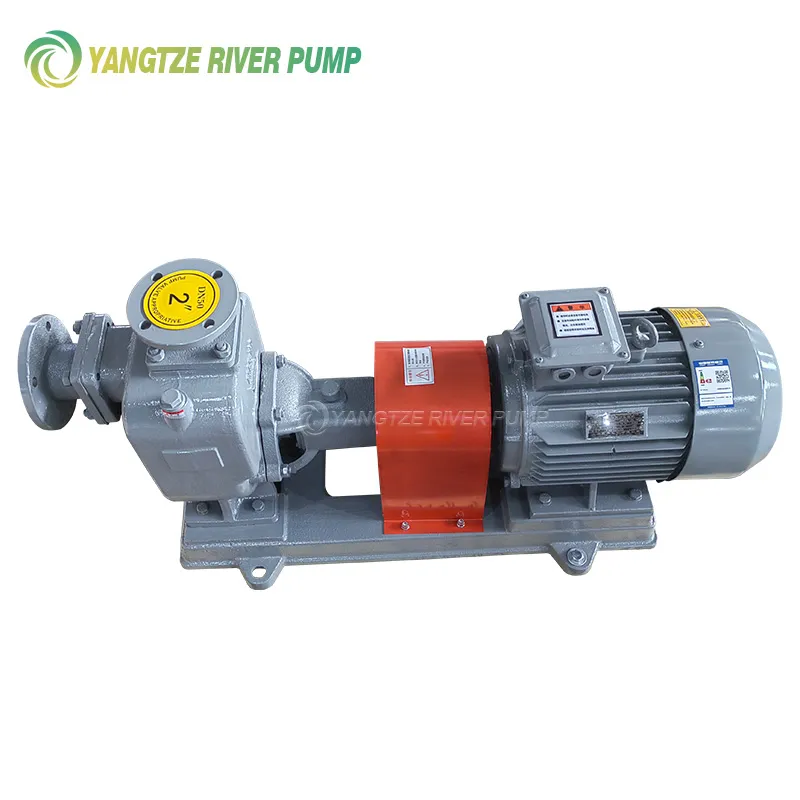 Non-clogging self-priming wastewater pumps ZW
-
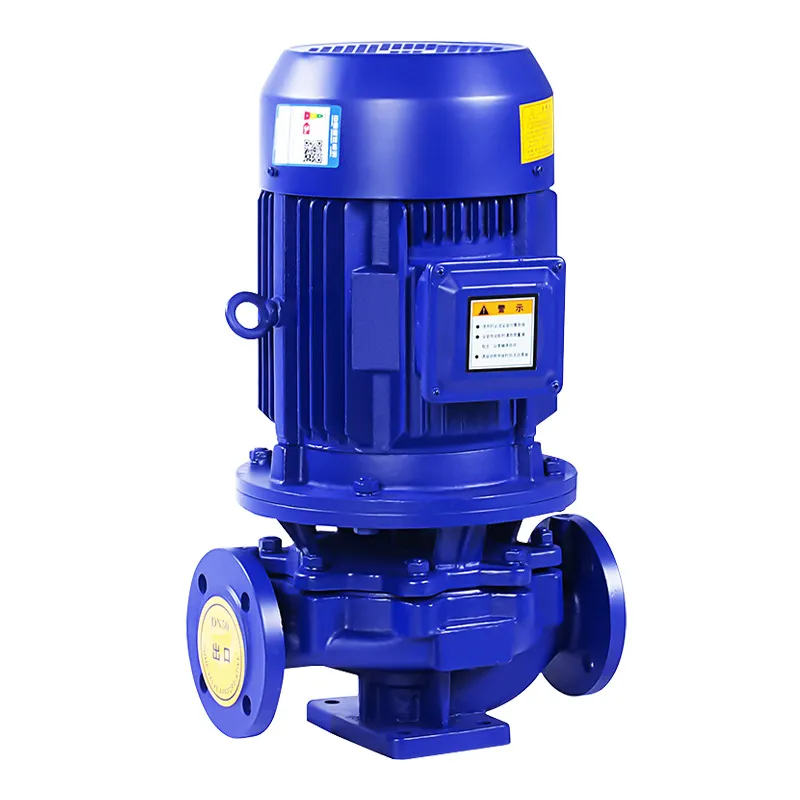 Vertical single-stage pipeline centrifugal pumps ISG and IHG
-
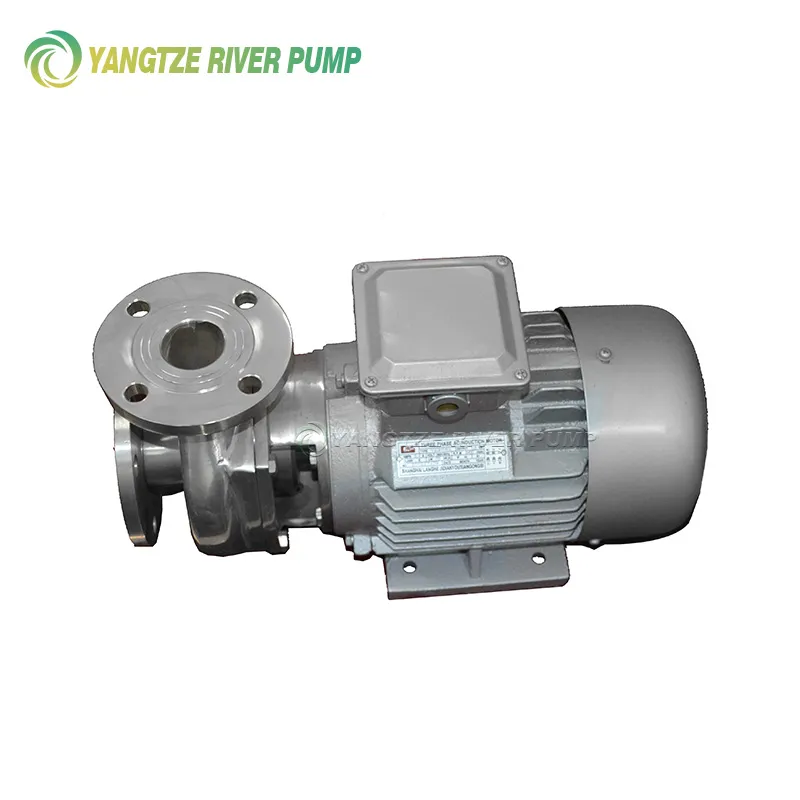 Corrosion-resistant stainless steel centrifugal pumps SFB and SFBX
-
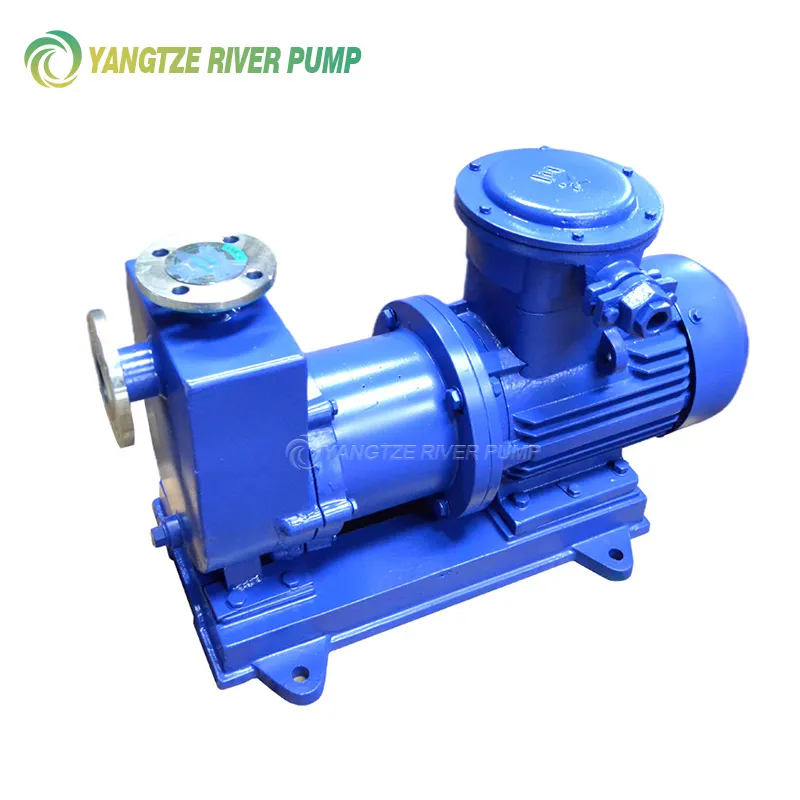 ZCQ Stainless Steel Self-Priming Magnetic Pumps
-
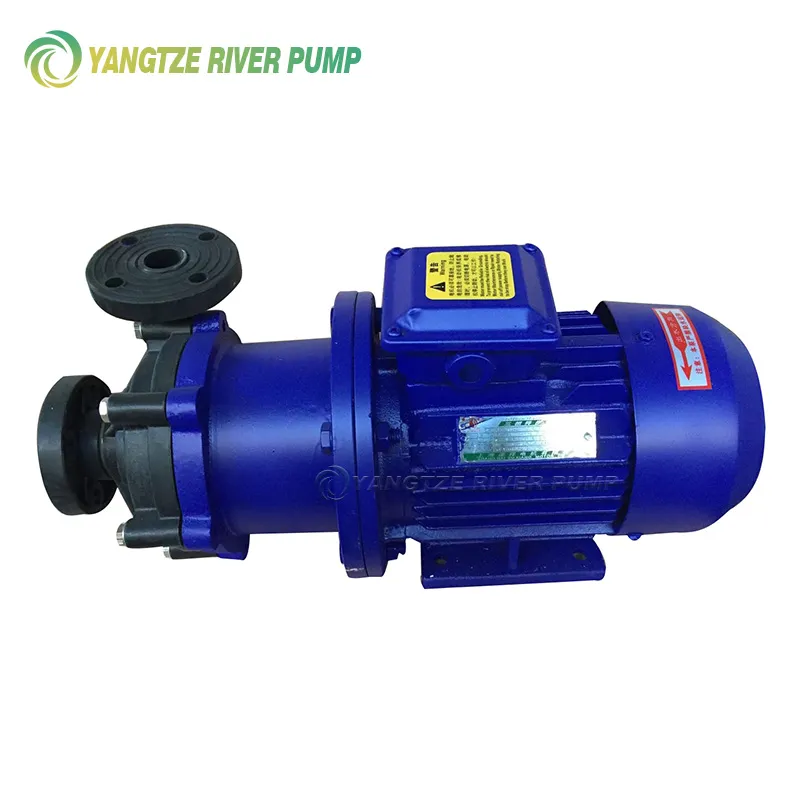 CQF Plastic Magnetic Pumps
-
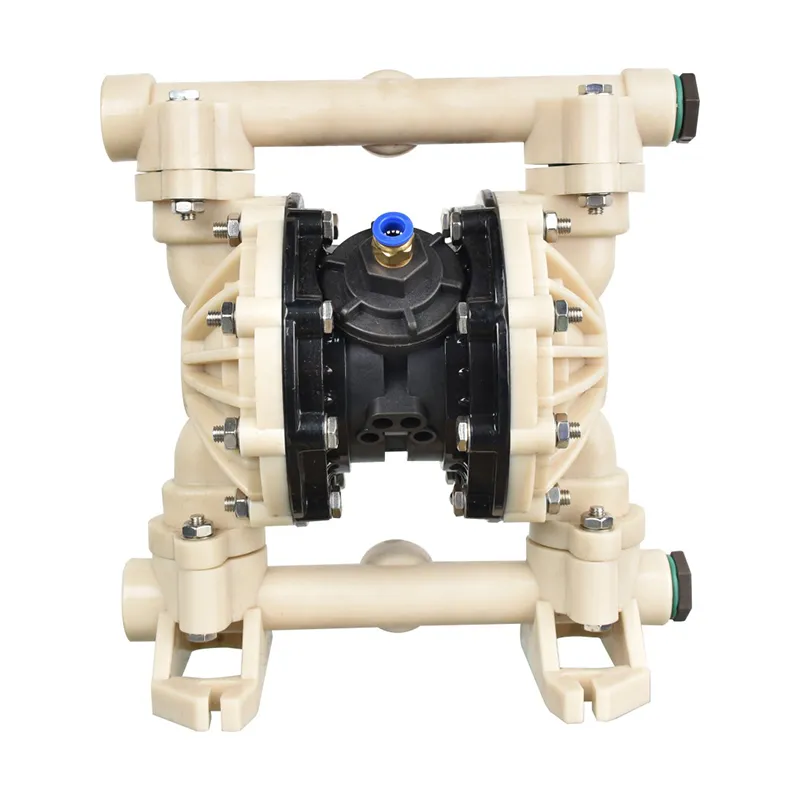 QBK Non-Metallic Air Operated Diaphragm Pumps
-
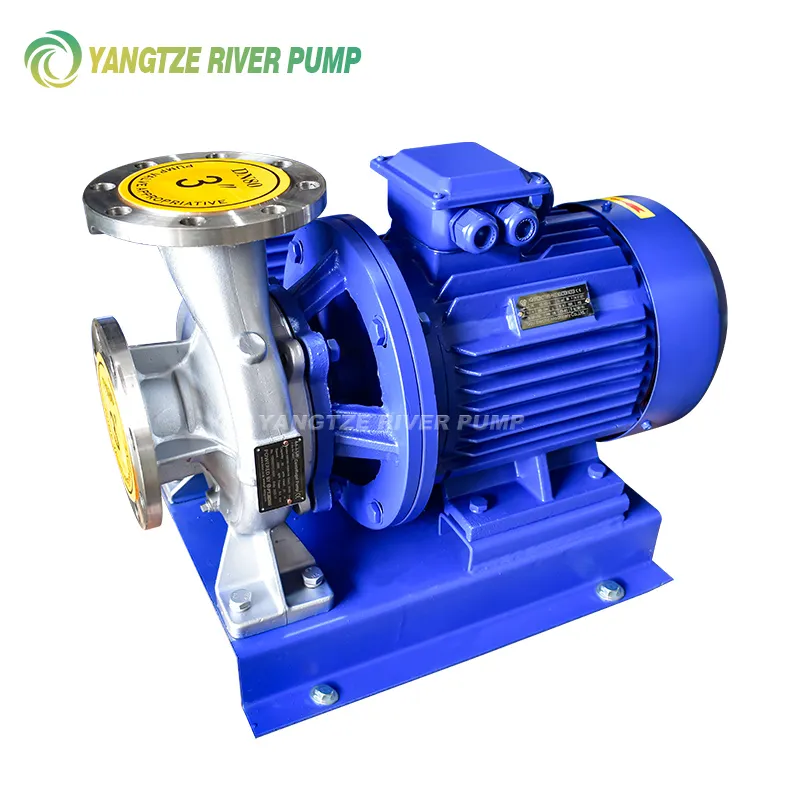 ISW and ISWH Single Stage Horizontal Pipeline Centrifugal Pumps
-
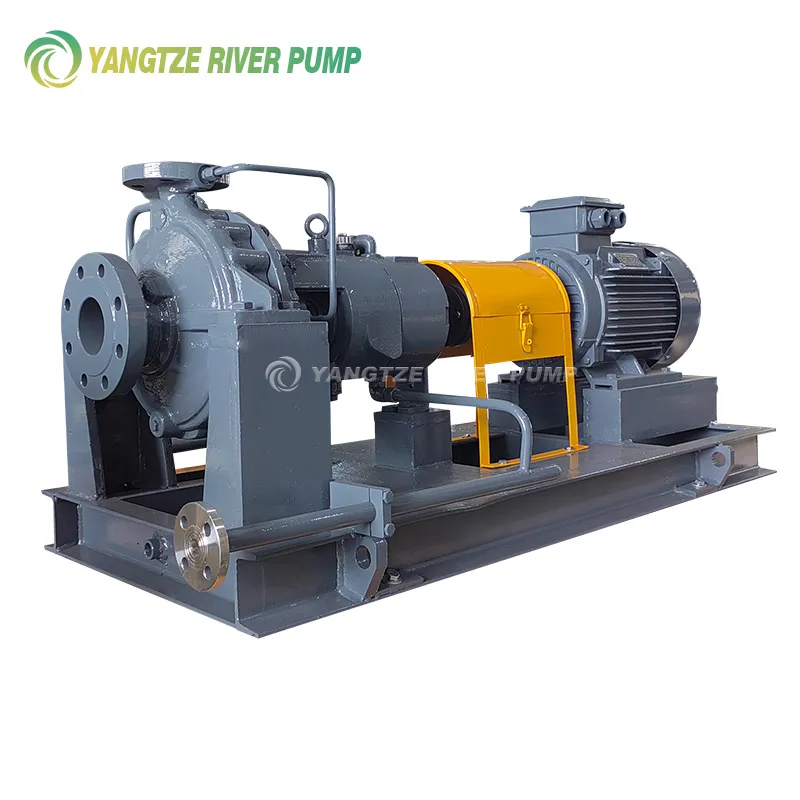 Petrochemical Process Pumps API 610 YZE
-
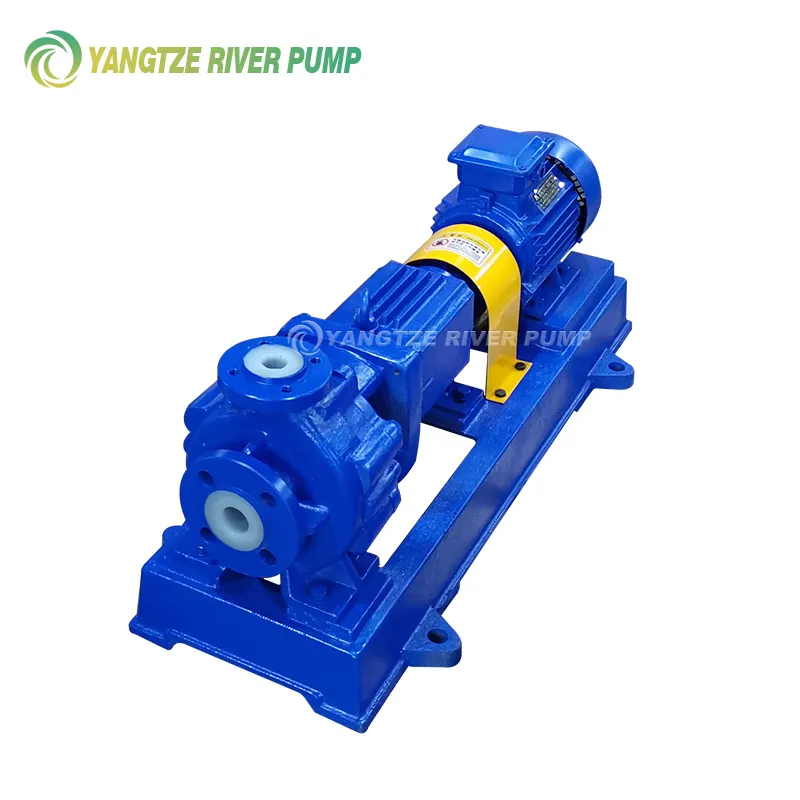 IHF PTFE Chemical Centrifugal Pumps
-
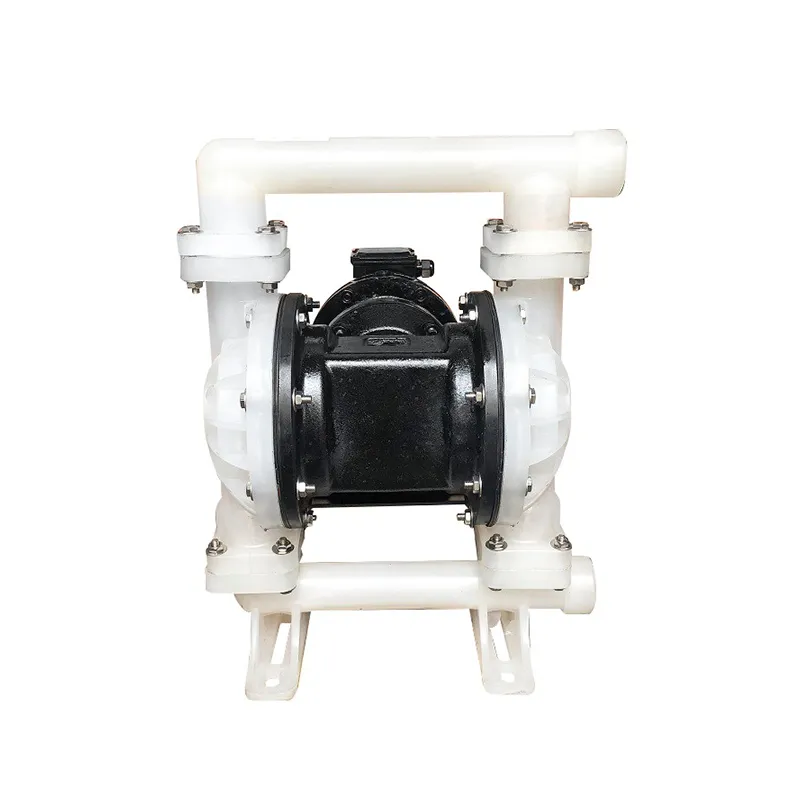 DBY Non-Metallic Electric Diaphragm Pumps