







centrifugal pump for well water
When they talk aboutcentrifugal pump for well water, many people immediately imagine just a “pump into a well,” but this, to be honest, is one of the most common simplifications, which then leads to problems. In fact, selection is always a compromise between the flow rate of the well, its diameter, the depth of the dynamic level and what you really want to get out of it - constant pressure in the house or just watering the garden. I often come across the fact that people take the first model they come across according to the maximum pressure from the passport, not taking into account that the characteristics are taken on the water, and in the well there may be sand and fine suspended matter, which kill a regular impeller in a season.
Why centrifugal? Breaking down the basics
Look, two main types are most often used for wells: vibration and centrifugal. Vibrating ones are cheap, but their work involves constant shaking, which over time can lead to silting of the filter zone and even destruction of the casing in soft soils. Therefore, for constant water supply at home, choosing professionals is almost alwayscentrifugal pump. Its principle is that a rotating impeller (impeller) creates centrifugal force, which pushes out water. Works smoothly, without destructive vibrations.
But here, too, not everything is clear. For shallow wells (up to 20-25 meters), surface centrifugal pumps or pumping stations based on them are often installed. However, the key word is “shallow”. If the water level is lower, a submersible well pump is needed, which descends directly into the water column. And this is where the fun begins: multi-stage models. They are real deep well workers. Several impellers installed in series on one shaft, each adding its own pressure. As a result, even with a modest diameter (and you need to fit into a 4-inch well!), you can get a pressure of 70, 100 or more meters. This is not marketing, but physics.
For example, in our production practice at Zhejiang Yangzijiang Pumping Industry LLC, we focus on such engineering solutions. The line of multistage well pumps is one of the key ones. Because we understand: the client needs not just a “stick with a motor?”, but a device that will stably pump water from 40-50 meters, while having a pressure reserve so that in a house on the second floor the shower works with normal pressure when the tap in the kitchen is open at the same time.
Diameter is the main limiter. Errors in selection
The first question to ask before selecting a pump is: “What is the internal diameter of your casing?” It would seem banal. But how many times have we visited a site where people bought a pump that simply does not fit into the well? Standard case diameters are 3 inches (about 74 mm) and 4 inches (about 96 mm). For a three-inch well, the choice of models is always smaller, and they are usually more expensive. The pump must have a guaranteed gap between the casing and the pipe wall - usually at least 10 mm. This is necessary for free circulation of water and cooling of the electric motor.
The second common mistake is ignoring the actual flow rate of the well. It happens that a well produces 1.5 cubic meters per hour, and the pump pumps 3. It will simply periodically “suffice?” air, run dry and burn due to overheating. Therefore, we always look at the well’s passport or do a test pumping. The pump should have a performance slightly less than the flow rate. This is the golden rule.
And the third point that people forget about is the automatic start-up protection. Goodcentrifugal water pump- it's always a system. Pressure switch, hydraulic accumulator, dry-running protection. Without this, even the most reliable device can be ruined in a month due to frequent switching on and off or operation without water. We always focus on this on our website yangtzeriverpump.ru, because selling a pump is half the battle. It is necessary that the client understands how to use it correctly.
Materials matter: from stainless steel to composites
Now there is a huge range in prices on the market. And often it is determined precisely by the materials of the flow part. The most budget-friendly and, alas, problematic option is a plastic impeller and diffuser. For clean water it can live for a couple of years. But if there are abrasive particles in the water (and a new well almost always has them), the plastic will quickly wear out and productivity will drop. A more reliable option is an impeller made of technopolymer reinforced with fiberglass. But for serious tasks, we still recommend stainless steel, AISI 304 or, better, 316. It is resistant not only to wear, but also to possible water aggressiveness.
A special conversation is about the hulls. Cast iron is a classic, heavy, dampens vibrations, but is afraid of corrosion during long periods of downtime. Stainless steel is ideal, but expensive. Composite materials such as glass-filled polypropylene are an interesting alternative. They are lighter, do not rust, and are now as strong as metals. In our lines, for example, in plastic chemical pumps, we have been successfully using such polymers for a long time, and now these developments are also being applied to the segment of household well pumps.
I personally saw how a pump with a composite body and a stainless steel impeller worked perfectly for 5 years in a well with a high content of dissolved iron. During this time, the cast iron would have become overgrown with loose deposits from the inside and would have lost its flow area. So the material is not just a line in the passport, it is a direct question of service life.
Complex cases and practical observations
There are unusual situations. For example, a well with a high sand content. Installing a conventional centrifugal pump means dooming it to quick death. Sand acts as an abrasive, grinding down impellers and seals. In such cases, sometimes special models, the so-called “sandy” ones, come to the rescue. pumps with reinforced wear-resistant materials and increased clearances. Or, more often, we have to recommend the preliminary installation of a good mud filter at the suction, and active pumping to cleanliness at the well itself.
Another point is working in “low flow” mode. The well produces water, but slowly. You cannot install a powerful pump. The solution is models with soft start or frequency regulation. They are more expensive, but they adjust performance to the actual flow of water, eliminating “dry” operation. This is already a high class, but for an expensive cottage with an autonomous water supply it is often the only correct option.
Our assortment at yangtzeriverpump.ru also includes such solutions, because the task of an industrial manufacturer is to cover all possible scenarios. From simple irrigation to providing water to an entire household with stable pressure in an extensive system. And here you need not just a pump, but a complex: a self-priming pump for the initial rise or increase in pressure, a submersible well pump for the main work, a hydraulic accumulator and a control unit.
About service and longevity. What is not written in the instructions
Anyone, even the highest qualitycentrifugal pump for well water, requires attention. The most common recommendation I give after installation is to check the pressure in the accumulator once a season, at least visually. A deflated hydraulic tank causes the pump to turn on every 30 seconds when the tap is open. The resource for inclusions is not endless.
The second thing is not to leave the pump in an idle well for the winter if there is a risk of freezing. The water inside will freeze and rupture the housing or pipes. It’s better to pick it up and take it to a warm room.
And most importantly, listen to his work. A steady hum is normal. Vibration and extraneous sounds appear - this is a signal. The bearing may have worn out, or there may be some debris wrapped around the impeller. Early diagnosis saves you from costly repairs or replacements. We at Yangzijiang Pump Industry build our production lines, including quality control and testing department, precisely to minimize manufacturing defects. But mechanics are mechanics, they require maintenance. And this is perhaps the most important conclusion that can be drawn from all experience working with water from wells.
Correspondingproducts
Related Products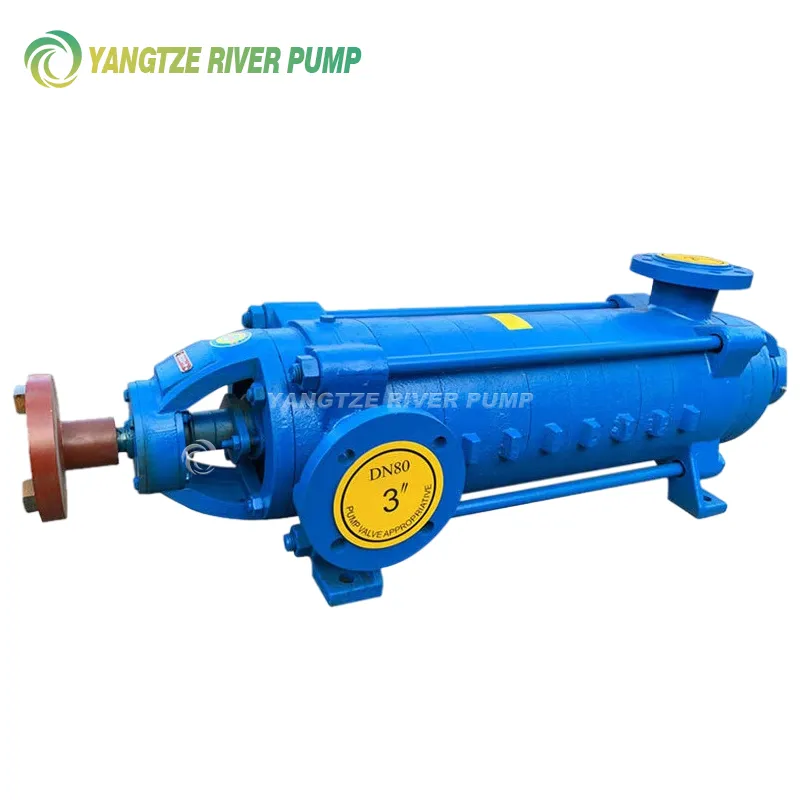


Best Sellingproducts
Best Selling Products-
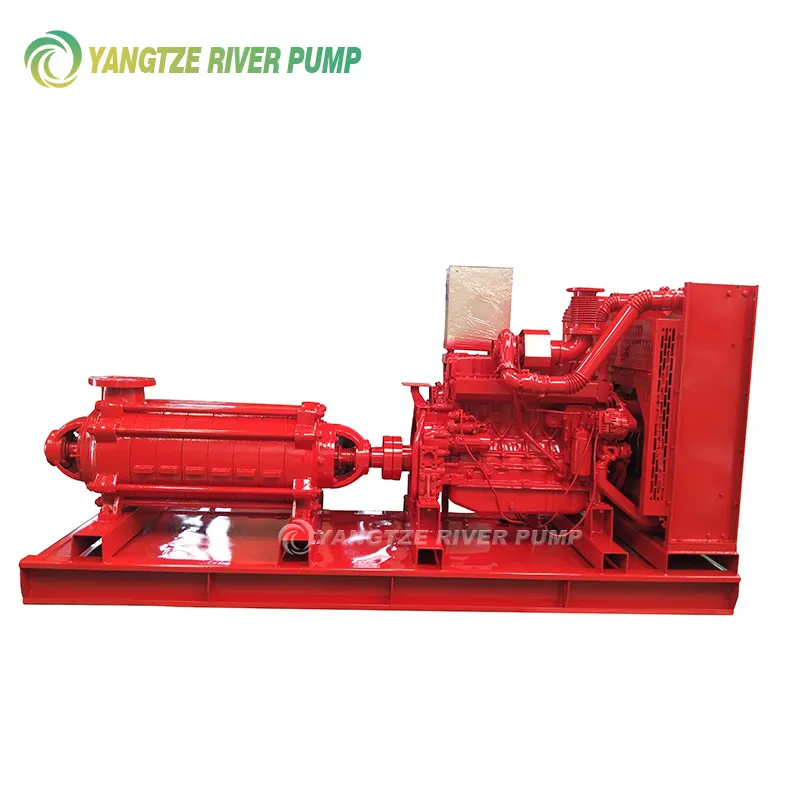 XBC Diesel Intelligent Fire Pumps
-
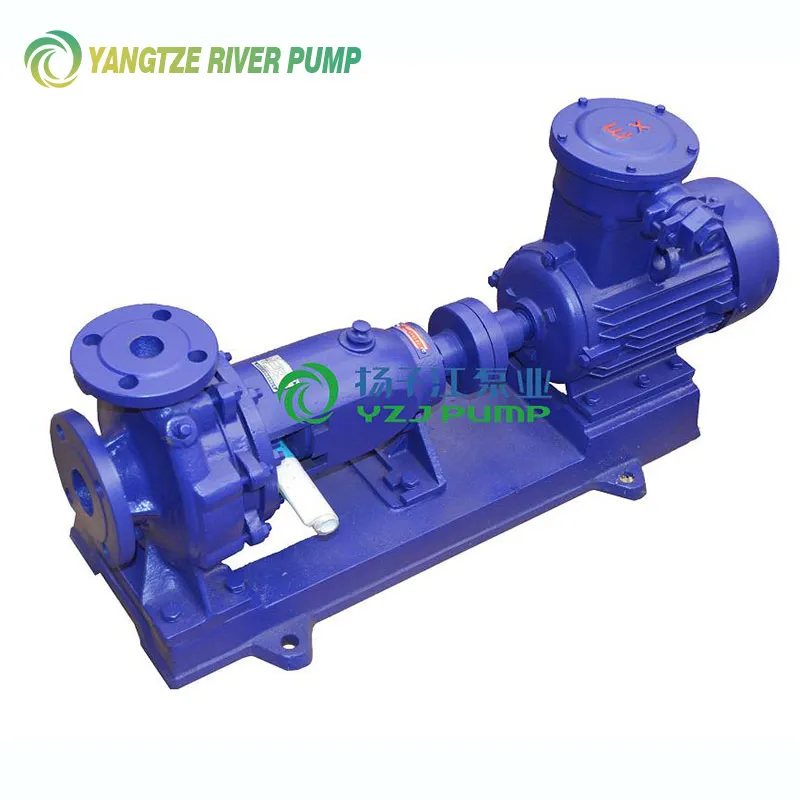
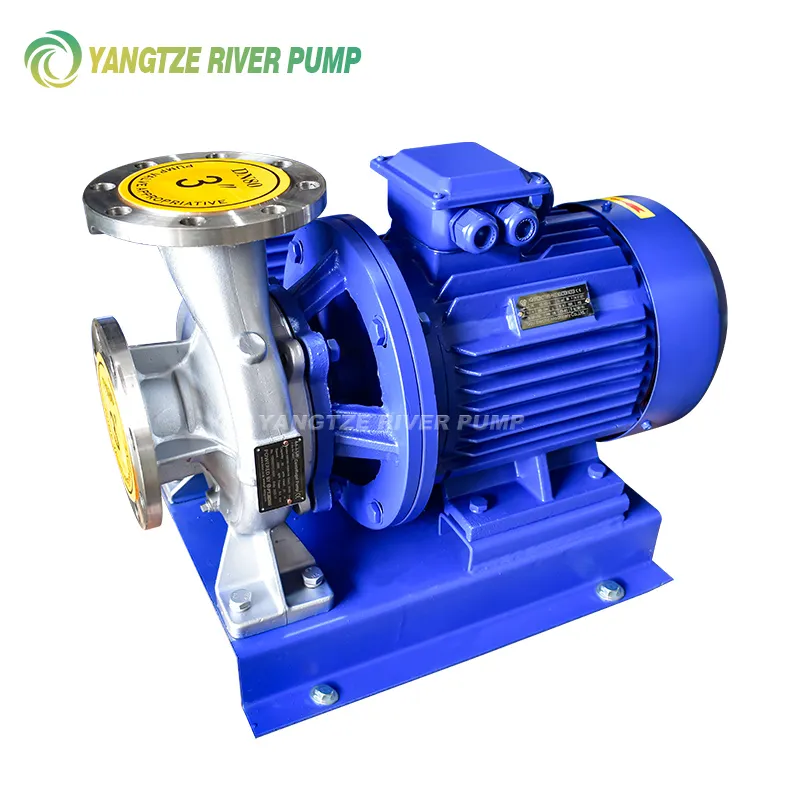 ISW and ISWH Single Stage Horizontal Pipeline Centrifugal Pumps
-
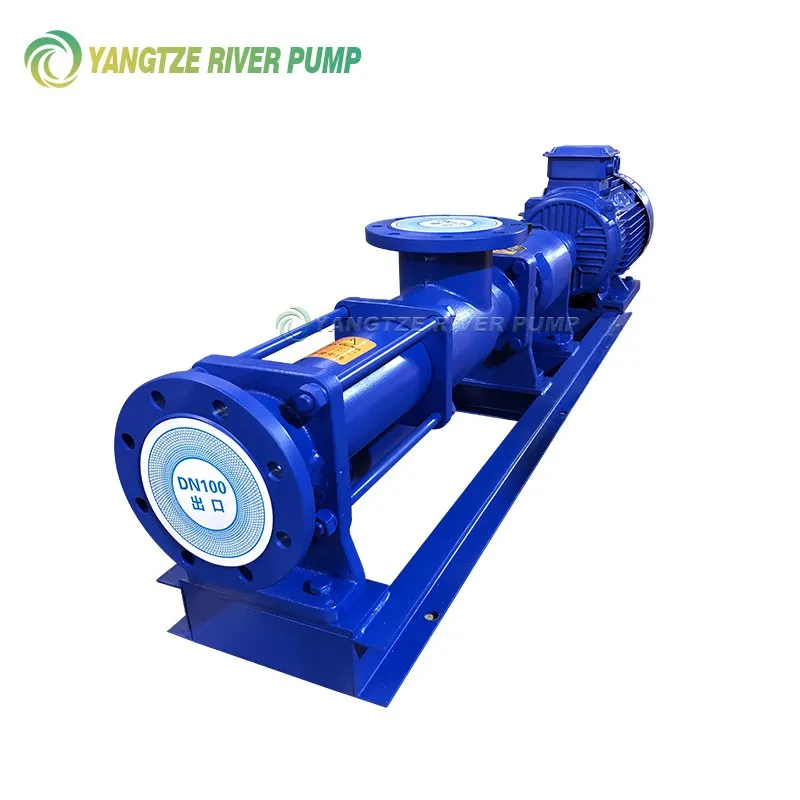
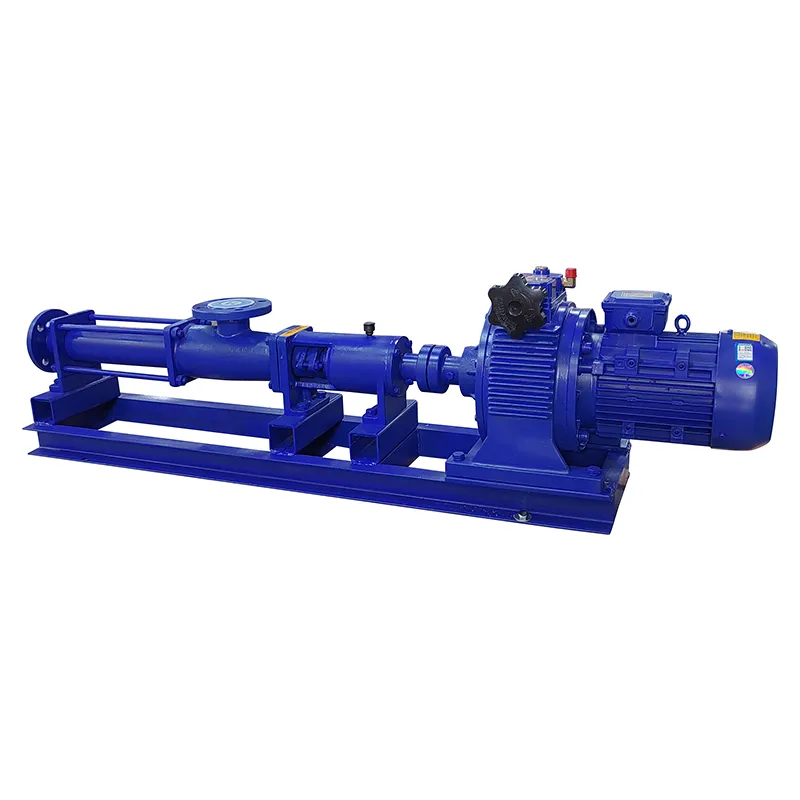 Infinitely variable screw pumps type G
-
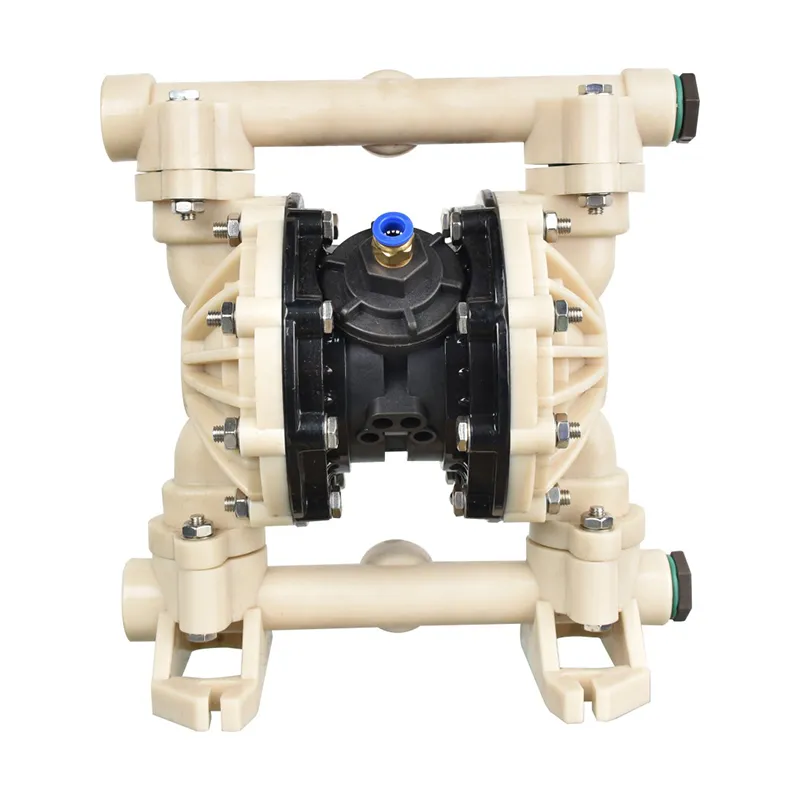 QBK Non-Metallic Air Operated Diaphragm Pumps
-
 Corrosion-resistant stainless steel centrifugal pumps SFB and SFBX
-
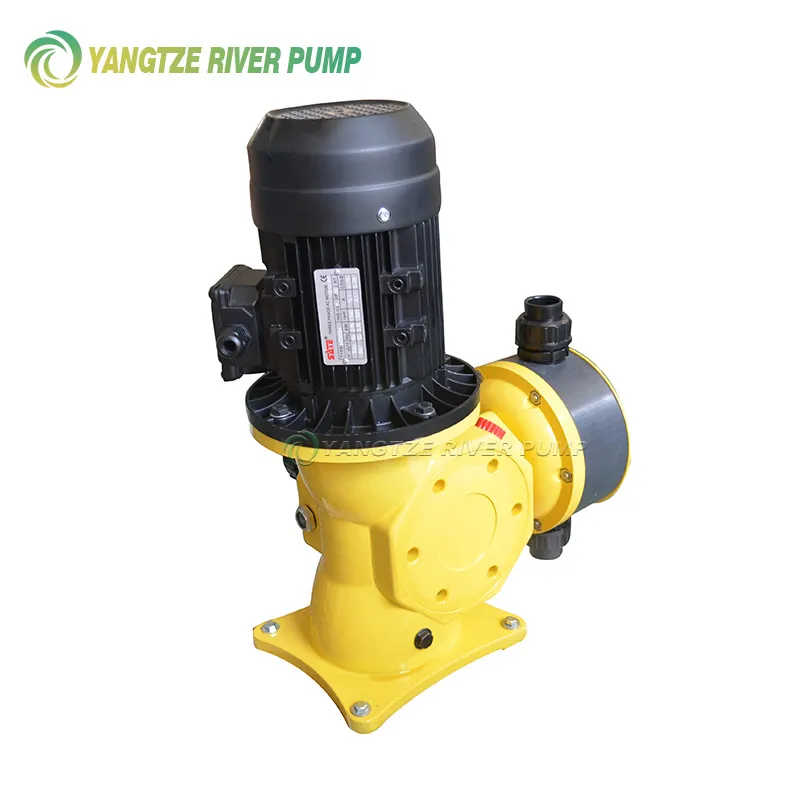 Mechanical diaphragm dosing pumps DJ-D
-
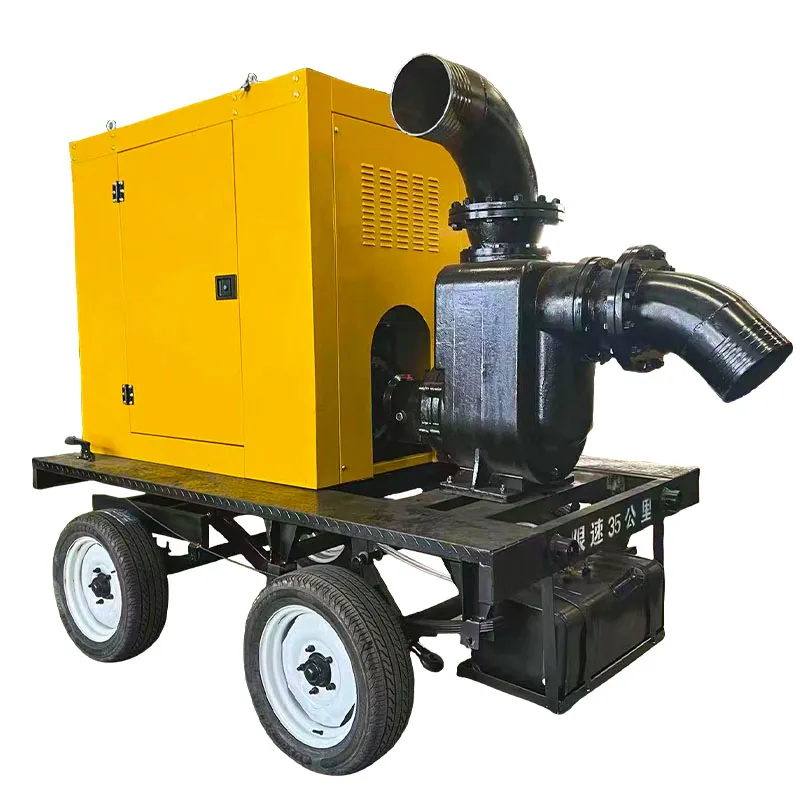 YZZW Diesel self-priming pumps
-
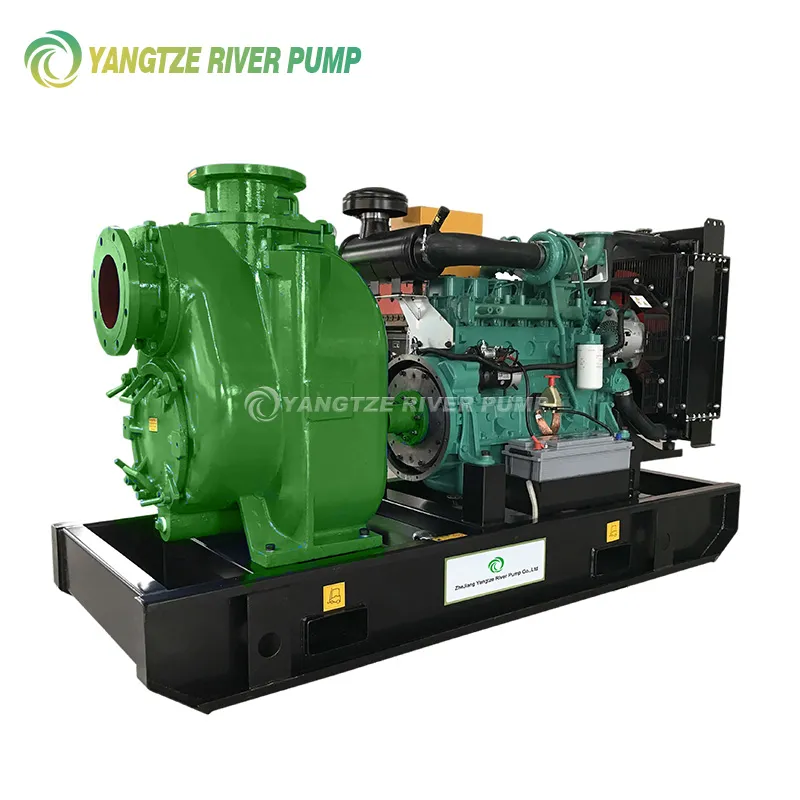 YZSP Diesel Self-Priming Pumps
-
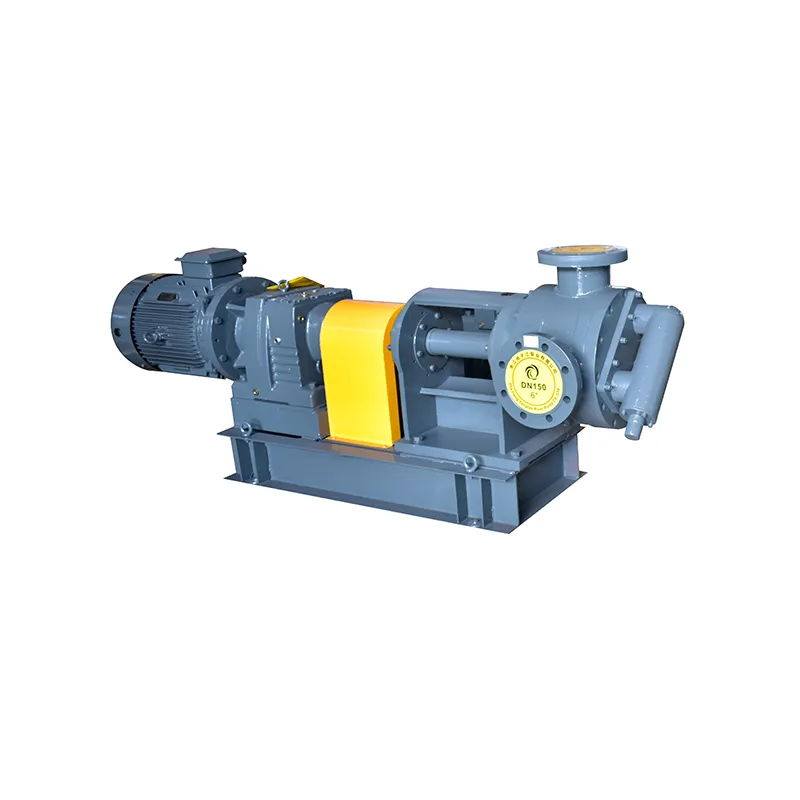
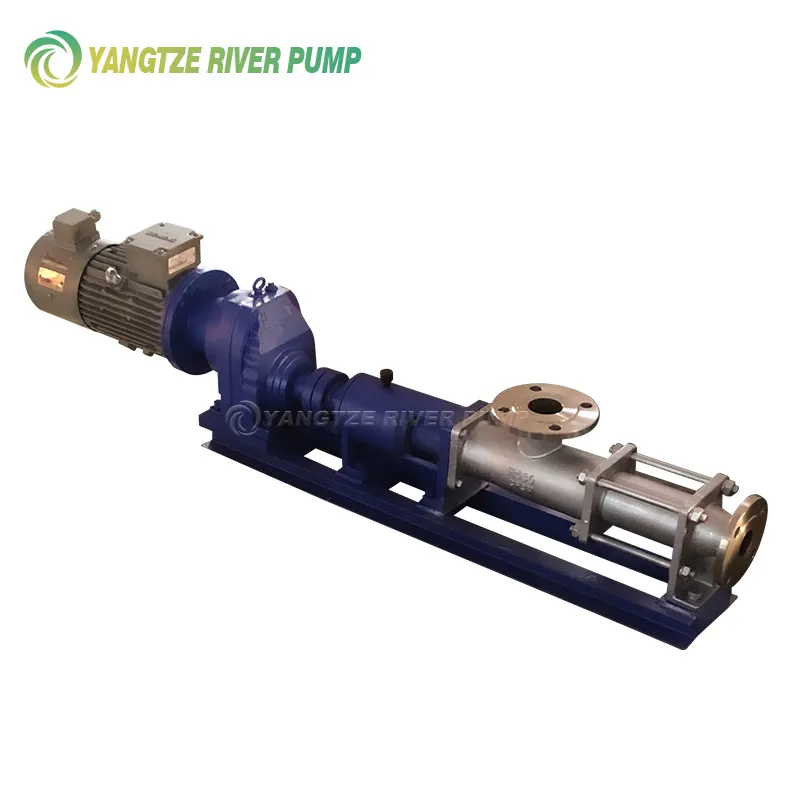 Geared screw pumps type G
-
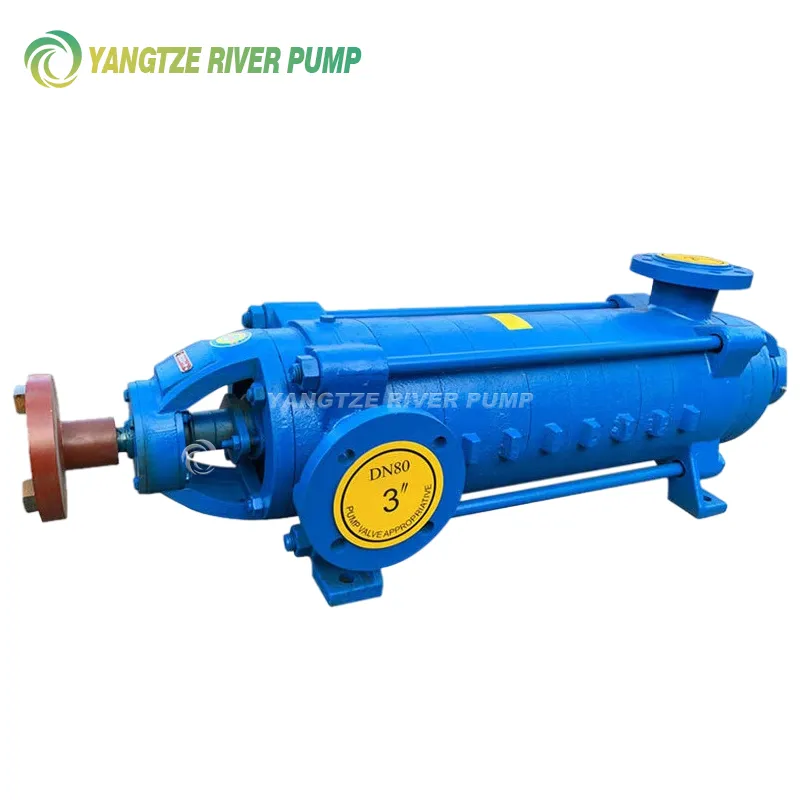 Horizontal multistage centrifugal pumps type D
-
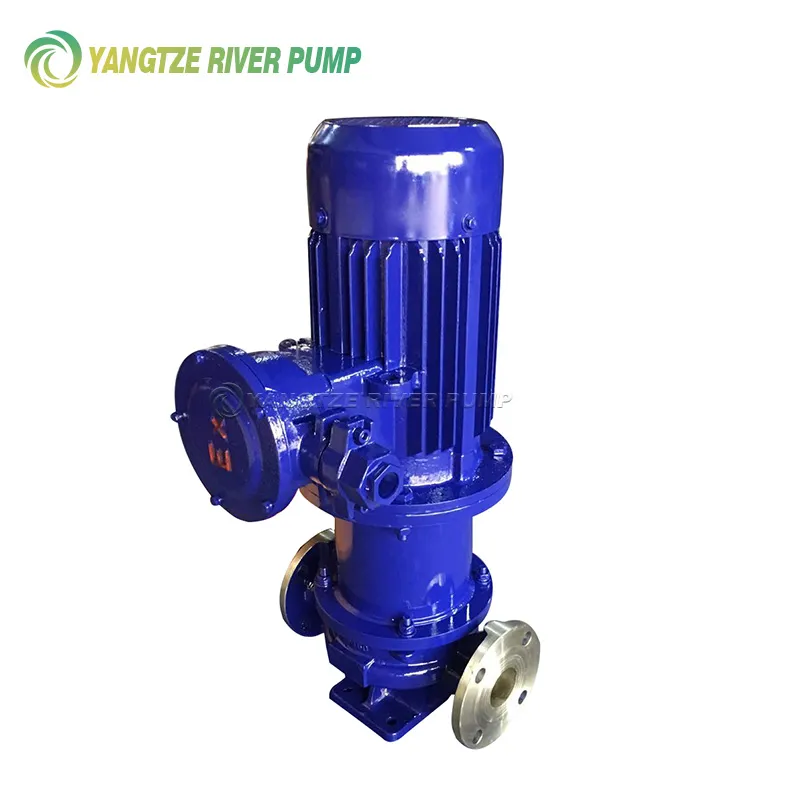 Vertical magnetic pumps CQB-L
-
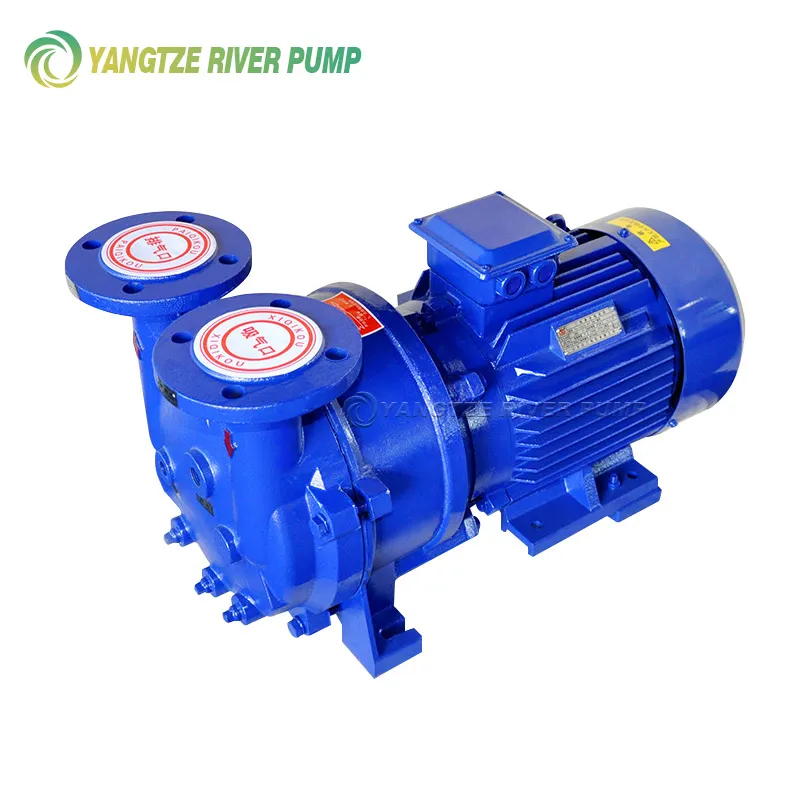 Liquid ring vacuum pumps type SKA and 2BV
Relatedsearch
Related Search- differential centrifugal pump
- quality centrifugal pump
- Chemical submersible pumps
- spool valve vacuum pump
- open impeller centrifugal pump
- YZSP Diesel Self-Priming Pumps
- centrifugal pumps 100 m3 h
- private deep well pumps
- YZCW Vertical pumps for installation inside/outside tanks
- diagram of a single-stage centrifugal pump