







open impeller centrifugal pump
They often say about open wheels, they say, they are ideal for dirty environments. Yes, but not always. Many people forget that the main advantage is not just “it won’t clog,” but the ability to work with liquids containing large inclusions without the risk of jamming. But the disadvantage is also obvious: low efficiency compared to closed wheels due to significant volumetric losses. At Zhejiang Yangzijiang Pumping Industry Co., Ltd., we see this all the time when customers ask for a pump for sludge or fiber-laden wastewater. The question immediately arises: what fraction, what viscosity? Because if we are talking about long-fiber inclusions, thenopen impeller centrifugal pumpmay be the only option, and if it’s just a sand suspension, perhaps a special closed wheel with increased clearances will do.
Design feature and scope
An open impeller is essentially blades mounted on a hub, with no front or rear discs. The gap between the blades and the pump body is usually larger. This is the key point. In our lines, when we assemble such pumps, we always pay attention to adjusting this gap. It must be sufficient for the passage of particles, but not excessive, otherwise the drop in pressure will be catastrophic. Often clients from pulp production or waste processing ask for just such a design.
In practice, it is clear that such pumps perform well in abrasive slurries, where there is a risk of rapid wear. It is easier to repair the wheel or even replace individual blades in some models. But here it is important not to overestimate the possibilities. If there is a lot of fine abrasive in the liquid, such as sand, the blades and housing will wear out very quickly, despite the open design. We have to recommend materials of execution - high-chromium cast iron or, in some cases, rubber lining, although with the latter there are fastening nuances for open wheels.
I remember an incident at one of the solid waste processing enterprises. We installed our open-wheel pump to pump drainage water from a landfill. The liquid is a hellish mixture of water, clay, small debris and organic matter. The closed wheel in the previous pump clogged within a week. Open - it worked. But after three months we noticed vibration. We took it apart and it turned out that the blades were worn unevenly, one was almost “eaten off”. due to local exposure to abrasive. Conclusion: for highly abrasive environments, even an open design is not a panacea; regular condition monitoring and correct selection of material are required.
Limitations and common mistakes when choosing
The biggest mistake is to install an open-wheel pump where high pressure and good efficiency are needed. This is not their story. The maximum efficiency of such models rarely exceeds 50-55%, and often even less. If the technological process requires stable pressure and the environment is relatively clean, this is money down the drain. Energy will be wasted.
Another point that is often overlooked is cavitation. Due to the nature of the flow in the inter-vane channels of the open wheel and the large gaps, they can be more sensitive to cavitation, especially when operating on suction. You need to calculate NPSH very carefully. At our test bench at Zhejiang Yangzijiang Pumping Industry LLC, we specially conduct tests for such conditions in order to give the client real, and not passport data on the permissible cavitation reserve.
There was a story when a customer wanted to use ouropen impeller centrifugal pumpfor pumping thick sludges with high solid content. According to the passport it seemed to fit. But when starting, the engine constantly went into overload. The problem was that the viscosity of the medium turned out to be much higher than stated, and the open wheel created a large hydraulic resistance with such a consistency. I had to revise the model and switch to a screw pump. This is a case where the correct choice of pump type is more important than the choice within the type.
Comparison with other types of wheels in our range
We have production lines for both closed and semi-open wheels. When engineers select a pump, they always look at the problem holistically. For example, for chemical media, pure or with fine suspension, but aggressive, it is often better suitedcentrifugal pumpwith a closed wheel made of special plastic or alloy. It will provide both better efficiency and often higher corrosion resistance due to its streamlined design.
The half-open wheel is a compromise. It has a rear disc, but no front one. This gives slightly better efficiency than fully open, while still maintaining some resistance to jamming. But for long-fiber materials it is no longer so good. In our catalog, such models are often used for irrigation or pumping wastewater with a moderate content of impurities.
Back to open wheels. Their main trump card is maintainability and survivability in difficult conditions. On our website yangtzeriverpump.ru in the product section you can see that we position such pumps specifically for difficult operating conditions. But in the description we always try to honestly indicate the limitations so as not to create false expectations for the client.
Tips for operation and maintenance from practice
The first and most important thing is to regularly check the clearance. Over time, due to wear of the blades or o-rings in the housing, the gap increases and performance decreases. The passport usually indicates acceptable wear. You just need to measure it periodically. Ideally, have a spare wheel or a set of blades if the design is collapsible. This minimizes downtime.
The second is attention to seals. Because the environment is often abrasive, packing seals or mechanical seals made from standard materials can quickly fail. For such cases, we often offer versions with the seal flushed with clean water or special wear-resistant friction pairs for mechanical seals. This increases the service life significantly.
And the third thing that few people think about in advance is the method of installing pipelines. An open impeller pump, especially when operating on suction, is very sensitive to the uniformity of flow. If there is a sharp turn or narrowing in front of it, the flow swirls, causing uneven load on the blades, which leads to accelerated wear and vibration. We always recommend making a straight section in front of the suction flange, at least 5-7 pipe diameters long.
Final Thoughts: When the Choice is Clear
So, to sum it up.Open Impeller Centrifugal Pumpis a highly specialized tool. Not a universal soldier. Its place is where there is a real threat of jamming the pump with fibers, rags, long inclusions or lumps of material. Or where your main goal is not efficiency, but survivability and the ability to quickly restore performance in the field.
At Zhejiang Yangzijiang Pump Industry Co.,Ltd, with a full cycle from R&D to testing, we see all these cases live. Therefore, we can give not just dry characteristics from the catalog, but practical recommendations based on how a specific model behaves on a stand simulating a real environment. Sometimes the right advice is not a centrifugal pump at all, but, say, a diaphragm or screw pump, which we also have in production.
The main thing is to clearly describe the task: what we are pumping, in what quantities, what temperature, particle size, their concentration and abrasiveness. Then the choice between an open, semi-open or closed wheel, and between types of pumps, will be conscious and correct. And the pump itself will last a long time, without surprises or downtime.
Correspondingproducts
Related Products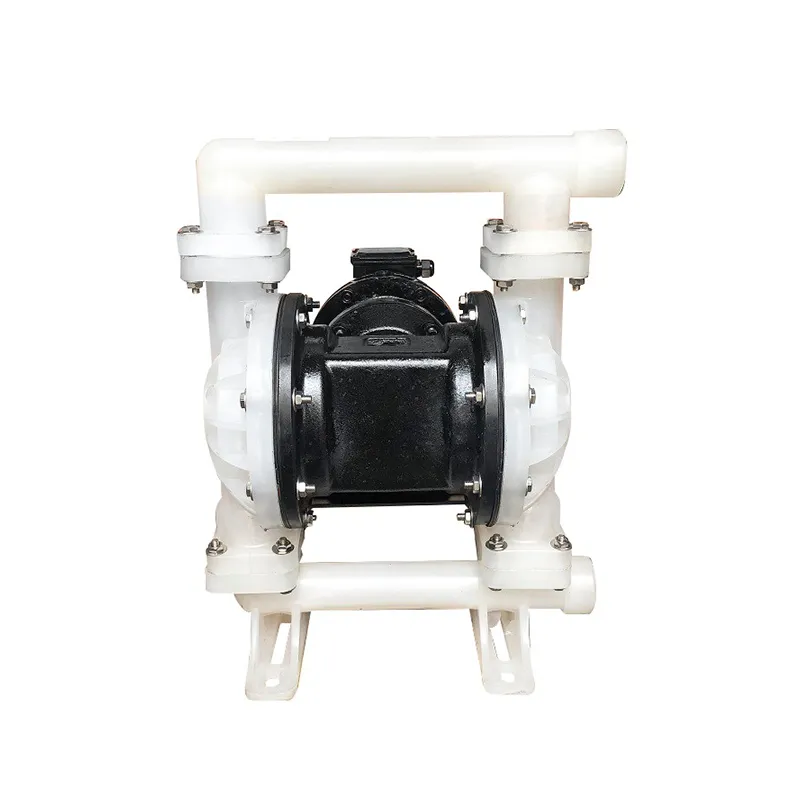

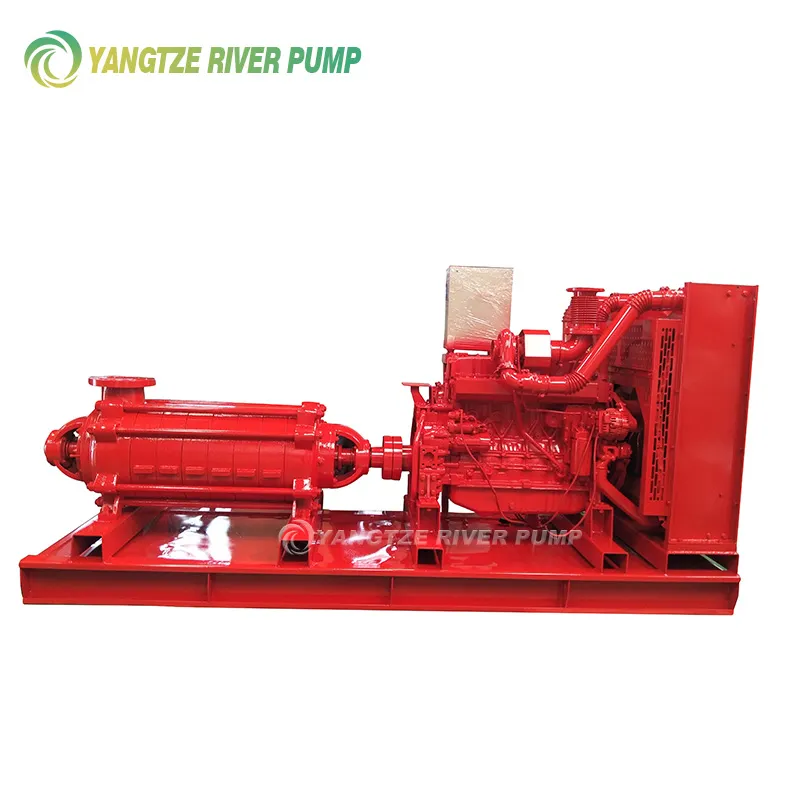
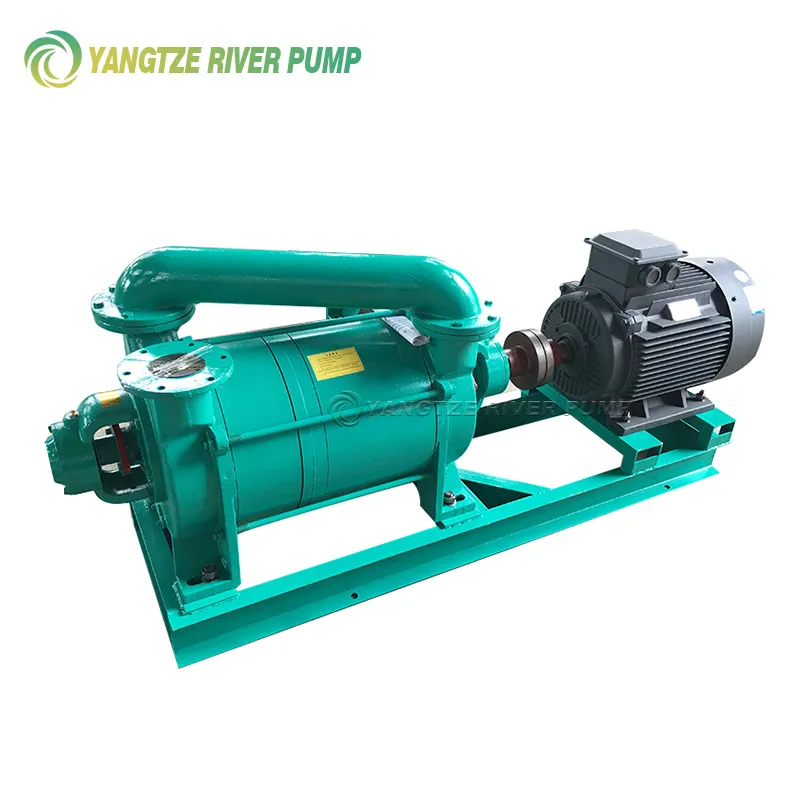


Best Sellingproducts
Best Selling Products-
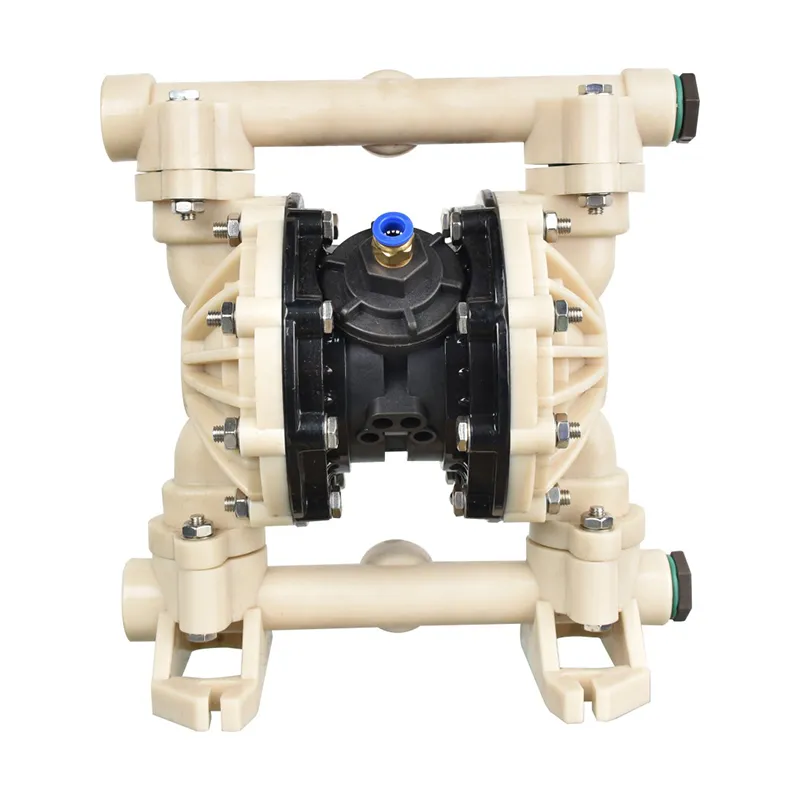 QBK Non-Metallic Air Operated Diaphragm Pumps
-
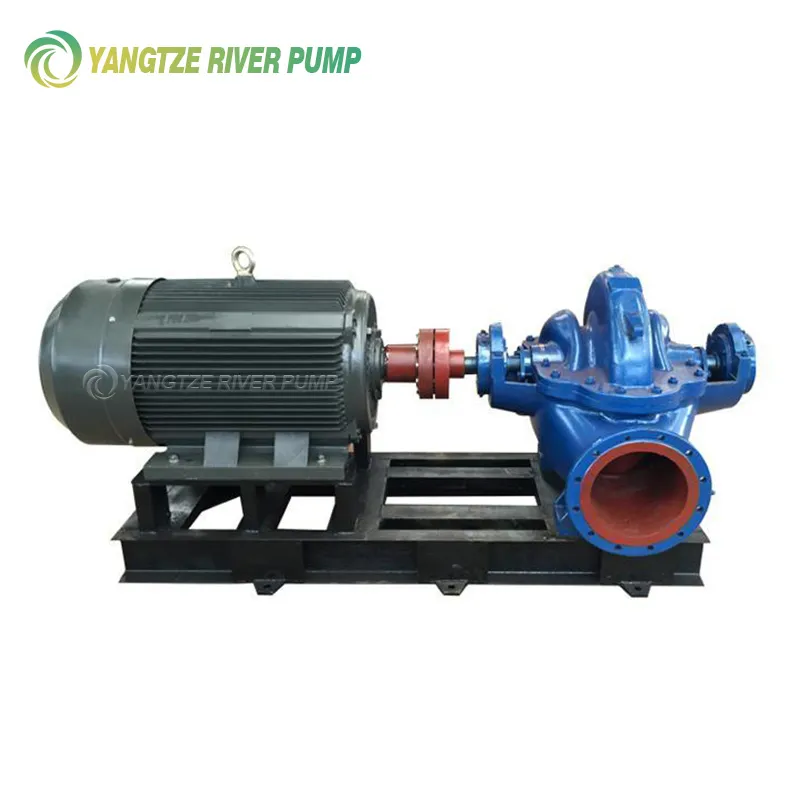 Single Stage Double Entry Centrifugal Pumps Type S
-
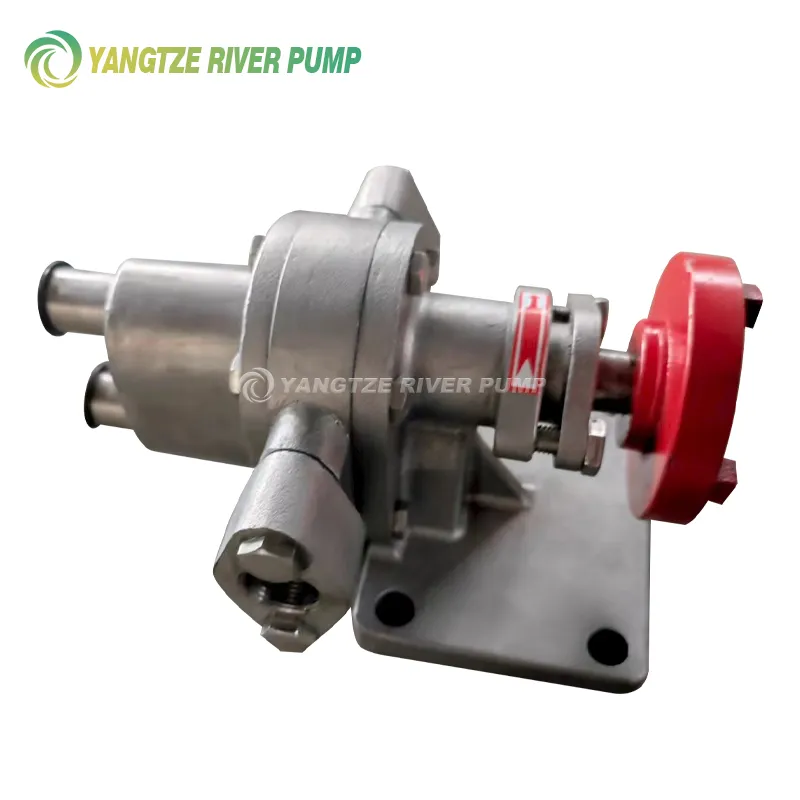 Gear oil pumps type KCB
-
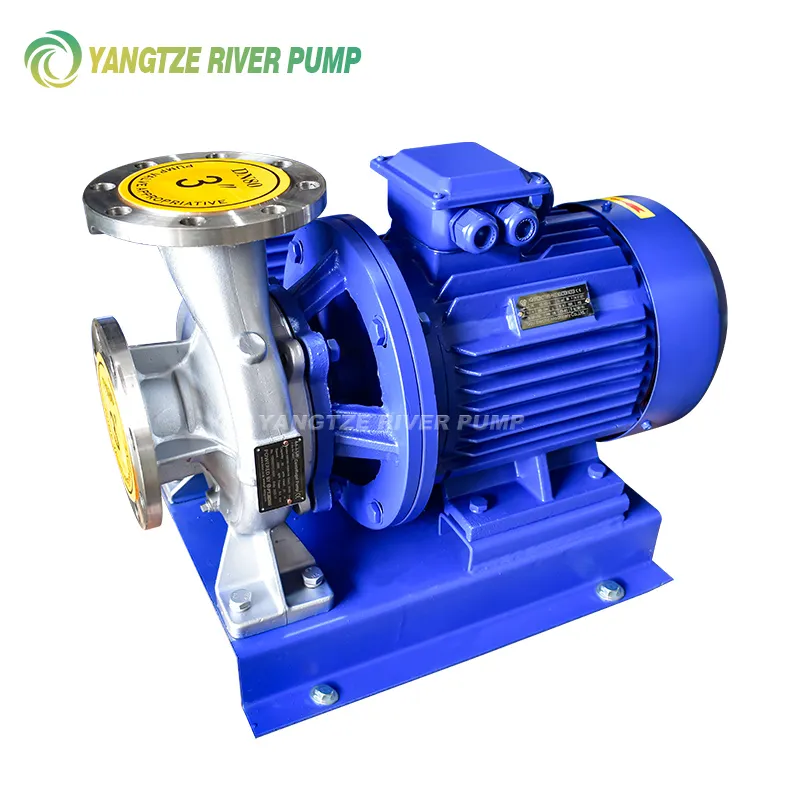 ISW and ISWH Single Stage Horizontal Pipeline Centrifugal Pumps
-
 Metal pneumatic diaphragm pumps QBK
-
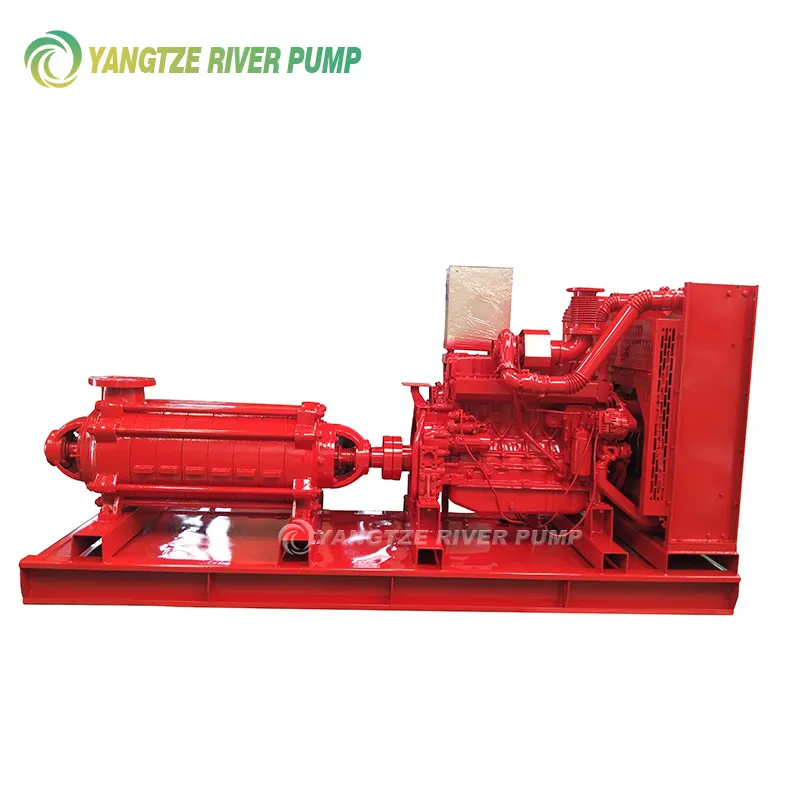 XBC Diesel Intelligent Fire Pumps
-
 CQF Plastic Magnetic Pumps
-
 YCZ Chemical Process Pumps
-
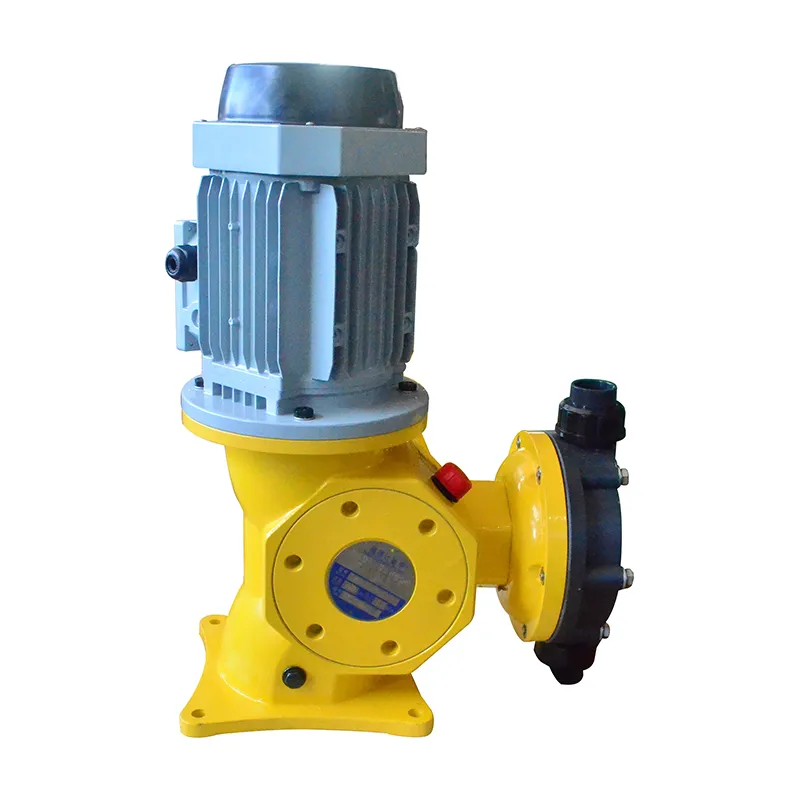 Mechanical diaphragm dosing pumps DJ-Z
-
 Vertical pumps with PTFE lining YQF
-
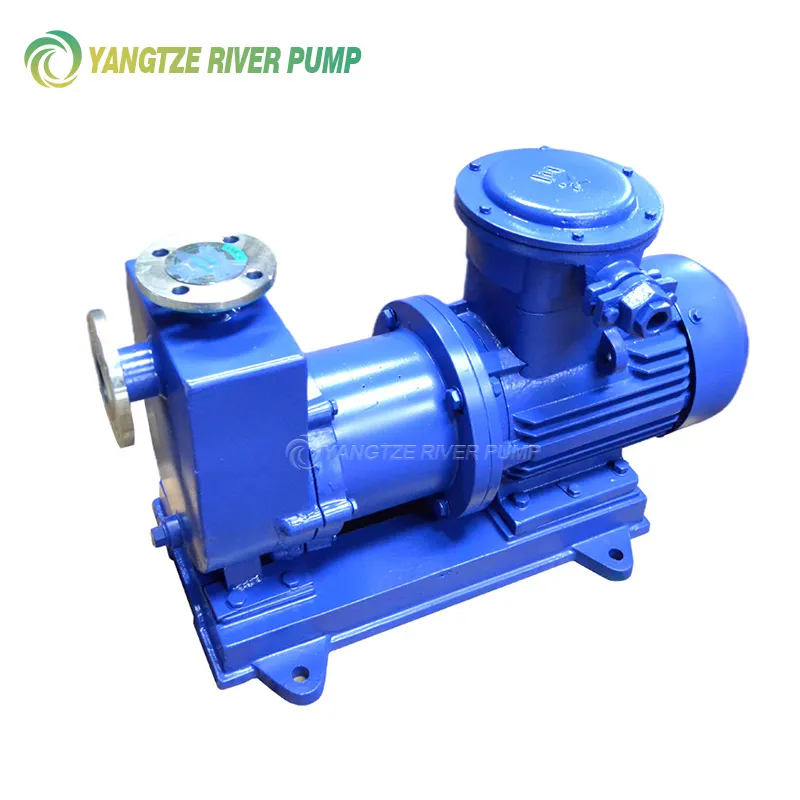 ZCQ Stainless Steel Self-Priming Magnetic Pumps
-
 Non-clogging self-priming wastewater pumps ZW