







diagram of a single-stage centrifugal pump
When they talk about the diagram of a single-stage centrifugal pump, many people immediately look at textbooks for the perfect picture. But in practice this “scheme” - not just a drawing, but an understanding of how everything lives inside and why sometimes it dies. A common mistake is to assume that since the design is simple, there can be no problems. But it is precisely in the simplicity that lies the nuances that emerge on sites, especially when the pump does not operate on water, but on some kind of suspension or chemically active medium.
The main nodes and their “pain points”
If you take it apart, it consists of a casing, an impeller, a shaft and seals. It would seem nothing complicated. But let's take, for example, a spiral type housing. In theory, it should uniformly collect the flow and direct it to the pressure pipe. In fact, if the casting is made with internal cavities or roughness that have not been polished, local swirls begin. This is not only a drop in efficiency by a couple of percent, which many attribute to an error, but also vibration, which over time breaks the bearing assembly.
The impeller is the heart of the pump. For standard conditions, a closed wheel with two discs is suitable. But here we are at one of the facilities for Zhejiang Yangzijiang Pumping Industry LLC, installing a pump to pump water with fine abrasive. The design was classic, but after three months the wheel looked like a sieve. I had to switch to a version with larger gaps and more wear-resistant material, although this cut a little short. pressure In the catalogs on the website yangtzeriverpump.ru this is reflected as a modification for media with mechanical impurities - a useful detail that is not always noticeable at first glance.
But seals are a different story. Gland packing is cheaper, but requires maintenance and drip flow. A mechanical mechanical seal (MMS) is being installed more and more often, but its selection is a whole science. An incorrectly selected friction pair (for example, ceramic-graphite for an alkaline environment) will lead to leakage in a matter of weeks. In our test benches in the company, we specifically run pumps in different modes to check how the seal behaves not only at nominal, but also during start-stops and possible overloads.
Assembly and alignment - where reliability is lost
Even with perfect parts, the pump can be killed at the installation stage. The diagram on paper shows alignment, but in reality the foundation slab may be misaligned by a couple of millimeters. If the pump and electric motor are tightly pulled together, the shaft will operate with a bending moment. Vibration is guaranteed. Therefore, in our test reports after assembly there is always a stage of vibration control at different frequencies. It happens that the assembled unit in the workshop works quietly, but at the installation site it begins to “sing”. - this means that the problem is in the pipe loads that are transferred to the body.
Another point is thermal expansion. The diagrams rarely indicate that when the line and the pump itself warm up, the geometry may change slightly. If the pipeline is rigidly fixed and does not have expansion joints, this is also a load on the pump flanges. I once saw how, because of this, a crack appeared in the body at the filler pipe. The client had a fault with the quality of the casting, but the reason was due to incorrect binding.
Therefore, in our company, where there is a full cycle from R&D to testing, we always focus on the section “installation and operation”. in the documentation. It seems like a small thing, but it’s these little things that determine whether it will worksingle stage centrifugal pumpwarranty period or it will start causing trouble in six months.
The choice of material is not only ?stainless steel?
Specifications often write “body: stainless steel?”. But stainless steel is different from stainless steel. For clean water, AISI 304 is suitable, but for more aggressive chloride-containing media, AISI 316 or even 316L is needed. And for concentrated acids, we sometimes use a completely plastic body and wheel. In our line we have plastic chemical pumps that perform well in galvanic production.
But this is not a panacea either. Plastic has less mechanical strength and is sensitive to temperature changes. Therefore, the choice of material is always a compromise between chemical resistance, strength and cost. The pump design remains unchanged, but the durability of the design is determined by these details.
Based on our own experience in the production of multistage, magnetic, self-priming pumps, we have come to the conclusion that for standardsingle stage centrifugal pumpMost often, coated cast iron for the body and bronze or stainless steel for the wheel are optimal. This is a balance of price and resource for most water supply and heating tasks.
Tests as the final touch
Any, even the most well-thought-out scheme, must be confirmed at the stand. Our test site is not just a formality for show. We take full characteristics: pressure, flow, power consumption, efficiency at different operating points. It is important to catch the moment of cavitation and record the level of noise and vibration.
There was a case when a batch of pumps showed a small but stable drop in pressure at nominal mode. We figured it out - it turned out that the casting supplier slightly changed the geometry of the supply channel in the lid, deciding to simplify the shape. In the diagram this change was almost imperceptible, but in practice it disrupted the optimal flow of fluid to the wheel. I had to go back to the original drawings and control this parameter.
That is why having your own full cycle, including testing, like Zhejiang Yangzijiang Pumping Industry LLC, is not a marketing ploy, but a necessity. This allows you to control that the final product exactly corresponds not only to the diagram on paper, but also to the hydraulic and strength principles embedded in it.
Instead of a conclusion: a diagram in the operator’s head
In the end, the most important design for a single-stage centrifugal pump is not the one that is stored in the designer's archive, but the one that is in the mind of the engineer who assembled it and the mechanic who maintains it. Understanding how all the nodes are interconnected, why there is a particular seal here, and why the shaft has a specific rigidity.
When a client contacts us for selection, we look not only at the “supply-pressure” parameters, but also at the operating conditions. Because even the best standard scheme may require adaptation. Sometimes it's just a material change, and sometimes it's a minor design modification, such as installing a drain hole in the seal chamber for a specific environment.
So, to summarize, working withsingle stage centrifugal pumpstarts with studying its circuit, but real expertise lies in knowing how that circuit behaves outside of the ideal drawing conditions. And this experience, gained on production lines and working with different orders, is what allows us to deliver equipment that works without surprises.
Correspondingproducts
Related Products



Best Sellingproducts
Best Selling Products-
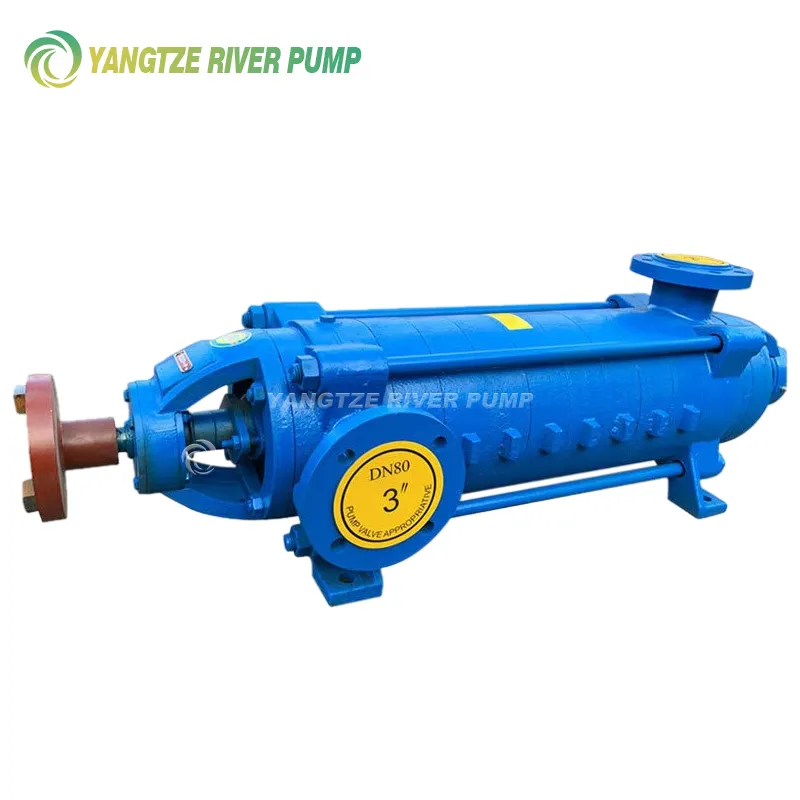 Horizontal multistage pumps for feeding DG boilers
-
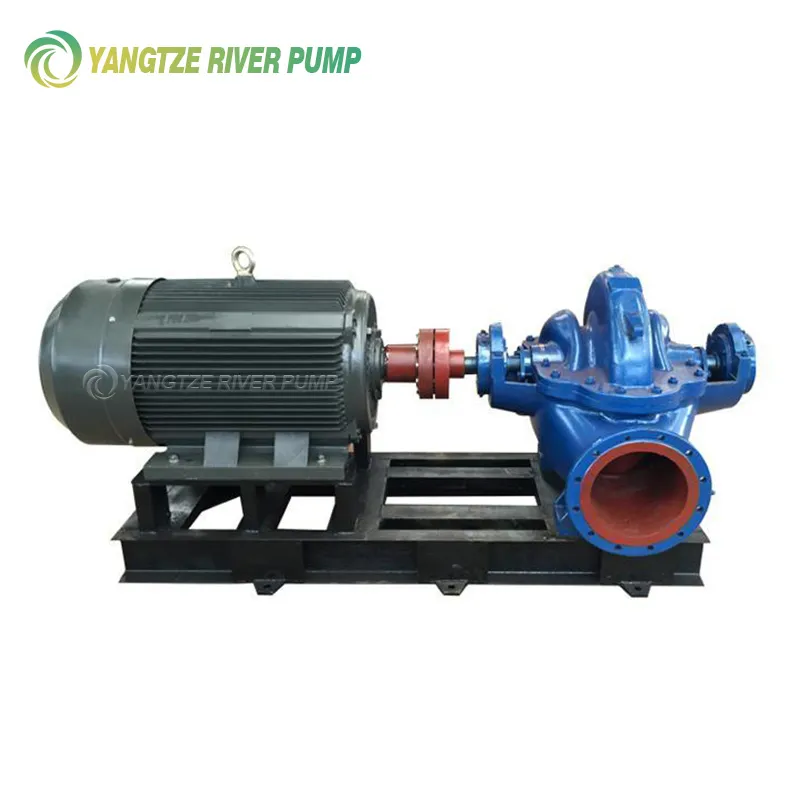 Single Stage Double Entry Centrifugal Pumps Type S
-
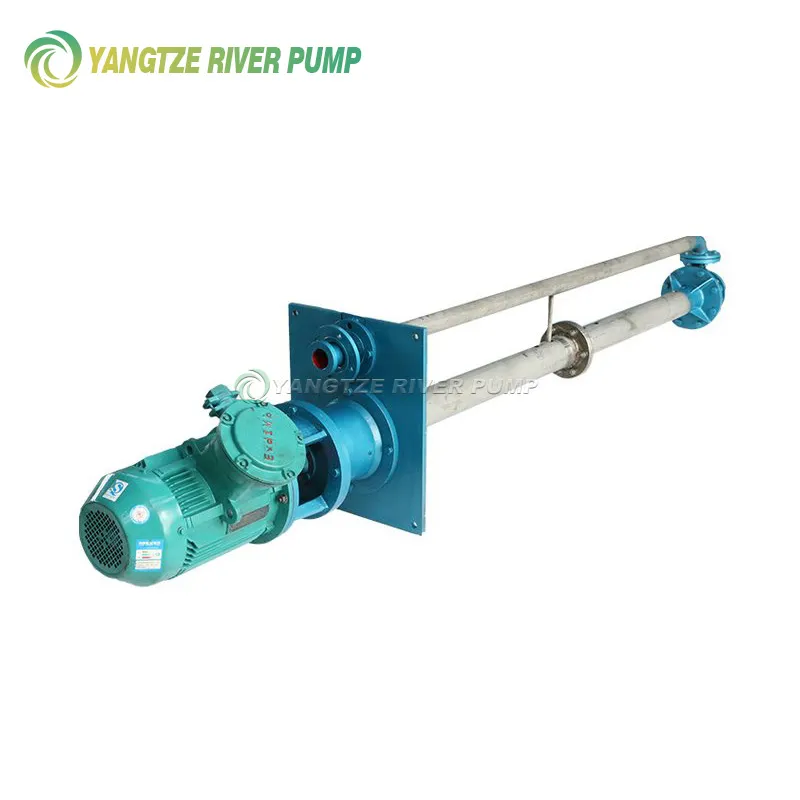 FY Submersible Chemical Pumps
-
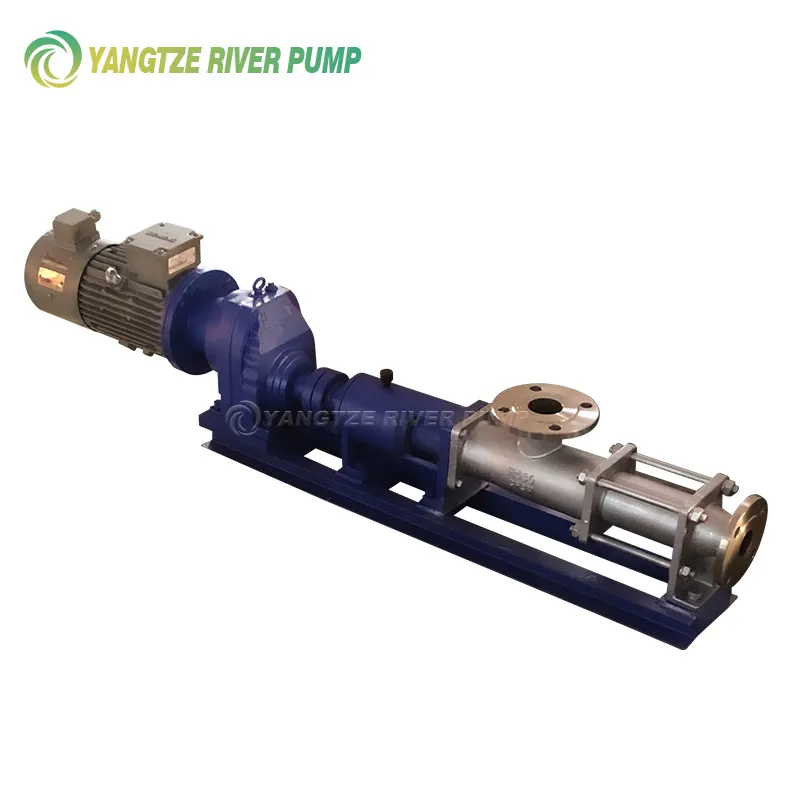 Geared screw pumps type G
-
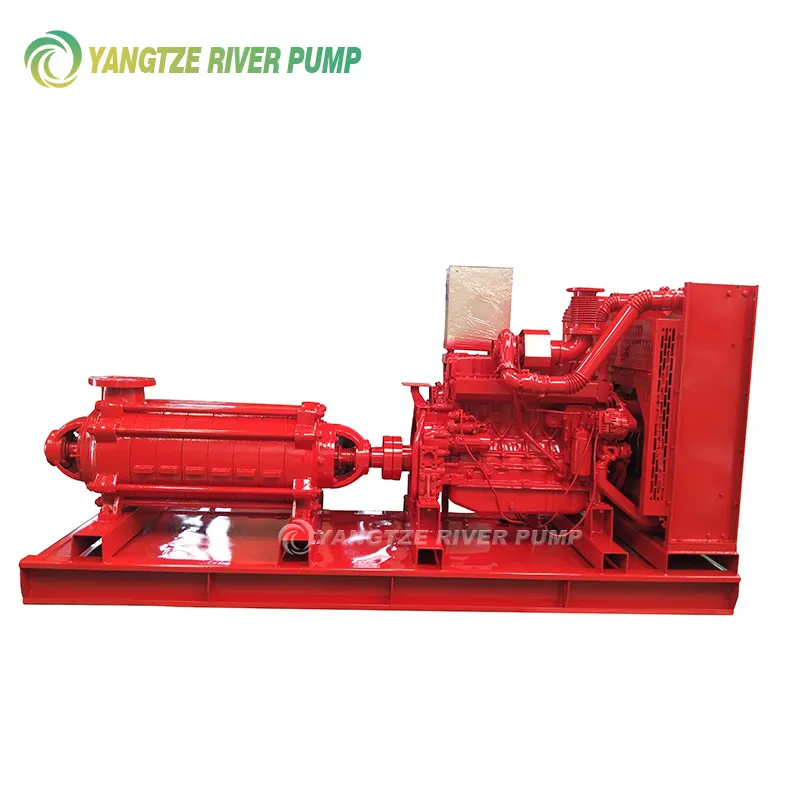 XBC Diesel Intelligent Fire Pumps
-
 Horizontal multistage pumps for feeding DC boilers
-
 IH Stainless Steel Chemical Centrifugal Pumps
-
 Horizontal multistage centrifugal pumps (light series) CHL and CHLF
-
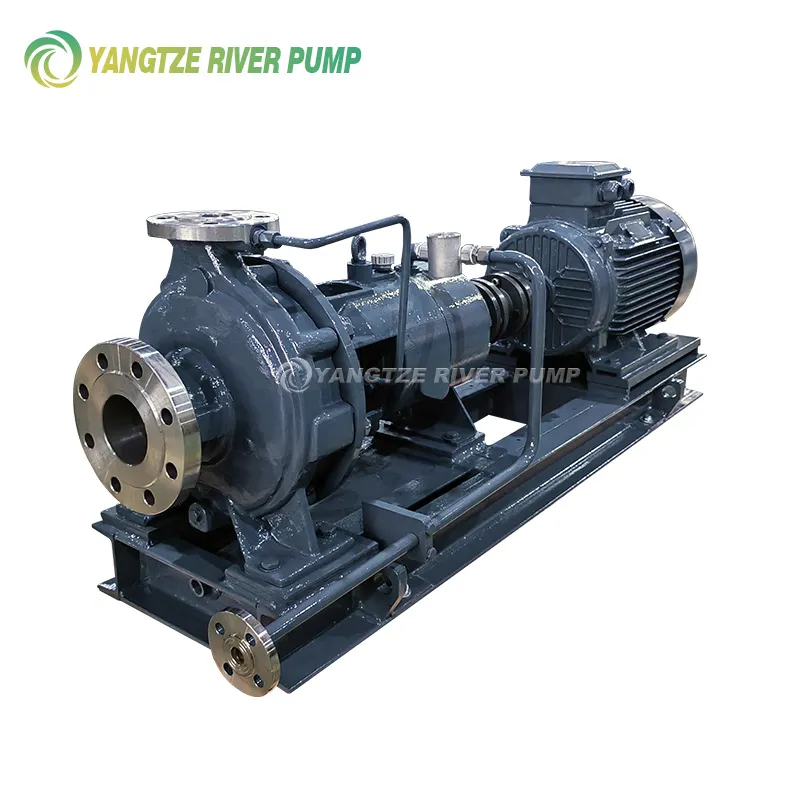 Petrochemical Process Pumps API 610 YZA
-
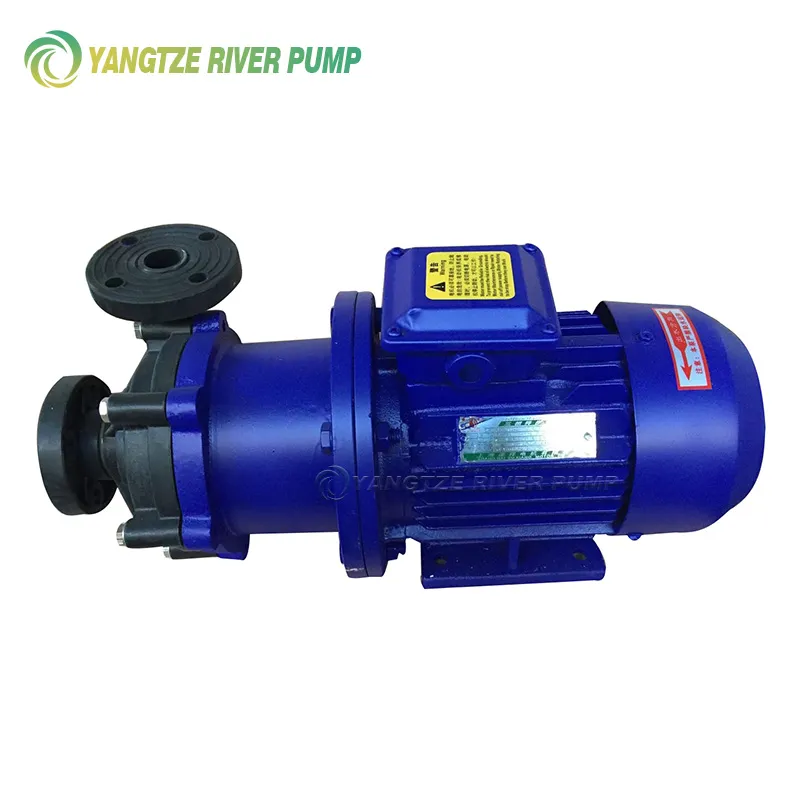 CQF Plastic Magnetic Pumps
-
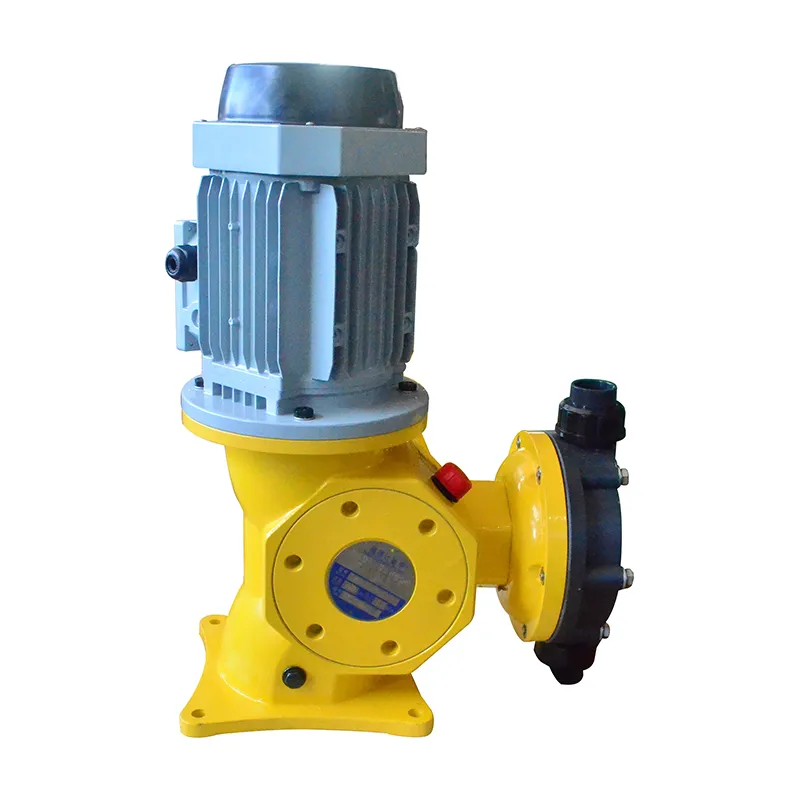 Mechanical diaphragm dosing pumps DJ-Z
-
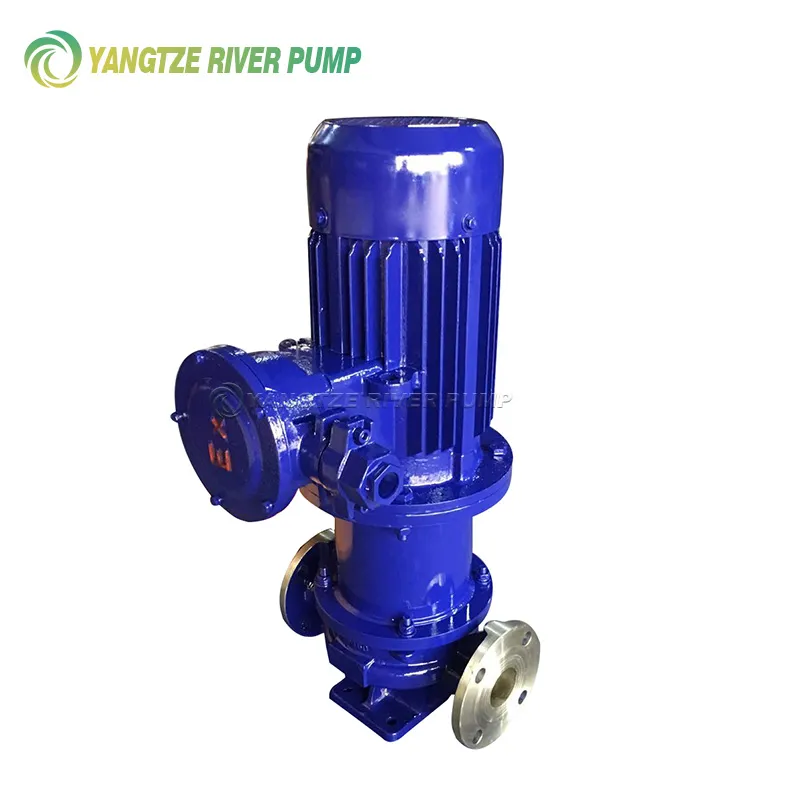 Vertical magnetic pumps CQB-L
Relatedsearch
Related Search- best vacuum pumps
- centrifugal pump 1.5 kW
- magnetic water pump
- Horizontal centrifugal pumps made of stainless steel
- Type KCB Gear oil pumps
- liquid ring vacuum pump 5 5
- Horizontal single stage centrifugal pumps
- horizontal cantilever single stage centrifugal pump
- plunger diaphragm pumps
- centrifugal pump 150 m3 h