







differential centrifugal pump
When you hear “differential centrifugal pump?”, the first thought is another marketing ploy, an attempt to pass off wishful thinking. After all, in the classification that we are used to following in production, there is no such clear term. But if you dig deeper into the very essence of working with pumping media with different parameters in one system, you understand: we are not talking about the type of pump, but about the scheme of its application, about the mode. And here the most interesting part begins - practice, where the theory from textbooks often comes apart at the seams.
The point is in the design, not the title.
From experience, this most often means usingcentrifugal pumpin a system where it is necessary to maintain a significant difference in pressure in different areas or pump media with sharply changing characteristics. For example, when one unit works to suction from a tank with low pressure and discharge into a line with high back pressure. The key thing is to work at a large difference, “differential?” parameters.
Many people mistakenly look for a separate item with this name in catalogs. But he's not there. This is more of an engineering task. A problem that we at Zhejiang Yangzijiang Pumping Industry LLC often solve by selecting or adapting standard products to specific, sometimes “non-standard” ones. customer conditions. Our websiteyangtzeriverpump.ru- this is essentially an entry into a catalog of solutions, where each pump has the possibility of modifying it.
For example, for such modes the design of the impeller and the strength of the casing are critically important. A conventional single-stage centrifugal pump may not be able to pull out; a multi-stage pump will be required to create the required pressure without cavitation. Or, conversely, a special input and output configuration is needed. This is where our eight complete lines from R&D to testing give us an advantage - we can test a hypothesis in the metal.
Experience that is worth a lot: the case of the heat exchanger
Let me give you an example from practice. There was a project in a chemical shop, where one circuit was hot brine, the other was cold glycol. The customer wanted to pump from “cold” water with one pump. hot zones with a huge jump in pressure and temperature. The theorists shrugged their shoulders and talked about two pumps. We suggested testing the modifiedlinear centrifugal pumpfrom our line.
The key was to solve two problems: thermal expansion and mechanical stress. The standard case could lead. We took a model with a reinforced stainless steel body as a basis and modified the support frame to compensate for longitudinal expansion. Tests at our site showed that the pump maintains the differential, but the efficiency dropped at certain points in the characteristics.
Here we had to “play” with impeller. We recalculated the angle of the blades in order to optimize operation in this narrow but critical range of pressure drops. As a result, the pump started working. It's been going on for three years now. But I admit, the first iteration was not ideal - the noise at high speeds exceeded the design. I had to go back and add damping inserts. This is the same "dirt" real projects, which is not written about in brochures.
Where are the pitfalls?
The main mistake when working with such schemes is underestimating cavitation. With a large drop, especially if the suction pressure is close to the liquid saturation pressure, the risk of cavitation increases sharply. Even goodcentrifugal pumpwill quickly fail. It often helps not just to increase NPSH, but to change the geometry of the suction pipe or install a pre-connected inductor. We have had cases where we had to use a base fromplastic chemical pump, but with a completely redesigned hydraulic part for high pressure.
Another nuance is the seals. The stuffing box seal can leak like a sieve at this differential pressure. Mechanical mechanical seals (double seal) are often the only option. But they also need to be selected correctly according to the environment and temperature on both sides. On our test benches we run pumps in different modes to select a friction pair - tungsten carbide, ceramics, SiC - these are already parts, but without them there will be no success.
And yes, case temperature control. I remember the story with the pump on the oil system. The difference was not so gigantic, but due to the high viscosity and friction inside, the housing in the discharge zone overheated. I had to design cooling fins. It would seem like a trifle, but without it the resource would have dropped significantly.
Why are there no universal solutions?
That is why our production, as stated in the company description, combines R&D, production and testing. You can't just takemultistage centrifugal pumpfrom the catalog and guarantee its operation as a ?differential?. Each case is unique. Sometimes a circuit with two conventional pumps connected in series will work better. And sometimes - one, but specially designed.
For example, for tasks with abrasive media or with a high gas-containing phase, the classical centrifugal principle may not be optimal. We look awaysingle screw pumpsor special versions. Our entire range - from magnetic to diaphragm pumps - is not just a list, but a toolkit for solving complex problems, including those with large differences in parameters.
Our sales and service department works closely with engineers. Because the first question from a client who says “differential mode” should not be “Which model?”, but “Tell me more about your system?”. Without a pipeline diagram, pressure and temperature graphs, and the composition of the medium, the conversation is pointless.
Instead of a conclusion: thinking out loud
So, back to the beginning. ?Differential centrifugal pump? is more of a challenge for an engineer than a product name. This is the story of how hydraulic theory meets real metal, welds, material properties and project economics. At Zhejiang Yangzijiang Pumping Industry Co., Ltd., we rise to this challenge. We do not promise a magic pill-pump for all cases, but we guarantee an in-depth analysis and a solution that will work in metal. Verified. Sometimes - from your mistakes, which, you see, is the most valuable experience.
The main thing is not to chase a fashionable term, but to clearly describe the task. Then the pump, be it centrifugal, screw or any other, will be selected or created specifically for your unique drop.
Correspondingproducts
Related Products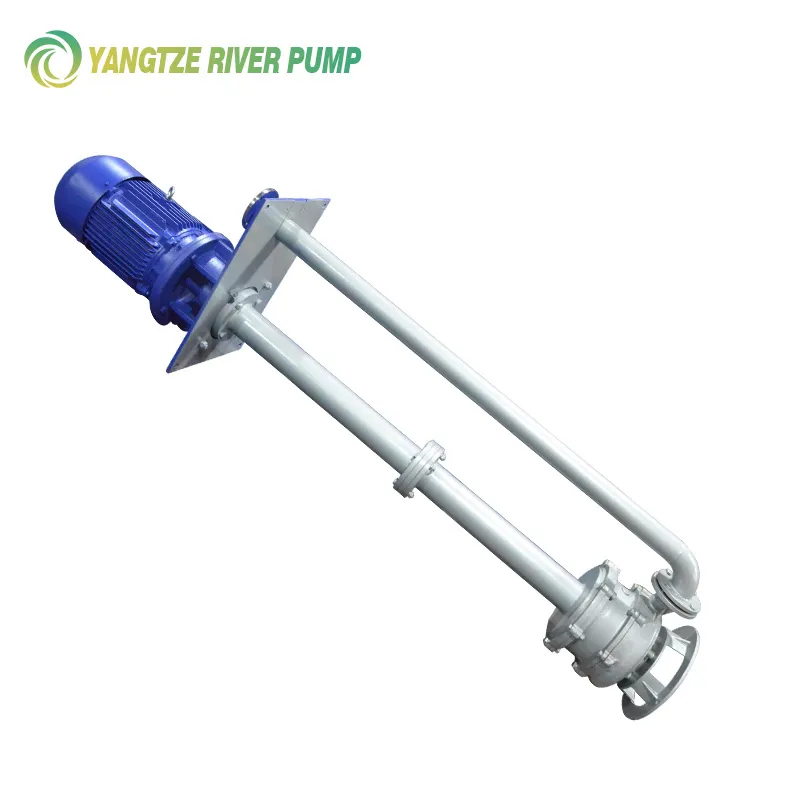
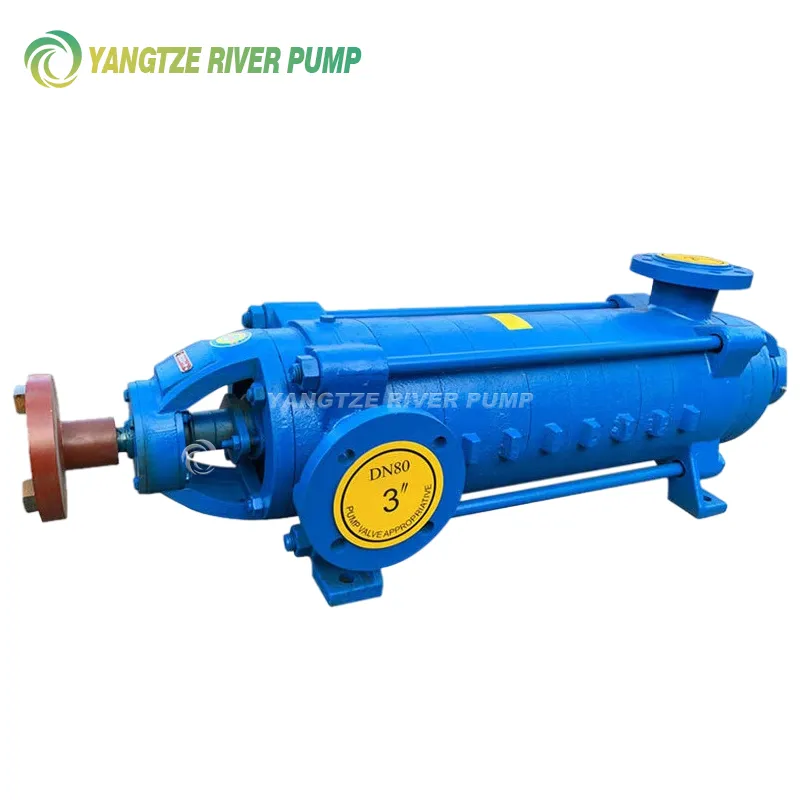
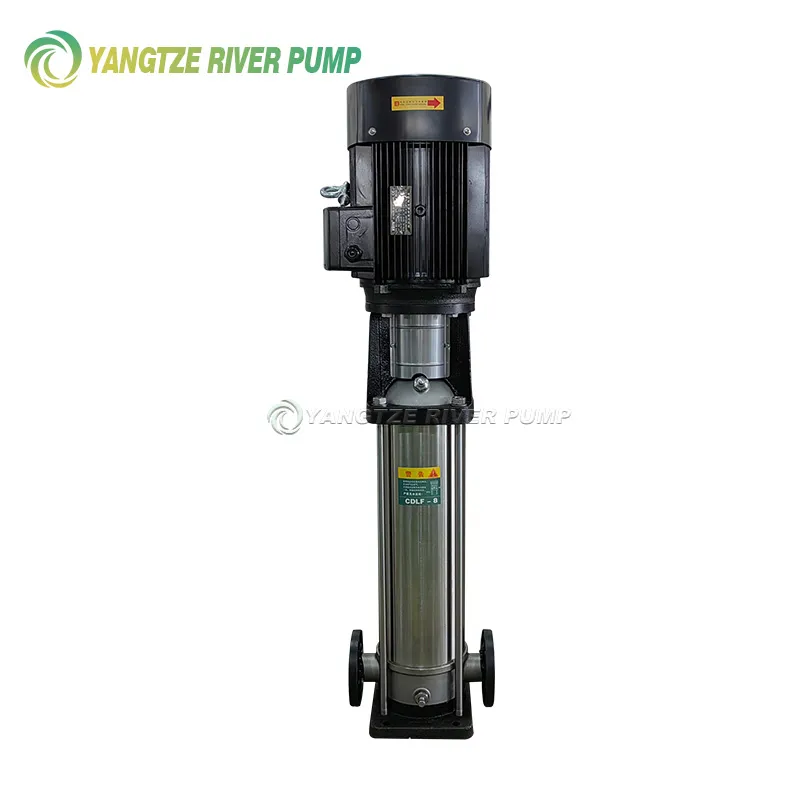
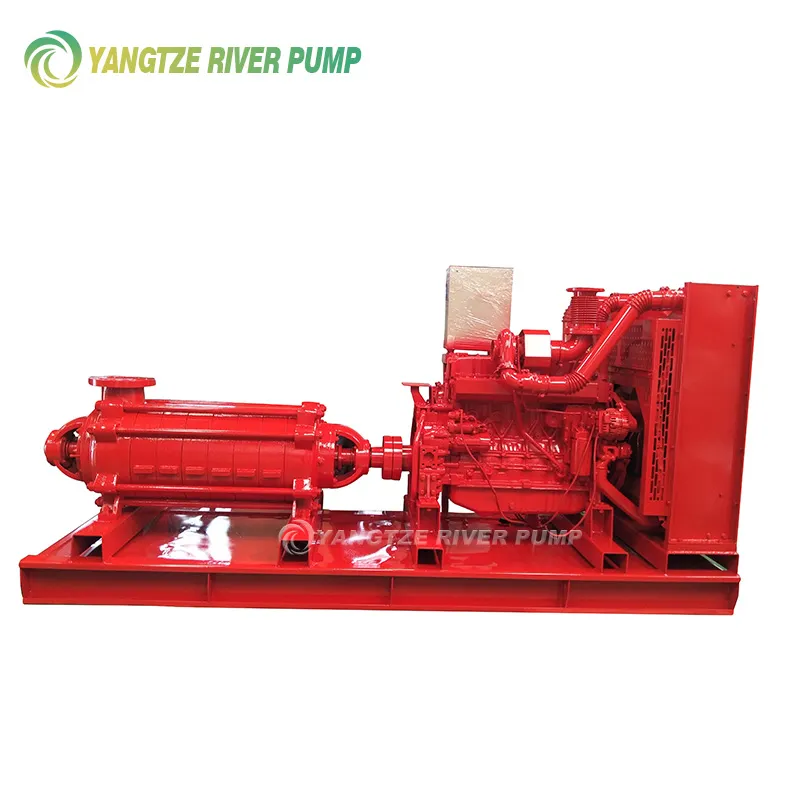

Best Sellingproducts
Best Selling Products-
 Corrosion-resistant stainless steel centrifugal pumps SFB and SFBX
-
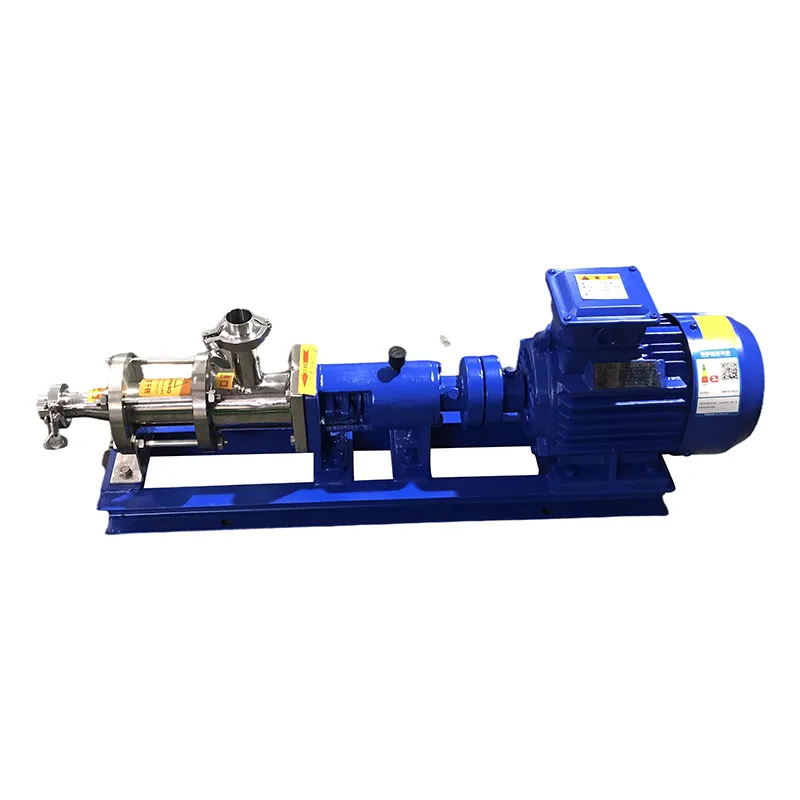 Sanitary screw pumps type GF
-
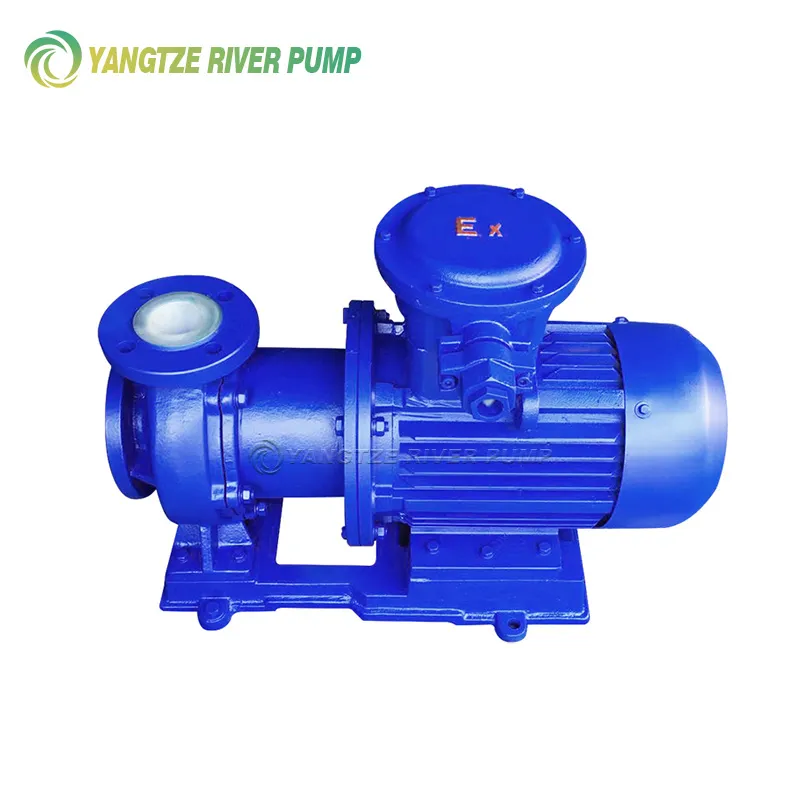 Magnetic pumps with fluoroplastic lining CQB-F
-
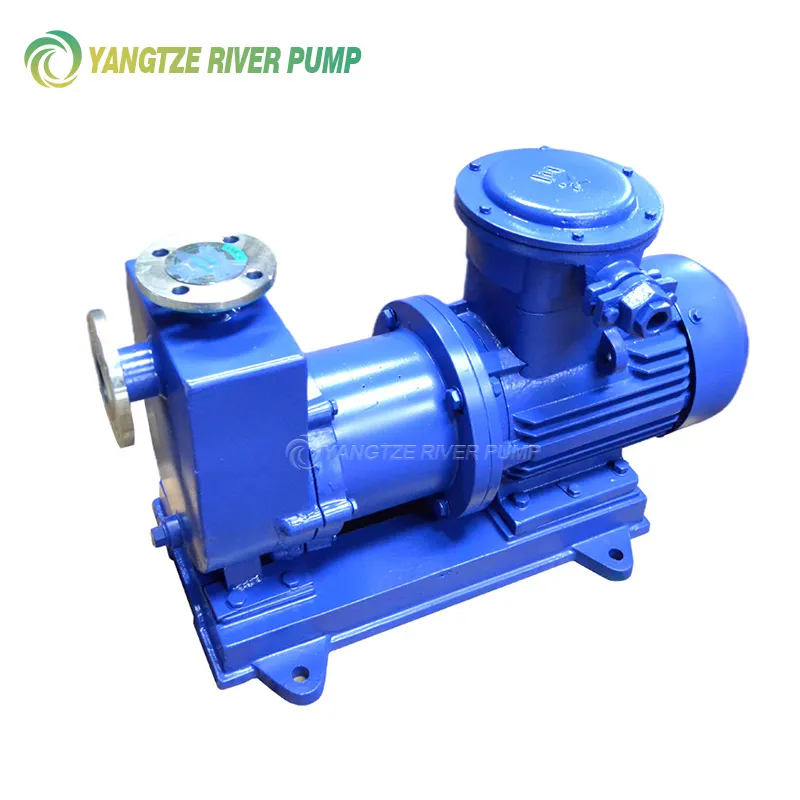 ZCQ Stainless Steel Self-Priming Magnetic Pumps
-
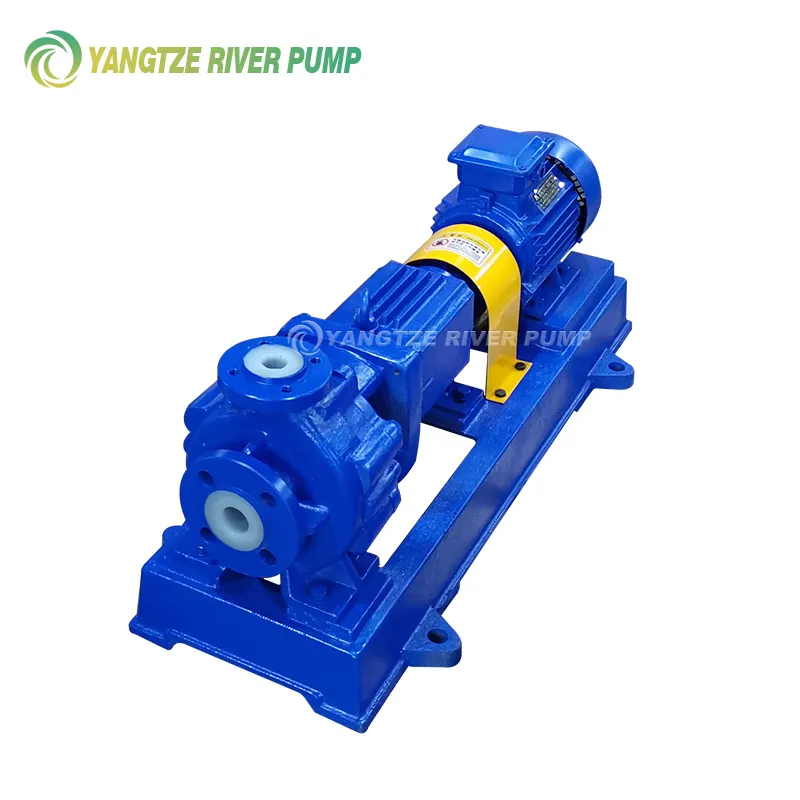 IHF PTFE Chemical Centrifugal Pumps
-
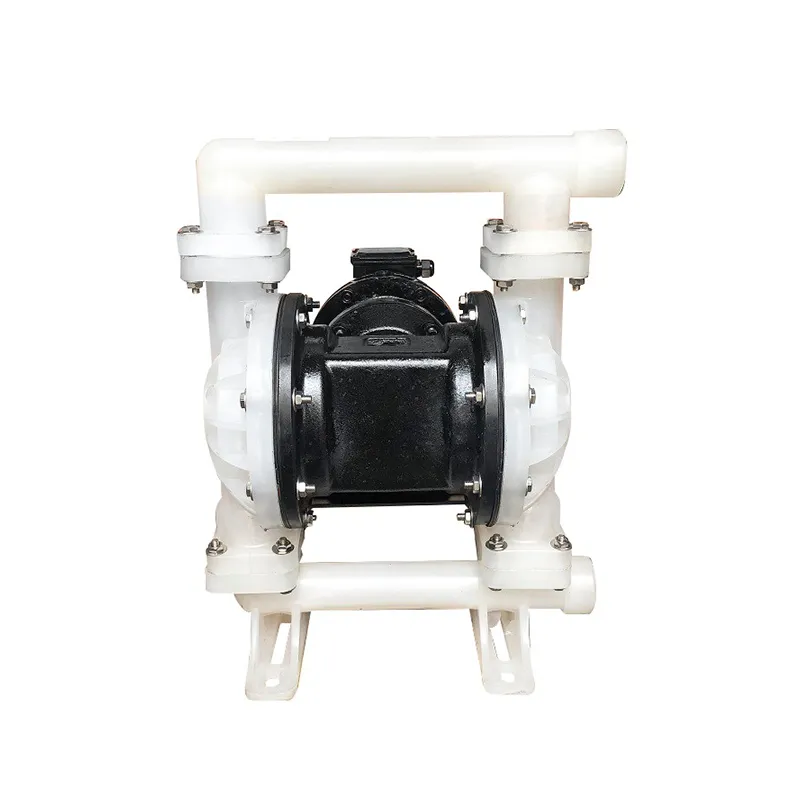 DBY Non-Metallic Electric Diaphragm Pumps
-
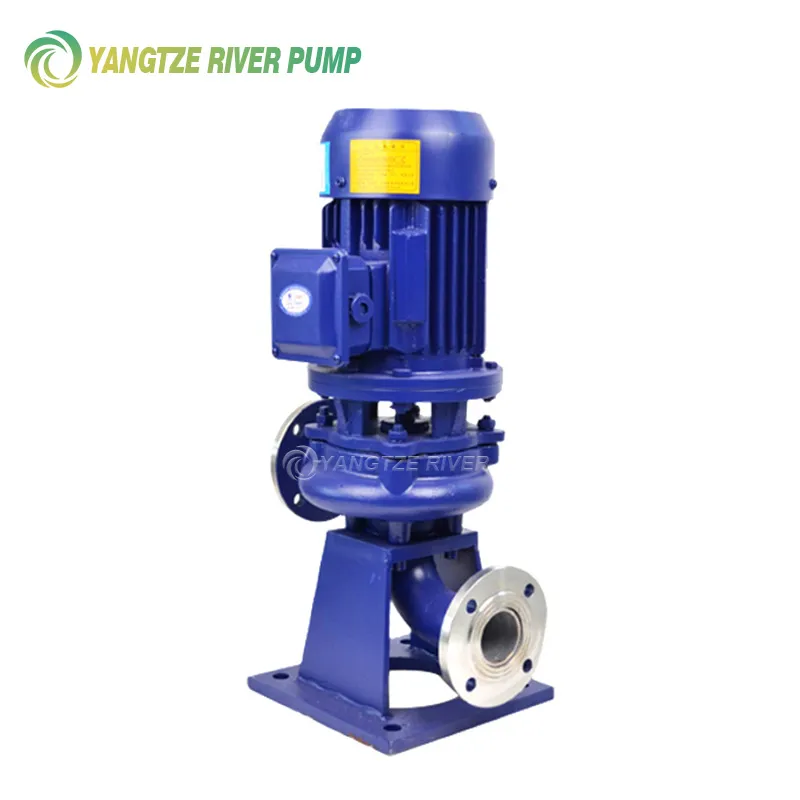 Non-clogging vertical wastewater pumps LW
-
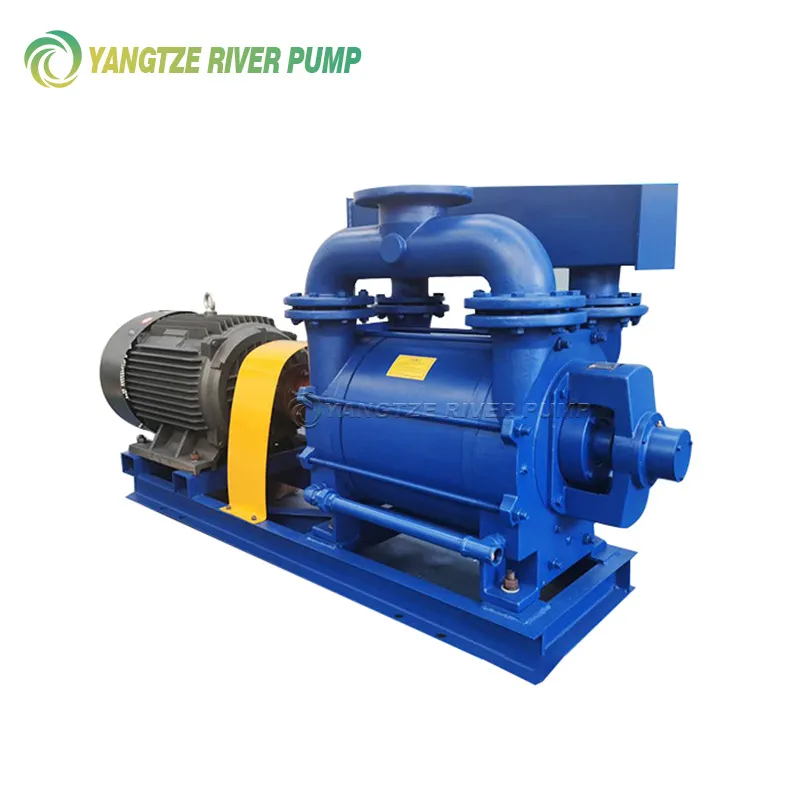 Liquid ring vacuum pumps type 2EB
-
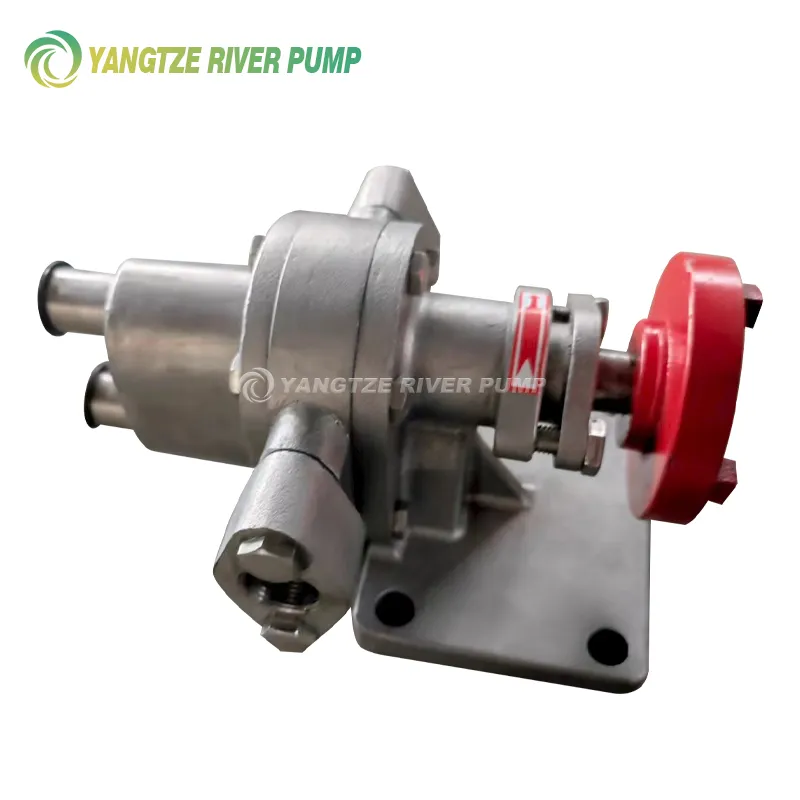 Gear oil pumps type KCB
-
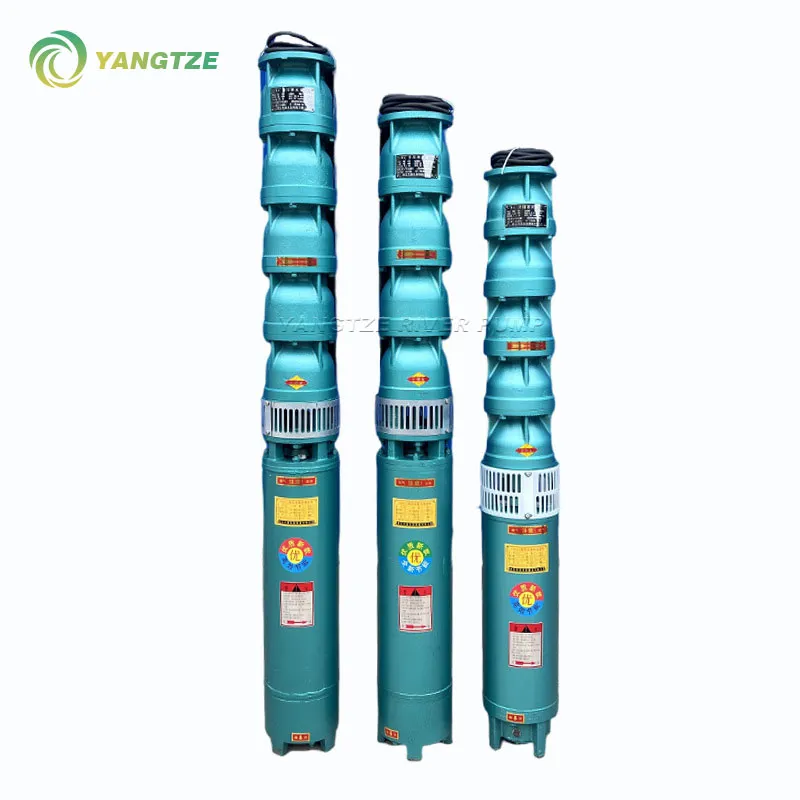 QJ type borehole pumps
-
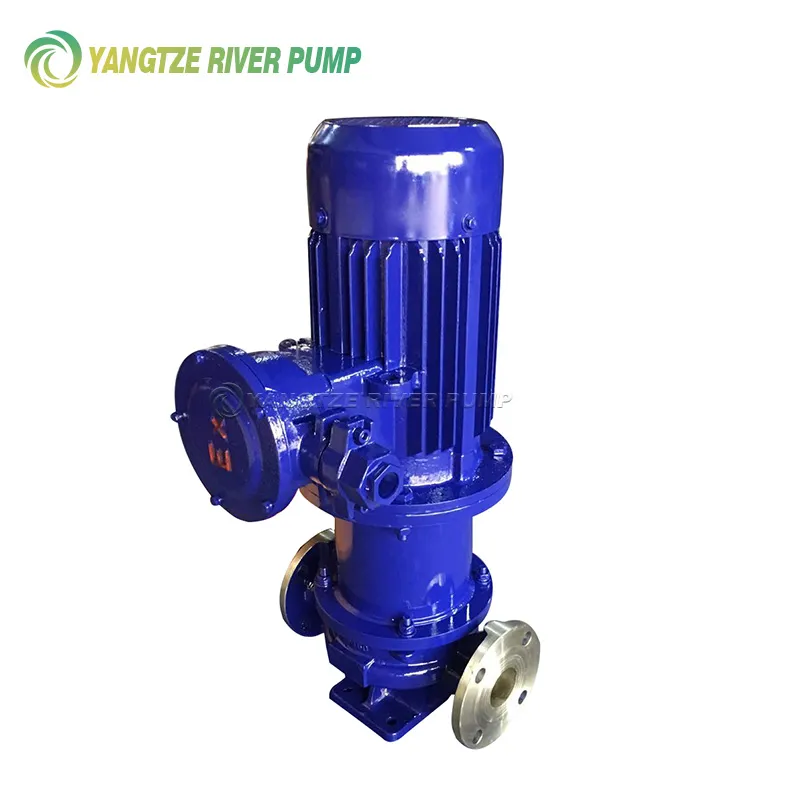 Vertical magnetic pumps CQB-L
-
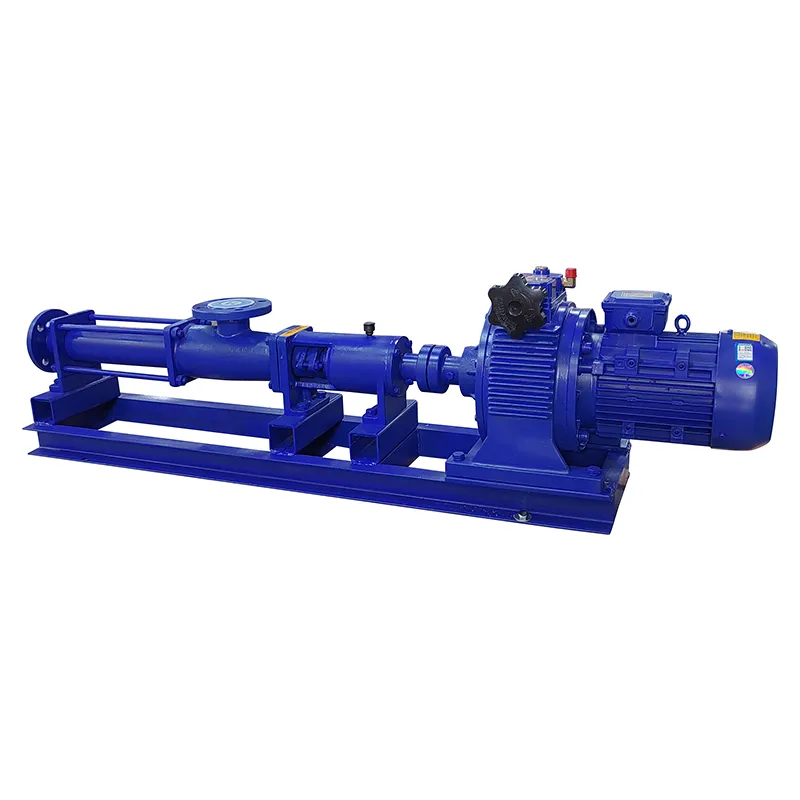 Infinitely variable screw pumps type G