







private deep well pumps
When they talk aboutprivate deep well pumps, many imagine just a long cylinder that was lowered into water - and everything works. In fact, this is one of the most capricious areas in pumping for a country house. An error in the selection of a couple of millimeters or in calculating the dynamic level can result not just in idle operation, but in the failure of the entire unit in a matter of months. I have seen more than once how people, having saved on consultation, then spent three times as much on lifting, lowering and replacement. What is important here is not so much the brand as the exact compliance with the conditions of a particular well.
What actually lies behind the word “deep”?
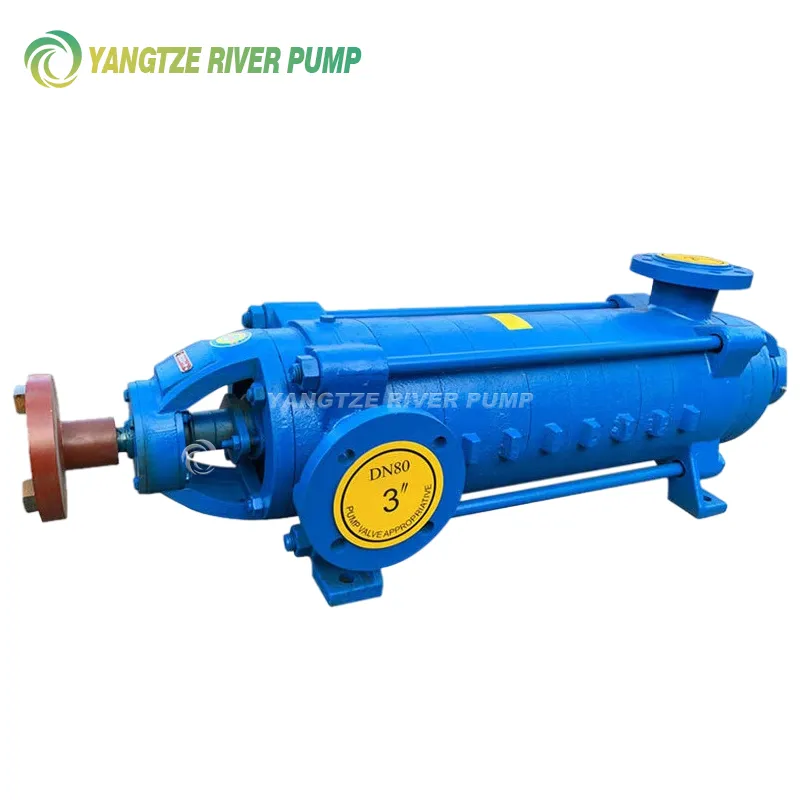
In everyday life as a “deeper” can be called both a vibration pump for a well and a multi-stage well unit. But for a professionalprivate deep well pumps- These are primarily centrifugal multi-stage models, designed to work in a casing string with a diameter of 100 mm and for lifting from tens of meters. Their ?privacy? - this is the adaptation of industrial solutions to the variable, often unstable operating mode in the household: power surges, sand suspension, possible dry runs.
A key parameter that is often missed is not just the nameplate productivity (cubic meters per hour), but the characteristics of the pressure-flow curve. The pump can produce the stated 3 cubic meters, but at 50 meters of depth its actual flow will drop by half. Therefore, the calculation always starts from a point - from the dynamic water level and the required pressure in the house system. Take with reserve? is also dangerous: a pump that is too powerful will operate in constant pressure shutdown mode, which kills the engine.
Here, for example, in the assortmentZhejiang Yangzijiang Pumping Industry Co.,LtdThe line of well pumps is built precisely on this principle: several series with different numbers of stages. This is not marketing, but practice. For a sand well with a small flow rate, it is better to take a model with lower productivity, but higher pressure at the lower stages - it will muddy the water less. This is rarely written about in brochures, but understanding comes after a couple of dozen installations.
Sand, a stumbling block for any pump
The most common cause of breakdowns is abrasive wear. Even if during drilling they said “the well is on limestone, the water is clean?”, in a year or two sand may come out. Standard technopolymer or composite impellers do not like it. Here either special “sand” ones help out. versions with reinforced impellers, or - what is more reliable - the use of pumps paired with good fine filters at the entrance to the house.
One of the memorable cases: we installed a standard pump for a client in a seemingly ideal well. After 9 months - a complaint about noise and a drop in pressure. During the ascent, it turned out that the lower step was almost erased. The analysis showed fine quartz sand that was not captured by the well screen. I had to change it to a model with a body and impellers made of wear-resistant polymer, plus install an additional cyclone filter-sand separator. Since then, for depths below 30 meters, I always check with the customer about the possibility of periodic sampling of suspended matter.
By the way,Yangtzeriverpump.ruin the submersible pumps section there are models where the specification directly states “for water with a high content of mechanical impurities.” These are not just words. Typically, such devices have increased clearances and simplified impeller geometry to reduce the risk of jamming. But their efficiency is naturally lower. We have to explain this trade-off to the client: reliability or maximum efficiency.
Electrics and automation: where are the “dumb ones” hidden? problems
The deep-well pump engine is a separate issue. Single-phase or three-phase? With or without built-in overheating protection? For the private sector, single-phase ones are more often installed, but with a power above 1.5 kW, inrush currents can be critical for old wiring. I often see how the pump is connected with the cable that comes with the kit, without looking at its cross-section. And it is designed for ideal conditions. In reality, with a line length from the shield to the well of 50 meters, the voltage drop may be such that the engine simply will not reach its rated speed and will burn out from overload.
Therefore, I always insist on a separate circuit breaker with a thermomagnetic release and, more importantly, on the correct selection of the cable cross-section with a margin. And be sure to use a voltage stabilizer if power surges are common in the area. A cheap pump with a stabilizer will last longer than the most expensive one, but operating at 190 volts.
Automatic control is also a field for errors. Hydraulic accumulator, pressure switch, dry running protection unit. Many people install a relay with a narrow differential (the difference between the on and off pressure) so that the pump switches on and off frequently. For deep-well pumps this is death. The electric motor is cooled by the pumped water, and during short cycles it simply does not have time to cool down. It is better to configure the system to a smoother mode, with a larger differential and an appropriate volume of the accumulator.
Installation: points that are not in the instructions
Running a pump into a well is a ritual. Not with a cable, but with a stainless steel safety rope, and not just tied to the eyes, but using carabiners with anti-corrosion coating. The power cable must not be pulled - it must be fixed to the pressure pipe with plastic clamps in increments of a meter and a half, but without tightening, so as not to damage the insulation. And the most important thing is to prevent the pump from running around. in the casing. The vibration from work will break it against the walls within a season.
There is a simple trick: put protective rings made of thick rubber or heat-shrinkable polymer on the housing, above and below the engine. They center the pump and dampen vibration. This is not in any instructions, but all experienced installers do this. Another nuance is the check valve. It is often placed directly at the pump outlet. But if the height of the water column is high, there will be a water hammer at startup. It is more correct to place the valve at the top, in a caisson or adapter, and sometimes two - one at the bottom as insurance, one at the top for ease of maintenance.
When collaborating with manufacturers, for example when we worked with products fromZhejiang Yangzijiang Pumping Industry Co.,Ltd, drew attention to their approach to packaging. The installation kit often includes a cable, clamps, and even mounting eyes for rubber rings. This suggests that the company's engineers are thinking not only about the product itself, but also about how it will be installed in the field. It's valuable.
Service and durability: myths and reality
A common myth: a deep-well pump, once it has been lowered, must work “until the end”. And the ?end? this one comes suddenly. In fact, even the highest quality unit requires attention. At least once every two years, it is advisable to lift it for a visual inspection, check the insulation resistance, and clean the suction mesh. This will increase the service life significantly.
Another point is seasonality. If the house is not for permanent residence, the pump must be preserved for the winter: the water must be drained from the system, and the unit itself, if it remains in the well, must be immersed below the freezing depth. Otherwise, frozen water in the impeller will rupture the housing. It would seem obvious, but every year in the spring we come for such “debriefings”.
As for choosing a manufacturer, what is important here is not so much the price tag as the availability of spare parts and repair services. The big players who, likeYangtzeriverpump.ru, have a full cycle from R&D to sales and service, as a rule, this is in order. You can request a diagram, order a repair kit or replace a stage. With an unnamed pump from the trading platform, such a number will not work - it is out of order, which means buy a new one. And the cost of raising and lowering and new installation is often comparable to the price of the device itself.
In the end, the choiceprivate deep well pump- this is always a system of equations, where the variables are the parameters of the well, the needs of the house, the quality of the electrical network and the budget. There is no ideal solution, there is an optimal one for specific conditions. The main thing is not to ignore any of these factors and remember that the pump is only part of the system. Its long-term operation depends on competent calculations, high-quality installation and minimal but regular attention.
Correspondingproducts
Related Products

Best Sellingproducts
Best Selling Products-
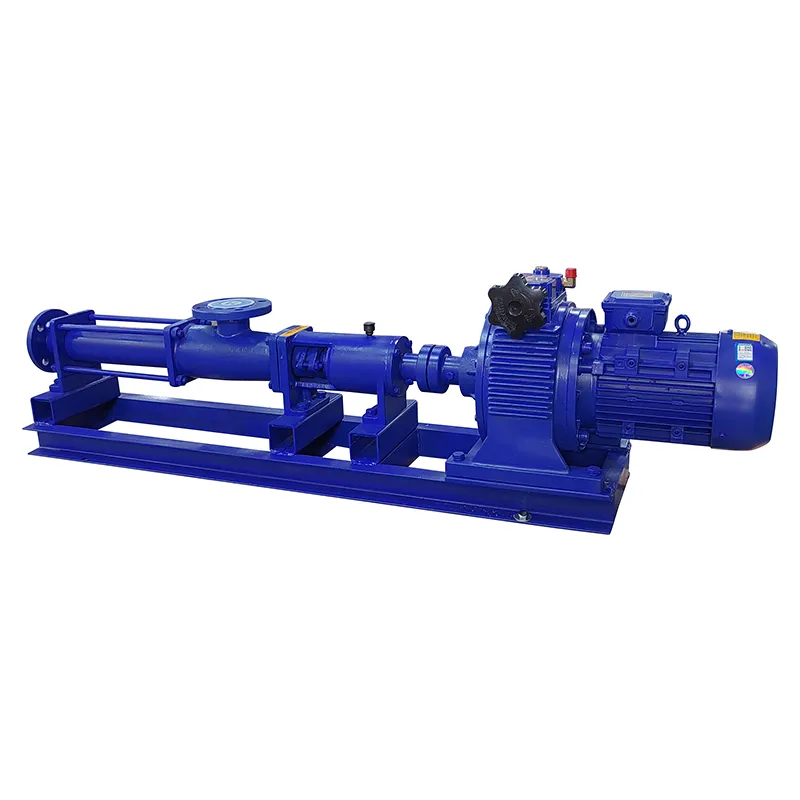 Infinitely variable screw pumps type G
-
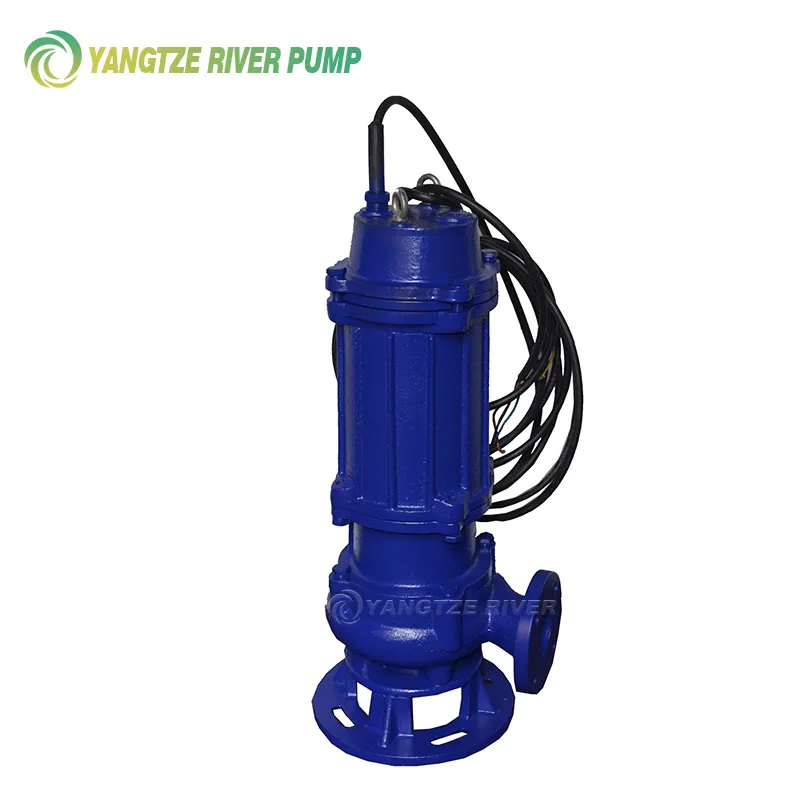 QW Non-clogging Submersible Sewage Pumps
-
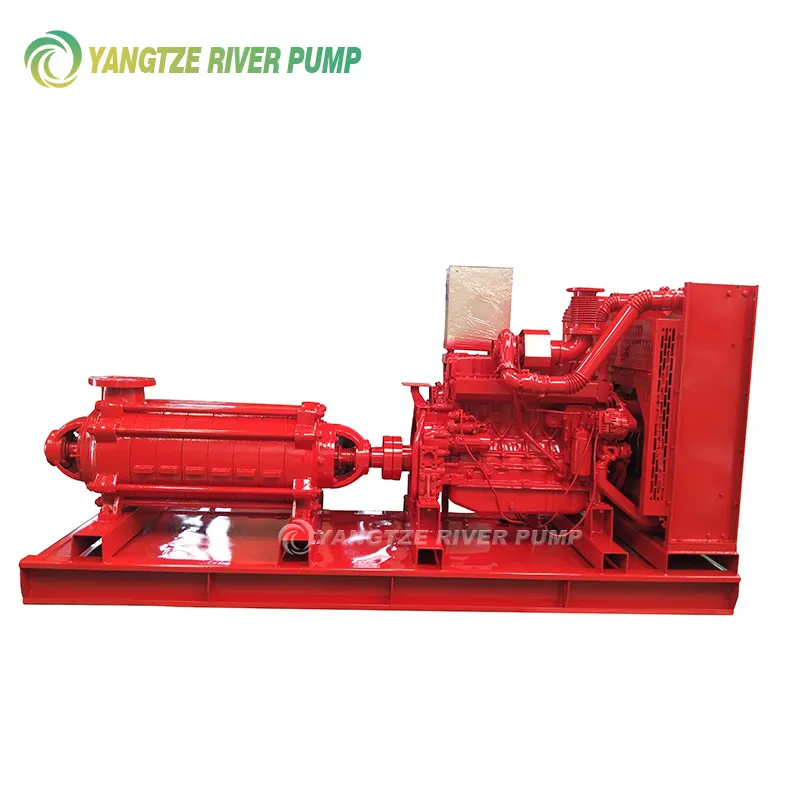 XBC Diesel Intelligent Fire Pumps
-
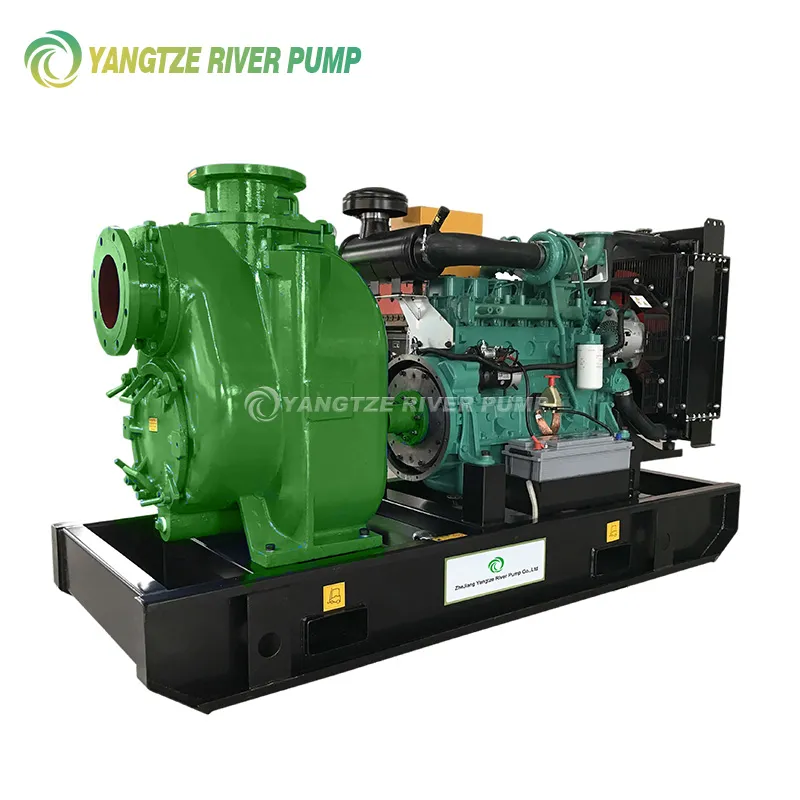 YZSP Diesel Self-Priming Pumps
-
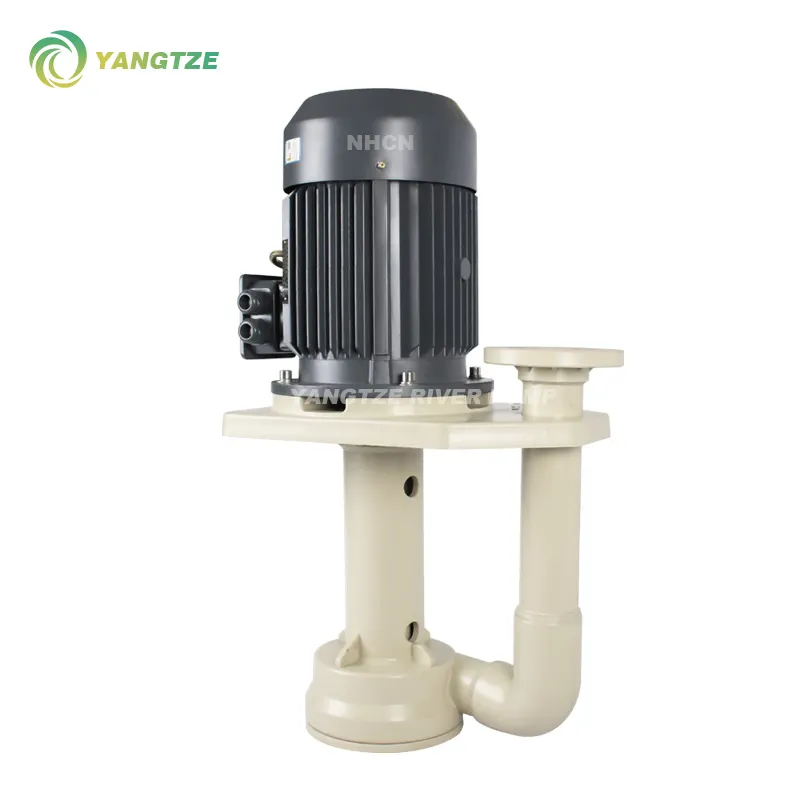 Vertical pumps for installation inside/outside tanks YZCN and YZCW
-
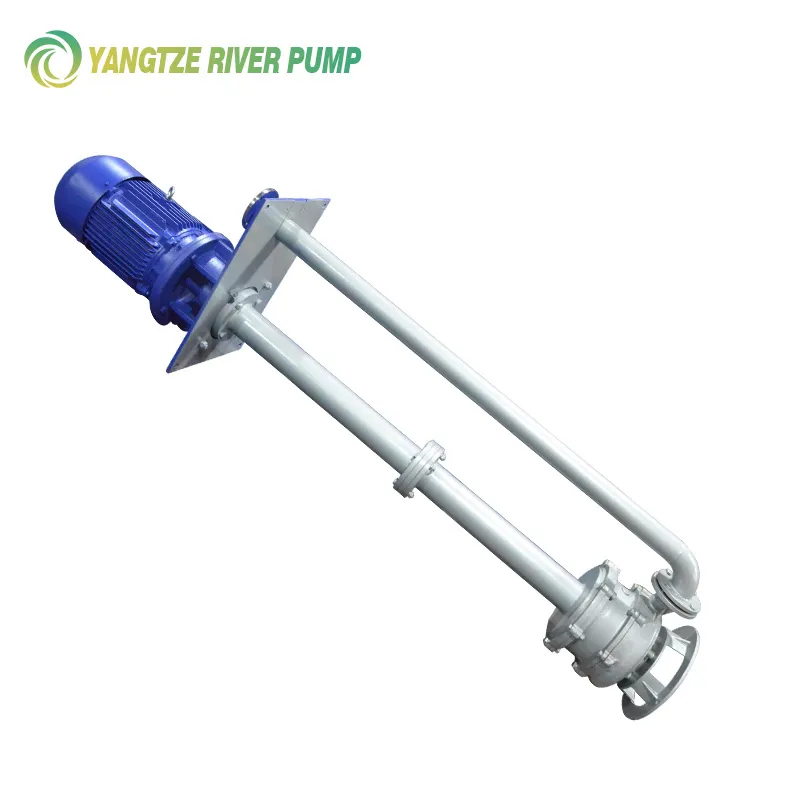 YW Vertical Submersible Sewage Pumps
-
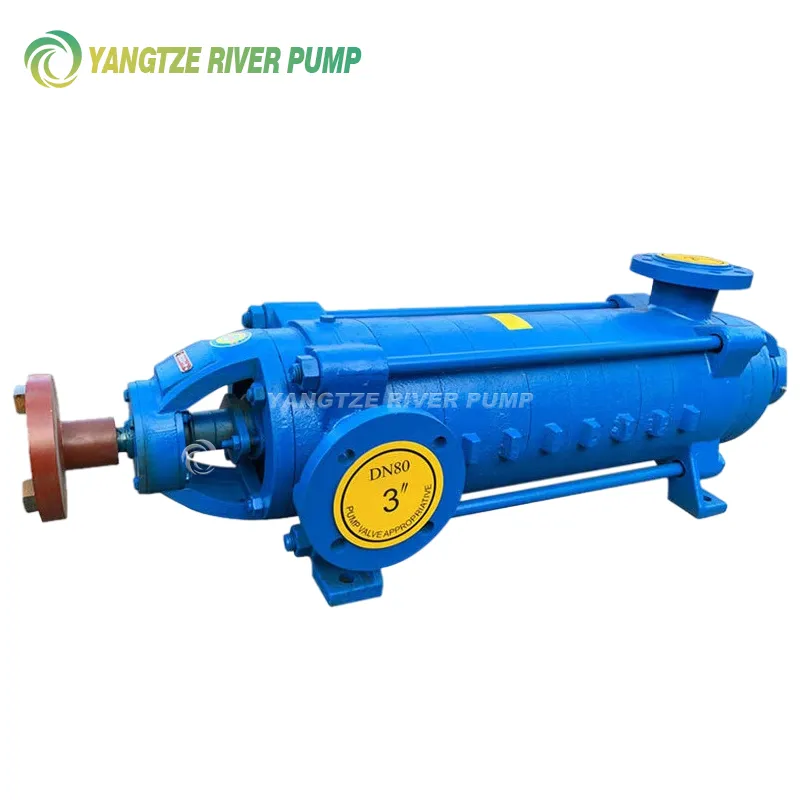 Horizontal multistage pumps for feeding DC boilers
-
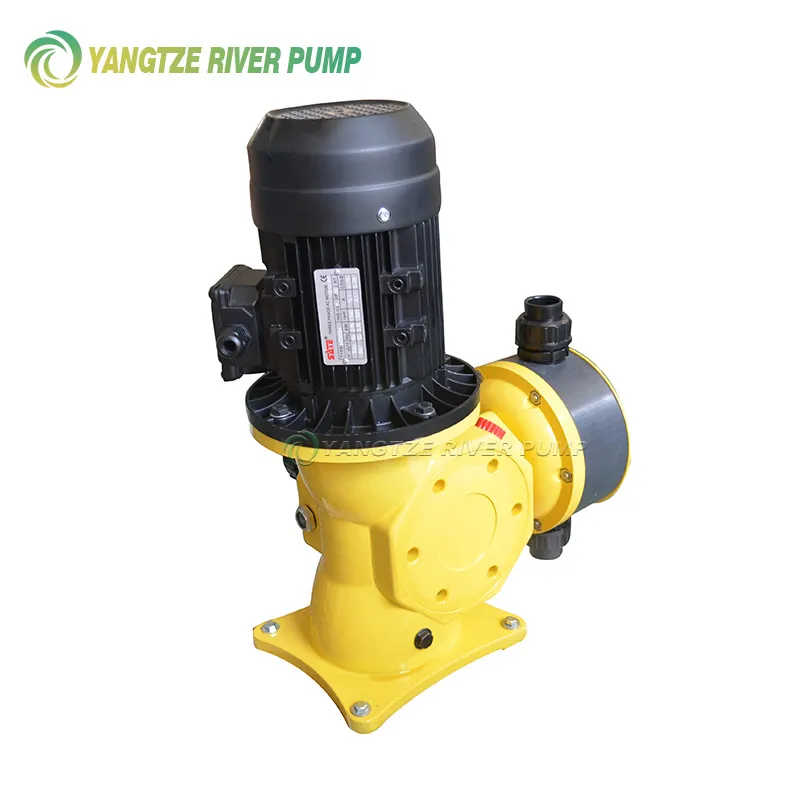 Mechanical diaphragm dosing pumps DJ-D
-
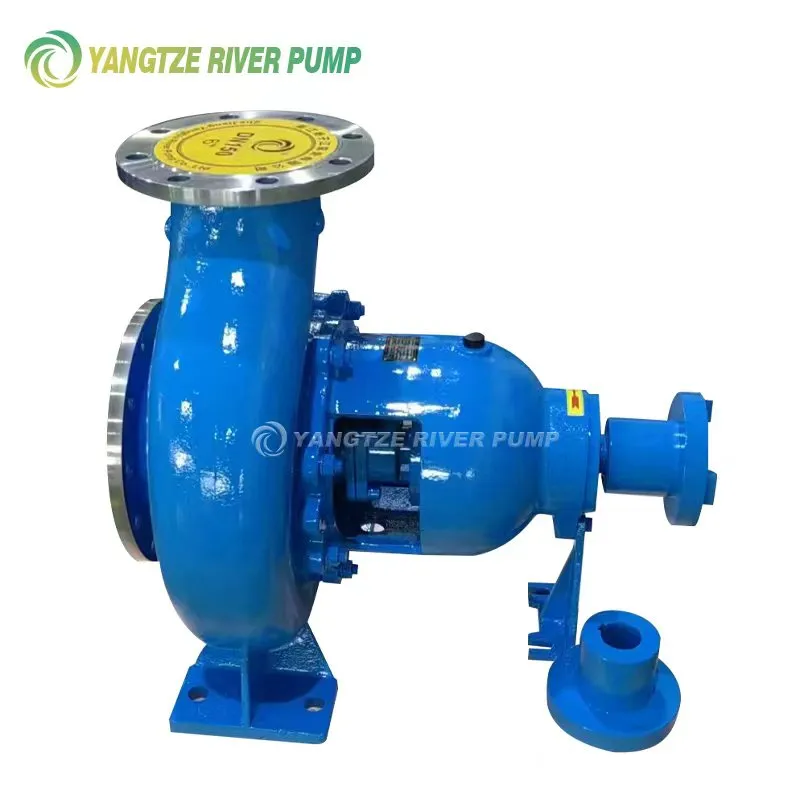 IH Stainless Steel Chemical Centrifugal Pumps
-
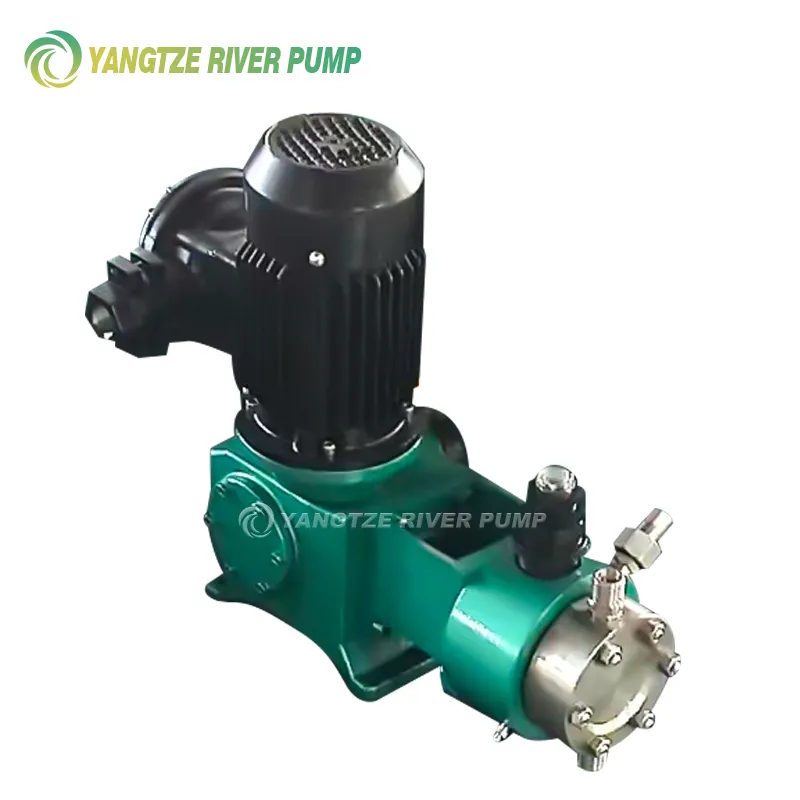 Plunger dosing pumps type DZ-X
-
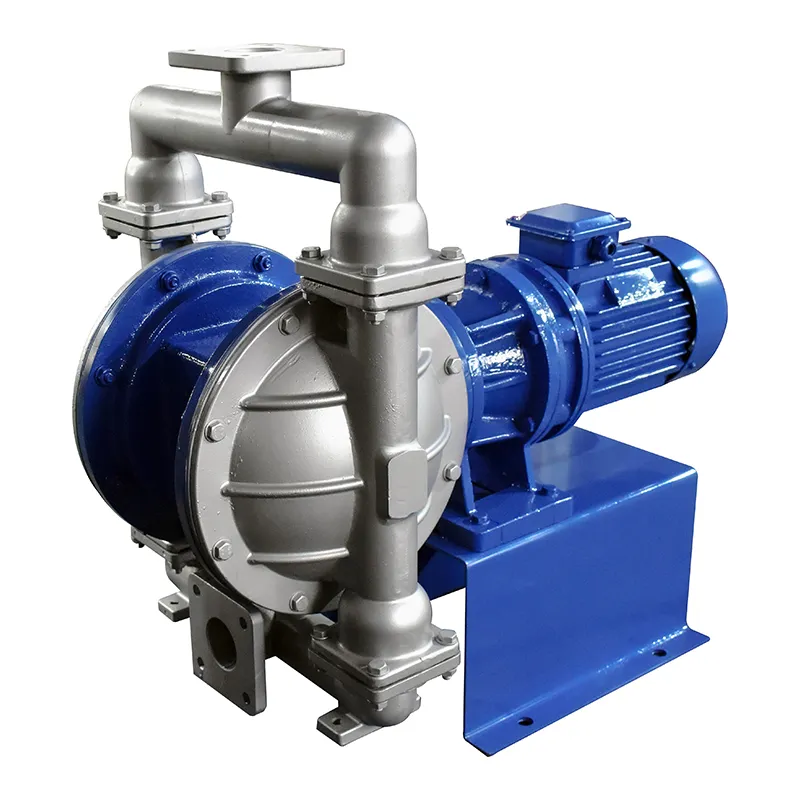 Metal electric diaphragm pumps DBY
-
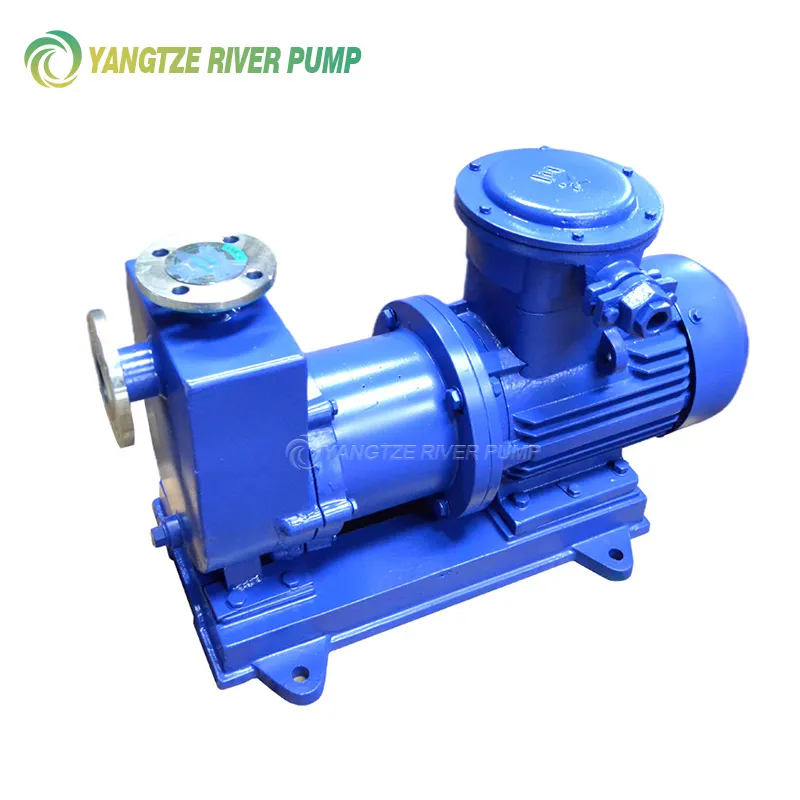 ZCQ Stainless Steel Self-Priming Magnetic Pumps