







centrifugal pump 32 m
When you see the request “centrifugal pump 32 m”, the first thing that comes to mind is that a person is looking for a unit with a head of 32 meters. But here’s the catch: in our practice, especially when it comes to selection for process lines or water supply, this figure is rarely the ultimate truth. Many, especially those who are just starting to work with pumping equipment, think that the main thing is to find a model where “H=32 m” is written in black and white in the catalog. And then they wonder why the system doesn’t work, or the pump works at the limit, with an overload. Pressure - it is not static, it depends on the flow rate, on the viscosity of the medium, on the length and configuration of the pipeline, on those same local resistances - valves, turns, filters. Therefore, ?32 meters? is more of a point on a curve than a magic wand. And if you approach the choice in such a simplistic way, you can easily make a mistake.
From numbers to real problems: how we see it
Take, for example, a typical order for water to be supplied from a reservoir for distribution. The client says: “I need a pump with 32 meters of pressure, flow rate – 50 cubic meters per hour?”. It would seem that open the catalog and search. But a bunch of clarifying questions immediately arise. What is the water temperature? Does it contain abrasive particles? What type of pipes are they - steel, HDPE, and what is their diameter? How far is it from the source to the distribution point? Will the system operate continuously or in start-stop mode? These details change the picture dramatically. A pressure of 32 meters on water is one thing, but on the same solution with increased viscosity it’s another, the characteristic curve will “sag”. And here you need to look not at one model, but at a series, perhaps even consider a multi-stage option for a flatter characteristic.
In our production, inZhejiang Yangzijiang Pumping Industry Co.,Ltd, you just come across this all the time. The range of centrifugal pumps is extensive - from single-stage to multi-stage. And for the conditional ?32 meters? A powerful single-stage one may also be suitable if the flow rate is high and the system is short. Or maybe, on the contrary, a low-speed multi-stage one is better if you need stability and smooth pressure at variable flow rates. The decision is always made after calculations, sometimes even after consultation with our engineers from the R&D department. They often remind: “Look at the operating point, not at the rated maximum.” The rated maximum is good, but the pump must operate in the zone of optimal efficiency, otherwise energy is wasted and the service life is reduced.
There was a case, it seems, two years ago, for one of the chemical processing shops. Requested exactlycentrifugal pumpfor pumping an alkaline solution, parameters: Q=30 m3/h, H=32 m. According to the passport, one of our standard chemical models from the line of plastic pumps was ideal. But when they asked for details on the pipeline, it turned out that there was a very long pipeline with a bunch of shut-off valves and several rises. The estimated losses were under 40 meters. If the pump had been set strictly at 32, it simply would not have pushed through the system. As a result, we selected a model with a headroom reserve, with an engine at a different rotation speed. The client had doubts at first, saying that we were overpaying. But after launch and reaching the regime, they themselves admitted that the pressure was stable, without failures. Here it is, the price of unprofessional selection - simple or rework.
Production view: what is behind these meters
When you yourself visit the assembly site and see how these units are assembled, you understand that ?32 meters? – this is not just a characteristic, it is a complex consequence. The casting of the housing - its shape, channels, surface smoothness - everything affects the hydraulic losses inside the pump. Impeller – blade geometry, material (stainless steel, cast iron, polypropylene), balancing. The slightest imbalance or deviation in shape - and the efficiency drops, the pressure “does not reach”, vibration appears. By the way, at our site, after assembly, each pump is tested on a stand. They don’t just “check – it works?”, but take a real characteristic: pressure depending on flow. And these graphs then go into the passport. So when you see the number ?H=32 m? In the documentation for our equipment, you can be sure that this is not a theoretical calculation, but data measured on water under nominal conditions.
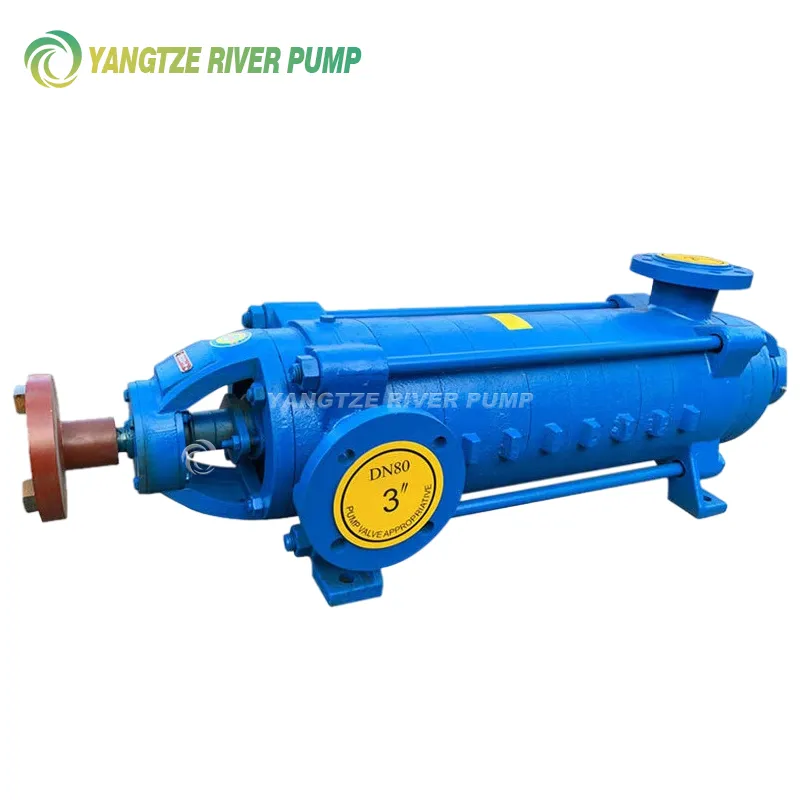
This is especially true for multi-stagecentrifugal pumps. The task there is precisely to obtain high pressure at a relatively low flow rate. Each stage adds pressure. But the assembly complexity is also higher - it is important to ensure the alignment of all shafts and the correct fit of the diffusers. I remember setting up one of the first lines for assembling multistage pumps. The problems were precisely with ensuring stable pressure at the outlet. It turned out that the issue was the tolerances at the ends of the body sections. Eliminated - and the parameters, including those same target 32 meters for certain models, reached a stable tolerance. This is about the fact that behind the numbers there is real engineering and production work.
The test bench is a different story. There you can see how the pump “breathes”. Now they are launching a model that is stated in the catalog to have a maximum pressure of 35 m. They begin to close the valve at the outlet, increasing the pressure. The pressure gauge needle creeps up: 20, 25, 30 meters... Reaches 32 - we look at the parameters: motor current, noise level, vibration. Is everything okay? Great. We are trying to push 35 - we are already at the limit, the engine is humming, the performance is disrupted. So it turns out that the optimal operating point for a long life of the unit often lies slightly to the left of this maximum. Therefore, in recommendations we often say: for a task of 32 meters, take a pump with a maximum pressure, say, 38-40. Margin of durability and comfort.
Typical mistakes and pitfalls
One of the most common mistakes you encounter in service is ignoring cavitation. People install a pump designed forhead 32 m, but they forget about the suction condition. If the pump is high above the liquid level, or there is resistance on the suction line (long pipe, filter), then the pressure at the entrance to the impeller drops. The liquid begins to boil with the formation of bubbles that collapse on the blades - this is cavitation. First there is a noise, as if gravel had been poured into the pipe, then there is erosion of the metal, and in a couple of months the wheel can turn into a sieve. And the pump will no longer deliver its legitimate 32 meters, it will lose pressure and eventually fail. The NPSH should always be considered. For our pumps, this data is in the catalogs on the websiteyangtzeriverpump.ru, but for some reason many people don’t watch them.
Another story is working on a “closed valve”. It happens that the system has been installed, but the pipeline is not yet ready, or the consumer is temporarily disconnected. The pump is started and the outlet valve is closed. This is a difficult duty for a centrifugal pump. The motor runs, but there is no useful work; all the energy is spent on heating the liquid in the housing. Staying in this condition for a long time results in overheating, deformation, and leaking seals. The pump, of course, can create pressure above 32 meters in this mode, but this is an emergency situation. Therefore, in the instructions we always write: startup - only with an open line, or using a bypass line. It might seem like a small thing, but it causes a lot of equipment to break down.
And more about materials. ?32 meters of pressure? for water from a well and for an aggressive chemical environment - these are two big differences. In the first case, cast iron or stainless steel is suitable. Secondly, you need to look at the durability of the material. We have a range of plastic chemical pumps made from PP or PVDF. They calmly withstand such pressures, but it is important to understand that the mechanical properties of plastic and metal are different, there are nuances regarding installation and temperature expansion. Once there was a precedent when a client ordered a chemical pump for acid, received it, and mounted it rigidly on a metal foundation, without damping gaskets. During operation, due to vibration and differences in rigidity, a crack appeared in the connecting flange. Not critical, but leaking. We redid the mount - everything became normal. It's a small thing, but it has an impact.
Towards the assortment: what else might be useful?
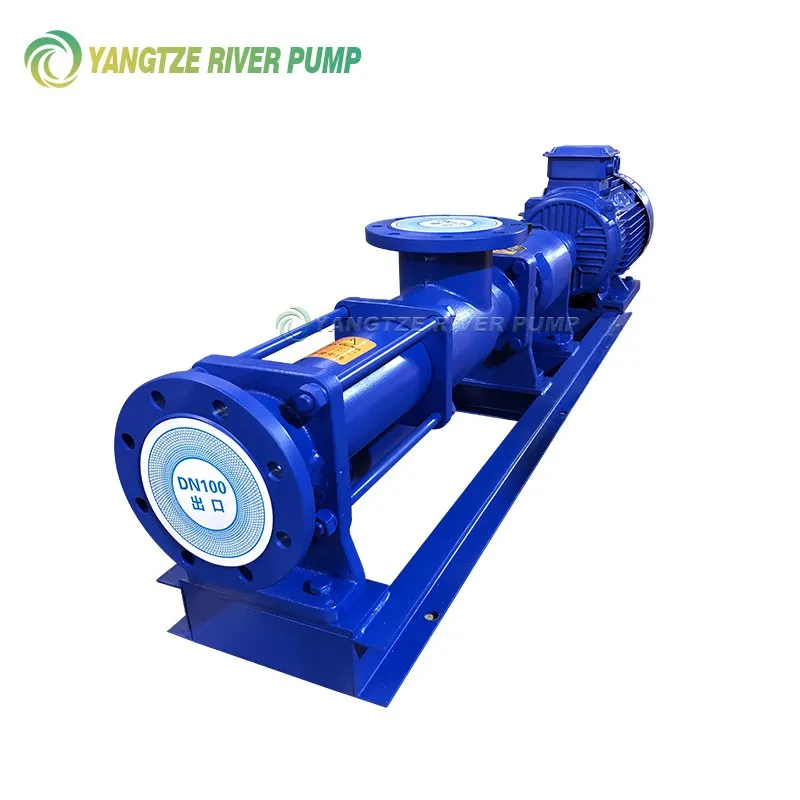
Speaking about tasks with a pressure of about 30-35 meters, we cannot fail to mention other types of pumps that we have in production. Sometimescentrifugal pump– not the only and not always the best option. For example, for low flow rates and high pressure, a multi-stage centrifugal is better suited. And if the medium is very viscous or contains solids, then it may be worth looking towards single-screw pumps. They, of course, have different operating principles, but they are also capable of creating significant pressure, albeit with a different characteristic profile.
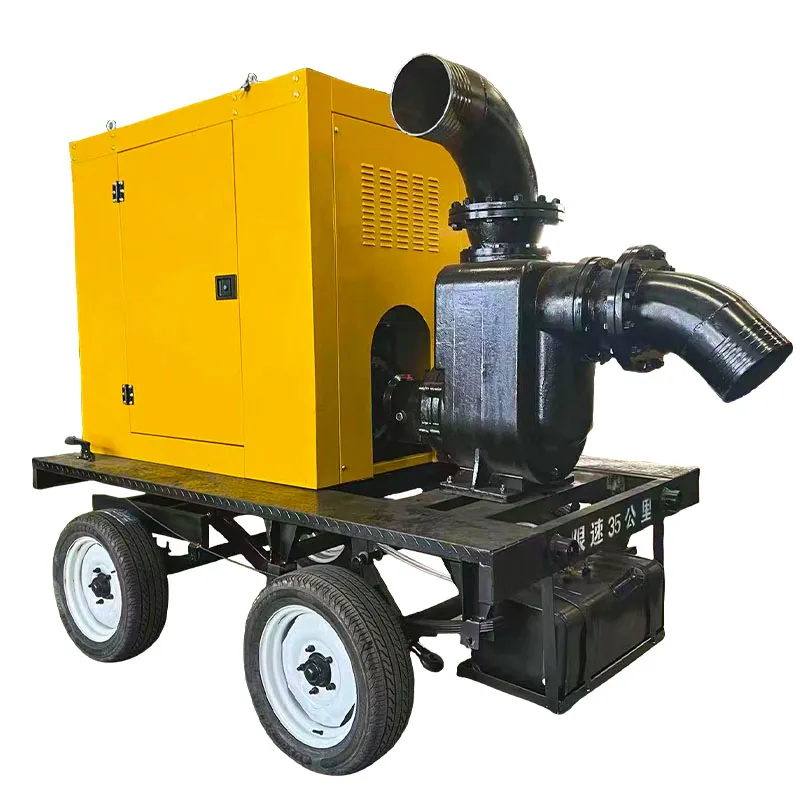
Or a situation with the need for self-suction. A classic centrifugal pump must be primed before starting. If this is inconvenient, you can consider a self-priming centrifugal model. We have these too. They create a vacuum on the suction line and can lift water from several meters and then deliver the same required pressure at the outlet. But you need to remember that their efficiency is usually slightly lower than that of conventional centrifugal ones, and they are more sensitive to the presence of air in the system.
Wells or wells often require submersible pumps. And among them there are models that develop a pressure of 30-40 meters or more. Their peculiarity is that they work under a flood, there are no problems with cavitation, but they have their own nuances regarding installation, power supply and maintenance. On our website, in the products section, you can see this entire range. Often the correct solution is born not from the search for one specific number, but from an analysis of the entire problem as a whole. The sales engineers who work for us help to carry out such an analysis.
Instead of a conclusion: practical advice
So if we go back to the original query “centrifugal pump 32 m?”. My advice, based on a bunch of projects I’ve seen: don’t get hung up on this number as if it’s magic. Collect all the data on your system: pipeline diagram with lengths and heights, a list of all fittings, properties of the pumped liquid (temperature, density, viscosity, aggressiveness), desired operating mode. With this data you can already go to specialists.
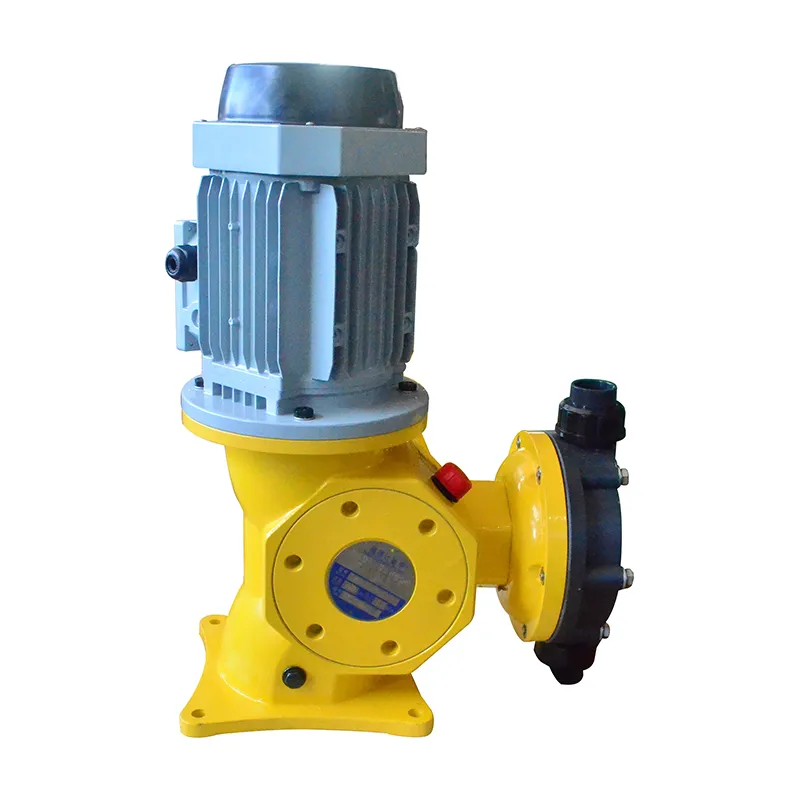
We are inZhejiang Yangzijiang Pumping Industry Co.,Ltdalways ready to help with the selection. Our technologists and engineers know from experience how, from the typical characteristic ?H=32 m? get a real, working circuit. Sometimes it will be a single-stage horizontal pump, sometimes it will be a vertical multi-stage pump, and in some cases it may turn out that what is needed is not a centrifugal pump at all, but a membrane or magnetic pump for particularly critical areas with “zero” leakage. Everything is decided by the task.
The main thing is to remember that the pump is not a separate unit, but part of the hydraulic system. And its parameters, including the treasured 32 meters, make sense only in the context of this system. A correctly selected and installed unit will work for years without problems. A wrong choice will constantly remind you of itself with increased electricity bills, repairs and downtime. The choice is yours, but it is better to approach it with a full understanding of the matter.
Correspondingproducts
Related Products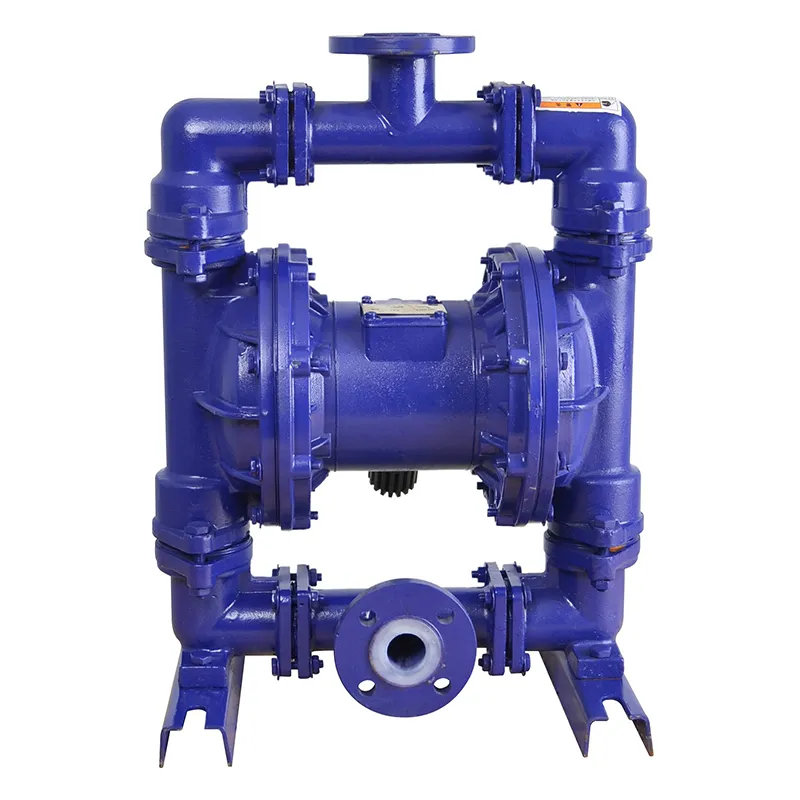
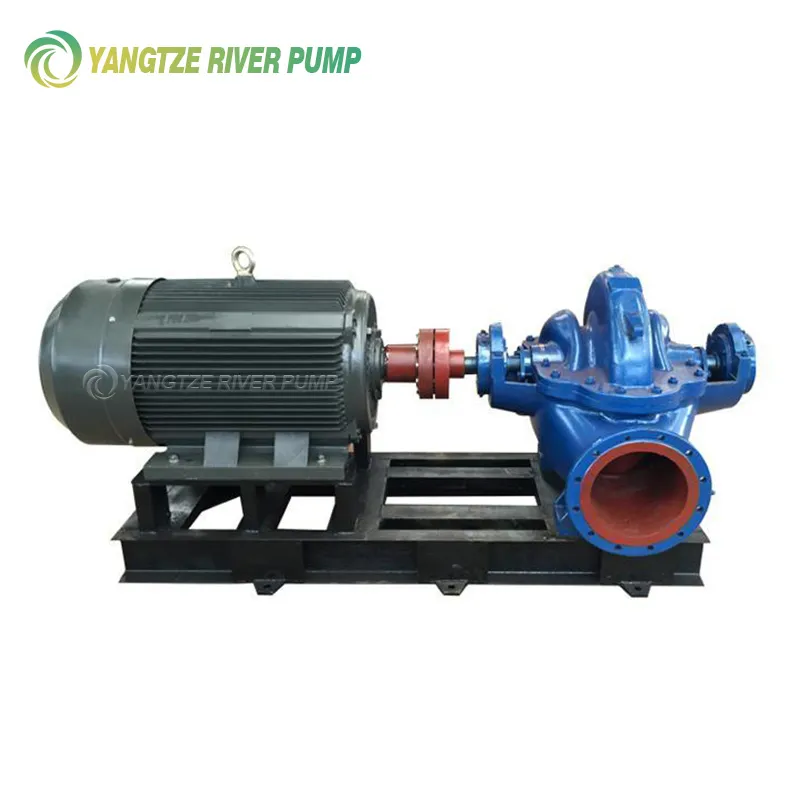
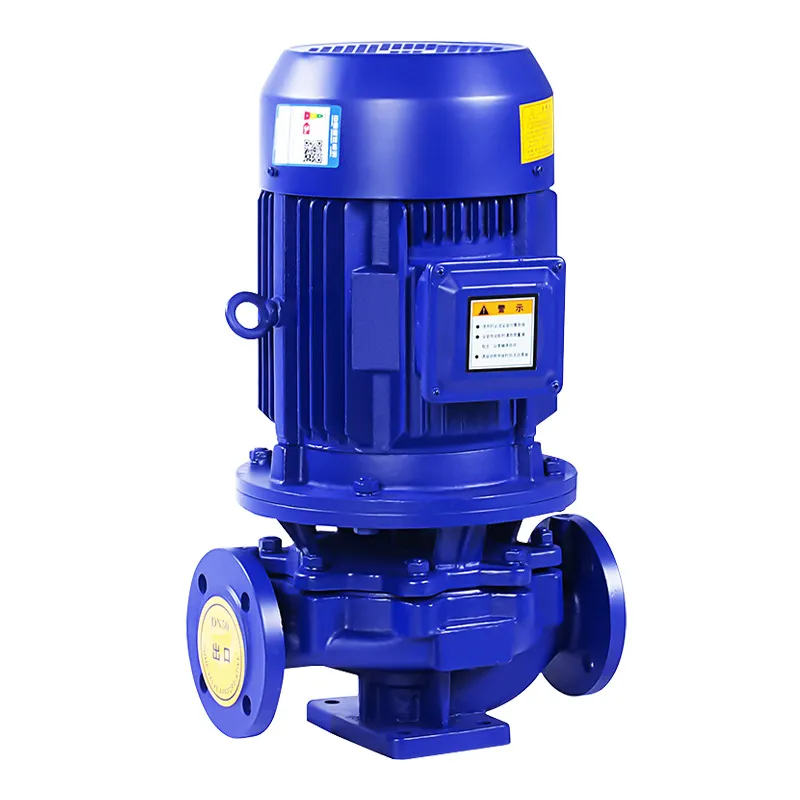
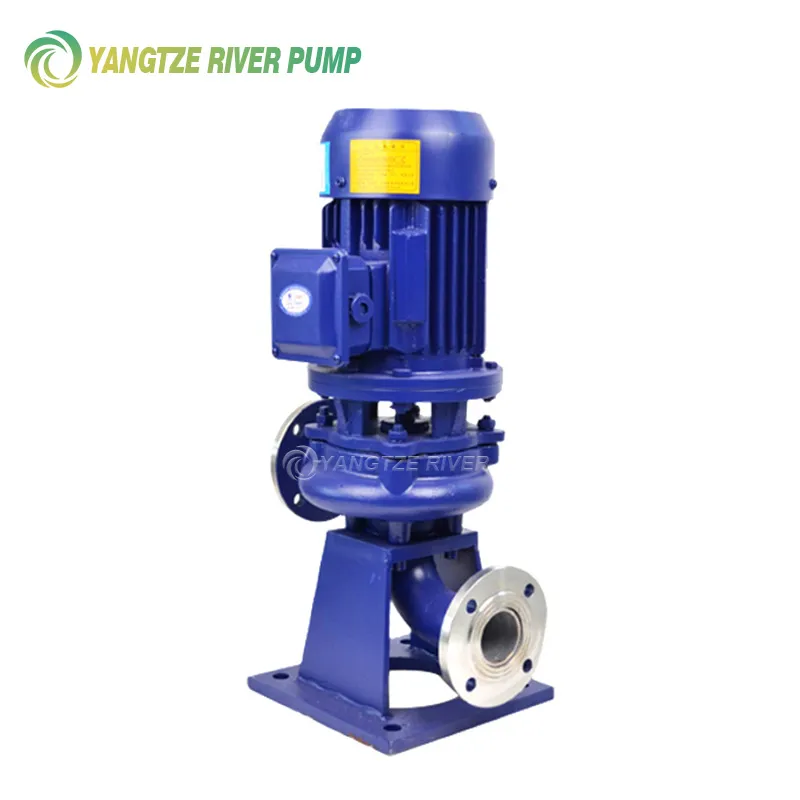

Best Sellingproducts
Best Selling Products-
 Single screw pumps type G
-
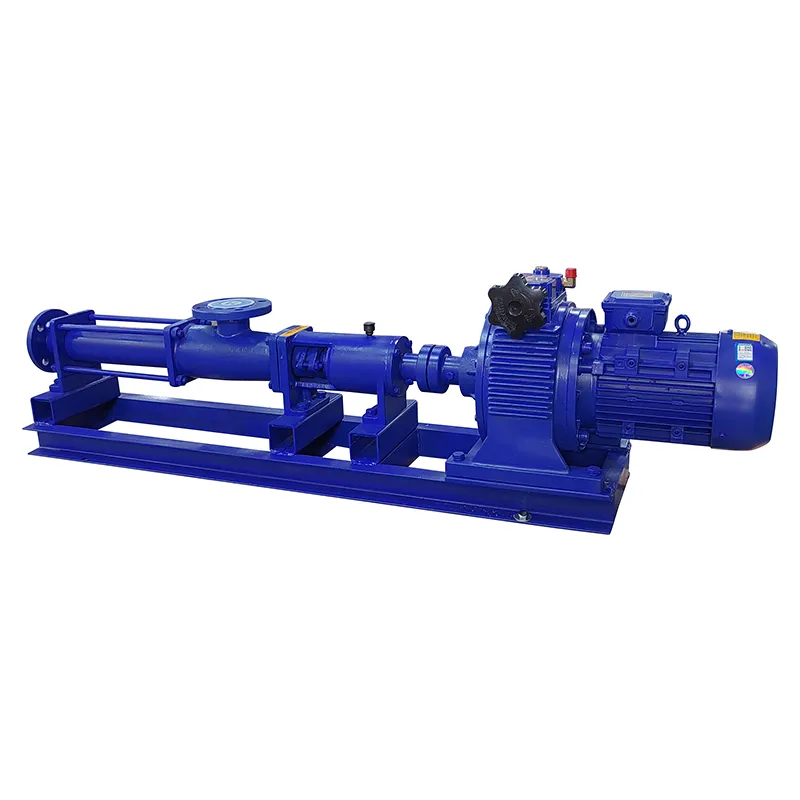 Infinitely variable screw pumps type G
-
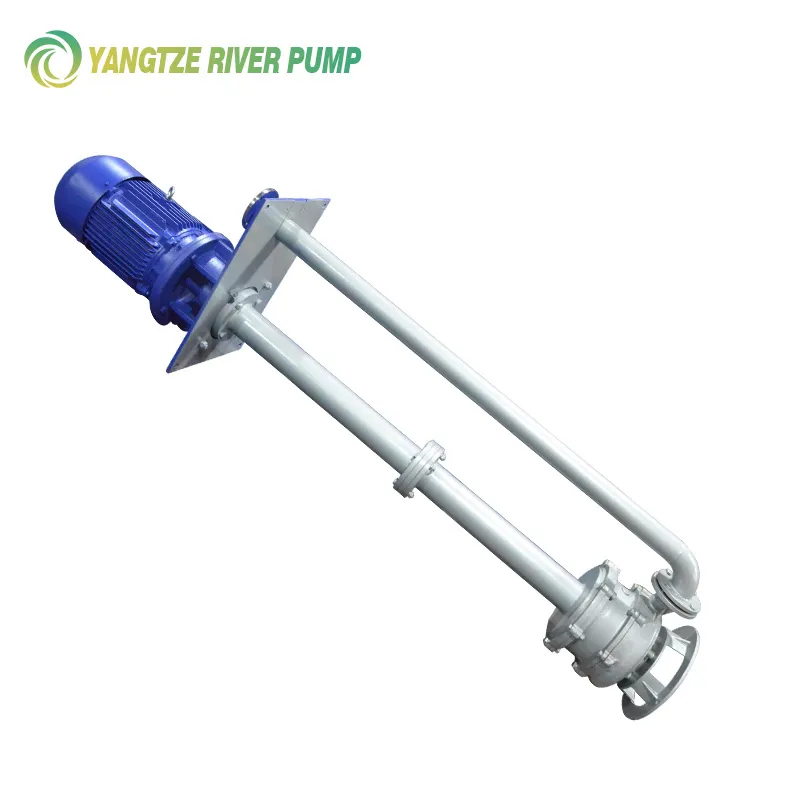 YW Vertical Submersible Sewage Pumps
-
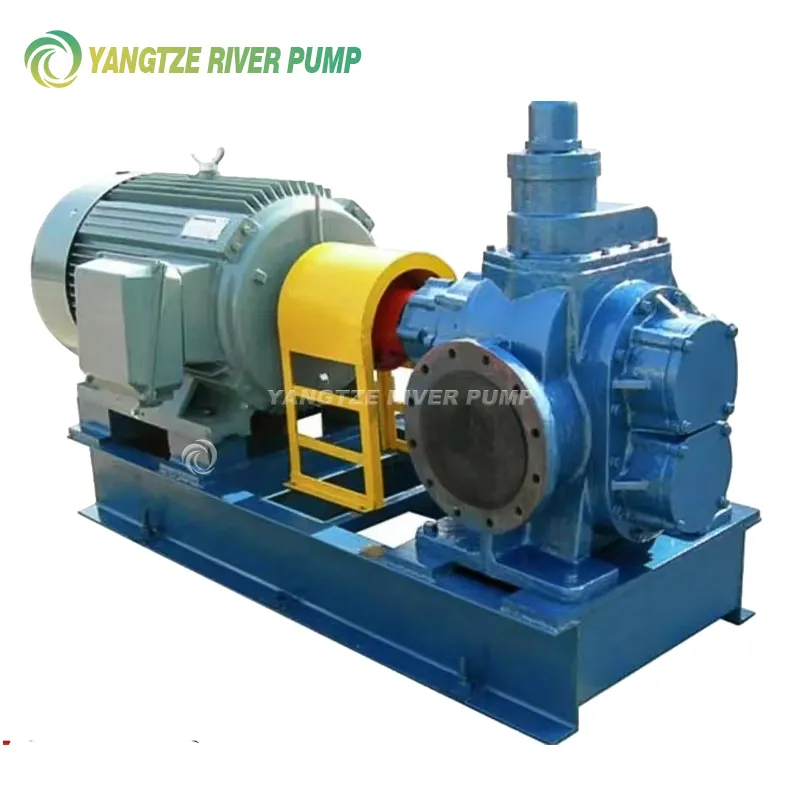 YCB Type Circular Gear Pumps
-
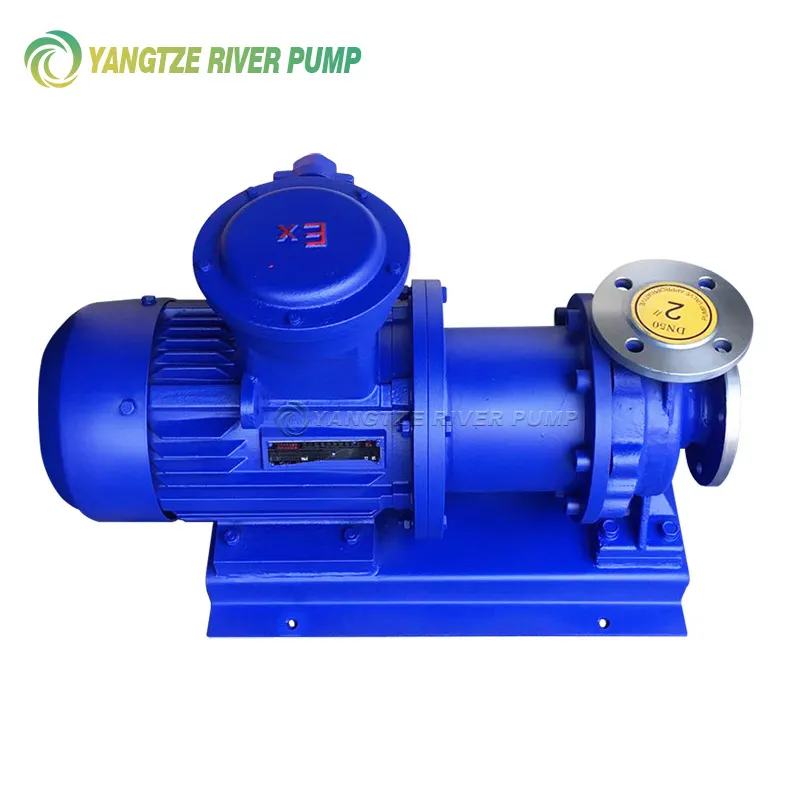 CQB Stainless Steel Magnetic Pumps
-
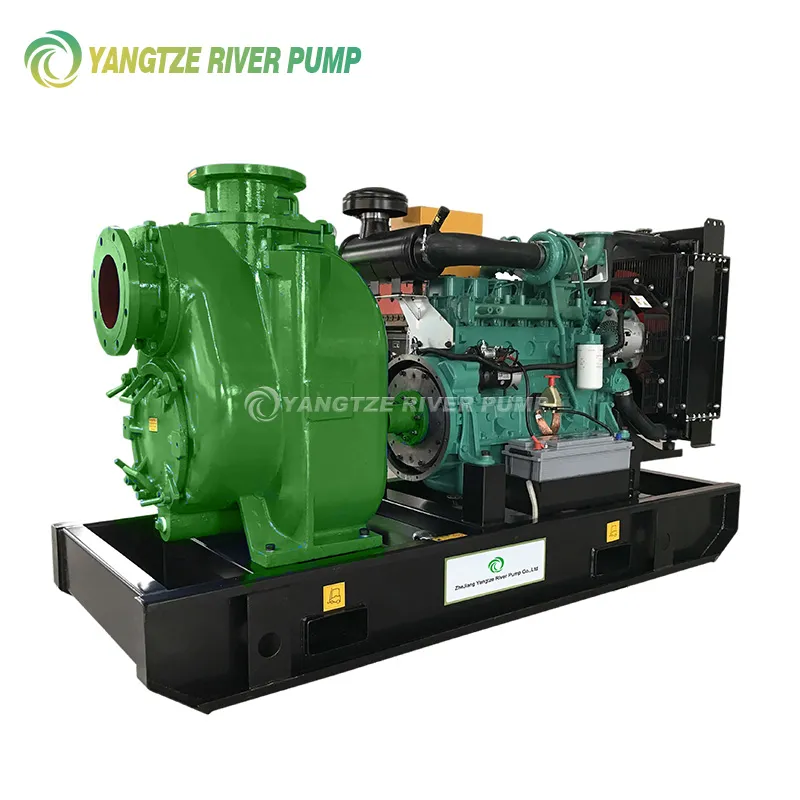 YZSP Diesel Self-Priming Pumps
-
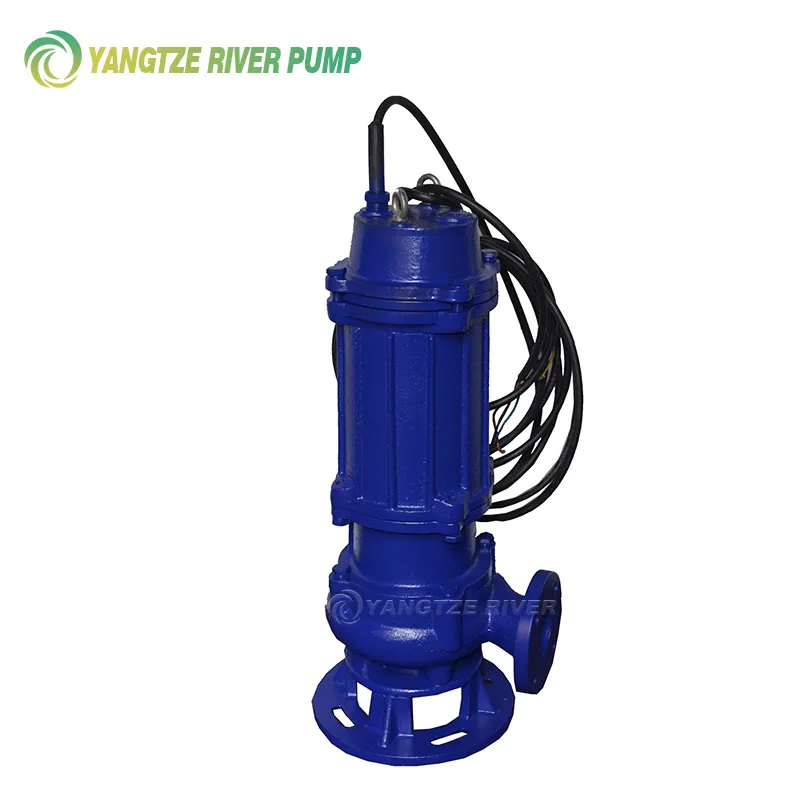 QW Non-clogging Submersible Sewage Pumps
-
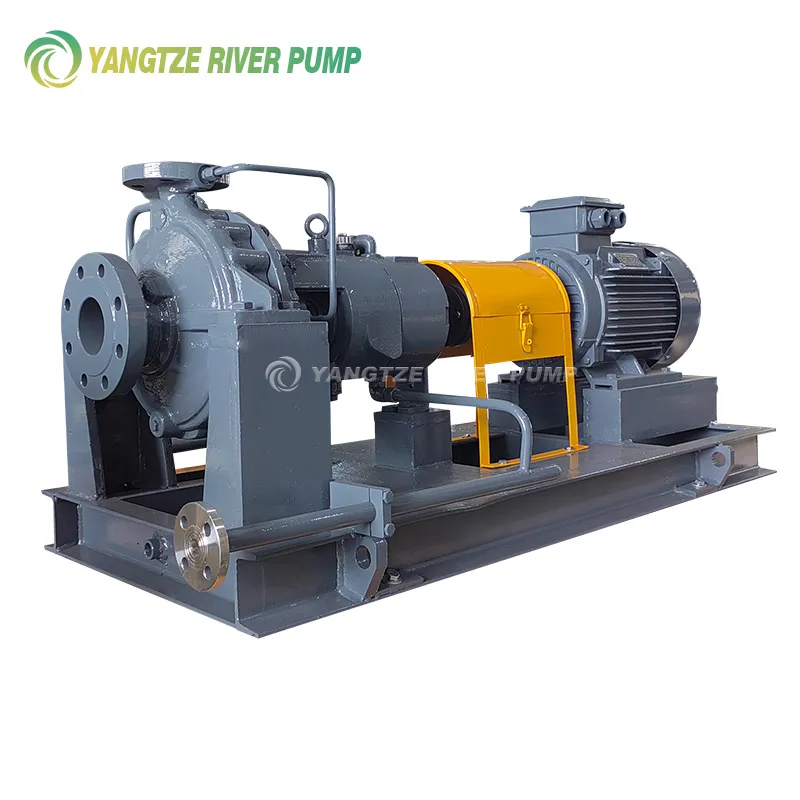 Petrochemical Process Pumps API 610 YZE
-
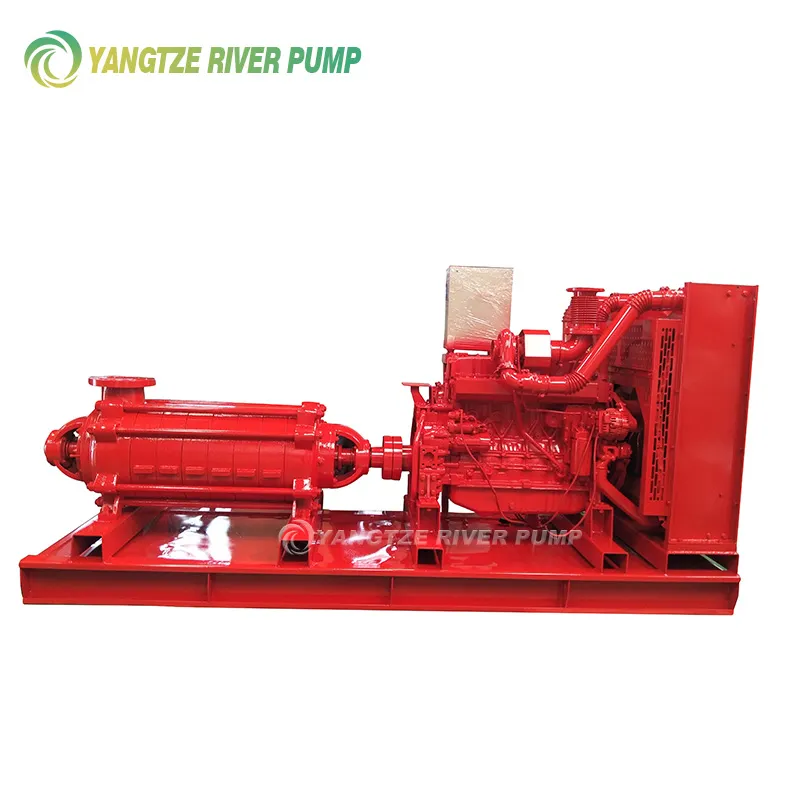 YZD Series Diesel Multistage Centrifugal Pumps
-
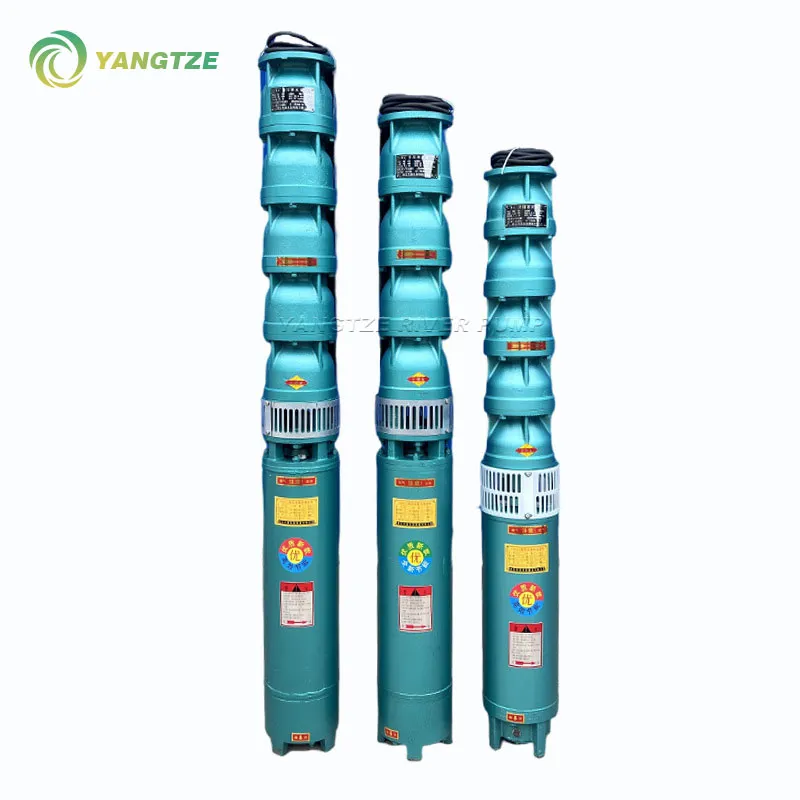 QJ type borehole pumps
-
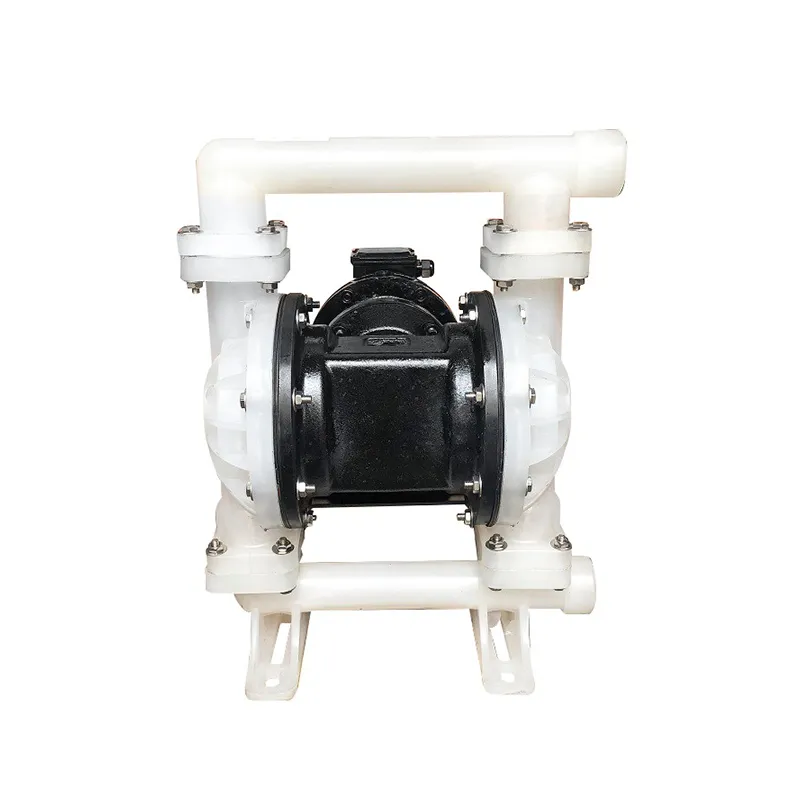 DBY Non-Metallic Electric Diaphragm Pumps
-
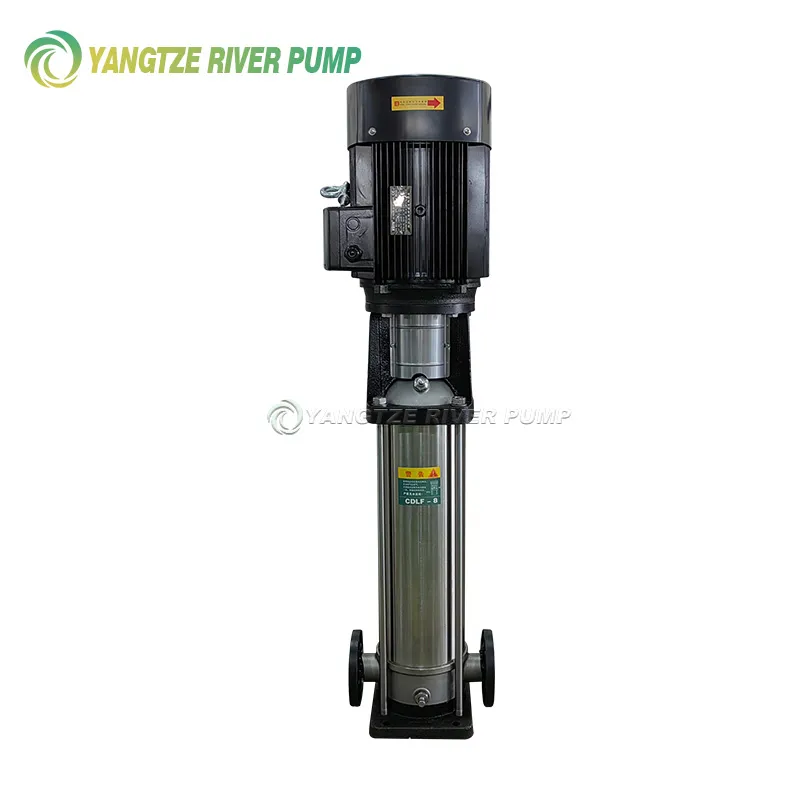 Vertical multistage centrifugal pumps made of stainless steel (light series) CDL and CDLF