







submersible deep well pump
When they say “submersible deep well pump?”, many immediately imagine just a powerful unit that was lowered and the water began to flow. This is the most common and dangerous simplification. Deep is not just a characteristic, it is a whole set of conditions, restrictions and, most importantly, an understanding of what is happening down there. I often come across the fact that people choose a pump based on the maximum pressure from the data sheet, without taking into account the well flow rate, dynamic level or, say, sand content. And then they wonder whyborehole submersible pumpfailed after six months or pumps intermittently. The point here is not the quality of the pump initially, but its inconsistency with real operating conditions.
What does "deep" really mean? in the context of a well
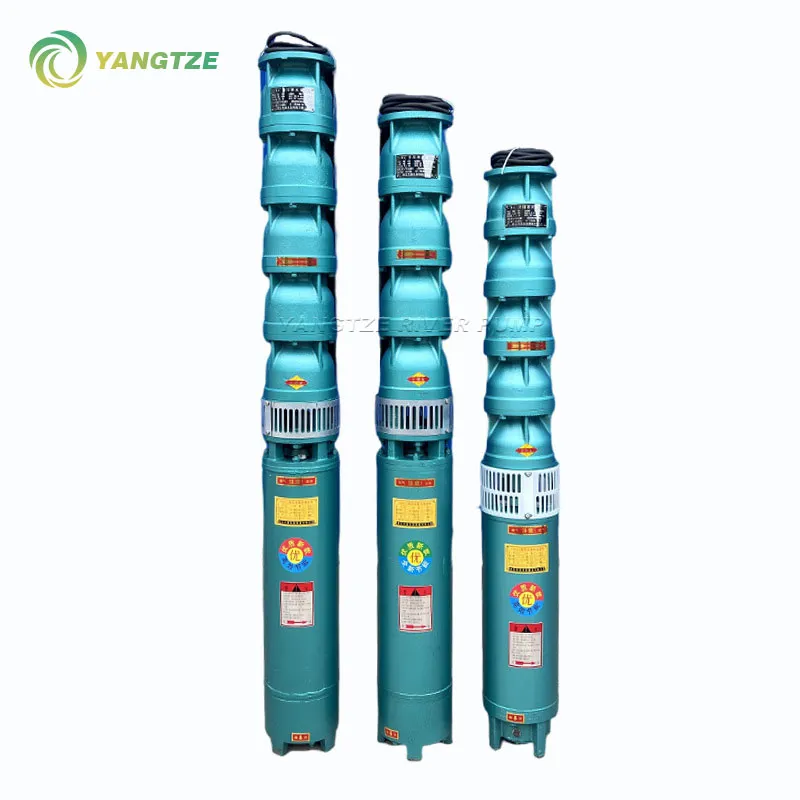
Here you need to separate two things: the installation depth and the structure that provides this depth. Regularsubmersible pumpcan work at 20-30 meters, but “deep?” I can't even name it. Deep is, as a rule, a multi-stage design. Each step is additional pressure. The more steps, the greater the depth it can raise water, but the more sensitive it is to running dry. or to an abrasive.
This is what I always look at first: the graph of the pressure-flow characteristics. It is important to find the operating point - the intersection of the pump characteristics and the well characteristics (the same curve that depends on the flow rate). If the pump is “heavy”, with a very high head for a given well, it will work on the left side of the graph, with low flow, risking overheating. If ?weak? - will not reach the required pressure. It is ideal when the point falls in the middle of the optimal efficiency zone of the unit.
By the way, about multi-stage models. In our production, inZhejiang Yangzijiang Pumping Industry Co.,Ltd, the line for the production of multistage centrifugal pumps is precisely tailored for such tasks. But even with eight full lines from R&D to service, I always emphasize to clients: do not buy a multi-stage deep-well pump simply because you have an 80-meter well. It is necessary to calculate the total pressure: depth + horizontal section + losses in the pipeline + required pressure in the system. It often turns out that fewer steps are enough.
Practical pitfalls and how to avoid them
One of the most common problems you encounter in practice is sand. Even in a seemingly cased and pumped well, fine suspension may appear over time. Fordeep well pumpit's deadly. The abrasive eats up impellers and diffusers in a matter of months. What are we doing? Firstly, we always recommend installing a good mechanical fine filter after the hydraulic accumulator. But this is protection of the system, not the pump. To protect the unit itself, correct installation is critical: it should not stand at the very bottom, but be raised 1.5-2 meters from the bottom, where sand accumulates.
The second trap is the automatic start-up protection. They often save on a good control unit with protection against dry running and overloads. And then the pump, left without water when its level drops, burns out. In our company everythingsubmersible pumps, which go to deep wells, we recommend equipping them with frequency converters or at least a relay with a flow sensor. This is not marketing, this is a necessity. I myself saw how a pump that had been working for 7 years died in one season due to power surges and frequent starts due to improper setting of the pressure switch.
And one more thing about installation. It would seem that it was complicated: I lowered it on a cable, connected the cable and the pressure pipe. But how often the quality of the suspension is neglected! Not a galvanized cable, but just a nylon rope, which frays after a year or two. Or they don’t install an additional safety rope. The consequences are predictable - the pump remains at the bottom of the well. An expensive lifting operation, or even complete loss of the well.
Case study: when theory met reality
I had an incident that I remember well. Customer, private house, well 65 meters, dynamic level at 28 meters. According to the passport, the flow rate is good. We chose, as it seemed then, an ideal model - a reliable multistage pump fromYangtzeriverpump.ru. Installed and configured everything. Three months later - a complaint: the pressure jumps, the pump sometimes turns off due to protection.
We arrived and started to figure it out. It turned out that the well passport did not take into account seasonal fluctuations. In the summer, at the peak of water intake by neighbors and irrigation, the dynamic level dropped to 40 meters! The pump, designed to operate at a level of 30 meters, began to work on the edge, switched on and off frequently, and overheated. Plus, it turned out that in the horizon where the water comes from, there are layers of fine sand, which were revealed during intensive use.
The solution was not to replace the pump with a more powerful one. We lowered it deeper, 50 meters, so that it would always be in the water column even when the level dropped. They installed a smoother control system and recommended a well pumping cycle to remove suspended sand. The system has been operating for four years without any complaints. This case once again confirmed: the data from the well passport is a starting point, and not the ultimate truth. You should always reserve and think about the worst-case scenario.
About choosing a manufacturer and the importance of a full cycle
There are many offers on the market now. But when we are talking about equipment that will work in such difficult conditions as a deep well, not only the final product is important, but the entire cycle. As a specialist, the position is close to meZhejiang Yangzijiang Pumping Industry Co.,Ltd, where the process includes R&D, production, testing, sales and service. Why is this critical?
Because a pump for a deep well is not a universal spare part. Sometimes modifications are needed: a different configuration of stages for a specific pressure, the use of materials that are resistant to certain chemicals in water (iron, hydrogen sulfide). If a manufacturer has its own design bureau and test bench, it can quickly test the solution on a model, rather than by trial and error at the client’s site. On our stand, for example, you can simulate different levels and sand loads.
Tests are a separate issue. Everyoneborehole deep pumpmust be run-in under load before leaving the factory. It's not just "checking to see if it's spinning". This is control of parameters: current strength, vibration, body temperature, actual pressure and flow. This is the only way to eliminate factory defects. The client does not have to be a tester.
Well, the service. Even the best quality pump may require maintenance or repair. If the manufacturer is far away and there is no representation, you are left alone with the problem. The presence of a service network, even if these are partner centers, and the availability of spare parts is not a whim, but a necessity for responsible water supply. When you know that you can get advice from an engineer who understands the design, or quickly replace a failed stage, you can sleep easier.
Instead of a conclusion: a few short but important thoughts
Never skimp on cable. This is not just a wire, but an essential element. The cable must be designed specifically for submersible pumps, waterproofed and pressure resistant. A bad cable is the first cause of insulation breakdown and motor failure.
Monitor the network voltage. For deep pumps, especially those with powerful motors, voltage drop is a killer. It will not develop the required torque and will overheat. If there are problems in the network, install a stabilizer. It's cheaper than a new pump.
And most importantly.Deep well pump- This is the heart of the water supply system. Its selection and installation is not an area where you should rely on the advice of “experienced” people. neighbors or look for the cheapest option. This includes calculation, understanding of the hydrogeology of your well and proper installation. Get it right once and it will provide you with water for decades, just quietly working down there, doing its thing.
Correspondingproducts
Related Products
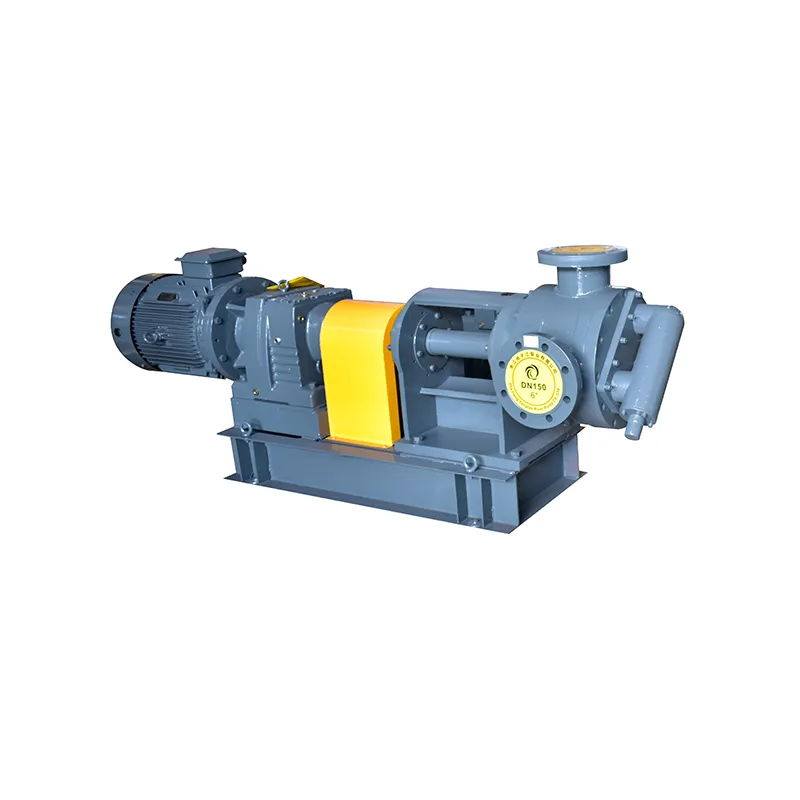

Best Sellingproducts
Best Selling Products-
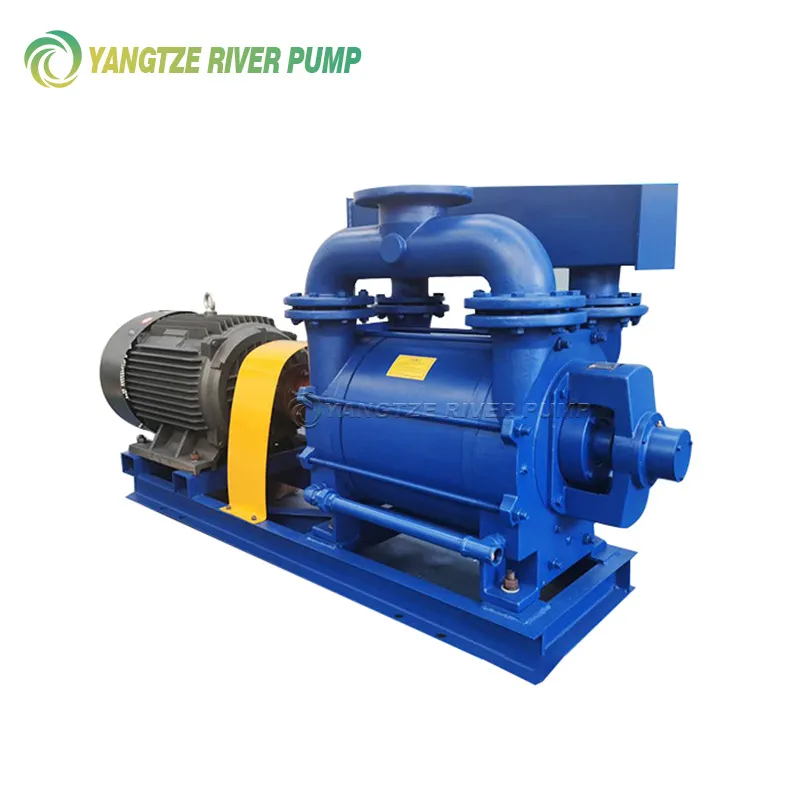 Liquid ring vacuum pumps type 2EB
-
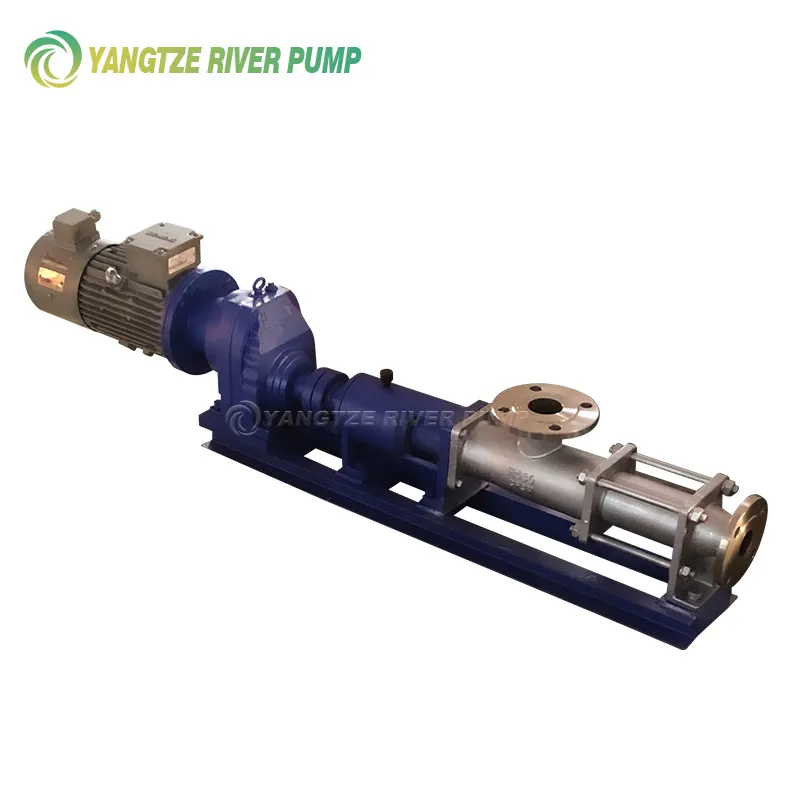 Geared screw pumps type G
-
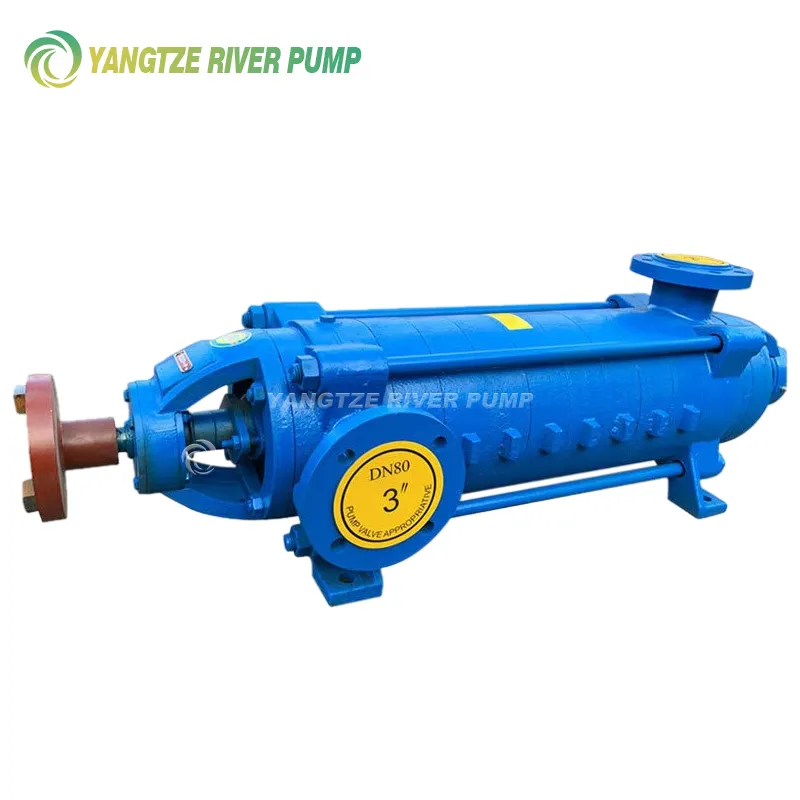 Horizontal multistage pumps for feeding DG boilers
-
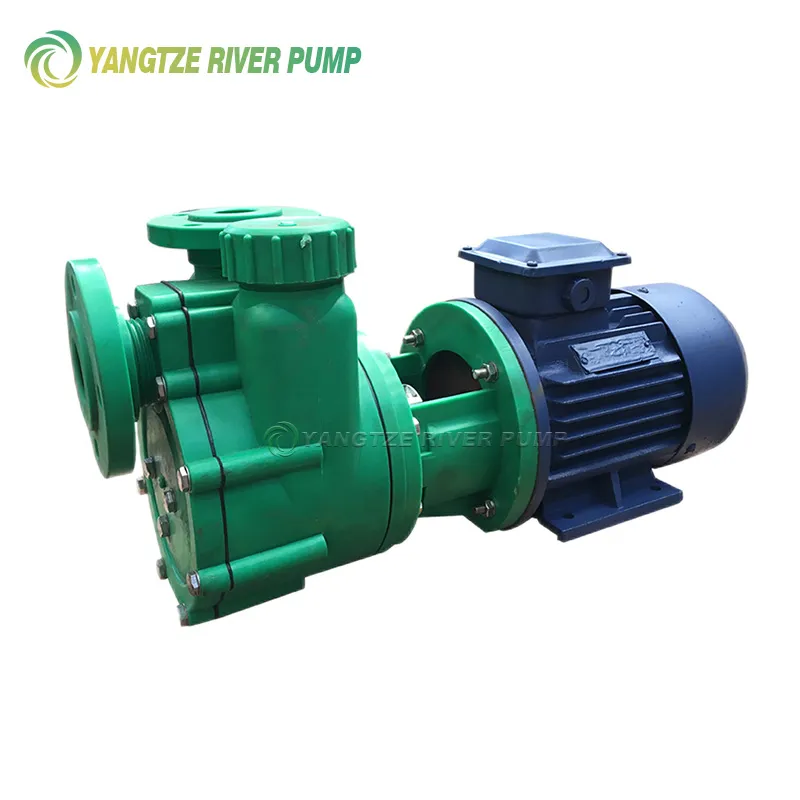 Plastic self-priming centrifugal pumps FP and FS
-
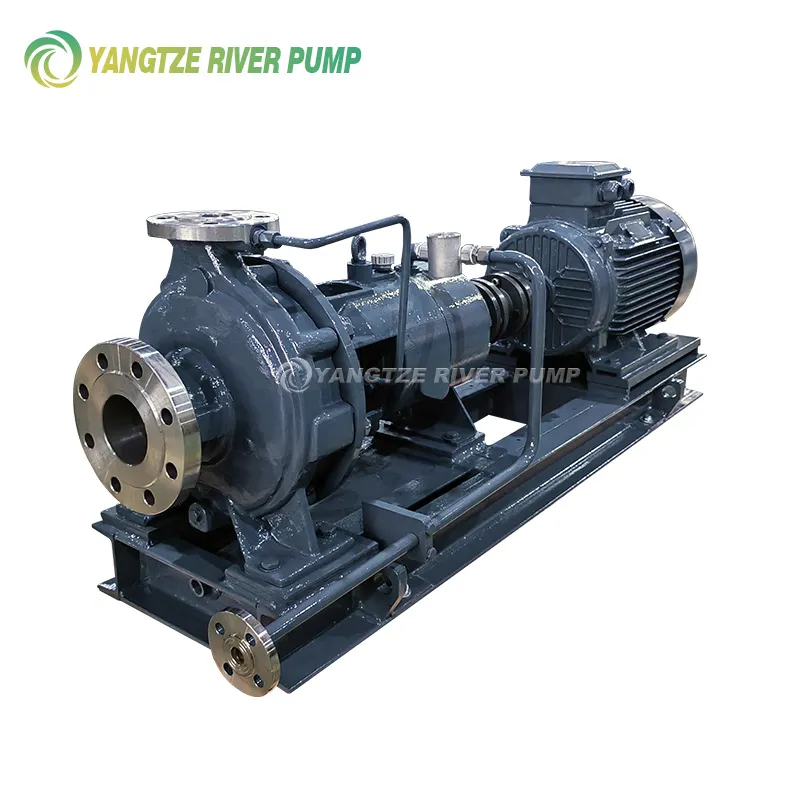 Petrochemical Process Pumps API 610 YZA
-
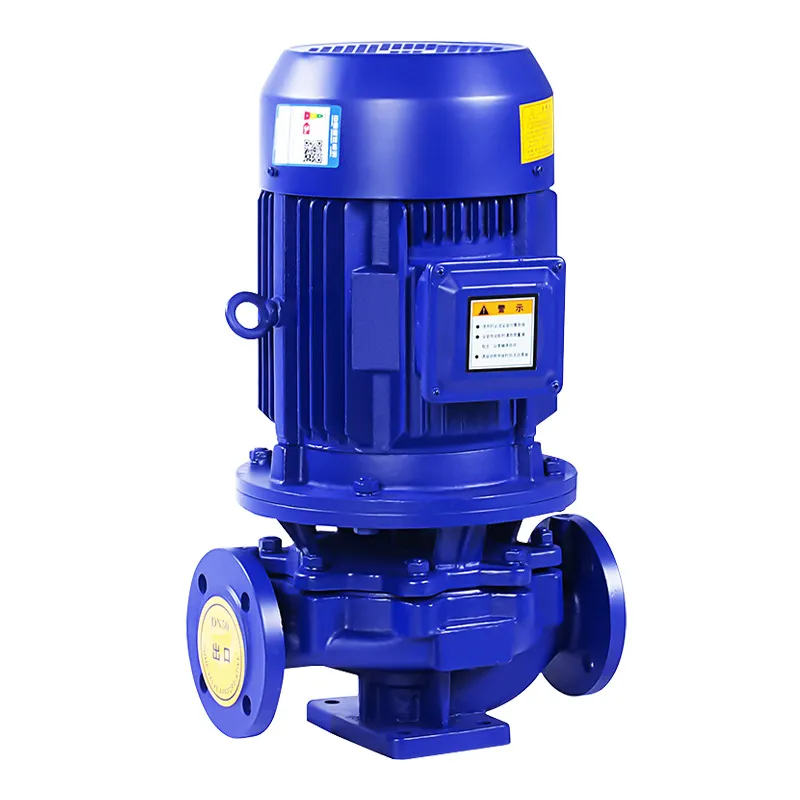 Vertical single-stage pipeline centrifugal pumps ISG and IHG
-
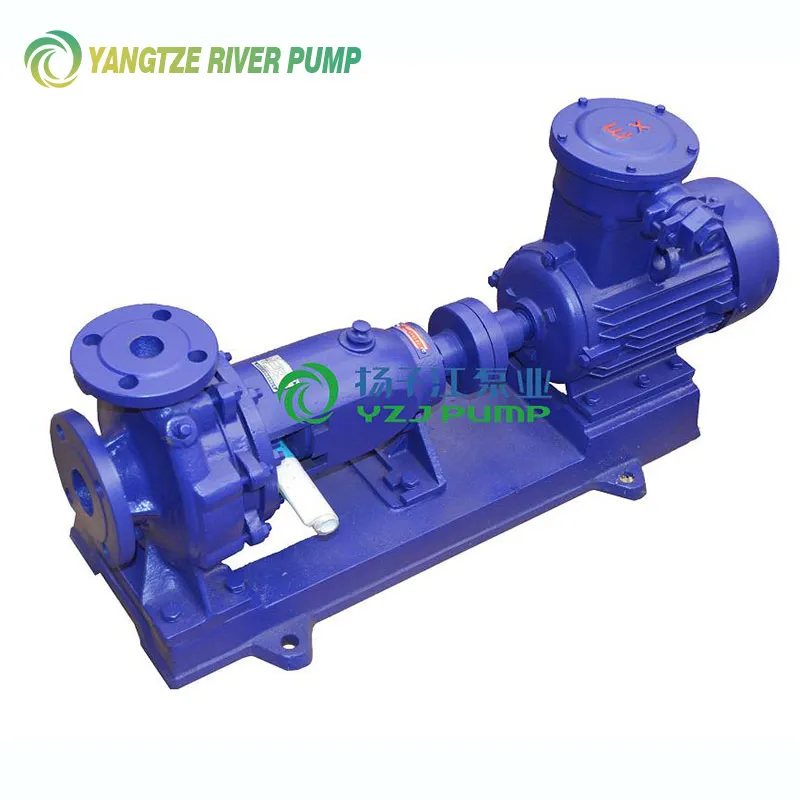 Horizontal chemical centrifugal pumps types IS and IR
-
 Diesel pumps with horizontal connector YZS and YZSH
-
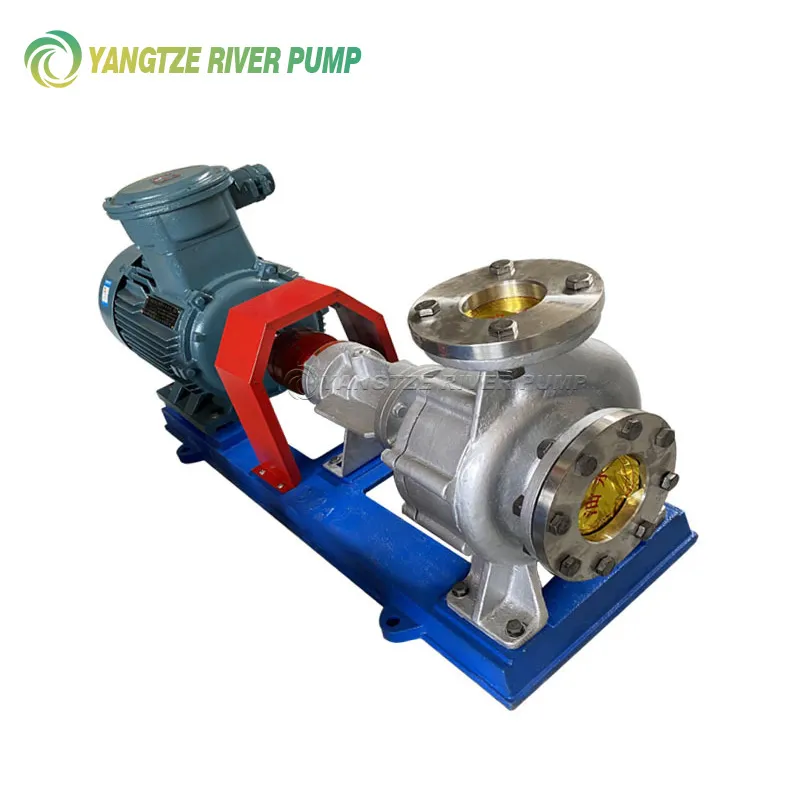 RY thermal oil pumps
-
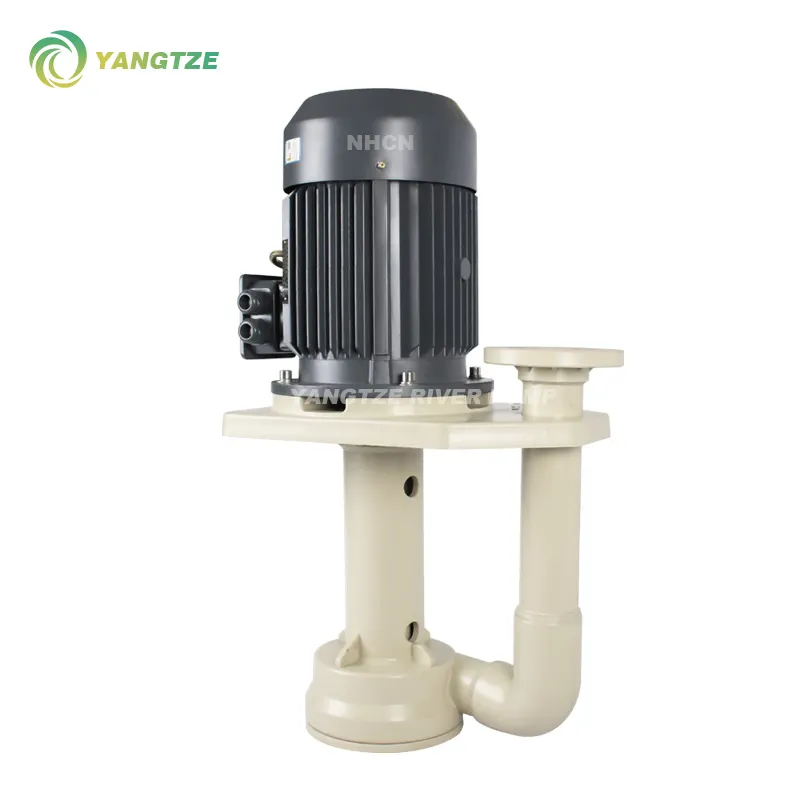 Vertical pumps for installation inside/outside tanks YZCN and YZCW
-
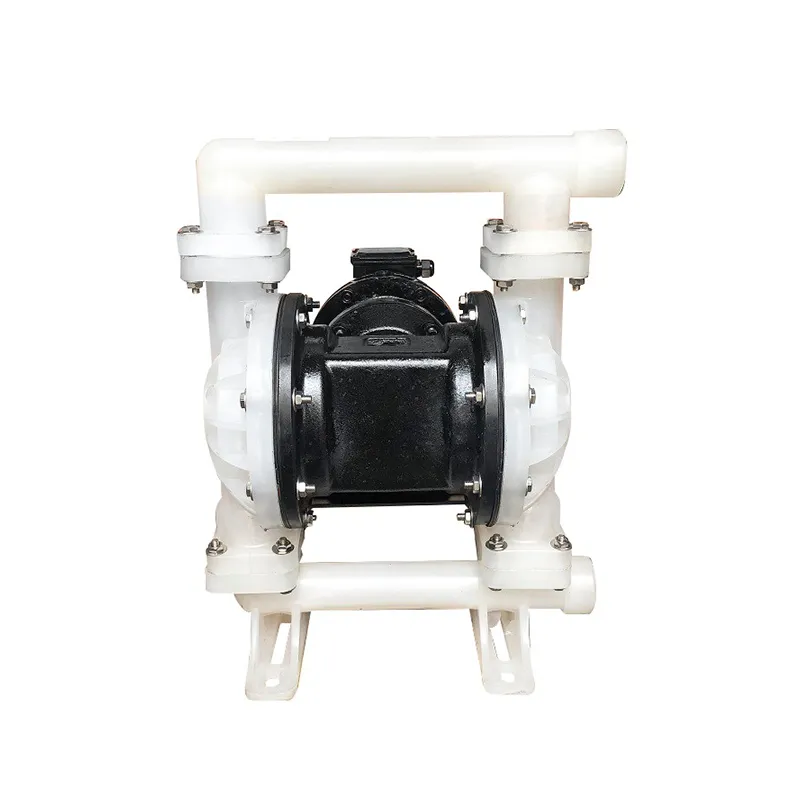 DBY Non-Metallic Electric Diaphragm Pumps
-
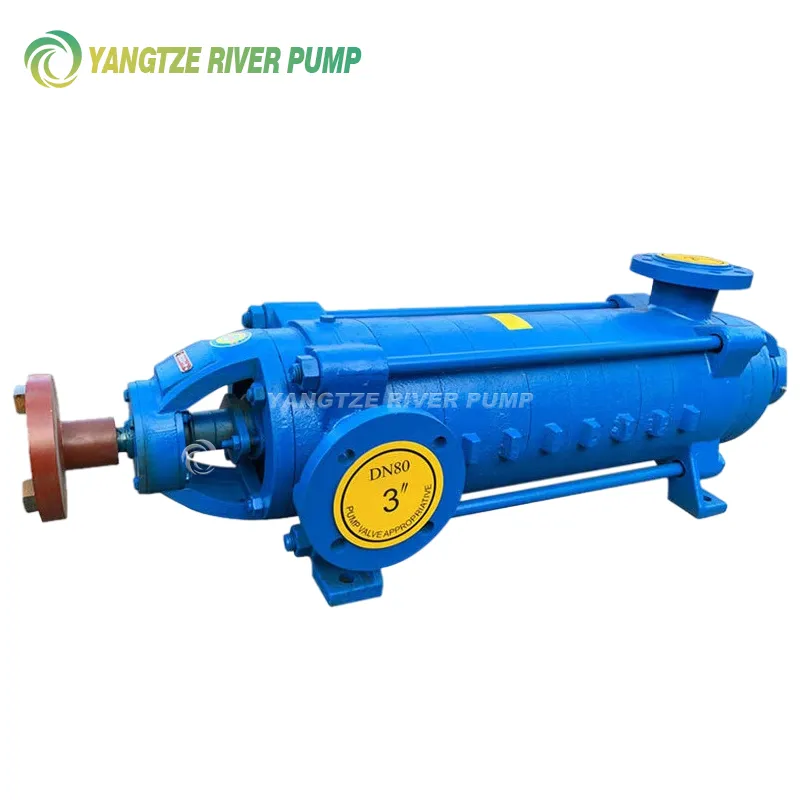 Horizontal multistage pumps for feeding DC boilers