







centrifugal pump 1.1 kW
When you hear “centrifugal pump 1.1 kW”, the first thing that comes to mind is something universal, for a little of everything. But here's the catch: many people think it's the 'sweet spot' for most tasks, from watering to pumping in a small system. In practice, it often turns out that this is a rather specific beast. A power of 1.1 kW is not about high pressure or huge flow, it is about efficiency and operation within clearly defined, often moderate parameters. Too often they take it “by eye”, and then they wonder why it doesn’t pull the same well or pump it from the pond to the hill. I got burned by this myself when I first started.
Where does a 1.1 kW engine really shine?
Marketing aside, the main niche forcentrifugal pumpwith such a motor, these are stable systems with non-aggressive environments. Water, weak solutions. An ideal example is water supply to a small house from a shallow well or well with a good flow rate. But the key word is 'shallow'. What is important here is not so much the kilowatt itself, but the curve of the pump that it turns. I saw how colleagues installed such a unit on a 25-meter well, and it barely produced the required minimum on the upper floors. Works? Yes. But at the limit, with a constant risk of overheating and early failure. This is not his story.
Another thing is circulation in heating or hot water systems, pumping from container to container at a low altitude. Here 1.1 kW is often the optimal choice in terms of energy consumption. But again, look at the characteristics. Single stagecentrifugal pumpwith such an engine it will give one pressure and flow, but a multi-stage engine will give completely different ones, with the same power. This is a common mistake when selecting. We take it without looking at the schedule, and then rack our brains.
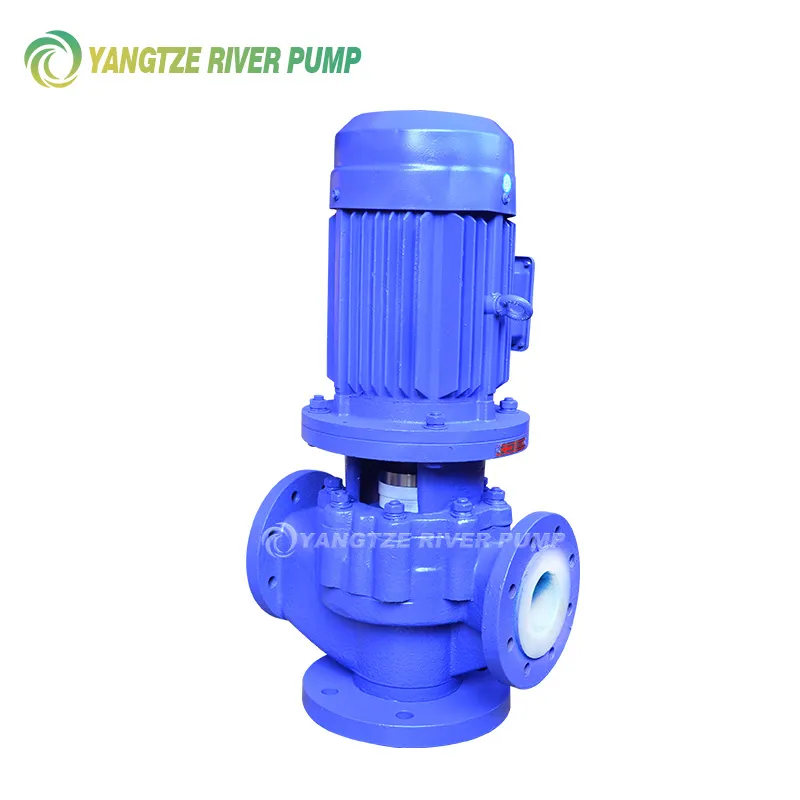
At our production site inZhejiang Yangzijiang Pumping Industry Co.,Ltdthe line with a 1.1 kW engine is one of the most popular, but it also receives the most clarifying questions. Because people are not looking for kilowatts, but a solution to their problem. And our task is to explain that, for example, ourlinear centrifugal pumpat 1.1 kW it will fit perfectly into a technological line for pumping water, but for a viscous liquid you need a completely different device, the same single screw, but with a different power characteristic.
Pitfalls and personal experience
I remember one incident during installation at a client’s place. It was necessary to organize the supply of water from the storage tank to the washing unit. The distance is 15 meters horizontally, the rise is 3 meters. It would seem ideal forpump 1.1 kW. We installed a standard single-stage one. And the pressure at the outlet of the installation is weak. They began to figure it out. It turned out that the system contains a check valve with a strong spring and two 90-degree turns with a thin pipe. The loss of pressure at local resistances 'ate up' almost half of the unit's power. I had to change the pipeline configuration and install a lighter valve. After that everything worked like clockwork. Conclusion: with such motors there are no trifles. Every bend, every meter of hose counts.
Another point is the starting current and operation from a generator. Theoretically, 1.1 kW does not seem like much. But at the moment the centrifugal starts, especially if it has a flooded system, the current can jump strongly. If the power supply is weak or the generator is matched closely, there will be problems. I have seen more than once how a pump refused to start from a low-power inverter or an old gas generator, although according to the passport everything seemed to match. Now I always advise clients to reserve at least 30% for the power supply for such models.
As for specific products, on our websiteyangtzeriverpump.ruIn the section of single-stage centrifugal pumps you can find several models under 1.1 kW with different connections and materials of the flow part. Personally, for systems where cleanliness is important and there are no large differences, I often recommend the option with a stainless impeller. It is a little more expensive, but more durable, especially if there are suspensions in the water. In this case, a cast iron body is the norm, it has been verified.
Comparison with other types of pumps of similar power
It is interesting to compare a 1.1 kW centrifugal with, say, a self-priming pump of the same power. The latter will, as a rule, have a smaller flow, but it has the ability to lift water from the depth with the initial flood. These are two different tools. Centrifugal - for stable pressure in an already filled system, self-priming - for sampling from a well or container. They are often confused, buying the first for the tasks of the second, and vice versa.
Or takesubmersible pumps. Their 1.1 kW motor can provide much greater pressure, because it works directly in the medium, there are no losses due to 'dry' suction. But this is already history for the wells. For open ponds or drainage, we have other solutions. The point is that the '1.1 kW' figure is only part of the equation. Design, purpose, working conditions - all this decides.
In our assortment, as can be seen from the company description, there are eight lines that allow us to cover these different needs. You can assemble a system where there will be a pump for pumping from the main tankcentrifugal pump 1.1 kW, and the reagent dosage is smallplastic chemical pumpordiaphragm pump. And it will be competent and effective. The main thing is not to try to do everything with one device.
What to look for when choosing and using
So, if you still decide that you need a 1.1 kW centrifugal pump, first of all look not at the price, but at the H-Q (pressure-flow) graph. The operating point you need should be somewhere in the middle third of the curve, not at the edge. Then the pump will work for a long time and without surprises. The second is the material. For water, cast iron is suitable, for more aggressive environments – stainless steel or, as we have in our line, special plastics. Third is the manufacturer. It is important to be able to obtain spare parts: oil seals, seals, impellers. Our production team understands this, so service support is part of the cycle.
During installation: minimize the length of the suction line, install a reliable check valve (but not creating unnecessary resistance), provide protection against dry running. This is trivial, but 80% of breakdowns are due to violation of these rules. And yes, even for such a small unit, a foundation or rigid fastening is required. Vibration is a killer of bearings and seals.
In conclusion I will say:centrifugal pump 1.1 kW– an excellent and reliable worker if he is properly assigned. It is not a panacea, but in its niche it is irreplaceable. The main thing is to clearly understand what you want from him and not demand the impossible. Like any instrument, it reveals itself fully only in skillful hands and with proper use. And if in doubt, it’s better to call those who not only sell them, but also design and assemble them, like we do inZhejiang Yangzijiang Pumping Industry Co.,Ltd. Sometimes a five-minute conversation saves a lot of time and money on rework.
Correspondingproducts
Related Products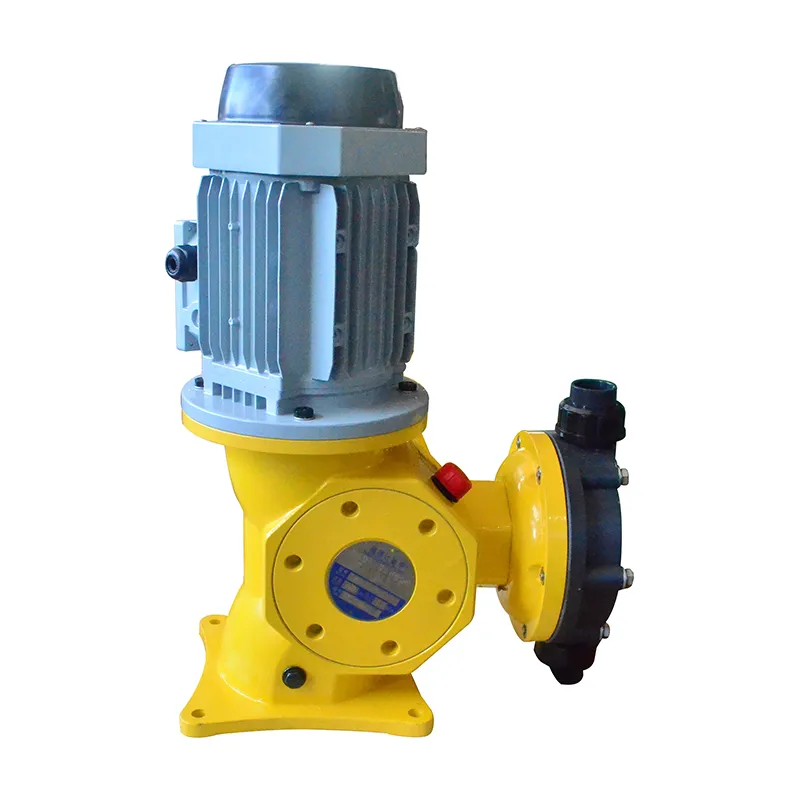

Best Sellingproducts
Best Selling Products-
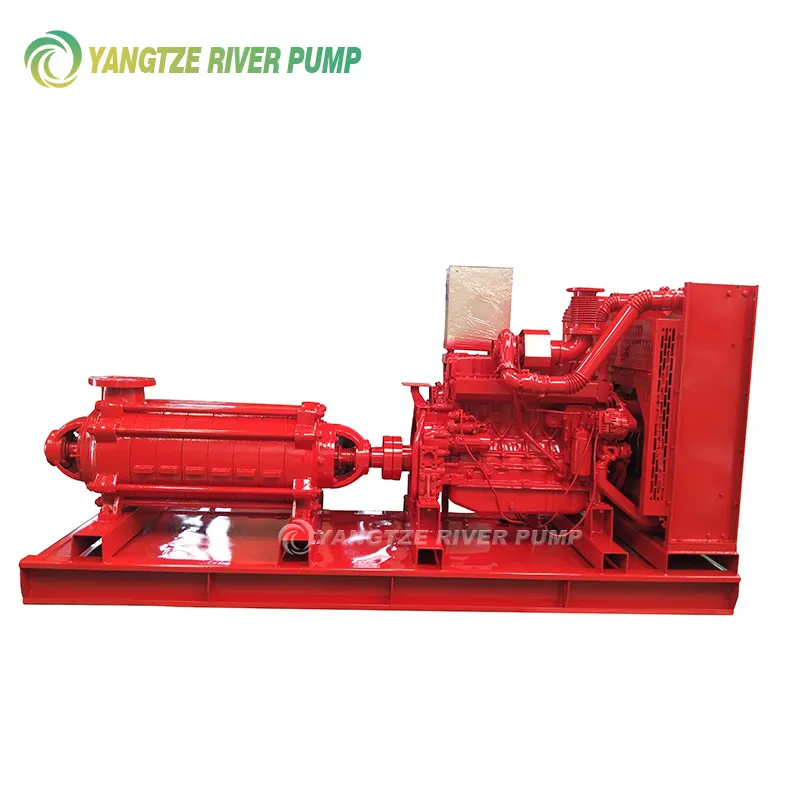 XBC Diesel Intelligent Fire Pumps
-
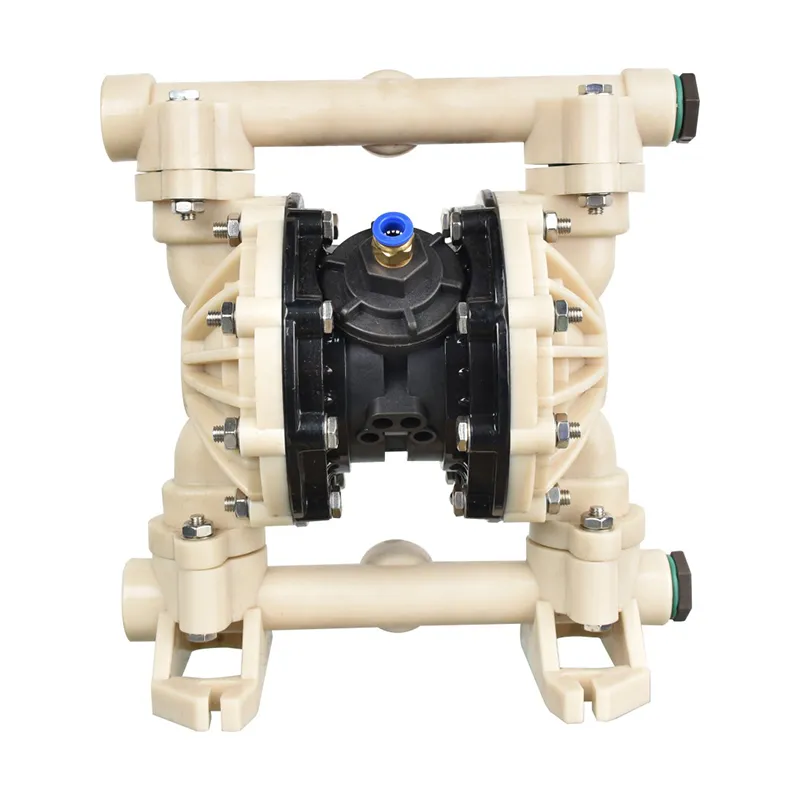 QBK Non-Metallic Air Operated Diaphragm Pumps
-
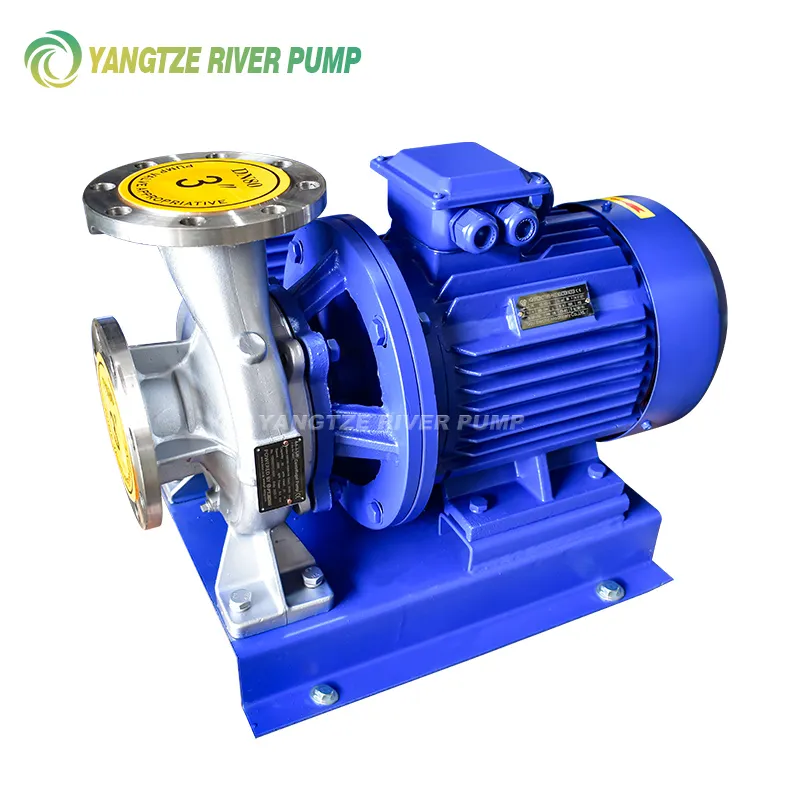 ISW and ISWH Single Stage Horizontal Pipeline Centrifugal Pumps
-
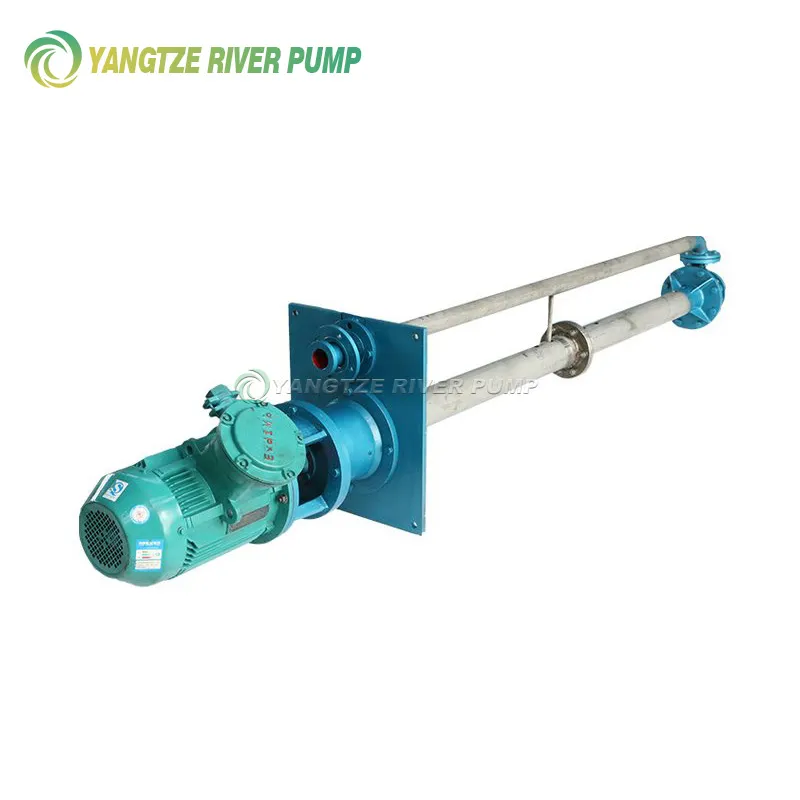 FY Submersible Chemical Pumps
-
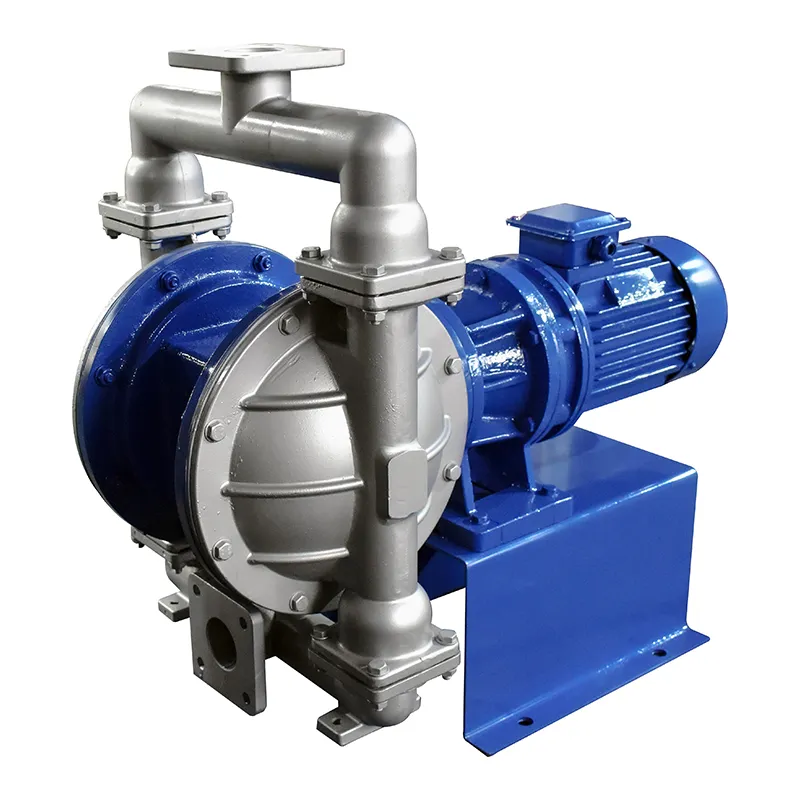 Metal electric diaphragm pumps DBY
-
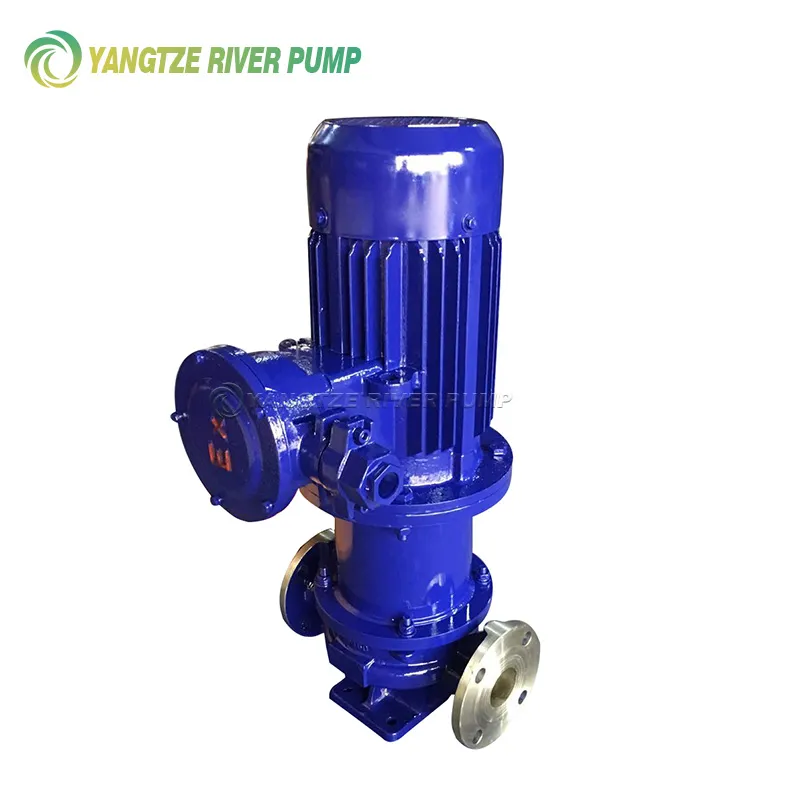 Vertical magnetic pumps CQB-L
-
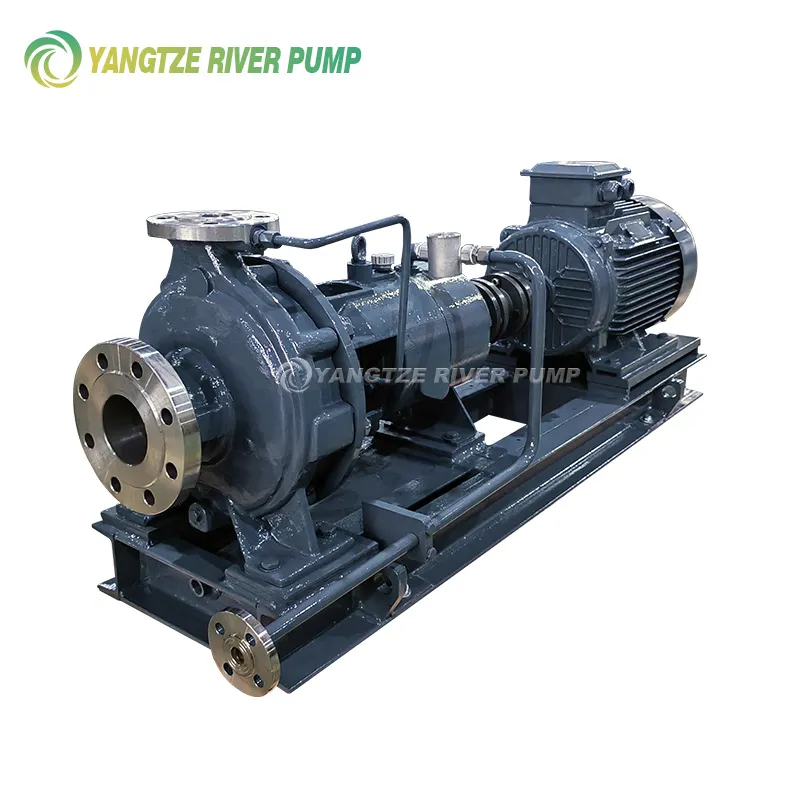 Petrochemical Process Pumps API 610 YZA
-
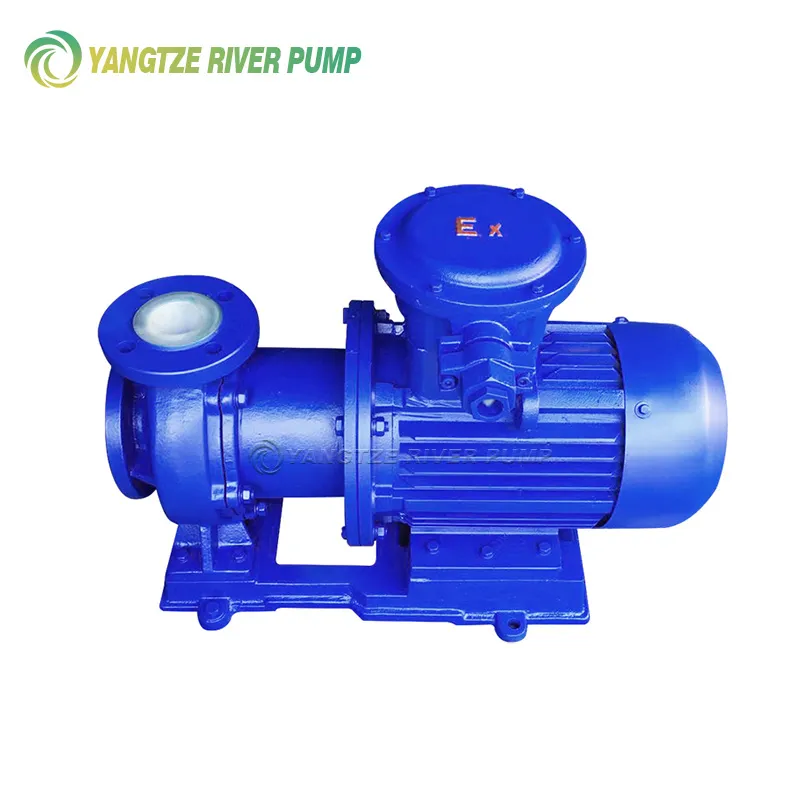 Magnetic pumps with fluoroplastic lining CQB-F
-
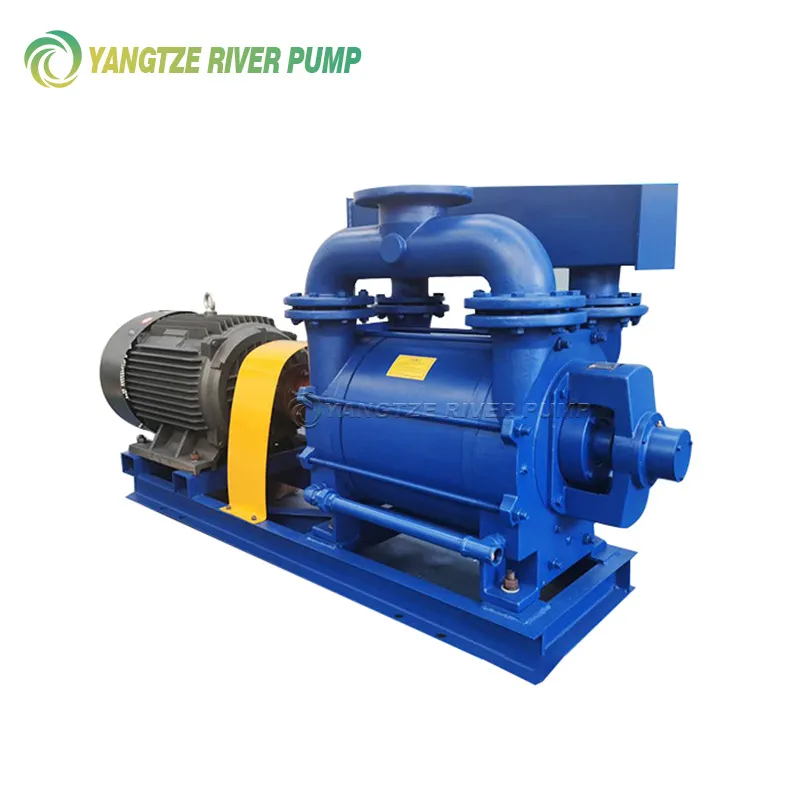 Liquid ring vacuum pumps type 2EB
-
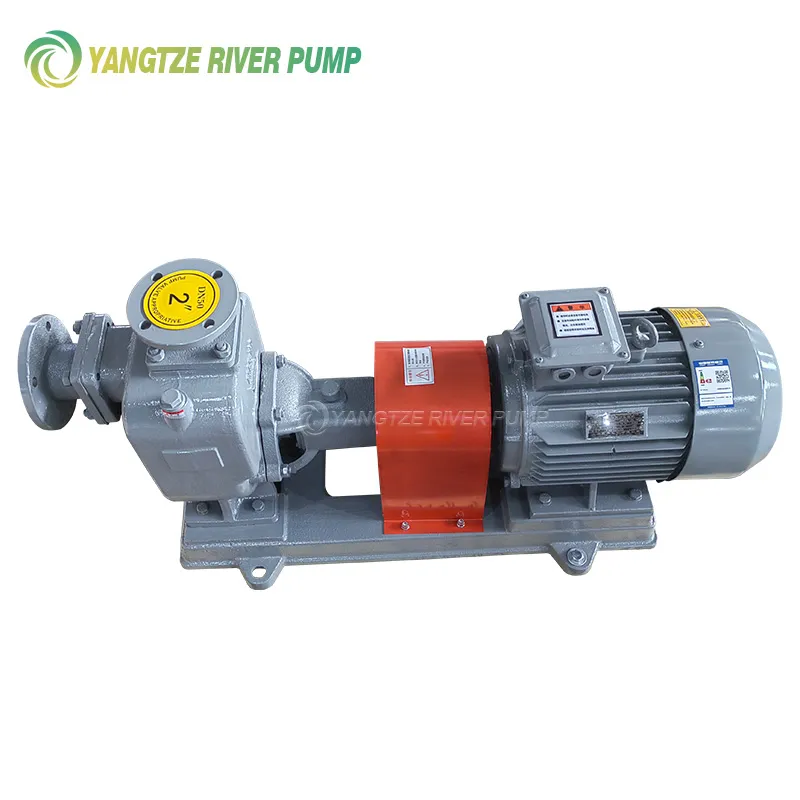 Non-clogging self-priming wastewater pumps ZW
-
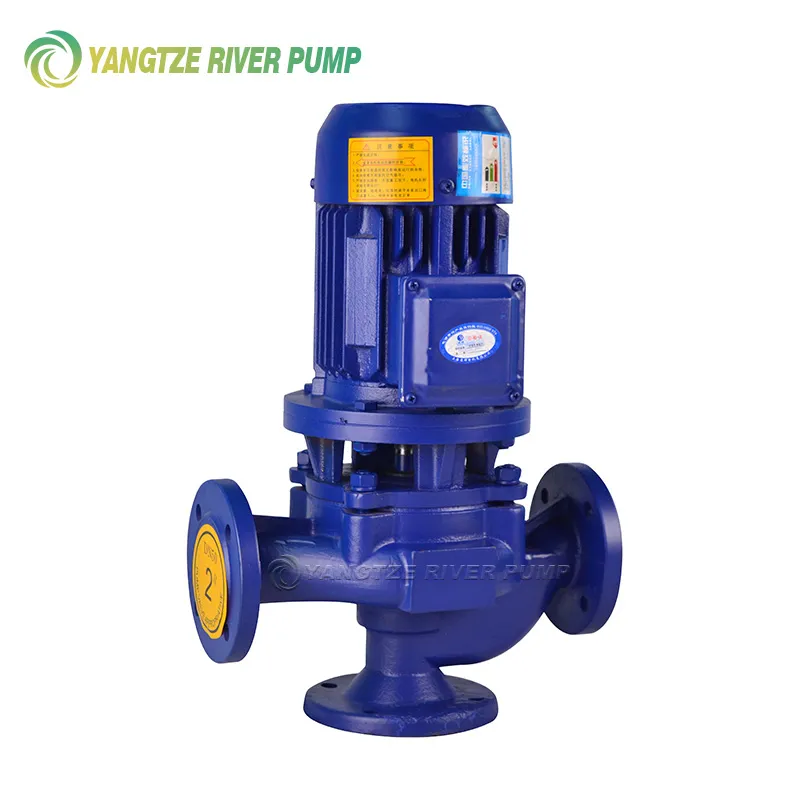 Pipeline wastewater pumps GW
-
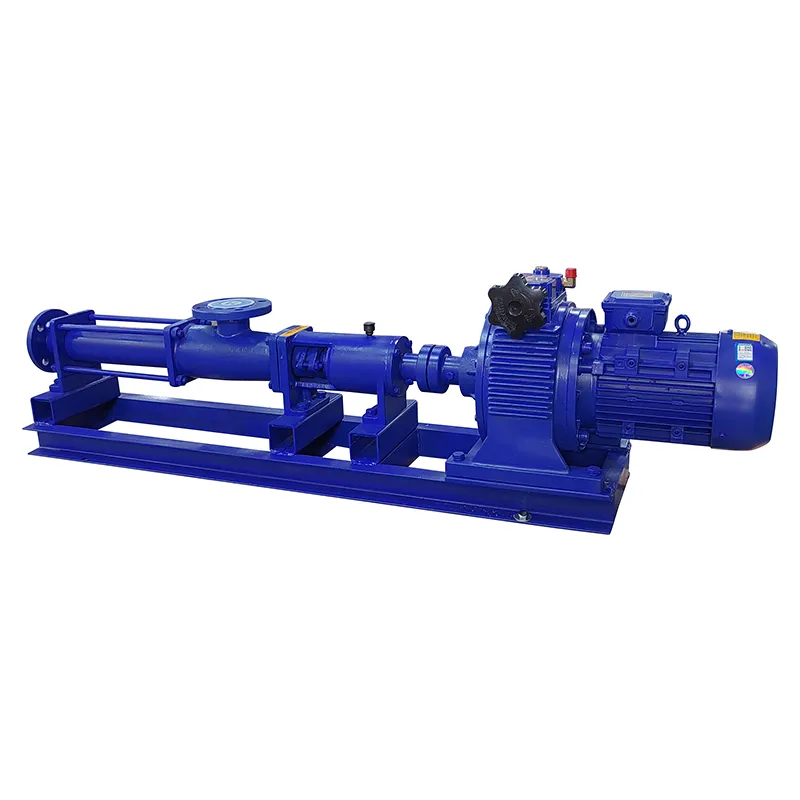 Infinitely variable screw pumps type G