







portable centrifugal pump
When they say 'portable centrifugal pump', many people immediately imagine a compact unit for watering a garden or pumping water from a basement. This is, of course, true, but only a small part of the picture. In practice, especially in industrial or emergency scenarios, the key becomes not so much the fact of manual transfer, but rather comprehensive mobility, reliability in the field and the ability to quickly solve specific problems where fixed systems are not available or cost-effective. A common mistake is to select such a pump only based on pressure and flow parameters, forgetting about the material of the flow part, the type of seal and, most importantly, real resistance to harsh operating conditions. Too many times have I seen a 'portable' pump fail not due to overload, but due to simple vibration on an uneven site or the ingress of an abrasive for which its design was simply not designed.
From concept to metal: what lies behind mobility
Structurallyportable centrifugal pump- it's always a compromise. You need to package an efficient hydraulic module, a drive (most often an electric motor, but sometimes an internal combustion engine) and possibly a control system into a single, relatively lightweight housing with handles or frame. The main challenge here is to ensure shaft rigidity and alignment. In a stationary pump, the foundation dampens vibrations, but here the entire load falls on the frame. If it is made of too light a profile or the motor and pump mounting points do not provide adequate rigidity, problems with the seals or mechanical seals are inevitable. At our production site inZhejiang Yangzijiang Pumping Industry Co.,LtdFor the line of portable models, we switched to welded frames made of profile pipe with additional stiffening ribs in the engine mounting area. It would seem like a trifle, but it was this solution that made it possible to reduce the number of warranty cases related to shaft leaks by almost a third.
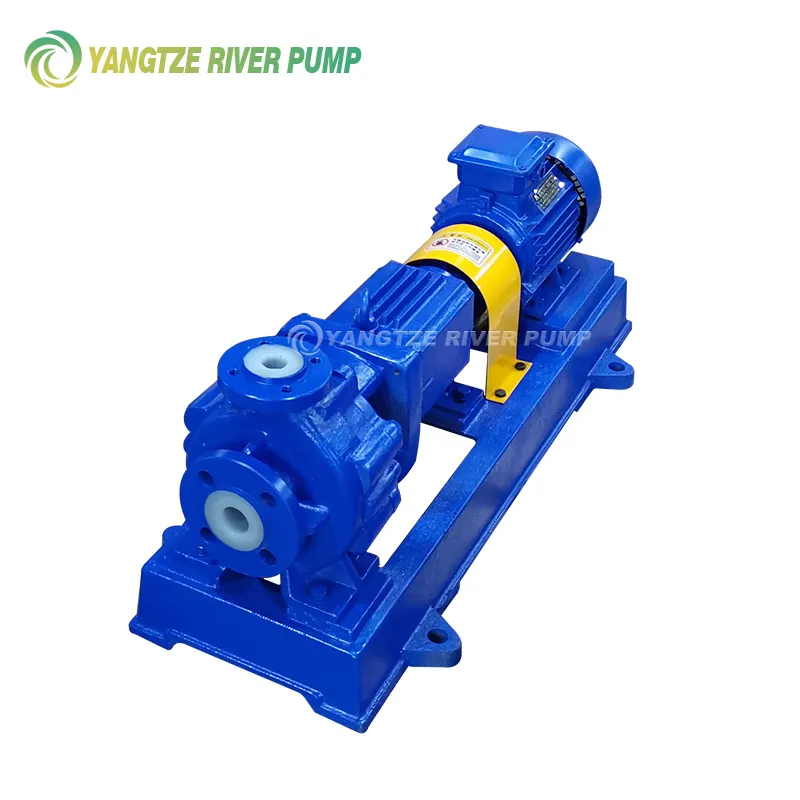
Flow path materials are a different story. For universal models 'for all occasions' cast iron is often used. It is durable and inexpensive, but absolutely not suitable for chemically active environments or seawater. In such cases, it is more logical to look at models made of stainless steel or even plastic. For example, we have a seriesportable centrifugal pumpsbased on plastic chemical pumps. Their body and impeller are made of polypropylene or PVDF. Weight is minimal, resistance to aggressive liquids is excellent. But there is a nuance: such pumps are very sensitive to overheating and mechanical shock. The client must be warned about this. You can’t just say “this pump is chemical,” you need to explain the limits of its application.
Another practical point is the cable entry and terminal box. In field conditions, the power cord is constantly pulled, it can be stepped on, and water can get on it. A weak, leaky input is a guaranteed downtime. In our models we install reinforced gland entries or full-fledged hermetic boxes, depending on the protection class. This increases the cost, but it eliminates a lot of problems on site. I remember an incident at a construction site where three pumps from different manufacturers were working to pump out groundwater. Two 'competitors' failed precisely because of a short circuit in the terminal box after heavy rain. Ours worked all season. Trifle? No, the result of an engineering choice.
Application scenarios: where 'portable' becomes indispensable
Classics of the genre - construction sites and emergency services. Hereportable centrifugal pumpworks in the most severe mode: dust, dirt, possible falls, unstable voltage. Not only performance is important, but also survivability. Gasoline-powered models are often required because electricity can be tight on site. We supply such solutions, but we always focus on engine overload protection systems, which are often absent in cheap models. Without them, the motor can burn out after half an hour of dry operation or when the impeller jams.
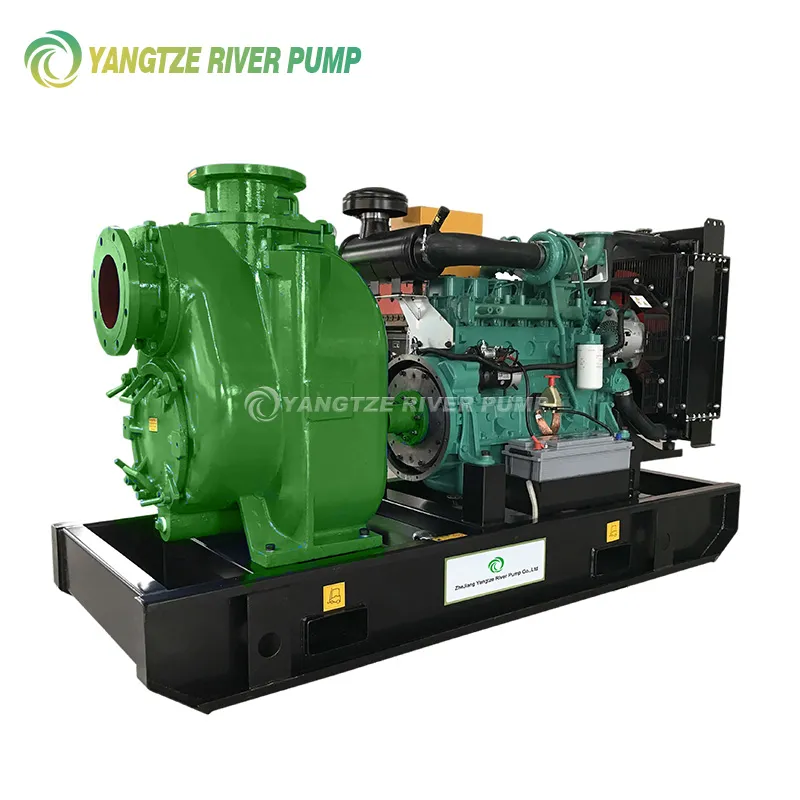
A less obvious, but rapidly growing area is agriculture and land reclamation. Not for centralized irrigation, but for spot work: supplying water to a remote part of the field, spraying, pumping from drainage ditches. Weight and ease of maintenance are critical here. A farmer is not a mechanic; he should not understand the intricacies of adjusting gaps. The pump should start, work and not leak. For such tasks, we sometimes recommend not the most powerful models, but with self-priming ability. This is convenient when the water source is a shallow pond or ditch, and the pump has to be installed above the water level. Although, to be honest, self-priming is always a slight compromise in maximum efficiency compared to the classic centrifugal principle.
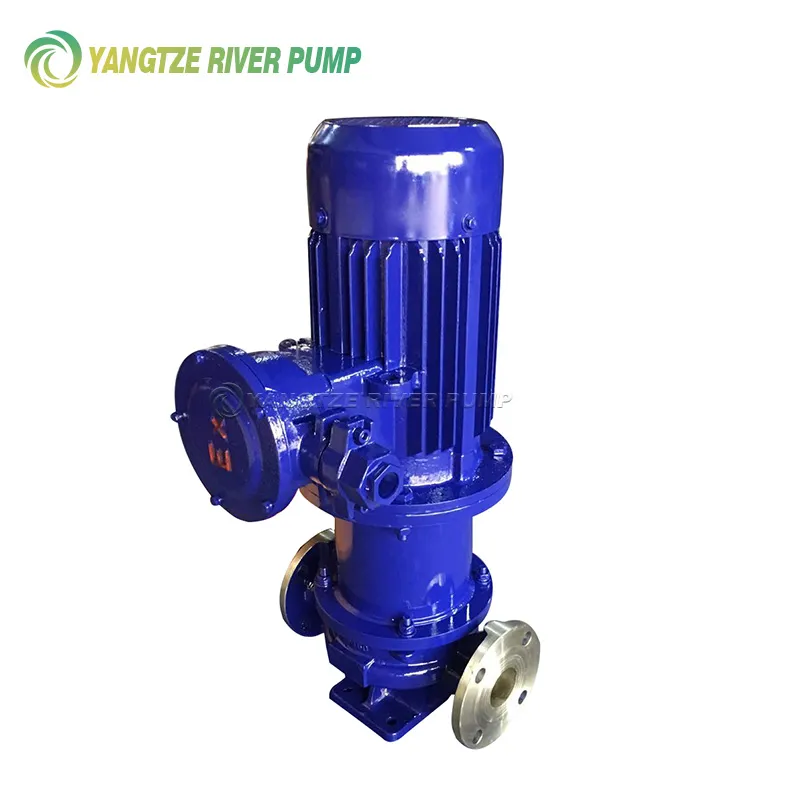
Industry and public utilities. Here, portable pumps are often used as backup or to perform local tasks: pumping process fluids from containers, circulating solutions in mobile units, drainage in underground utilities. Here the requirements for the material and type of seal come to the fore. For flammable liquids, pumps with a double-acting mechanical seal or even a magnetic coupling (sealless) are needed. Our production covers this spectrum - from standard models to specialized ones.portable centrifugal pumpswith a magnetic drive or made of chemically resistant plastics. This allows you to close most requests without involving third-party providers, which is important for quality control.
Errors in selection and operation: a view from the service
The most common mistake is that the pump parameters do not correspond to real conditions. They select the pump according to the maximum pressure, but forget that this pressure is indicated for clean water at the nominal flow. What if you pump a suspension with sand or a viscous liquid? Performance and pressure will drop, and the load on the engine will increase. I saw how a pump designed for 50 cubic meters per hour barely produced 20 when pumping drainage water with sludge. The client was dissatisfied, but the problem was not with the pump, but with the wrong selection. Now we always ask clarifying questions: what are we pumping, what is the temperature, are there abrasive particles, what is the length and configuration of the pipeline.
The second mistake is ignoring the need for a filter. Even for drainage work, a coarse suction strainer can save the impeller from large debris, stones or rags. This is especially true forportable centrifugal pumpswith semi-open or open impellers, which are more prone to jamming. We include basic filters on some models, but for others this is an option. And very often clients refuse it, trying to save money, and then pay for repairs.
Incorrect starting and dry operation. The centrifugal pump must be filled with liquid before starting. Dry running, even for a minute, can damage the mechanical seal or oil seal. For portable models that are often rearranged, this is critical. Some modern models have built-in dry-running protection, but this makes the design more expensive. In most cases, this is a matter of operator attentiveness. In the instructions we write about this in capital letters, but, alas, not everyone reads it.
Integration into the product line: the approach of Zhejiang Yangzijiang LLC
Our enterprise, with its eight complete production lines, considersportable centrifugal pumpnot as a stand-alone product, but as part of the overall pumping ecosystem. This allows you to use proven solutions from other segments. For example, the hydraulics on some portable models are based on proven components from our linear centrifugal or multistage pumps. This gives a predictable and reliable performance. Designers do not create something from scratch, but adapt solutions that have already been tested in thousands of copies to the conditions of mobile use.
Having our own R&D and testing lines is a key advantage. Each new model or modification of a portable pump undergoes not only standard hydraulic tests on a stand, but also tests for vibration resistance, temperature changes, and operation in dusty conditions. We can quickly prototype and test hypotheses. Let's say there was a request from a mining company for a pump for pumping out slurry with small abrasive particles. Based on the standard portable model with a cast iron body, we quickly developed a version with an impeller and protective bushings made of wear-resistant material. This is not a mass product, but thanks to the flexibility of production we were able to make it.
As for the assortment, it logically follows from our main profile. In addition to our universal portable centrifugal water pumps, we offer specialized versions: chemical resistant (based on our plastic chemical pumps), high pressure (using experience in multistage pumps), and magnetic drive models for hazardous liquids. This is not just marketing - this is real technological continuity. A customer who has already used our stationary chemical pumps can get a portable solution that is similar in reliability and materials, without having to get used to a new specification or service interface.
Looking to the future: trends and practical needs
If we talk about trends, everything is moving towards smart mobility. We are not necessarily talking about connecting to IoT, but about basic things: built-in sensors for dry running, overload, and motor winding temperature. Protection that will prevent the pump from destroying itself if used incorrectly. This is becoming the de facto standard for quality equipment. We are gradually introducing such solutions into our flagship portable models. This increases the cost, but for critical applications where downtime is more expensive than a pump, it is justified.
Another trend is nutritional versatility. Requests for models that can operate both from a 220/380V network and from a generator, and possibly have the option of connecting an internal combustion engine. This is more complex in design, but is very popular in conditions where the energy source is not guaranteed. We are studying this issue, but the main task is to maintain reliability. An overly complex switching system creates additional points of potential failure.
Ultimately the futureportable centrifugal pumpis seen not in revolutionary breakthroughs, but in an evolutionary improvement of existing solutions: even more durable and lightweight materials (composites), even more efficient motors (for example, with frequency regulation, even in a compact version), even more thoughtful ergonomics for the operator. And, most importantly, in adequate selection and competent operation. The most advanced pump can be killed in a day by improper use. Therefore, our task as a manufacturer is not just to sell the unit, but to ensure that it works for the customer for a long time and efficiently. Sometimes this even requires dissuading someone from buying an overly powerful or complex model and offering a simpler and more suitable solution. This, perhaps, is the true professional approach.
Correspondingproducts
Related Products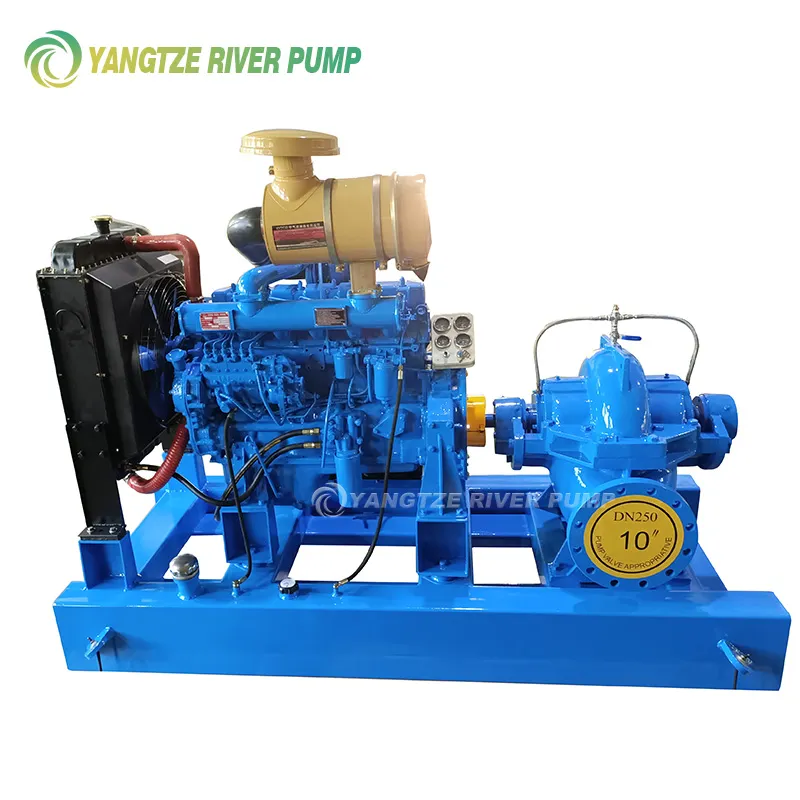

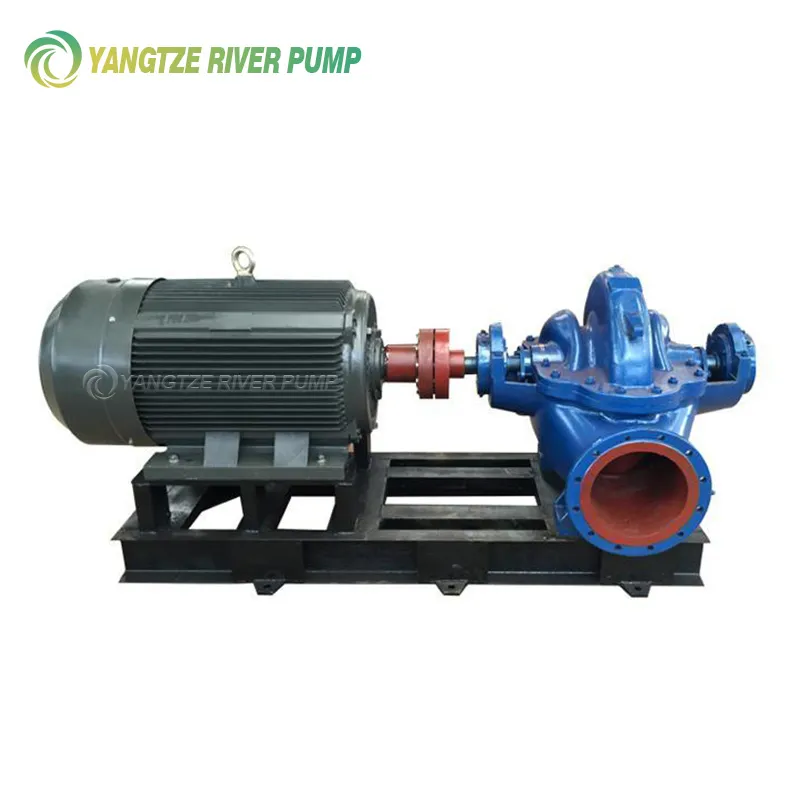
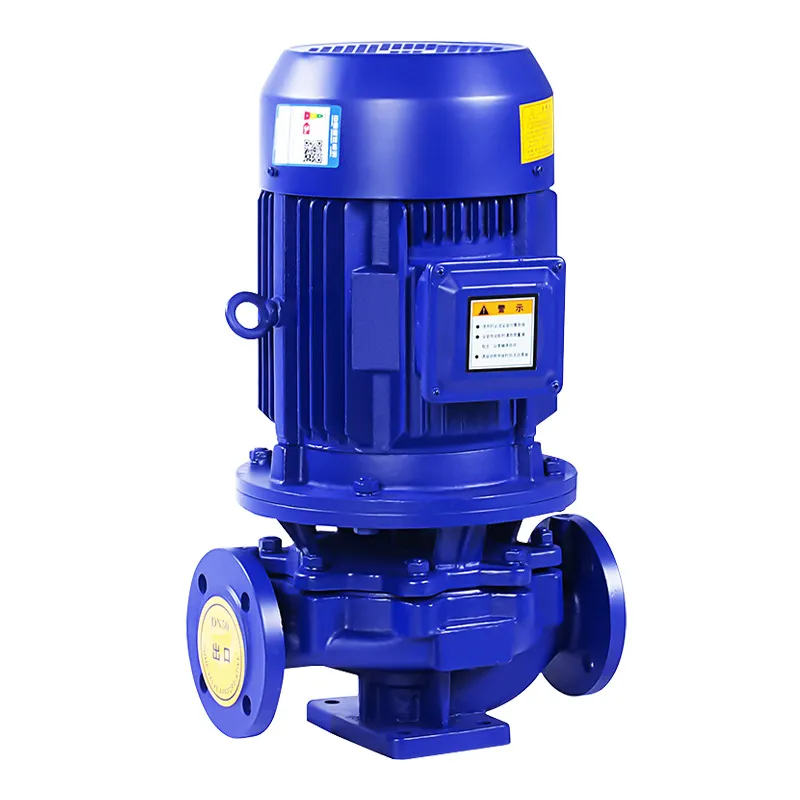

Best Sellingproducts
Best Selling Products-
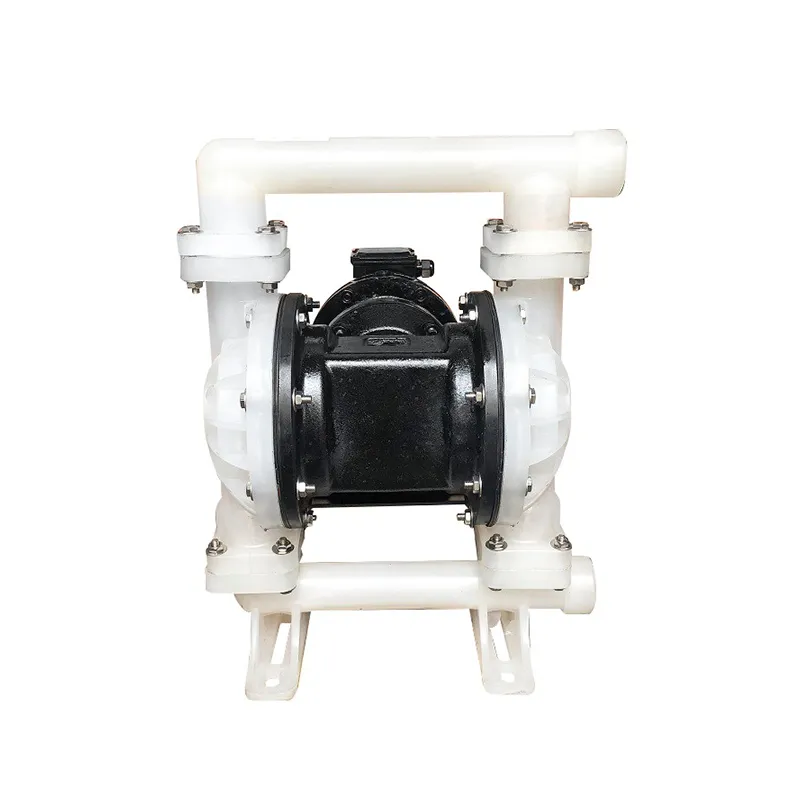 DBY Non-Metallic Electric Diaphragm Pumps
-
 Sanitary screw pumps type GF
-
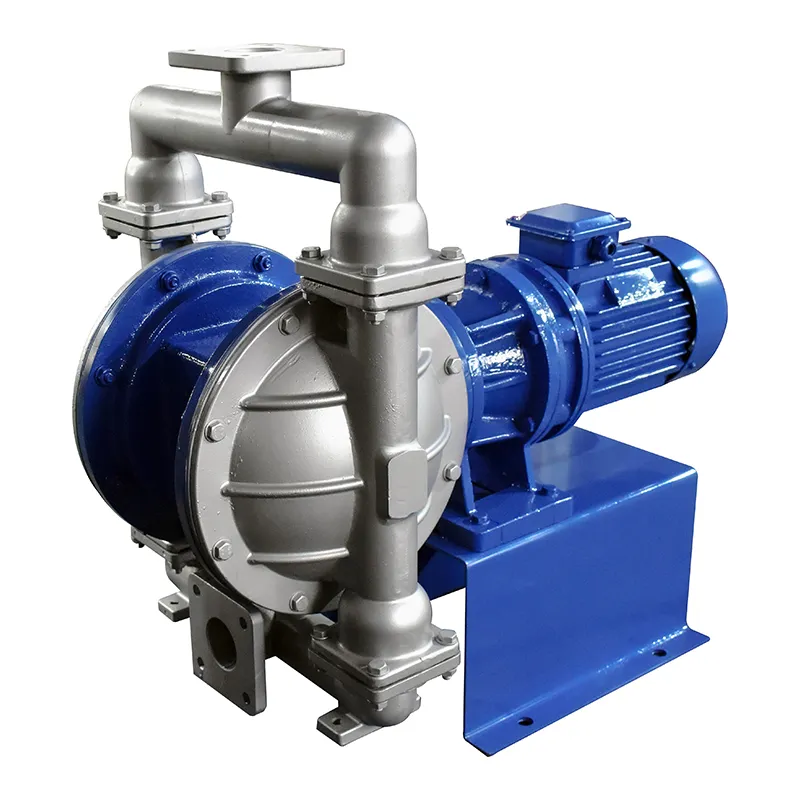 Metal electric diaphragm pumps DBY
-
 Metal pneumatic diaphragm pumps QBK
-
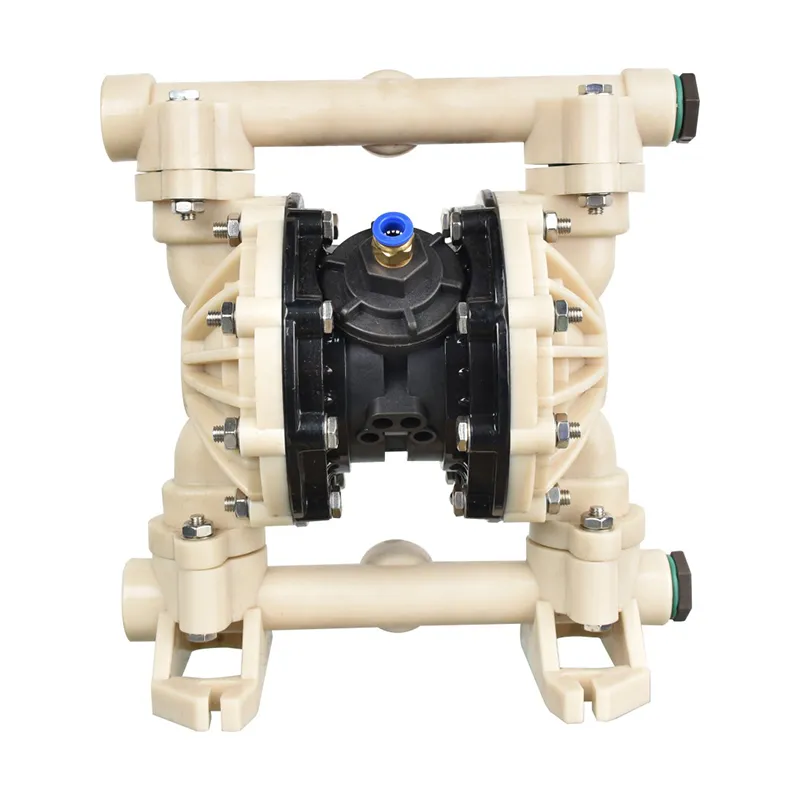 QBK Non-Metallic Air Operated Diaphragm Pumps
-
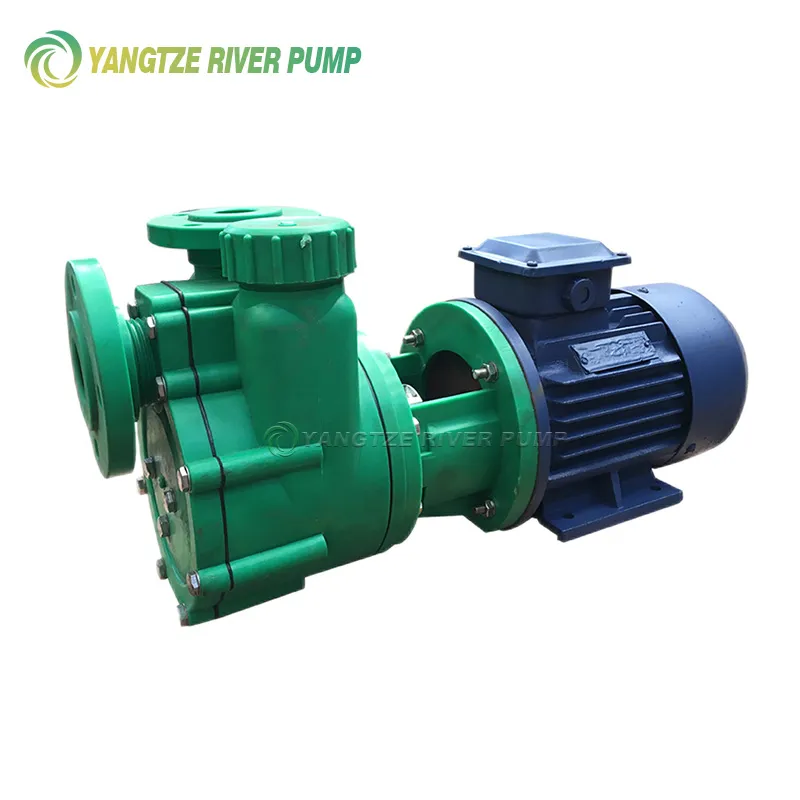 Plastic self-priming centrifugal pumps FP and FS
-
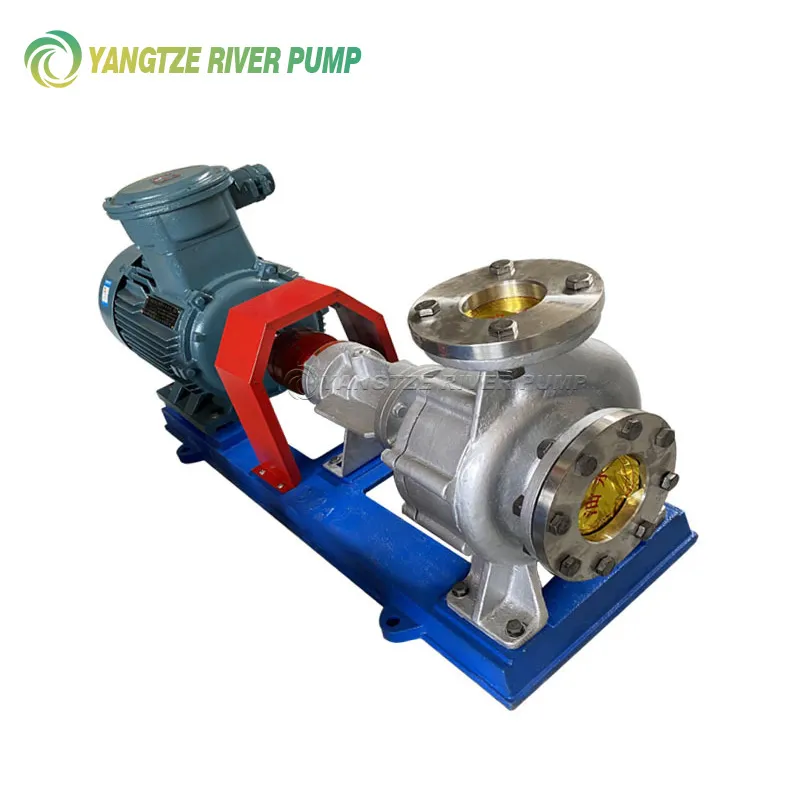 RY thermal oil pumps
-
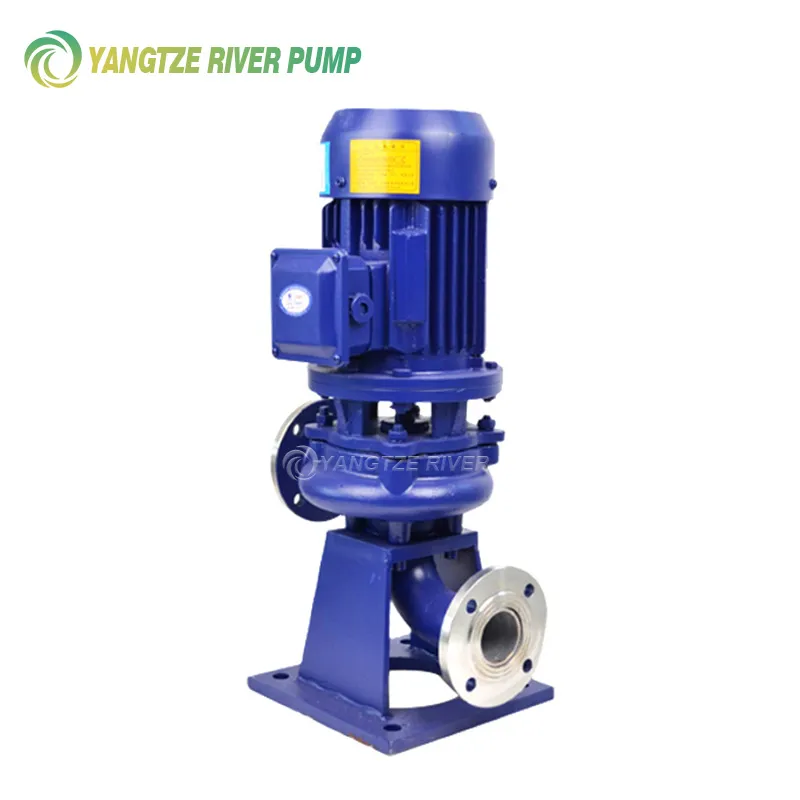 Non-clogging vertical wastewater pumps LW
-
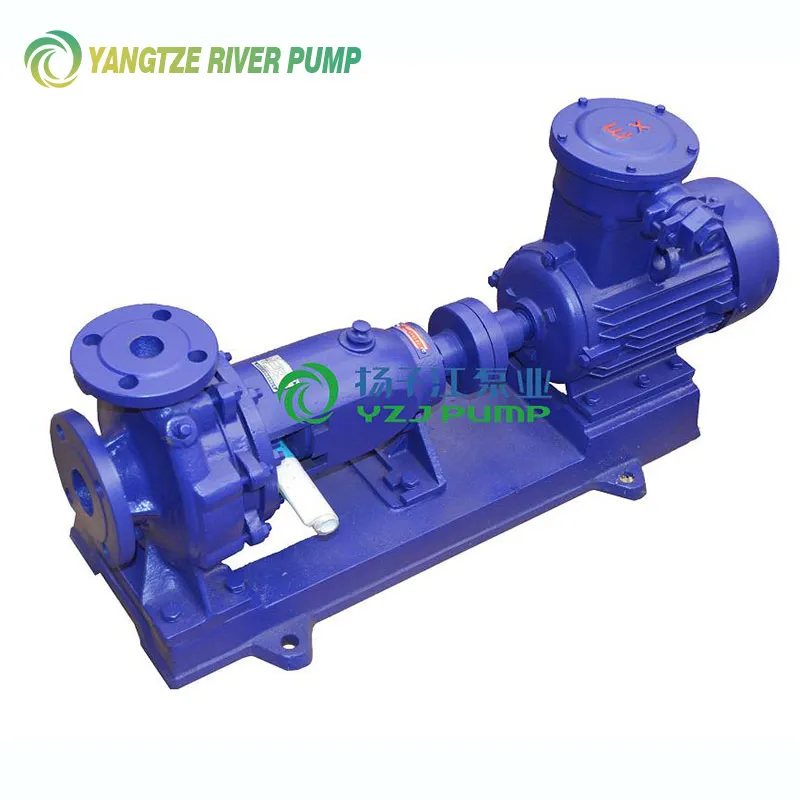 Horizontal chemical centrifugal pumps types IS and IR
-
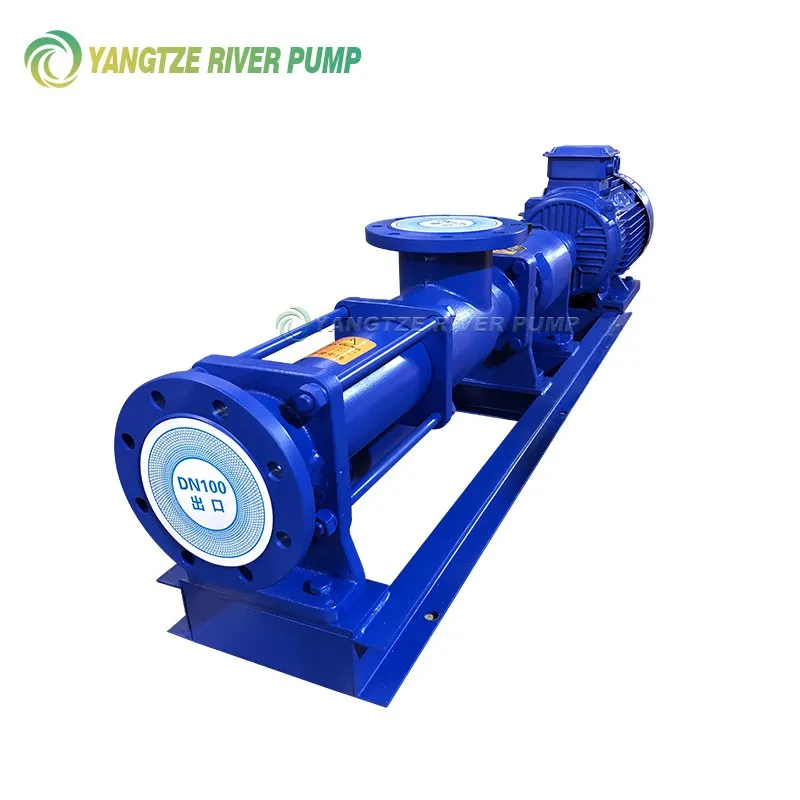 Single screw pumps type G
-
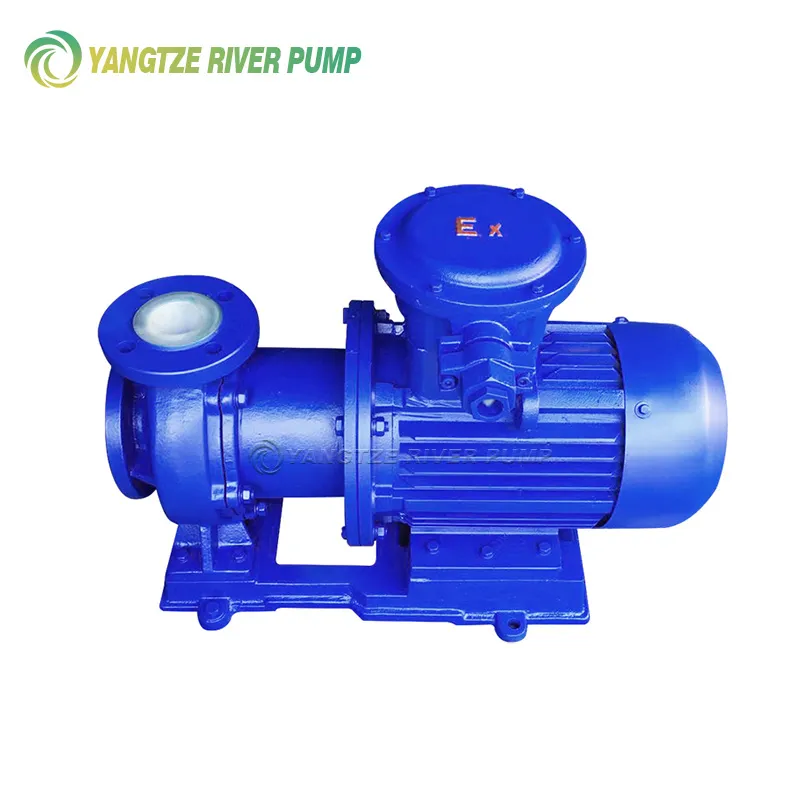 Magnetic pumps with fluoroplastic lining CQB-F
-
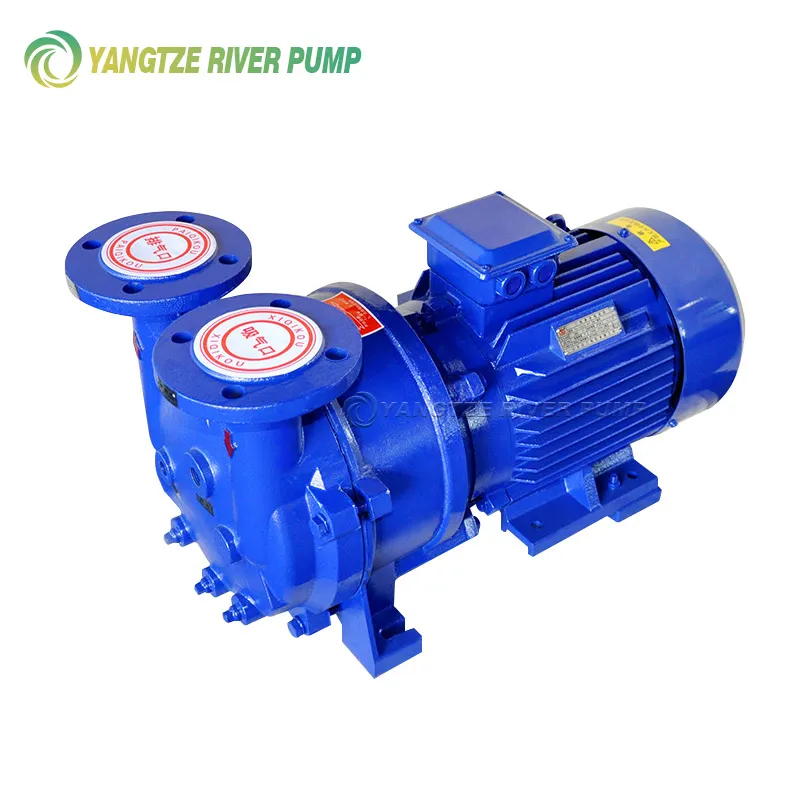 Liquid ring vacuum pumps type SKA and 2BV