







centrifugal heat pump
When you hear “centrifugal heat pump?”, the first thing that comes to mind is something complex, expensive and, probably, for space stations. Many colleagues immediately think about pure theory, about heat recovery systems at large thermal power plants or in the high-tech industry. But in practice, especially in chemical production or in equipment cooling systems, this thing turns out to be much closer to the ground. The main confusion is to think that it is always a giant installation. In fact, the same principle can work in a more compact format, integrating, for example, into lines with chemical pumps. But for some reason this is rarely talked about.
From theory to workshop: what it looks like in hardware
If we ignore the pretty pictures from catalogues, in a real workshop a centrifugal heat pump is, in fact, a combination of the pumping unit itself, heat exchangers and a control system. The key point is that the centrifugal force created by the impeller is used not only to move the coolant (often special liquids or brines), but also to effectively transfer thermal energy from a low-temperature zone to a high-temperature zone. I won’t go deep into Carnot cycles, I’ll say it simply: the efficiency of the entire system depends 60% on the reliability and efficiency of the centrifugal unit itself.
This is where the nuances begin. We are at ?Zhejiang Yangzijiang Pumping Industry Co.,Ltd? encountered requests for the integration of such solutions. Often a client wants not just to buy a “heat pump,” but to get a system where a centrifugal pump will work in tandem with, say, a plastic chemical pump to supply the agent. Or you need an option to recover heat from cooled multistage pumps. The task is to select or design a unit that will withstand both temperature changes and a possible aggressive environment, if we are talking about chemical production.
One of our projects is just for a small reagent production plant. The task there was to utilize low-grade heat from the reactor cooling process. They did not install a giant system, but a module based on a reliable linear centrifugal pump, which pumped coolant through the circuit. The most difficult thing was not in the assembly, but in the calculations of pressure and resistance of materials to chemical vapors. It took a long time to select seals and housing material. As a result, the system works, but the payback period turned out to be longer than promised in theory due to the initial costs of special materials.
Where it's thin, it breaks: a practical rake
The first and main stumbling block is expectations from efficiency. In laboratory conditions or on a stand with perfectly clean water, the numbers are excellent. But in reality, if the coolant is the same brine or glycol mixture, the viscosity is different, and over time there may be contamination, the efficiency decreases. Multistage centrifugal pumps in such circuits are especially sensitive to this. The first stage is clogged - and that’s it, the parameters float. It is necessary to include the possibility of washing and very high-quality filtration at the inlet, which increases the cost of the system.
The second point is vibration. A centrifugal heat pump, especially under variable loads (and they are almost always variable in technological processes), can create unpleasant vibrations that are transmitted to the pipelines. This is not only noise, but also the risk of fatigue failure of welds. We once encountered a crack in the supply line just six months after launch. I had to redo the harness, install additional compensators and vibration supports. Now we always focus on this when designing.
And third is compatibility with existing infrastructure. Often the customer wants to integrate a new heat pump into an old piping system designed for different pressures and flow rates. It happens that existing self-priming or submersible pumps create an operating mode that the new centrifugal unit does not like - say, cavitation at the inlet. It is necessary to install additional buffer tanks or review the entire hydraulics of the site. This is the work that is not always visible in the estimate initially.
About materials and reliability: not only steel
When people talk about pumps for thermal circuits, they often think about stainless steel or cast iron by default. But in the case of heat recovery from chemical processes or in galvanizing shops, this is not enough. This is where plastic chemical pumps or magnetically driven options (magnetic pumps) come into play for a complete seal. Sometimes it is more logical to make a hybrid system: a centrifugal heat pump made of a special alloy operates on the main circuit, and the reagent supply is provided, for example, by a chemical diaphragm pump. It is important that the materials are compatible and do not create galvanic couples that will quickly eat up the equipment.
We have production in ?Zhejiang Yangtzejiang Pumping Industry Co.,Ltd. There is just an opportunity to test such combinations on your lines. Eight complete production lines are not just for show. You can assemble a stand, install, say, a single-screw pump for a viscous coolant and see how it interacts with a centrifugal unit in a mode simulating a real load. Such tests immediately show weak points - the same overheating of bearing units or insufficiency of standard seals.
From personal experience: there was a case when a standard mechanical seal was proposed for a system with a temperature curve of 90/70 °C. But in reality there were short-term peaks of up to 110 °C during stops. The seal began to leak. I had to urgently change it to a more heat-resistant and expensive one. Now, when discussing technical specifications, we always ask about possible abnormal conditions, and not just about operating parameters. The reliability of the system often breaks down precisely on such “bursts”.
Economics vs. engineering: which outweighs?
The introduction of a centrifugal heat pump is always a story about money. Not only about the cost of the unit itself (and a good one, with high-quality controls and made from the right materials, costs a lot), but also about installation, wiring, and commissioning. Sometimes savings at the design and procurement stage result in many years of headaches with repairs and low efficiency. Clients often want “like everyone else?” or “cheaper?”, but in each case you need to consider it individually.
For example, for heating an administrative building using the heat of process water, a standard solution based on a serial centrifugal pump may be suitable. But to recover heat in a metal pickling line, where there are acid vapors in the air, a completely different design is needed. And here you won’t be able to take the first unit you come across from the catalog. On our website yangtzeriverpump.ru we, of course, show our range - from single-stage to multi-stage centrifugal pumps, but we always emphasize that thermal circuits require deep adaptation.
The most significant "failure" in my practice it was connected precisely with the desire to save money. The customer insisted on using a converted standard water pump for the heat pump circuit, without taking into account the work with a glycol mixture. A few months later, problems began with the stuffing box seal, then with corrosion in the impeller cavities. As a result, the system was idle, and the savings turned into losses. After this incident, we always insist on testing with the same coolant that will be used, even if this delays the time frame.
Looking to the Future: Where Technology is Heading
Nowadays there is a lot of talk about “smart” systems and digital control. This is definitely a trend for centrifugal heat pumps. The ability to smoothly regulate the rotation speed (frequency converters) allows you to flexibly adapt to changes in thermal load and save energy. But again, in a workshop environment with its dust, vibration and possible electromagnetic interference, not everything is “smart”? electronics last a long time. Mechanical reliability is still a priority.
Another direction is miniaturization and the creation of more compact units ready for integration. Not just a pump, but a pump + a compact plate heat exchanger + a control unit in one casing. This simplifies installation. We are also moving in this direction in our work, using our experience in the production of linear centrifugal and self-priming pumps. The main thing is not to lose maintainability. A monoblock is great, but if the sensor in it is burned out, and to get to it you need to disassemble half the unit, then this is a bad design.
In the end, back to the beginning. A centrifugal heat pump is not a mythical unit, but a very concrete tool for energy saving. Its efficiency and reliability are 90% determined not by magic, but by competent engineering calculations, the correct selection of components (the same pumps that we produce) and, what is very important, an understanding of real, not paper, operating conditions. Without this, it will remain an expensive toy, not a working tool. And yes, it’s always worth listening to someone who has already stepped on this rake, and not just someone who sells beautiful efficiency graphs.
Correspondingproducts
Related Products

Best Sellingproducts
Best Selling Products-
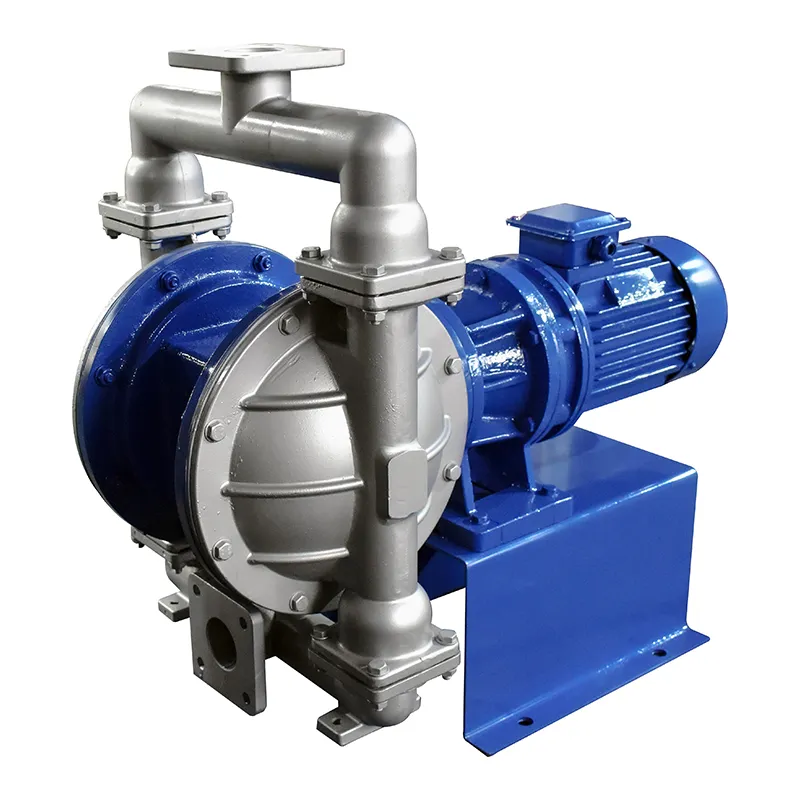 Metal electric diaphragm pumps DBY
-
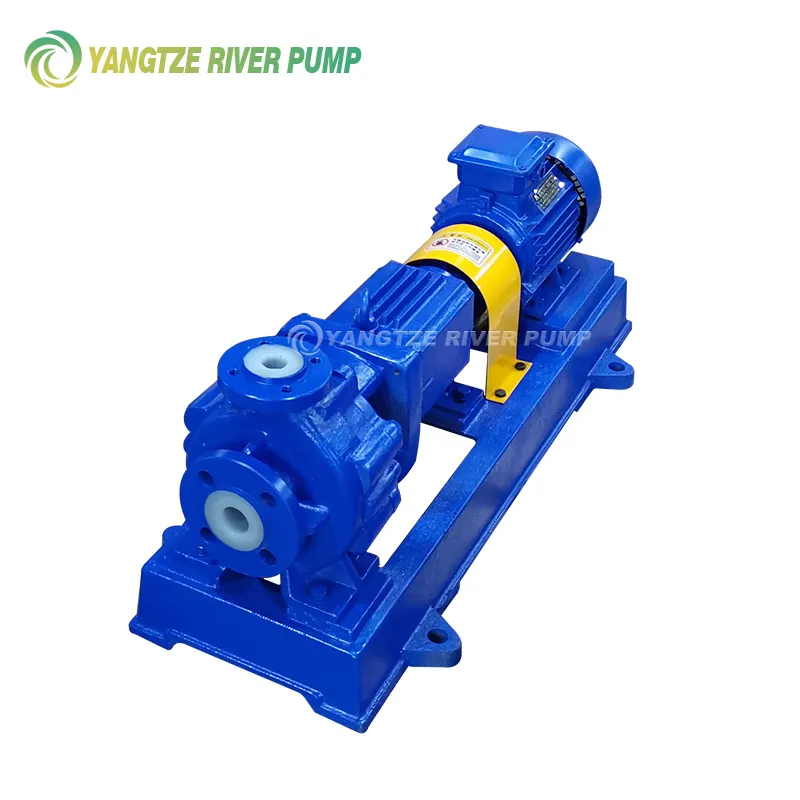 IHF PTFE Chemical Centrifugal Pumps
-
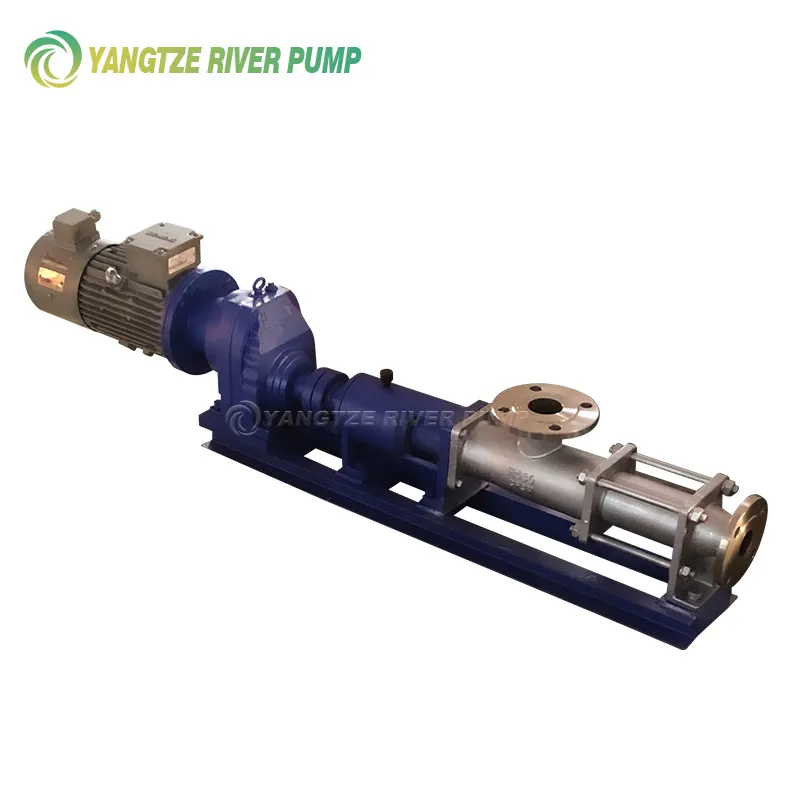 Geared screw pumps type G
-
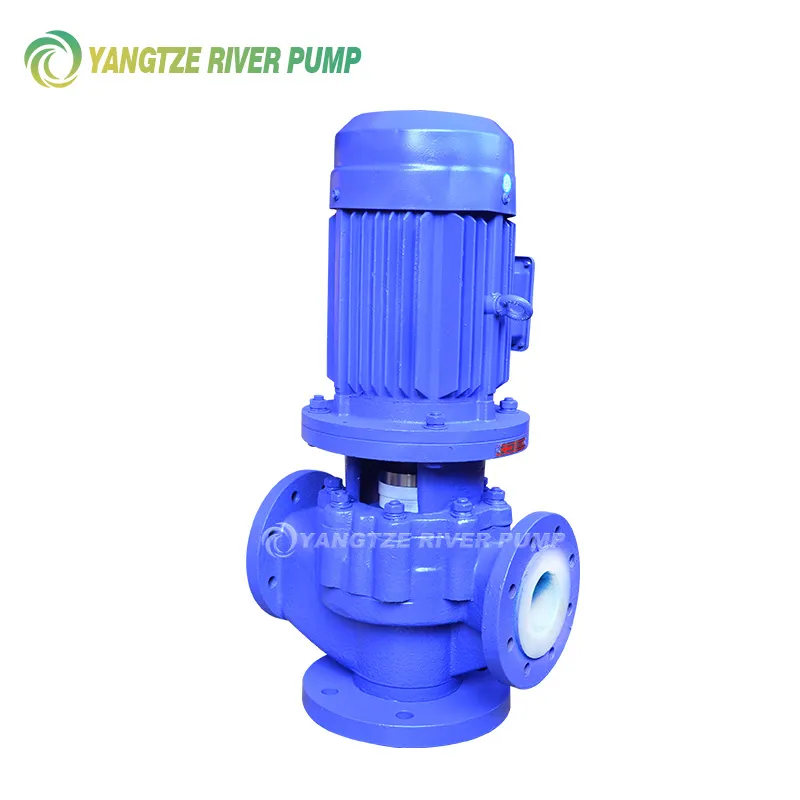 Vertical pumps with PTFE lining YQF
-
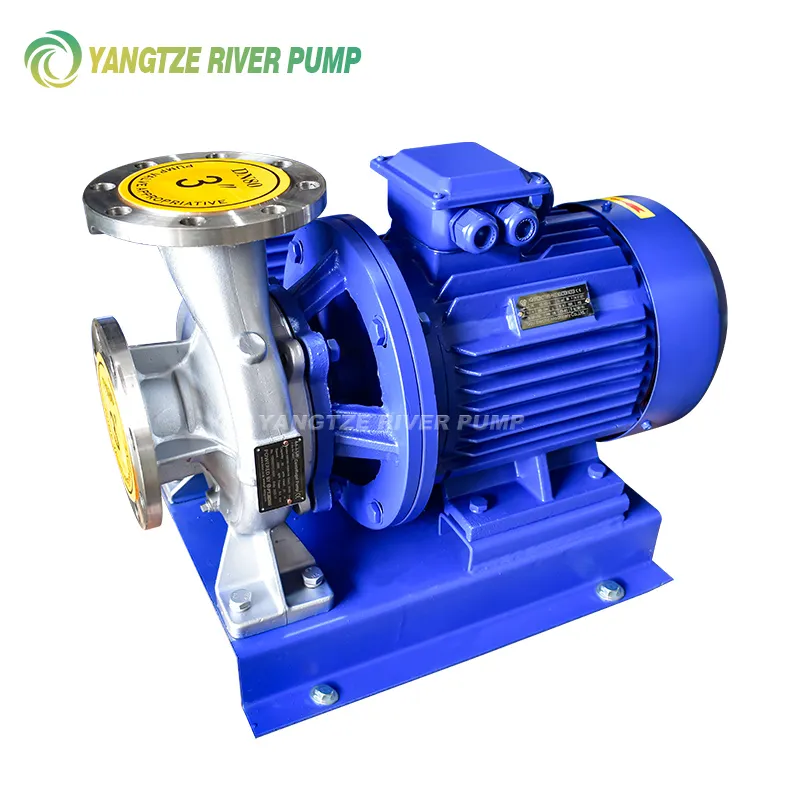 ISW and ISWH Single Stage Horizontal Pipeline Centrifugal Pumps
-
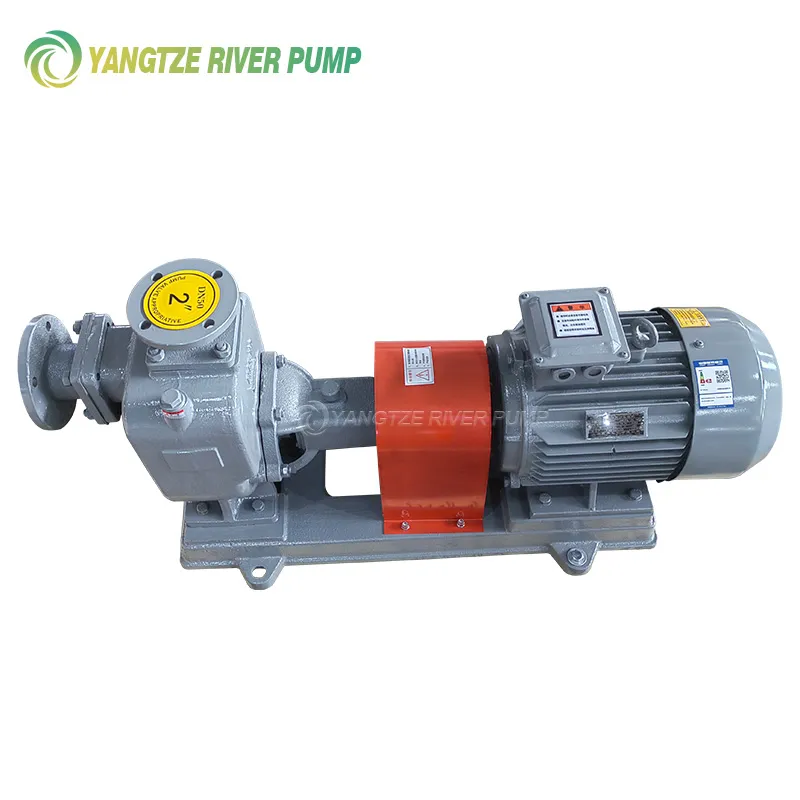 Non-clogging self-priming wastewater pumps ZW
-
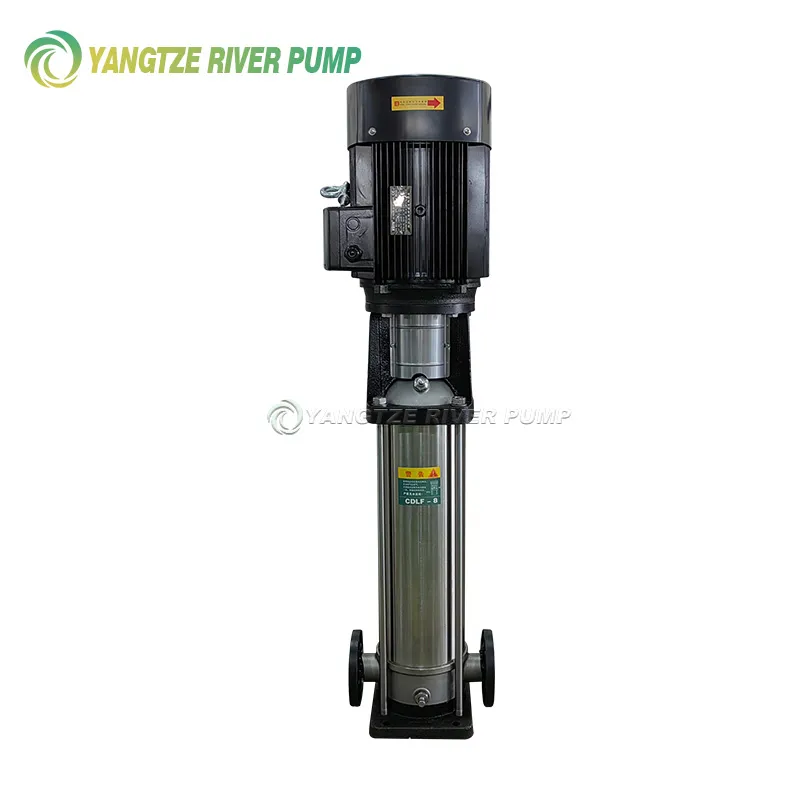 Vertical multistage centrifugal pumps made of stainless steel (light series) CDL and CDLF
-
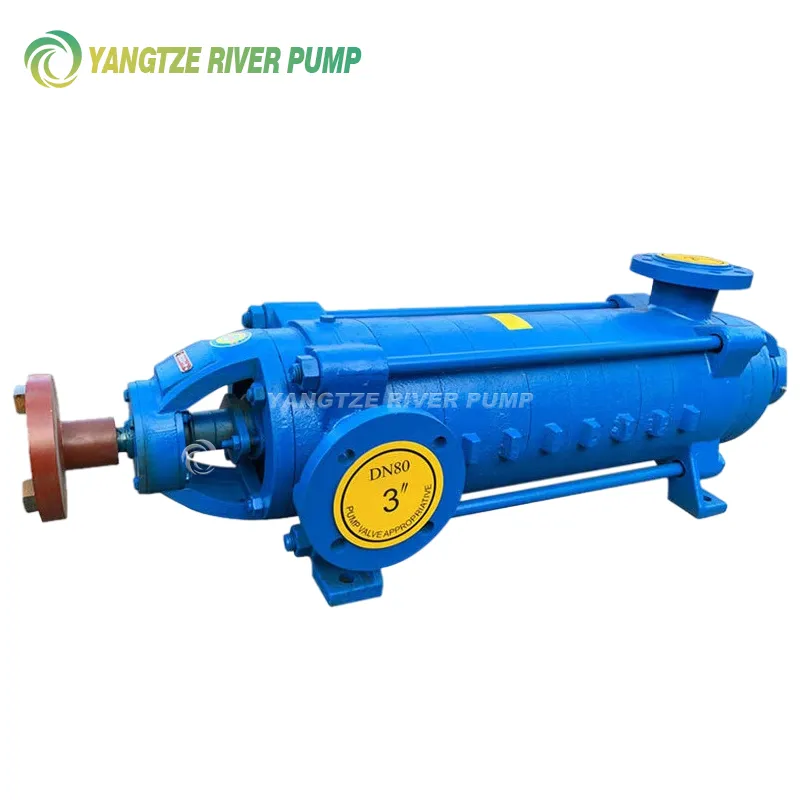 Horizontal multistage pumps for feeding DC boilers
-
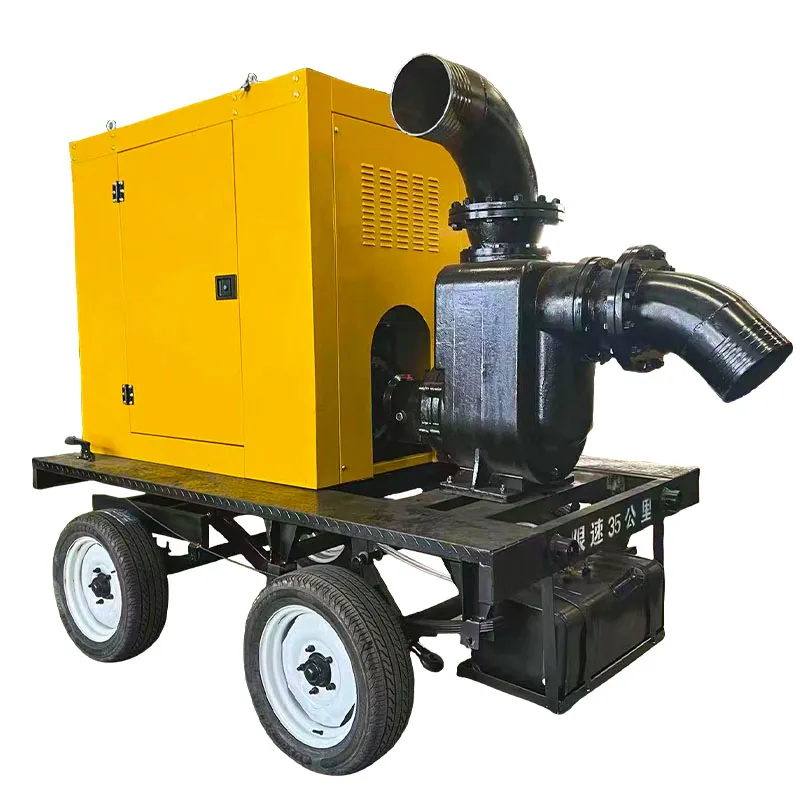 YZZW Diesel self-priming pumps
-
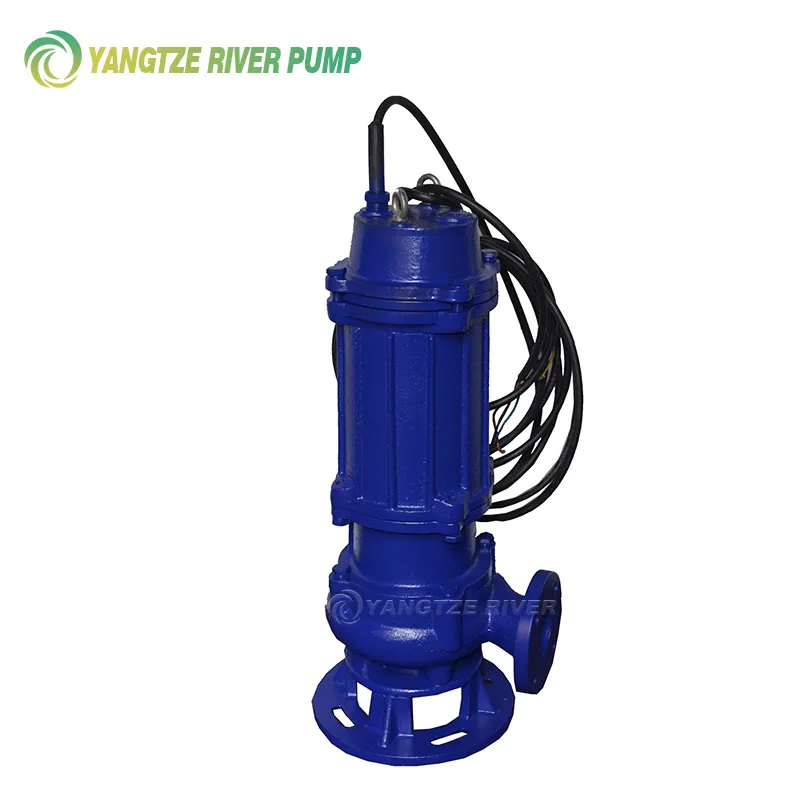 QW Non-clogging Submersible Sewage Pumps
-
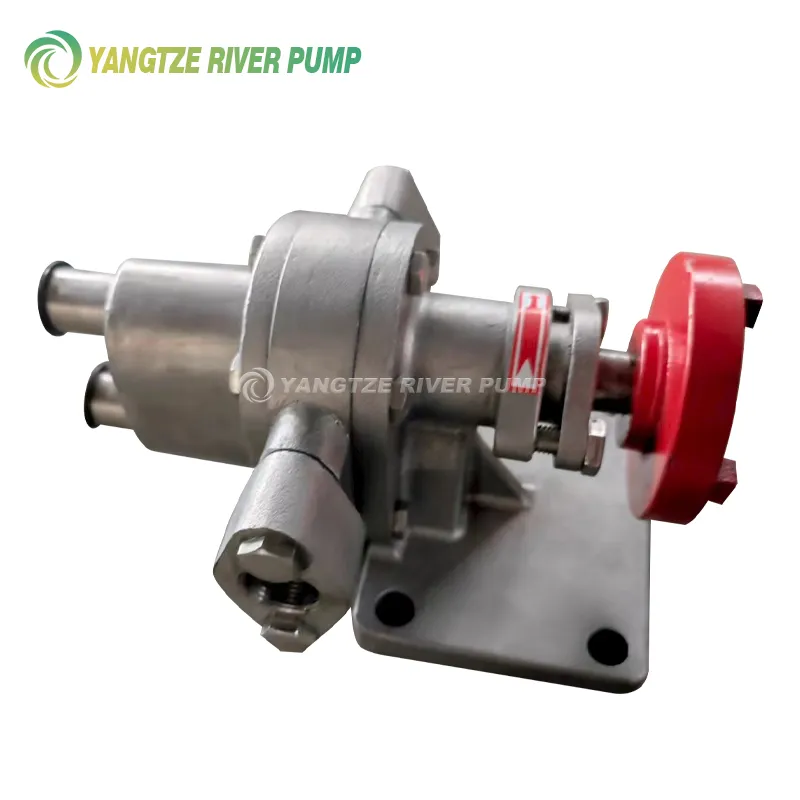 Gear oil pumps type KCB
-
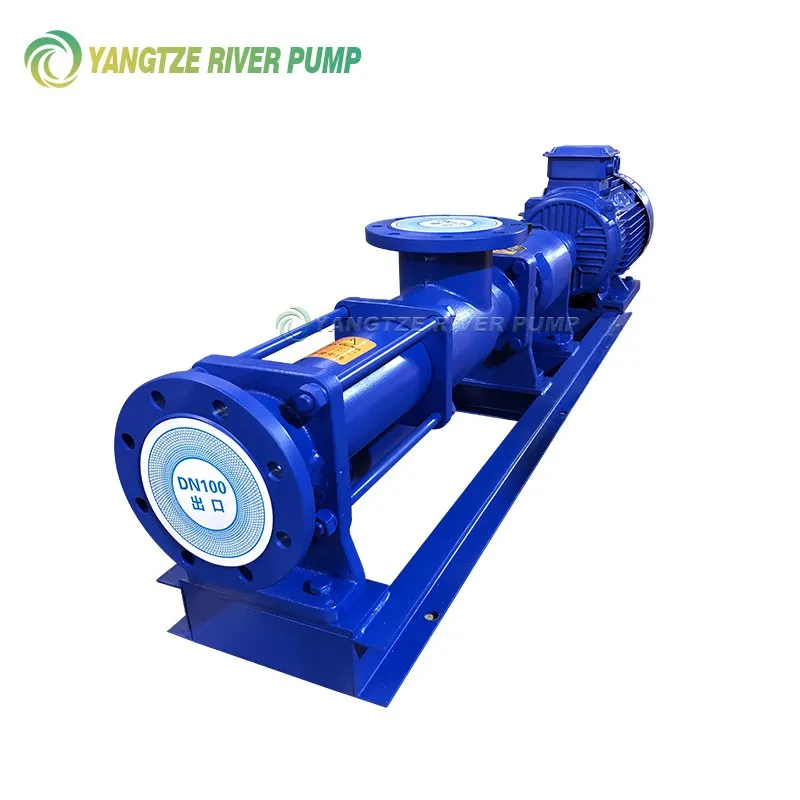 Single screw pumps type G
Relatedsearch
Related Search- centrifugal pump 2 m3 h
- centrifugal pump for water supply
- centrifugal condensate pump
- hot centrifugal pump
- FP Plastic Self-Priming Centrifugal Pumps
- cantilever type centrifugal pump
- positive displacement and centrifugal pumps
- Type DG Horizontal multistage boiler feed pumps
- centrifugal pump plastic
- centrifugal pump head 40 m