







vertical semi-submersible centrifugal pump
When they talk aboutvertical semi-submersible centrifugal pump, many immediately imagine water intake from an artesian well. This is, of course, a classic, but the scope is wider, and this is where the error in selection often lies. I myself have worked with such units at various sites, and I will say that if you do not take into account the nuances of the installation and the nature of the pumped medium, you can end up with either ineffective operation or premature wear. Not every vertical pump, even a centrifugal one, is suitable for long-term semi-submersible operation; here it is important to look at the design of the support unit and the material of the flow part.
Design and main misconception
The main confusion arises between purely submersible models and semi-submersible ones. The latter are not designed to operate completely submerged - their engine is above the liquid level, and only the working chamber with the impeller is lowered into the medium. This is the key. In our practice onhttps://www.yangtzeriverpump.ruWe often come across requests where a customer wants to use a semi-submersible pump as a fully submersible pump, thinking it will save money. We have to explain that these are different devices with different sealing and engine cooling systems.
The vertical layout here is not accidental - it saves space, which is critical in limited spaces of pumping stations or process tanks. But this same verticality imposes restrictions on axial loads. If we take, for example, our multi-stage vertical pumps, then for semi-submersible operation their design has to be modified, strengthening the support bearing assembly, which in a conventional vertical pump may not be designed for this type of installation.
Another point that is often overlooked is vibration. With a semi-submersible installation, the long shaft is in a kind of “suspended” state. condition. If you do not provide sufficient rigidity for attaching the upper part to the platform, parasitic vibrations may occur, which over time will lead to fatigue cracks in the housing or destruction of the shaft. I remember an incident at one of the chemical plants where, due to a poorly concreted base slab, after six months of operation the pump had to be removed for major repairs.
Materials and chemical resistance
When it comes to pumping not water, but, say, process solutions or aggressive liquids, the choice of material becomes paramount.Vertical semi-submersible centrifugal pumpoften used in precisely such conditions - in galvanic lines, in circulation systems with reagents. Standard cast iron will not work here.
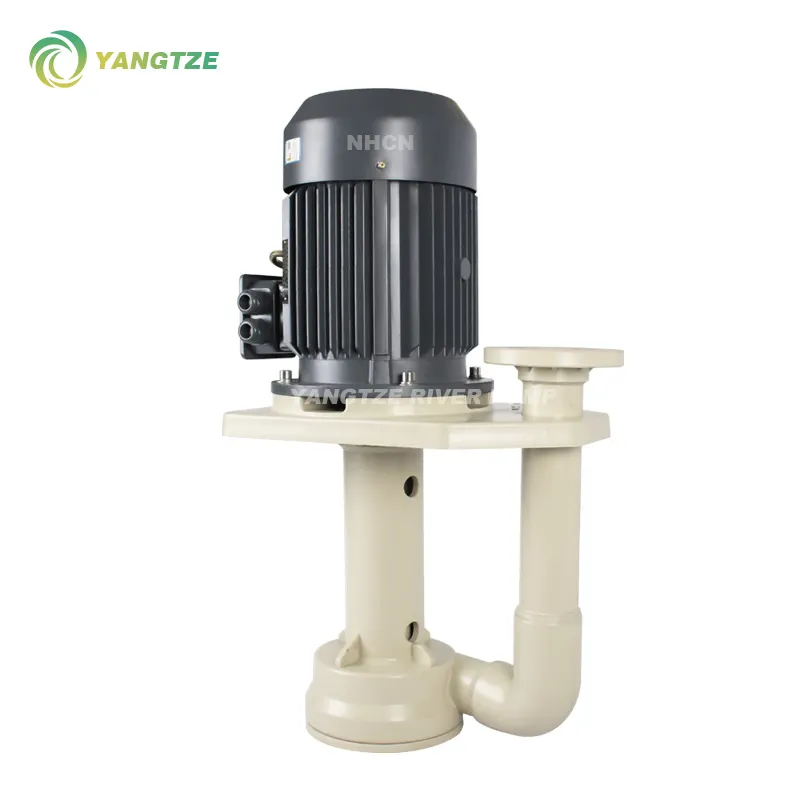
In stockZhejiang Yangzijiang Pumping Industry Co.,LtdThere is a line of plastic chemical pumps, and some models are adapted for vertical semi-submersible installation. Polypropylene or PVDF has excellent resistance to many acids and alkalis. But there is a nuance: the mechanical strength of such cases is lower than that of metal ones. Therefore, during installation and maintenance, special care is required - tightening the flange connections with a torque wrench so as not to “pinch” and not create internal tension.
We had experience in supplying such pumps for wastewater neutralization systems. The customer initially wanted AISI 316 stainless steel, but after analyzing the composition of the medium and economic calculations, they settled on a composite material. This made it possible to reduce the cost of a unit of equipment by almost 25% without losing service life. The main thing was to choose the right type of mechanical seal - they installed a double one with flushing with an inert gas, since there were abrasive suspensions in the liquid.
Installation and "field" problems
Theory is good, but installation practice decides everything. The instructions for installing a vertical semi-submersible pump seem simple: attach the support flange to the ceiling, lower the unit into the tank, connect the pipelines and power. However, there will always be a “but?” at the facility.
The most common problem is deviation from the vertical. It seems that a couple of degrees does not solve anything, but for a long shaft it is critical. An uneven gap between the impeller and the diffuser leads not only to a drop in efficiency, but also to hydrodynamic shocks that destroy the bearings. We always recommend using a laser level during installation and not relying on an eye meter. In conditions where the pump is installed in an existing technological well with uneven walls, it is necessary to manufacture individual mounting brackets or frames.
Another practical tip that was born from a bad experience is to always leave a technological margin along the length of the shaft. Once, during the installation of a deep water intake, the water level in the well turned out to be below the design level. The pump, lowered to the calculated depth, simply did not reach the dynamic level. It's good that the shaft was composite, and we were able to quickly add a section. Since then, in the equipment passport we always indicate: “The maximum length of the immersed part is X meters, but before ordering, please check the hydrogeological conditions.”
We must not forget about service. A semi-submersible pump is easier to lift for inspection than a fully submersible pump, but for this, a crane or hoist of sufficient lifting capacity must be provided above the tank. I have seen more than once how in small industries they tried to pull out a pump weighing under 200 kg manually using cables, at the risk of tearing it into the tank. This is a matter of safety and proper design of the installation site.
Comparison with other types and selection
Why choosevertical semi-submersible centrifugal pump, if there are submersible, cantilever or horizontal? The answer, as always, is in the application details. For pumping clean water from a deep well, a classic submersible well pump may be better suited. For pumping large volumes with constant pressure on the surface - horizontal cantilever.
The semi-submersible design wins where it is necessary to minimize the area, where the level of the pumped liquid can fluctuate significantly, or where the environment is aggressive, but cooling a standard engine with air is impossible (for example, in closed containers with vapor). Our production engineers inZhejiang Yangzijiang Pumping Industry Co.,Ltdoften conduct such comparative analyzes for customers. Eight complete production lines, from R&D to testing, allow not only the production of a wide range of equipment, but also the simulation of different operating conditions to offer the optimal solution.
For example, semi-submersible models are often chosen to circulate coolant in a system with an open cooling tower. They are not afraid of a drop in the level in the receiving tank (the engine remains above the water), and their performance is easily adjusted by the immersion depth of the suction pipe. At the same time, for pumping slurry mixtures with large inclusions, such a pump may not be the best choice - it is better to look towards screw or diaphragm pumps, which we also have in production.
Evolution and prospects
If earliervertical semi-submersible centrifugal pumpwas a fairly simple device, today it is often a high-tech unit with vibration sensors, bearing temperatures and a remote monitoring system. The trend towards digitalization and predictive maintenance affects this segment as well.
We are increasingly testing prototypes with built-in smart sensors on our test benches. This makes it possible not only to state the fact of a breakdown, but to predict it by monitoring the increase in vibration or changes in current consumption. For critical applications such as circulation in fire suppression systems or chemical plants, this is critical.
Another direction of development is increasing energy efficiency. By optimizing the hydraulic part, using CNC-machined impellers and using frequency converters, it is possible to reduce specific energy consumption. This is no longer just a pump, but part of a comprehensive energy-saving system. And here again, the synergy of all departments of the company is important - from the research department, which models flows, to the testing laboratory, which checks efficiency in real conditions.
Returning to the beginning, I would like to emphasize: the choice of such a pump is always a compromise between technological requirements, operating conditions and economics. Blindly following a catalog or past experience can lead to error. You need to deeply understand the physics of the process, have practical installation experience and, importantly, work with a manufacturer who not only sells hardware, but is able to offer engineering support at all stages - from selection to commissioning. It is on this principle that the work of our company is built.
Correspondingproducts
Related Products




Best Sellingproducts
Best Selling Products-
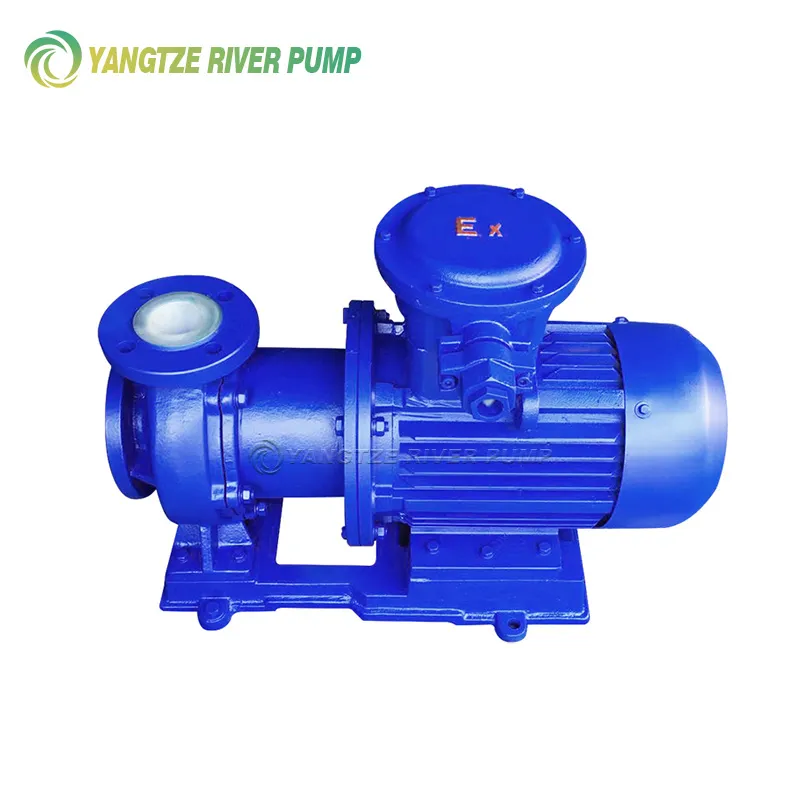 Magnetic pumps with fluoroplastic lining CQB-F
-
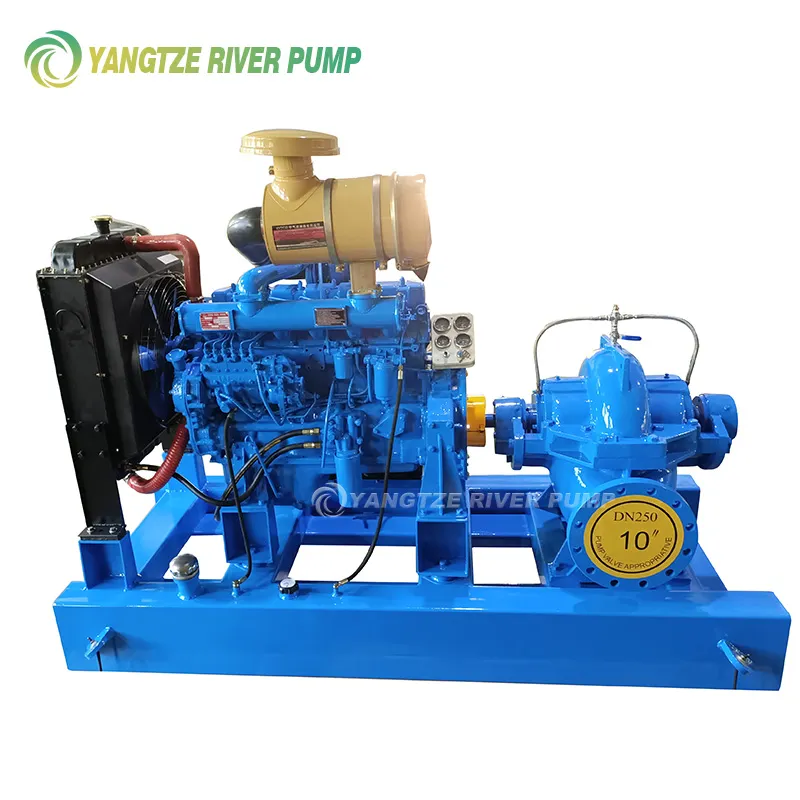 Diesel pumps with horizontal connector YZS and YZSH
-
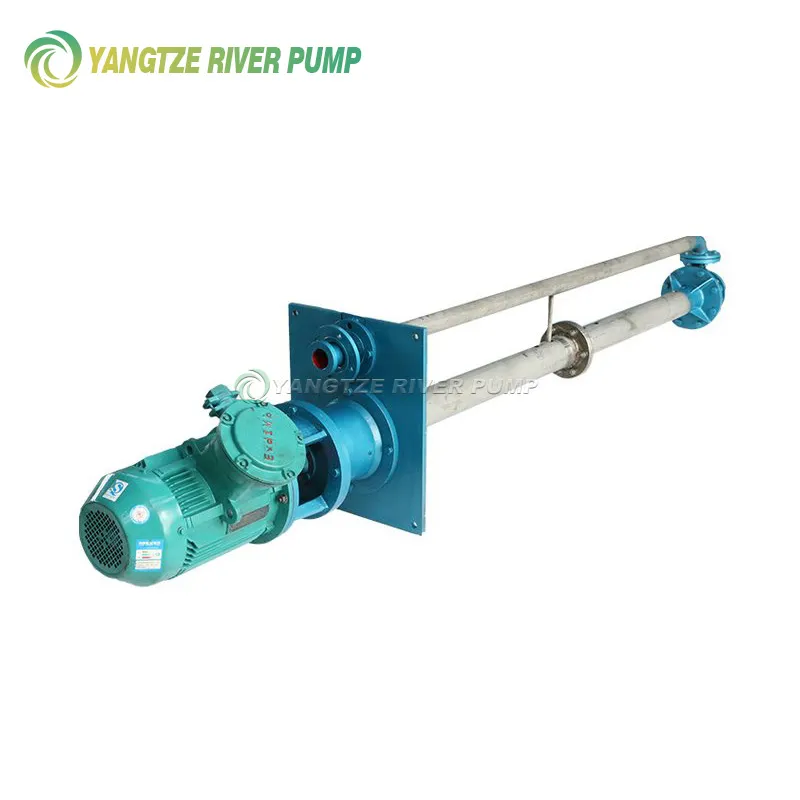 FY Submersible Chemical Pumps
-
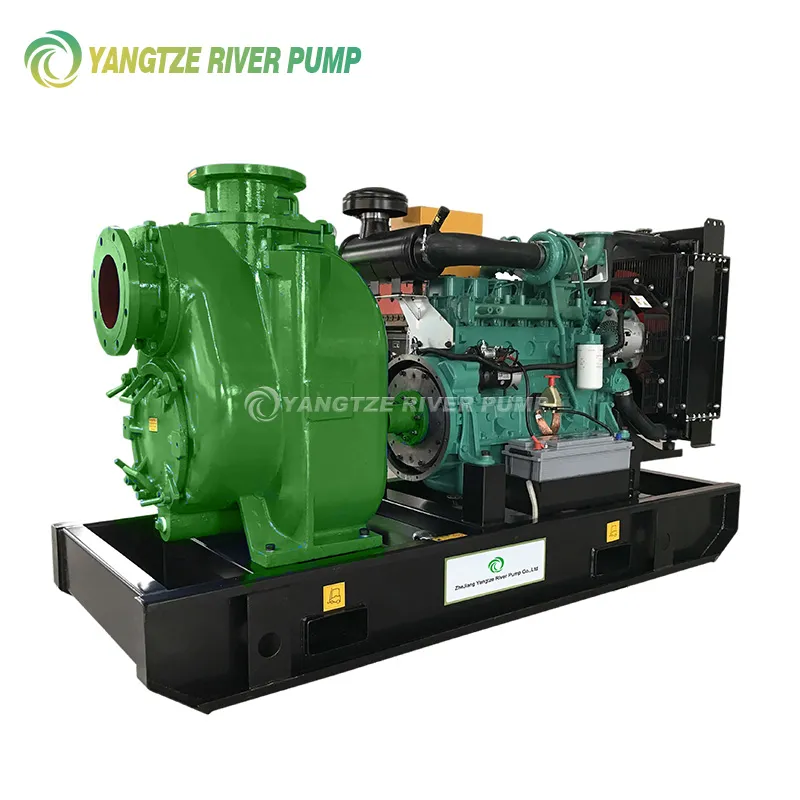 YZSP Diesel Self-Priming Pumps
-
 YW Vertical Submersible Sewage Pumps
-
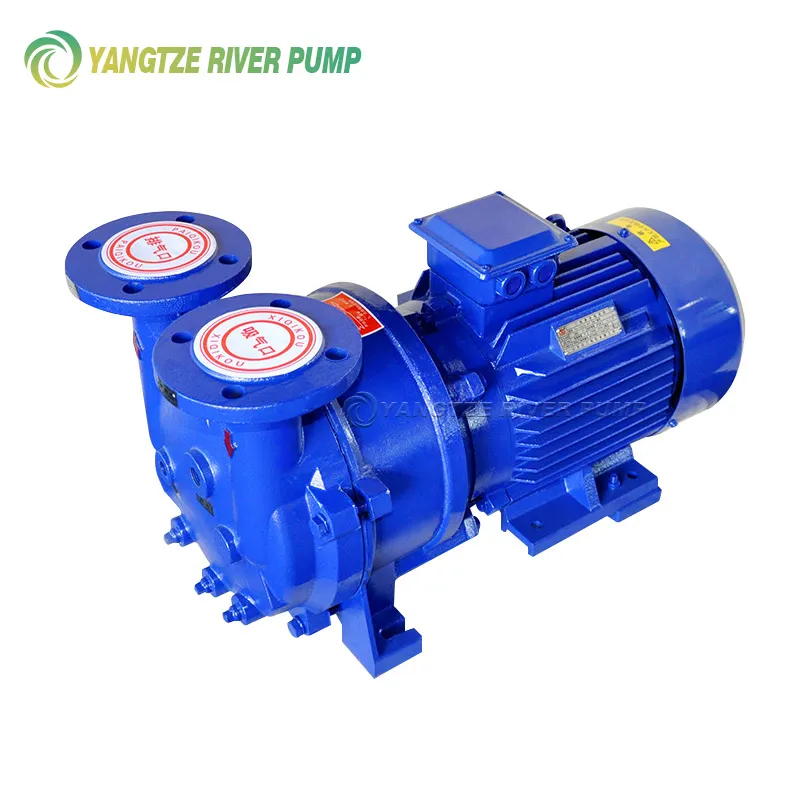 Liquid ring vacuum pumps type SKA and 2BV
-
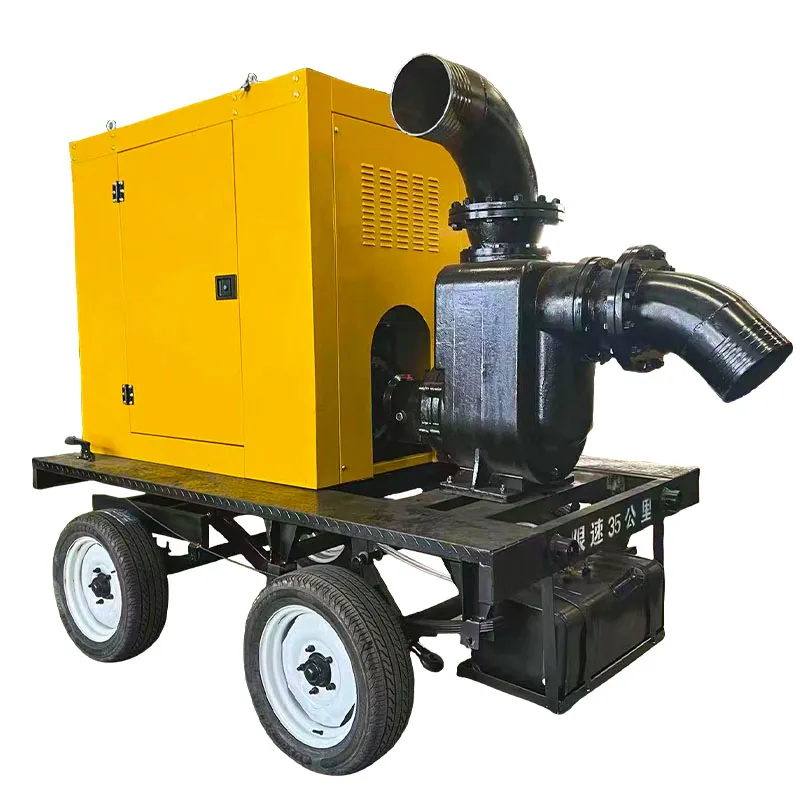 YZZW Diesel self-priming pumps
-
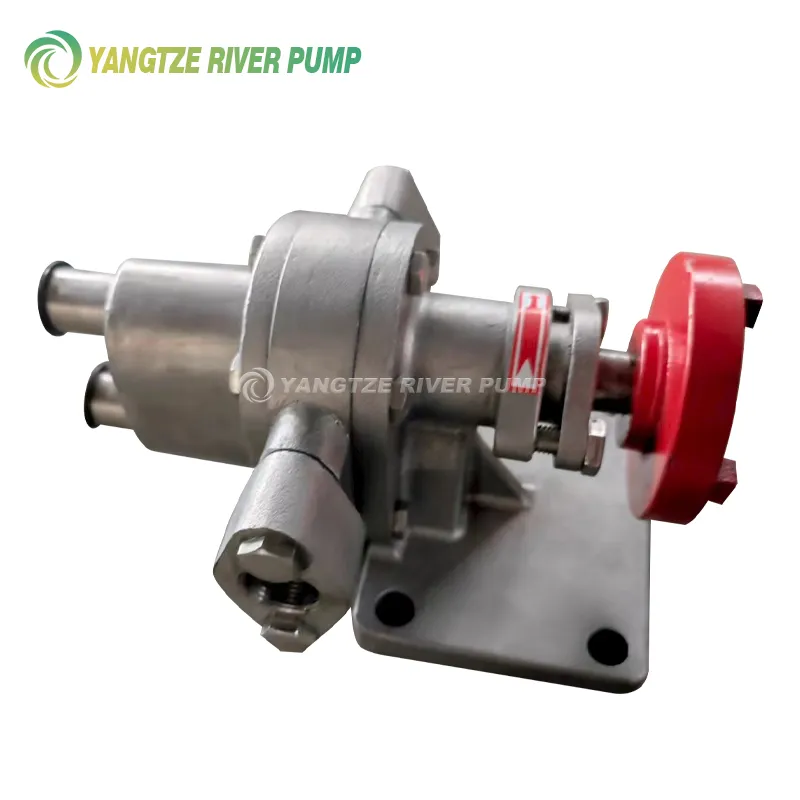 Gear oil pumps type KCB
-
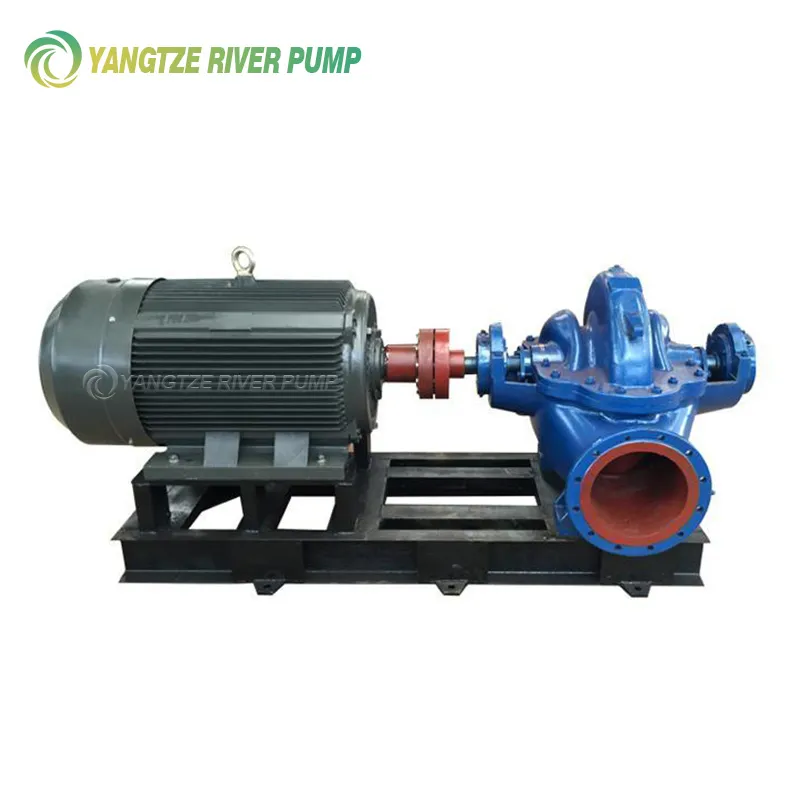 Single Stage Double Entry Centrifugal Pumps Type S
-
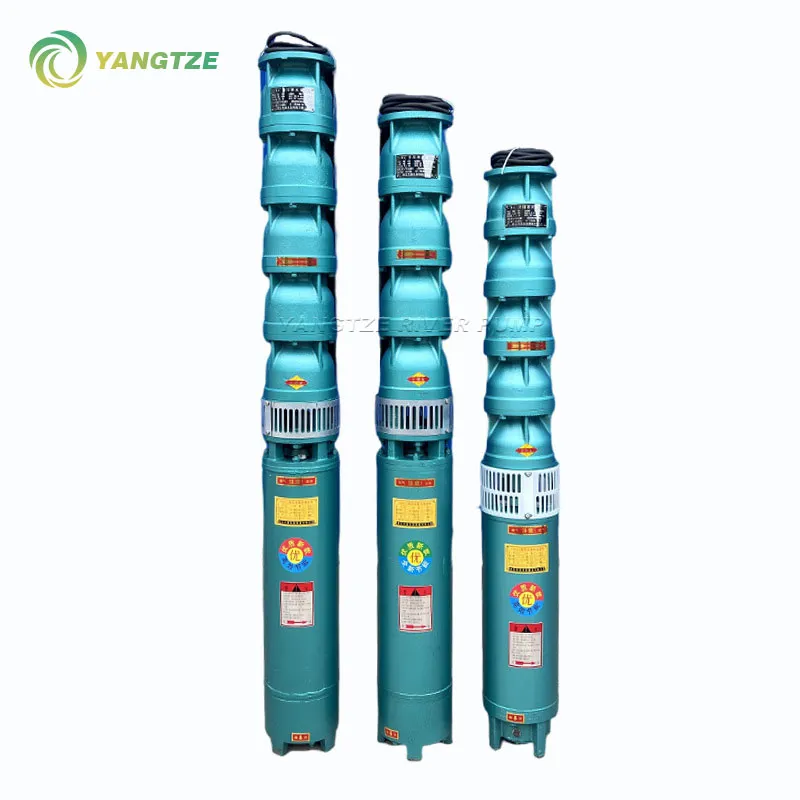 QJ type borehole pumps
-
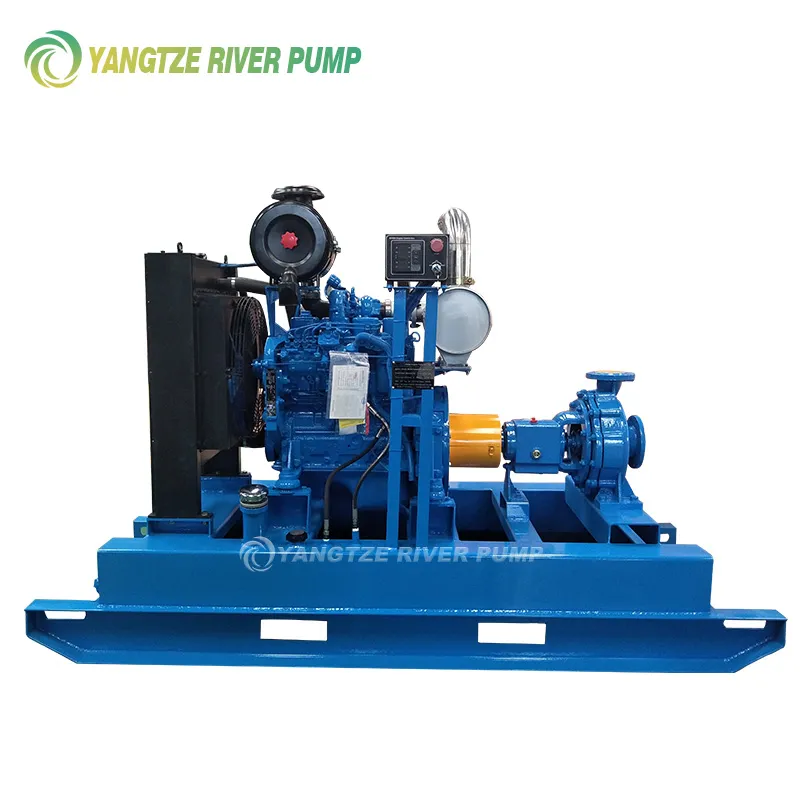 YZIS Diesel Single Stage Centrifugal Pumps
-
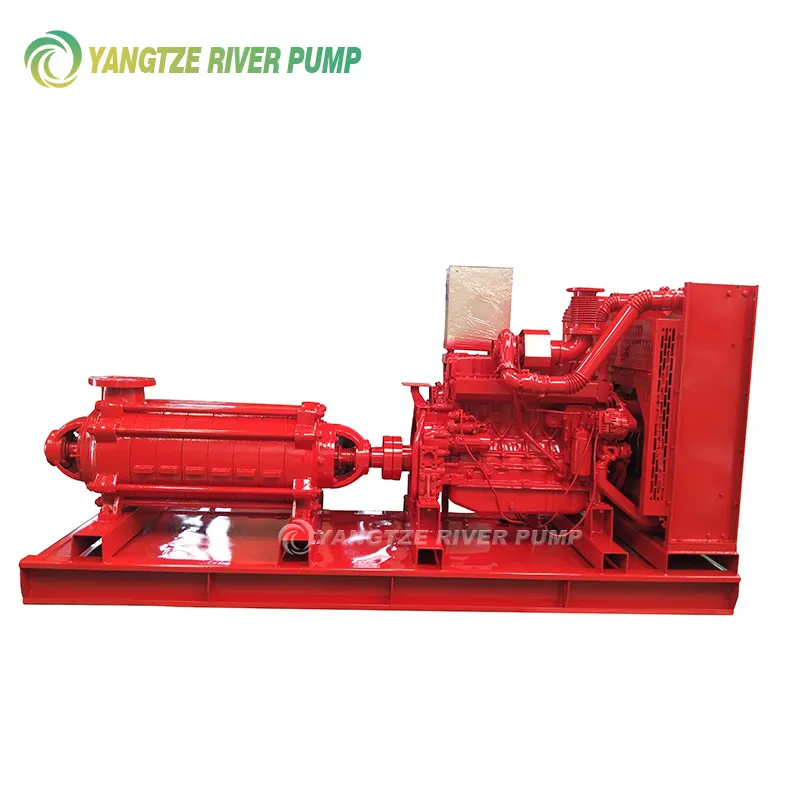 XBC Diesel Intelligent Fire Pumps
Relatedsearch
Related Search- centrifugal water pump 380
- centrifugal radial pumps
- submersible well pump 2 2 kW
- vacuum pump 220
- CQB-L Vertical magnetic pumps
- Horizontal centrifugal pumps made of stainless steel
- ISW Single Stage Horizontal Pipeline Centrifugal Pumps
- submersible borehole pump BTsPE
- centrifugal pumps for water supply
- disc single stage centrifugal pump