







centrifugal pump apparatus
When they say “centrifugal pump apparatus,” many people immediately imagine a cast iron or steel casing. But this is just the tip of the iceberg. In fact, the device is a complex system, including a spiral outlet, a diffuser, a guide vane in multi-stage models, and an axial force relief system. A common mistake is to evaluate a pump only by the characteristics of the impeller, forgetting that the device generates up to 40% of the efficiency of the unit. At Zhejiang Yangzijiang Pump Industry LLC, we regularly see on test benches how changing the geometry of the volute chamber by fractions of a millimeter “eats” or, conversely, adds several percent of pressure. This is not a theory, but daily practice.
Design nuances that are not written in catalogs
Take, for example, a line of multistage centrifugal pumps. There, the apparatus is essentially a set of guide vanes and section bodies. It would seem that everything is standard. But here’s the point: how to ensure density between stages during thermal expansion? We experimented for a long time with different gasket materials and stud tightening forces. Too little and it will leak, too much and the body may “lead”. As a result, for high-temperature models we came to a combined solution: a graphite gasket plus control of the tightening torque with a torque wrench using a special 'criss-cross' algorithm. This is not written in GOST, this is accumulated experience.
But with single-stage cantilever pumps it’s a different story. Their apparatus, that is, the spiral chamber, is often made with two options: basic and with a rotation of 90 or 180 degrees. This is for ease of installation. But there is a catch here: when you turn the lid, the position of the point of maximum efficiency may change. Therefore, at our plant, each such configuration is additionally checked on a stand, and not simply assembled as a construction kit. Otherwise, the client will receive a pump that makes noise and vibrates at nominal mode.
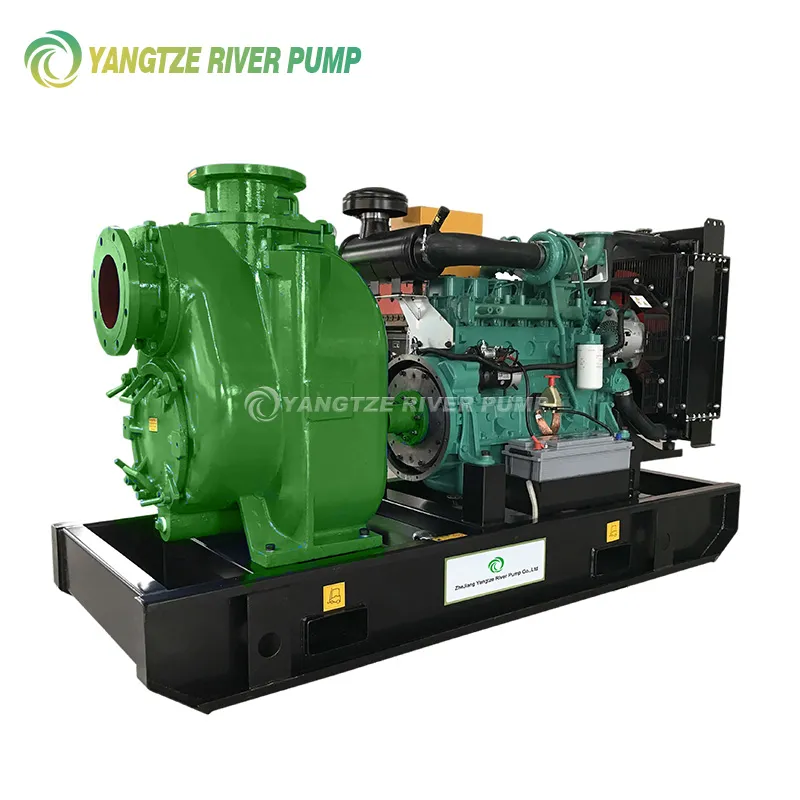
Or takeapparatusself-priming centrifugal pumps. The most important element there is a volumetric chamber in the upper part, where the separation of air and liquid occurs. If its shape or volume is calculated incorrectly, the pump will either have poor suction or “choke” when reaching the operating mode. Based on testing of several dozen prototypes, we optimized this camera, making it more elongated. This improved suction by 15-20% for models with a high air content in the pumped medium.
Materials: from cast iron to special polymers
The body of the device is not just a piece of hardware. For chemical media, for example, cast iron or steel - death. We have a line of plastic chemical pumps in our assortment, where the device is entirely made of glass fiber reinforced polypropylene, or PVDF. The difficulty lies elsewhere - casting. Uneven shrinkage of the material, internal stresses. There were cases at the beginning of production when the case did not develop a microcrack immediately, but after a month of work. We had to completely revise the technology of casting and cooling of molds. Now, before assembly, each such body is tested with a thickness gauge at key points.
For seawater or abrasive slurries, the spiral outlet often wears out, especially in the 'tongue' area. The standard solution is hardfacing. But for our submersible and slurry pumps, we went further and began to make replaceable wear-resistant inserts into the apparatus from high-chromium cast iron. This is more expensive to produce, but significantly increases the turnaround time. A client from a mining and processing plant confirmed: the service life before major repairs increased from 3000 to 8500 engine hours.
But for the food industry, the key is the smoothness of the surface. Any sink in the device is a breeding ground for bacteria. Therefore, we do not just polish the inner surface of cases for such orders, but additionally passivate them using a special technology. This is not a mandatory requirement in the specifications, but we do it because we have seen the consequences of 'savings' for others.
Interaction of the device with other nodes
Centrifugal pump apparatuscannot be considered in isolation from the shaft and seal. The classic problem is shaft runout at the exit from the housing. If the seats for the bearings in the device are bored out with a distortion of even a couple hundred square meters, vibration is guaranteed. There was a stage in our production when this operation was done on an old machine. The problems started with the field pumps, which customers complained about making noise. I had to invest in a new CNC machining center with a rigid bed. Now the alignment is maintained perfectly. This is to the question that the quality of the device begins with the machine.
Another critical interface is where the mechanical seal or stuffing box is installed in the housing. If the seal chamber is incorrectly positioned relative to the pressure cavity in the apparatus, the seal will overheat or, conversely, not be lubricated. For our magnetic pumps with a complete absence of seals, this issue is removed, but for standard centrifugal pumps it is relevant. For our models, we have developed standardized borings for several types of seals, which simplifies both repair and selection for a specific environment.
And, of course, flanges. It seems like nonsense: I welded the flange to the body of the device and that’s it. But if the weld shrinks, the flange can “lead”, and when installed on the pipeline, there will be a misalignment, a load on the bolts, and then a leak. We switched to shoulder flanges, which are welded in two passes with a stress-relieving anneal in between. Extra labor costs? Yes. But the number of complaints about flange leaks has dropped to almost zero.
Design testing and validation
All theoretical calculations of the device are nothing without hydraulic tests. We have several closed circuits for testing at the site of Zhejiang Yangzijiang Pumping Industry LLC. For each new or modified device, we take a full characteristic: not only Q-H, but also efficiency curves, NPSH, vibrations at different points of the body. It often happens that the calculated point of maximum efficiency shifts by 5-10% from the expected one. Then the engineers return to the drawings and adjust the spiral profile or the angle of the guide vanes.
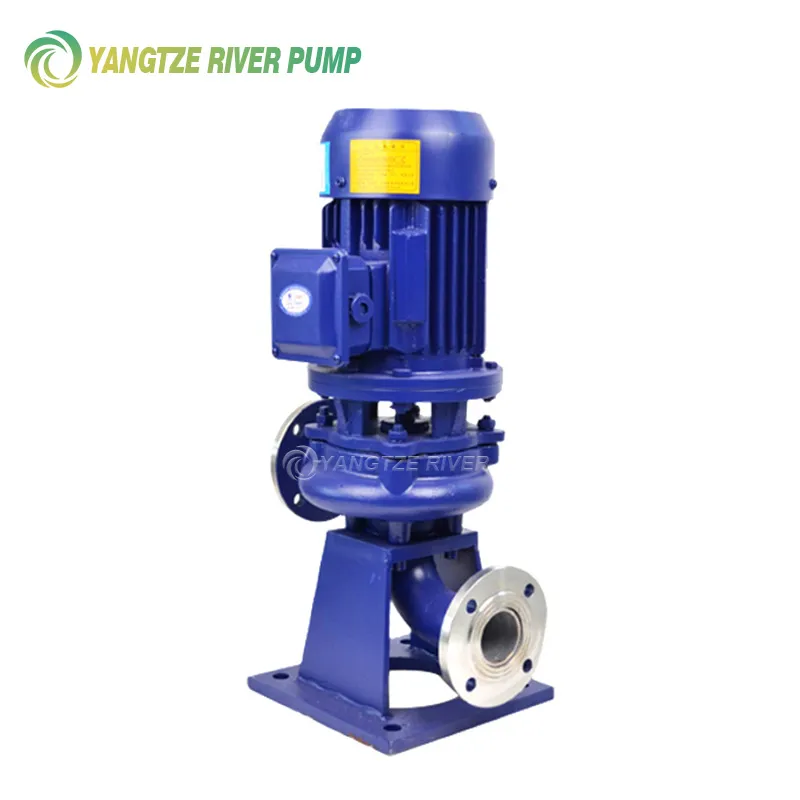
One of the illustrative cases was with a linear centrifugal pump. This is when the device and the engine are on the same axis. The design is compact, but the rigidity of the entire device body is critical. The first prototypes, at elevated pressure, began to 'ring' at a certain frequency. We had to install vibration sensors and add internal stiffeners to the casting mold of the body using trial methods. Not in every catalog you will read about such a nuance, and without it the pump would fail in six months.
Cavitation tests are a different matter. To evaluate the durability of the device material, we run the pumps in a deliberately low NPSH mode. And we look not only at the impeller, but also at the “tongue” of the spiral outlet. This is where the first shells from collapsing bubbles often appear. Based on these tests, we have formed recommendations on materials for different environments: in some places ordinary AISI 304 stainless steel is sufficient, but in others AISI 316 or even duplex steel is needed.
Maintainability and modernization
A good device should not only be reliable, but also repairable. In the field, at the same client plant, it is not always possible to dismantle the entire pump weighing a ton. Therefore, in our multistage pumps we have provided a split device housing with a horizontal split. This allows you to open the pump and replace worn guide vanes or o-rings without removing the pipelines. Yes, such a design is more difficult to manufacture and requires more precise processing, but for the client this means hours, not days of downtime.
The opposite situation also happens: the pump is outdated, but its apparatus - the cast-iron body - is in good condition. Customers ask if a modern, more efficient impeller can be installed in an old casing. Not always. The geometry of the spiral chamber of the old device may not correspond to the new flow, the efficiency will not increase, and may even fall. In such cases, we do not offer “crutches”, but a comprehensive solution: sometimes it is cheaper and more efficient to replace the entire unit, becausecentrifugal pump apparatusand the wheel are one hydraulic system.
There is a lot of talk now about digitalization. And we are also looking in this direction: we are introducing vibration and temperature sensors into critical components, including the body of the device. This makes it possible to predict wear or the occurrence of cavitation. But this is the next level, when the device becomes not just hardware, but part of a “smart” system. But the basis, as before, is accurate calculation, high-quality materials and testing at the stand. Without this, all sensors will only record an accident, and not prevent it.
Correspondingproducts
Related Products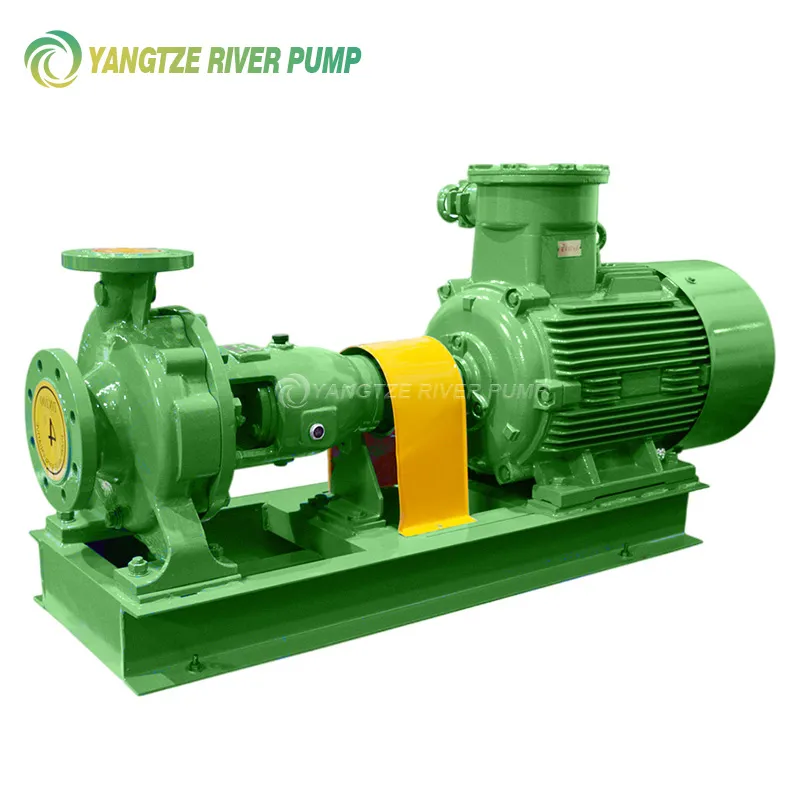





Best Sellingproducts
Best Selling Products-
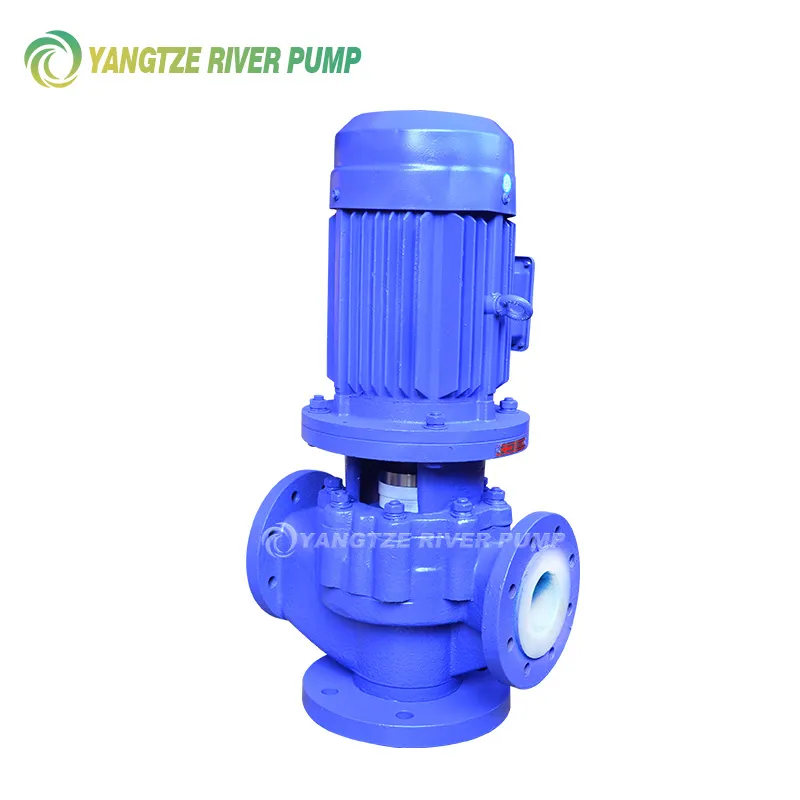 Vertical pumps with PTFE lining YQF
-
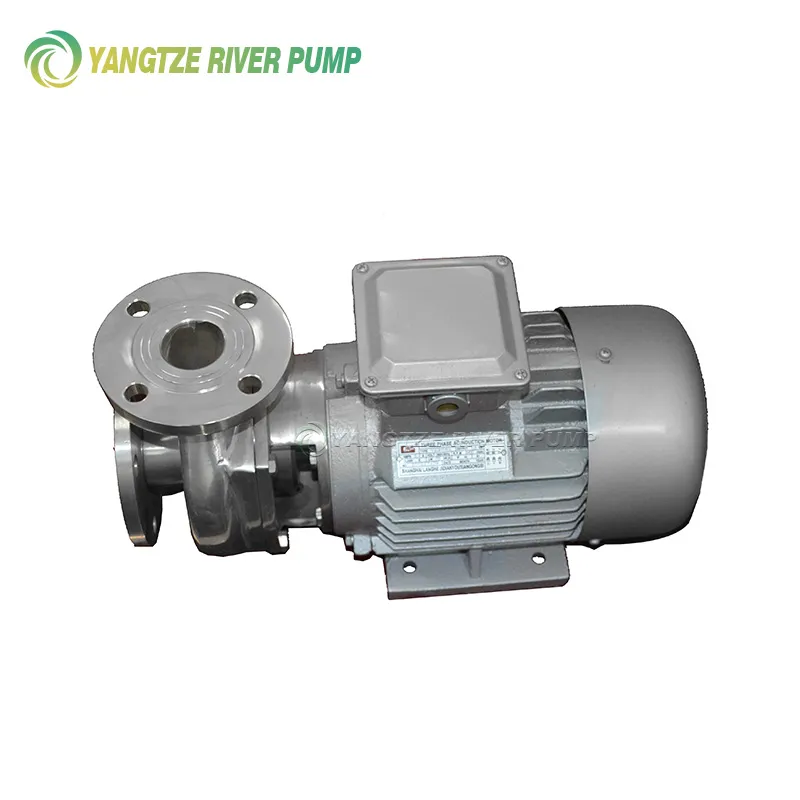 Corrosion-resistant stainless steel centrifugal pumps SFB and SFBX
-
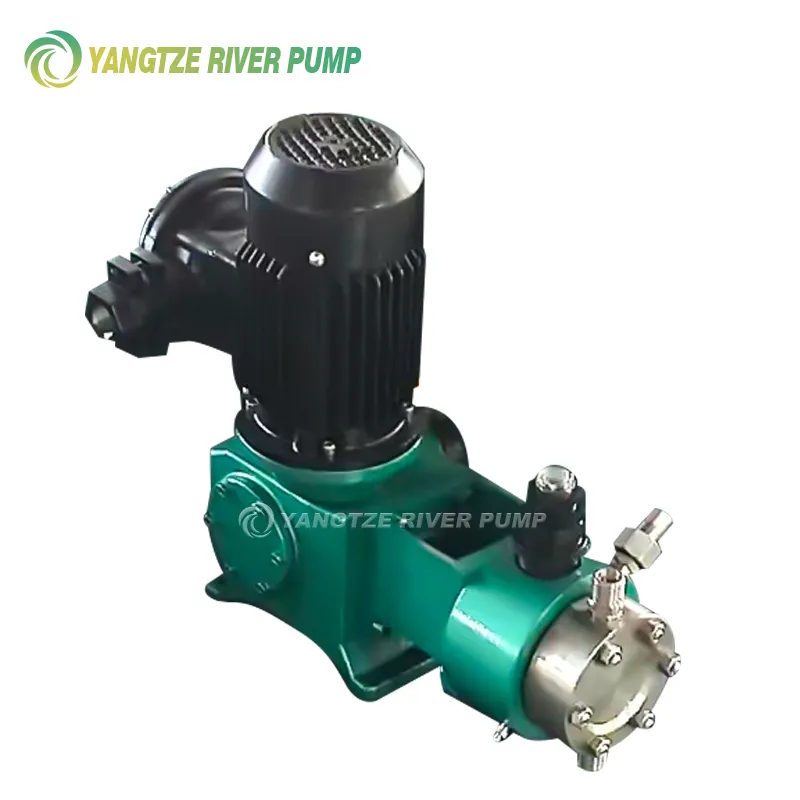 Plunger dosing pumps type DZ-X
-
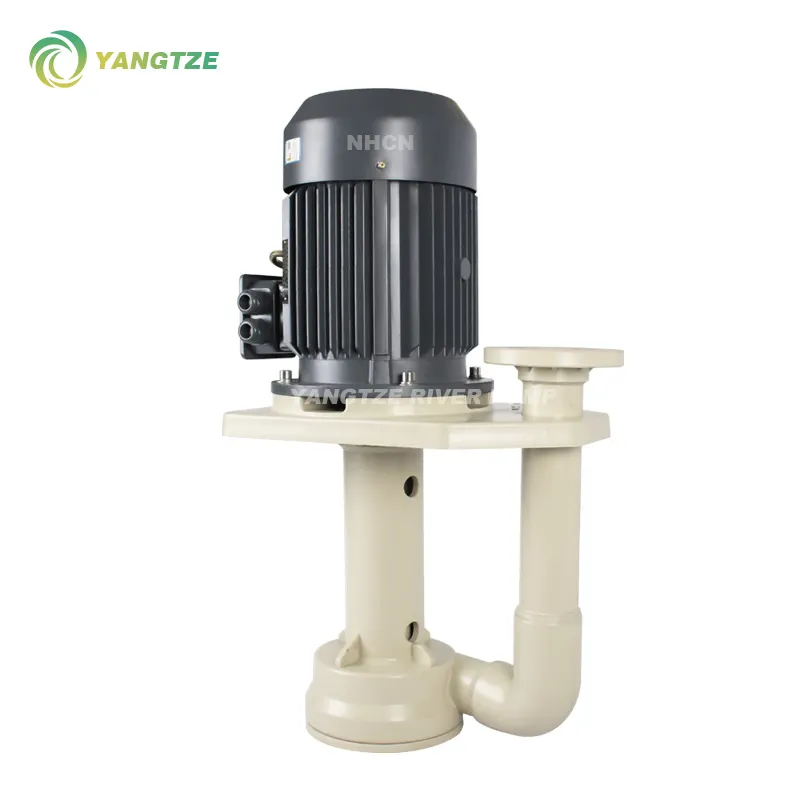 Vertical pumps for installation inside/outside tanks YZCN and YZCW
-
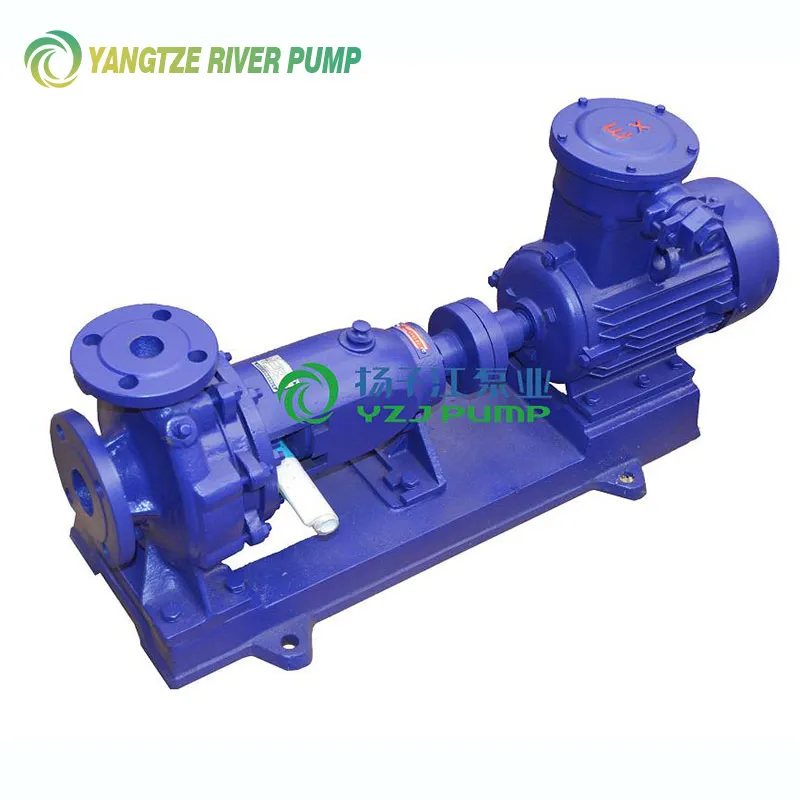 Horizontal chemical centrifugal pumps types IS and IR
-
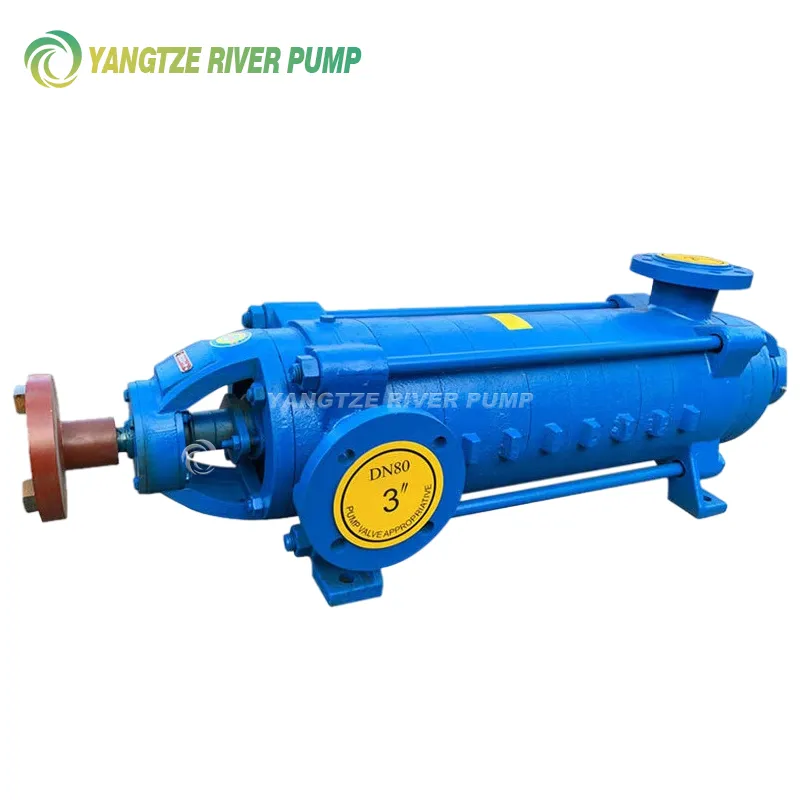 Horizontal multistage centrifugal pumps type D
-
 Mechanical diaphragm dosing pumps DJ-D
-
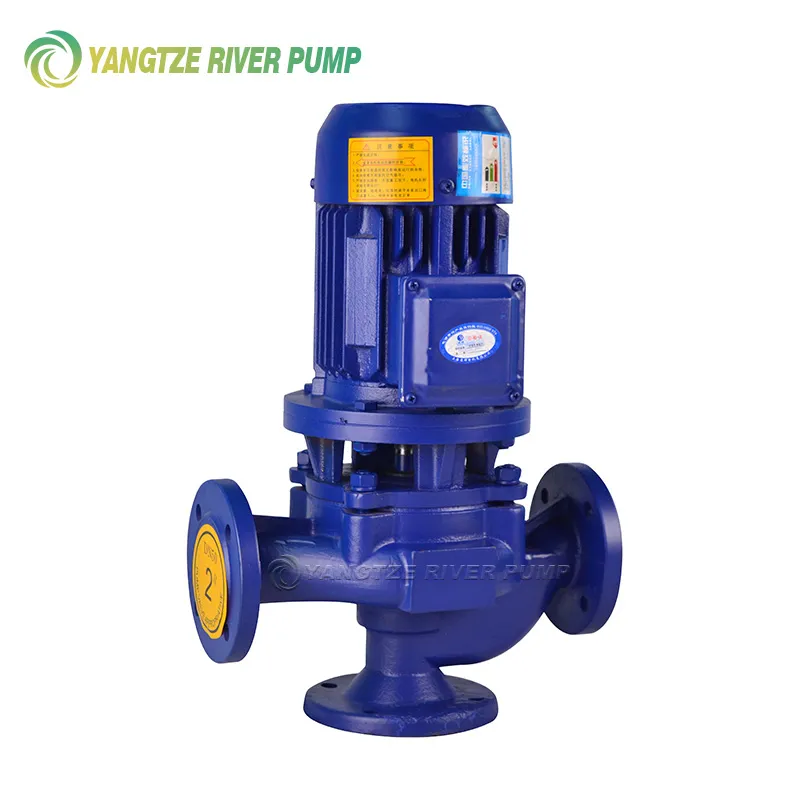 Pipeline wastewater pumps GW
-
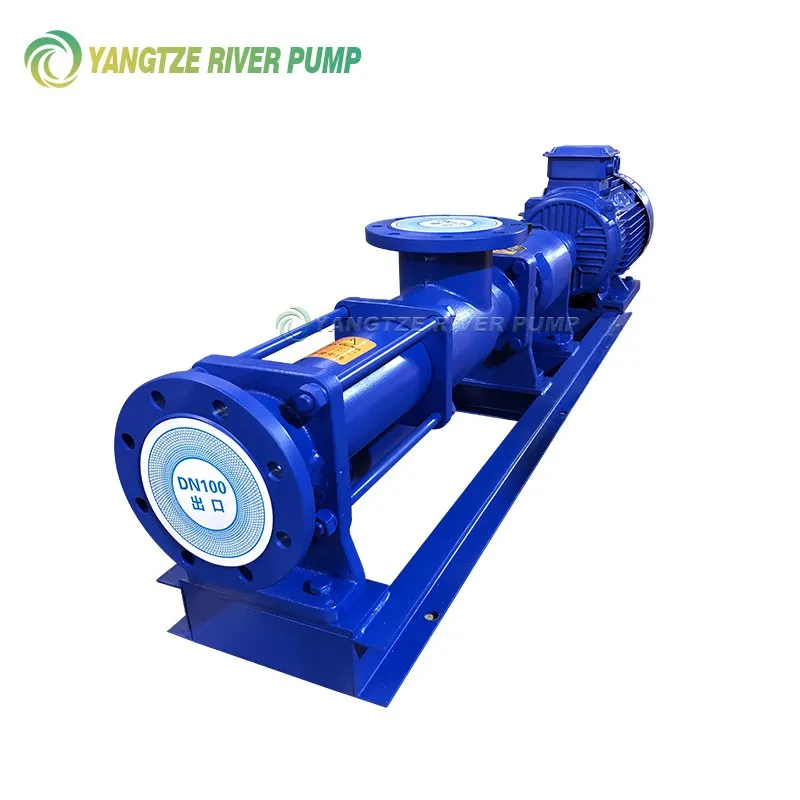 Single screw pumps type G
-
 Non-clogging self-priming wastewater pumps ZW
-
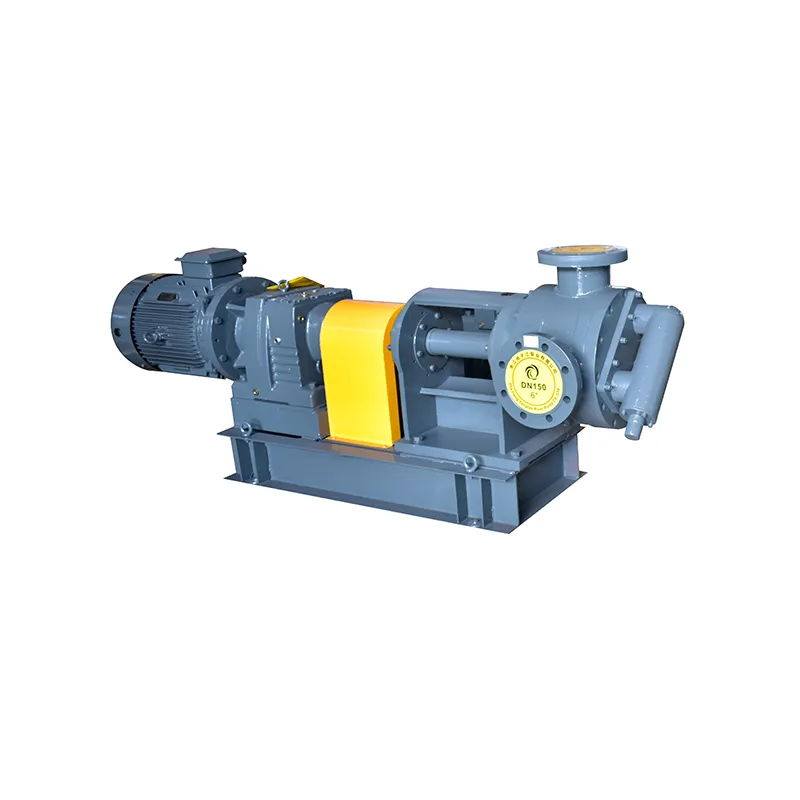 NYP High Viscosity Internal Gear Pumps
-
 YW Vertical Submersible Sewage Pumps