







Complete frequency control units with constant pressure
When they talk aboutcomplete frequency control units with constant pressure, many immediately imagine just a frequency converter connected to a pump. But this is just the tip of the iceberg. In fact, the key word here is “complete”. This means that the system must work as a single organism: converter, pressure sensor, control logic, protection, and, what is often overlooked, the right pump unit. A common mistake is to think that by installing a frequency converter on any pump, you will get stable pressure. In practice, a mismatch between pump characteristics and system requirements will negate the benefits of regulation.
What is hidden behind the “completeness”? and why is it important
In our work onZhejiang Yangzijiang Pumping Industry Co.,LtdWe have gone from supplying individual pumps to assembling complete solutions. A complete installation is more than just a collection of components in one frame. This is a pre-installed, configured and tested system, ready to be connected to the network and pipes. We assemble them on site using our own pumps - be it multi-stage centrifugal for high heads or linear centrifugal for high flows. This allows you to immediately check compatibility.
For example, for constant pressure water supply systems, pump performance in the low flow zone is critical. If the pump curve is too steep, the frequency generator will constantly “twitch”, trying to stabilize the pressure with low water intake. Therefore, the selection begins not with engine power, but with an analysis of the object’s consumption schedule. Sometimes it is more profitable to install two smaller pumps in a cascade than one large one with a wide control range.
One of our failures in early projects was precisely due to ignoring the “dead zone”. frequency control. We installed a powerful single-stage centrifugal pump at a site with huge daily fluctuations in flow rate. At low speeds, the engine overheated, and the pump went beyond the working area with the risk of cavitation. I had to revise the circuit, add a bypass and a minimum flow sensor. Now this experience is incorporated into our selection algorithms.
The parts that make all the difference: from the sensor to the control cabinet
The heart of the system is the frequency converter, but its brains are the pressure maintenance algorithm. Many cheap solutions use a simple PID controller, which reacts to sudden pressure surges (as when closing a tap) with a delay, causing unpleasant water hammer. We have experimented with different logics and now often incorporate predictive cascade circuits into the control cabinet, especially for multi-pump systems.
Another subtle point is the location of the pressure sensor. As a standard, it is placed at the exit from the installation. But if the line is long, the consumer’s pressure will be different. Sometimes it is necessary to recommend a remote sensor or, at a minimum, its installation at a critical point in the system. This is rarely written about in brochures, but in the field this measure saves from constant user complaints.
In our installations we use self-assembled cabinets. This allows you to integrate protection not only for dry running and overload, but also, for example, for the temperature of pump bearings (if such an option is included in the design). This is especially true for chemical pumps made of plastic - overheating can deform the housing. All connections inside the cabinet are made with an oversized cross-section to avoid heating. It seems like a small thing, but when the installation operates in a cramped pumping room around the clock, such a small thing extends the life of the contactors.
Case study: heating circuit make-up system
Recently we assembled an installation to maintain constant pressure in the make-up system of a large heating station. The customer wanted to use a standard self-priming pump. However, the analysis showed that short-term significant recharges are possible in the system to restore pressure after the branch is emptied. The self-priming pump at low speeds (maintaining pressure in standby mode) lost its ability to self-prime, and with a sharp drop in pressure it needed time to prepare.
They proposed a solution based on a multistage centrifugal pump, permanently connected to the pressure line, with a small hydraulic accumulator to compensate for instantaneous surges. The frequency generator operated mainly in a narrow speed range, which reduced wear. The key was to convince the customer that the slightly higher initial cost of the pump would be offset by reliability. After six months of operation, we received feedback - the system works without failures, which was not the case with the old one.
This case confirmed the rule: forfrequency control units with constant pressurethe pump must not only fit the parameters, but operate optimally in the entire expected range of modes, including emergency ones. Sometimes the right choice isn't the most obvious or popular type of pump.
Integration and service: what happens after delivery
Delivery of the installation is just the beginning. Even a perfectly assembled kit may encounter the realities of the facility: the quality of the power supply, the presence of water hammer from other equipment, or incorrect installation of the piping. We always try to ensure that the documentation available onyangtzeriverpump.ru, there were not only electrical diagrams, but also recommendations for piping: where to install a check valve, whether a damper tank is needed, what diameter the bypass should be.
A common problem at startup is setting the parameters of the PID controller. The parameters recorded on the bench may not be suitable on a real object due to different inertia of the system. Therefore, our engineers are always in touch to help you select coefficients remotely or, if necessary, on site. Sometimes it is easier and faster to switch the system into control mode based on a signal from a flow sensor, if there is one, but this will no longer be pure pressure maintenance.
Maintenance often comes down to visual inspection and checking settings. But we recommend once a year to diagnose the power part of the frequency converter and check the calibration of the pressure sensor. The mechanical part - our pumps - requires its own regulations: checking the tightness of the foundation bolts, the condition of the oil seals or mechanical seals. For submersible models in such installations, this is, of course, more difficult, but monitoring the motor current as a condition indicator is important for them.
Future direction: Smarter, but not more complex
Nowadays there is a lot of talk about integration into “smart” devices. building systems. Forcomplete installationsit's a natural step. We are considering equipping control cabinets with standard communication protocols (e.g. Modbus RTU) to transmit pressure, flow, operating time and error data. But it is important to maintain a balance here. Unnecessary complexity makes the system more expensive and more vulnerable to failure. Our principle is to add only the functionality that is actually in demand on objects.
Another trend is energy efficiency. Frequency regulation itself gives it, but you can go further. For example, for stations with several identical pumps, rotation logic for the lead pump can be incorporated into the controller in order to evenly distribute operating time and wear. This extends the life of the entire complex. We are gradually introducing such solutions into our standard offerings.
In summary, going back to the beginning, creating a reliable constant pressure variable frequency control plant is a system challenge. It is solved not by purchasing the most expensive frequency generator, but by a deep understanding of the technology, careful selection of the pump unit and attention to the details of installation and configuration. This is what we focus on inZhejiang Yangzijiang Pumping Industry Co.,Ltd, using its full cycle from R&D to service to deliver not just equipment, but a workable solution.
Correspondingproducts
Related Products






Best Sellingproducts
Best Selling Products-
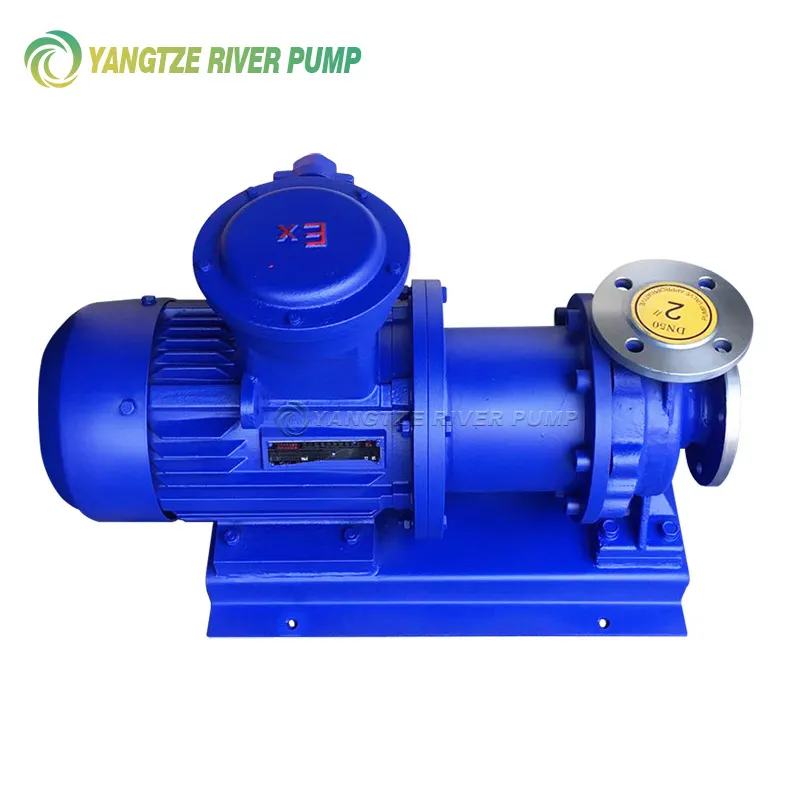 CQB Stainless Steel Magnetic Pumps
-
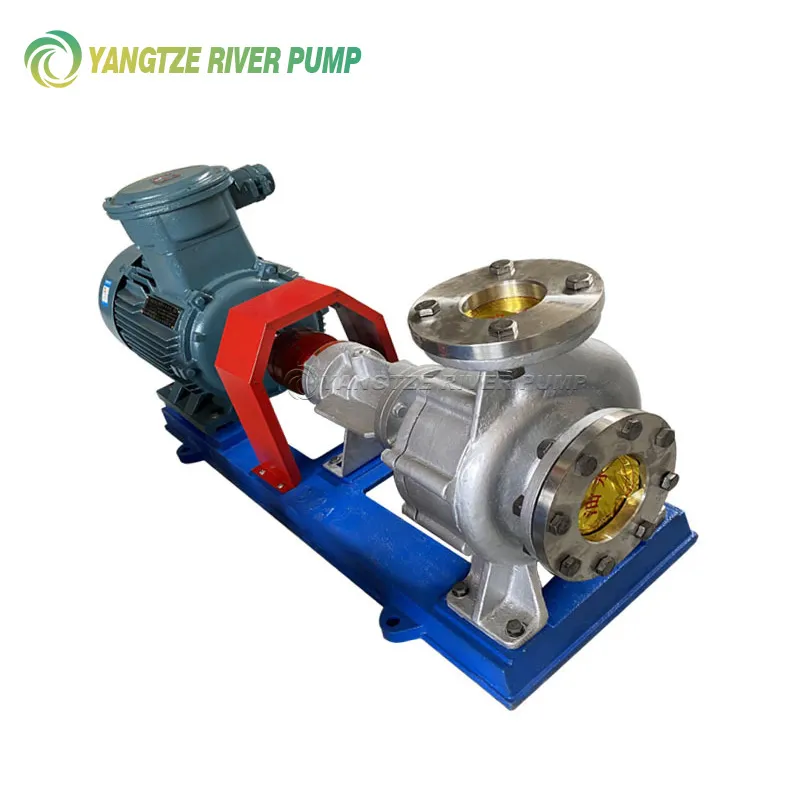 RY thermal oil pumps
-
 Plastic self-priming centrifugal pumps FP and FS
-
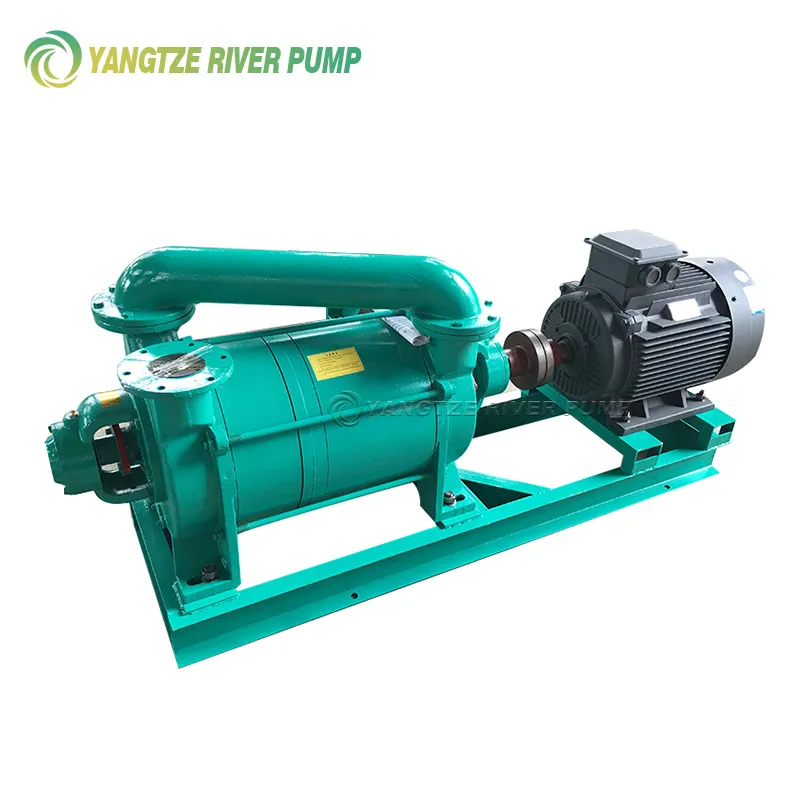 Liquid ring vacuum pumps type 2SK
-
 Horizontal multistage pumps for feeding DG boilers
-
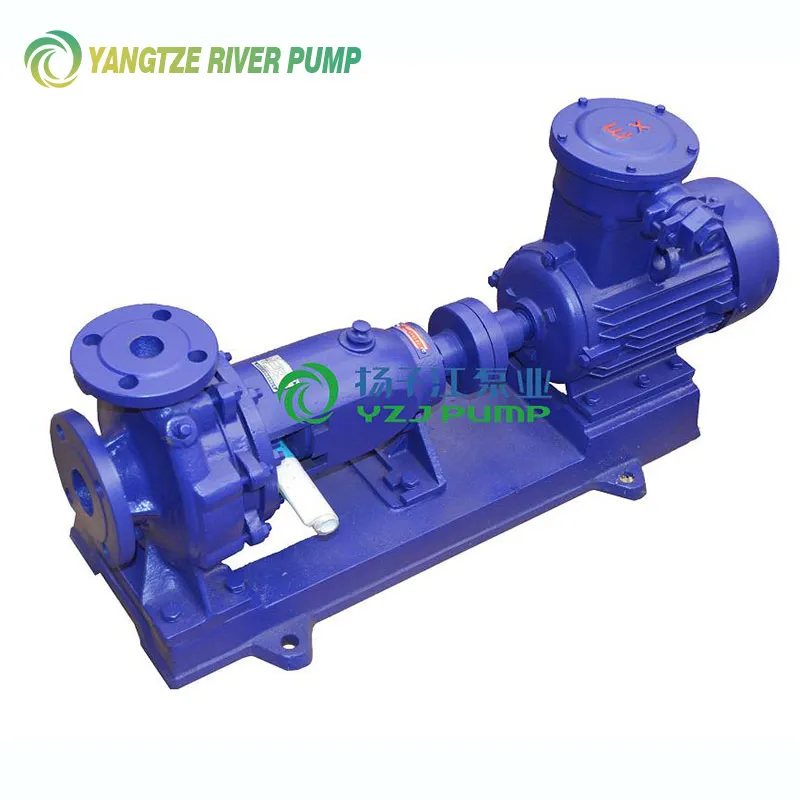 Horizontal chemical centrifugal pumps types IS and IR
-
 CQF Plastic Magnetic Pumps
-
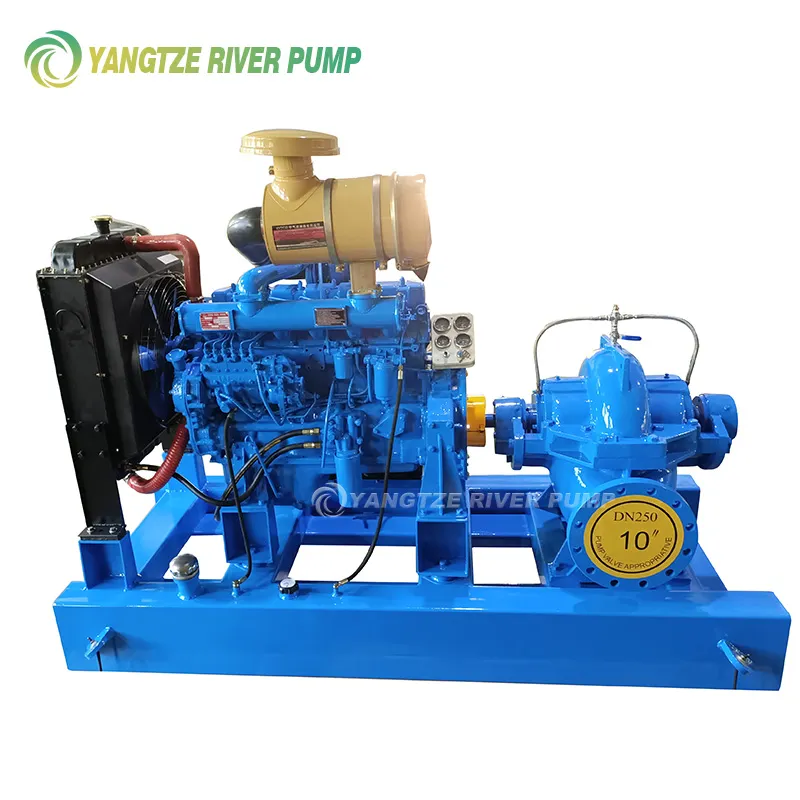 Diesel pumps with horizontal connector YZS and YZSH
-
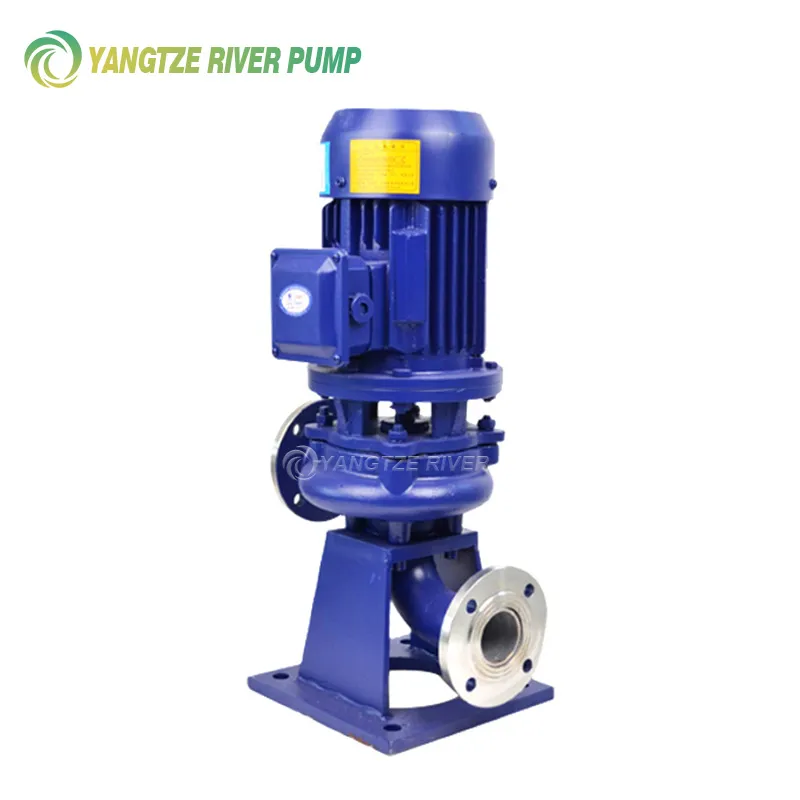 Non-clogging vertical wastewater pumps LW
-
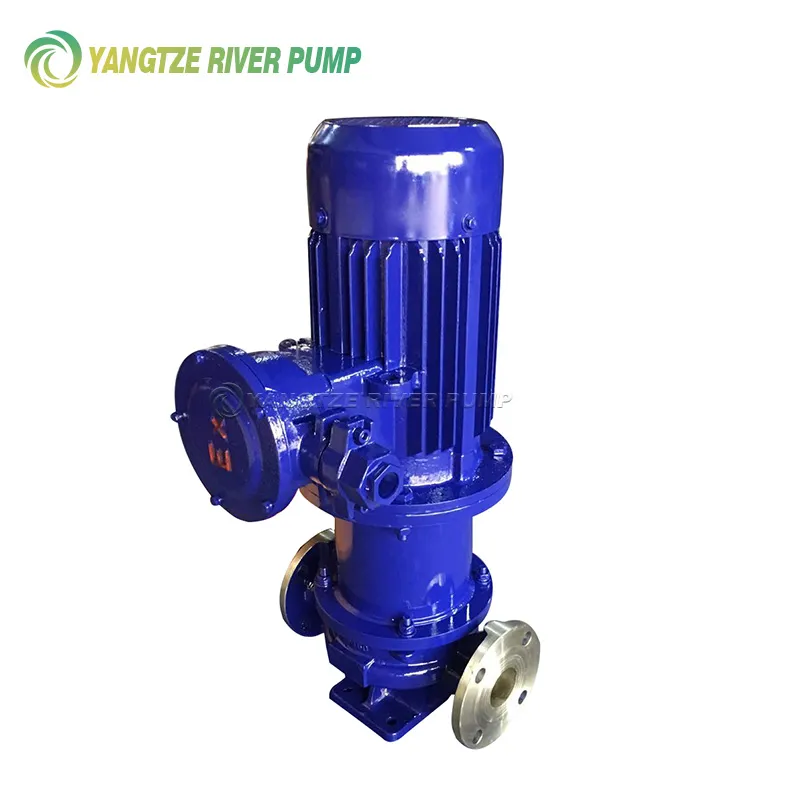 Vertical magnetic pumps CQB-L
-
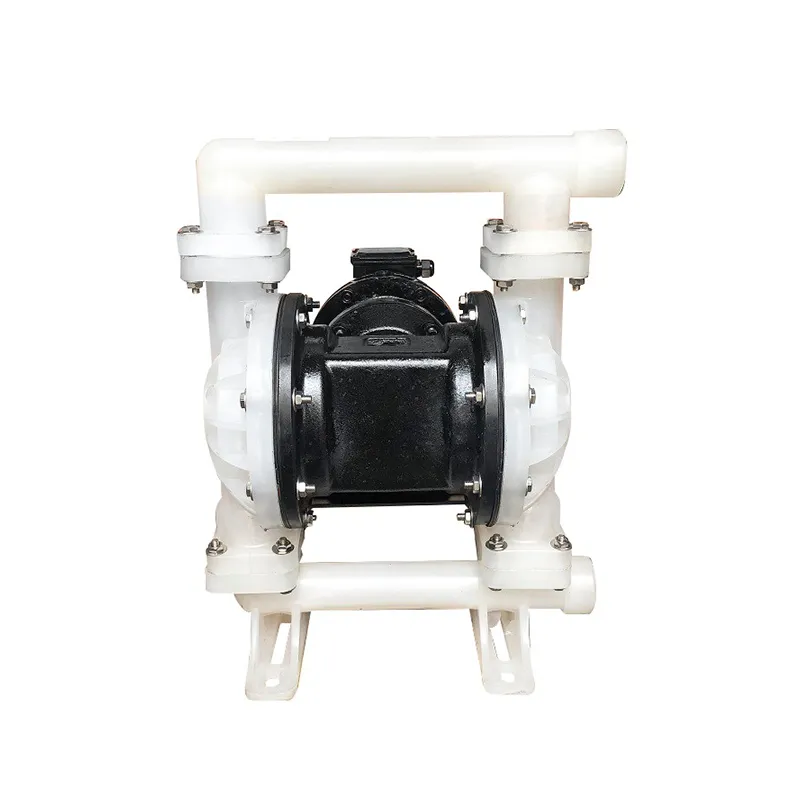 DBY Non-Metallic Electric Diaphragm Pumps
-
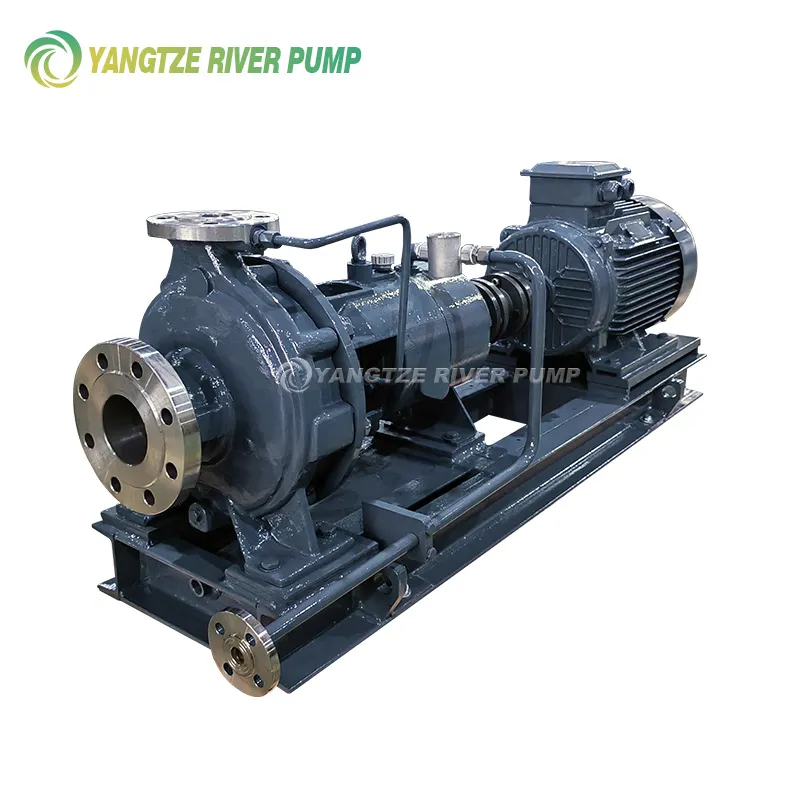 Petrochemical Process Pumps API 610 YZA