







submersible well pump 50
When you see a search for “submersible well pump 50”, the first thing that comes to a beginner’s mind is probably a pump for a well 50 meters deep. And therein lies the main trap. The number '50' in this context most often refers not to the maximum immersion depth, but to the nominal pressure that the unit is capable of creating - those same 50 meters of water column. Confusion arises all the time, and because of it, people sometimes choose equipment that either underpressures the system or turns out to be excessive and expensive. In fact, for a well with a depth of, say, 30 meters, a pump with a pressure of 50 meters is a good, working option with a margin for losses in horizontal sections and ensuring normal pressure in the tap. But if the well is really 50 meters deep, then you need a device with a pressure of 70-80 meters. It is with this nuance that it is worth starting the conversation.
What is hidden behind the markings and how not to miss the choice
So, we take the conditional 'submersible well pump 50'. We are almost certainly talking about a multistage centrifugal pump. Single-stage models for such a pressure are rare; they are more suitable for shallow wells. A multi-stage design is when several impellers (stages) stand behind each other on the same shaft. Each stage raises the pressure by a certain amount, and when folded, they produce the same 50 meters. The more stages, the higher the final pressure with the same body diameter. But the pump itself is also longer, which is critical for narrow wells.
Here's the first practical tip: always look at the outside diameter. 'Downhole' means it must pass freely into the casing pipe. Standard diameters are 3 inches (about 74 mm) and 4 inches (about 100 mm). A pump with 50 meters of pressure in a 3-inch version will be longer than its 4-inch counterpart, because the stages are smaller in diameter and more of them are needed. If the well is narrow, there is no choice, only 3 inches. But if the diameter allows, the 4-inch one is often more reliable and, oddly enough, sometimes cheaper with similar characteristics.
The second point is the material. For clean drinking water from a limestone or deep sand well, stainless steel or technopolymer is suitable. If the water contains abrasive impurities (fine sand), then wheels made of wear-resistant polymer PPS can outlast steel ones. But these are subtleties. BZhejiang Yangzijiang Pumping Industry Co.,Ltd, for example, in the line of submersible pumps they place emphasis on the use of composite materials for impellers in some series - not for the sake of reducing cost, but precisely to increase resistance to abrasive. On their websiteyangtzeriverpump.ruThis can be seen in the product section: the range includes both classic stainless steel models and options for difficult conditions. This is an indicator of a serious approach, when production covers the full cycle from R&D to testing, and it is possible to select a solution not “in general,” but for specific water.
From personal experience: an installation with which everything went wrong
I'll tell you a case. We once installed a pump for a client that was suitable according to the passport for “a well of 40 meters, a pressure of 50 meters is needed.” We installed it and started it up - the pressure in the house is low, the pump almost never turns off. They began to figure it out. It turned out that the well was not 40, but all 38 meters, but its flow rate was small. The owner, in order to save money, took a 25 mm HDPE pipe instead of the recommended 32 mm. And from the well to the house it was about 30 meters horizontally. Added up: 38 vertical meters + 30 horizontal meters (in terms of losses, this is another 5-7 meters, roughly) + huge losses in a thin pipe. In total, the required pressure is already under 60 meters. A pump with characteristic '50' worked at the limit, did not get enough power and would quickly burn out.
The conclusion is simple: the nameplate head is '50 meters' - this is in ideal laboratory conditions. In life, you need to subtract all losses from it: in pipes (depending on the diameter and length), in the check valve, in filters, in turns in the main. Therefore, professional calculations always include a reserve. For a system with a hydraulic accumulator in a private house, for a 'pump 50' I would consider wells up to a maximum depth of 30-35 meters. And I would insist on a 32 mm pipe if the distance from the well to the house is more than 10-15 meters.
Another rake is automation. Cheap pressure switches, which often come in kits, may have too wide a hysteresis (the difference between the on and off pressure). The pump turns on, quickly reaches the lower threshold, turns off, the pressure in the system drops, and turns on again. This is death for a multistage well pump - it does not like frequent starts. It is better to install a frequency conversion or at least a high-quality relay with the ability to fine-tune and always have dry-running protection. On production lines like those ofYangzijiang Pumping Industry, ready-made pumping stations based on their submersible pumps are assembled wisely, but often buyers take a “naked” pump and then save on piping.
About reliability and what is not written about in advertising
The reliability of a well pump for 50 meters of pressure is determined not only by the grade of steel. Balancing the stepped shaft is important. If it is done carelessly, vibration will eat up the bearings and seals over the course of a season. From experience, a good sign is when a manufacturer, especially one as integrated asZhejiang Yangzijiang Pumping Industry Co.,Ltd, indicates not only the materials, but also the protection class (IP), and the service life before the first maintenance. Having our own test benches is a huge plus. This means that the pumps are driven under load, checking the pressure and flow curves, and not just assembled and packaged.
A common problem you encounter in the field is overheating. The engine is cooled by water flowing around it. If the pump is selected for a well with a low flow rate and periodically runs dry, overheating is inevitable. Therefore, built-in thermal protection is a must have. Modern models from reputable manufacturers almost always have it. But we need to check. And again we return to automation: good protection against dry running will save you from this disaster.
Another point is the cable. It would seem like a small thing. But in cheap models they often use a cable with thin insulation, which hardens in the cold and cracks in the sun. Then there is a short circuit and the replacement pump is raised. A high-quality pump has a waterproof connection coupling and a UV-stabilized cable. When you see in the description onyangtzeriverpump.rudetailed specifications for cable and connection, this inspires confidence. Because this is written by those who really understand the operating conditions.
When '50' is exactly what you need: examples of working schemes
Where then is the ideal application for a 50 meter head pump? I will give a couple of typical cases from practice. First: a standard country house, a sand well 25 meters deep. The flow rate is good. The distance from the well to the house is 10 meters, the wiring in the house is on one floor. Here a pump with a pressure of 50 meters (and in fact the working pressure at the outlet will be about 40-45 after losses) will give an excellent pressure of 2.5-3 bar, which is enough for both showering and watering. The main thing is to install a hydraulic accumulator of 50-100 liters and normal automation.
Second case: water supply to a small farm or workshop from a deep well (not a borehole). The depth to the water surface is 15 meters, but it is necessary to raise the water to a 20-meter high water tower and ensure stable flow. Such a pump will also cope here, perhaps even with a small margin. It is only important that it is designed for long-term operation, and not for on-off switching, as in everyday life. In such cases, they look at the performance curve: at a head of 50 meters, what flow rate (m3/h) does it provide? This is technical data that needs to be requested from the manufacturer. Serious companies that do their own R&D have these graphs, and they correspond to reality.
And the third, less obvious option is a booster station in the water supply system, where there is not enough pressure in the main line. Sometimes a small diameter submersible pump can be adapted to operate in a closed container or reservoir, creating the necessary pressure. But these are non-standard solutions that require engineering development. It is for such tasks that it is useful when a manufacturer, likeYangzijiang Pumping Industry, the range includes not only submersible, but also linear and self-priming pumps - you can offer a comprehensive solution, rather than squeezing a square pump into a round well.
Instead of a conclusion: thinking out loud about the market and quality
Now the market is flooded with pumps labeled '50 meters'. Prices vary greatly. After twenty years in the subject, I came to a simple conclusion: the stingy pays twice, and often three times, including the cost of lifting a failed unit and new drilling if it falls into the well. The key is not to chase the maximum cheapness and not to get hung up on one number '50'. You need to look at the manufacturer as a whole: does it have its own design bureau, testing, warranty. When a company like the one I mentioned combines R&D, production, testing and service in one cycle, it is worth a lot. Because they are responsible for the product from drawing to installation.
And one last thing. The most important advice I give to everyone: before you buysubmersible well pumpfind out the exact parameters of your well. Passport, if you have one. Flow rate, static and dynamic level. Casing diameter. Without this data, any choice is a lottery. And the pump, especially at 50 meters of pressure and below, is the heart of the system. Stopping it means there is no water in the house. It is better to spend time studying the issue or consulting with a specialist who will look not at the beautiful numbers in the catalog, but at your specific conditions. How we do it and how, I’m sure, engineers do at the plant when they select equipment to suit a client’s request.
Correspondingproducts
Related Products


Best Sellingproducts
Best Selling Products-
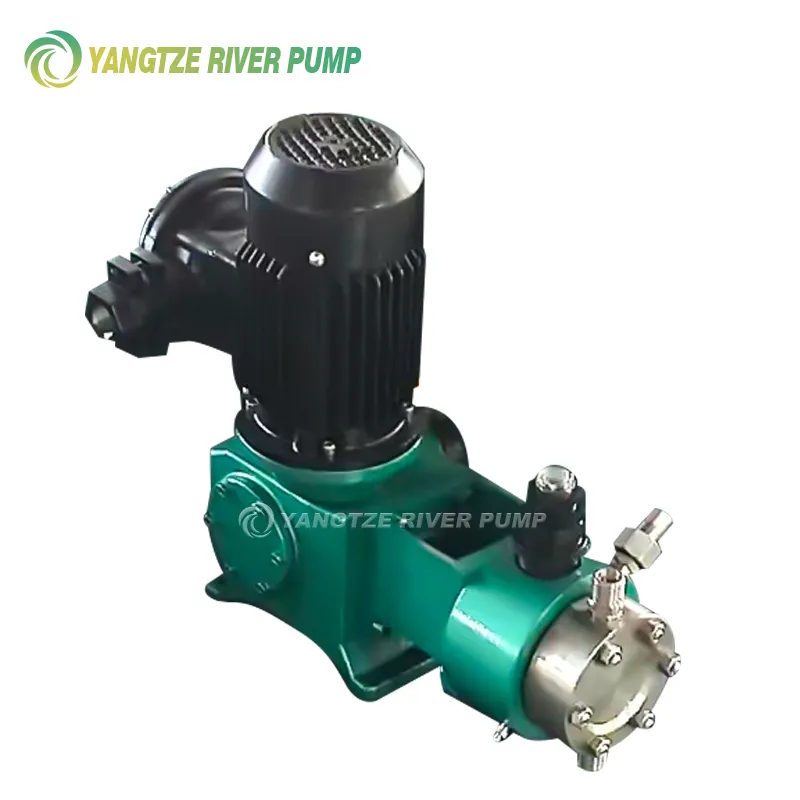
 Mechanical diaphragm dosing pumps DJ-D
-
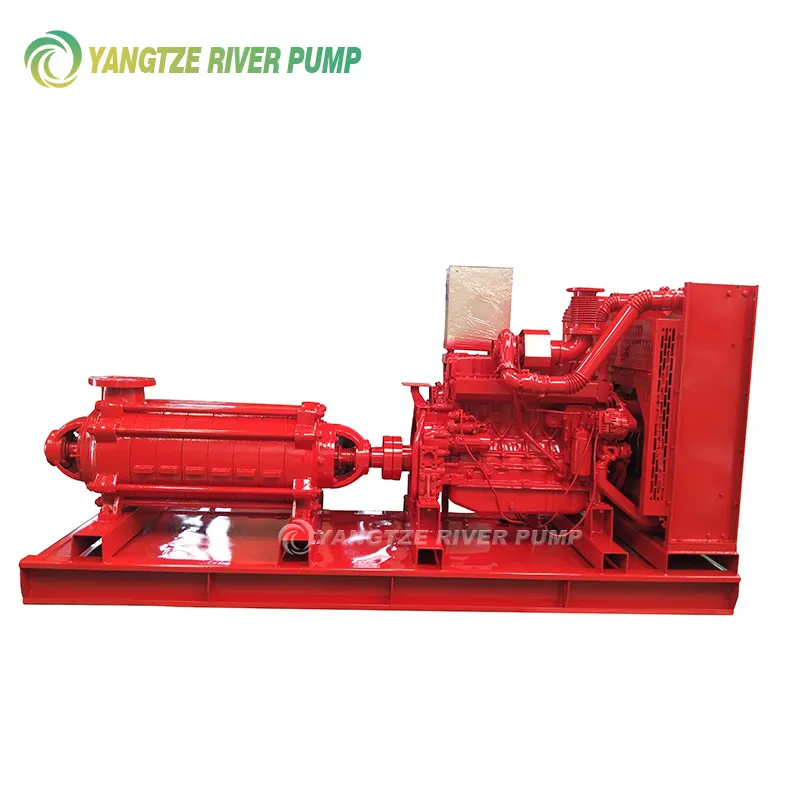 XBC Diesel Intelligent Fire Pumps
-
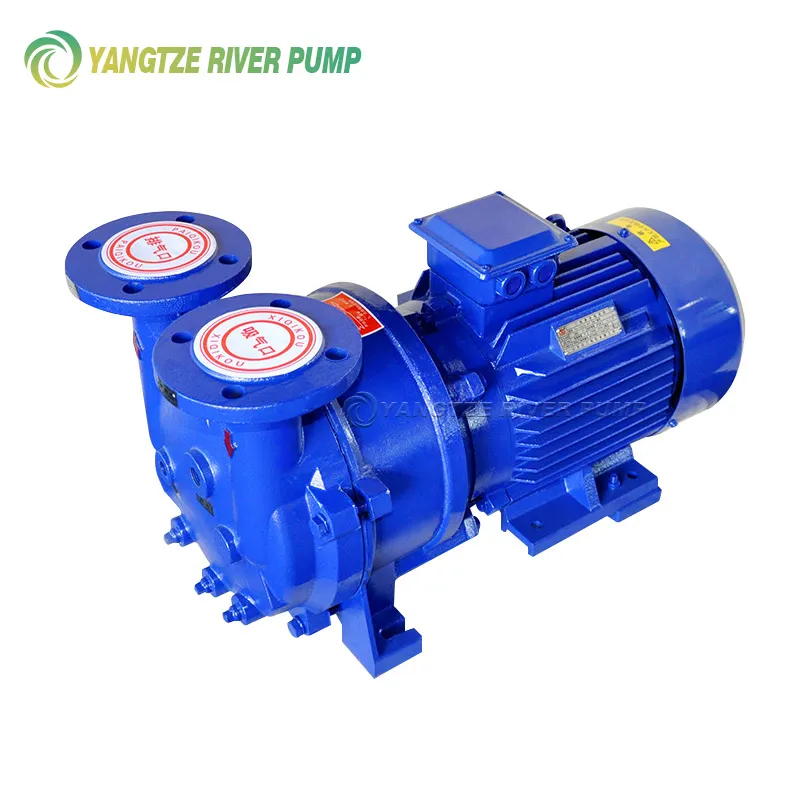
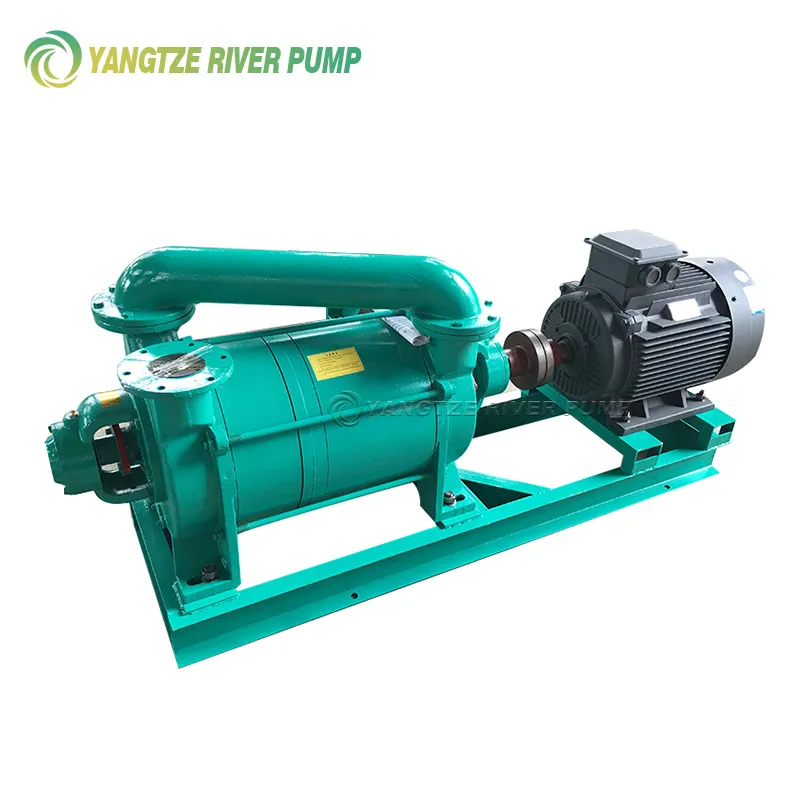 Liquid ring vacuum pumps type 2SK
-
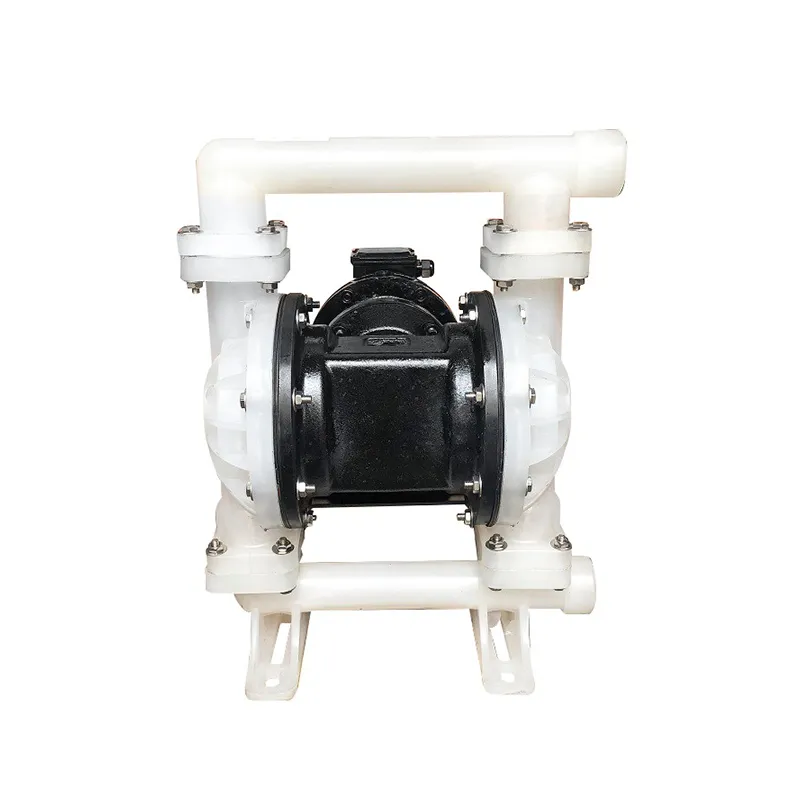 DBY Non-Metallic Electric Diaphragm Pumps
-
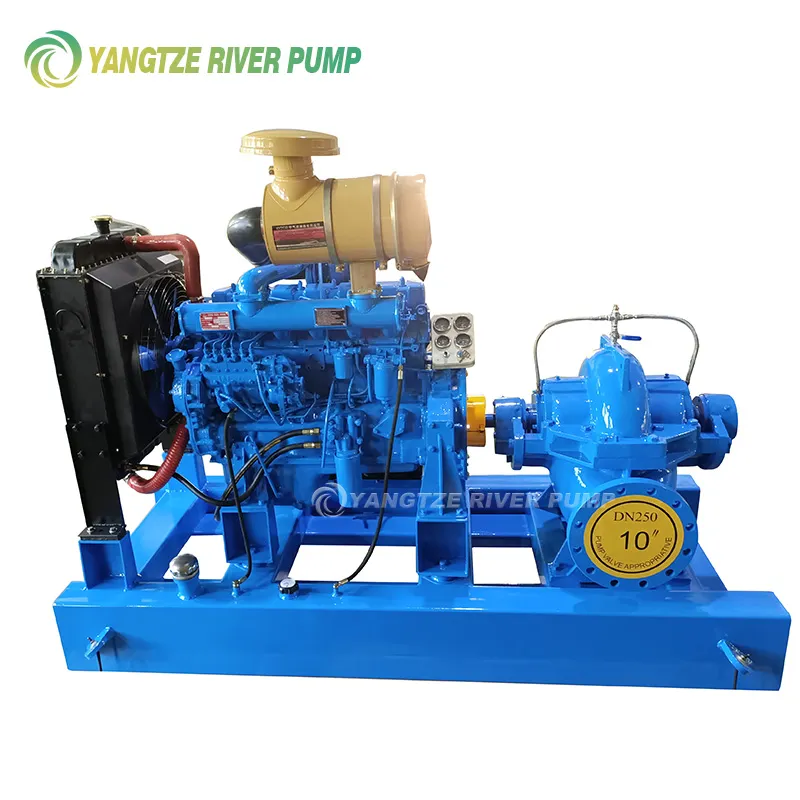 Diesel pumps with horizontal connector YZS and YZSH
-
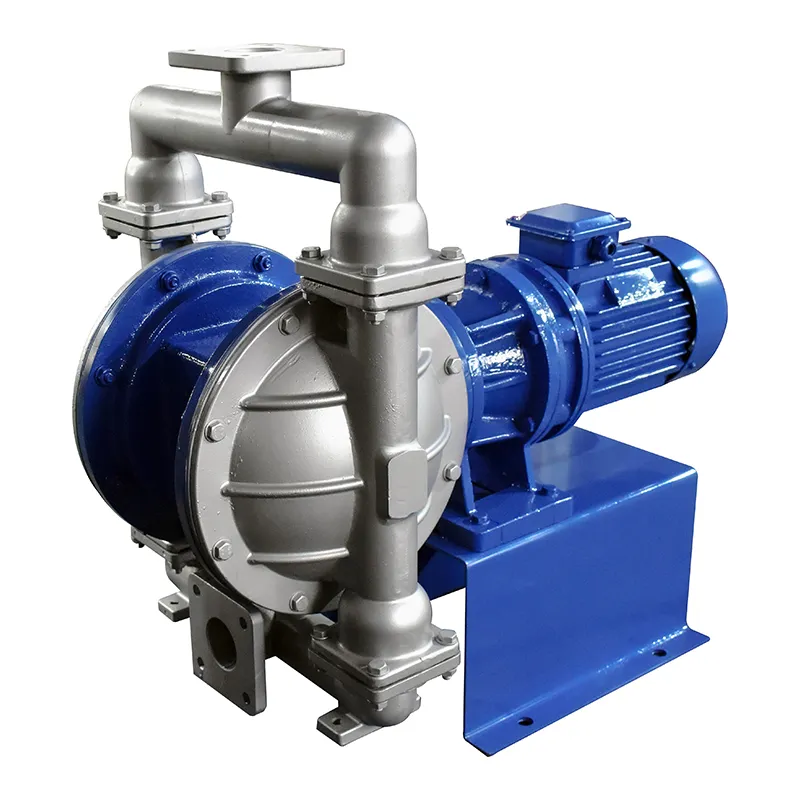 Metal electric diaphragm pumps DBY
-
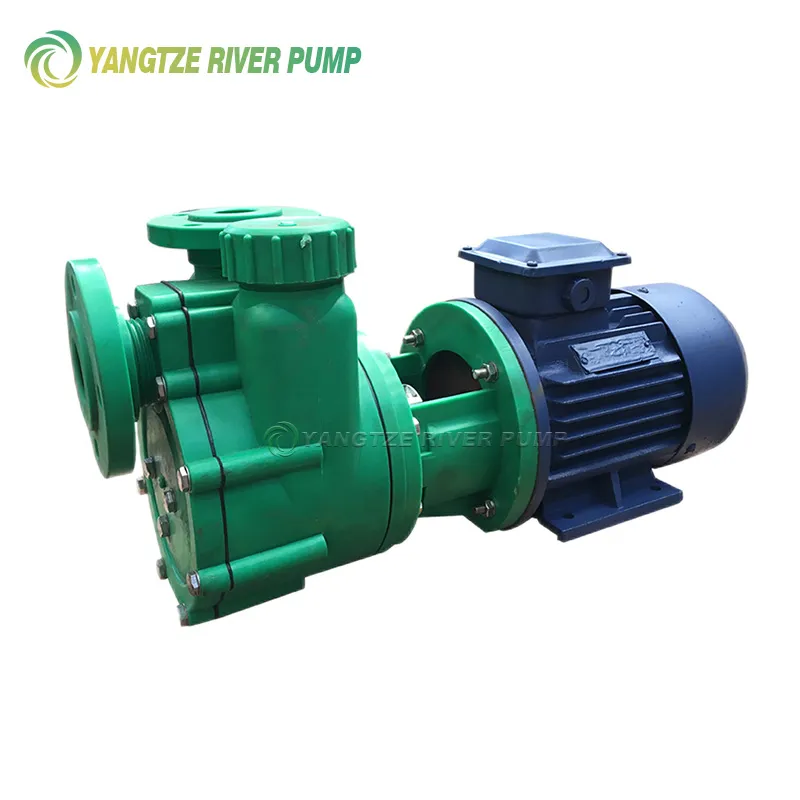
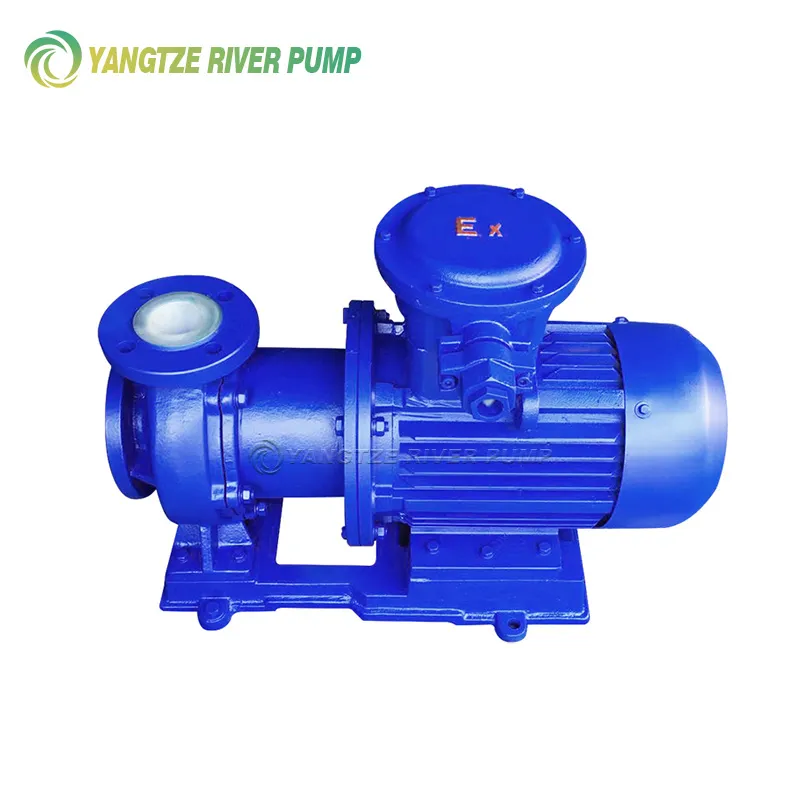 Magnetic pumps with fluoroplastic lining CQB-F
-
 IH Stainless Steel Chemical Centrifugal Pumps
-
 Sanitary screw pumps type GF
-
 YW Vertical Submersible Sewage Pumps
-
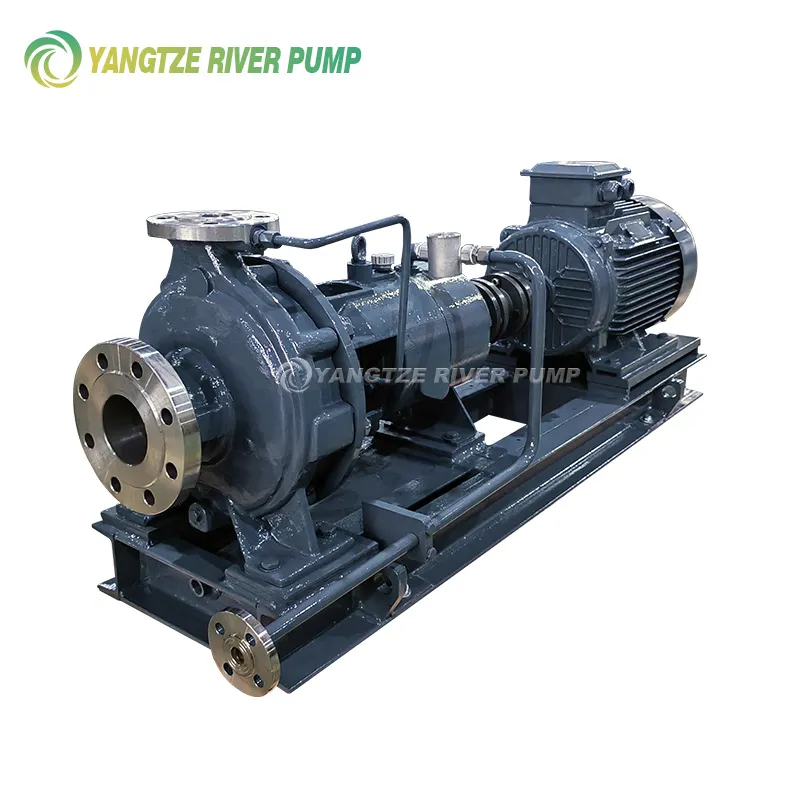 Petrochemical Process Pumps API 610 YZA
-
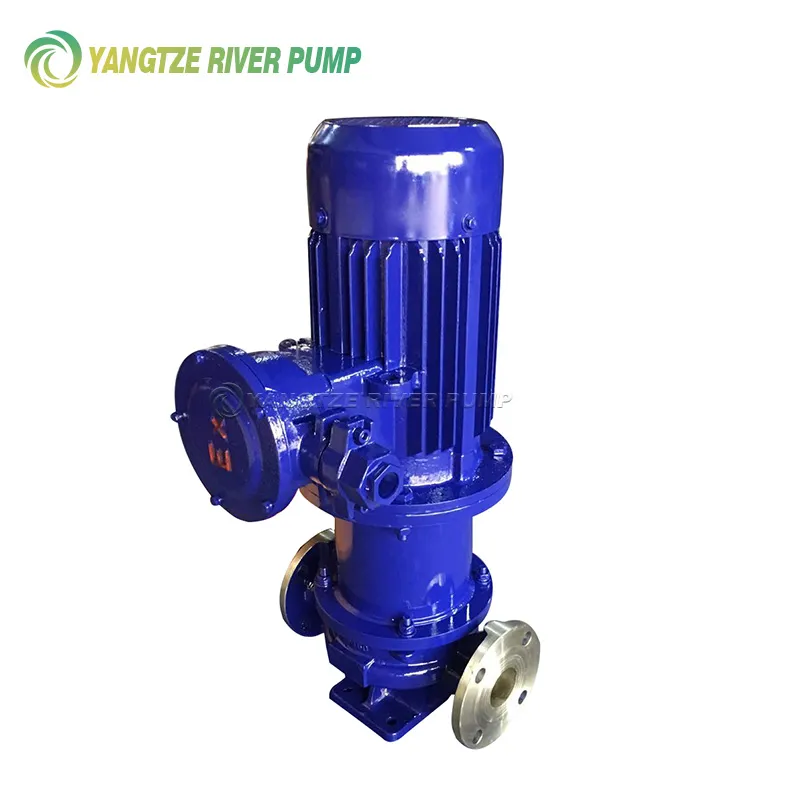 Vertical magnetic pumps CQB-L