







centrifugal pump 5 m3 h
When you see the request “centrifugal pump 5 m3 h”, the first thing that comes to mind is that a person is looking for a unit for a specific, rather modest performance. But here’s the catch: many, especially those who are faced with a choice for the first time, think that this is the main and only parameter. They take the numbers, and then they wonder why the system doesn’t work or, on the contrary, works out of whack. In fact, behind these cubic meters per hour there is a whole story hidden - the pressure, the material of the flow part, the type of seal, and even how the pump will behave under non-ideal suction conditions. I got burned by this myself when, about ten years ago, I installed an ordinary cast-iron centrifugal to supply the chemical - in six months it turned into a sieve. Since then, I have treated the selection of even such seemingly simple devices with much greater reverence.
What does 5 cubic meters per hour really mean?
The number 5 m3/h is a point on the operating curve, usually in the zone of maximum efficiency. But the pump does not work 24/7 exactly at this point. The pressure characteristic is what is critical. Let's say you need to supply water from a tank to a height of 15 meters through pipes with bends and valves. Losses can eat up another 5-7 meters of pressure. And if you take a pump with a maximum pressure of 20 meters, in a real system it will produce not 5, but all 3.5 cubic meters, and even with an overload on the engine. Therefore, I always consider the system as a whole, with a reserve. I have seen more than once how colleagues neglected this and then spent months patching up the technological process.
Another nuance is viscosity. If you are pumping not water, but something similar to syrup or suspension, then the performance according to the passport is no longer relevant. For such tasks, it is sometimes better to look awaysingle screw pumps, but if the technology strictly requires a centrifugal solution, then you set a correction factor, and take the engine one step more powerful. At one of our facilities we tried to use a 5 m3/h centrifugal to drive a cooling solution with a fine suspension - as a result, the seals quickly failed and we had to urgently change to a model with stuffing box packing and flushing.
That is why in our company,Zhejiang Yangzijiang Pumping Industry Co.,Ltd, when selecting a model from the linecentrifugal pumpsWe always request complete environmental data from the client. Not just “water”, but temperature, presence of abrasive, concentration. This allows you to avoid fatal errors at the start. On our websiteyangtzeriverpump.ruThe product description, of course, indicates the basic parameters, but no one canceled live consultations - all eight of our production lines from R&D to service are designed to ensure that the unit operates in real, and not in ideal, conditions.
Single stage or multi stage for low flow rates?
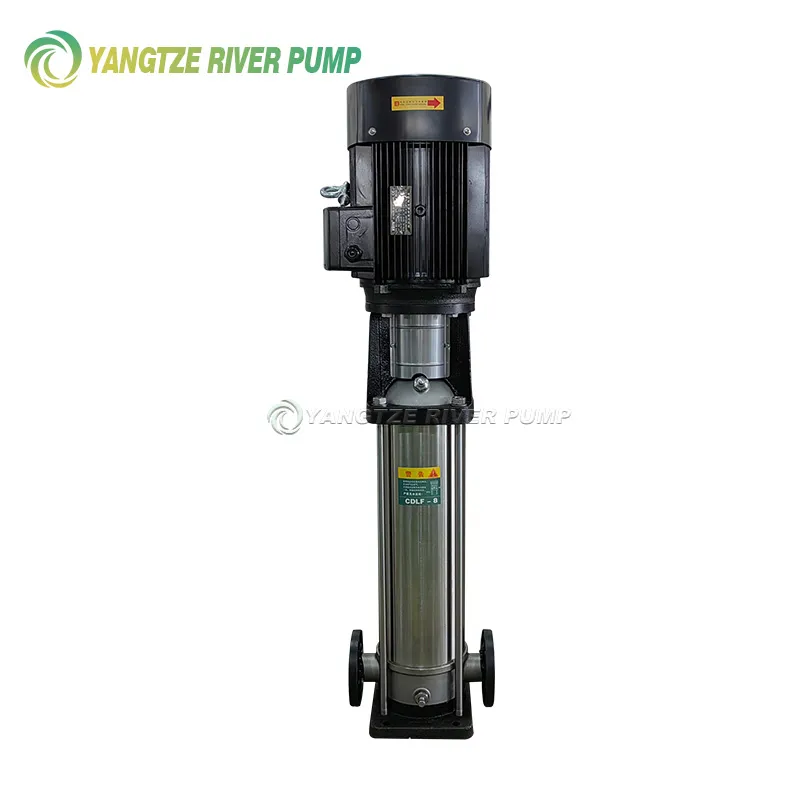
For a flow rate of 5 cubic meters per hour, the classic one most often comes to mindsingle stage centrifugal pump. The design is simple, repairable, and the price is reasonable. But there are scenarios where even at such a modest flow rate a high pressure is needed - for example, for pressure washing or supply to a system with high hydraulic resistance. This is where it’s worth looking asidemultistage centrifugal pumps. They are, of course, more complicated and more expensive, but they are capable of creating a pressure many times higher at the same flow rate.
I remember a project with a reverse osmosis system, where exactly 5 m3/h was required, but with an operating pressure of 12 bar. A single-stage apparatus would not be able to cope with such a task in principle. We installed a compact multi-stage vertical pump - and it worked flawlessly for several years. The key was the correct selection of material for steps under water with a certain salt content.
Our range includes both solutions. Sometimes clients initially ask for a “simple and cheap 5 cubic meter pump”, but after discussing the technical process they come to the conclusion that a multi-stage model is not an overpayment, but a necessity for stability. Our task as a manufacturer is not just to sell, but to ensure that the equipment after sale does not become a headache for the customer.
Flow path materials: from cast iron to plastic
This is perhaps the most common cause of premature failures. Cast iron is conditionally suitable for water. But if there are even traces of aggressive components in the water - chlorides, acids, alkalis - cast iron begins to corrode. For food media, weak acids, alkalis, stainless steel AISI 304 or 316 is already needed. And for really aggressive chemicals -plastic chemical pumpsmade of PP or PVDF.
I had a sad experience with pumping a 10% sulfuric acid solution. We installed a 304 stainless steel pump, deciding that this would be enough. It wasn’t enough - after a couple of months, pitting corrosion appeared on the impeller. I had to change to a pump with a PVDF flow part. Since then, for any chemical media, I have demanded from technologists the exact composition and temperature. By the way, we have a separate production line for the production of just suchplastic chemical pumps, because the demand for them in industry is growing steadily.
For a flow rate of 5 m3/h, a plastic centrifugal pump is an excellent and often optimal solution. It is lighter, not susceptible to corrosion from most chemicals, and often costs comparable to a stainless steel pump. But there is also a limitation - usually in terms of temperature and pressure. We must not forget about this either.
Shaft seal: oil seal vs mechanical seal
Eternal dilemma. Stuffing box packing is cheaper, repairable in the field, but requires tightening and causes minor leakage. For water this is often acceptable. The mechanical seal (mechanical oil seal) is hermetically sealed and does not require maintenance, but if it fails, it changes entirely and is sensitive to dry running and the presence of abrasive.
For reliable operationcentrifugal pumpWith a flow rate of 5 m3/h in continuous mode, I often lean towards a double mechanical seal with flushing. Especially if it is not water that is being pumped. Once we installed a pump with a single seal on hot condensate - the seal jammed due to overheating. After this incident, for temperatures above 80°C I always insist on a double seal with a barrier fluid system.
In our standard equipment for chemical media, we often use mechanical seals made of silicon carbide or aloxide. This is a proven solution that minimizes risks for the client. Although, if the environment is abrasive, sometimes an oil seal with soft packing turns out to be more durable - there is no universal answer, only analysis.
Self-priming and other special cases
Classiccentrifugal pumpdoes not have self-priming ability. It must be filled before starting. But what if the intake point is below the pump level, and the unit cannot be located in a pit? Then you needself-priming pump. It has a special design that allows air to be removed from the suction line. For a flow rate of 5 m3/h, such models also exist.
They were used, for example, for pumping water from drainage wells where the level floats. An important point is that self-priming pumps usually have a slightly lower efficiency and may be noisier. And they are critical to the presence of air in the system - if the suction line is leaky, the pump will constantly “reset the flood”.
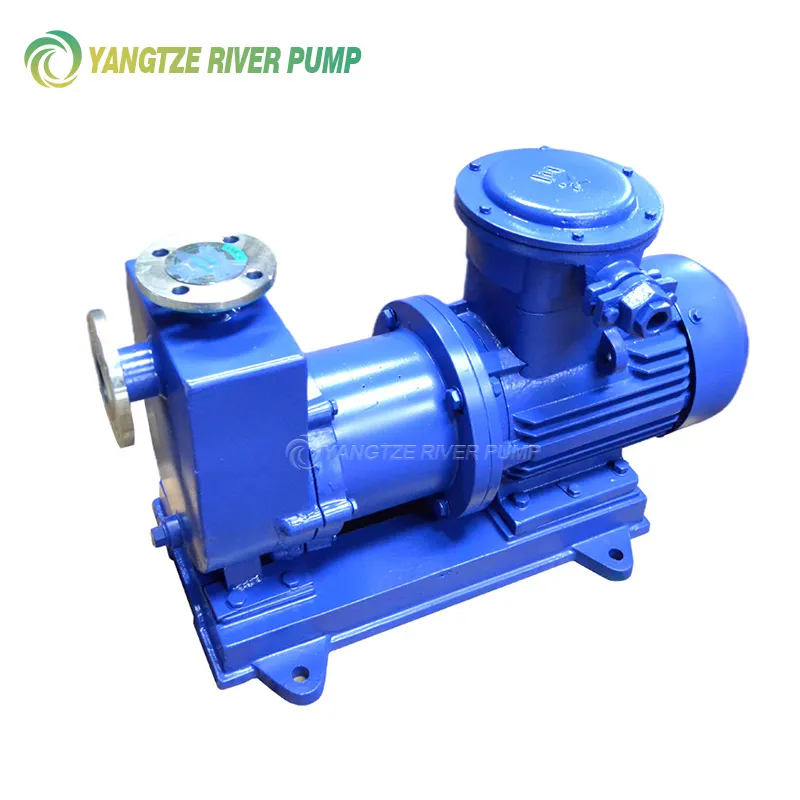
Another special case is the need for complete absence of leaks. Then the only option ismagnetic pump(pump with magnetic coupling). It does not have a mechanical seal at all; the seal is ensured by a sealed casing. Ideal for expensive or hazardous environments. We also produce these, and for low flow rates, like 5 m3/h, this is a technologically feasible task, although the cost, of course, is higher.
Testing and “grinding in” to the system
Every pump that comes off our production line undergoes hydraulic testing. But factory testing means working on a stand with water. The real environment is always a different case. That's why we always give recommendations for running-in. This is especially true for pumps with mechanical seals.
The worst mistake is starting with a closed valve or with air in the system. For smallcentrifugal pump 5 m3 hThis can be fatal: overheating, cavitation, impeller or seal failure. I always instruct: start - with the outlet valve open, smooth transition to operating mode.
Integration of the full cycle - from R&D to testing and service - within one enterprise, as in ourZhejiang Yangzijiang Pumping Industry Co.,Ltd, allows you to control these risks. If a problem arises at a client’s site, our service engineers, knowing the pump design inside and out, can quickly diagnose it. Often this is not a defect, but a discrepancy in the operating mode. Such feedback, by the way, immediately goes to the development department - this is how the products become more reliable.
Instead of a conclusion: thinking out loud
So, when I see again in the specification “centrifugal pump, 5 m3/h?”, I no longer see just a number. I see possible systems: watering, chemical dosage, supply to the washing machine, circulation in the heat exchanger. I see questions about material, pressure, compaction. This is no longer a product item, but a technical problem. And her right decision is not just a successful sale. This is when, after a year or two or five, the client calls not with a complaint, but to order another similar pump for another line. This, in a good way, is what we need to strive for in our business. Everything else is half measures.
Correspondingproducts
Related Products

Best Sellingproducts
Best Selling Products-
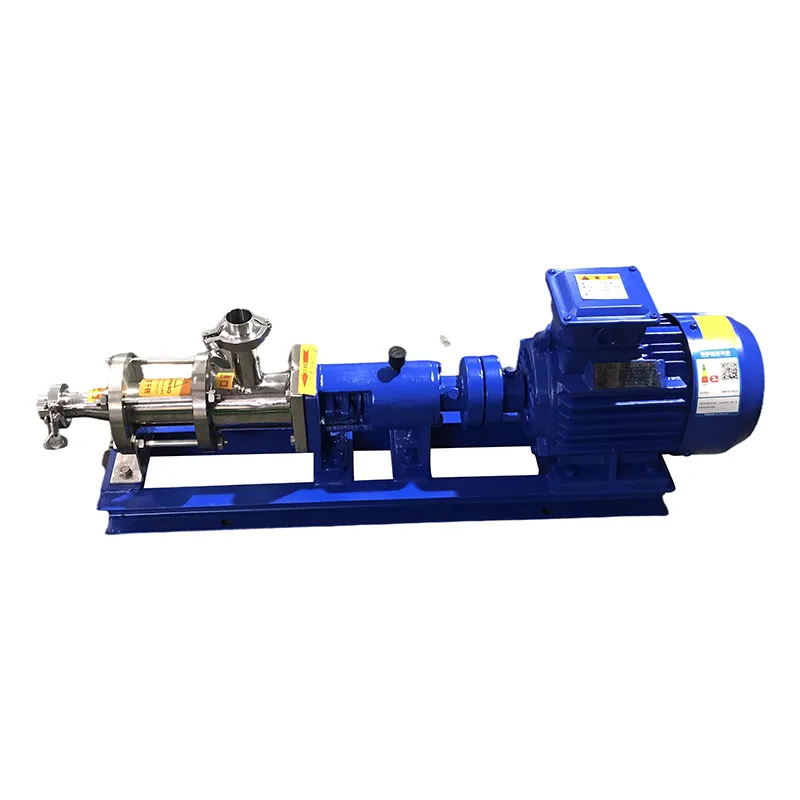 Sanitary screw pumps type GF
-
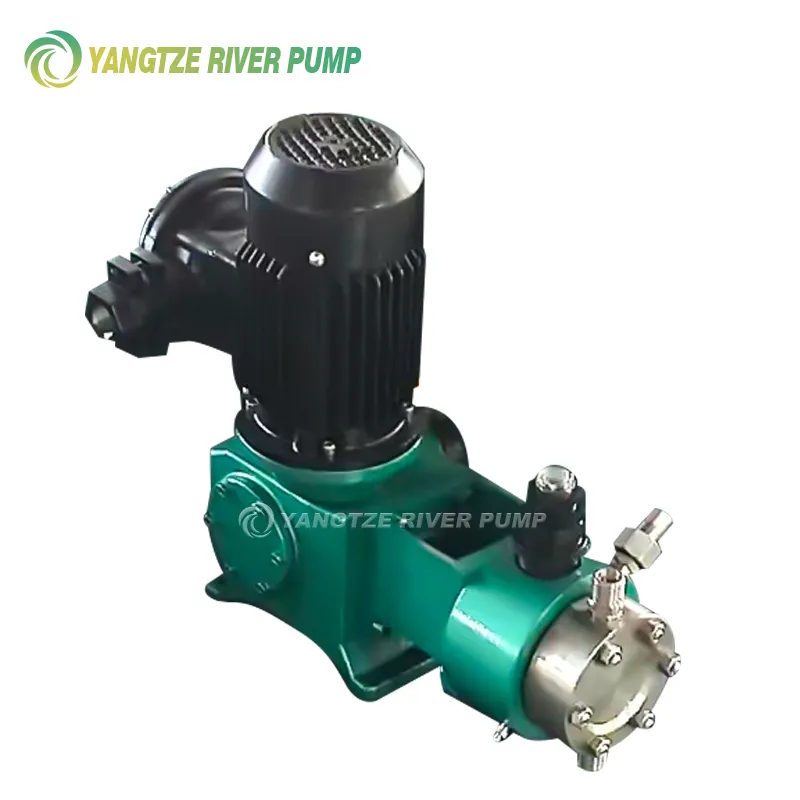 Plunger dosing pumps type DZ-X
-
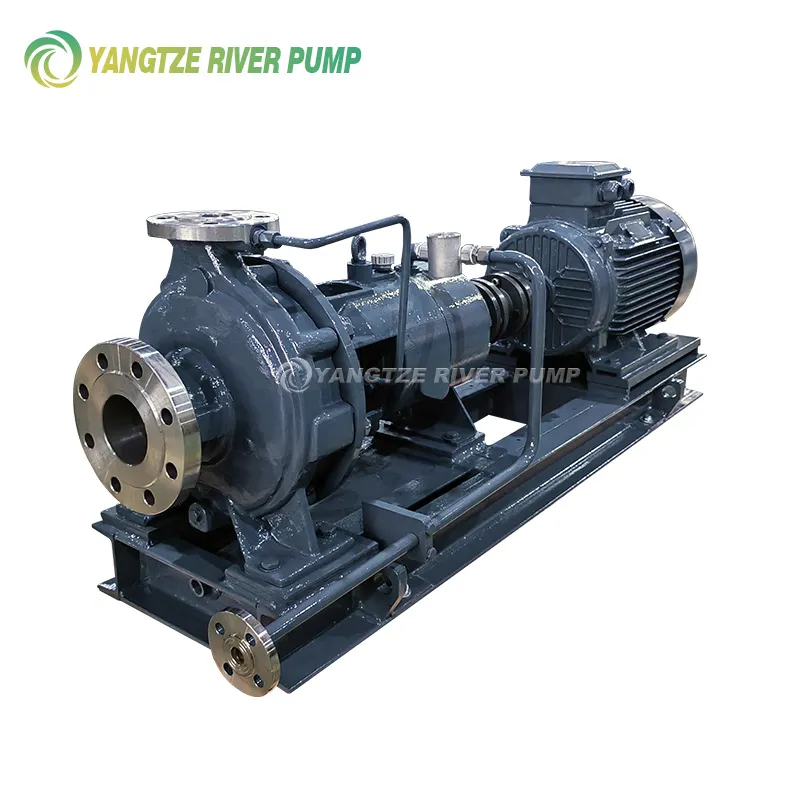 Petrochemical Process Pumps API 610 YZA
-
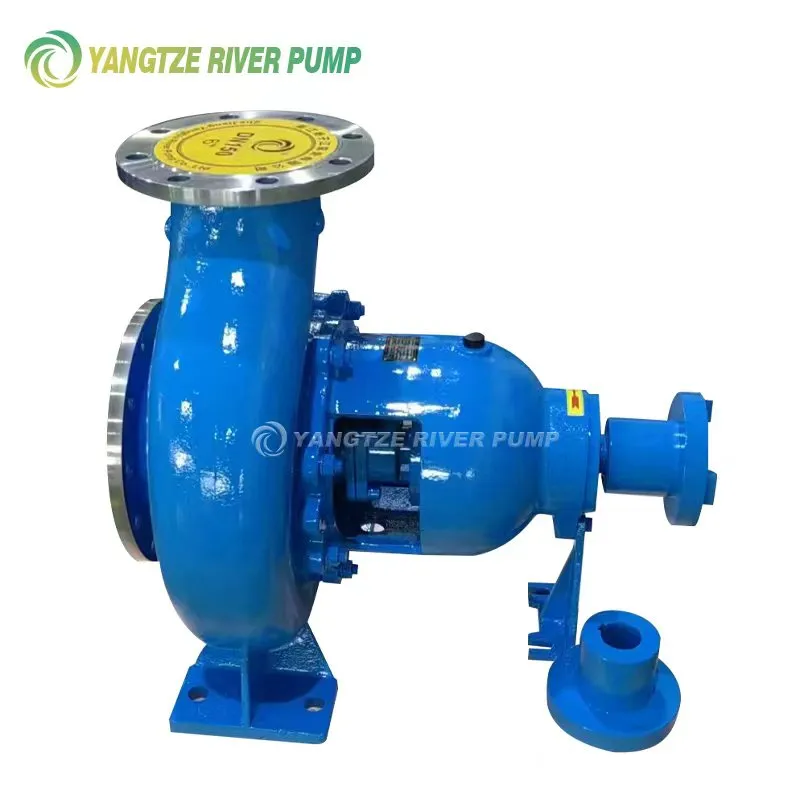 IH Stainless Steel Chemical Centrifugal Pumps
-
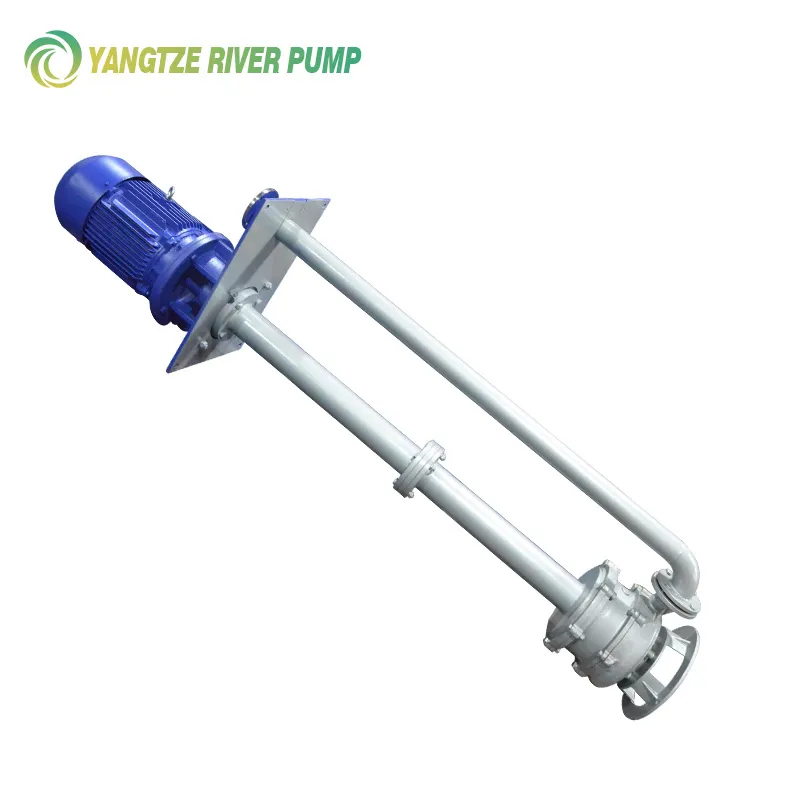 YW Vertical Submersible Sewage Pumps
-
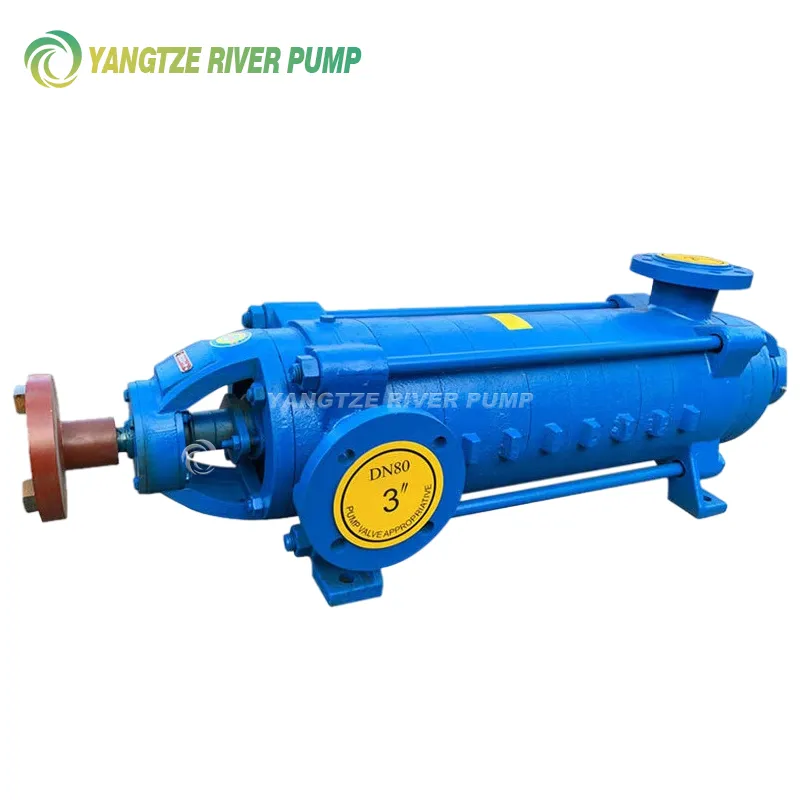 Horizontal multistage centrifugal pumps type D
-
 Corrosion-resistant stainless steel centrifugal pumps SFB and SFBX
-
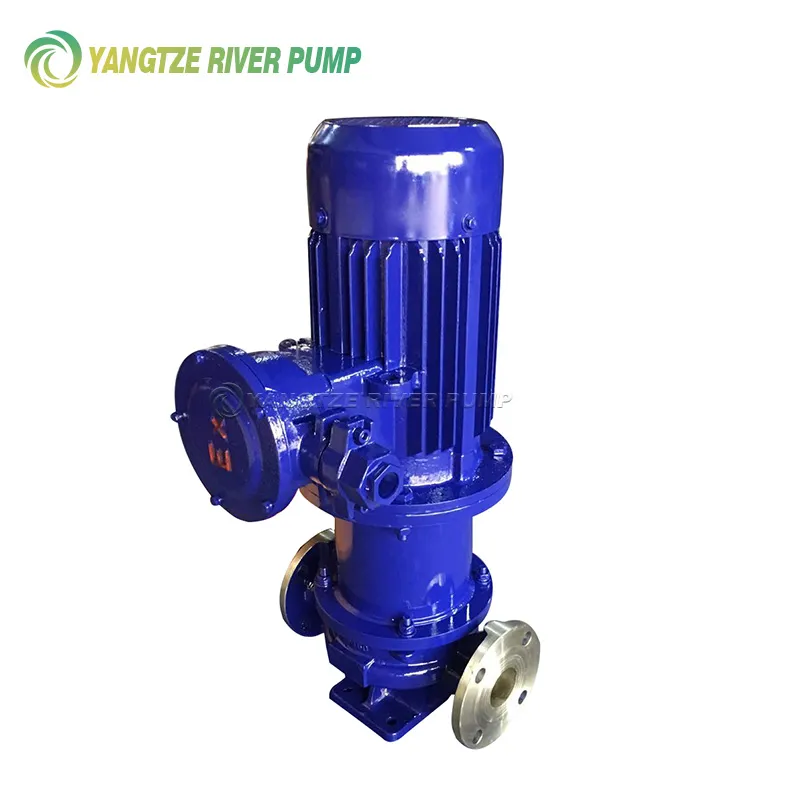 Vertical magnetic pumps CQB-L
-
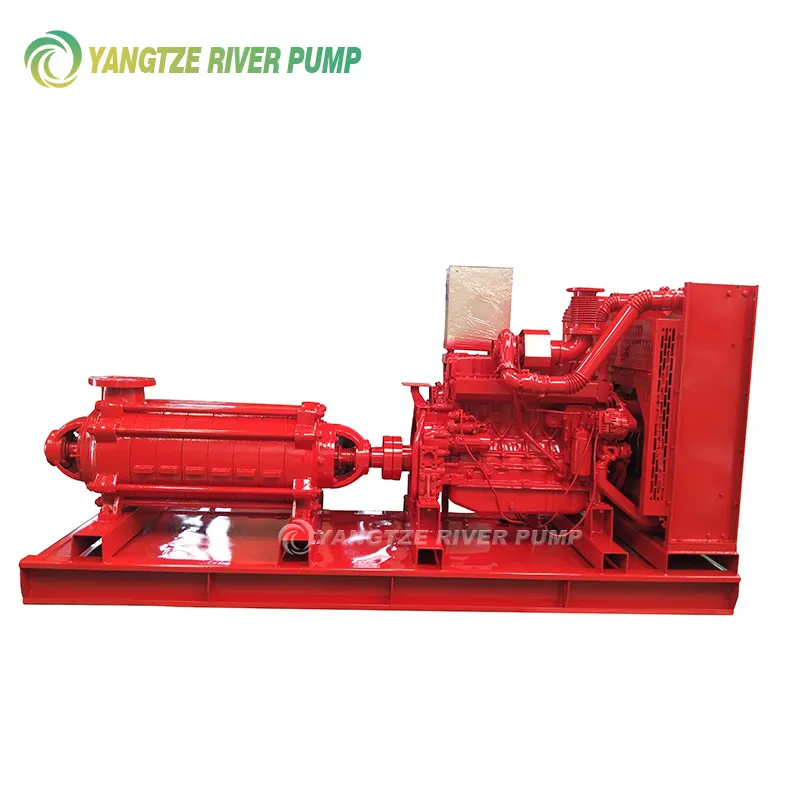 XBC Diesel Intelligent Fire Pumps
-
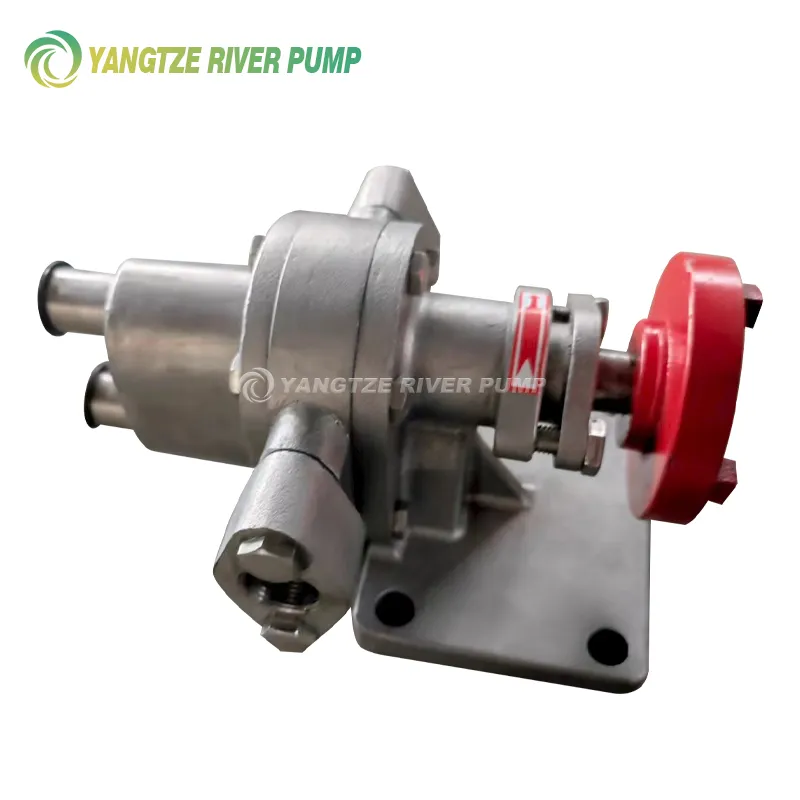 Gear oil pumps type KCB
-
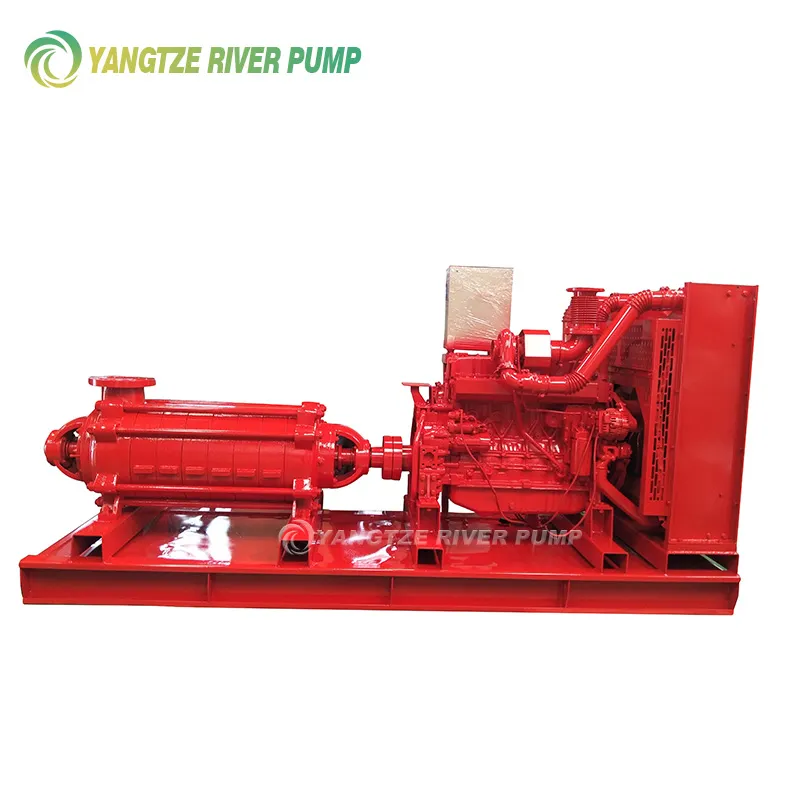 YZD Series Diesel Multistage Centrifugal Pumps
-
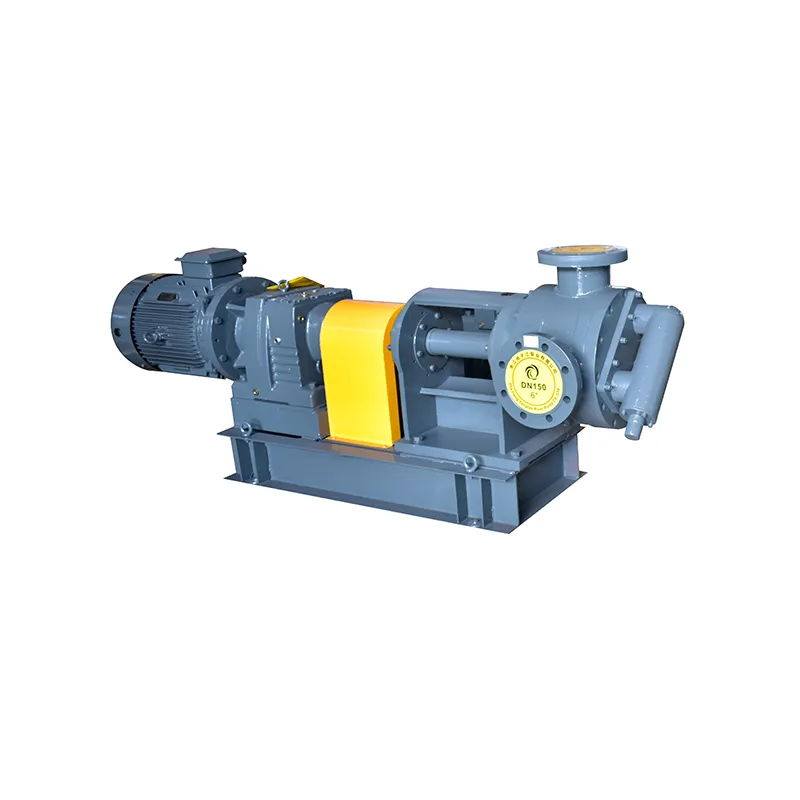 NYP High Viscosity Internal Gear Pumps