







centrifugal pumps 75 kW
When you hear “centrifugal pumps 75 kW”, the first thing that comes to mind is a powerful unit for difficult conditions. But in practice this often turns out to be a risk area. Many people think that the main thing is to fit into the power figure, and then we’ll figure it out. Error. 75 kW is not just a category, it is often the very boundary where standard solutions end and fine-tuning for a specific system begins. What is important here is not so much the engine as the set of characteristics: pressure, flow, material of the flow part, type of seal. I have seen projects where a pump of this power was installed “with a reserve”, but it either worked in an extremely inefficient efficiency zone, or created such problems with cavitation that it “ate up” in a year. impeller. Therefore, for me, this figure is more of a signal for a more detailed calculation, rather than a simple selection from a catalog.
From abstract power to concrete application
Take, for example, water supply to a large facility or pumping in an irrigation system. Request forcentrifugal pumps 75 kWoccurs there regularly. But the same engine can drive completely different pumps. Do you need a single-stage solution for high flows or a multi-stage solution for serious pressure? This is where the catch lies. Often the customer, based on outdated data, requires a multi-stage pump, when a single-stage pump with a correctly selected impeller is sufficient. And vice versa. Savings at the selection stage then result in excessive energy consumption or frequent stops for repairs.
In our practice onZhejiang Yangzijiang Pumping Industry Co.,LtdIt is for this power range that we always insist on a detailed analysis of the system operating schedule. There was a case with an order for a pump for circulating water in a cooling system. The client wanted a 75 kW unit based on “the experience of the previous site”. After calculations and modeling, it turned out that the peak load requires 70 kW, but 90% of the time the system operates at 40-50 kW. A cascade of two lower power pumps with frequency control was installed. The energy savings paid for the more complex scheme in a year and a half. This is to the question that blindly following the number ?75? - dead end.
Another nuance is the materials. For water, cast iron or stainless steel is suitable. But if we are talking about, say, pumping some technological media, even neutral ones, but with abrasive or at elevated temperatures, then the standard kit is not suitable. We have to consider options with reinforced impellers made of special alloys or even plastic chemical pumps for aggressive environments. The power is the same, 75 kW, but the “filling”? and the price are completely different. This is forgotten when people look for equipment only based on engine parameters.
Field tests and typical "pains"
Any theoretical calculation pales in comparison to real operation. I remember the story with the deliverycentrifugal pumpat 75 kW for the quarry drainage system. According to the passport, everything is perfect: both pressure and delivery. We installed it, started it up, but it doesn’t hold pressure. It turned out that the calculations did not sufficiently take into account the length of the horizontal section and several turns of the pipeline, which caused additional losses. We had to quickly change the impeller to a version with a higher pressure (accordingly, with a drop in flow, but for this task it was more critical). The situation was saved, but time and money were spent on improvements. Now, for such tasks, we always include an additional factor for the imperfection of the route, especially for powerful units.
Vibration is another scourge. A 75 kW pump is already a serious machine. If the foundation or frame is not prepared properly, if the shaft is not balanced accurately, problems will begin very quickly. Wear of bearings, seals, destruction of couplings. At our factory, on siteZhejiang Yangzijiang Pumping Industry Co.,Ltd, testing on a vibration stand is a mandatory step for pumps of this power. But this is not a panacea either. It is important that site installers also understand the importance of alignment. Often you come to a service call, and the problem is not with the pump, but with how it was installed.
And, of course, the starting point. For a 75 kW electric motor, the starting currents are significant. In old networks, this can cause voltage sags, which is harmful both for the motor itself and for other equipment. Nowadays we increasingly recommend and offer solutions with soft starters or frequency converters. Yes, this is an increase in the initial cost, but it is necessary for the life of the pump and the stability of the network. Especially for pumps that turn on and off frequently.
Line of solutions and why there is no universal solution
In our production, which combines R&D, production and testing, the range around 75 kW is treated very carefully. We do not have one “75 kW pump”. There are series that can be equipped with an engine of this power, but with different hydraulic parts. For example, ourlinear centrifugal pumpin this version it performs well in water treatment and fire extinguishing systems, where compactness and reliability are important. A multi-stage vertical pump with the same engine already solves the problem of supplying water from deep wells or creating high pressure in production lines.
Chemical areas are worth mentioning separately. For pumping aggressive media at such power, they often come to the fore.plastic chemical pumpsor pumps with magnetic coupling. Here 75 kW is a challenge for engineers, because it is necessary to ensure corrosion resistance, structural strength, and efficient cooling. We have worked out several successful configurations for chemical plants, where the key was the abandonment of mechanical seals in favor of magnetic coupling, which completely eliminated leaks.
Self-priming models with such power are, as a rule, solutions for specific tasks, for example, for pumping large volumes from pits or tanks with variable levels. Their design is more complex and the price is higher, but their efficiency in their niche is not comparable with attempts to adapt a conventional centrifugal pump for this purpose.
Service as part of the life cycle
Selling a powerful pump is only half the battle. Without competent service, its resource can be reduced significantly. For us, with our full cycle from production to service, this is a fundamental point. Especially for industrial customers, for whom stopping a pump means shutting down an entire area. Therefore, for each delivery, especially such a serious one ascentrifugal pumps 75 kW, we formulate recommendations for maintenance, spare parts? essential? (the same seals, bearing units) and are always ready to go for diagnostics.
One of the most useful tools that we have begun to implement is remote monitoring of basic parameters: vibration, temperature, current consumption. For a 75 kW pump, such a system pays for itself quickly, preventing serious breakdowns. We don't just react to failures, we see trends and can offer scheduled maintenance before something breaks. This is no longer just a sale of equipment, but a partnership for its entire service life.
And yes, even with all our preparation, emergency situations happen. Once they installed a pump at a mining and processing plant. Six months later a call: “Productivity has decreased?”. We disassembled it on site - all the channels of the impeller were clogged with solid deposits, which were not present in the initial environmental data. The client admitted that they changed the water source. I had to clean it, and subsequently make a new wheel from a material more resistant to adhesion. History has taught us: even after launch, it is important to maintain a dialogue with the operator; conditions may change.
Instead of a conclusion: thinking out loud
So, back to the original request.Centrifugal pumps 75 kW– this is not a commodity item, it is a whole complex of engineering tasks. From correct hydraulic calculations and selection of materials to installation issues, energy efficiency and subsequent maintenance. Chasing cheapness in this segment is more expensive for yourself, because the cost of downtime and repairs will be much higher.
Our position inZhejiang Yangzijiang Pumping Industry Co.,Ltdis based on not just shipping an engine with a pump part, but offering a balanced solution that will work for a long time and predictably. Sometimes this even requires dissuading the client from excess power or, conversely, proving the need for more expensive performance. Because in the end everyone wins: the customer has a stable process, we have a reputation and long-term relationships. And 75 kW is just a number, a starting point for a serious conversation.
In general, if this power appears in your project, get ready for the details. And it’s better to turn to those who see behind the number not just a line in the catalog, but a future working (or not working) node in your system. Experience built into the design and approach is everything here.
Correspondingproducts
Related Products



Best Sellingproducts
Best Selling Products-
 Mechanical diaphragm dosing pumps DJ-D
-
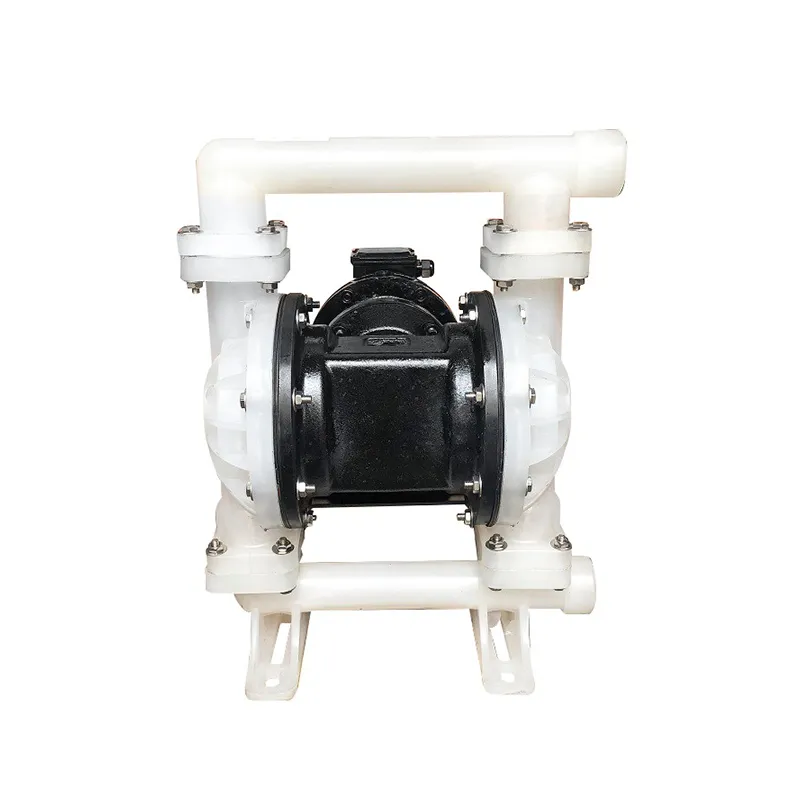 DBY Non-Metallic Electric Diaphragm Pumps
-
 Plastic self-priming centrifugal pumps FP and FS
-
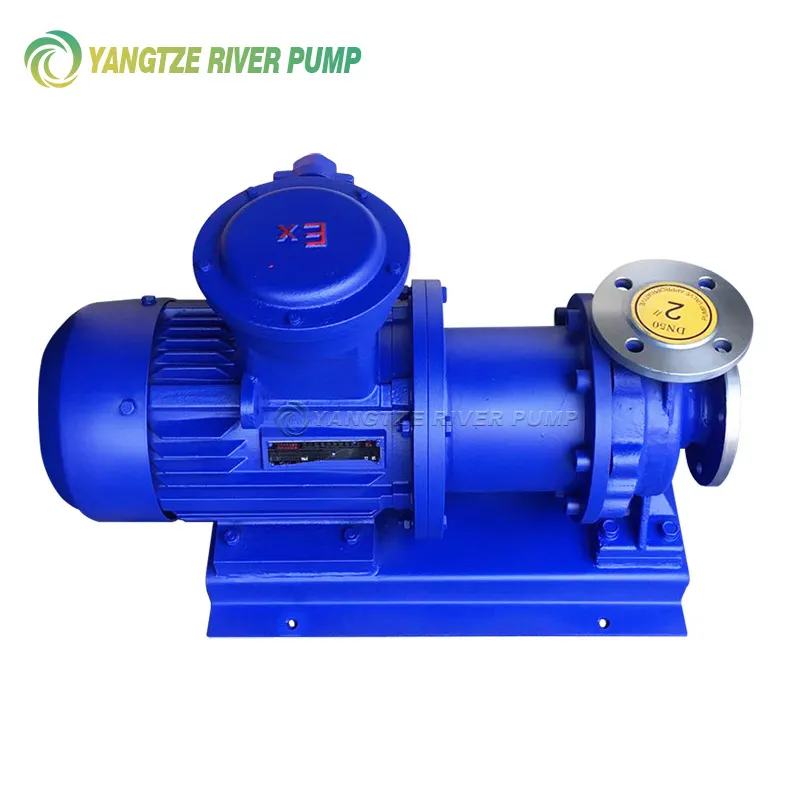 CQB Stainless Steel Magnetic Pumps
-
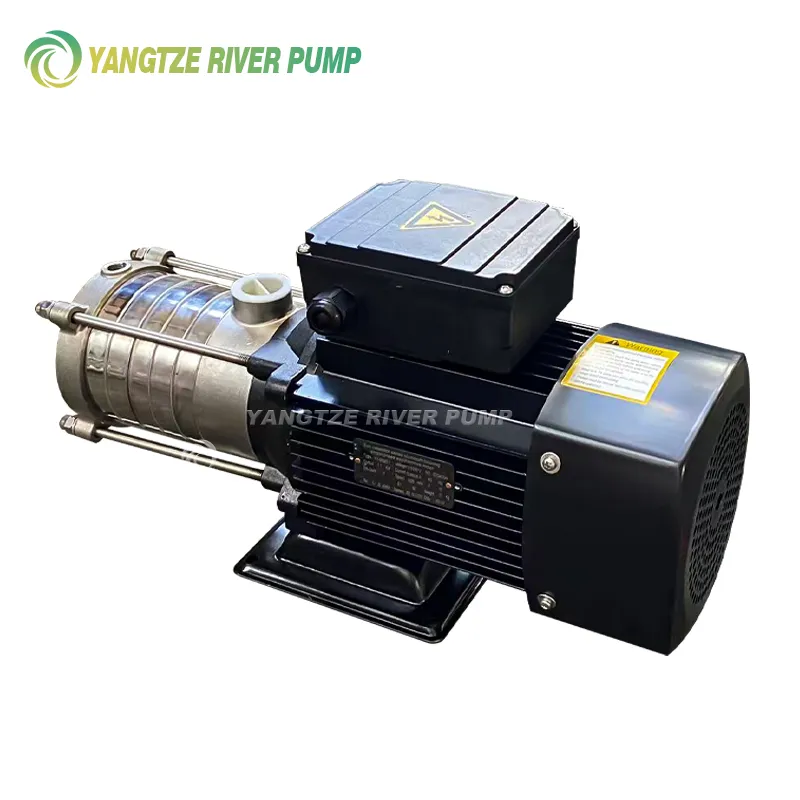 Horizontal multistage centrifugal pumps (light series) CHL and CHLF
-
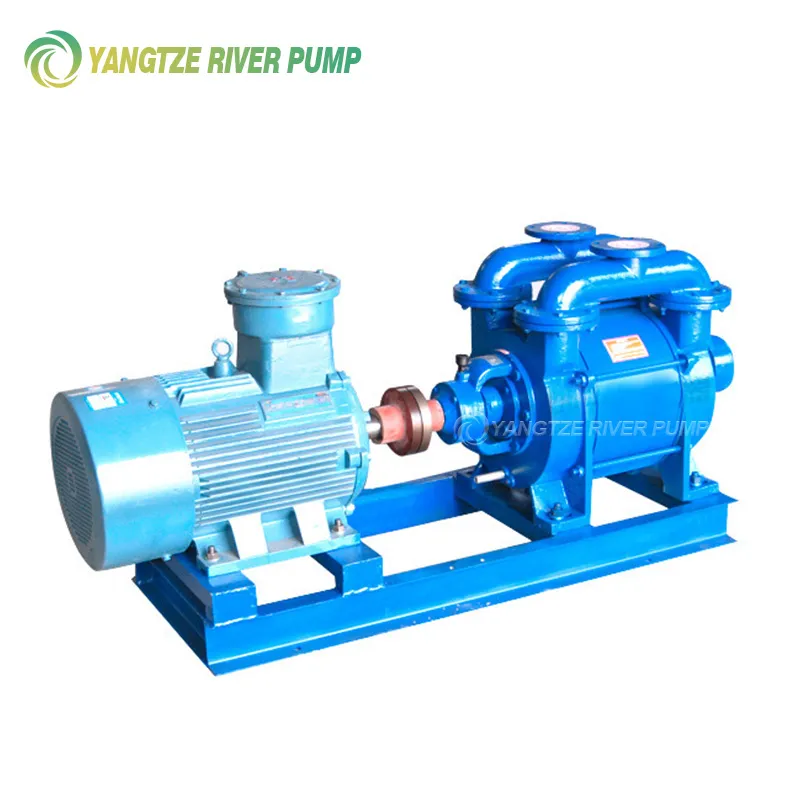 Liquid ring vacuum pumps type SK
-
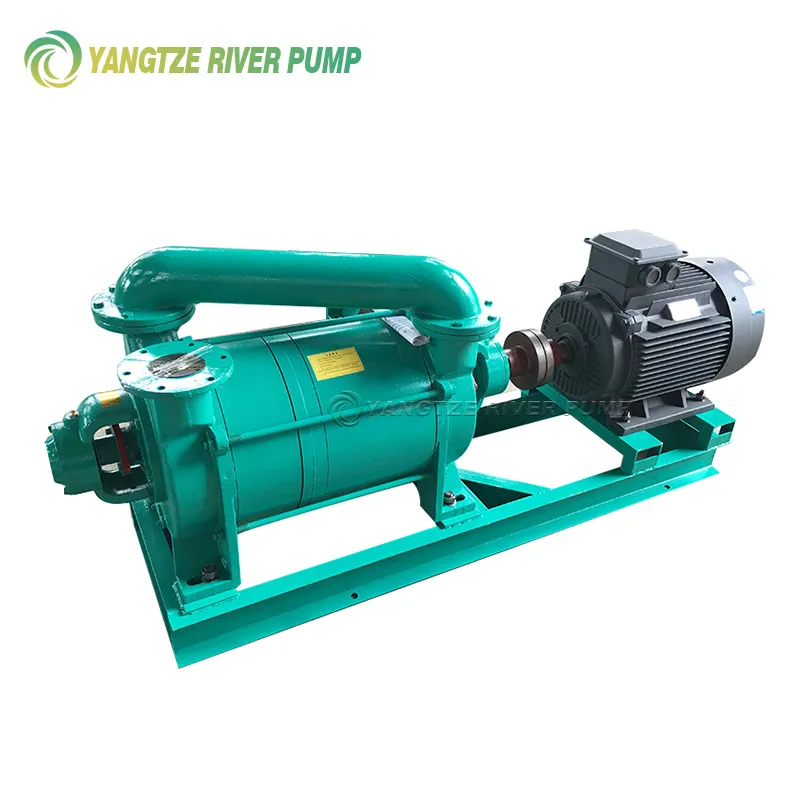 Liquid ring vacuum pumps type 2SK
-
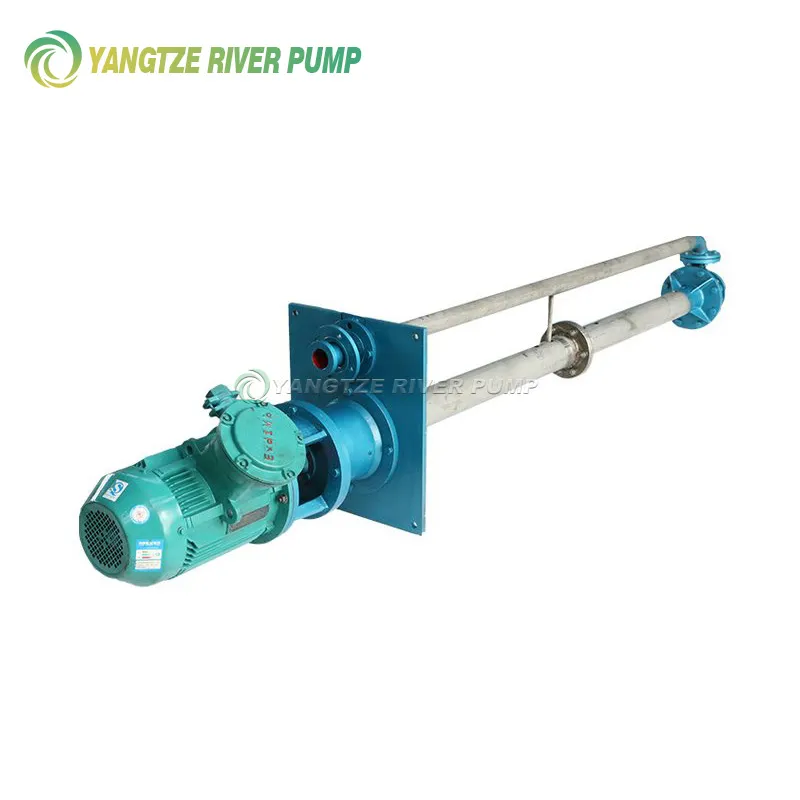 FY Submersible Chemical Pumps
-
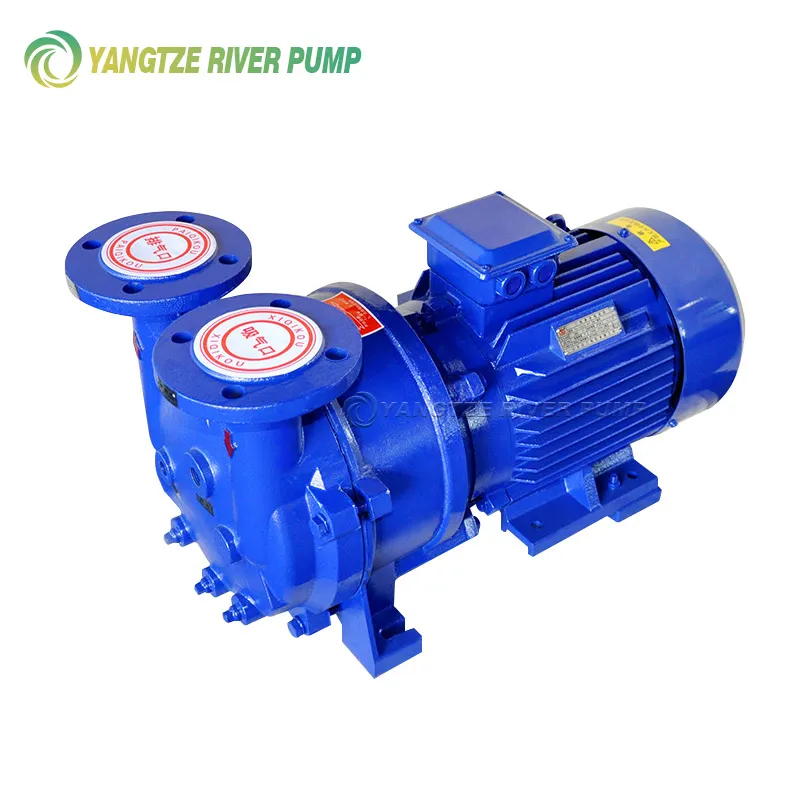 Liquid ring vacuum pumps type SKA and 2BV
-
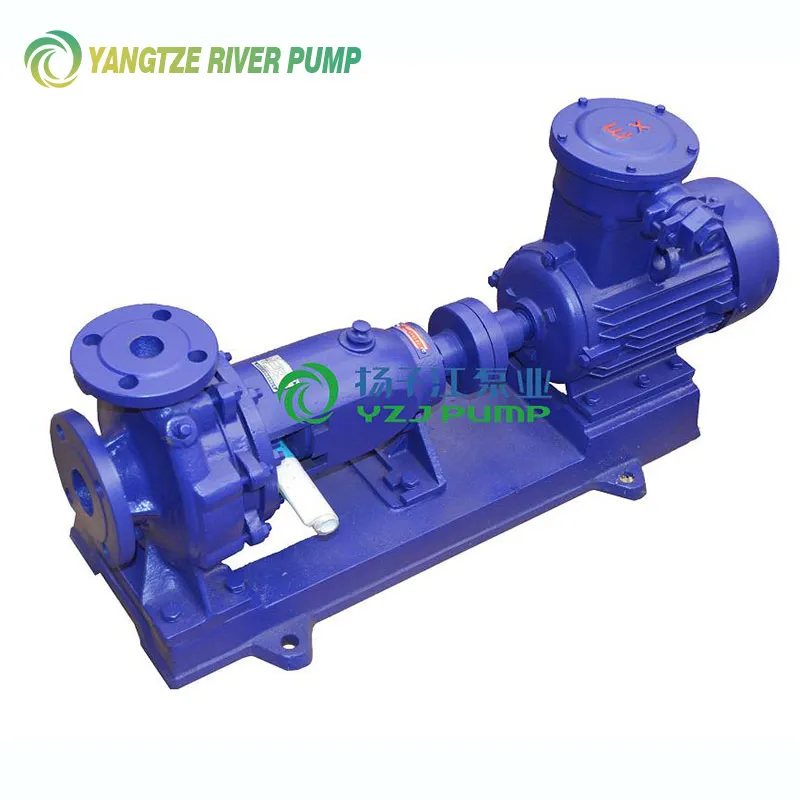 Horizontal chemical centrifugal pumps types IS and IR
-
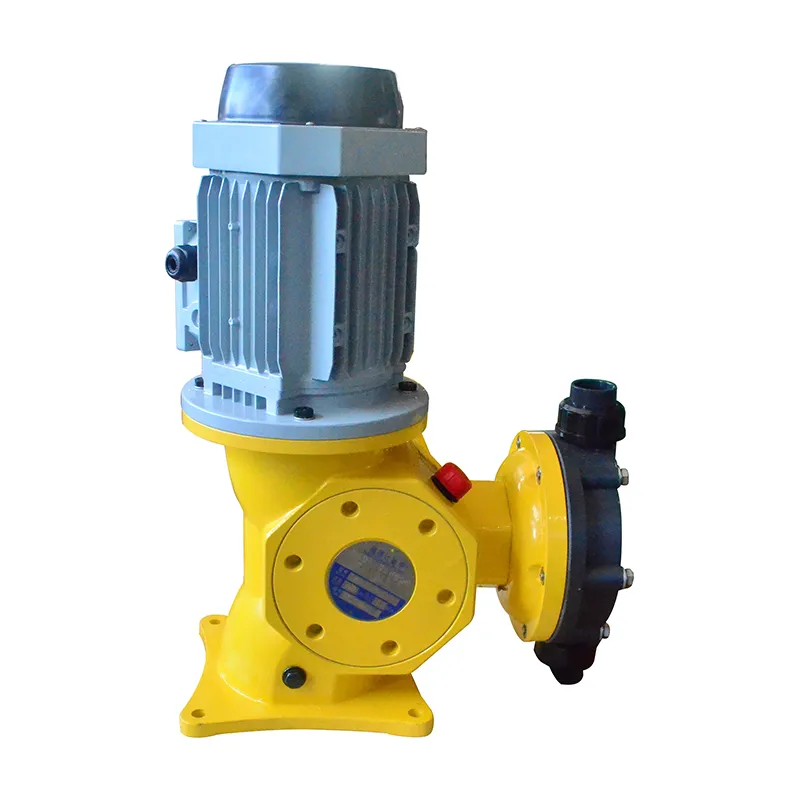 Mechanical diaphragm dosing pumps DJ-Z
-
 Corrosion-resistant stainless steel centrifugal pumps SFB and SFBX