







submersible well pump 380
When you hear “submersible well pump 380”, the first thing that comes to a non-specialist’s mind is simply the supply voltage. But this is where the main catch and the reason for many unsuccessful installations lies. People often chase power, thinking that 380 volts automatically means uninterrupted operation at any depth and with any debit. In fact, if you do not take into account a set of parameters - from the dynamic water level and the diameter of the casing to the quality of power supply in a particular village - you can easily ruin even the most expensive unit. I have seen more than once how a “three-phase” failed due to a banal phase imbalance in the rural network, which no one foresaw.
What does ?380 really mean? for well
Three-phase 380V power supply is, first of all, an opportunity to use higher-power motors without extreme starting currents that kill the household network. For deep wells, say 50 meters and below, this is often not just an option, but a necessity. A single-phase pump at such a depth will constantly work at the limit, overheat, and its service life will be reduced significantly. But the key word is “opportunity”. It does not replace the need for accurate calculation of pressure. This is where many people make mistakes: they take a pump with maximum pressure from the catalog and add it “in reserve?” and get a device that, at best, will operate in a non-optimal mode with increased wear, and at worst, will create such excess pressure in the system that it will burst the pipes or the protection against “dry running” will work. due to over-selection.
In practice, for correct selection you need to know not only the static/dynamic level, but also the well flow rate. If you put an overly efficient pump on a weak well, it will quickly drain it and the protection will work. Frequent on-off cycles are certain death for any submersible motor. I once disassembled a pump after such a scenario: the winding turned black from overheating, the bearings were broken. The client scolded the manufacturer, and the problem was the wrong choice of model for the capabilities of the source.
Another nuance that is often forgotten is the quality of the water itself. ?Three hundred and eighty volt? pumps are often installed in serious, deep wells, where the water may have increased mineralization. Standard AISI 304 stainless steel may not withstand this. You need to look towards more resistant alloys or, for aggressive environments, immediately consider options with a body made of engineering plastics. At our production site inZhejiang Yangzijiang Pumping Industry Co.,LtdThis point is studied separately: for a series of well pumps designed for 380V, they also offer versions made from materials resistant to sulfides and chlorides.
Experience and rake: from installation to first launch
The most critical phase is installation. It would seem that I lowered the pump on a cable, connected the cable, pipeline and safety cable - ready. But the devil is in the details. The cable should be made of stainless steel, not galvanized - zinc does not live long in water. The power cable must be selected correctly in cross-section, taking into account the voltage drop along the length. For deep wells this is critical: if the cable cross-section is insufficient, the pump simply will not produce its rated power, will overheat and turn off. I saw cases when they tried to use a standard 3x1.5 mm2 cable for a 100-meter well - as a result, the pump was not 380V, but about 340, and it could not raise water to the surface.
The first launch is always stressful. It is imperative to control the current in all three phases. A skew of more than 10% is already an alarming sign. Often the problem is not in the pump, but in the network. There was a story on one of the objects: a pumpdownhole submersiblefromYangtzeRiverPumpAfter launch it showed stable operation, but a week later it failed. The reason is that one of the phases in the local transformer “sagged?” under the evening load of the village, which led to overheating of the winding. After installing the stabilizer and phase control relay, the problem went away.
And more about “dry running?”. Level sensors are good, but they can fail. The most reliable, although not the most technologically advanced, method is to control the pressure or flow. If the outlet pressure drops sharply or rises when the tap is closed, the system must turn off the power. This needs to be configured wisely so that the pump does not turn off due to short-term water shocks.
Manufacturer's choice: not only passport data
When you look at the market, your eyes widen. Domestic, European, Chinese. Prices vary significantly. My experience says that you need to look not at the country of origin, but at how the manufacturer approaches engineering. For example, our company -Zhejiang Yangzijiang Pumping Industry Co.,Ltd. On our websiteyangtzeriverpump.ruyou can see that production is not just an assembly shop. This is a full cycle: from R&D and testing at our own stands to service. This is important. Because a 380V well pump is not a universal “blank”. Its hydraulic part must be designed for specific standard sizes of casing pipes, and the motor must have built-in overload protection.
Many Chinese manufacturers sin by taking one successful model and making it under different brands, changing only the nameplate. As a result, you can buy essentially the same pump, but with different warranty conditions and prices. Our approach is different. There are also standard models in the line, but the key is the ability to adapt. Let's say the client needssubmersible pump 380for a narrow casing of 4 inches, but with high head. A standard multistage centrifugal pump may not fit. Then an option with a compact linear arrangement of steps or even a screw pump is considered if there is abrasive in the water.
Tests are a separate issue. It’s good when the manufacturer tests the pump not only on water, but also on slurry, and checks operation under cavitation conditions. On our lines, each pump is tested for leaks, vibration, current consumption and pressure characteristics before shipment. This is not a guarantee of eternal life, but insurance against manufacturing defects. Because removing a pump from a depth of 80 meters for warranty repair is work comparable in cost to a new device.
Cases from practice and non-obvious breakdowns
I'll tell you about one case. Installed powerfulwell pump 380Vto a sand well. Everything was chosen correctly, the debit was good. Six months later - a complaint: the pressure has dropped, the pump is noisy. Got it. Externally everything is intact. They dismantled it, and the impellers and diffusers in the first stage were sanded down almost to the base. The grains of sand worked as an abrasive. The mistake was that they did not install an additional filter mesh at the inlet, and also did not take into account the seasonal increase in water turbidity. I had to change the hydraulic part to a more wear-resistant one and install an external coarse filter. Now, for wells with unstable water composition, we always stipulate this.
It's a different story with electrics. The pump worked perfectly, but the protection in the shield occasionally tripped. We checked everything - insulation resistance, phases. Everything is fine. It turned out that the problem was in the frequency converter, which was installed for a smooth start and energy saving. It was not designed to work with submersible motors with waterproof insulation and created voltage pulses that would "break through" over time. isolation. Conclusion: peripheral equipment must be selected that is compatible, or better yet, recommended by the pump manufacturer.
Or here’s a trivial but common problem - a check valve. It is placed at the outlet of the pump so that water does not flow back into the well when turned off. But if the valve is of poor quality or clogged, the pump experiences an enormous load every time it starts, starting “under pressure”. It kills him within a few months. I always advise installing a valve with a mechanical position indicator or, at a minimum, checking its performance during annual maintenance.
Instead of a conclusion: thoughts on durability
So,submersible well pump 380- this is not a magic wand for any well. This is a tool whose efficiency and service life depend 30% on the correct choice of model, 50% on proper installation and commissioning, and only the remaining 20% on the quality of the product itself. And even this 20% is not a brand, but quality: materials of the flow part, winding insulation class, rotor balancing.
Working with such units, you understand that there are no universal solutions. Each object is unique. Therefore inZhejiang Yangzijiang Pumping Industry Co.,LtdWe don't just sell pumps from a catalogue. Technical specialists are always ready to request data on the well and help with the selection, be it standard centrifugal or specificsubmersiblemagnetic pump for chemically active media. Because in the end, everyone benefits when the system works for years without problems, and does not become a headache after the first season.
The main advice I give to everyone: do not skimp on the design of your water supply system. The cost of the services of a hydrogeologist or a competent installation engineer is a trifle compared to the cost of lifting and replacing an incorrectly selected pump from the depths. And the right pump, even if it initially seems more expensive, will pay for itself with its uninterrupted operation. Tested on more than a dozen objects.
Correspondingproducts
Related Products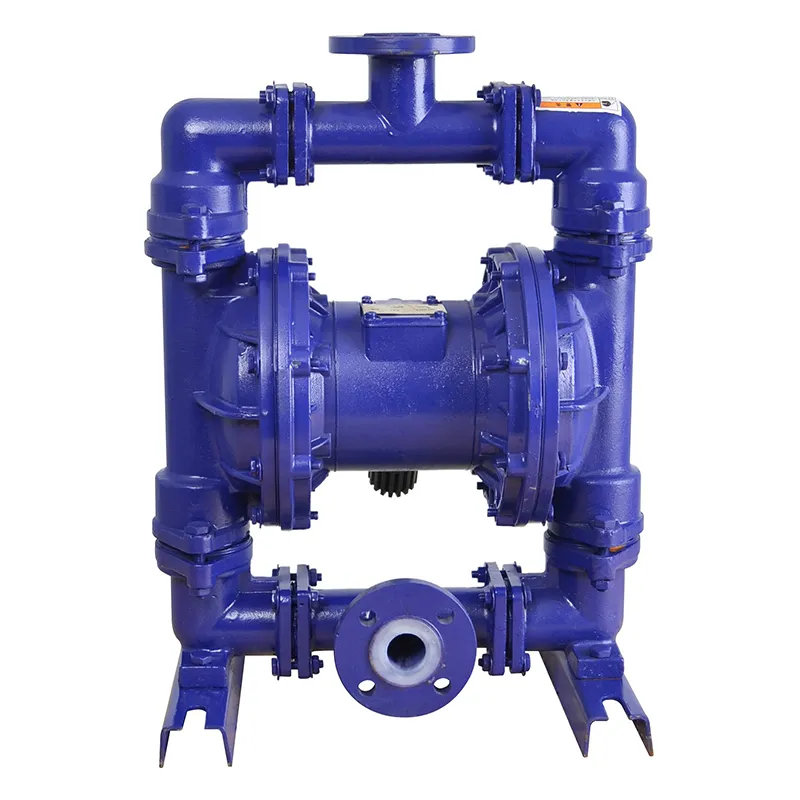
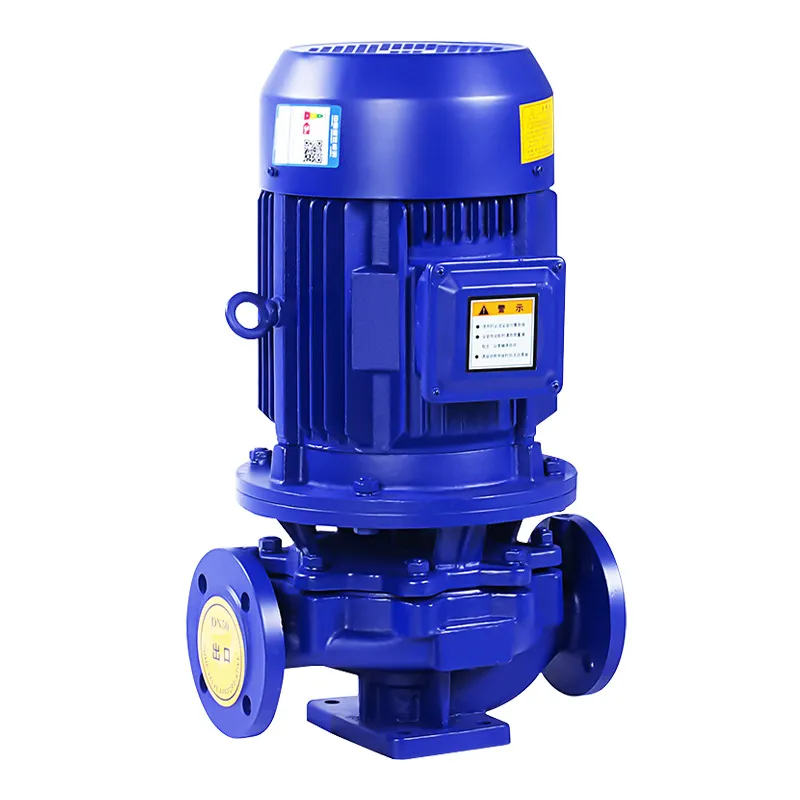
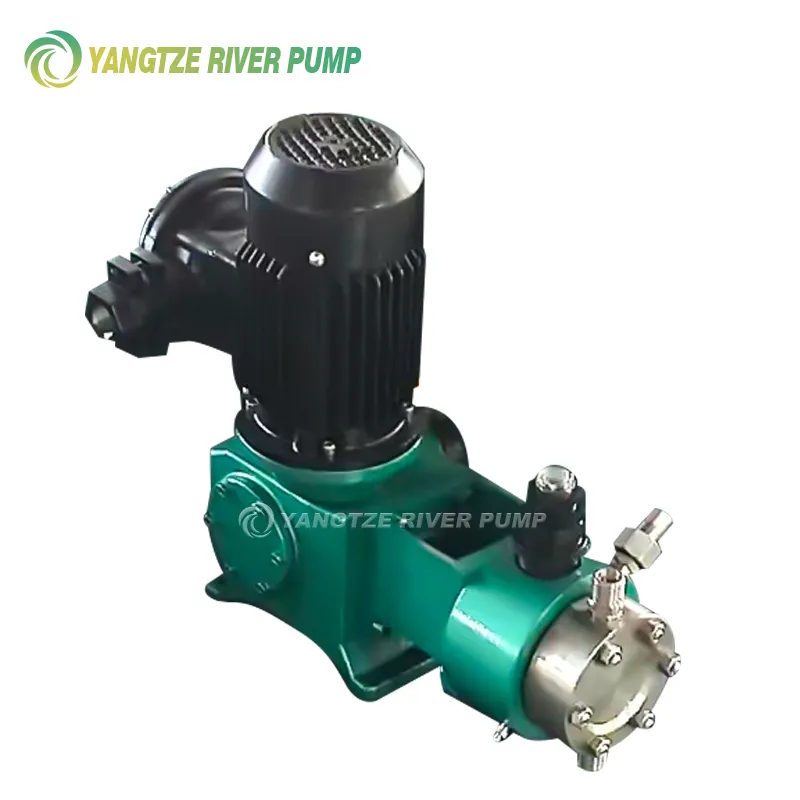
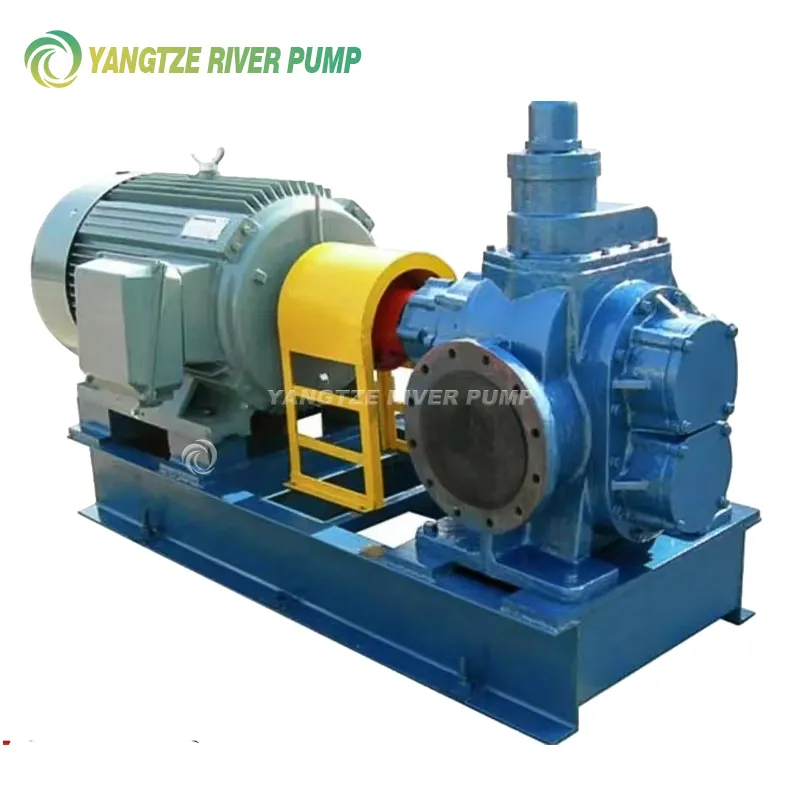
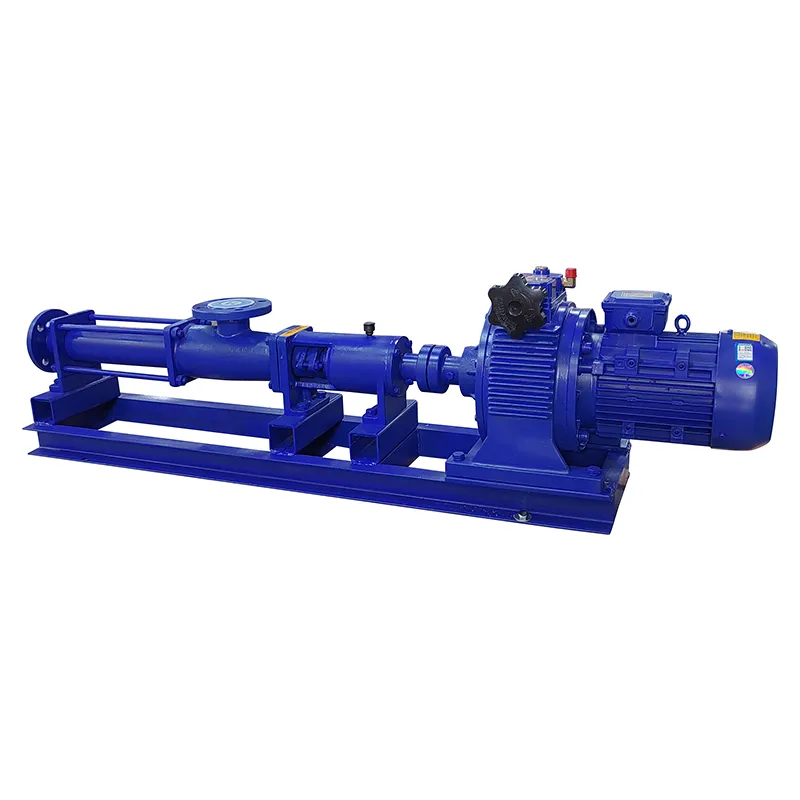

Best Sellingproducts
Best Selling Products-
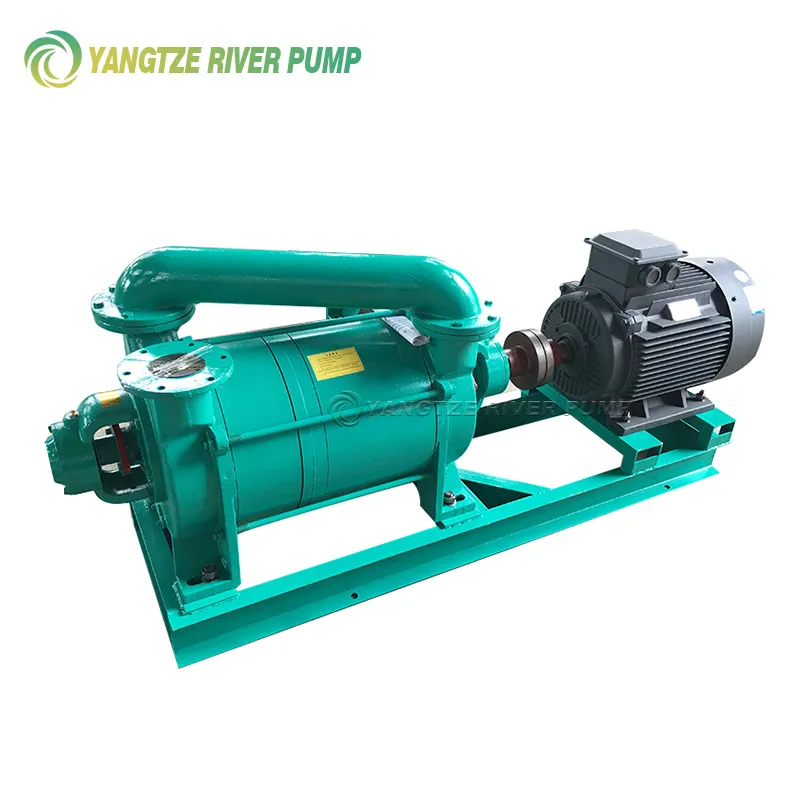 Liquid ring vacuum pumps type 2SK
-
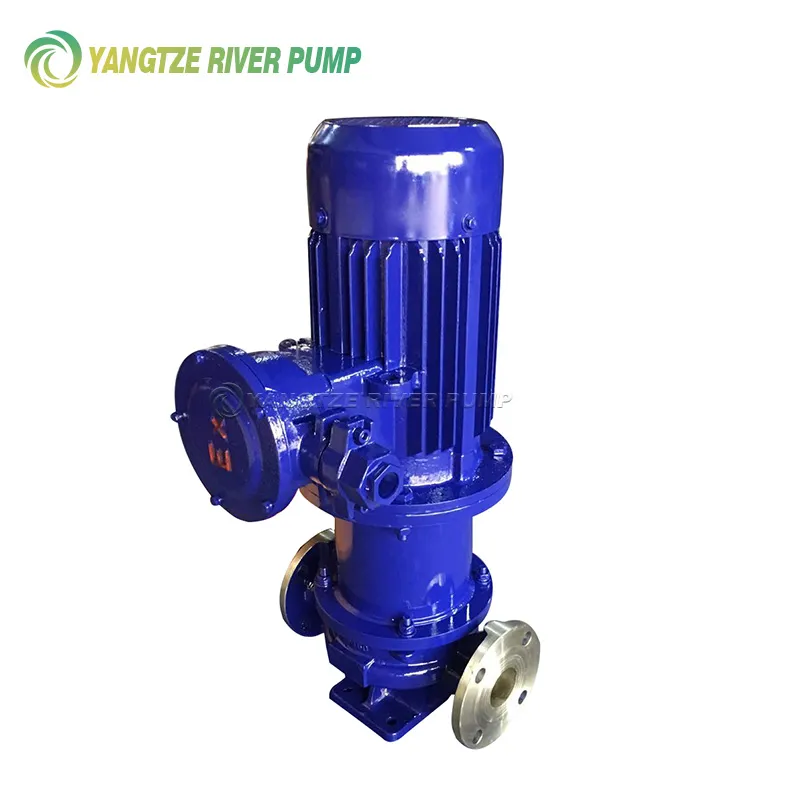 Vertical magnetic pumps CQB-L
-
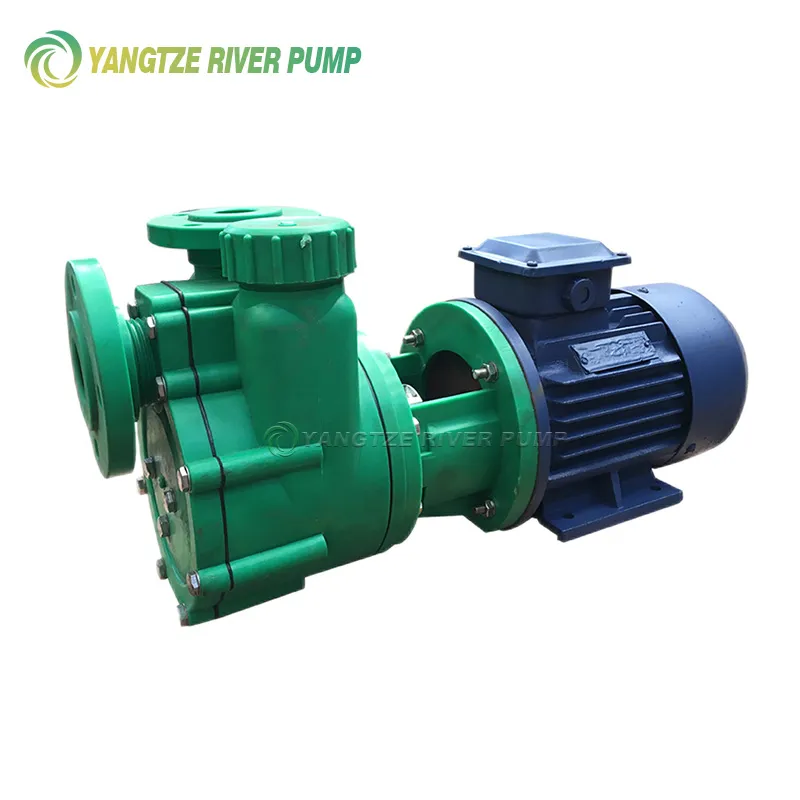 Plastic self-priming centrifugal pumps FP and FS
-
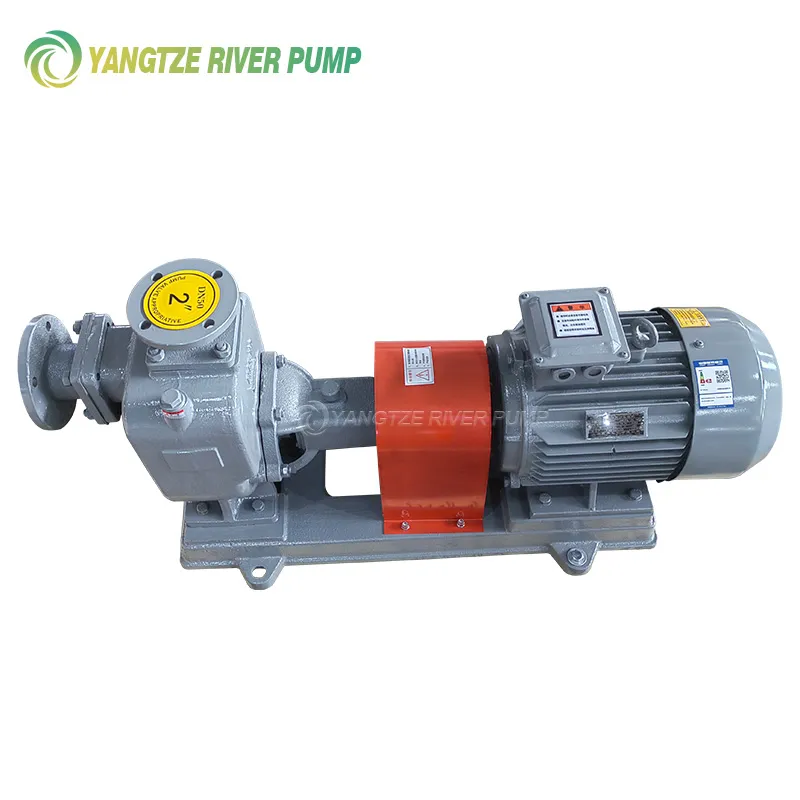 Non-clogging self-priming wastewater pumps ZW
-
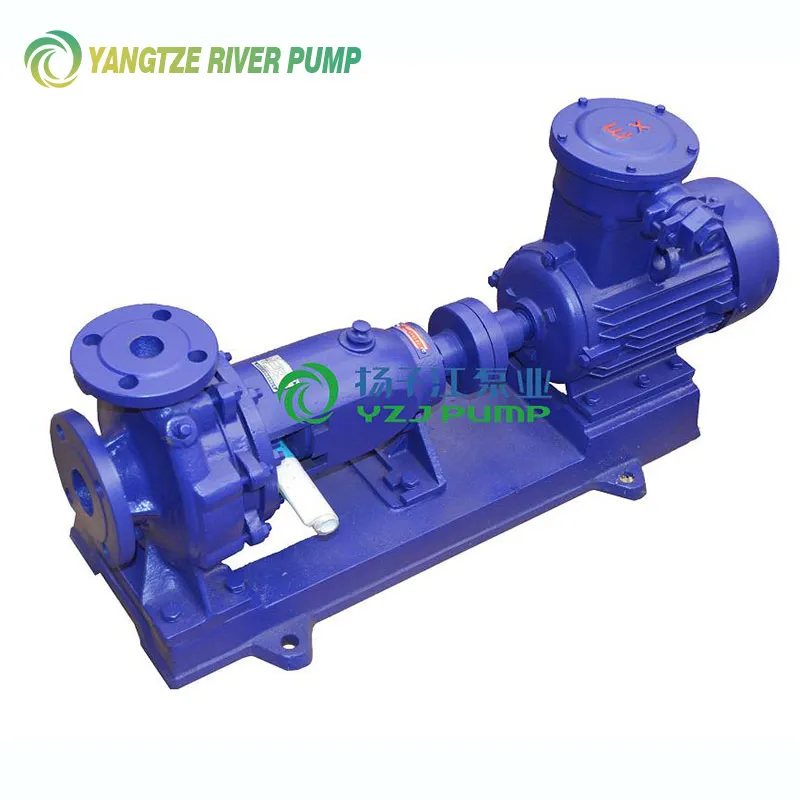 Horizontal chemical centrifugal pumps types IS and IR
-
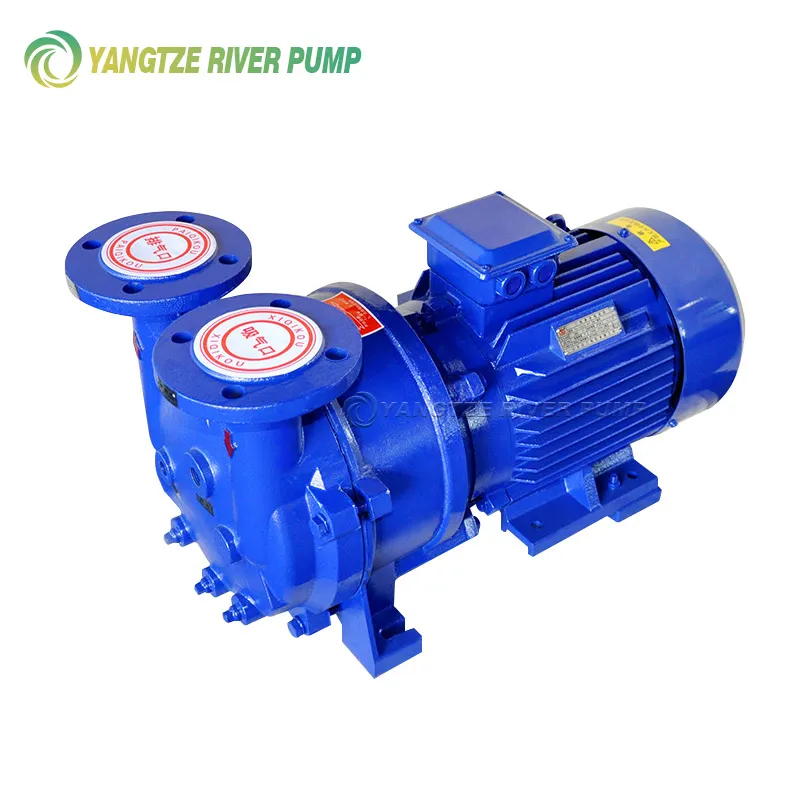 Liquid ring vacuum pumps type SKA and 2BV
-
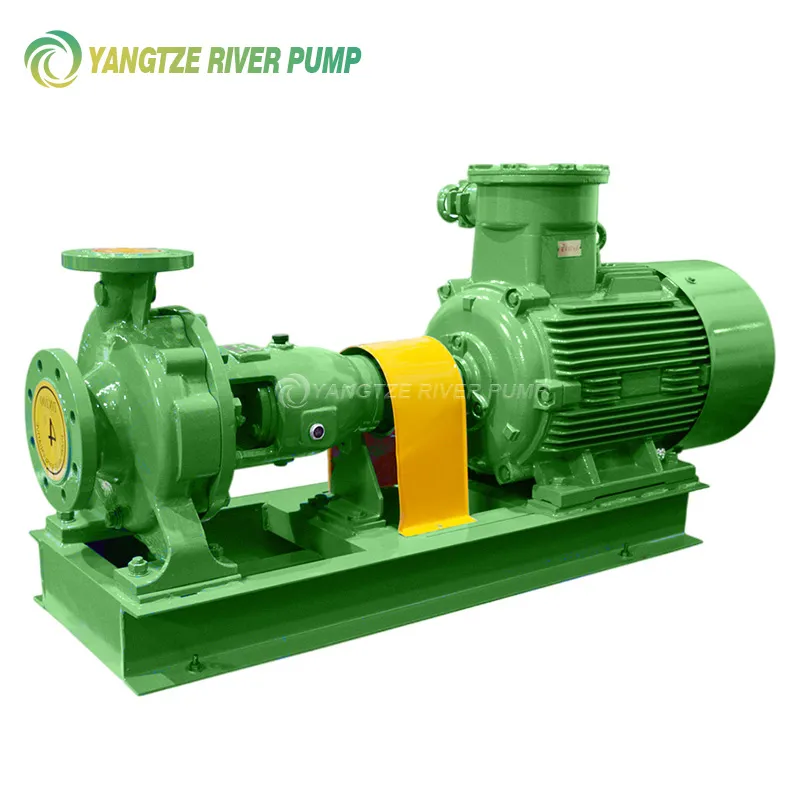 YCZ Chemical Process Pumps
-
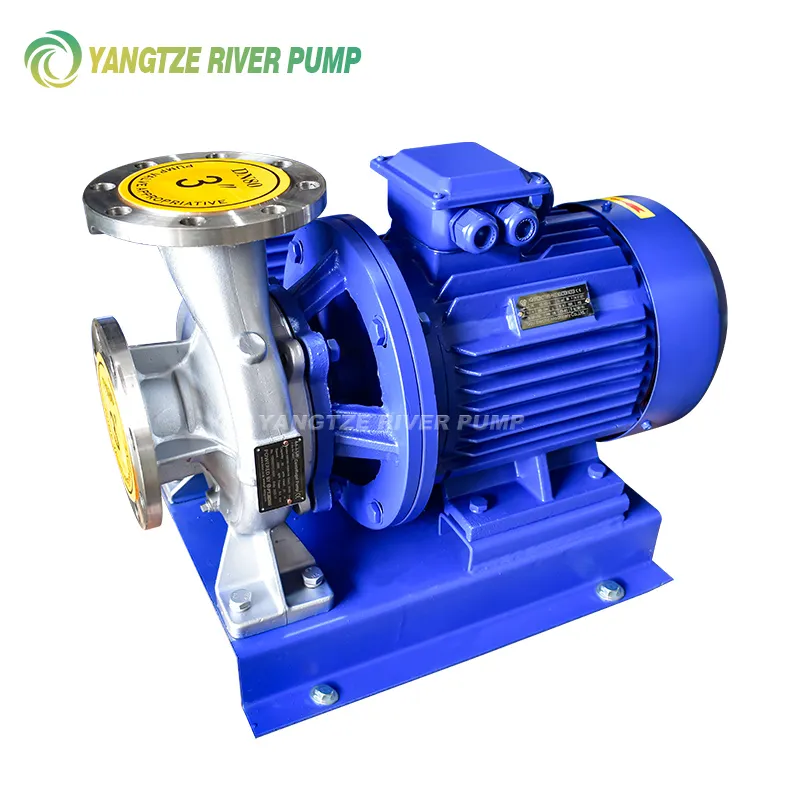 ISW and ISWH Single Stage Horizontal Pipeline Centrifugal Pumps
-
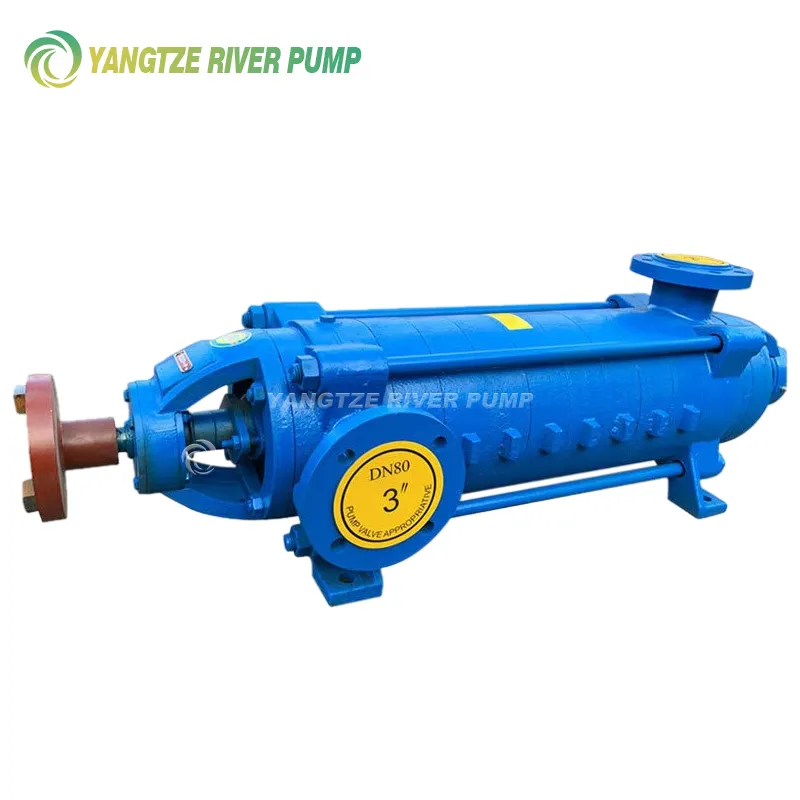 Horizontal multistage pumps for feeding DG boilers
-
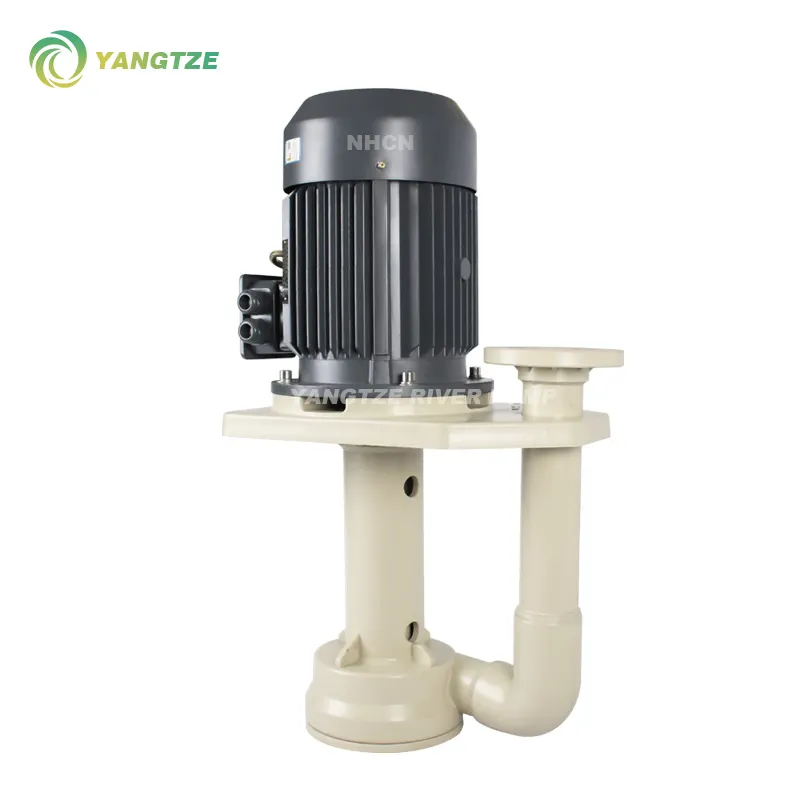 Vertical pumps for installation inside/outside tanks YZCN and YZCW
-
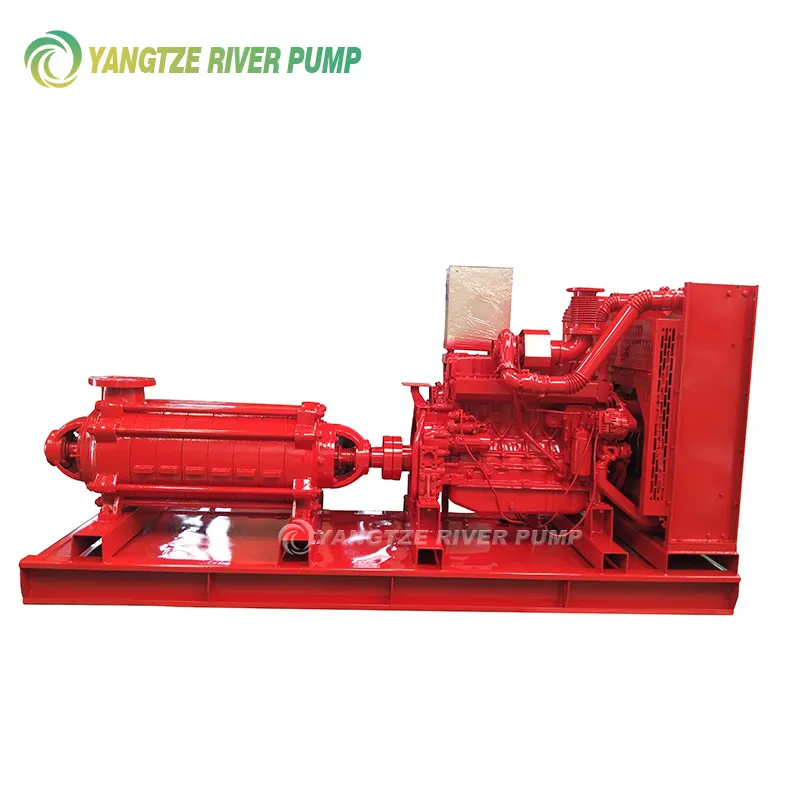 XBC Diesel Intelligent Fire Pumps
-
 IHF PTFE Chemical Centrifugal Pumps