







stainless steel centrifugal pump
When you hear “stainless steel centrifugal pump?”, the first thing that comes to mind is, of course, corrosion resistance. And many people calm down on this, believing that they bought “stainless steel”. - and all problems are solved. But in practice everything is more complicated. Not only is ?stainless steel? - the concept is flexible (AISI 304, 316, 316L, 904L - this is a huge difference in price and application), and also the design of the pump itself, the quality of casting, shaft processing, type of mechanical seal - all this determines whether the unit will work for a year in an aggressive environment or fail in a couple of months. I have personally encountered situations where a customer saved on the material of the flow part for mildly aggressive environments by using 304 steel instead of 316, and then was surprised by the corrosion spots. Or when a shaft made of ordinary carbon steel is in contact with “stainless steel?” created a galvanic couple... In general, the key word here is an integrated approach.
What makes up the “correct” one? stainless steel in the pump
Let's go in order. The base material is usually a casting of the housing, cover and impeller. What is important here is not only the chemical composition, but also the quality of the casting itself. Porosity and cavities are not just a cosmetic defect, they are foci for the onset of corrosion, especially under conditions of cavitation or when pumping abrasive suspensions. In our production, on sitesZhejiang Yangzijiang Pumping Industry Co.,Ltd, for critical orders, especially chemical pumps, radiographic inspection of critical castings is practiced. Seems like a small thing? But it’s little things like this that differentiate a product that’s simply made from a product that will work reliably.
The next point is the shaft. It is often made from high-strength stainless steel, such as hardened 420 grade. But it is important how it mates with the oil seal or mechanical seal. Thrust ridge, mechanical seal mounting area - these surfaces are often additionally ground or coated, for example with ceramic or tungsten carbide, to improve wear resistance. I remember one project for pumping hot brine, where it was the wear of the shaft in the seal area that became the “weak link”. standard design. I had to switch to a shaft with a welded protective sleeve.
And, of course, seals. Rubber cuffs made of EPDM or Viton, graphite gaskets, the mechanical seal itself - their material must be compatible not only with the pumped medium, but also with the pump material. A standard set is good, but for really complex tasks, such as high-temperature or media containing solid particles, an individual selection is needed. On our websiteyangtzeriverpump.ruin the descriptions ofchemical centrifugal pumpsWe always focus on the possibility of equipping with different types of seals - from gland packing to double mechanical seals with barrier liquid.
Where and why they are indispensable: non-obvious nuances of application
Obvious areas are the chemical, pharmaceutical, and food industries. Everything is clear here: cleanliness, resistance to acids, alkalis, and solvents. But there are also less obvious areas. For example, sea water or desalination plants. They often require not just AISI 316, but 316L with a low carbon content to avoid intergranular corrosion in welds. Or fire extinguishing systems on offshore platforms - they also need resistance to a salty atmosphere.
Another important point is pumping abrasive media. Stainless steel itself is not highly wear-resistant. For sand-salt suspensions, sludge, and pulps with solid inclusions, either special high-chromium steel (CD4MCu type) or the application of protective coatings to the flow part are often required. Sometimes a more rational solution than a solid caststainless steel centrifugal pump, it turns out the pump is lined with polyurethane or rubber. But this is a different story and a different price segment.
From personal experience: there was an incident at a small winery. They pumped the wort and wine materials with a standard 304 steel food grade pump. Everything seems to be normal. But complaints began about foreign tastes. It turned out that organic residues accumulated in the welds inside the body, which were not processed perfectly, and began to ferment. The problem was solved by switching to devices with polished internal surfaces (electropolishing) and more thorough washing. This relates to the fact that not only durability is important for food, but also the condition of the surface.
Costly mistakes in selection and installation
The most common mistake is choosing “by name”. The customer sees in the catalog “a stainless steel chemical pump?” and thinks it will be suitable for any chemistry. And then it turns out that his process contains, say, chlorides at high temperatures, and the pump is made of 304 steel, which in such conditions is prone to pitting and crevice corrosion. Or it doesn't take into account the presence of fine solids that quickly kill a standard mechanical seal.
Installation is a separate issue. Stainless steel is a “soft” material. Improper tightening of flange connections, distortions in pipelines that create stress - all this can lead to warping of the housing, leaks and rapid shaft wear. It is imperative to use gaskets suitable for the environment and observe the tightening torque. I saw how the installers tightened the studs with a powerful wrench “all the way?” - the result is a crack in the pump cover along the threaded hole.
Another subtle point is cavitation. For stainless steel pumps it is no less dangerous than for cast iron ones. Moreover, cavitation destruction in an aggressive environment occurs many times faster. Therefore, it is critically important to correctly calculate and configure the system: ensure the necessary suction head (NPSH), avoid narrowed areas on the suction, and select the correct rotation speed. Often it was cavitation, and not chemical aggressiveness, that became the cause of failure of apparently resistant equipment.
Evolution of the product line: from standard to specialized solutions
Previously, the market was often content with universal models. The trend now is towards greater specialization. Take, for example, our range. In addition to standardsingle stage centrifugal pumpsmade of stainless steel, linear (in-line) models for inserting into the pipeline without changing its geometry have become popular - ideal for cramped spaces in modernized production facilities. Orself-priming pumpsmade of stainless steel for systems where air leakage is possible or where it is necessary to frequently run a pump with a dry suction line.
Separately, it is worth highlighting magnetic pumps (Magnetic Drive). This is, in fact, an ideal solution for applications where absolute tightness is critical. No mechanical seal means no risk of wear or leakage. The entire flow of the medium is contained within a sealed housing. The drive is carried out through a magnetic coupling. For aggressive, toxic or expensive environments - sometimes the only option. Such models are also represented in our assortment, and their popularity is growing, despite the higher initial cost, because they radically reduce operational risks.
The direction of multistage stainless steel pumps is also being developed to create high pressure when pumping clean but aggressive liquids. For example, in high pressure washing systems using chemical solutions or in the supply of reagents under pressure to process reactors. Structurally, these are more complex devices; the requirements for balancing and the material of interstage seals are higher.
A look from inside production: control as a guarantee
What allows us to talk about reliability? Not only correct drawings, but also control at every stage. On our production lines, which are mentioned in the company description, the process begins with incoming metal inspection. Next - control of pattern equipment for castings, control of the casting itself (visual, measurement of wall thickness, checking for density). CNC machining is all about precision seating for bearings and seals, which directly affects alignment and vibration.
Assembly is a separate department where cleanliness is critical, especially for food and pharmaceutical pumps. And finally, tests. Each pump, before being sent to the customer, undergoes hydraulic tests on a test bench. The flow, pressure, power consumption, vibration level, and temperature of the bearing units are checked. For stainless steel pumps, an additional pressure leak test is often carried out. Only after this the nameplate is placed and the pump is packaged.
This full cycle - from R&D to testing and service - which is stated in the philosophyZhejiang Yangzijiang Pumping Industry Co.,Ltd, are not just beautiful words. This is a necessity. Because when your equipment operates in hazardous or expensive environments, the cost of an error in the form of production downtime or an environmental incident is too high. Therefore, it is better to thoroughly check it once at the factory than to later deal with the consequences at the client’s site.
Bottom line: not a brand, but a set of solutions
Let's go back to the beginning. ?Stainless steel centrifugal pump? - this is not a magic wand. This is a tool whose effectiveness is determined by a dozen factors: from the precise selection of steel grade and type of seal for a specific task to the quality of manufacturing and proper installation. Savings at the selection or purchase stage almost always result in multiple costs for repairs and downtime.
Experience shows that dialogue with the manufacturer or supplier at the selection stage is the most important thing. It is necessary to describe the environment as fully as possible (composition, temperature, presence of solid particles, operating mode - constant or cyclic), installation conditions, performance requirements. Then the specialist will be able to offer not just a “stainless steel pump”, but an optimal technical solution - be it a standard model with a certain configuration or modification of the design for special conditions.
Ultimately, a reliable stainless steel centrifugal pump is a combination of sound engineering, quality materials and strict manufacturing controls. This is exactly what the work is based on, be it designing a newsubmersible pumpfor a well with aggressive water or shipment of a batch of standard chemical pumps for the modernization of a workshop. The main thing is to understand that behind the general name hides a whole world of technical nuances, on which the success of the project depends.
Correspondingproducts
Related Products

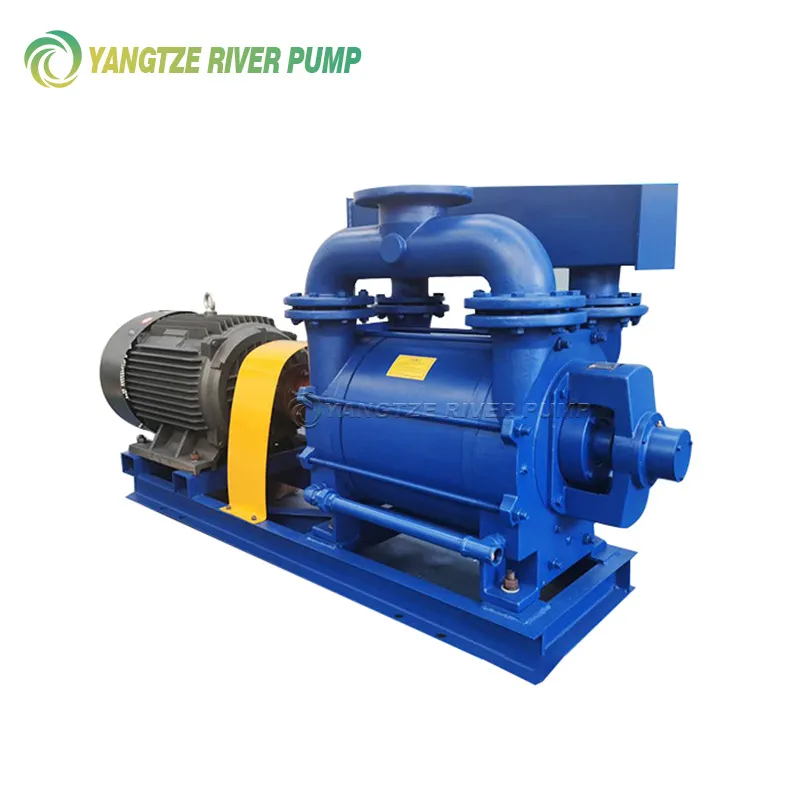

Best Sellingproducts
Best Selling Products-
 Mechanical diaphragm dosing pumps DJ-D
-
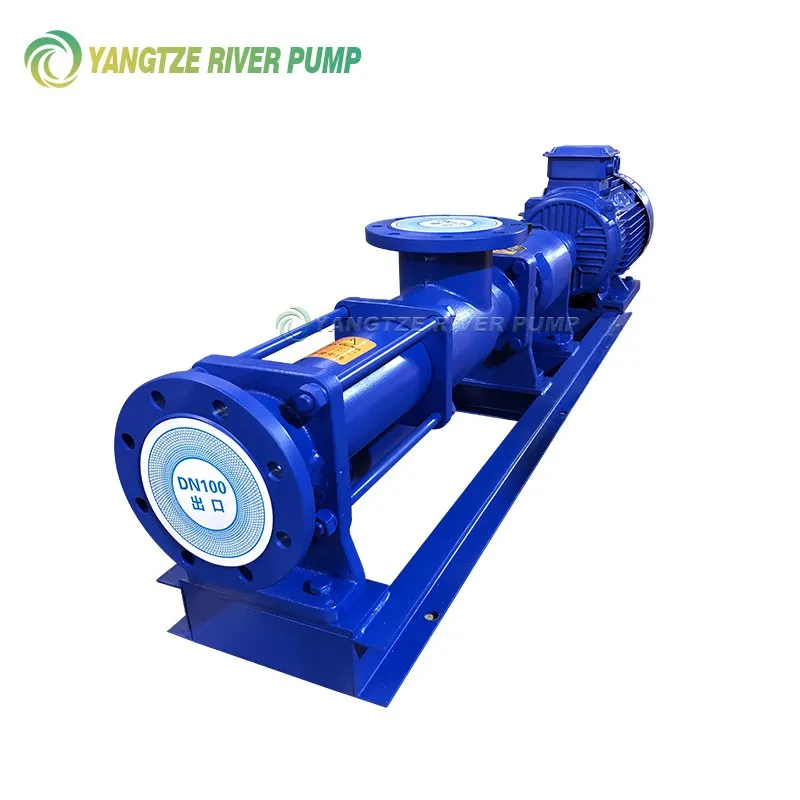 Single screw pumps type G
-
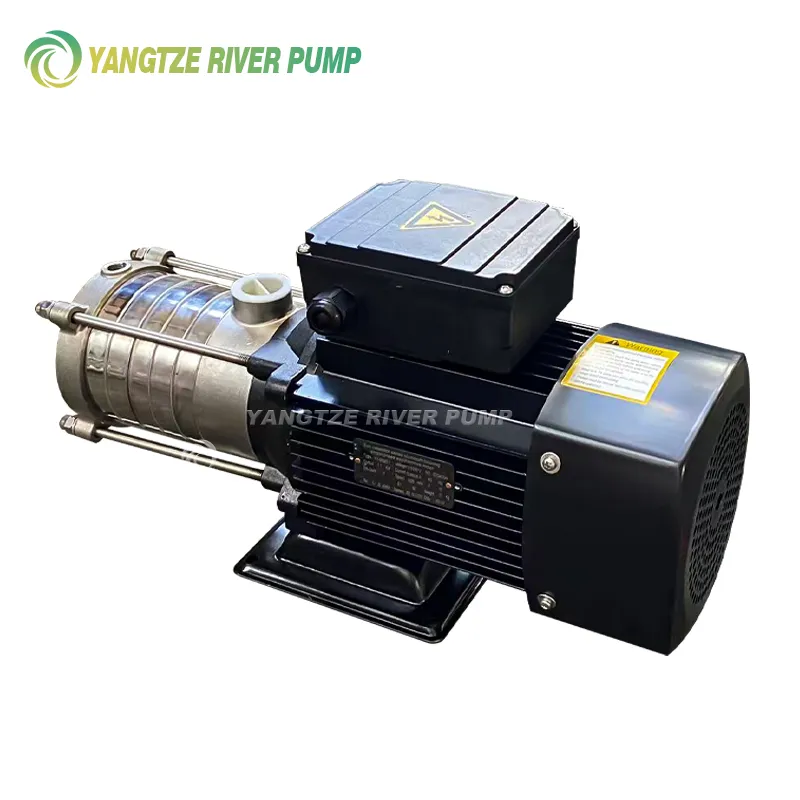 Horizontal multistage centrifugal pumps (light series) CHL and CHLF
-
 Sanitary screw pumps type GF
-
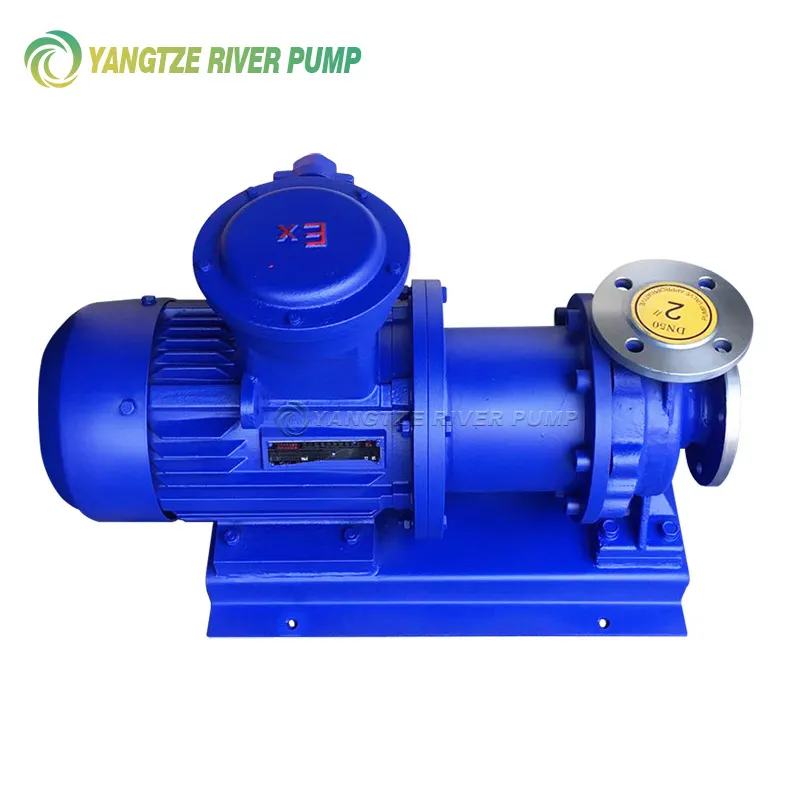 CQB Stainless Steel Magnetic Pumps
-
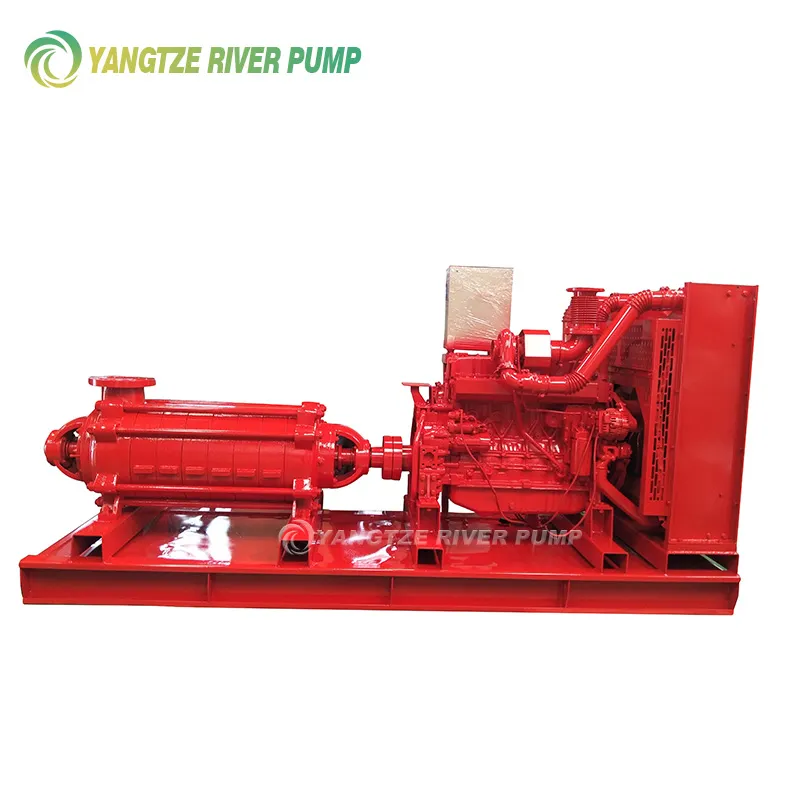 YZD Series Diesel Multistage Centrifugal Pumps
-
 Non-clogging self-priming wastewater pumps ZW
-
 QJ type borehole pumps
-
 YCB Type Circular Gear Pumps
-
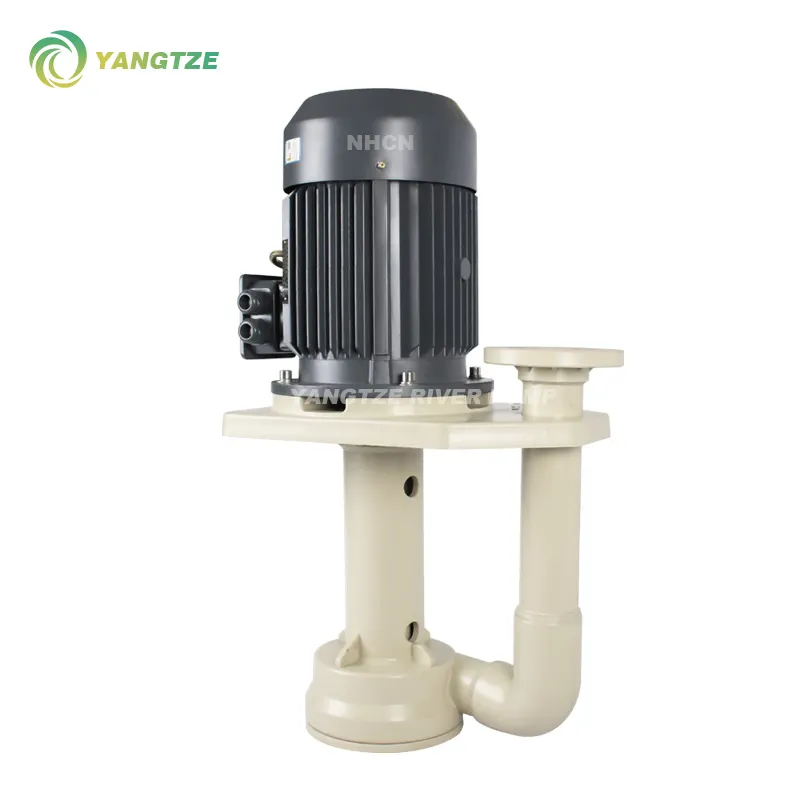 Vertical pumps for installation inside/outside tanks YZCN and YZCW
-
 Metal pneumatic diaphragm pumps QBK
-
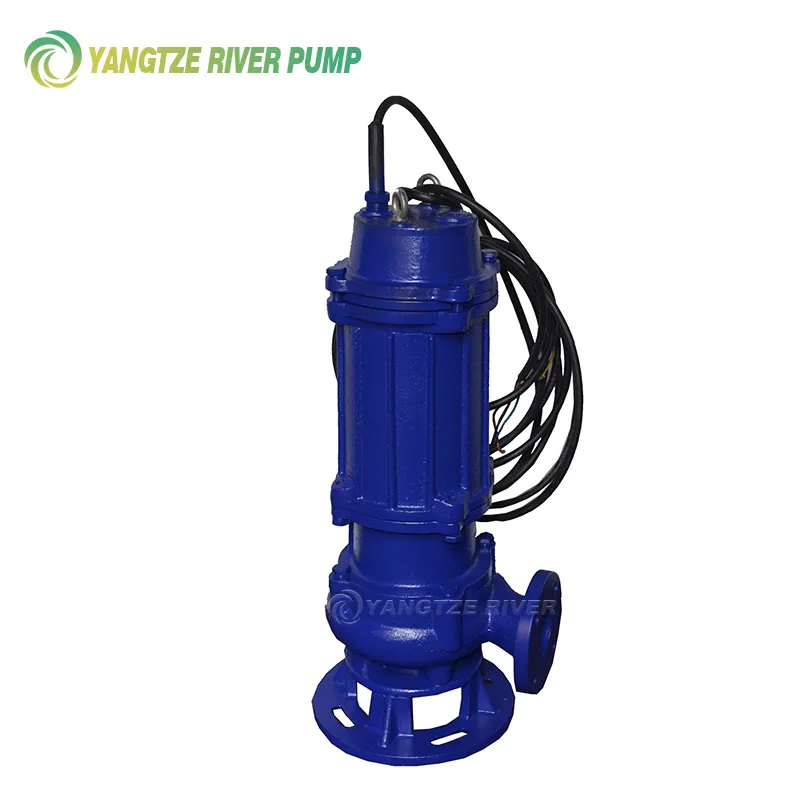 QW Non-clogging Submersible Sewage Pumps