







centrifugal pump 15 32
When you see “centrifugal pump 15 32” in a specification or request, the first thing that comes to a beginner’s mind is probably some type of series. In fact, these numbers are the inlet and outlet diameters of the pipes in millimeters. 15 – suction, 32 – pressure. But here’s the catch: if you think that this is an exhaustive characteristic for selection, you can be very mistaken. How many times have I seen how a pump was purchased, looking only at the connecting dimensions, and then it either did not produce the required pressure, or worked with wild vibration due to improper cavitation. The key point that is often missed is that behind these numbers there is a whole layer of parameters: impeller, rotation speed, material. This is especially critical for chemical environments or high temperature systems. Here at Zhejiang Yangzijiang Pump Industry LLC, on test benches you constantly see how the same 15-32 frame shows completely different characteristics with different stainless steel wheels or with a polypropylene body.
Where and why exactly 15-32?
This standard size is a real “workhorse” in small-scale power generation, irrigation, and in technological lines with low flow rates, but demanding pressure. Ideal, say, for supplying a reagent solution to a water treatment system or for circulating hot water in a small circuit. I remember a project to equip a small boiler room - several such devices were required to feed the system. The customer initially wanted to take something cheaper, with a cast iron body. But after analyzing the water, where there was increased oxygen aggressiveness, we settled on a version made of AISI 304 stainless steel. There was a difference in price, but the service life was predicted to be three times longer. This is where the importance comes not from the numbers 15-32, but from what lies behind them.
A common mistake is to install such a pump on a suction line with a long horizontal section and a small diameter. With a 15 mm suction pipe, the minimum length of the pipeline to the pump and its perfect tightness are critical. Any air leakage will result in loss of performance and cavitation. In practice, if it is not possible to place the pump close to the tank, it is better to consider the option of a self-priming modification, but this is a different design and other costs.
Another nuance is noise. Compactcentrifugal pump15-32 at 2900 rpm can be quite loud, especially if mounted on a light baffle. Vibration is transmitted through pipelines. In sensitive areas it is necessary to add flexible inserts and vibration-isolating supports. Once we had to redo the installation at a pharmaceutical facility precisely because of complaints about the hum in the next room - the problem was solved by installation on a massive common plate with dampers.
Tests and pitfalls
At our production, each unit undergoes sea trials on water before being sent to the customer. For models 15-32 this is a required step. We take the real characteristics: pressure, flow, current consumption. It happens that out of a batch of ten pieces, one or two will show parameters on the verge of tolerance - for example, the pressure is 0.3 bar lower. We send it for disassembly and inspection. The reason may be a microscopic grain of sand that got into the impeller channel during casting, or a slightly larger seal gap. It’s a small thing, but it affects the stability of work in the long run.
We especially carefully test pumps for chemical applications - the same plastic chemical pumps in sizes 15-32. Here, in addition to hydraulics, the integrity of the casting of the PP or PVDF body is checked, and the absence of internal stresses, which could later lead to a crack. One sad experience was with the delivery of a batch for pumping a weak solution of hydrochloric acid. The PP material seemed to be suitable. But during the process it turned out that the process temperature periodically jumped to 75°C, and not the stable 60°C, as in the technical specifications. This led to deformation of the housings of several units. I had to urgently change the material to PVDF, which is more expensive but heat-resistant. Since then, in the order form there has been a separate item with questions about possible peak values, and not just average values.
Magnetic pumps of the same size have their own story. The absence of a mechanical seal is a huge plus for tightness, but the magnetic coupling is sensitive to overloads. If the fluid suddenly thickens or there is a blockage in the pipeline, the clutch may slip and the engine may overheat. Therefore, we always emphasize that for media with variable viscosity or the possibility of crystallization, additional motor current protection is needed. A simple example is pumping syrup: when the temperature drops, it can “sit down,” and a conventional pump will simply break the shaft or burn the winding, and a magnetic pump will begin to “slip,” which is also not good, but it gives time to react.
Comparison with other types in the same class
Sometimes a client asks: why centrifugal, and not, say, membrane or screw? For sizes 15-32, the answer usually lies in pumping performance and cleanliness. Centrifugal gives a smoother and more continuous flow, less pulsation. It is simpler in design and, as a rule, cheaper to maintain, unless we are talking about aggressive environments where an expensive seal fails. A diaphragm pump is good for suspensions or very viscous liquids, but it is noisy (clicking valves) and has a pulsating flow, which is not always acceptable.
A screw (single-screw) pump, of course, copes well with high-viscosity media and is less sensitive to the presence of abrasive, but its cost and dimensions are comparable to15 32parameters will be significantly higher. And the repair is more complicated - replacing a stator or rotor is not replacing the impeller and seal in the centrifugal, which can be done on site in a couple of hours.
Therefore, when Zhejiang Yangzijiang Pumping Industry LLC contacts us with a request for selection, we always start with a detailed survey: what are we pumping, what is the temperature, are there solid inclusions, what is the viscosity, is smooth adjustment required. It often turns out that for a task with clean water for irrigation or circulation, a 15-32 centrifugal pump is the optimal choice both in terms of price and reliability. But for pumping molasses or sludge, we are already looking towards other designs, even if the connecting dimensions are similar.
Installation and first launches: what to look for
It would seem like a small-sized pump, hang it up, connect the pipes - and start working. But most failures in the first month of operation are a consequence of installation errors. The first is the harness. A dirt filter is definitely needed on the suction line, otherwise even fine scale from the new pipes will clog the narrow channels of the wheel. On the pressure side - a check valve, if there is a vertical section, so that when it stops, the water does not drain back and the pump does not run 'dry'.
The second is alignment. Even if the pump and motor are on a common frame, tension may occur when connected to the pipelines. The pipes must be independently secured and not pull or put pressure on the pump nozzles. We check with a probe or laser level. I once saw how, due to a misalignment of half a millimeter, the stuffing box seal failed in a week - the shaft beat, the packing wore out instantly.
Third – first launch. Be sure to fill the housing with the pumped medium! Dry running for mostcentrifugal pumps, even for a few seconds, guarantees damage to the mechanical seal or, in the case of a magnetic coupling, overheating. After starting, let it run for a minute or two, check the heating of the case, the noise level, and the absence of leaks. It’s better to spend time on this right away than to disassemble the entire system later.
Prospects and adaptation to modern challenges
The trend now is towards intelligent control and energy efficiency. Even such a small device as 15-32 is increasingly being ordered with a frequency converter. This allows you to accurately adjust parameters to the current needs of the system and save energy. This is especially true for heating systems, where the load varies depending on the time of day and the outside temperature.
Another request is materials. More and more projects, especially in the food and pharmaceutical industries, require execution in full compliance with sanitary standards. Polished surfaces, absence of stagnant zones, use of special grades of stainless steel. Our assortment includes solutions for such tasks. For example, linear centrifugal pumps in the same size, where the housing can be easily disassembled for sterilization.
In the end, back to the beginning.Centrifugal pump 15 32– these are not just numbers. This is a whole class of equipment with a lot of variations inside. Correct selection and installation determine years of trouble-free service. And the wrong one means headaches, downtime and unplanned expenses. It's always worth taking the time to consult with an engineer who will ask the right questions, and perhaps look at testing as it can be done on siteZhejiang Yangzijiang Pumping Industry Co.,Ltd, where the full cycle from R&D to testing allows you to see the device in operation before it is sent to the site. This is the very practice that replaces mountains of theoretical calculations.
Correspondingproducts
Related Products

Best Sellingproducts
Best Selling Products-
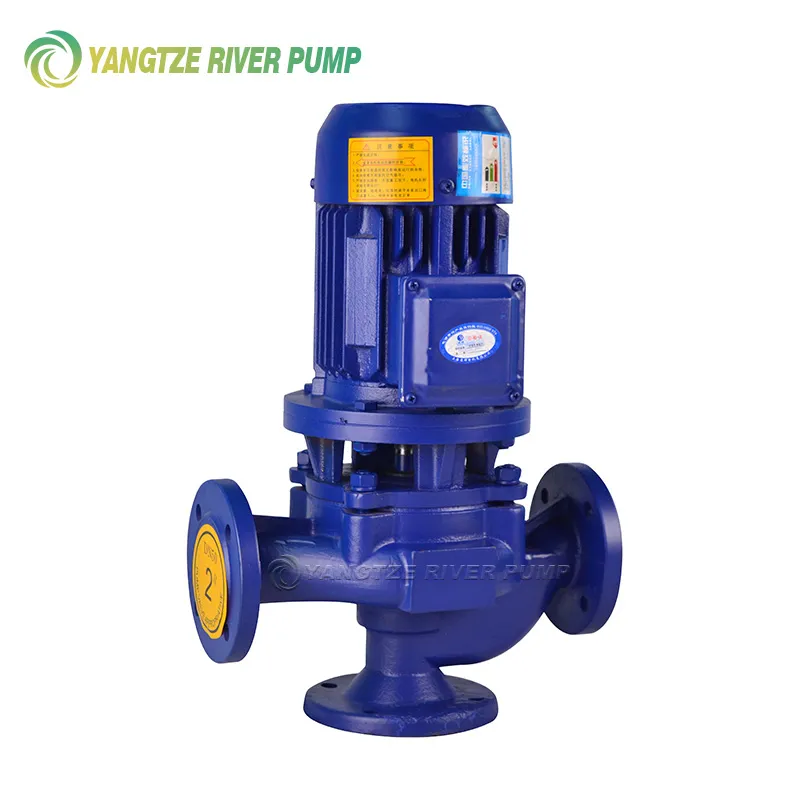 Pipeline wastewater pumps GW
-
 YCB Type Circular Gear Pumps
-
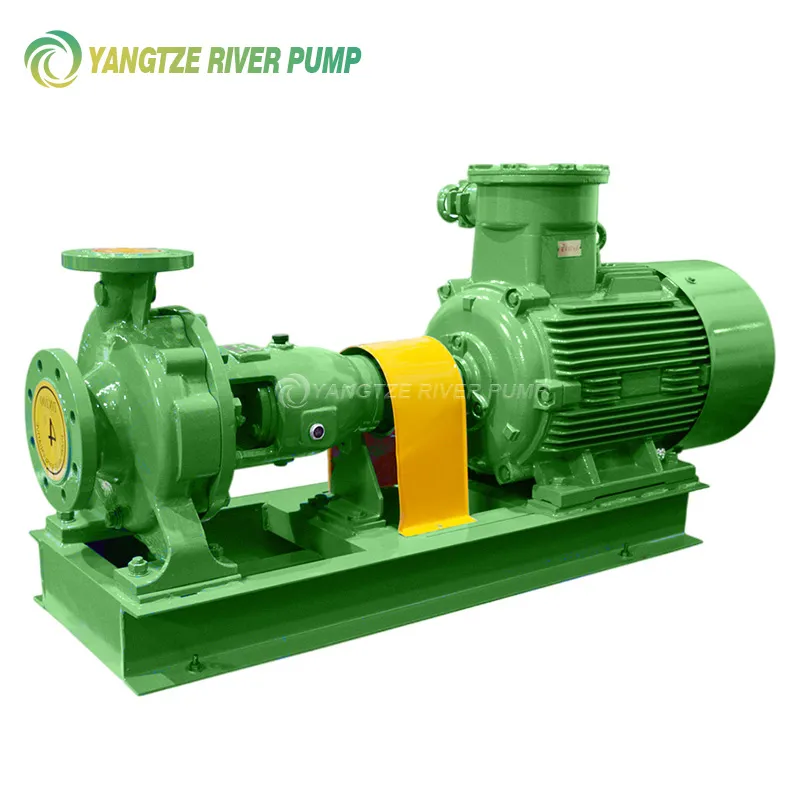 YCZ Chemical Process Pumps
-
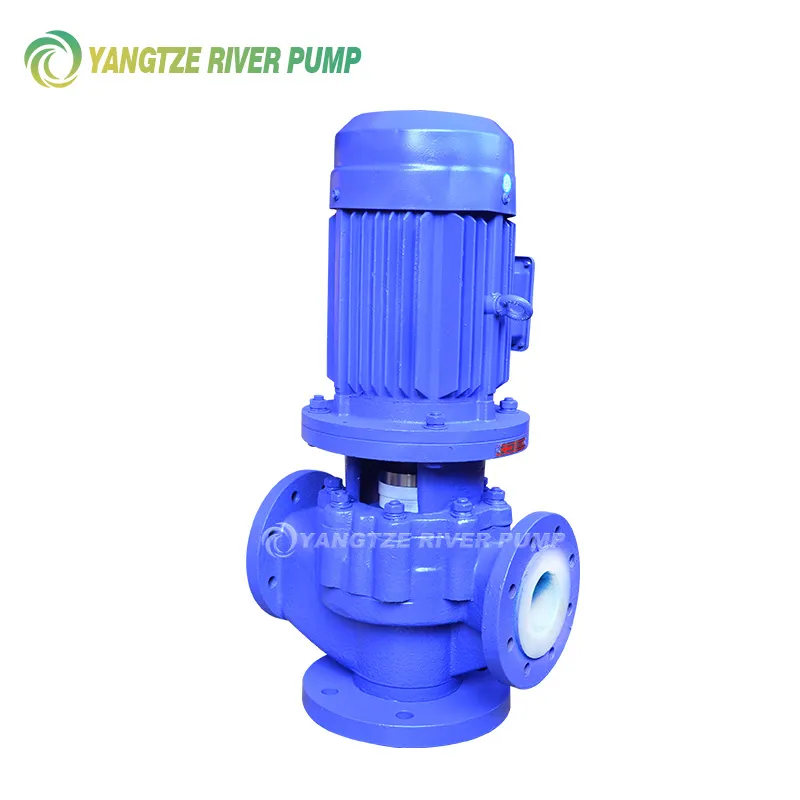 Vertical pumps with PTFE lining YQF
-
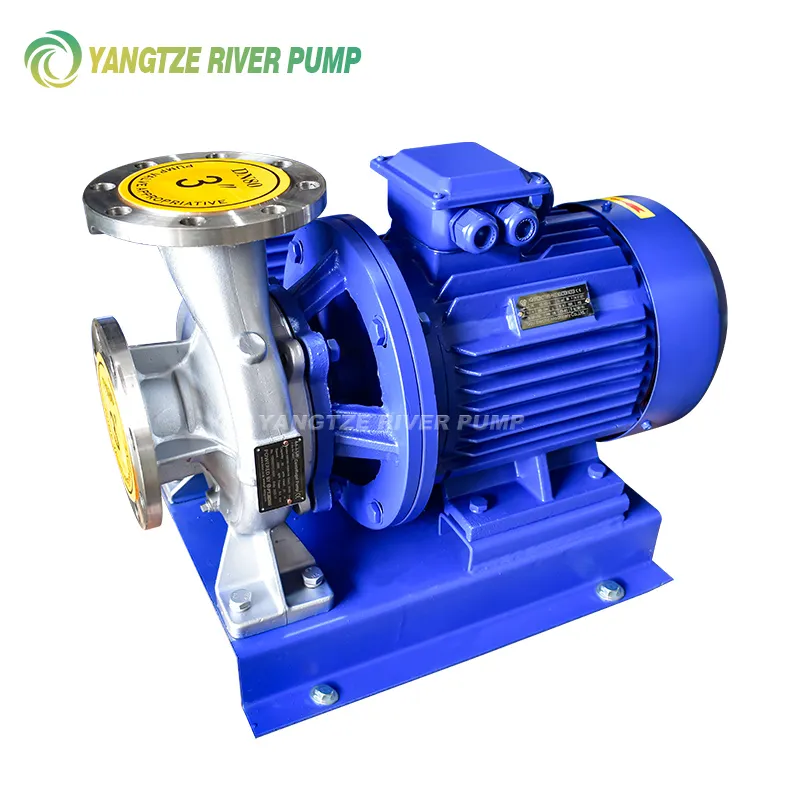 ISW and ISWH Single Stage Horizontal Pipeline Centrifugal Pumps
-
 Corrosion-resistant stainless steel centrifugal pumps SFB and SFBX
-
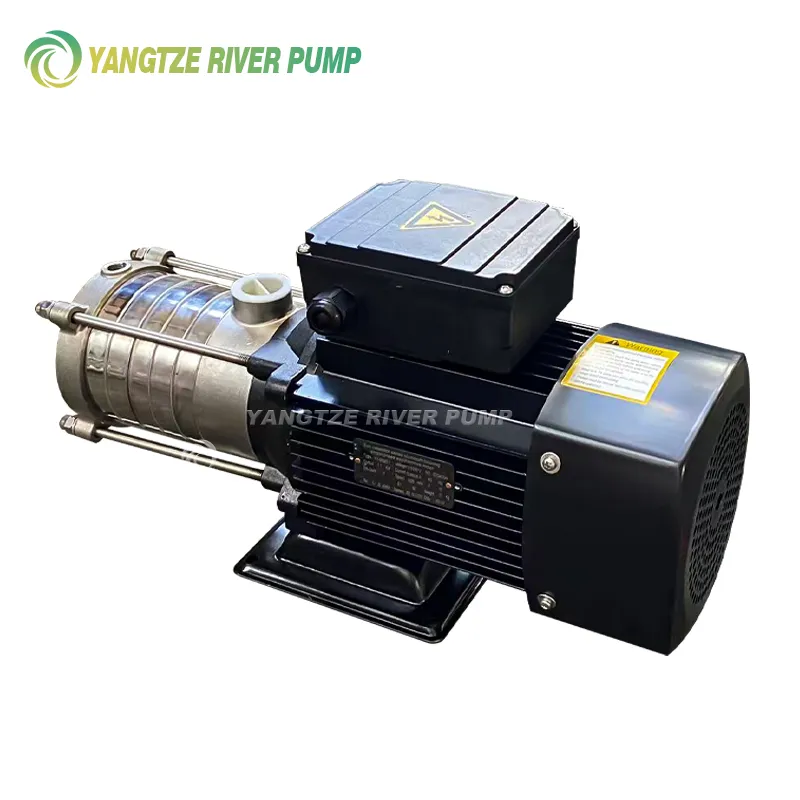 Horizontal multistage centrifugal pumps (light series) CHL and CHLF
-
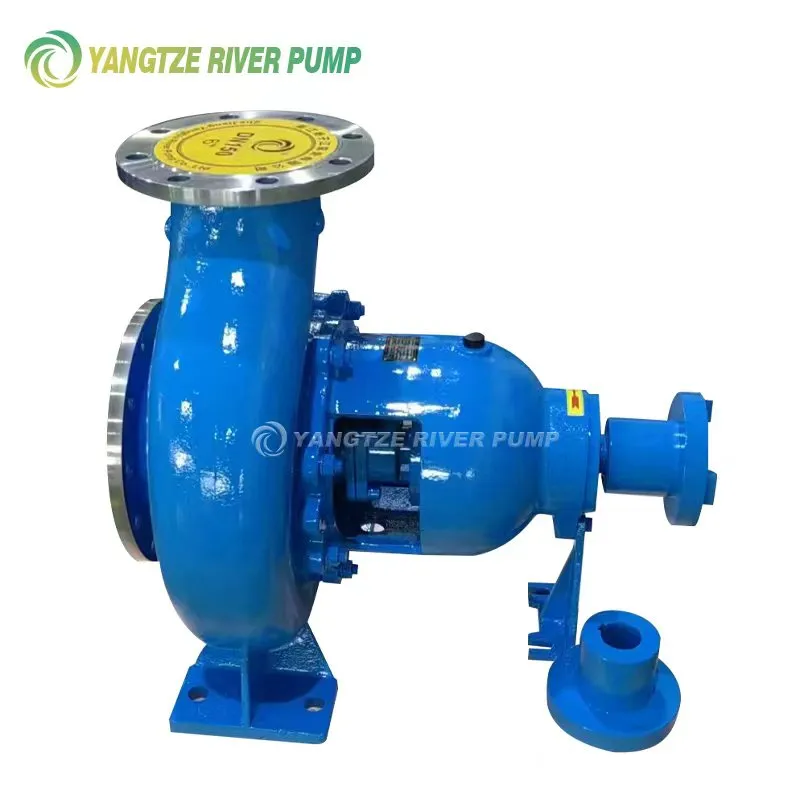 IH Stainless Steel Chemical Centrifugal Pumps
-
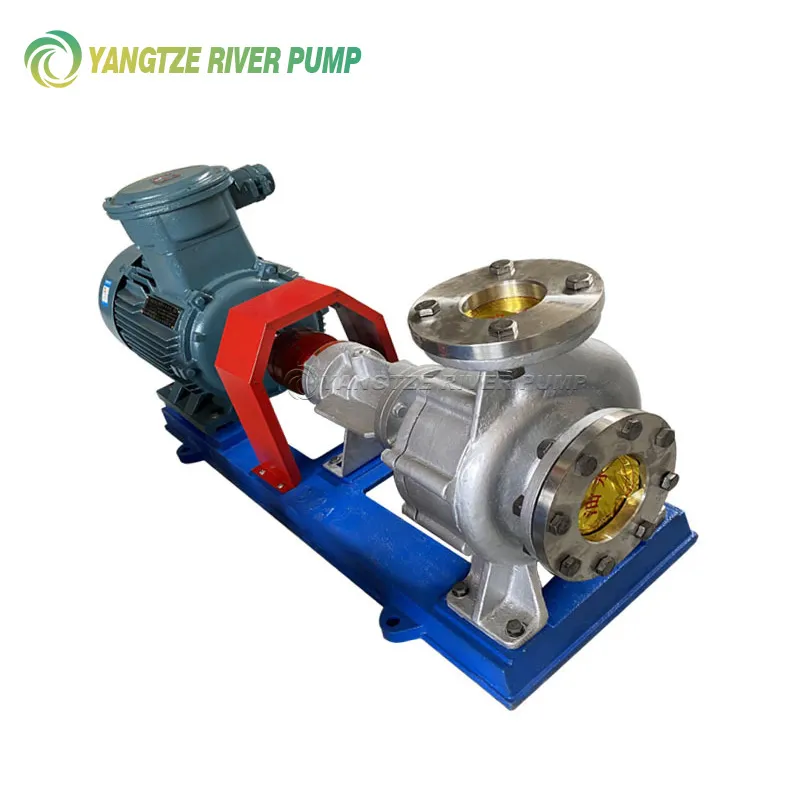 RY thermal oil pumps
-
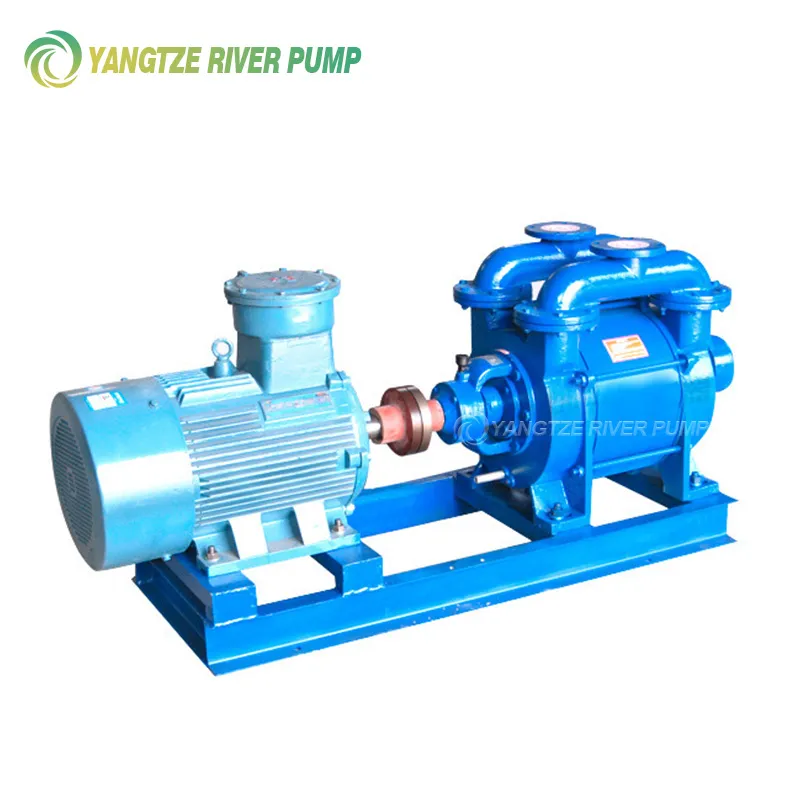 Liquid ring vacuum pumps type SK
-
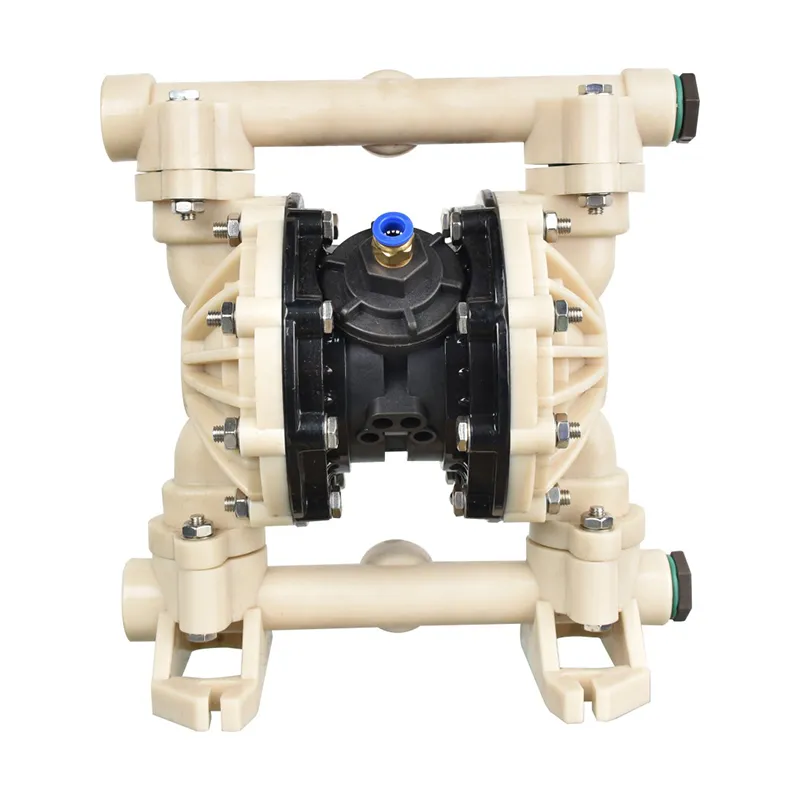 QBK Non-Metallic Air Operated Diaphragm Pumps
-
 Diesel pumps with horizontal connector YZS and YZSH