







centrifugal hot water pump
When they talk aboutcentrifugal hot water pump, many people immediately think about simply replacing a conventional pump with something “hotter”. But here’s the catch - if you take a standard centrifugal and run water through it at 90°C, the seals may not last even a month. I myself saw how they tried to save money at one boiler room by installing a cold water pump on the hot water line. The result is a leak in the shaft after two weeks, a simple, urgent repair. Therefore, the key here is the design for temperature.
Design nuances that cannot be ignored
The main difference is in materials and gaps. For hot water, the body and impeller are often made of stainless steel; there may be little cast iron here. But most important is the sealing system. Gland packing for high temperatures is a different story; it requires special materials, such as graphite, and proper tightening. And even better - a mechanical seal, but it also needs to be selected according to a pair that can withstand heat. I remember that at a facility with a coolant temperature of 110°C, a pump with a conventional mechanical seal was installed. It overheated, lost elasticity, and began to leak. I had to change it to a seal with a ceramic pair and special elastomers.
Thermal expansion is another silent enemy. When designing a hot water pump, engineers must allow for large clearances between rotating and stationary parts. Otherwise, when heated, the wheel may simply jam against the body. I had a case with a multistage pump - after starting the heating system, strong noise and vibration appeared. We took it apart and it turned out that the thermal expansion of the rotor was greater than calculated, and the wheels slightly touched the diffusers. I had to select another model.
And, of course, cavitation. For hot water, the risk of cavitation is higher because the vapor pressure of the liquid increases with temperature. The pump must have sufficient NPSHr. If ignored, the impeller will deteriorate at an alarming rate. I once checked a pump on the hot water recirculation line - after six months of operation, the blades looked like a sieve due to cavitation erosion. The reason is low suction pressure.
Selection experience and common mistakes
Selection is always a balance between parameters. Often the customer names only two: flow and pressure. And he forgets about the temperature of the environment, or says “well, it’s hot, 70 degrees?”. But 70°C for a pump is already a serious regime. We need to clarify: is this a constant temperature or a peak one? Are there thermal shocks? For example, in solar heating systems the temperature can fluctuate. For such cases, especially resistant materials are needed.
Mistake number two is not taking into account the composition of the water. Hot water often means increased aggressiveness and a tendency to scale. For hard water, pumps with a simpler flow part that is easier to clean are better suited. And for chemically active environments - corrosion-resistant versions, for example, with a polypropylene coating or AISI 316 stainless steel.Zhejiang Yangzijiang Pumping Industry Co.,Ltdin such cases they often recommend theirplastic chemical pumpsor linear centrifugal models made of stainless steel - they have smooth channels and resistant materials.
Third, they forget about the operating mode. A pump for domestic hot water in a residential building operates with variable flow, and in a technological process, perhaps around the clock at constant speed. This affects the choice of regulation type and the reliability margin. For continuous processes, we, as a manufacturer, always recommend keeping a larger supply of seal and bearing materials.
Practice of application in different systems
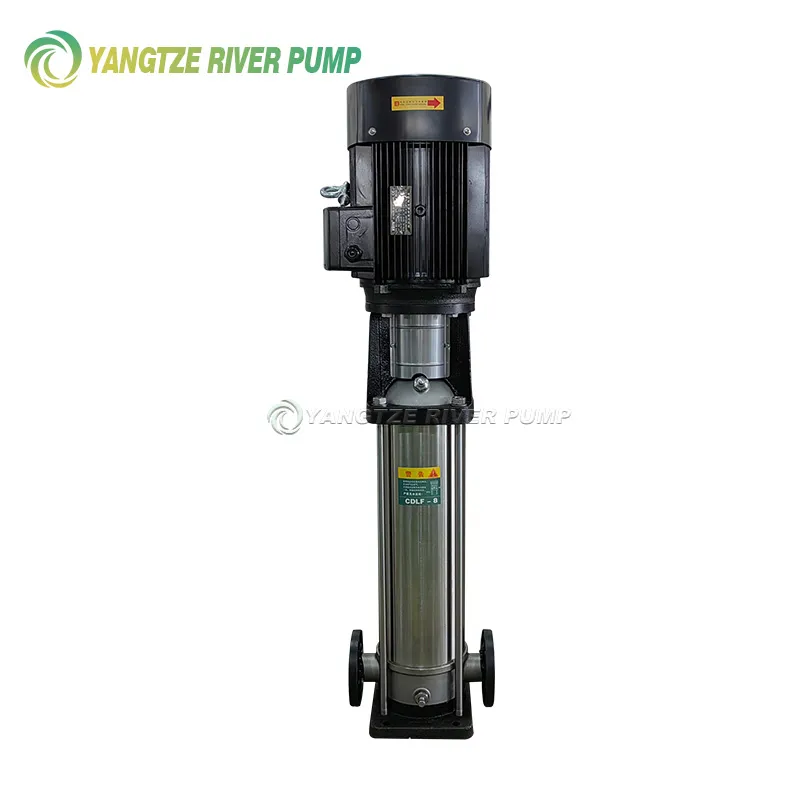
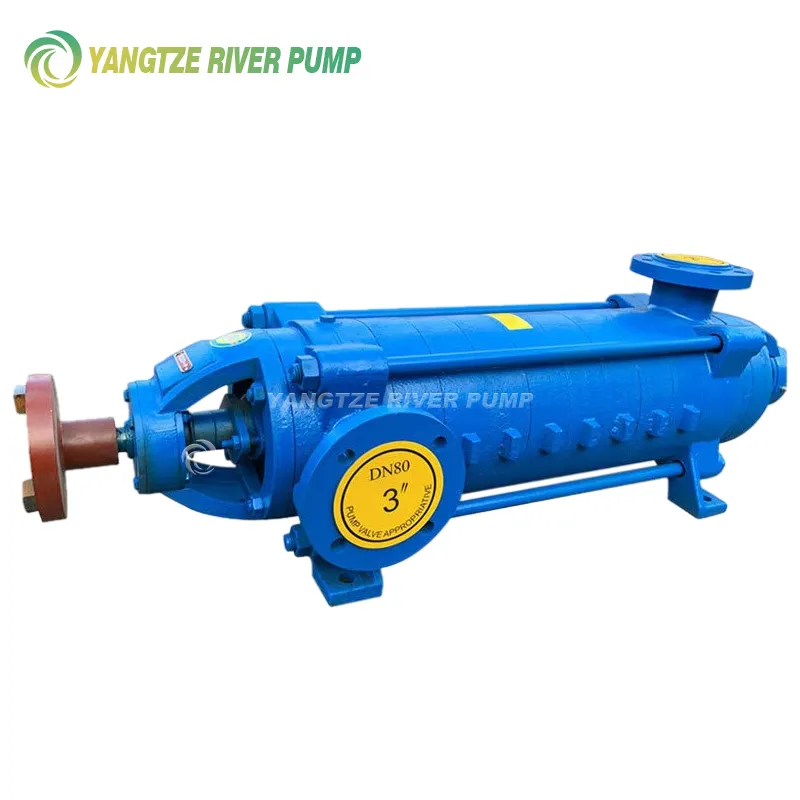
In heating systemscentrifugal hot water pump– the heart of the outline. Not only temperature is important here, but also the ability to work without noise, because often pumping units are located in the basements of residential buildings. Multistage centrifugal pumps have proven themselves well - they provide high pressure with compact dimensions and are quieter than single-stage ones. On your websiteyangtzeriverpump.ruWe emphasize that our multi-stage models undergo separate tests for noise and vibration characteristics precisely in modes that simulate operation in heating systems.
DHW recirculation in hotels or large buildings has its own requirements. Here the pumps often work in pairs, one main, one backup. And they must be self-priming or have good cavitation qualities, because the pressure in the recirculation line is not always stable. Our engineers have repeatedly modified standard models, adding special cavitation devices at the suction, specifically for such tasks.
In industry it is even more difficult. For example, pumping hot condensate or process solutions. Here the temperature is 130-150°C, and complete tightness is often required. Here they come to the foremagnetic pumps(pumps with magnetic coupling). They do not have a mechanical shaft seal, and torque is transmitted through a sealed casing. Ideal for preventing leaks of hazardous or expensive hot liquids. Our company has such pumps in its assortment, and we often supply them to chemical and food plants.
Service and durability: what does it depend on?
Even the best hot water pump will quickly fail if installed incorrectly. Be sure to install a filter on the suction - scale or scale particles will quickly destroy the seal and wheel. It is also important to ensure good cooling of the bearing assembly if the pump is not water cooled. I saw installations where the pump stood close to a hot pipeline in a poorly ventilated chamber - the bearings overheated and fell apart.
Maintenance schedule is another key to long life. Gland seals require periodic tightening of the packing. For mechanical end parts - monitoring the condition and timely replacement when worn. We always attach to our equipment recommendations on service intervals specifically for working with hot water - they are shorter than for cold environments.
And finally, spare parts. It is better when a manufacturer, like our company, has a full cycle from R&D to sales and service. This means that in 5-10 years you will be able to get exactly the same impeller or seal, rather than looking for an analogue that may not be suitable for thermal expansion. Our eight production lines allow you to keep critical parts in stock or quickly produce them, even for pumps that were manufactured several years ago.
Instead of a conclusion: a personal view of trends
Nowadays there are more and more requests for energy efficiency. Forcentrifugal pump for hot waterthis means the popularity of frequency regulation is growing. Smooth starting and operation at optimal speeds for the actual load saves energy and reduces wear. But here it is important - the frequency driver must be correctly tuned to the characteristics of the pump, otherwise you can end up in a zone of resonance or underload, which is harmful for the bearings.
Another trend is the demand for compactness and ease of installation. Especially for modernizing old boiler rooms where space is limited. Monoblock solutions are good here, where the pump is already mounted on a common frame with an electric motor and, possibly, shut-off valves. This reduces commissioning time.
In general, the topic of hot water is always a story about details. You can’t just take a catalog and choose the first model that fits the schedule. You need to delve into the conditions, consult with the manufacturer, who has experience and their own test benches. How is it in ourZhejiang Yangzijiang Pumping Industry Co.,Ltd. We don't just sell pumps from the list - single-stage,multistage centrifugal pumps, magnetic, linear and so on. We first find out where and why it will stand, and then we propose a solution. Because a hot water pump is not just a piece of hardware. This is the unit on which it depends whether the house will be warm and whether the technological process will go on without stopping. And this, you see, is worth a lot.
Correspondingproducts
Related Products

Best Sellingproducts
Best Selling Products-
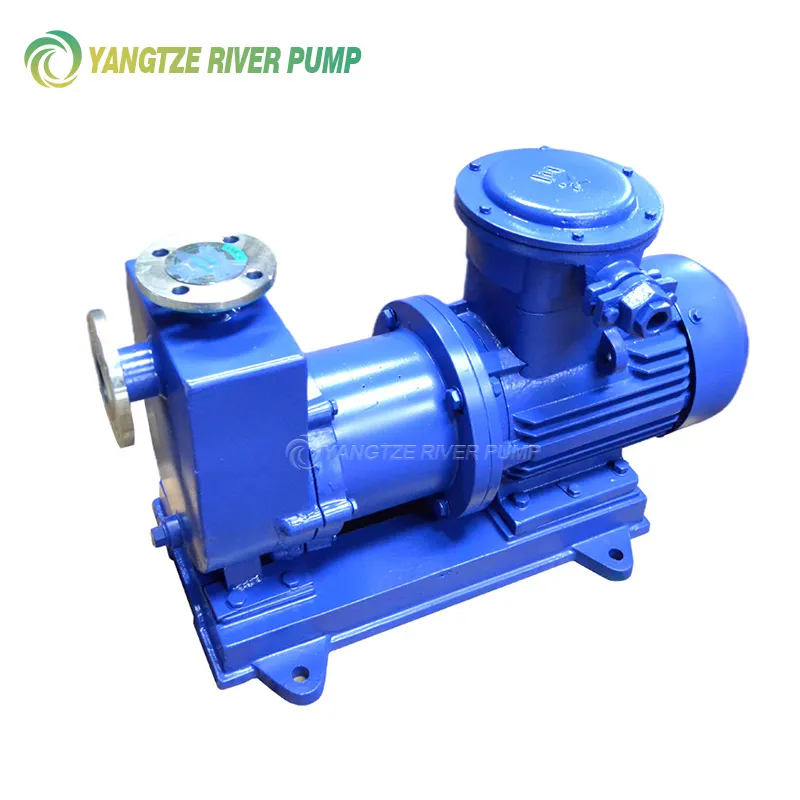 ZCQ Stainless Steel Self-Priming Magnetic Pumps
-
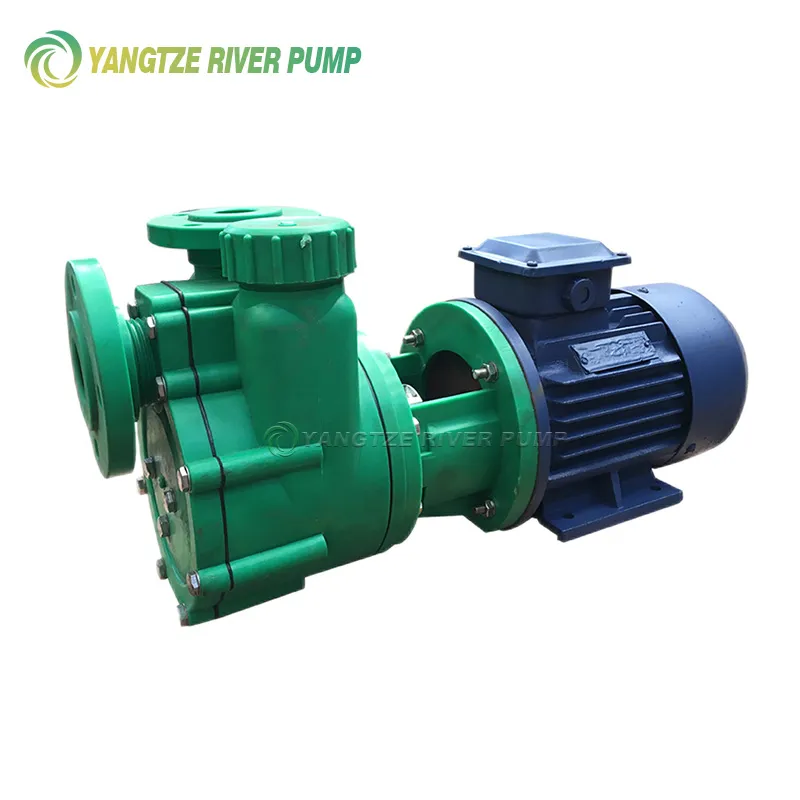 Plastic self-priming centrifugal pumps FP and FS
-
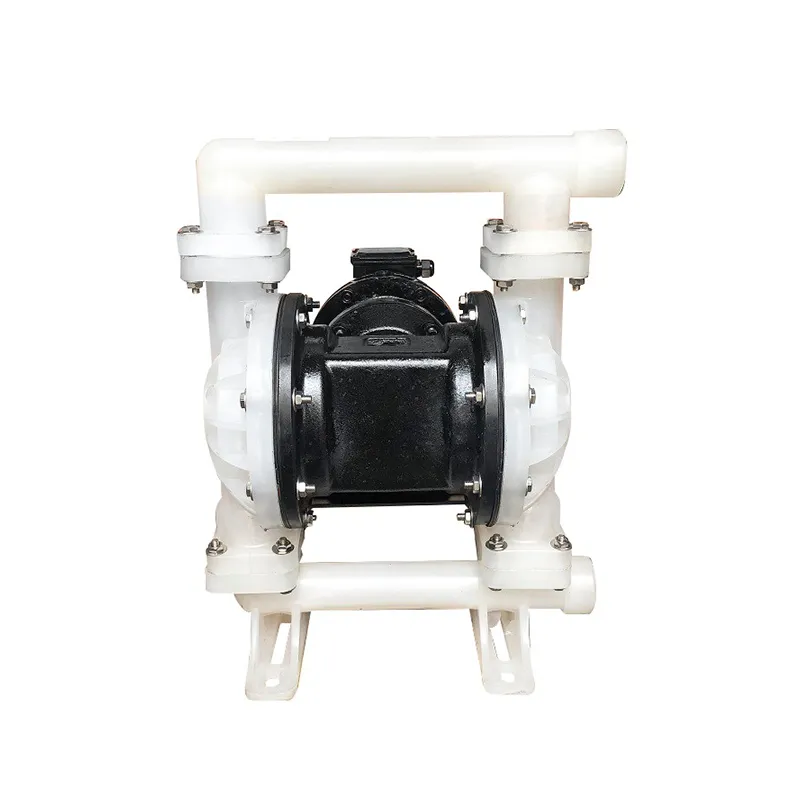 DBY Non-Metallic Electric Diaphragm Pumps
-
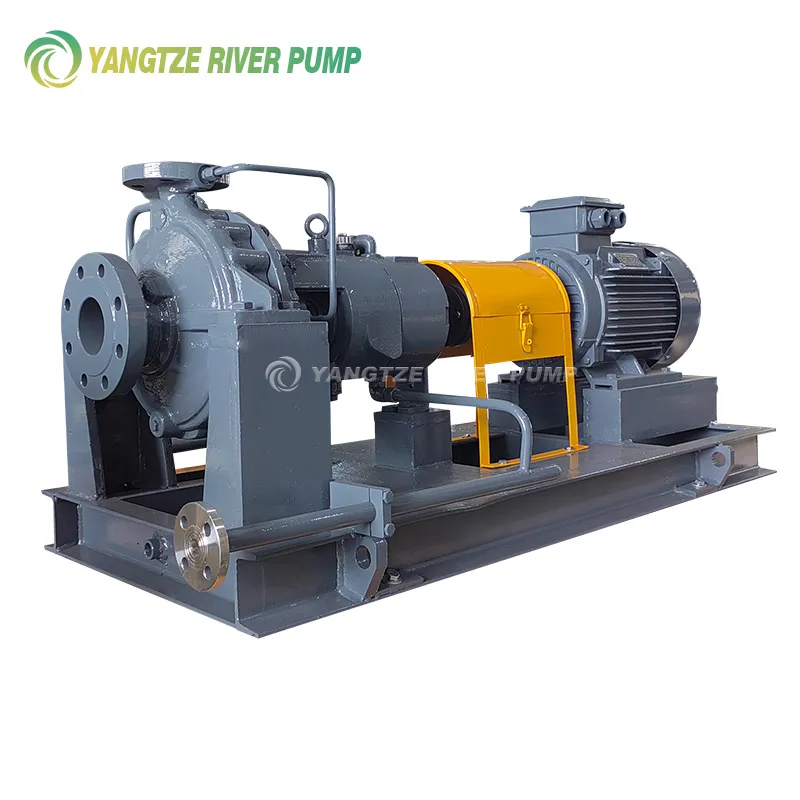 Petrochemical Process Pumps API 610 YZE
-
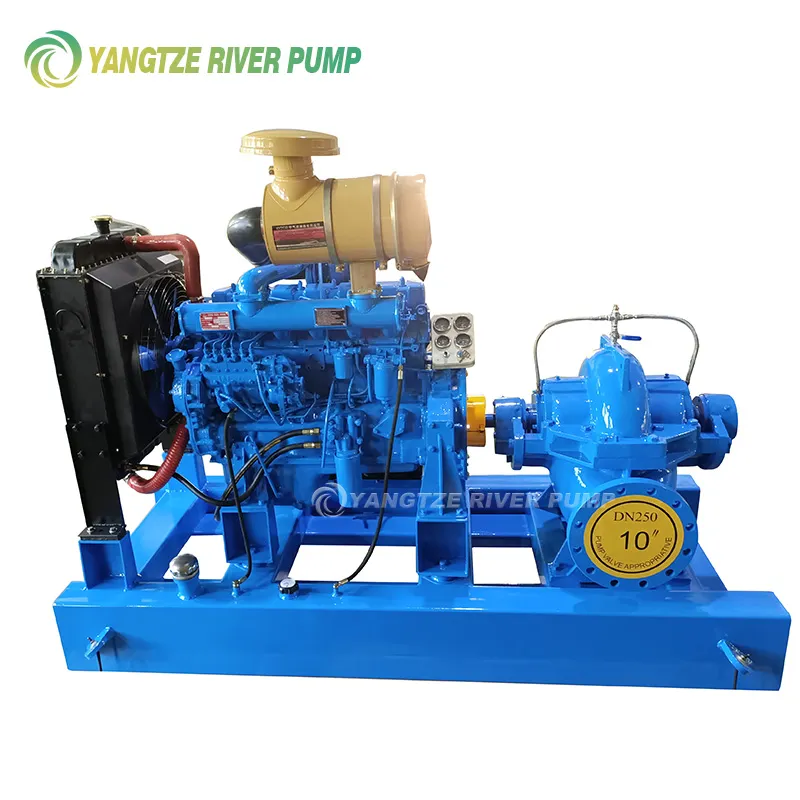 Diesel pumps with horizontal connector YZS and YZSH
-
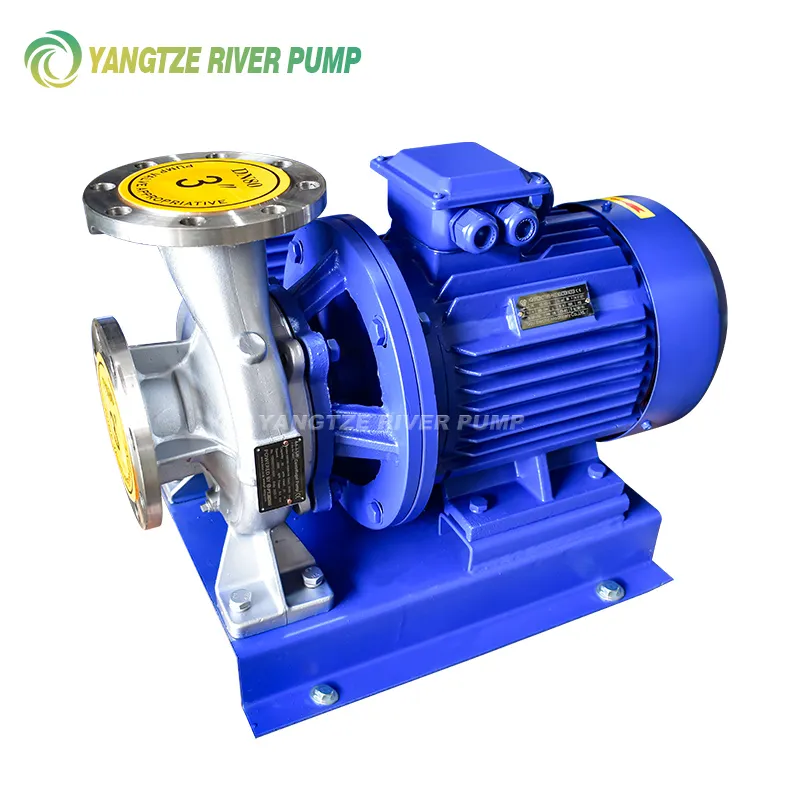 ISW and ISWH Single Stage Horizontal Pipeline Centrifugal Pumps
-
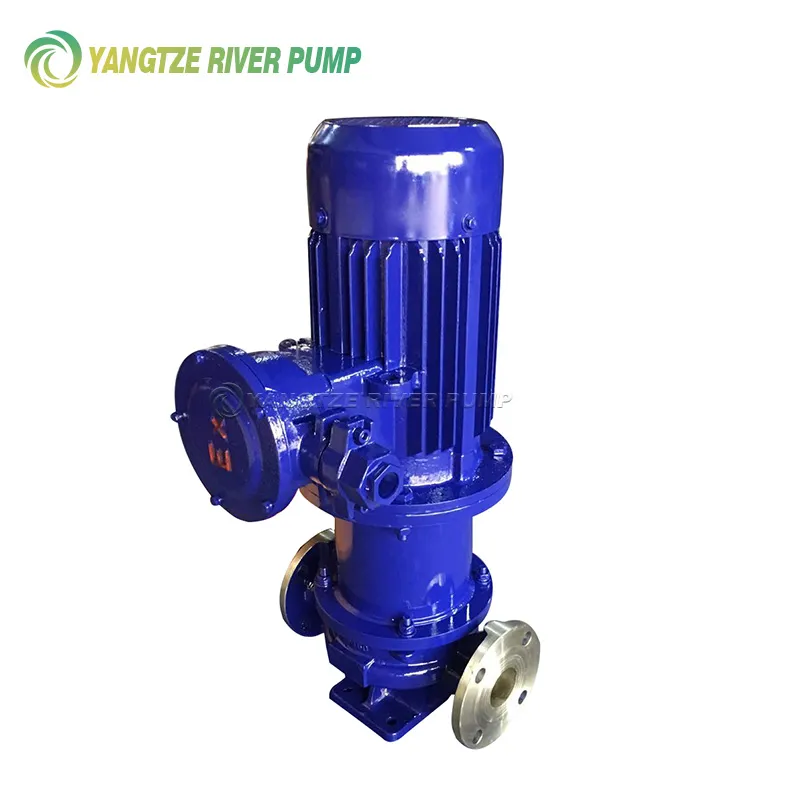 Vertical magnetic pumps CQB-L
-
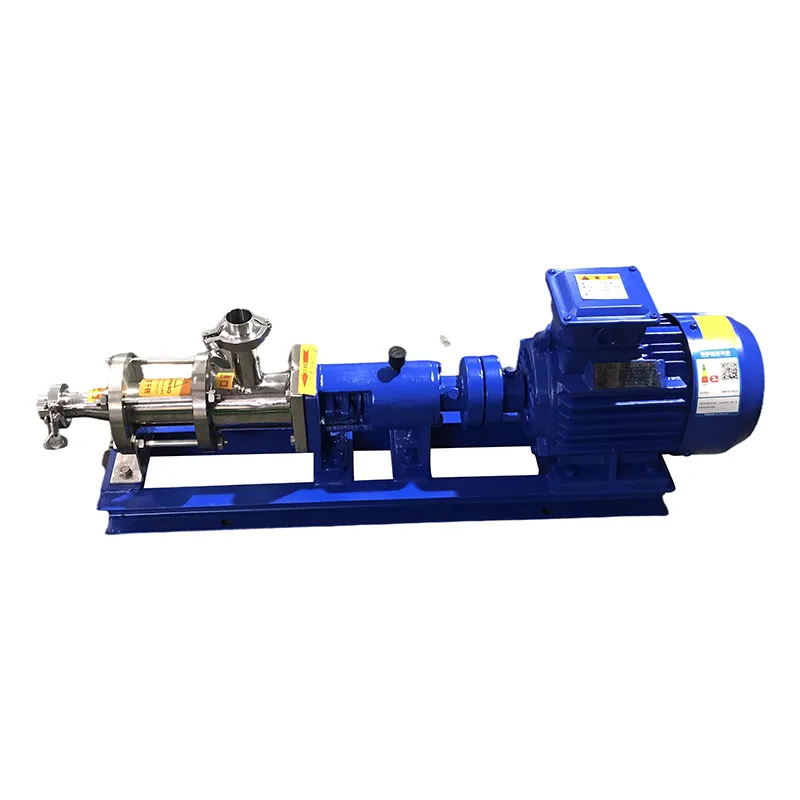 Sanitary screw pumps type GF
-
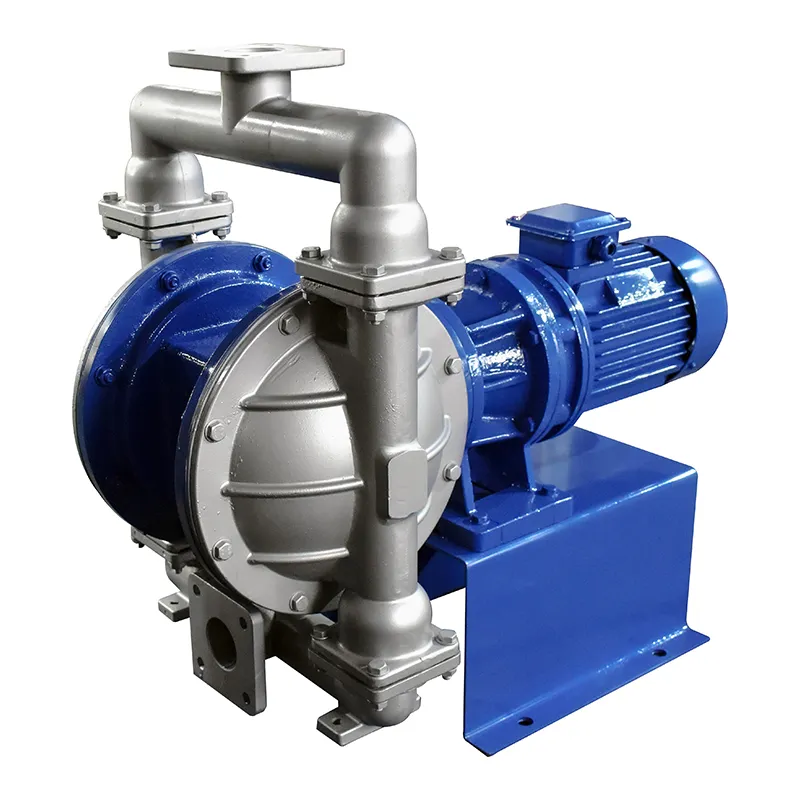 Metal electric diaphragm pumps DBY
-
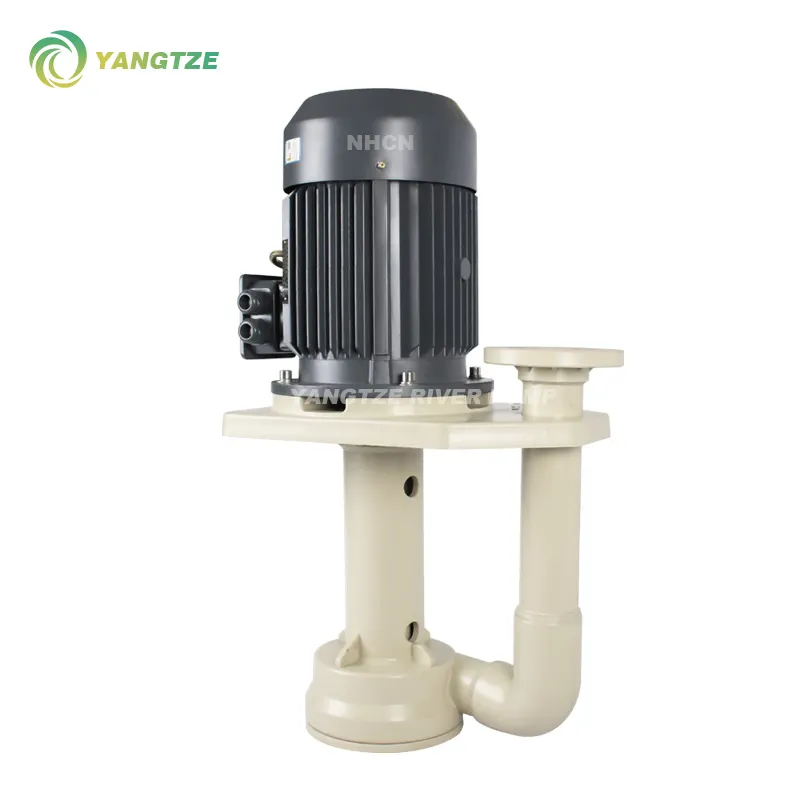 Vertical pumps for installation inside/outside tanks YZCN and YZCW
-
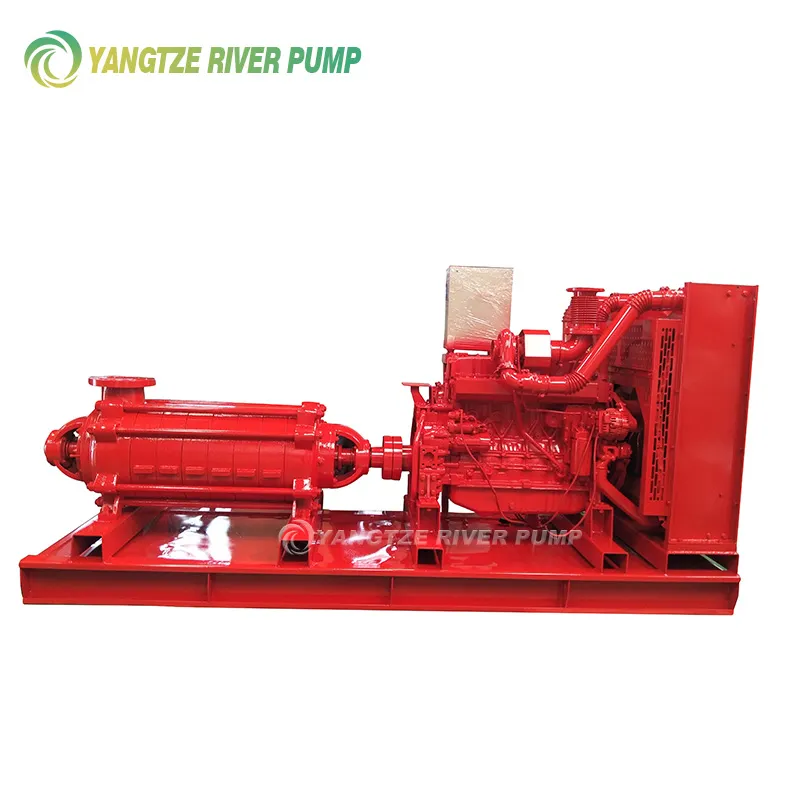 YZD Series Diesel Multistage Centrifugal Pumps
-
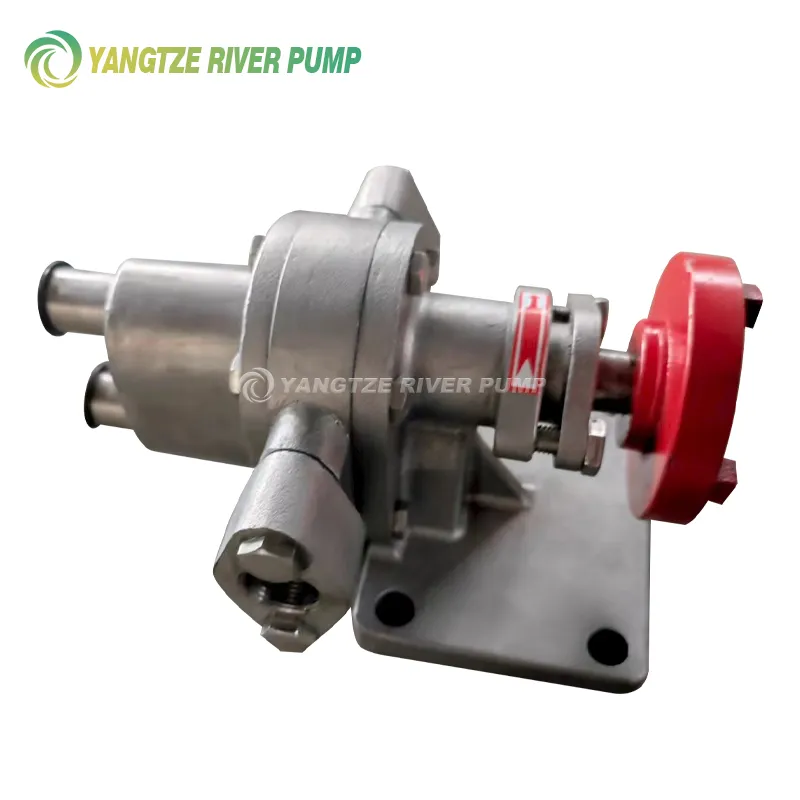 Gear oil pumps type KCB