







deep well pump 70 meters
When they say “70-meter deep-well pump?”, many immediately imagine a ready-made solution, a box with equipment that they lowered - and it works. In practice, this figure is more of a starting point for calculations, rather than a guarantee. A common mistake is to take a pump with a stated pressure of exactly 70 meters for a well with a depth of, say, 65-68 meters. They forget about horizontal sections, losses in the pipeline, and the required pressure in the house system. As a result, the pump “does not pull”, works at the limit, and the client remains dissatisfied. I went through this myself when I first started.
What does 70 meters really mean? for submersible pump
Design pressure is the maximum theoretical height of water rise under ideal laboratory conditions. In a real well, the dynamic level must be taken into account, not the static level. If the dynamic level is established at 50 meters, then the pump needs to overcome not 70, but only 20 meters of the water column to the surface. But this is just the beginning. Next comes horizontal wiring throughout the house, ascent to the second floor, fine filters that create resistance. Every turn of the pipe, every meter of hose is a loss. Therefore, for a well with a dynamic level of 50 meters, I would already look at pumps with characteristics of 80-90 meters, so that there is a reserve. Without a reserve - a direct road to frequent starts and engine overheating.
The important thing here is to look at the pump characteristic curve rather than just a single number. A pump that produces 70 meters at zero flow rate, with an operating flow rate of 2-3 cubic meters per hour, can already have a pressure of 50-55 meters. This is critical for systems with simultaneous use of several water points. It is necessary to find a balance on the curve where the pressure and performance are optimal for a particular water supply scheme. From my own experience, I will say that for most private houses with a well depth of about 70 meters and a standard set of plumbing fixtures, multi-stage ones are well suitedsubmersible pumps- they just provide high pressure with moderate performance.
By the way, about multi-stage structures. In our company,Zhejiang Yangzijiang Pumping Industry Co.,Ltd, they just focus on this line. On our own test bench, we run pumps in conditions close to extreme - with differences in flow and pressure. This allows you not just to state the figure “70 meters,” but to confirm that the pump stably maintains the required parameters over a wide operating range. I saw how, in tests, a model declared for 75 meters showed a stable 68-70 meters of pressure for tens of hours at a standard flow rate for a home. This is honest work.
Selection of equipment: where mistakes are most often made
The most common story is when you arrive at a site, and the well passport is either lost, or only the static level and depth are indicated there. There is no dynamic level and flow rate. We have to get out. In such cases, if it is not possible to organize a trial pumping, I always assume the most pessimistic scenario. I take a pump with a headroom reserve, but with an adjustable rotation speed, or I advise you to immediately install a frequency converter. Yes, it’s more expensive at the start, but cheaper than replacing a unit that has burned out from constant start-stops a year later.
Another nuance is the material and diameter of the casing. For 70 meters it is almost always plastic (UPVC) with a diameter of 110-125 mm. You need to select a pump housing for it. A standard 4-inch (about 100 mm) goes through easily, but you need to leave a gap to cool the engine with the flow of rising water. If the gap is too small, the motor will overheat. If the well is slightly curved, then there may also be problems with a large gap - the pump may “get stuck”. Therefore we are inYangzijiang Pumping IndustryFor such depths we offer rulers with different outer diameters, even within the 4-inch group. It's a small thing, but it makes a difference.
We must not forget about water quality. At 70 meters the water can be fairly clear, but high levels of dissolved iron are common. It will not clog the pump by itself, but when water enters the system and comes into contact with air, the iron oxidizes. And these oxide flakes can already clog the check valve on the pump or filters. Therefore, in the recommendations I always clarify: even with a deep well, you need a good filter at the entrance to the house, and a coarse mesh filter should be installed on the pump itself. For pumps of our brand, we supply such filters made of stainless mesh with different cells, depending on the water analysis.
From practice: the case of the “missing” pressure
I had an illustrative case. Installed for the clientdeep well pumpwith a passport 80 meters of pressure for a well of 68 meters. The dynamic level was 50 meters, the horizontal laying to the house was 20 meters. It seems that there is more than enough reserve. But after startup, the pressure in the system was weak, especially on the second floor. They began to figure it out. It turned out that during installation the previous craftsmen used a regular 25 mm HDPE polyethylene pipe, but made several extra turns in the caisson, and even installed a low-quality check valve with high hydraulic resistance.
Together these “little things” ate more than 15 meters of pressure. The solution was simple: we replaced the pipe with a 32 mm pipe in the section from the well to the house, minimized the number of angles, and used a ball valve instead of a reed valve. And, of course, we checked the settings of the pressure switch. After that the system worked like clockwork. This case once again confirmed the rule: the water supply system is a chain, and its strength is determined by the weakest link. The best pump can be “strangled” bad harness.
After this incident, we at the company began to approach packaging more carefully. Now, offeringsubmersible pumpfor 70 meters, we always ask about the wiring diagram and recommend specific models of pipes, fittings and shut-off valves with low pressure losses. Sometimes we even do approximate hydraulic calculations for the client. This is not selling too much, it is a way to avoid problems in the future and maintain your reputation. Information about this approach can be found on our websiteyangtzeriverpump.ru, where we share technical notes.
Maintenance: what to watch at this depth
Servicing a pump at 70 meters is a separate task. Raising it for prevention is difficult and expensive. Therefore, the key task is to make it work without intervention for years. The basis of everything is correct initial installation: high-quality stainless steel cable, reliable cable connection, protection against dry running. But even with ideal installation, once every 1-2 years I advise you to indirectly check the parameters: measure the dynamic level (at least roughly, by recovery time), monitor changes in pressure in the system and the frequency of switching on.
If the pump starts to turn on more often, but there are no visible leaks in the house, this may be a sign of a gradual clogging of the check valve or a drop in the well's flow rate. There is no point in waiting until it completely fails. It is better to plan recovery and prevention. It often happens that silt or sand accumulates on the coarse filter or on the first stage impeller (in multi-stage models). Our pumps, by the way, have a dismountable design, which allows you to clean or replace worn impellers on site without replacing the entire unit.
Another point is the cable. At this depth, a special submersible cable with waterproofing is used. It is important that the connection to the pump is tight, and that the cable itself is not stretched and does not rub against the casing. I always insist on using heat-shrink sleeves with an adhesive layer for splicing if the cable had to be extended. Simple electrical tape does not last long in water. Test point - measuring the cable insulation resistance when lifting the pump. If it falls, the cable needs to be replaced, otherwise the next stop is engine repair.
Manufacturer choice: reliability versus price
The market is flooded with offers. You can buy a pump marked ?70m? three times cheaper than the average market price. But here you need to understand what the cost consists of. A cheap unit often has an aluminum-winding motor instead of copper, impellers made of simple plastic rather than wear-resistant technopolymer, and stainless parts may be made of a weak grade of steel. At a depth of 70 meters, where the pump operates under constant load, these components determine its life.
Our production inZhejiang Yangzijiang Pumping Industry Co.,Ltdbuilt on a full cycle. This is not just an assembly of purchased components. We control the process from casting housings and manufacturing shafts to final testing on benches. The deep dives use 304 stainless steel (AISI) for critical parts, and the motors are equipped with thermally protected copper windings. Yes, this is reflected in the price. But when the customer realizes that he is paying for not having to pull out the pump after two seasons, the choice is often made in favor of this solution.
However, we do not say that our pumps are a panacea. Any equipment has its own resource. But our goal is for this resource to be used up not due to design or material defects, but solely due to natural wear and tear under difficult conditions. Therefore, in the product descriptions onyangtzeriverpump.ruWe try to provide as much detail as possible about materials and test results, rather than just a list of specifications. Transparency is part of a professional approach.
Bottom line: key thoughts for those who choose
So, to summarize.Deep pump 70 meters- this is not a specific model, but a whole class of equipment that requires thoughtful selection. The number is ?70? - this is not the ultimate truth, but a guideline. A headroom is required, at least 15-20% of the total required lift height, taking into account all losses. Attention should be paid not only to the pump, but also to everything that surrounds it: pipes, fittings, valves, electrical parts.
The pump itself must be designed for continuous operation at great depths. Features of such a pump: stainless steel body, multi-stage design for high pressure, motor with thermal protection, high-quality cable. You shouldn’t skimp on little things - cables, installation kits, protective automation. They insure expensive equipment.
Ultimately, the right choice is when you forget about the existence of a pump in the well. It simply works by supplying water at the desired pressure. This can only be achieved in a comprehensive manner: competent calculations, high-quality equipment and careful installation. This is exactly what our work is aimed at.Yangzijiang Pumping Industry— to supply not just a product, but a workable and durable solution for deep wells.
Correspondingproducts
Related Products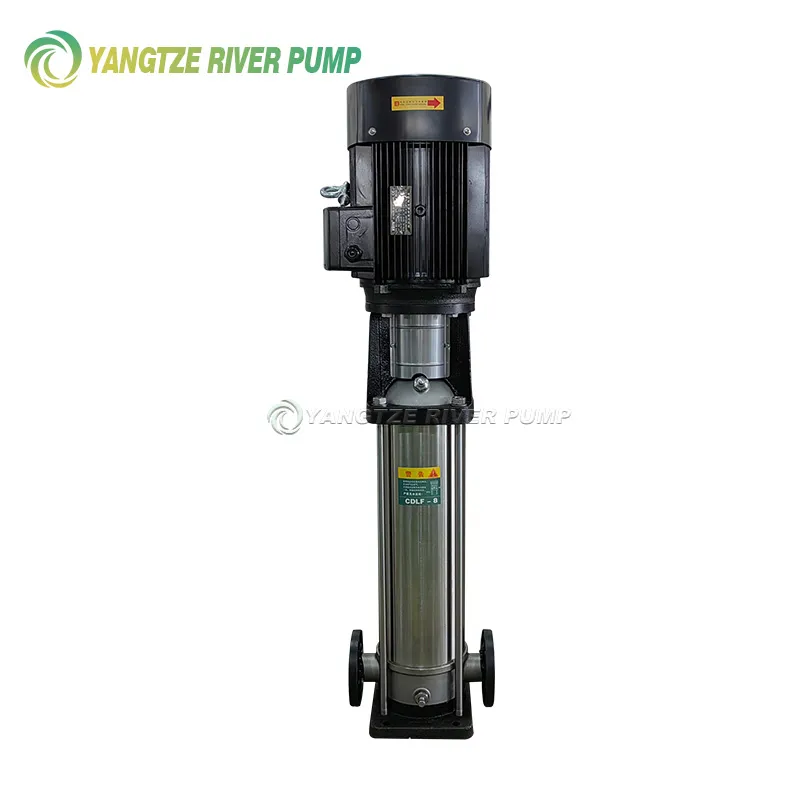



Best Sellingproducts
Best Selling Products-
 Infinitely variable screw pumps type G
-
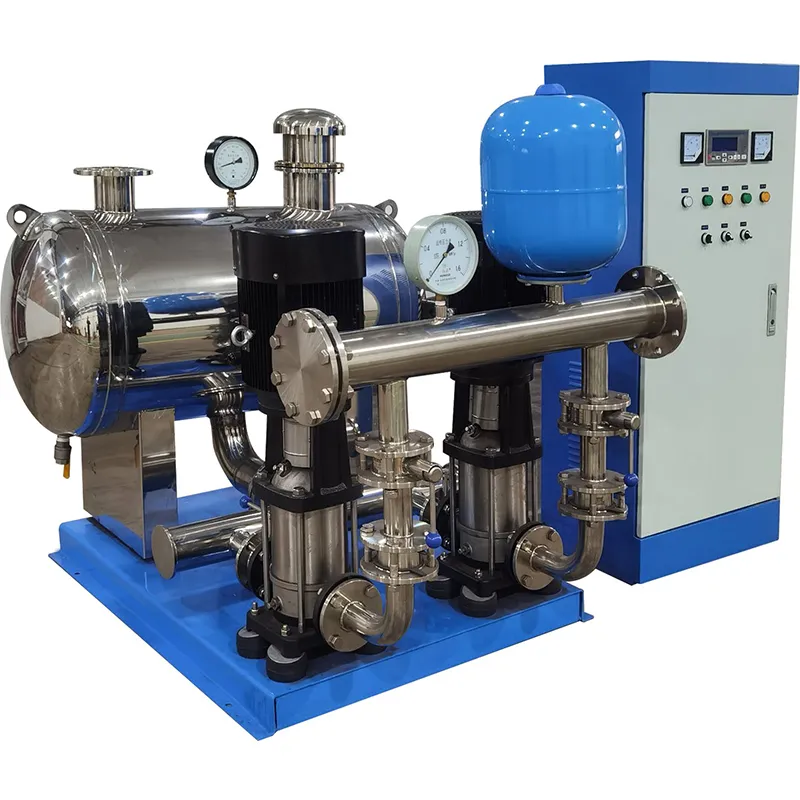 Complete water supply installations with frequency regulation and constant pressure CDLF
-
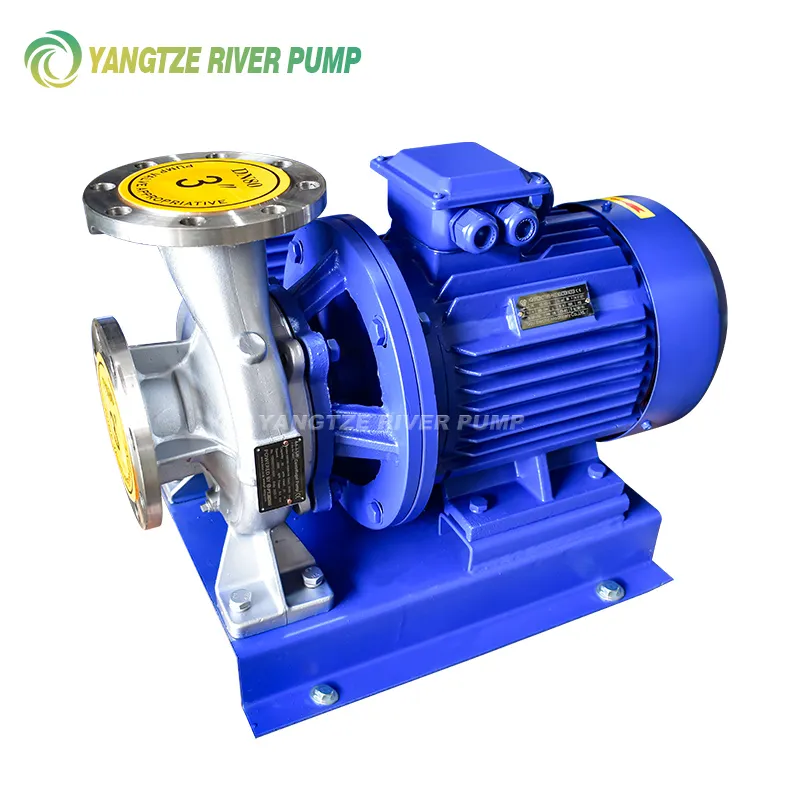 ISW and ISWH Single Stage Horizontal Pipeline Centrifugal Pumps
-
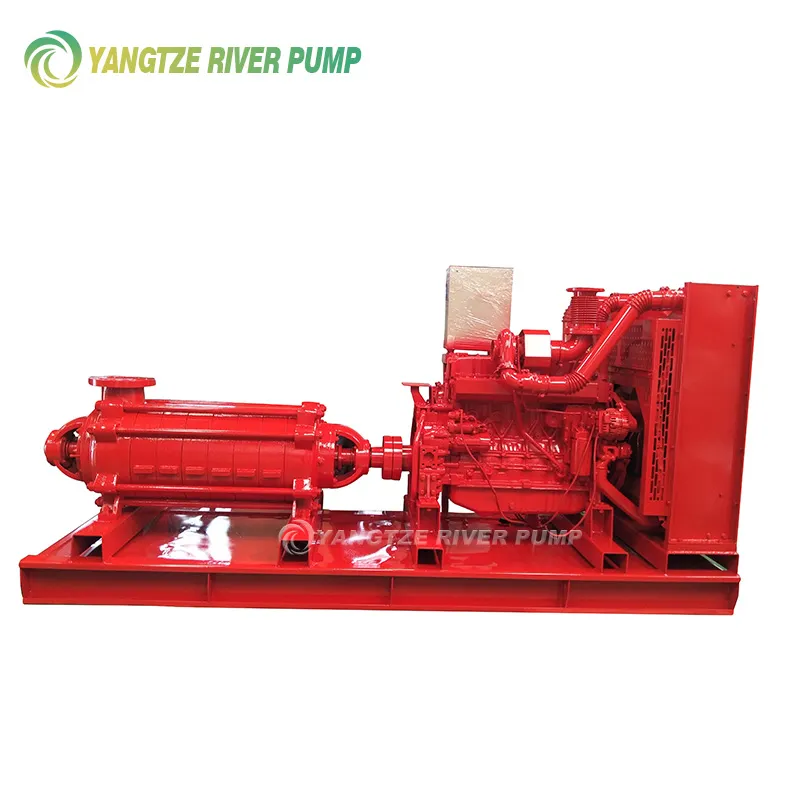 YZD Series Diesel Multistage Centrifugal Pumps
-
 Mechanical diaphragm dosing pumps DJ-D
-
 Horizontal multistage centrifugal pumps (light series) CHL and CHLF
-
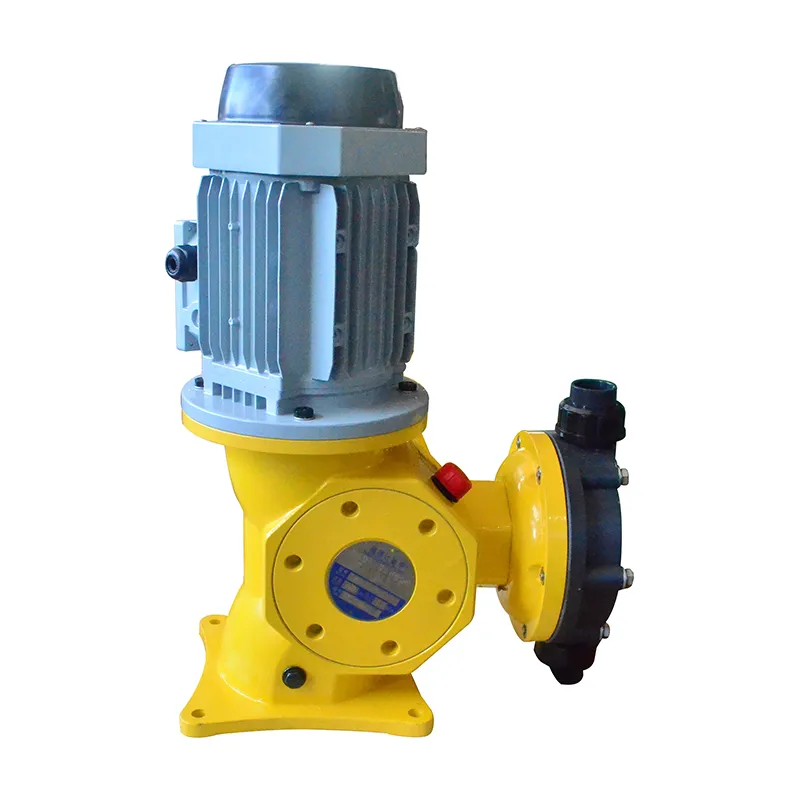 Mechanical diaphragm dosing pumps DJ-Z
-
 Metal pneumatic diaphragm pumps QBK
-
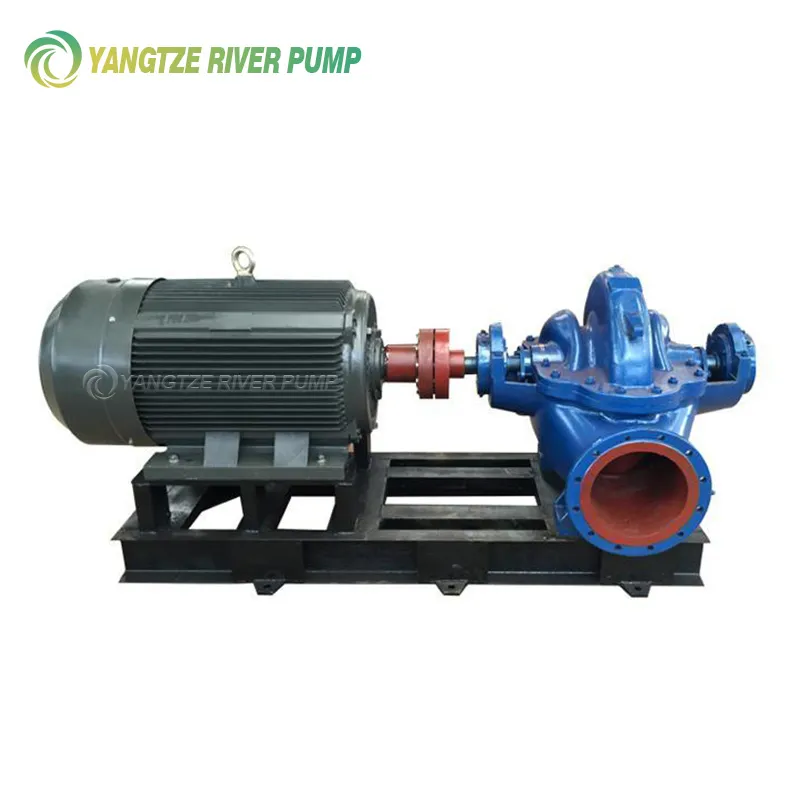 Single Stage Double Entry Centrifugal Pumps Type S
-
 Non-clogging self-priming wastewater pumps ZW
-
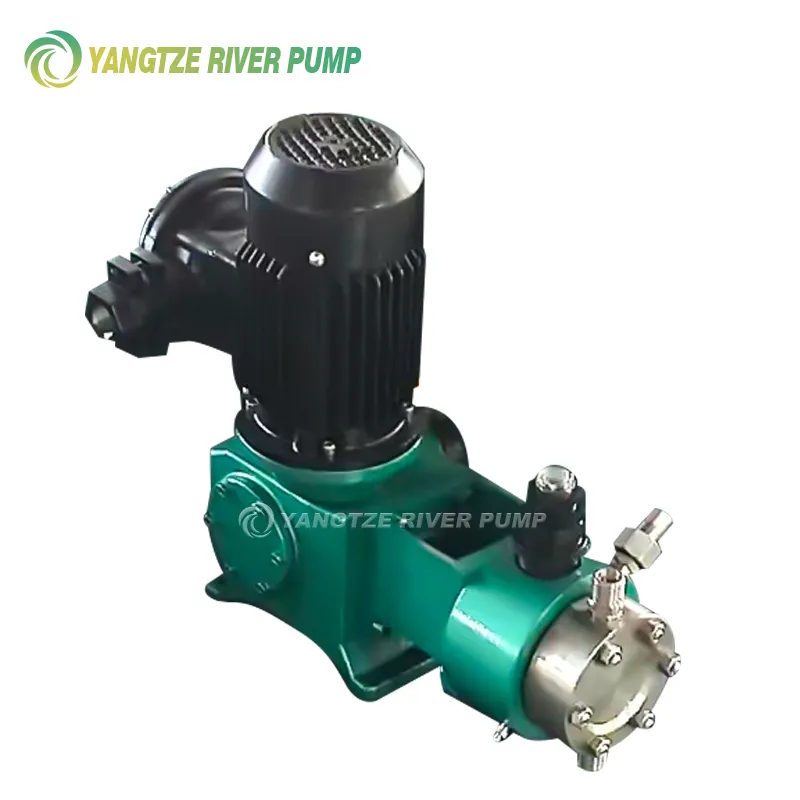 Plunger dosing pumps type DZ-X
-
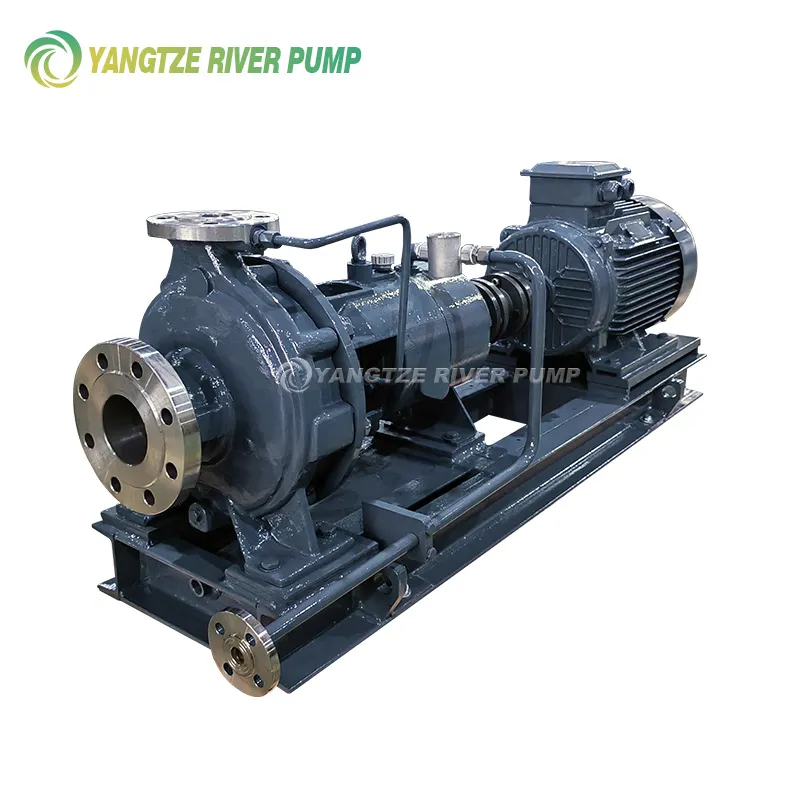 Petrochemical Process Pumps API 610 YZA