







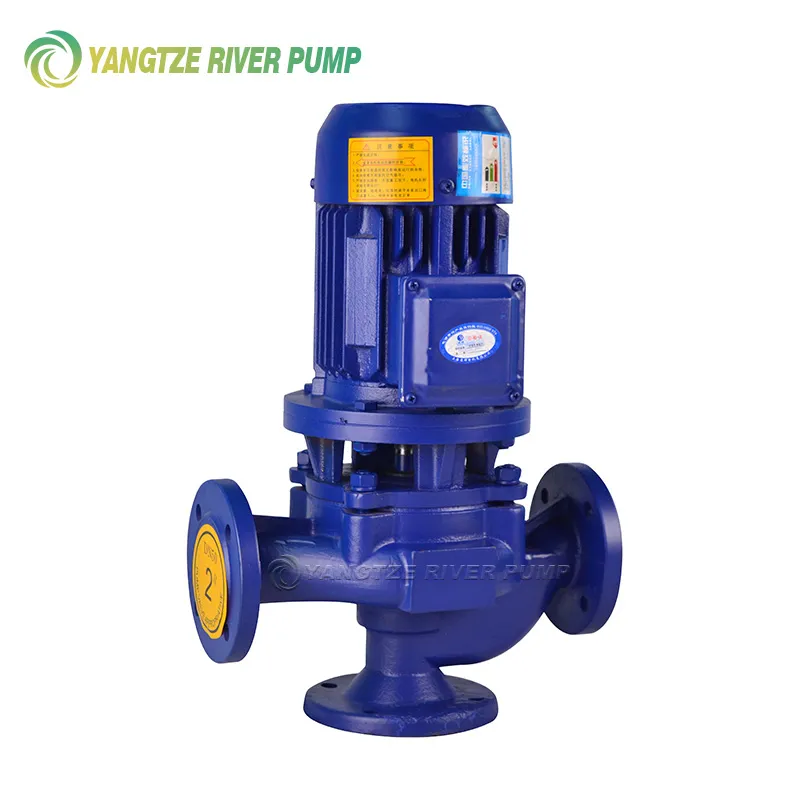
centrifugal pump 1.5 kW
When you see the request “centrifugal pump 1.5 kW?”, the first thing that comes to mind is that a person is looking for something specific, for a specific task. A power of 1.5 kW is not a random figure; this is no longer a household level, but not yet a heavy industry one. Often behind this is the need for a reliable unit for water supply, irrigation, perhaps for circulation in a small process line or for increasing pressure. But then the first professional “itch” arises: which centrifugal one? Single stage? Multistage? The pressure, productivity, and overall suitability for the task depend on this. Many, especially those who do not encounter this every day, think that 1.5 kW is the main parameter. But in reality, this is more of a limiter in terms of energy consumption, but selection based on characteristics is another story.
Power 1.5 kW: what is behind it in practice
When working with such pumps, you constantly encounter the same situation. The client says: “I need a one and a half kilowatt pump?” You ask about its purpose - for pumping water from a well to a house. It seems simple. But you start digging: well depth, dynamic level, distance to the house, number of floors, number of analysis points. And then it turns out that the standardcentrifugal pump1.5 kW may not be enough pressure if we are talking about a deep well. A multi-stage version is needed, which, with the same engine power, will create significantly more pressure. Here is the first practical conclusion: engine power is not about pressure, it’s about how much hydraulic power the pump can, in principle, “digest?” and convert.
I had a case at one of the water supply facilities of a small workshop. We installed a standard single-stagecentrifugal pump 1.5 kWfrom the series “for everything?”. And he had to not just drive water, but overcome the resistance of fine filters and lift it into the attic of the building. The pump worked, but at the limit, it overheated, and after six months cavitation ate the impeller. The mistake was that they looked only at the productivity (cubic meters per hour), but did not pay attention to the required pressure (meters of column). I had to change it to a multi-stage one with the same electric motor. After that, I always look at the performance curves first, and only then at the power.
Another nuance is the electric motor itself. 1.5 kW is a common standard, but there are pitfalls here too. Single-phase or three-phase? For many small farms or workshops, a 220V network means a capacitor motor is needed. It is slightly less efficient and may have less starting torque. And if the network is 380V, then there are more options, and the engine is usually more reliable in operation. When selecting equipment for clients fromZhejiang Yangzijiang Pumping Industry Co.,LtdWe always clarify this point, because their range includes solutions for different networks. Sending a person a three-phase pump when he only has 220V in his garage is a failure.
Variety of types: why so many models for one power
Here you look at the catalog of a serious manufacturer, for example, the sameYangtzeriverpump.ru, and you see: single-stage, multi-stage, linear, self-priming - and all marked 1.5 kW. An unprepared person's head will spin. But this diversity is not marketing, but a response to different engineering problems. A single-stage centrifugal pump is a classic for pumping large volumes to low heights. Ideal for watering, drainage, circulation in a heating system with low hydraulic resistance.
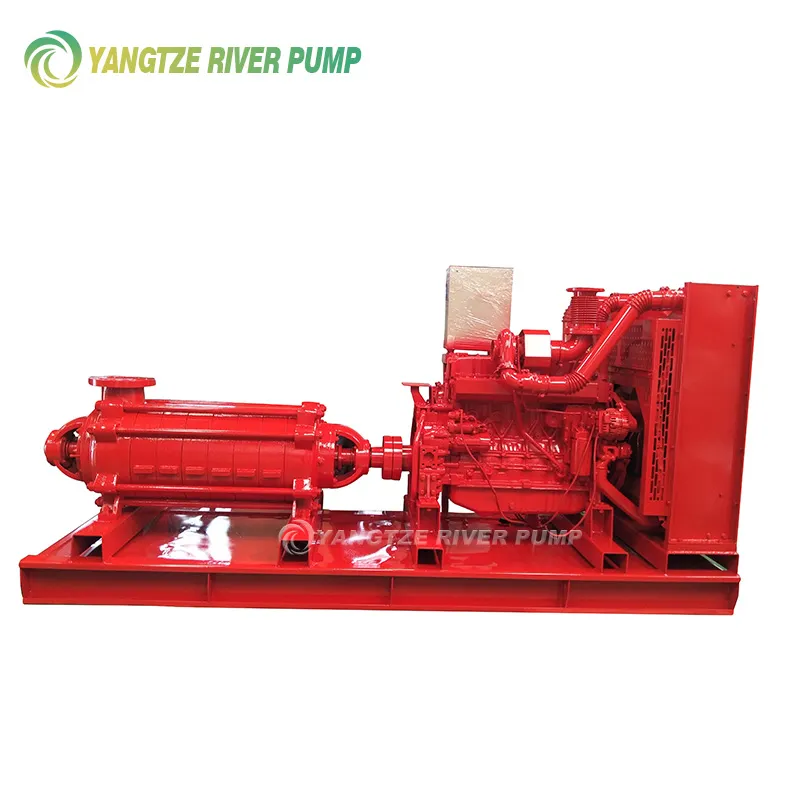
Multistage is a tool for high pressure. Each stage is, roughly speaking, an addition of pressure. With a power of 1.5 kW, such a pump can produce a pressure many times higher than a single-stage one, but the performance will be more modest. We often use them for water supply from deep wells or to increase pressure in multi-storey buildings where the network pressure is not enough. On the website yangtzeriverpump.ru in the product section this is clearly visible - they have both, and the technical data clearly shows this difference.
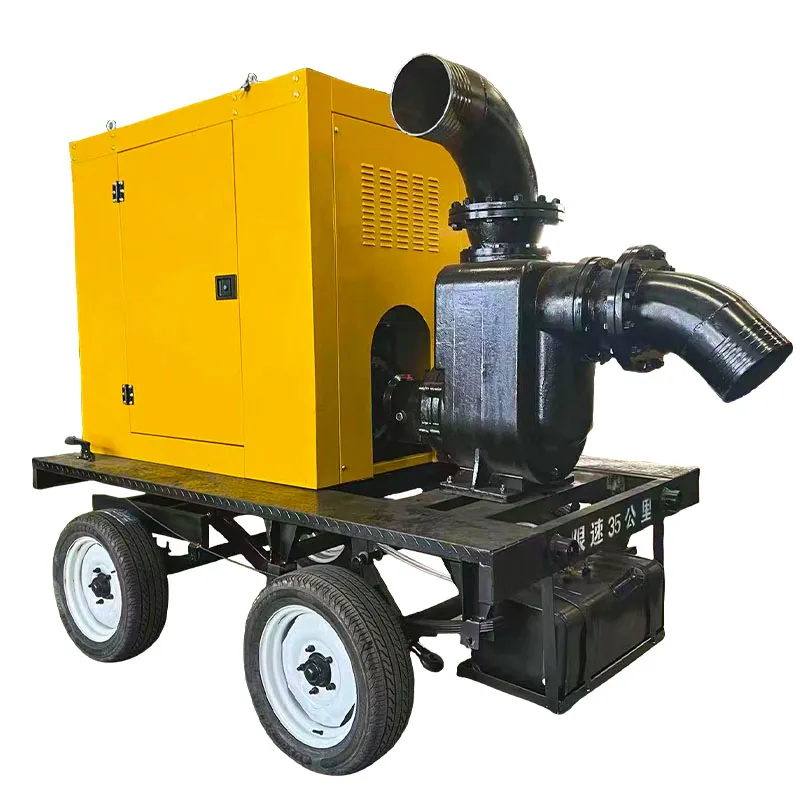
But self-priming 1.5 kW models are a different story. They are capable of removing air from the suction line themselves, which is critical if the pump is installed above the water level (in a well caisson or in a basement). Without this function, you would have to fill the pump with water every time. But for this ability you pay for efficiency - it is usually lower for self-priming ones. Therefore, if it is possible to install a pump below the water level (as is the case with a submersible one), then it is better to choose a conventional centrifugal one. But life isn't always perfect, and the potential for self-sucking often outweighs the loss in efficiency.
Materials and environment: without this conversation - nowhere
When discussing a 1.5 kW pump, one cannot simply talk about abstract “water”. Will it be clean water from a well, or an aggressive chemical environment, or a liquid with abrasive particles? The choice of material for the flow part depends on this. Cast iron is cheap and good for clean water, but it will quickly fail in seawater or weak acids. Stainless steel is better, but also more expensive. And for truly aggressive environments, you need special plastic chemical pumps, which are exactly what we have in our product line.Zhejiang Yangzijiang Co.,Ltd.
I remember that at one food production plant they installed a standard cast iron pump for pumping water with additives for washing. The additives turned out to be slightly acidic, and after a few months leaks appeared in the body. I had to urgently change it to a stainless steel pump. Now I always ask the question: “What exactly will you be pumping?” Often the client doesn’t think twice and says “just water”. And then it turns out that the water contains chlorine for disinfection or other reagents.
Production testing is not just a formality. When you see that the manufacturer, as stated on their website, has a full cycle, including its own test benches, it inspires confidence. The 1.5 kW pump must be “run-in” before shipment. under load, parameters checked, absence of vibration and leaks. This is the same “trifle” that distinguishes a problematic unit from a workhorse that will last for years.
Installation and maintenance: where the hidden problems lie
It would seem that he brought it, connected it, turned it on. But with centrifugal pumps, even of such seemingly small power, not everything is so simple. Proper tying is half the success. A mandatory check valve at the outlet so that the water does not flow back and the pump does not run dry. at the next start. A coarse suction filter is mandatory, especially for wells. Without it, sand can wear down both the wheel and the seals in a couple of months.
Vibration is the main enemy. If a 1.5 kW pump is tightly screwed to a weak base, it will quickly loosen both the fastenings and itself from the inside. You need either a massive slab or vibration supports. Often in the equipment passport fromYangtzeriver PumpThere are clear instructions for installation, but, alas, rarely anyone reads them to the end. And then they wonder why the stuffing box began to leak ahead of time. Everything comes from vibration.
Maintenance is basically control. Once a month, listen to see if there is any extraneous noise (a sign of cavitation or bearing wear). Check to see if the engine housing is overheating. Once every six months to a year, check the tightness of all bolted connections that may become loose due to vibration. For pumps with a gland seal - control the stuffing box, for mechanical seals - just monitor dryness. If everything is done correctly from the very beginning, thencentrifugal pump 1.5 kW- This is an extremely unpretentious and durable device.
Manufacturer choice: why a full cycle is important
There are many offers on the market. You can buy a pump assembled in a garage? from components of unknown origin. It will be cheap. But when it comes to uninterrupted water supply or technological process, these savings quickly become imaginary. Therefore, I always look at manufacturers with a full cycle, from in-house R&D to service. Like, for example,Zhejiang Yangzijiang Pumping Industry Co.,Ltd. When one company controls the development, casting of cases, assembly, and testing, this gives predictable quality.
Having your own development service (R&D) is not just nice words on the website. This means that the manufacturer does not simply copy other people’s models, but can adapt the design to specific requirements. Let's say you need a 1.5 kW pump, but with a non-standard flange or made of a special alloy. With a "garage" With an assembler this conversation will not even begin, but with a full-fledged plant it is quite possible.
And finally, service and spare parts availability. Even the most reliable pump will someday require replacement of a seal or bearing. If a manufacturer or its official representative in the region, like yangtzeriverpump.ru for Russia, keeps repair kits and main parts in stock, this dramatically reduces downtime. You call, order an original impeller or mechanical seal, replace it - and the unit is back in service. This is the same confidence that cannot be measured in kilowatts, but which ultimately determines the choice.
In general, back to the beginning. ?Centrifugal pump 1.5 kW? — this is not a product item, but a whole class of equipment with a lot of nuances. His choice is not searching for the lowest price on the Internet. This is a consistent answer to the questions: for what, in what conditions, with what environment, and how critical is reliability. This is the only way to find not just a device, but the right solution.
Correspondingproducts
Related Products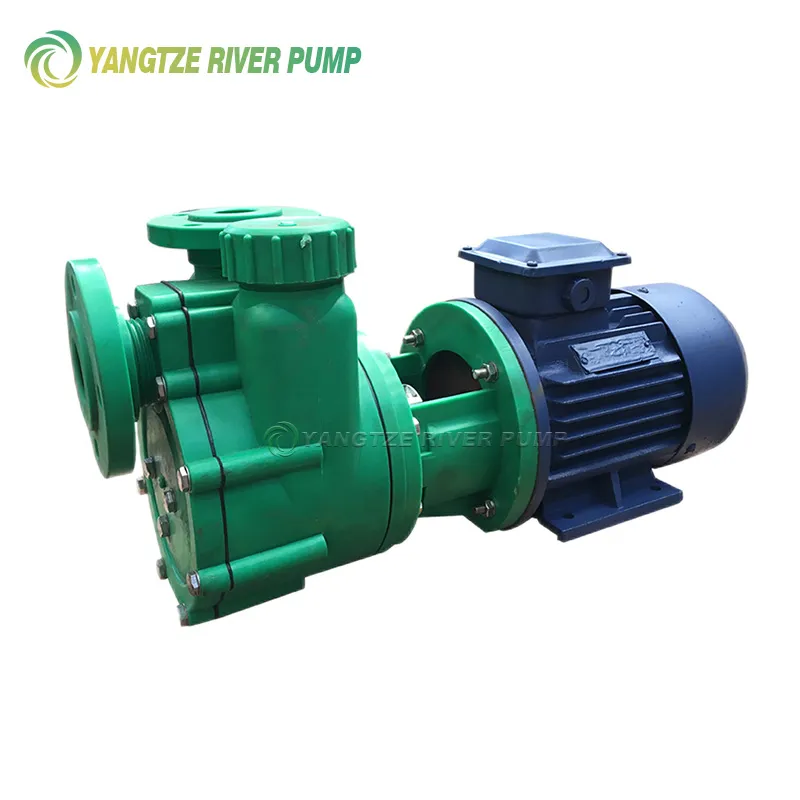

Best Sellingproducts
Best Selling Products-
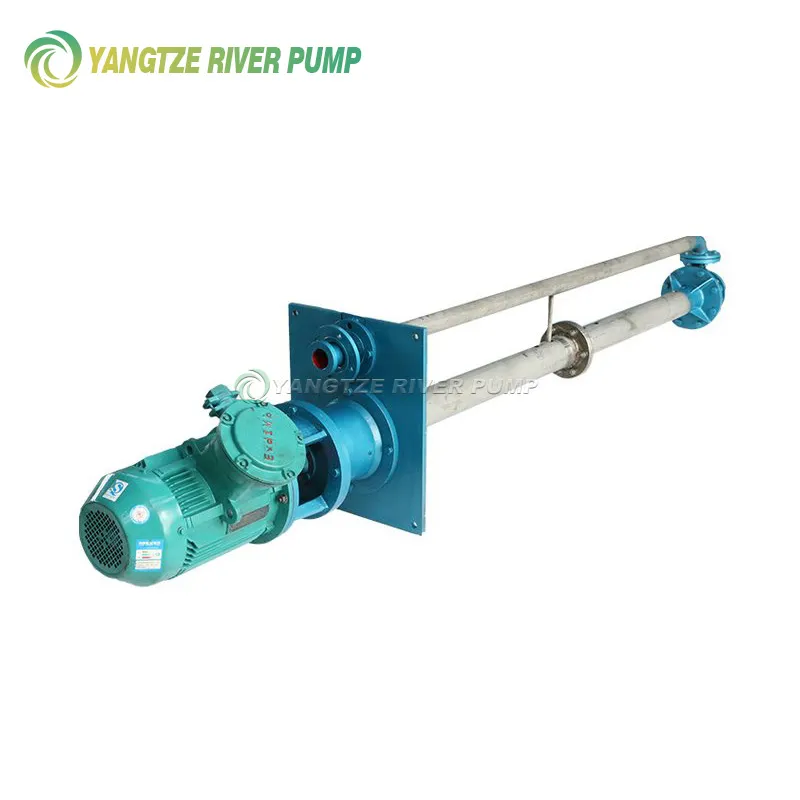 FY Submersible Chemical Pumps
-
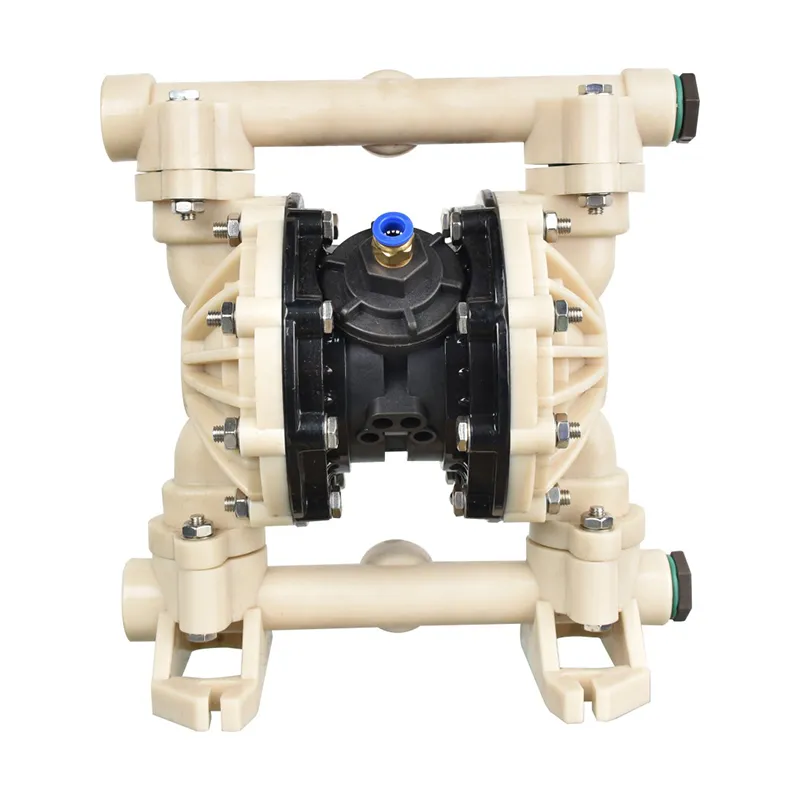 QBK Non-Metallic Air Operated Diaphragm Pumps
-
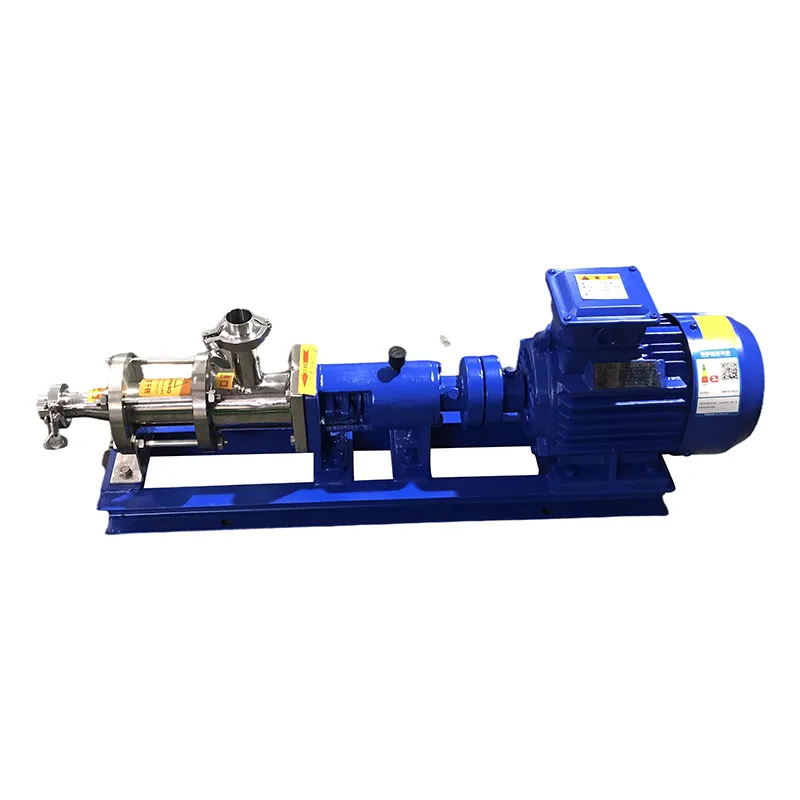 Sanitary screw pumps type GF
-
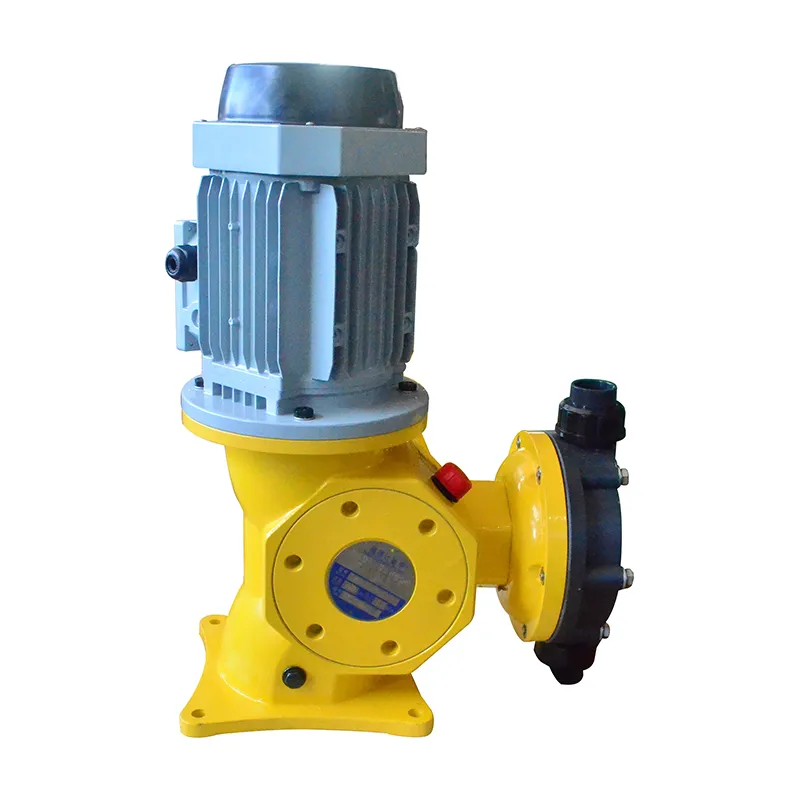 Mechanical diaphragm dosing pumps DJ-Z
-
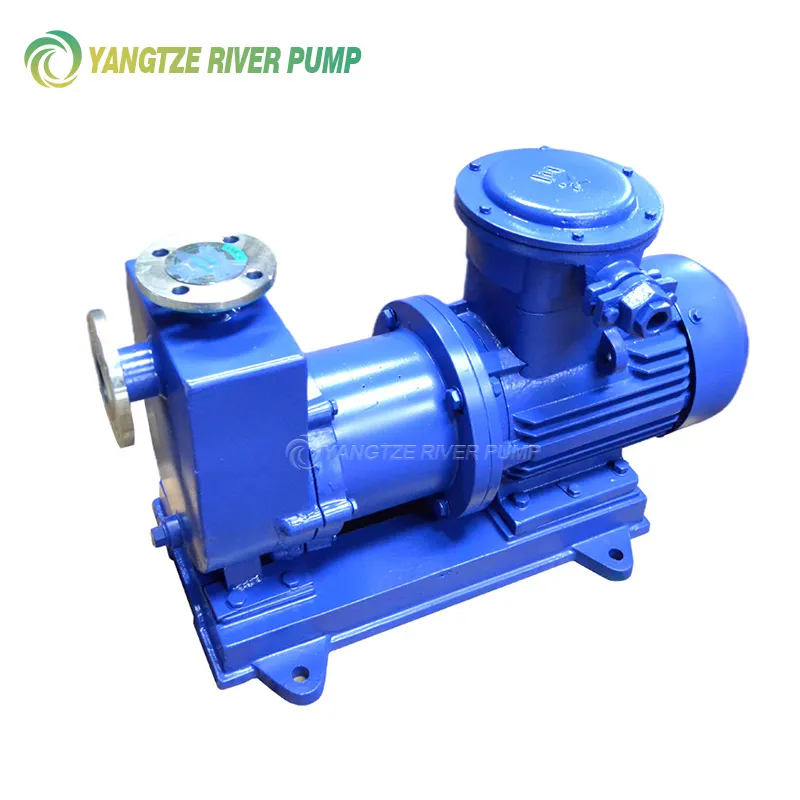 ZCQ Stainless Steel Self-Priming Magnetic Pumps
-
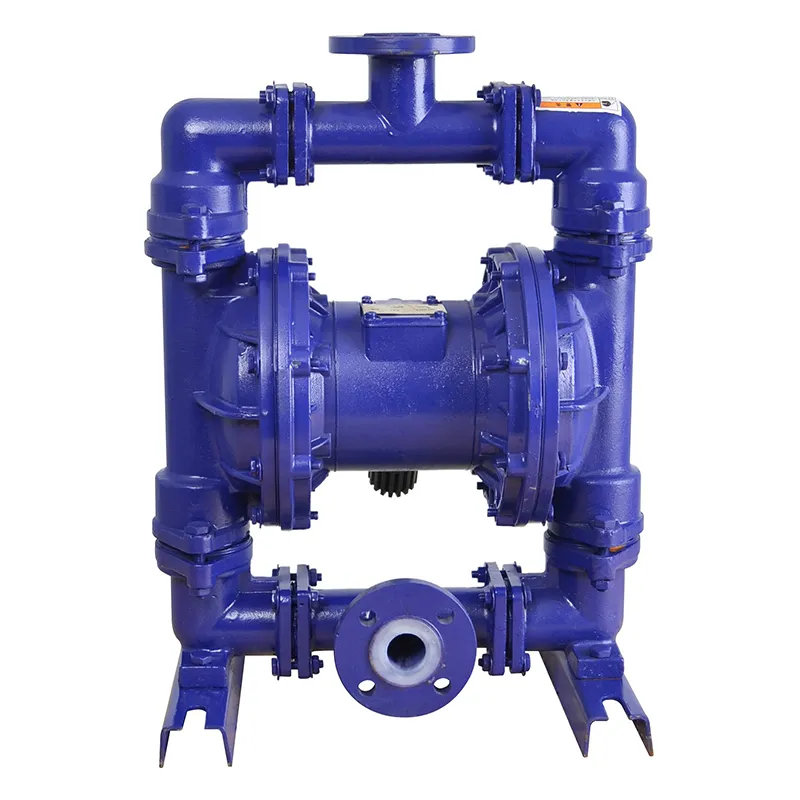 Metal pneumatic diaphragm pumps QBK
-
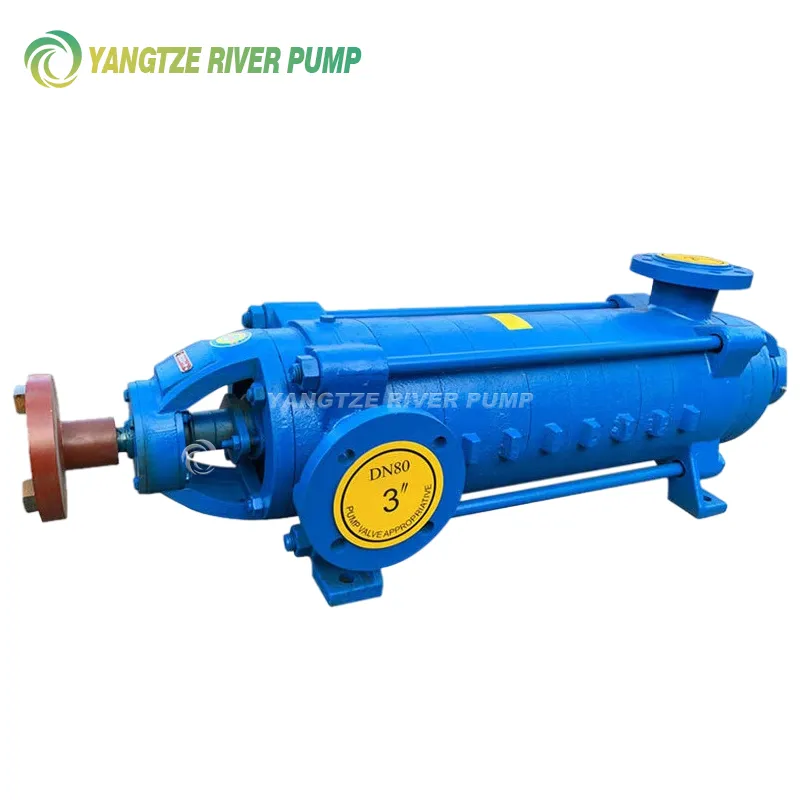 Horizontal multistage centrifugal pumps type D
-
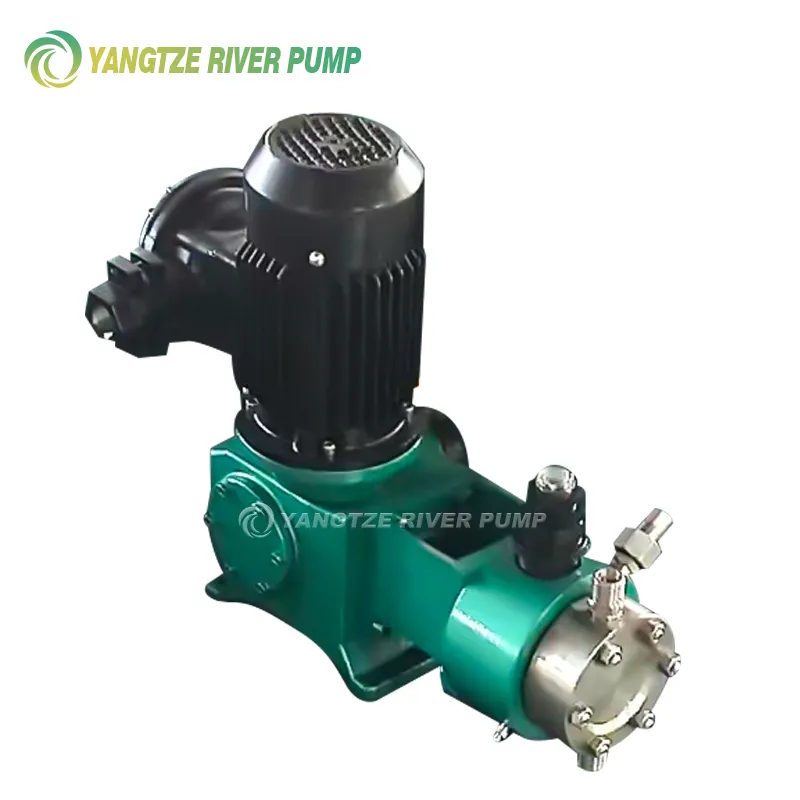 Plunger dosing pumps type DZ-X
-
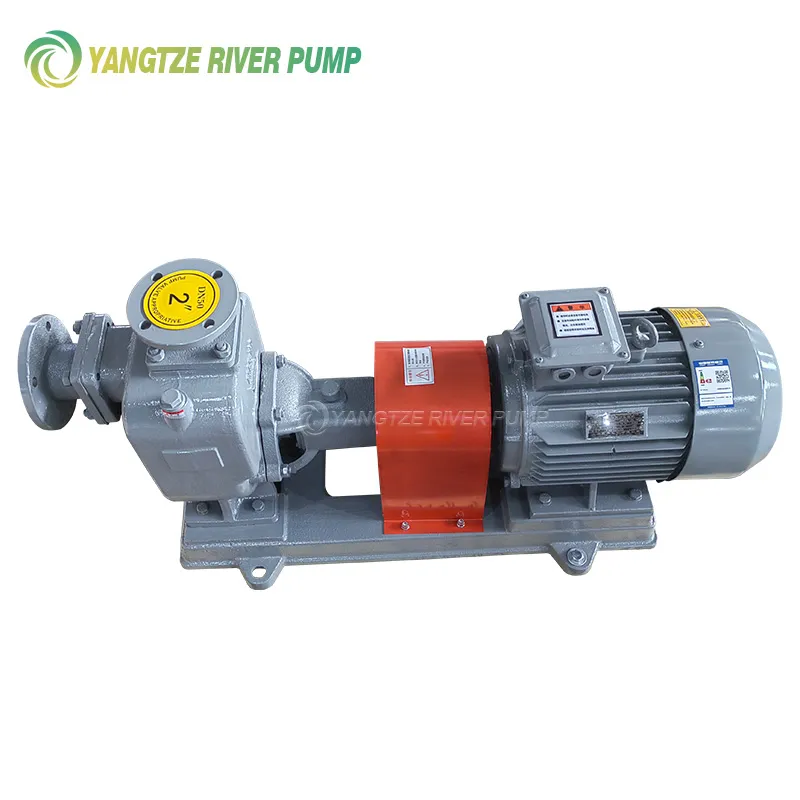 Non-clogging self-priming wastewater pumps ZW
-
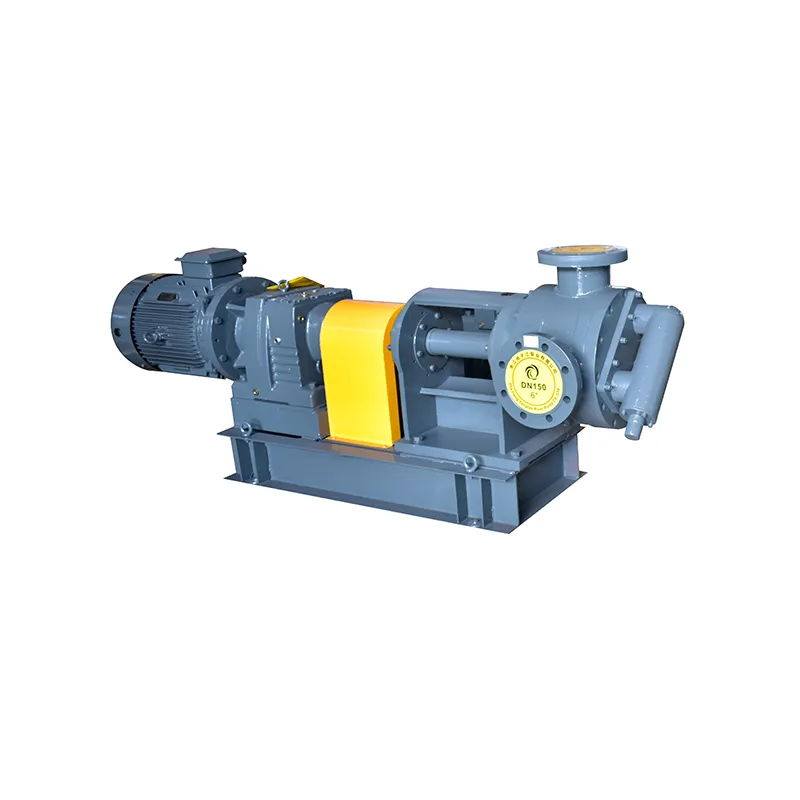 NYP High Viscosity Internal Gear Pumps
-
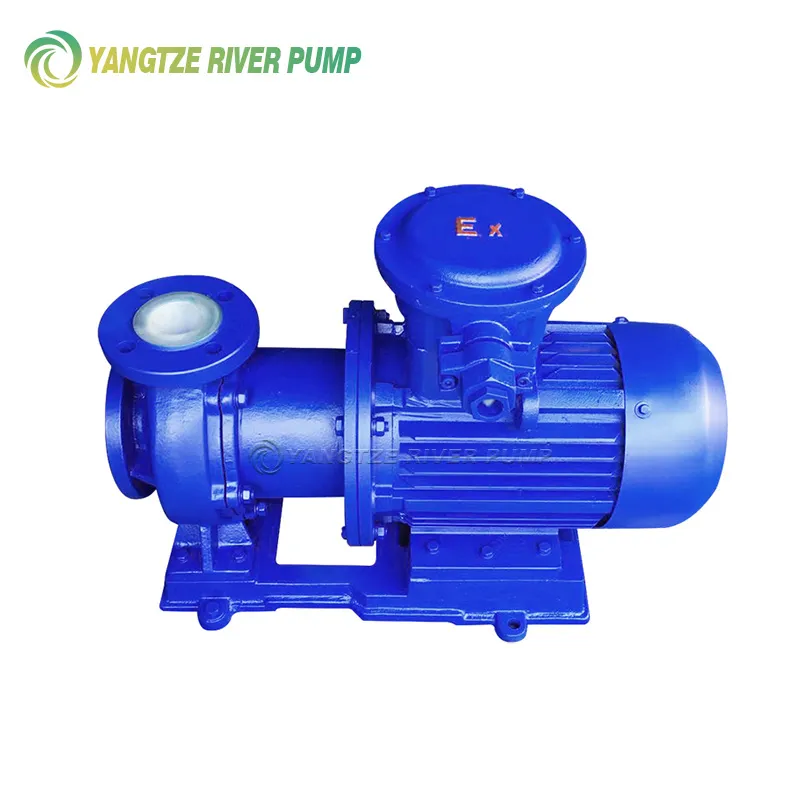 Magnetic pumps with fluoroplastic lining CQB-F
-
 Pipeline wastewater pumps GW