







centrifugal radial pumps
When people talk about centrifugal radial pumps, many people just imagine an “impeller in a volute”, and that’s all. But in reality, if you dig deeper, there are a lot of nuances that emerge only in practice. For example, the difference in hydraulic resistance when using a standard and diagonal impeller supply in single-stage models is not just a textbook theory. I have more than once encountered a situation where a customer demanded maximum efficiency, but at the same time insisted on a compact housing, and then was surprised by increased noise and cavitation. This is where the real work begins.
Design: where the problems are buried
Take, for example, a classic single-stage centrifugal pump. It would seem that everything is simple: housing, shaft, impeller, seals. But it is the type of impeller - closed, semi-open, open - that determines whether the pump can cope with a contaminated environment or whether it will constantly clog. In our production at Zhejiang Yangzijiang Pumping Industry LLC, there were cases when pumps with a closed wheel were initially installed to pump wastewater with fibrous inclusions - and they got constant blockages. We switched to models with a semi-open wheel or even single-screw pumps for particularly viscous media - the problem went away. This is the very moment when catalog characteristics must be checked by real conditions.
And the seals! Mechanical mechanical seals versus stuffing box packing. How many times have we had to explain that for aggressive chemical media, for which, by the way, we have a line of plastic chemical pumps, the seal is the path to constant leaks and stoppages. But mechanical seals also have their own Achilles heel - sensitivity to dry running and solid particles. I remember a project for a small chemical shop, where they saved money on a seal flushing system - after two months the pump failed. I had to redo it.
Or such a moment as the material of the case. Cast iron is suitable for water, but for sea water or weak acids you already need stainless steel, and for concentrated aggressive media - the same PVDF or PP in our chemical pumps. This seems obvious, but at the selection stage, especially when they are in a hurry, this is often forgotten, chasing the price. And then corrosion eats up the body over the course of a season.
Multi-stage vs single-stage: choice without fanaticism
Multistage centrifugal pumps are often perceived as a panacea for high head applications. And yes, they are indispensable for water supply systems of high-rise buildings or reverse osmosis. But their complexity is not only the price. Each additional stage means new seals between the chambers, additional points of potential leaks and increased requirements for the cleanliness of the pumped medium. One small grain of sand caught in the gap between the diffuser and the wheel in a multi-stage section can lead to jamming and serious repairs.
At our test bench in Yangtzejiang we once compared operation on the same water: a single-stage pump with a specially designed high-pressure impeller and a standard multi-stage one. With similar final parameters, the single-stage one showed slightly lower efficiency, but its maintenance in the field (replacing a seal, for example) took three times less time. For a customer with decentralized facilities, this was a decisive argument.
Another subtle point is axial forces. In multistage pumps they are significant and require reliable thrust bearings. Their wear is not always immediately obvious; it is manifested by a gradual drop in pressure and an increase in vibration. But in good single-stagecentrifugal radial pumpsWith two-way supply to the wheel, the axial force is almost balanced, which prolongs the life of both bearings and seals. This is a design solution that indicates the thoughtfulness of the hydraulic circuit.
Tests and the 'field': where theory meets reality
Any design, even the most perfect one, must be tested. Our eight production lines also include a full testing cycle. And it’s not just “they ran the water, measured the pressure and flow rate.” We run pumps at different modes, including non-optimal ones, close to a closed valve, to look at the increase in temperature and vibration. It is in such modes that sometimes imperfections in the casting of the housing or an imbalance of the rotor, which was unnoticeable at the nominal value, appear.
One of the most illustrative cases from practice is working with magnetic pumps. Their main trump card is complete tightness. But during tests on a glycol mixture, it turned out that at high temperatures and viscosity, the magnetic coupling begins to slip earlier than the calculated torque. It was necessary to adjust the passport data on the permissible density of the medium for specific models. If it weren’t for our tests, this would have come out to the client, as they say, “in battle.”
But field conditions are a whole different story. For example, installation. It would seem, level the foundation, tie it with pipelines without tension. But how often do you see that the suction line has humps or narrowings, and then you are surprised by cavitation noise and a drop in performance. Or self-priming pumps. The advertisement says 'suction height up to 8 meters'. But this is ideal, with a completely sealed line. In reality, if there is even a small leak at the flange connections or wear of the sealing ring in the filler neck, this figure drops significantly. Installers need to be taught this, and we always include such nuances in installation manuals.
Custom solutions: when the standard doesn't work
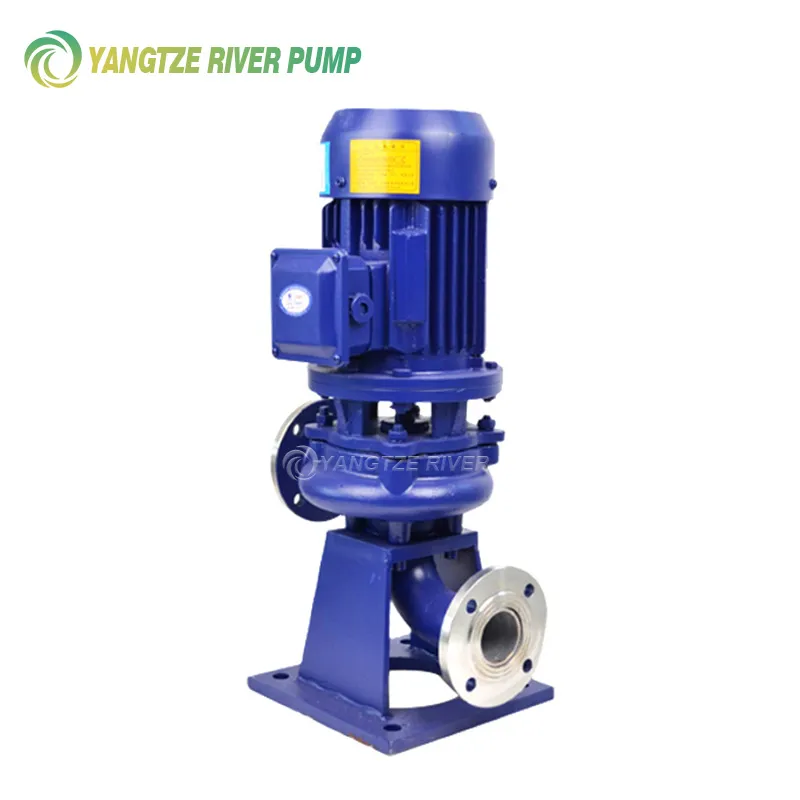
Linear centrifugal pumps are an excellent example of specialization. Their long, thin body is ideal for wells or installation in production lines where space is limited. But their weak point is the critical importance of proper centering and rigid support. The slightest misalignment of the shaft leads to contact of the rotor with the stator and rapid failure. We once supplied such pumps for an equipment cooling system, and the customer himself made a mount that “played.” The result was three replaced pumps in six months, until our service engineers intervened and installed the cantilever support wisely.
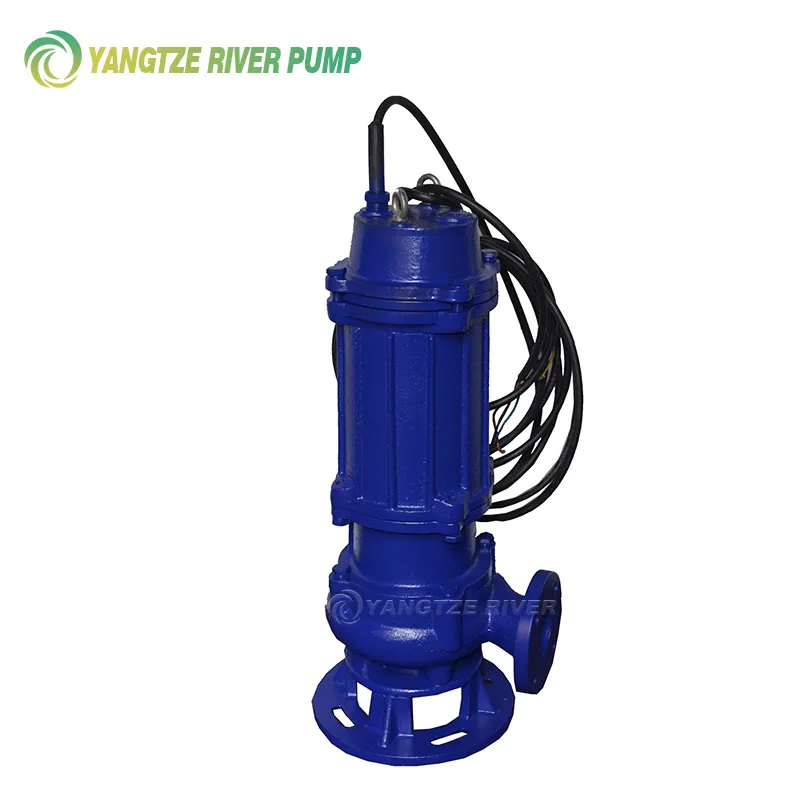
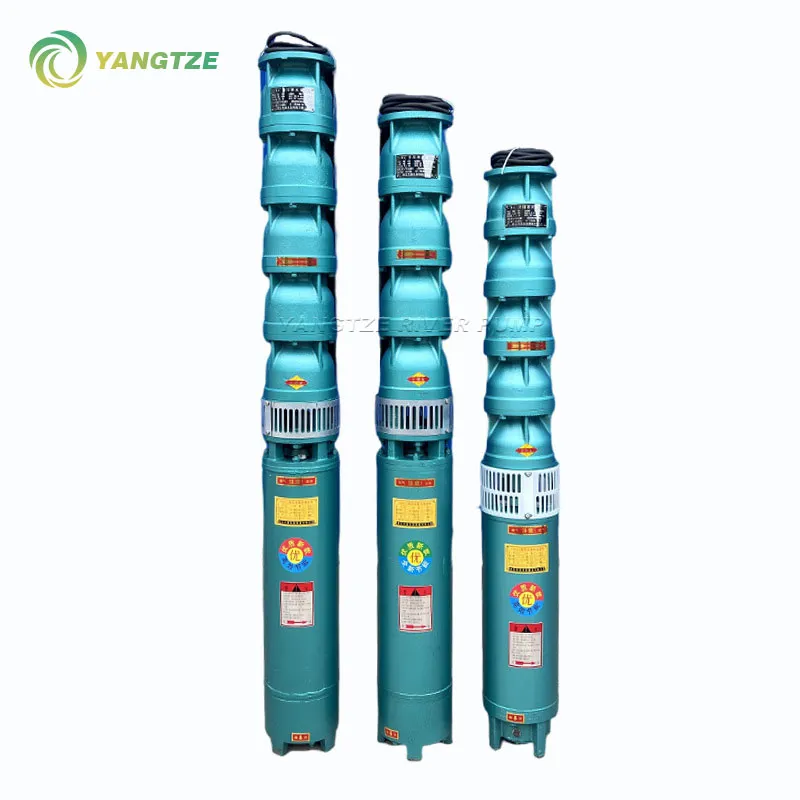
Submersible pumps are a separate universe, especially drainage pumps and for wells. The main enemy here is sand. Even if a pump is positioned as 'for sandy water', this does not mean that it will work in suspension forever. Abrasive wear of the impeller and diffusers is inevitable. The only thing that can be done is to use the most wear-resistant materials, such as high-chromium cast iron or polymer composites, and clearly regulate service intervals. Sometimes it is more logical to install not one powerful submersible pump, but two smaller ones, operating alternately, so that there is an opportunity for maintenance without stopping the entire system.
Returning to our range at Zhejiang Yangzijiang LLC. We produce both diaphragm pumps and plastic chemical pumps. And this is not just for show in the catalogue. This is for those cases when the standardcentrifugal radial pumpwon't cope. Diaphragm - for precise dosage or very dirty, abrasive pastes. Plastic chemical - for aggressive acids and alkalis, where even stainless steel grade 316 will not last long. It is important not to try to solve all problems with one type of pump, but to understand the limits of applicability of each. Often the correct selection is already half of successful operation.
Instead of a conclusion: a thought afterward
So what is this all about? The fact that behind the dry term 'centrifugal radial pump' hides a huge layer of practical knowledge. This is not just a product item with a code and price. This is a device that must fit into a specific system, with its real, not ideal, conditions. And the key here is not blind faith in the catalog, but analysis, testing and sometimes the willingness to say “our standard pump is not suitable for this task, let’s look at a magnetic or diaphragm one.”
Our websiteyangtzeriverpump.ru– this is not just a showcase. This is ideally a starting point for dialogue. So that, having studied the basic information, the customer could send us not just a request “we need a pump for 100 cubic meters and 80 meters,” but a technical specification describing the environment, temperatures, work schedule, and material requirements. Then our answer will be not just a commercial proposal, but a technically sound solution. Because ultimately, a pump that works reliably on site is the best advertisement for any manufacturer, including us.
And yes, even with experience and a full production cycle from R&D to service, sometimes you still have to deal with non-obvious situations. Some unaccounted resonance in the pipeline or non-standard fluid composition that changes the viscosity. This is fine. It is important not to ignore such cases, but to understand them and apply the gained experience to future projects. This is how, bit by bit, that very “expertise” is formed, which is valued higher than just a low price.
Correspondingproducts
Related Products

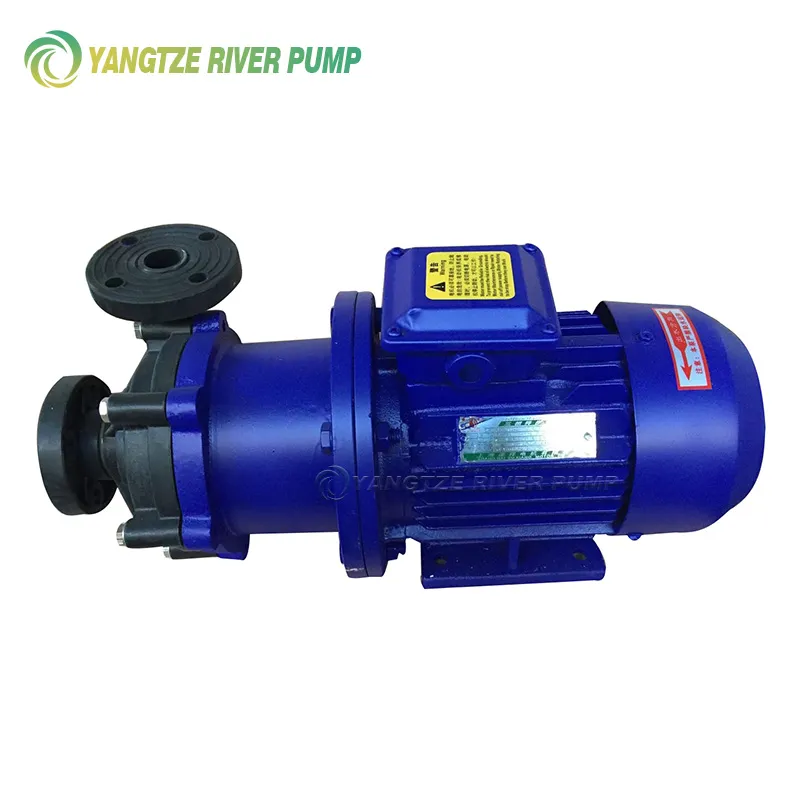
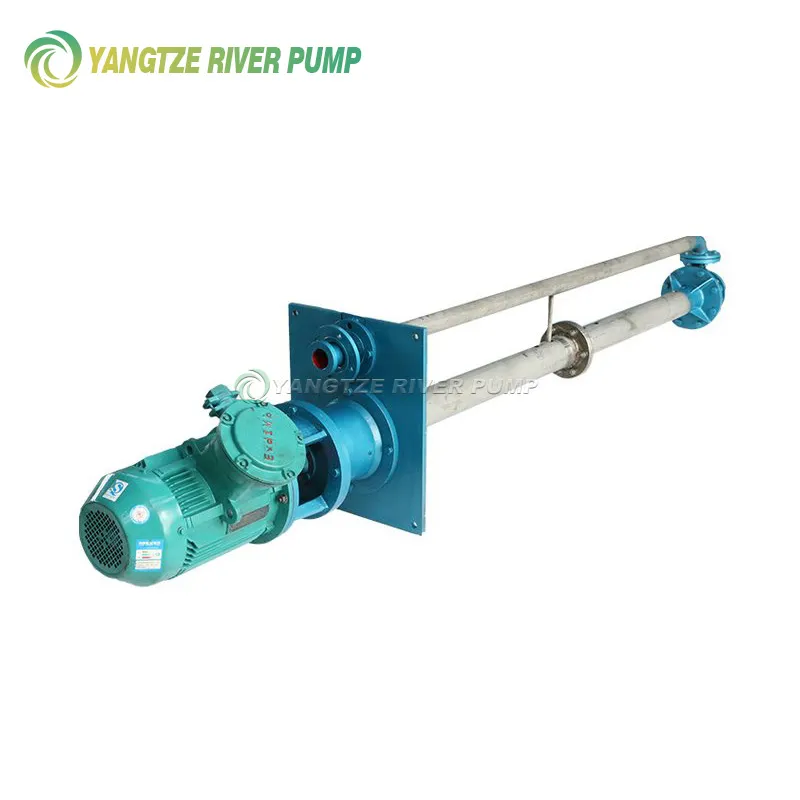

Best Sellingproducts
Best Selling Products-
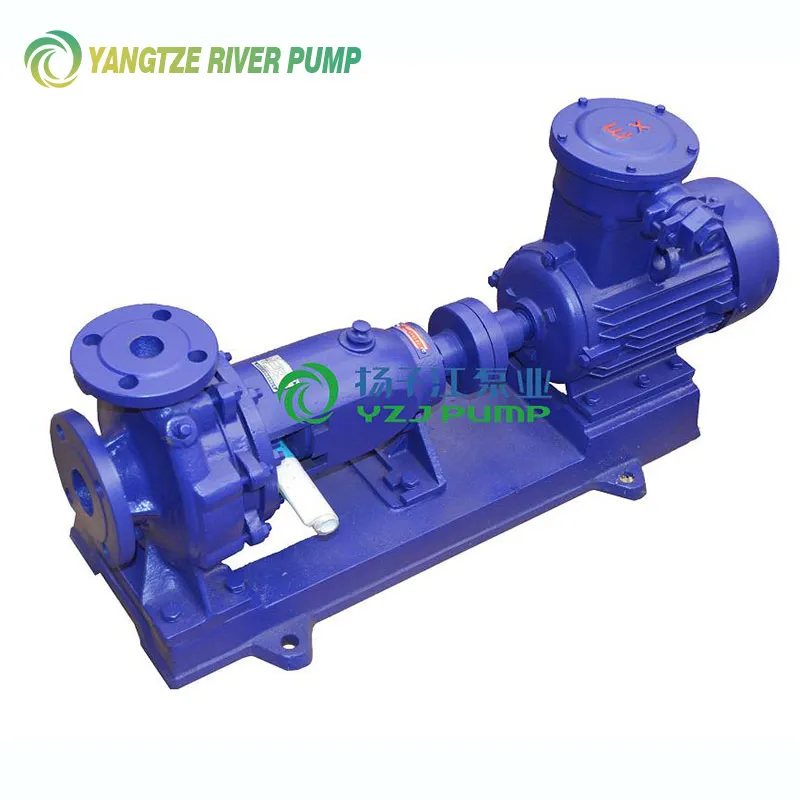 Horizontal chemical centrifugal pumps types IS and IR
-
 YCB Type Circular Gear Pumps
-
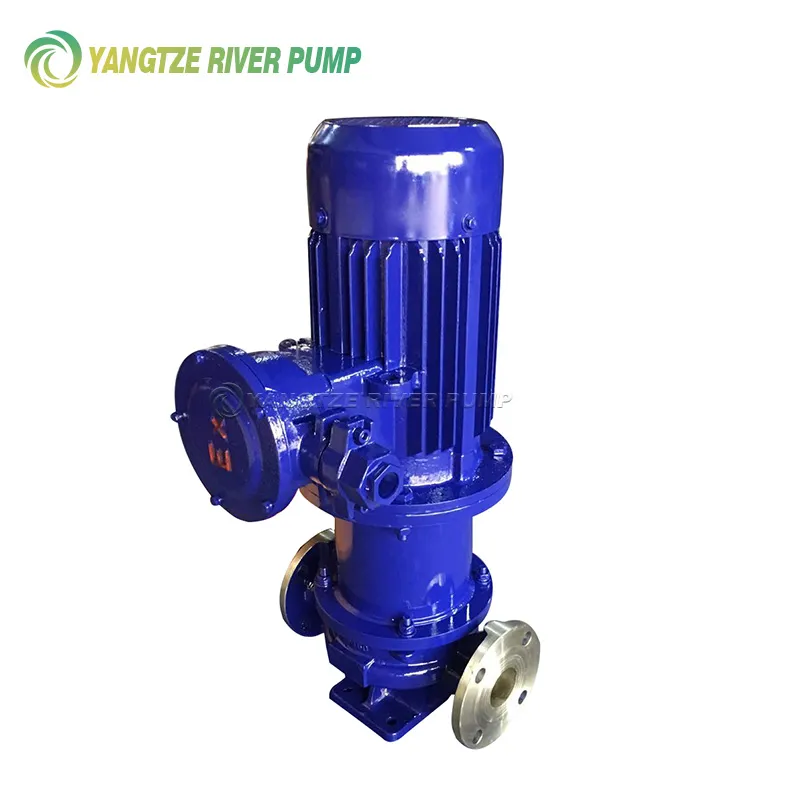 Vertical magnetic pumps CQB-L
-
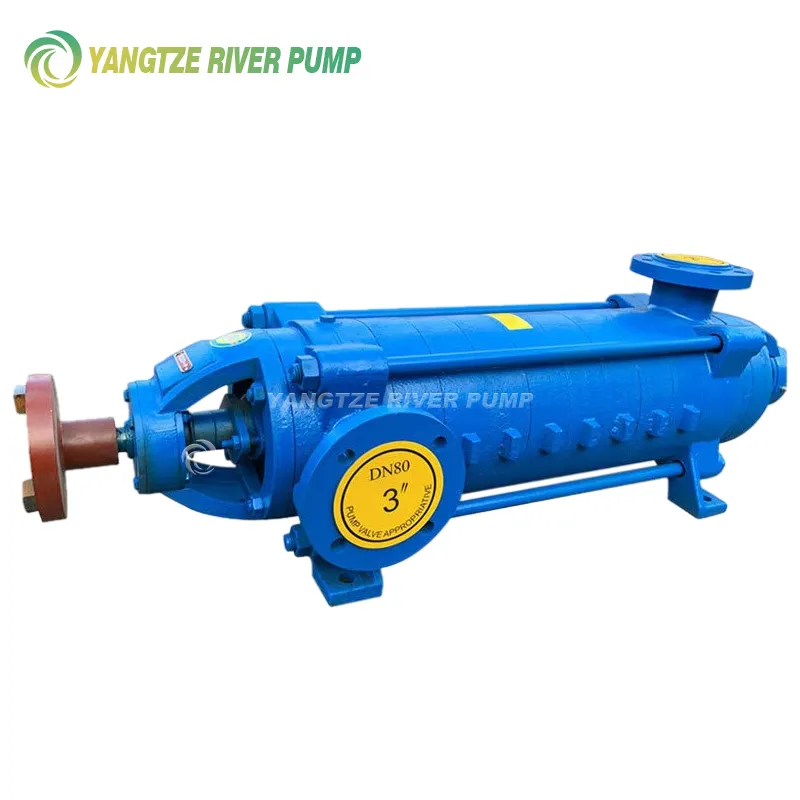 Horizontal multistage pumps for feeding DG boilers
-
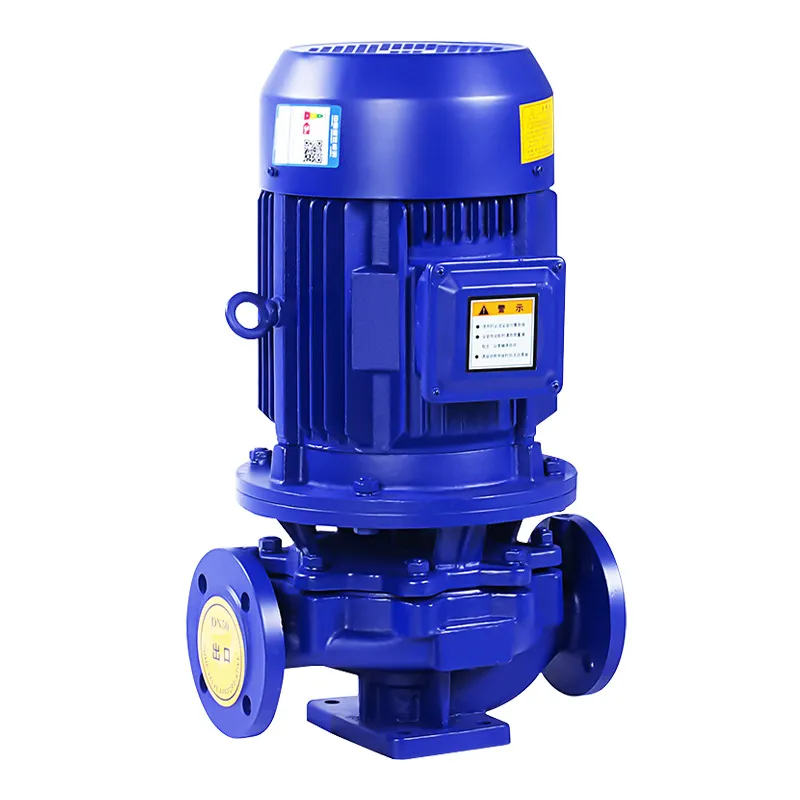 Vertical single-stage pipeline centrifugal pumps ISG and IHG
-
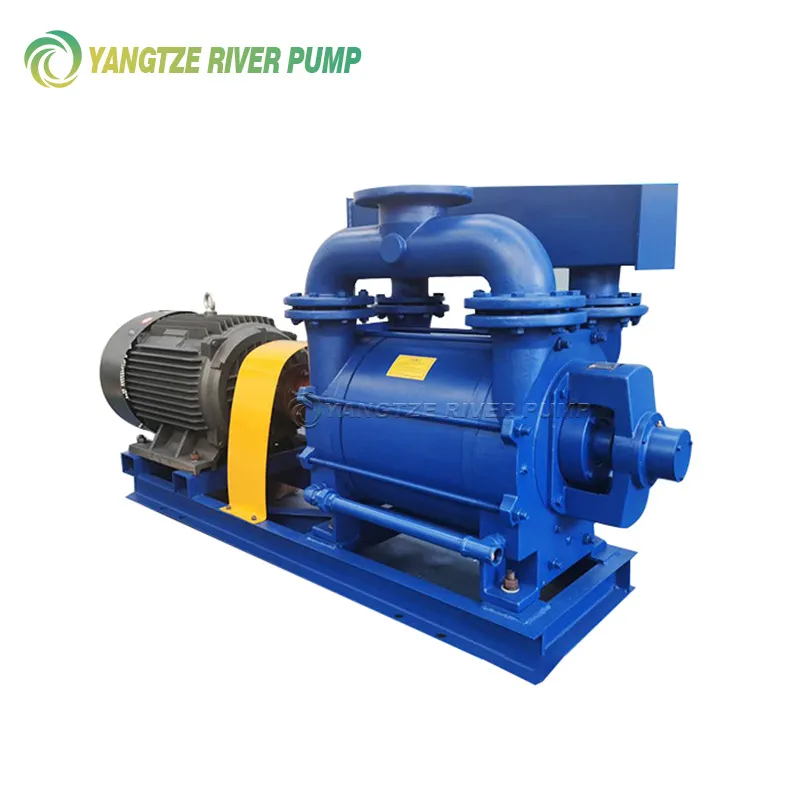 Liquid ring vacuum pumps type 2EB
-
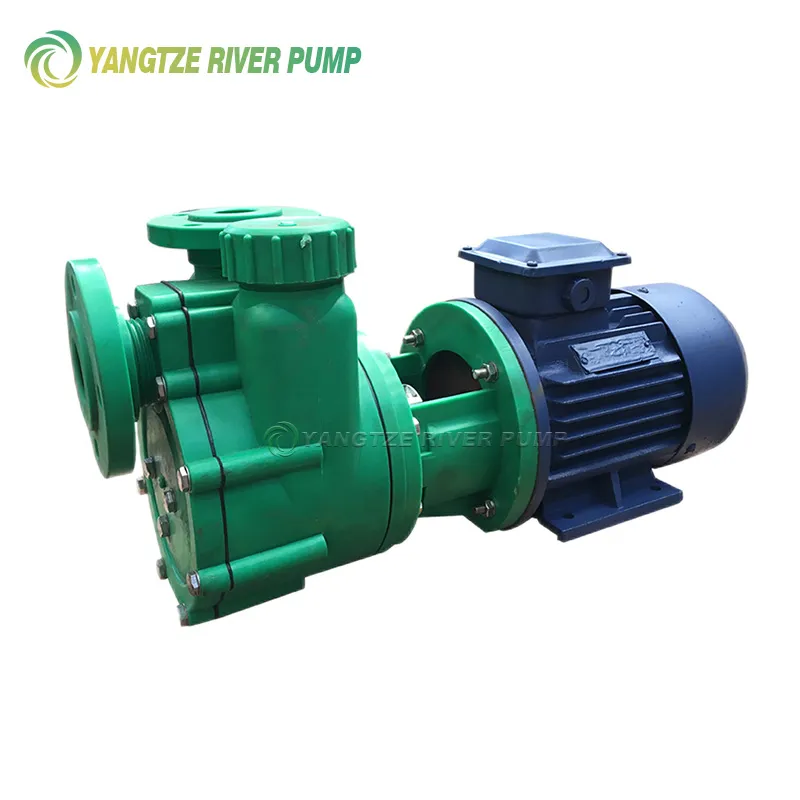 Plastic self-priming centrifugal pumps FP and FS
-
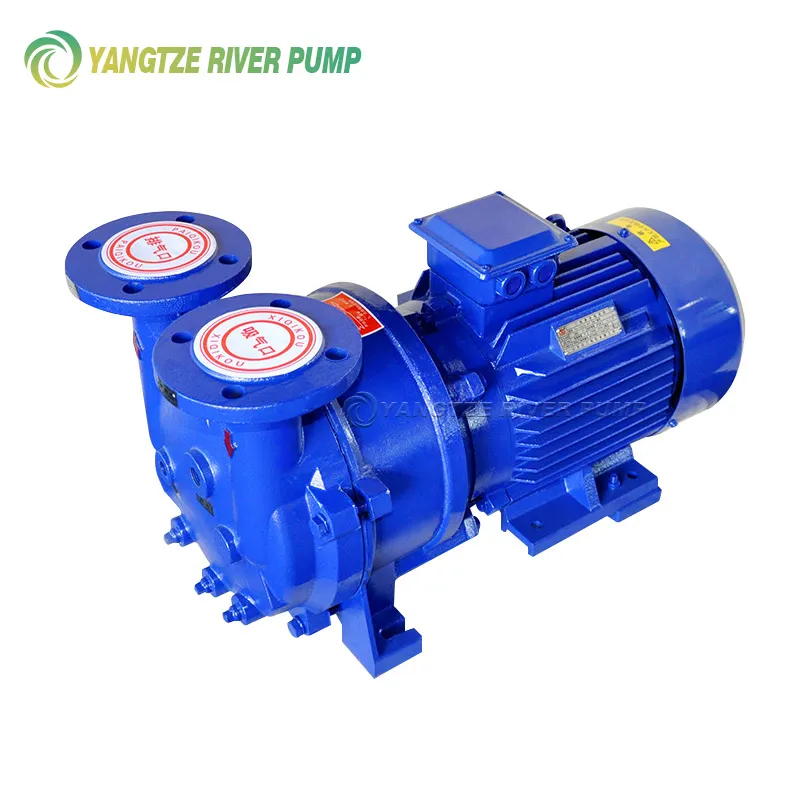 Liquid ring vacuum pumps type SKA and 2BV
-
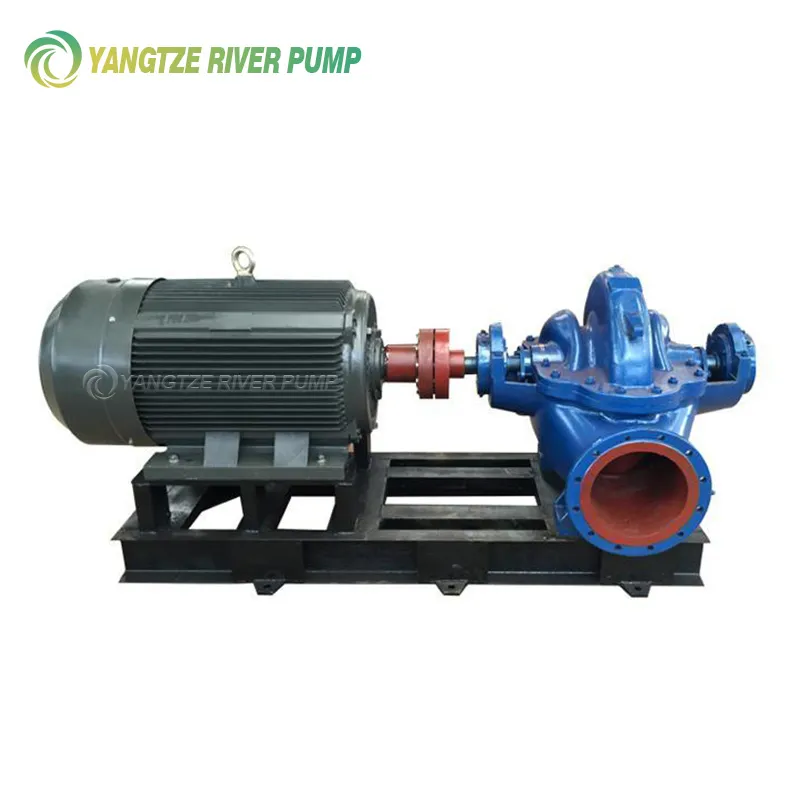 Single Stage Double Entry Centrifugal Pumps Type S
-
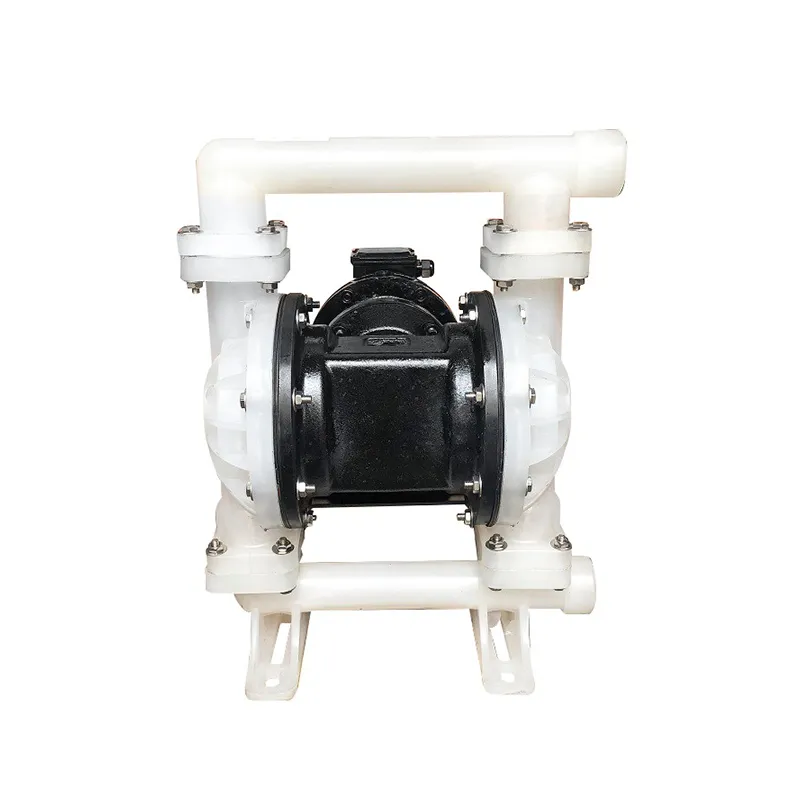 DBY Non-Metallic Electric Diaphragm Pumps
-
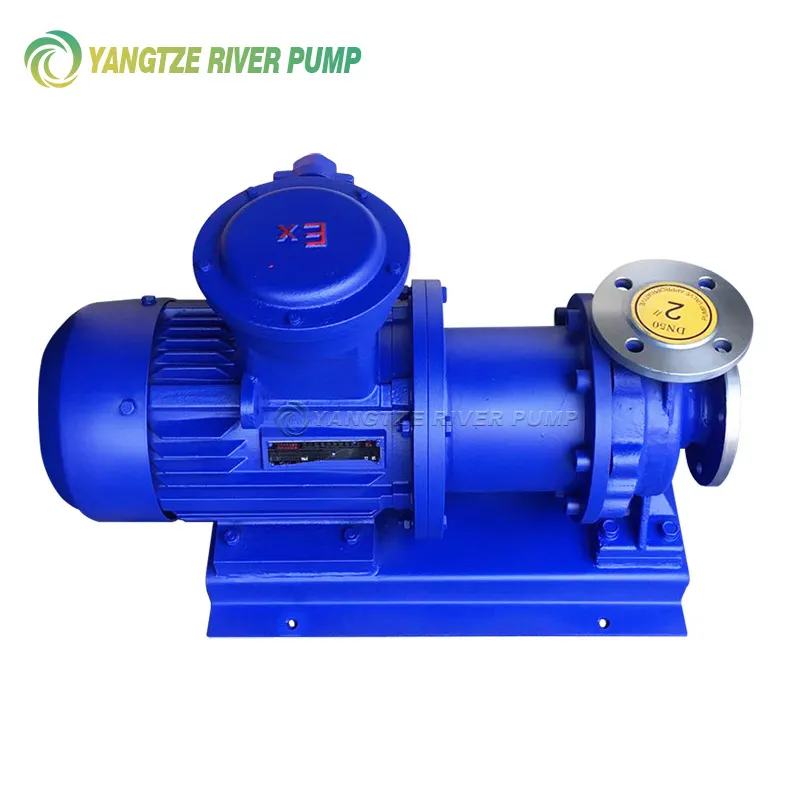 CQB Stainless Steel Magnetic Pumps
-
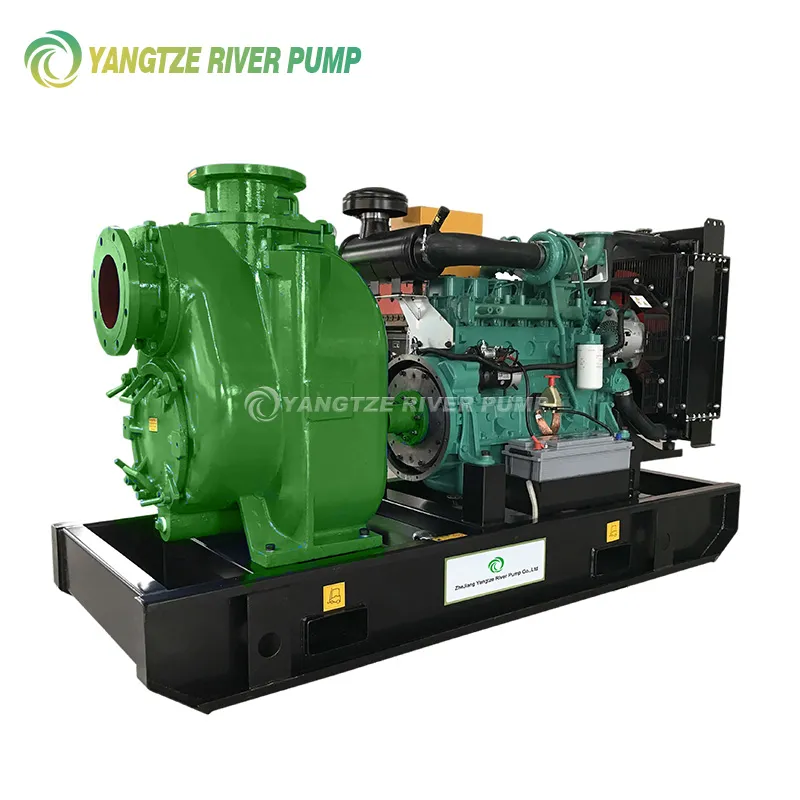 YZSP Diesel Self-Priming Pumps