







dynamic centrifugal pump
When they say “dynamic centrifugal pump?”, many people immediately imagine a standard diagram: motor, shaft, impeller, volute. But if you dig deeper into the very essence of the term “dynamic?”, it becomes clear that there is a whole philosophy of working with flow here. This is not just a pump, it is a system where parameters constantly change depending on conditions, and the main mistake is to consider its operation static, like that of positive displacement pumps. Often designers, especially those who are accustomed to clear performance graphs, underestimate the impact of, say, cavitation on pressure dynamics or how a sharp change in the viscosity of the pumped medium (even within the same process line) can “dump” operating point. Here at Zhejiang Yangzijiang Pumping Industry Co.,Ltd, looking at eight complete lines from R&D to service, we are constantly faced with the fact that the client wants ?universal? a dynamic pump, but in fact it needs precise tuning to the dynamics of its specific process.
From theory to practice: where does the “dynamics” lie?
Everything is beautiful in the textbooks: the Q-H curve, the optimal efficiency zone. In fact, when such a pump is inserted into a real pipeline with its local resistances, shut-off valves, and possible water hammer, the picture changes. The dynamics manifest themselves in pulsations and noise in certain modes, which are often attributed to “engine vibration”. Once I had to deal with a failure on a chemical dosing line. It stood seemingly reliablecentrifugal pumpfor reagents. But when the level in the supply tank dropped, it began to “starve”, cavitation occurred, and productivity fell non-linearly, but in jumps. This is the same dynamics - a non-stationary mode, which is rarely taken into account in calculations.
That is why at the testing stage we do not limit ourselves to taking standard characteristics on the water. We are trying to simulate non-ideal conditions: air mixture, start-up under load, operation with a “closed valve?” (although this is harmful) - to see how the unit behaves dynamically. Often, customers in the food or chemical industry, whose media are prone to foaming or density changes, value such practical data more than the ideal efficiency rating.
By the way, about materials. Flow dynamics also have an aggressive effect on the flow path. A fast flow of abrasive suspension can “eat up” in a couple of months. standard cast iron wheel. Therefore, in our assortment, next to the classic models, there are always options with coatings or designs made of stainless steel, and for chemistry - those same plastic chemical pumps. Their dynamic characteristics, by the way, are very different from their metal counterparts due to a different wall roughness.
Multistage as a response to variable pressure
When it comes to the need for high or, more importantly, consistently regulated pressure in variable flow conditions, the single-stagecentrifugal pumpoften loses. This is where multi-stage horizontal and vertical models come into play. Their dynamics are more complex - several successive wheels, each adding energy to the flow. But there are more problems: axial forces, rotor balancing, assembly criticality.
I remember an incident at a water supply facility. It was necessary to maintain constant pressure in the network, where the flow rate varied three times from the night minimum to the peak in the morning. We installed a multistage pump with a frequency converter. Theoretically - ideal. But in practice, with deep regulation (below 30% of the nominal value), problems began with overheating and vibration at certain speeds - resonant frequencies. We had to modify and make changes to the control system in order to “drive away” these are critical areas. This is a clear example where the dynamics of the system (pump + drive + network) were not calculated as a whole.
Our production of multistage centrifugal pumps always includes the step of individually balancing the assembled rotor assembly. You can't just make perfect wheels and put them on a shaft - dynamic imbalance will manifest itself in operation. This is the same ?manual? work that cannot be replaced by a fully automated line, and which precisely provides that very reliability in changing conditions.
Self-priming and submersible options: dynamics in extreme starts
A special topic is self-priming and submersible models. Their dynamics begin from the moment of launch. For a self-priming pump, the key parameter is the time and reliability of creating a vacuum and raising the liquid column. Here, the dynamics of the filling process is the fight against air leaks and cavitation at the moment when the liquid has just approached the wheel. A common mistake is long suction lines with large diameters. It seems that there are fewer losses this way, but the volume of air that needs to be pumped out increases, and the suction time increases nonlinearly.
Submersible pumps, especially well ones, live in conditions where the flow dynamics are judged by indirect signs - by the motor current, by vibrations transmitted to the column. Their problem is working with sand or fine sludge. The wear dynamics here are catastrophically fast. Homogeneous clean water and a suspension with 3% abrasive content are two different worlds for the same thingcentrifugal pump. We always emphasize this when selecting, especially for irrigation or drainage, where the composition of the water may change seasonally.
An interesting nuance: for some problems where flow stability at variable pressure is needed, we sometimes suggest considering not a purely centrifugal solution, but, for example,single screw pumps. Their dynamics are different - they are less sensitive to back pressure and provide almost constant flow. But this is a compromise with efficiency and cost. The decision always depends on specific operating conditions.
Tests as the final touch to understanding dynamics
This is where all the theory and calculations meet reality - on the test bench. We don't just have it for show. Each dynamic centrifugal pump, especially from the magnetic or chemical series, runs in different modes. Not only the main parameters are measured, but also the vibroacoustic characteristics, the temperature of the housings and bearing units.
It happened that during testing, an apparently serviceable unit began to “sing”. at a certain speed. The reason could be in the impeller itself (blade geometry, resonance), in the gaps, in the flow supply. This is the same dynamic instability that needs to be caught and eliminated before shipment to the client. For us, as a manufacturer combining R&D, production and testing in one chain, this is critically important. The problem found on the bench can be solved by replacing the unit. At the client’s site this will be a full-fledged accident with the process stopping.
Therefore, our website https://www.yangtzeriverpump.ru is not just a catalog. For us, this is the entry point into a dialogue where we try to find out as many details as possible about the future operating conditions of the pump. Its dynamics will be determined not by us, but by the system into which it will be built. And the more we know about it, the more accurately we can offer a solution - be it a linear centrifugal pump for hot water supply or a diaphragm pump for dosing an aggressive reagent.
Conclusion: Dynamics are Dialogue
As a result, working with a dynamic centrifugal pump is a constant dialogue between theory, production practice and the harsh reality of operation. There is no ideal ?for all cases? unit. Even within the same type, say, magnetic pumps, where leakage through the mechanical seal is excluded, the flow dynamics inside the sealed sleeve has its own characteristics that affect cooling and resistance to cavitation.
The main conclusion that you come to after years of working at Zhejiang Yangzijiang Pumping Industry LLC: you cannot simply sell a pump according to a table of parameters. You need to understand the dynamics of the customer's process. Sometimes this means offering not what was originally asked for, but something that will work stably in its changing conditions. And sometimes it can be a combination, for example, of a centrifugal pump for the main flow and a membrane pump for additives.
Therefore, when you hear a request for a “dynamic centrifugal pump?”, the first question should not be about pressure and productivity, but about what, how and under what conditions will be pumped, and how these conditions can change over an hour, per shift, over a season. Only then does the choice cease to be a guess and become an engineering decision. And the reliability of this solution is tested not on a bench, but over months and years of problem-free operation at the client’s site.
Correspondingproducts
Related Products


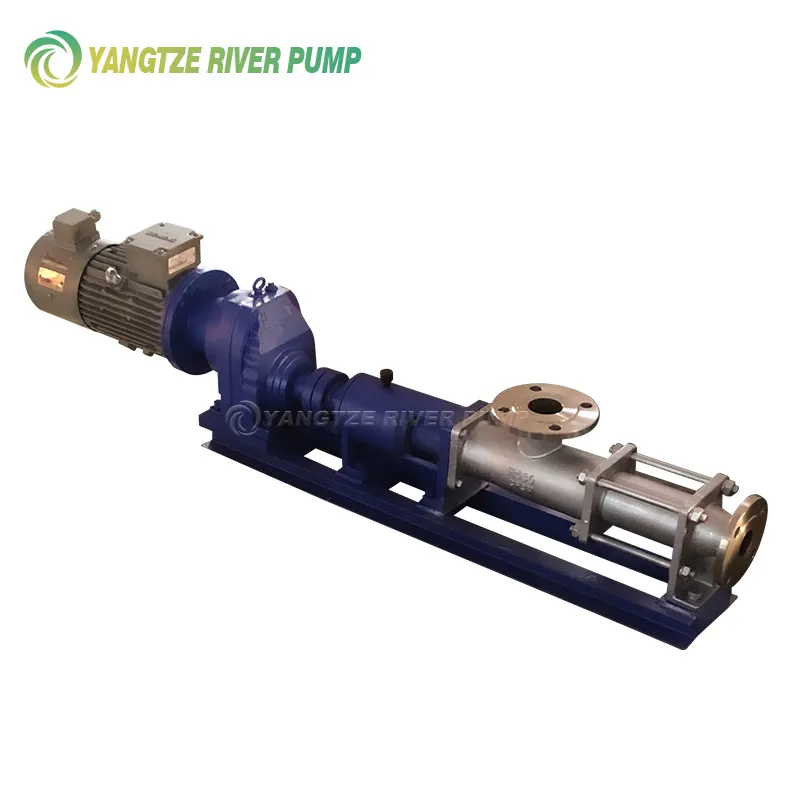

Best Sellingproducts
Best Selling Products-
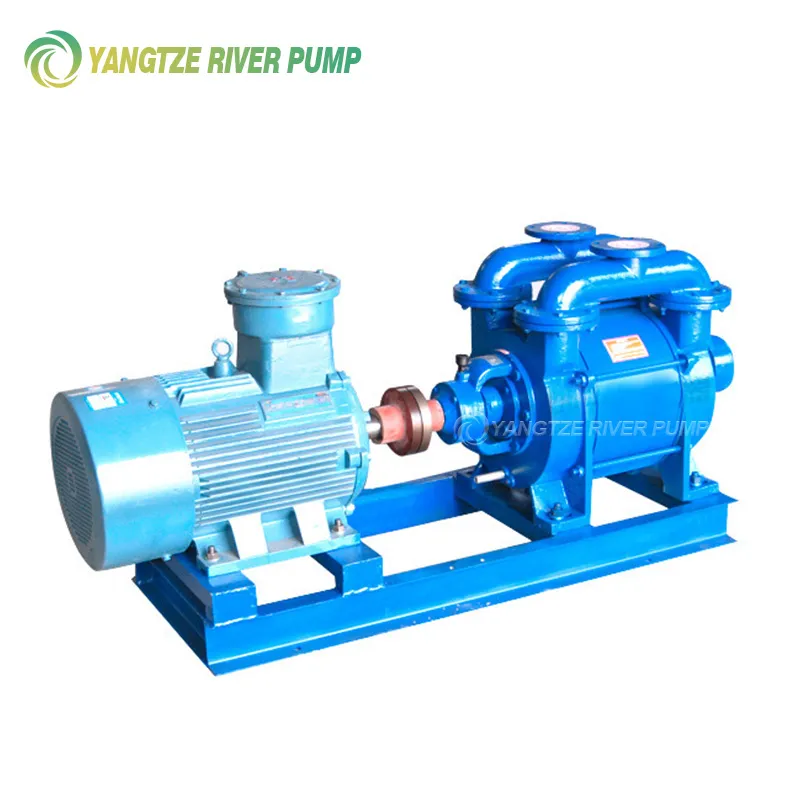 Liquid ring vacuum pumps type SK
-
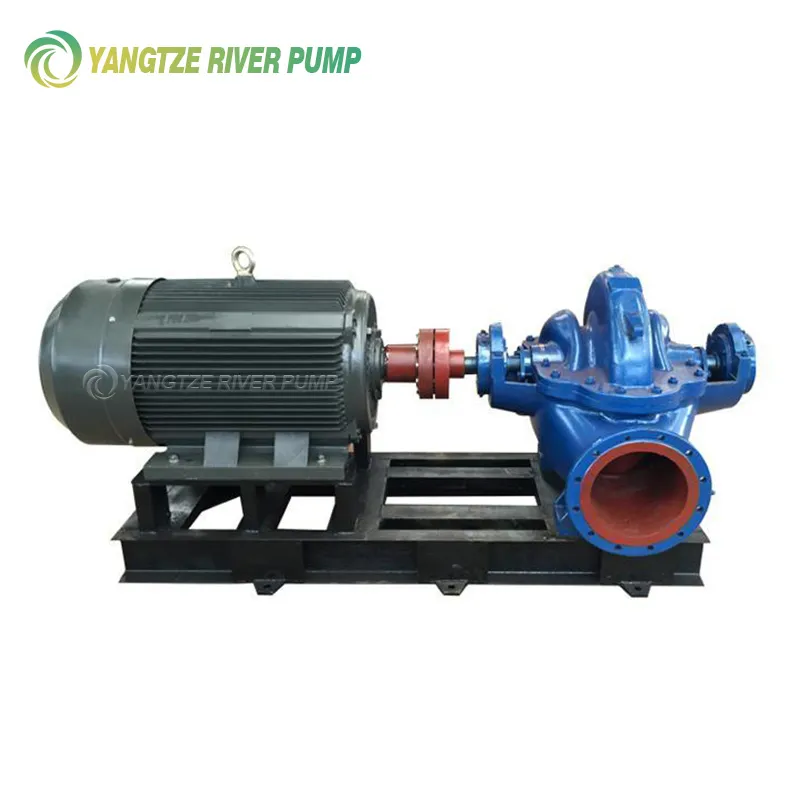 Single Stage Double Entry Centrifugal Pumps Type S
-
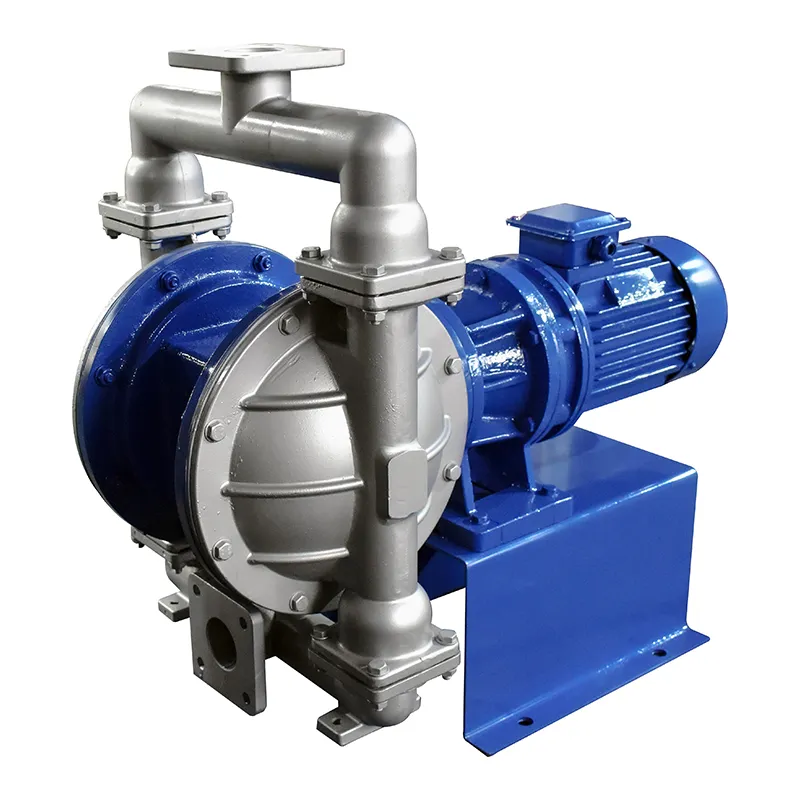 Metal electric diaphragm pumps DBY
-
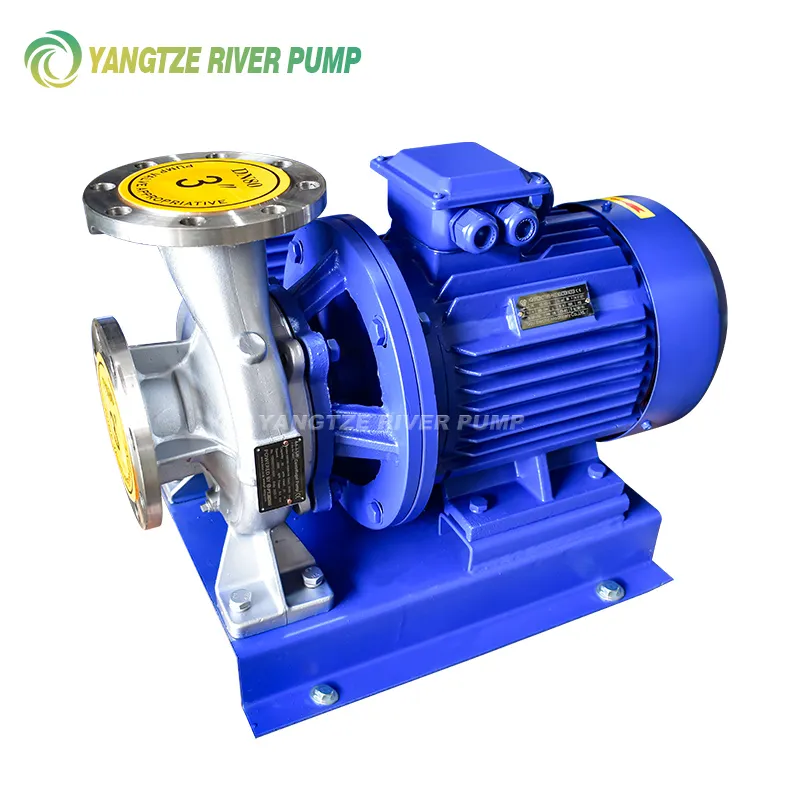 ISW and ISWH Single Stage Horizontal Pipeline Centrifugal Pumps
-
 Horizontal multistage pumps for feeding DC boilers
-
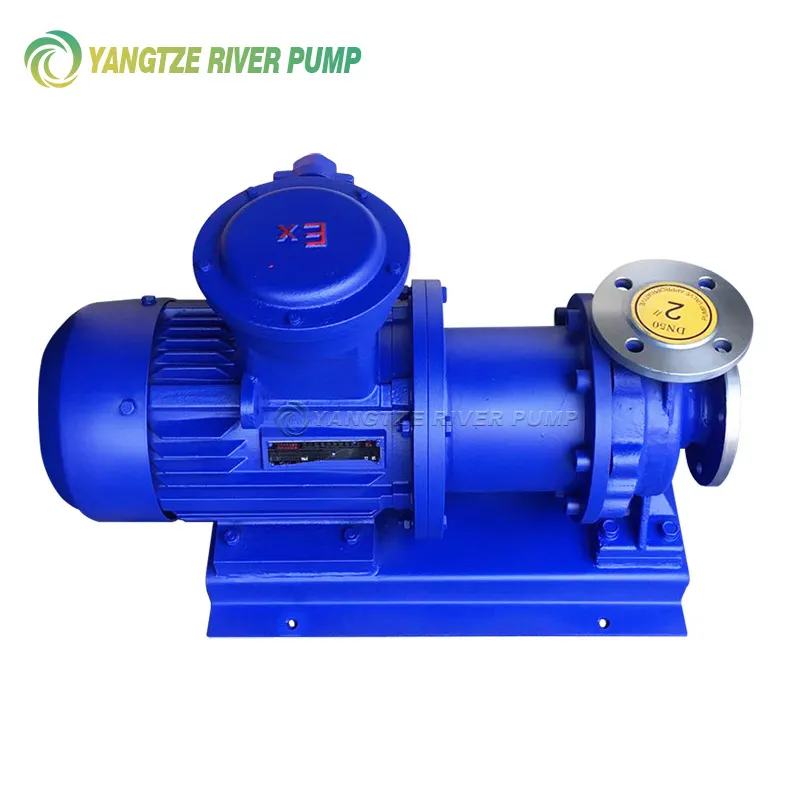 CQB Stainless Steel Magnetic Pumps
-
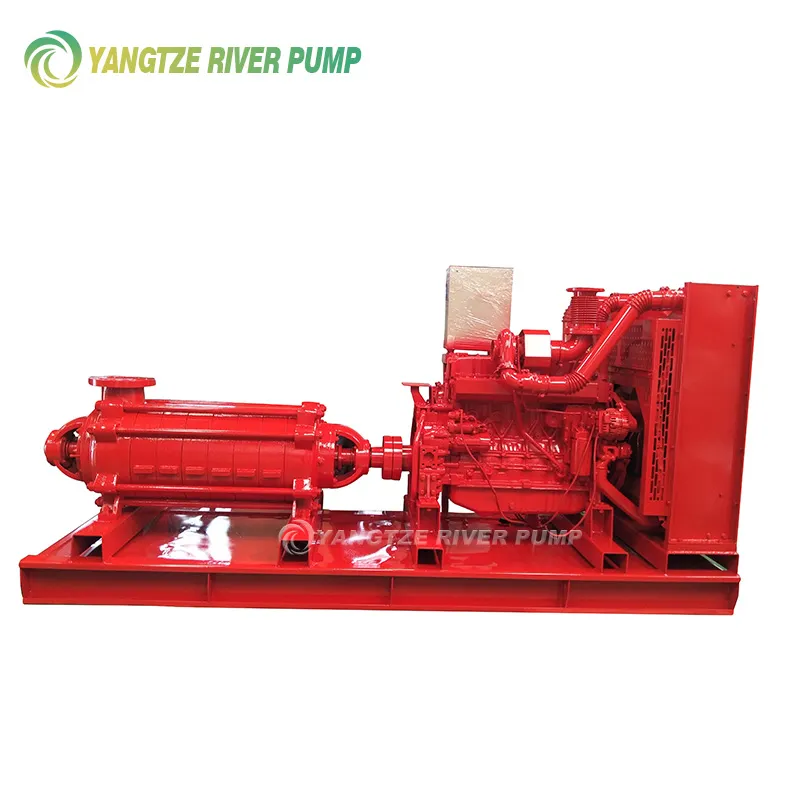 YZD Series Diesel Multistage Centrifugal Pumps
-
 YCB Type Circular Gear Pumps
-
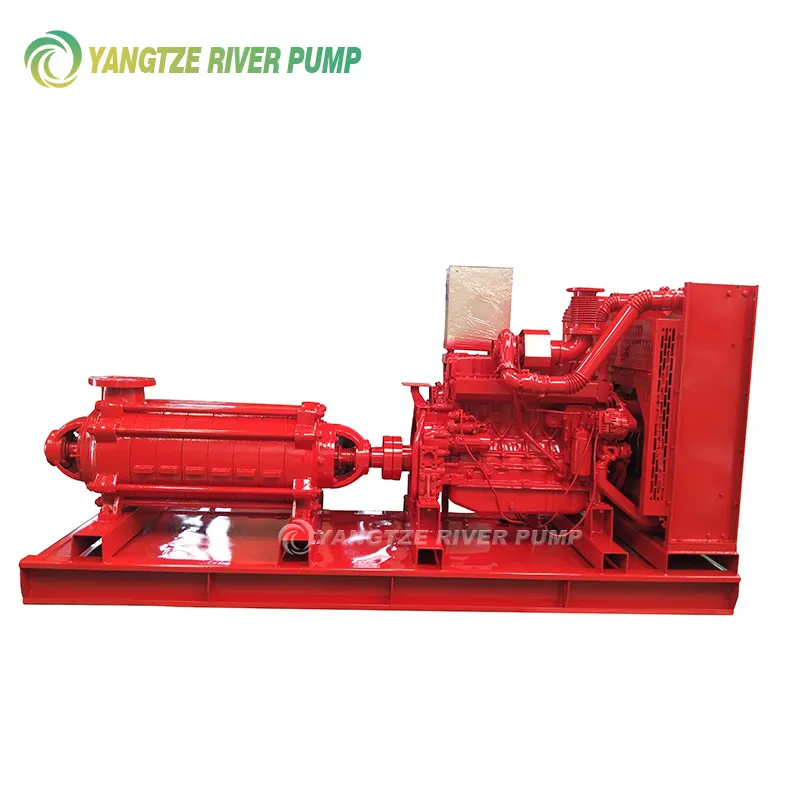 XBC Diesel Intelligent Fire Pumps
-
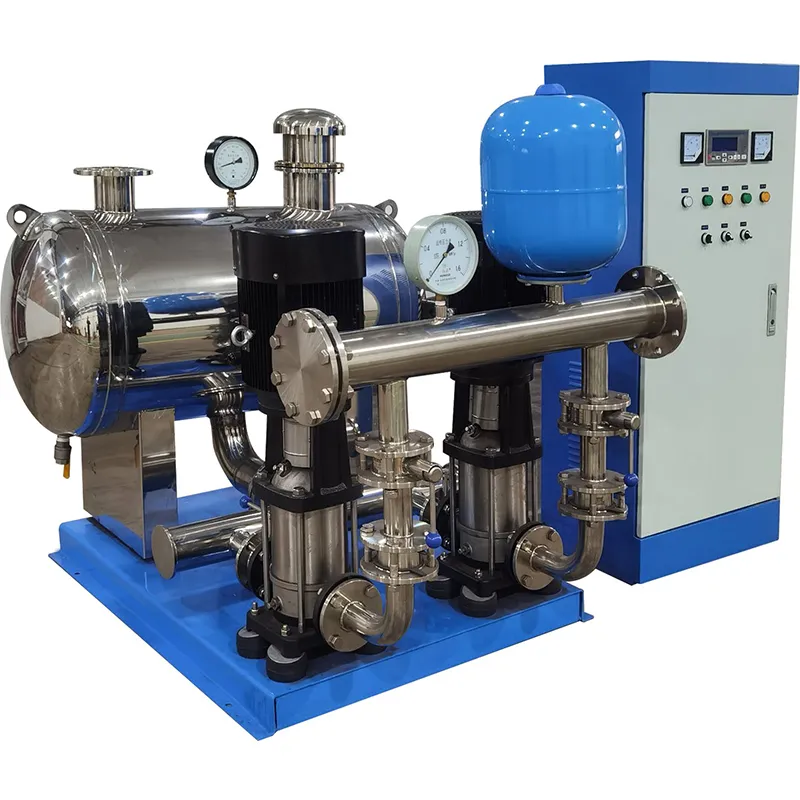 Complete water supply installations with frequency regulation and constant pressure CDLF
-
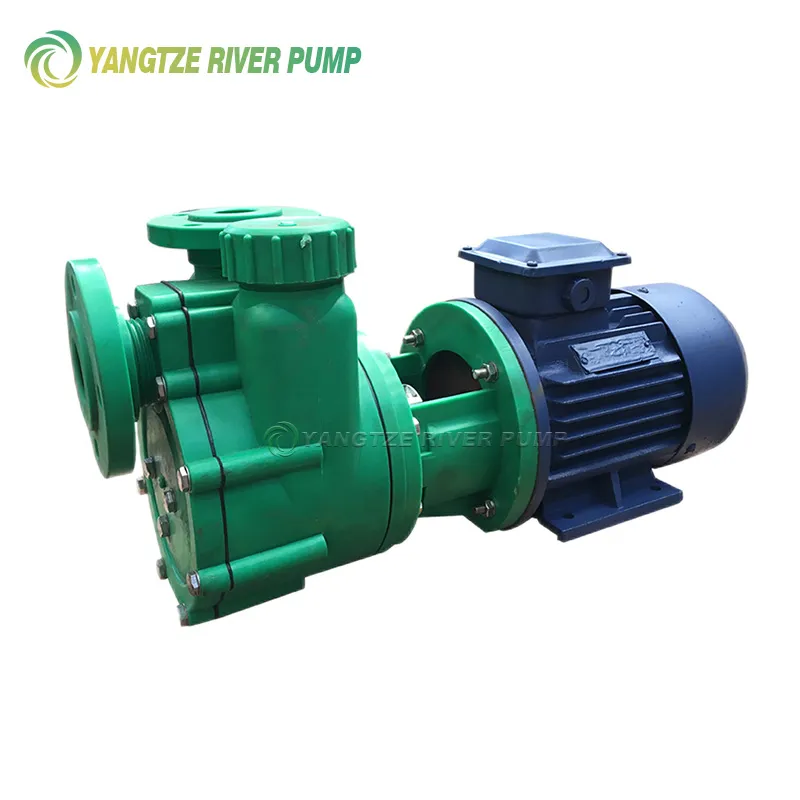 Plastic self-priming centrifugal pumps FP and FS
-
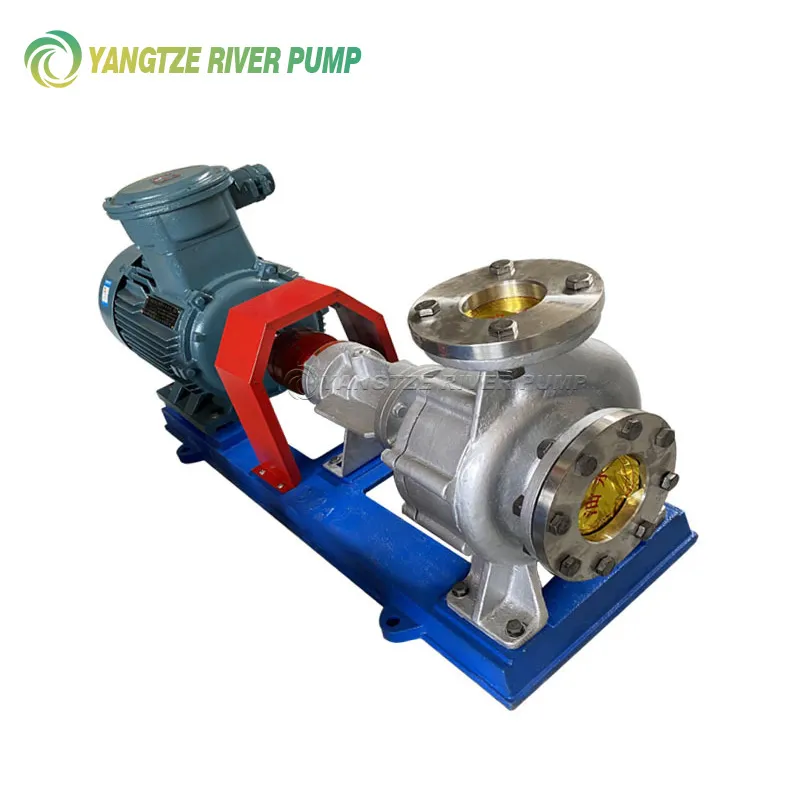 RY thermal oil pumps