







powerful deep well pumps
When they talk aboutpowerful deep well pumps, many immediately imagine a unit that simply pumps a lot of water from great depths. But this is where the main pitfall lies - the race for abstract “power?” without understanding how it is implemented in specific conditions. I often come across the fact that the customer asks for “the most powerful?” for a well of 50 meters, and then suffers from excessive energy consumption and constant breakdowns due to incorrect selection. Power is not only the kilowatts of the engine, it is a complex: pressure, productivity, type of impeller, material and, what is critical, stability of characteristics during long-term operation in an aggressive environment. It’s these nuances that are not written in glossy catalogues, but which decide everything in practice, and I want to speculate.
Where is the dog buried? in the design of a powerful well pump
If we take exactlydeep well pumpsfor industrial or municipal needs, then the classic centrifugal multi-stage principle is the basis. But it's not that simple. It is important how these steps are balanced. I have seen pumps where, to achieve high pressure, they simply added more stages, but without proper hydraulic calculations. The result is vibration, shaft overload at medium speeds and rapid wear. In a good powerful pump, each stage is not a clone of the previous one, but an element of a single system where the flow is redistributed optimally. It is on these principles, by the way, that manufacturers like Zhejiang Yangtzejiang Pumping Industry LLC build their product lines, which have multi-stage centrifugal pumps for deep wells in their product range. This is not an advertisement, but a statement: I saw their products in operation at one of the water supply facilities, and noticed the fairly quiet operation with serious performance.
The material of the flow part is a different story. For powerful units operating at great depths, stainless steel is no longer a premium, but a must-have. Especially if the water is highly mineralized. Plastic, even reinforced, for a constant load of tens of cubic meters per hour is a risk. I remember an incident at a quarry: they installed a powerful pump with composite impellers and promised a long service life. And after three months, the abrasive suspension simply “ate” shoulder blades I had to urgently change it to a version with wear-resistant steel wheels. So the power must be supported by an appropriate resource.
And another point that is often forgotten is engine cooling. Bpowerful deep-well pumpsthe motor can be quite large, and if it is not completely immersed in the water flow or operates at a shallow depth, it overheats. Good models have built-in protection against “dry running”. and thermal protection, but this increases complexity and cost. Sometimes it is cheaper to correctly calculate the installation depth than to rely only on automation.
Polar opinions in the industry and personal experience
There are two camps in the community. Some believe that deep wells require only importedpowerful deep well pumps, they say, the assembly accuracy is higher there and the materials are better. Others - that domestic and some Asian manufacturers have already caught up in quality, but in terms of price and availability of service - are completely bypassed. The truth, as usual, is in the middle. Yes, European brands set a high bar for reliability. But I have also seen their failures due to improper installation. And vice versa - I worked with pumps from the same Zhejiang Yangzijiang Pumping Industry LLC (their website, by the way, is yangtzeriverpump.ru, where you can see technical details for multi-stage and submersible models), which fulfilled the warranty period in difficult conditions without any problems. Their trump card is often in adapting the design to different water parameters, which is critically important for Russia with its variety of wells.
From a personal archive: there was a project to supply water to the village from an artesian well 120 meters away. They set a very expensive Italiandeep well pump. Everything was perfect... until the flood season began and a fine suspension of sand got into the water. The pump, not designed for abrasive, failed within two weeks. Expensive repair, simple. We switched to a less famous, but more universal unit with reinforced oil seals and wheels - it has been working for the fifth year, with annual service, of course. Conclusion: blind faith in a brand is a bad advisor. You need to look at passport data that corresponds to real conditions, and not at a beautiful name.
By the way, about the service. This is what kills any, even the most advanced technology. A powerful pump is not a household pump; it needs to be serviced. And here, the presence of a manufacturer’s service center in the country or region, like the mentioned company with a full cycle from R&D to service, is a huge plus. Waiting a month for spare parts from abroad when the village is left without water is a force majeure that no one needs.
Practical rakes: what to look for when selecting and installing
So, let's say we choosepowerful deep well pump. The first and most trivial thing is the real, not theoretical, flow rate of the well. It often happens that a well produces 5 cubic meters per hour, and the pump pumps 10. The result is drainage, “dry” operation. and instant failure. You always need to provide a performance margin, but not a huge one, but a reasonable one.
The second is power supply. Three-phase motors for really powerful models are the norm. But many remote sites only have 220V. Then you need to either look for special models with converters (which is difficult and expensive), or install a separate line. This is a planning and budgeting issue that is often overlooked.
Third - installation. It would seem that I lowered it on a cable, connected the cable and pipe - ready. But if the pump is powerful, and the cable or supply pipe (especially at great depths) is not designed for its weight + dynamic loads, a break may occur. I saw how he “drowned” almost new unit due to cable corrosion. Now I always insist on stainless steel rope and safety rope, as well as on the use of high-quality pipes that can withstand pressure.
Where the industry is heading: unobvious trends
Nowadays there is a lot of talk about “smart” people. pumps with sensors and remote control. Forpowerful deep-well pumpsthis is certainly relevant, especially in automatic water supply or irrigation systems. The ability to remotely monitor pressure, consumption, engine temperature and even vibration is no longer a fantasy. But here I am a little skeptic: any electronics deep in the well is an additional point of vulnerability. Reliable mechanics and correct hydraulic calculations are still more important.
A more realistic and useful trend is increasing efficiency. Energy is becoming more expensive, and even small gains in efficiency due to optimized blade shapes or the use of new seals provide huge savings over the years of operation. Some manufacturers, including full-cycle companies like ours, are actively working in this direction in their R&D departments. This is not marketing, but a necessity.
Another point is unification. Previously, a unique pump was looked for for each task. Now the trend is to create a line where on one basic platform (body, shaft) you can, by changing the number of stages and the type of wheel, get a unit for different pressure and flow parameters. This is convenient for both the manufacturer and the end user in terms of maintainability and availability of spare parts.
Instead of a conclusion: thinking out loud
Working withpowerful deep-well pumps- it's always a balance. Balance between required parameters and budget, between reliability and complexity, between “the best?” and “the most suitable?”. There is no perfect pump for all occasions. There is a competent selection for a specific well, taking into account water chemistry, operating mode and maintenance capabilities.
That is why I always advise not to buy a “pig in a poke”, but to study the technical documentation, consult with the manufacturer’s engineers (if they are, of course, available, as in full-service companies) and, if possible, look at real reviews from similar objects. Water is a critical resource, and the pump that lifts it must be not just “powerful,” but a truly working and durable tool. Everything else is secondary.
Correspondingproducts
Related Products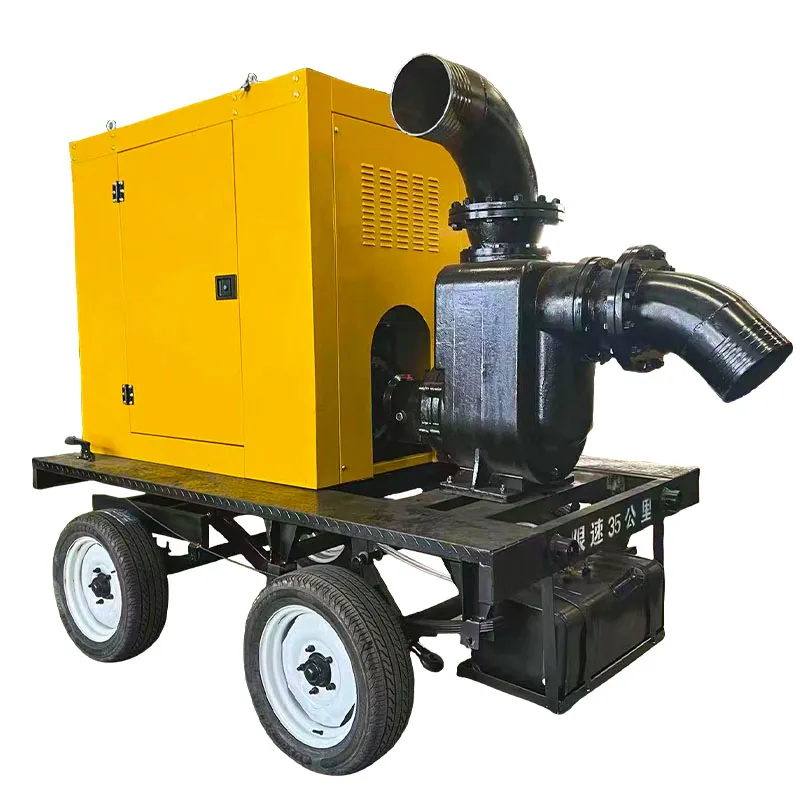
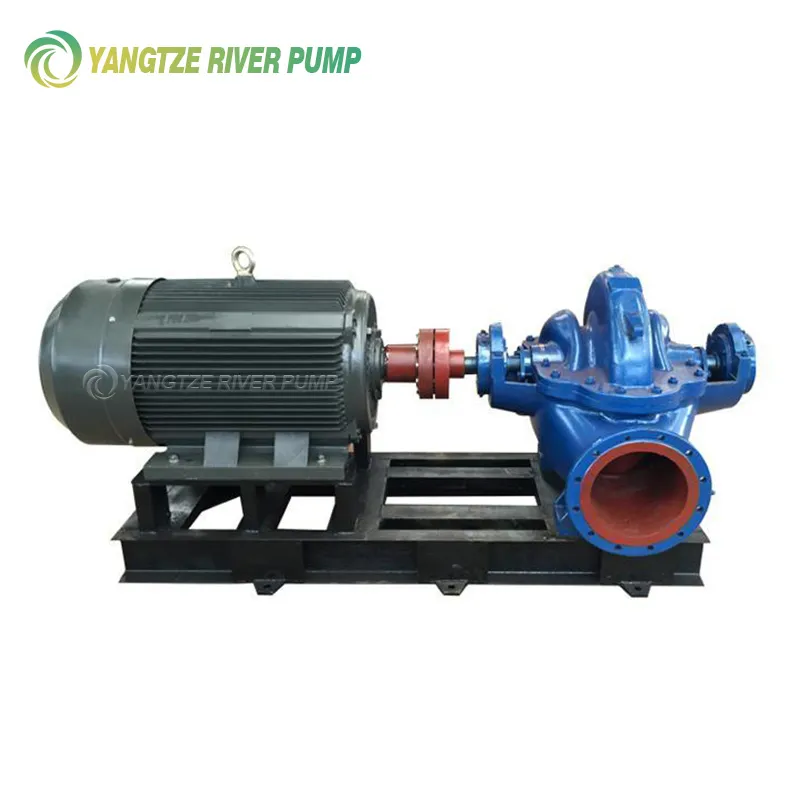
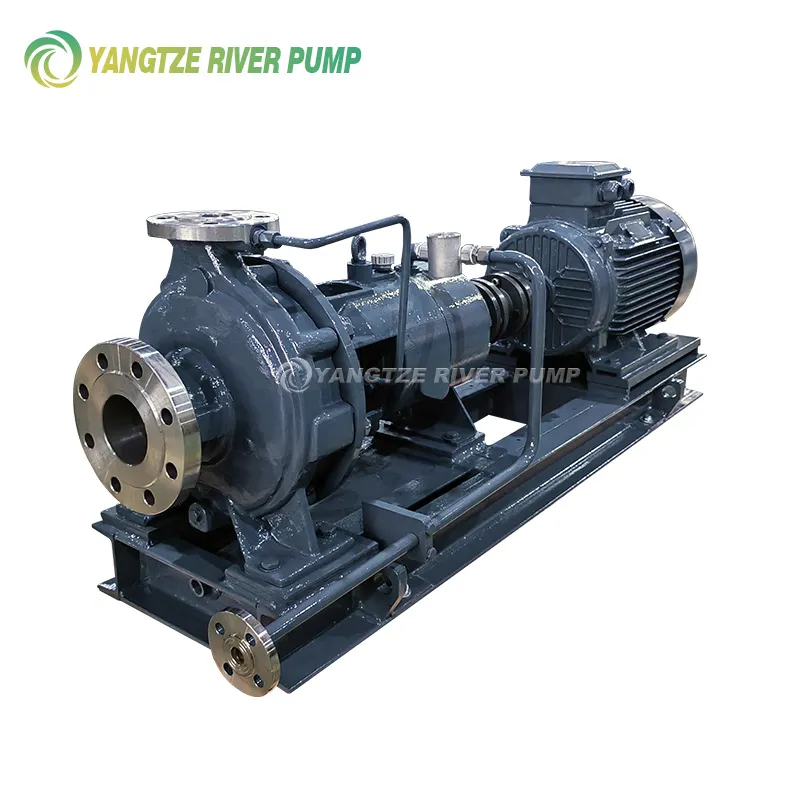
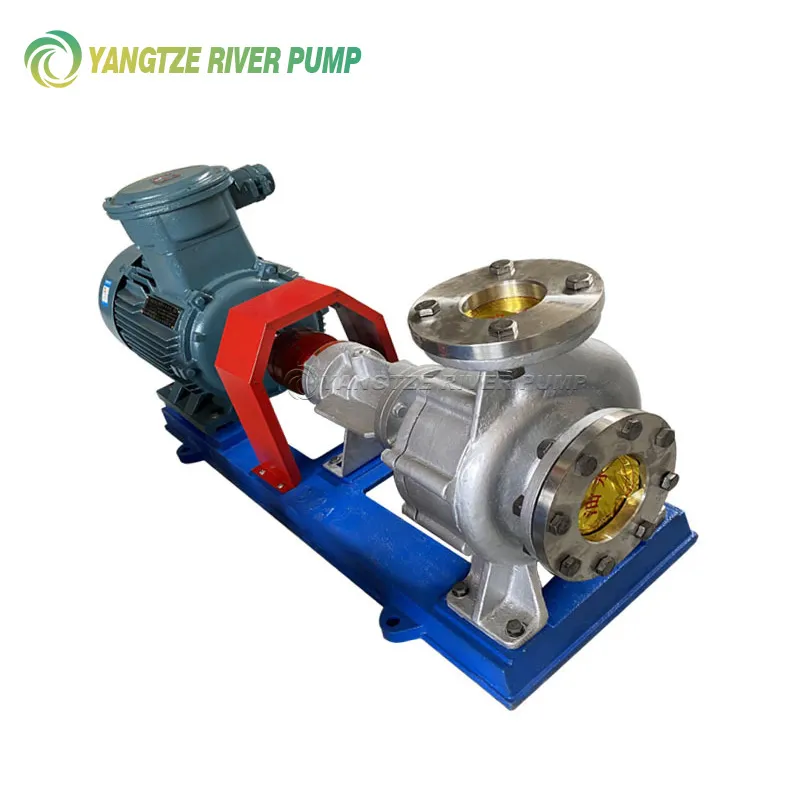

Best Sellingproducts
Best Selling Products-
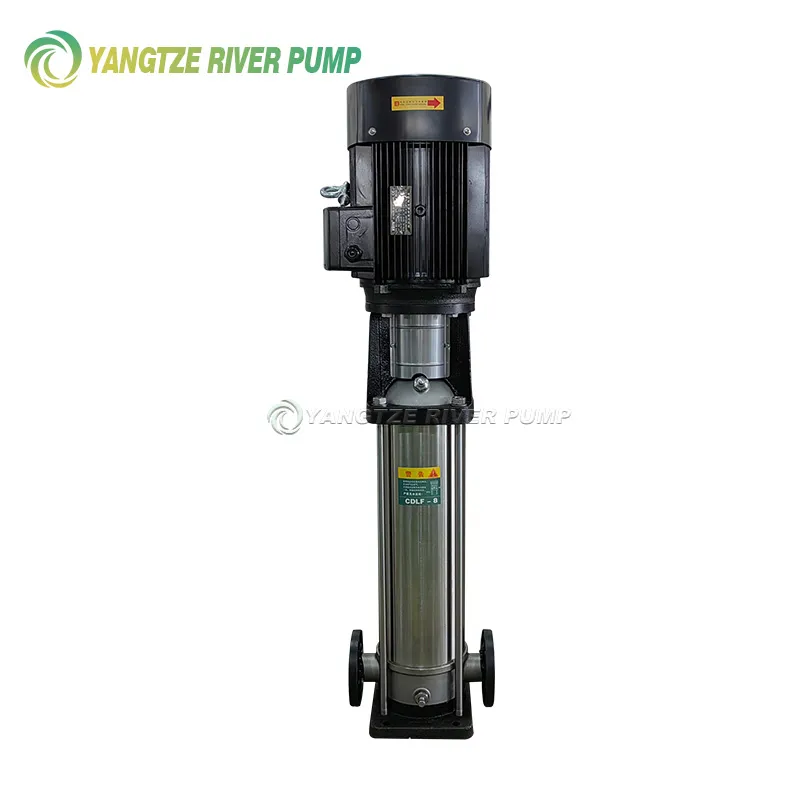 Vertical multistage centrifugal pumps made of stainless steel (light series) CDL and CDLF
-
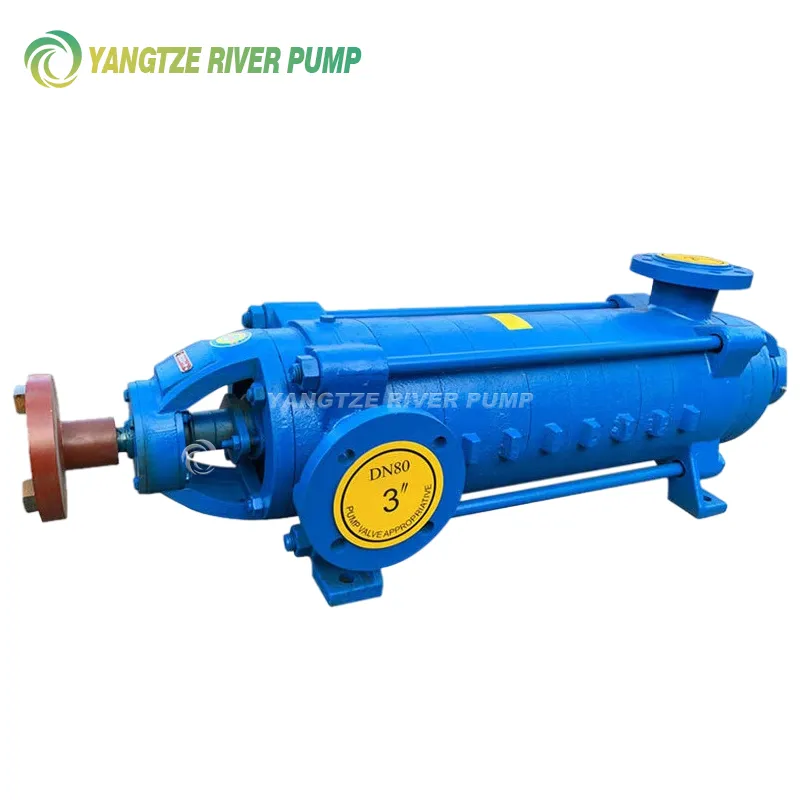 Horizontal multistage centrifugal pumps type D
-
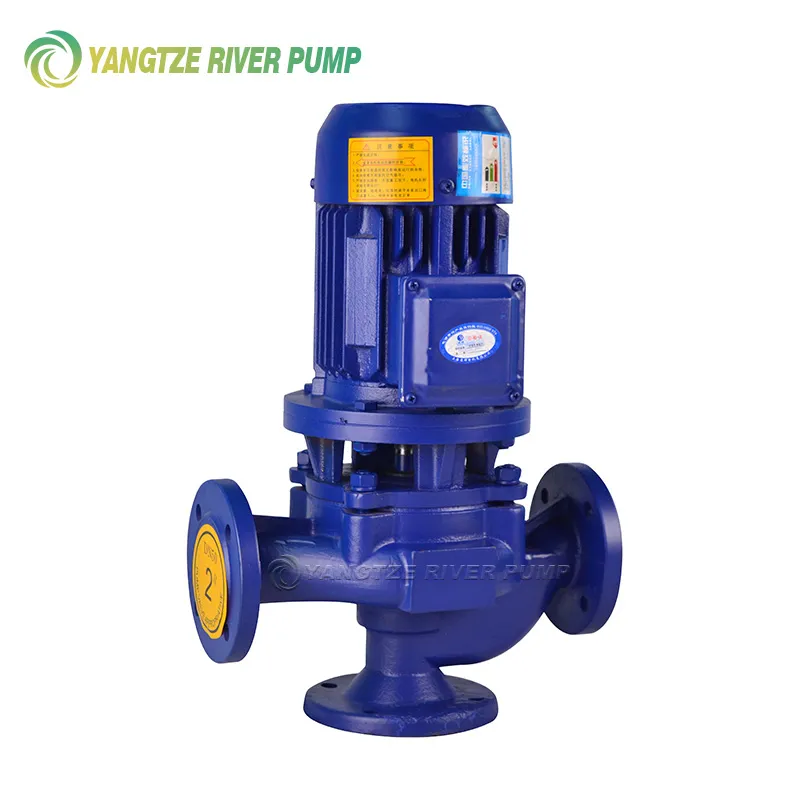 Pipeline wastewater pumps GW
-
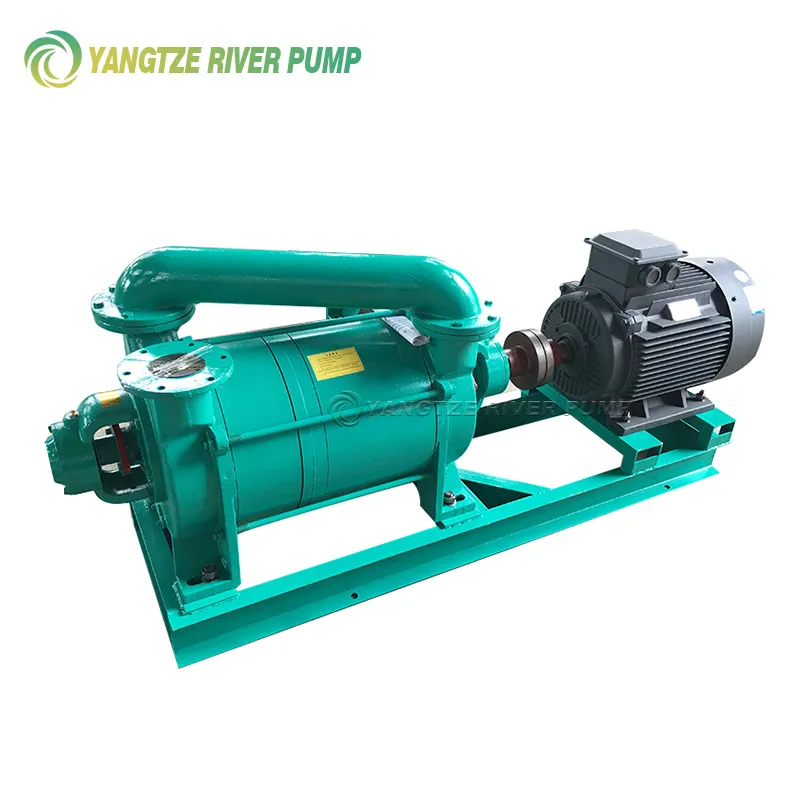 Liquid ring vacuum pumps type 2SK
-
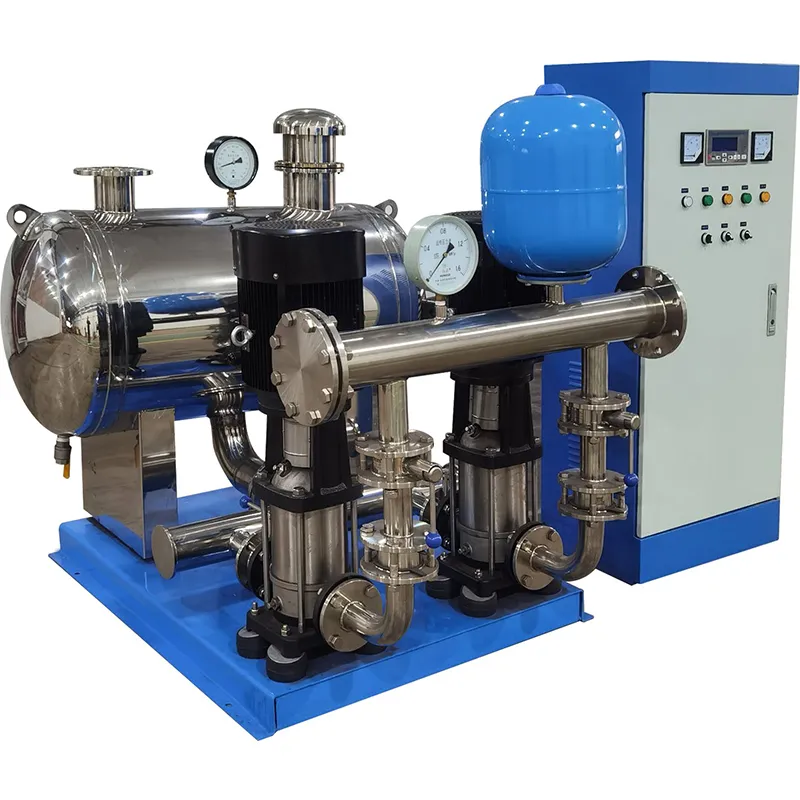 Complete water supply installations with frequency regulation and constant pressure CDLF
-
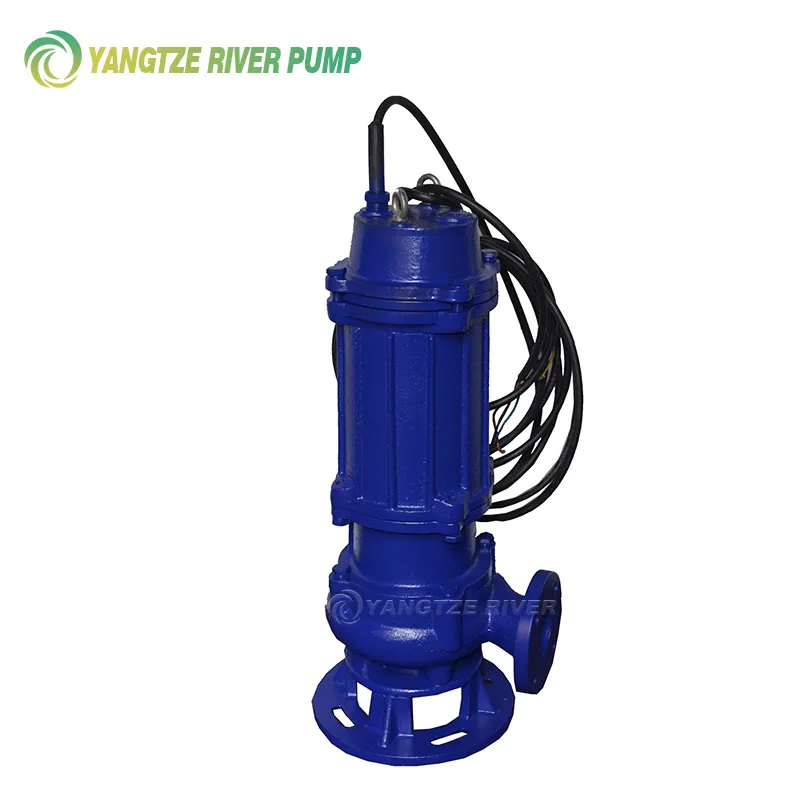 QW Non-clogging Submersible Sewage Pumps
-
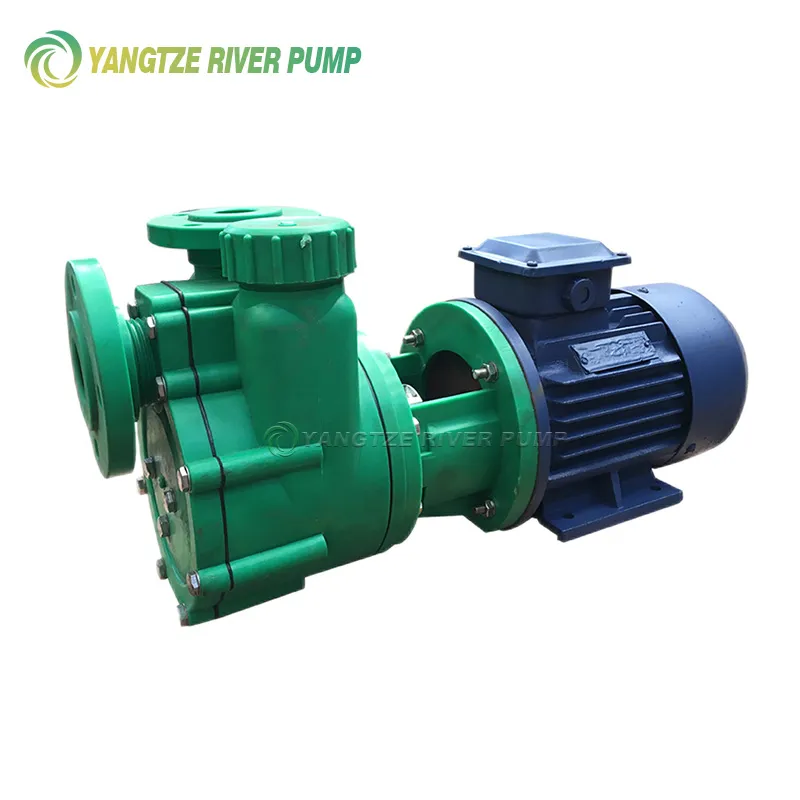 Plastic self-priming centrifugal pumps FP and FS
-
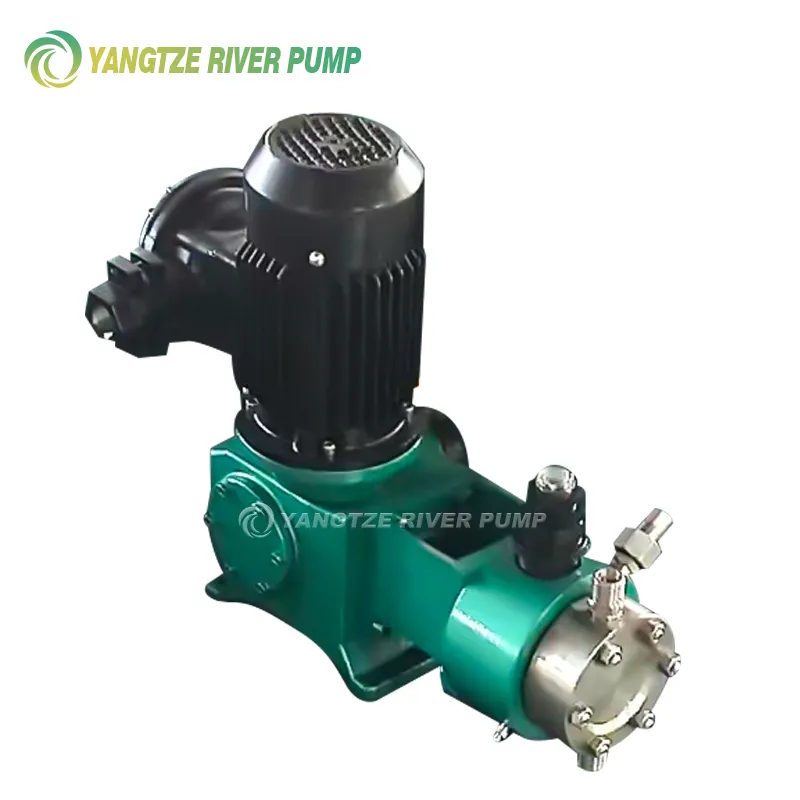 Plunger dosing pumps type DZ-X
-
 YCB Type Circular Gear Pumps
-
 IH Stainless Steel Chemical Centrifugal Pumps
-
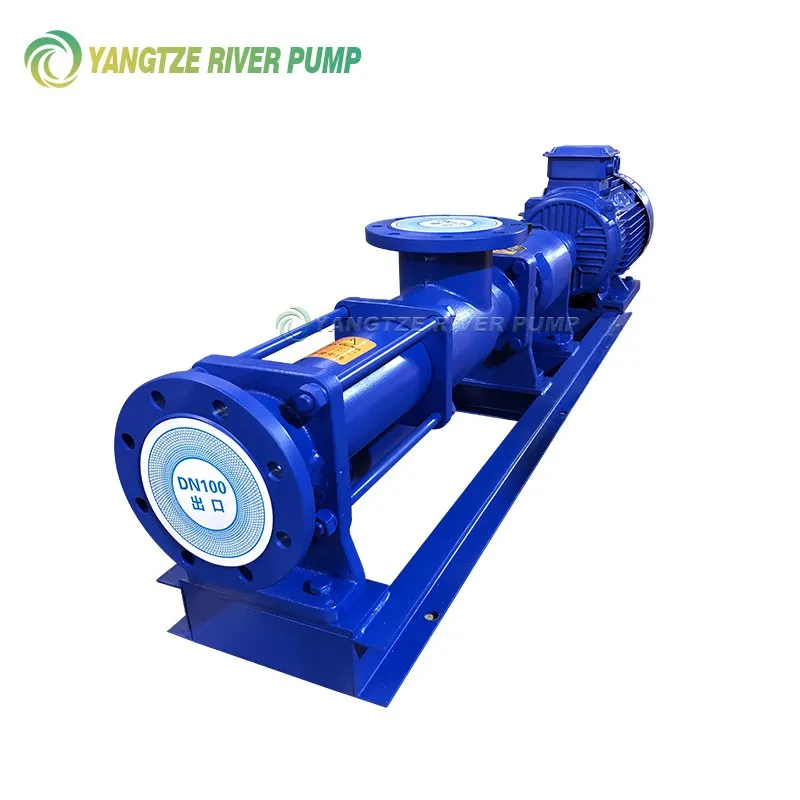 Single screw pumps type G
-
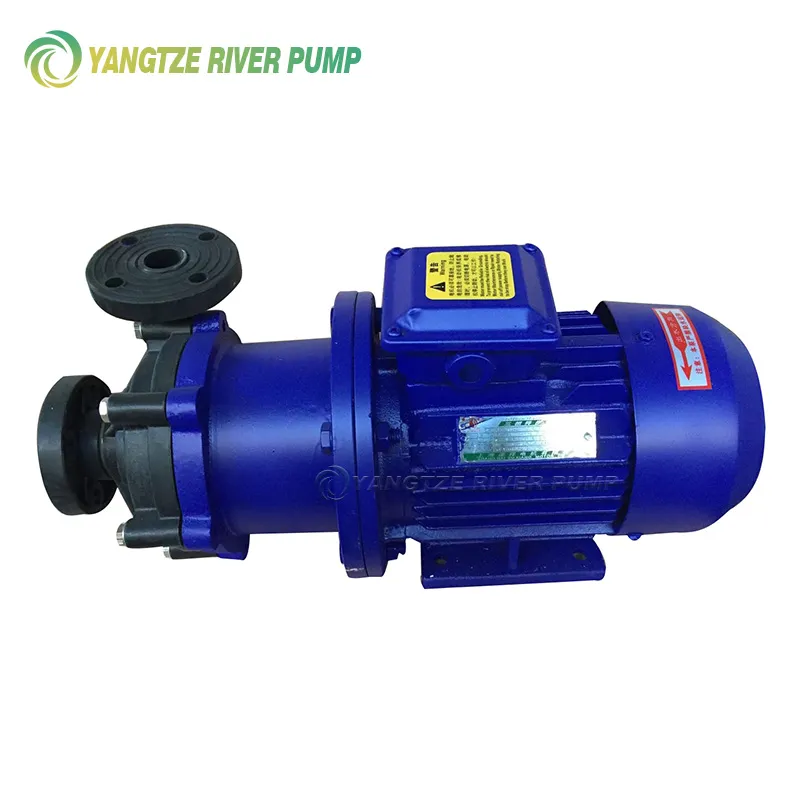 CQF Plastic Magnetic Pumps