







centrifugal pumps 3 inches
When they talk aboutcentrifugal pumps 3 inches, many people immediately think about the connecting size and that’s it. But in practice, this is a whole class of equipment with a lot of nuances - from pressure and flow characteristics, which can vary greatly between different models with the same “three-inch” pipe, to the design features of the impeller, which determine whether the unit can cope with an abrasive suspension or will only pump clean water. A common mistake is to select only by diameter, without delving into the H-Q charts. I myself have seen more than once how a pump is installed at a site, which seems to fit the dimensions, but does not provide the required pressure - you have to redo the piping or change the equipment. It is these pitfalls that I would like to speculate on, based on what I saw and collected in production.
Why exactly 3 inches? Context of application
This caliber is often used in irrigation, water supply to small towns or for pumping in process lines. DN80 pipe is a common standard. But here it is important to look at performance. Relatively speaking,centrifugal pump 3 inchesfrom one manufacturer can produce 50 cubic meters per hour, and from another - all 80, with comparable pressure. It all comes down to hydraulics. In our practice onhttps://www.yangtzeriverpump.ruWe clearly monitor this: for single-stage models of the ISG series, for example, we offer several options for impellers under one housing in order to select the characteristics for a specific task, and not sell “what is available.”
Another point is the material. Cast iron is suitable for water, but if we are talking about a chemically active environment, even in agriculture (fertilizers, pesticides), you need a stainless alloy or a plastic case. We have plastic chemical pumps in our assortment, which often come in exactly these sizes. But they cannot be placed on contaminated liquids - the abrasive will quickly kill them. This is to the question that size is only the entry point into a dialogue with the customer.
There was a case during the installation of an irrigation system: the customer required exactly a 3-inch suction and a pressure of about 40 meters. We looked at standard single-stage ones - they didn’t work. It was necessary to propose a compact multistage centrifugal pump, which, with the same connection, gave the required pressure due to sequential wheels. At first the client resisted - they say it’s more complicated and more expensive. But when they explained that otherwise they would have to install two pumps in cascade or change the pipeline to a larger diameter one, he agreed. Now it works, makes a little more noise, but completes its task.
Design subtleties that affect service life
Here we can talk for a long time about seals. Forcentrifugal pumps 3 inchesThere is often a choice between a gland packing and a mechanical mechanical seal. The first option is cheaper and repairable in the field, but requires tightening and may cause minor dripping. The second one is sealed, but if solid particles enter, it fails instantly and requires replacement entirely. On production lines where we test equipment, we always ask the customer: is the environment clean? Is there a risk of dry running? The recommendation depends on this. Sometimes it is more profitable to install a seal with flushing - and easier to maintain.
Bearing units are another item. Inexpensive models often have plain bearings, which are critical to lubrication and cleanliness. For round-the-clock operation, for example, in a recirculation system, it is better to look for an option with roller bearings, even if the housing is more massive. I remember that at one of the facilities for pumping process water, the lubricant was washed out within a couple of months - overheating and vibration began. We had to urgently stop and change the unit. Now we always focus on this when discussing performance characteristics.
And, of course, the impeller itself. Closed, half-open, open. For clean water - closed, higher efficiency. For media with fibers or small inclusions (drainage, wastewater without large debris) - semi-open, less likely to jam. But a half-open wheel usually has a drop in pressure characteristics. It's always a compromise. Our multi-stage clean water centrifugal pumps use strictly enclosed stainless steel wheels - otherwise the stages will not work together effectively.
Installation and operation: where mistakes are most often made
The most common problem is incorrect suction trim. A long horizontal section without a slope towards the pump, the presence of interfering fittings directly in front of the inlet pipe. For3 inch centrifugal pumpswith their performance this is critical - cavitation phenomena, noise, and a drop in power may occur. We recommend a straight section of at least 5-6 diameters in front of the pump. In practice, they often squeeze equipment in wherever they can, then wonder why it hums and quickly breaks down.
Electrics. It would seem trivial, but they often save on the cable cross-section or install automation that does not correspond to the starting currents. With a 7.5 kW motor, which is often installed on such pumps, the starting current can be serious. A weak contactor will burn out. I myself saw how the “machine gun” was knocked out every few days until it was replaced with the appropriate denomination. Now in the documentation for our units we include this as a separate paragraph in bold.
Service that is forgotten. Regular checking of vibration acoustics, tightening of foundation bolts (especially after the first 50-100 hours of operation), monitoring bearing temperatures. This is not just a theory. One of the self-priming pumps we supplied (also 3-inch, by the way) started experiencing increased vibration after six months. It turned out that the foundation frame had shrunk and the fastening had weakened. They tightened it up and everything returned to normal. It’s a small thing, but if you miss it, it leads to serious damage.
Comparison with other types on the same connection
Sometimes the problem they are trying to solvecentrifugal pump 3 inches, is better solved by an apparatus of a different operating principle. For example, for viscous liquids (such as sludge, thick suspensions), a centrifugal will be ineffective - a screw (single-screw) pump is needed. In ourZhejiang Yangzijiang Pumping Industry Co.,Ltdthere is just a production line for them, so comparisons arise constantly. Centrifugal - for large volumes and relatively low pressures (not to mention multi-stage ones). Screw - for lower productivity, but high pressure and viscous media.
Or the story with magnetic pumps (we also make them). If hazardous, toxic or expensive media are pumped, where absolute tightness is important, then a magnetic coupling instead of a mechanical seal is the best solution. There are basically no leaks. But their efficiency is lower than that of a classic centrifugal one, and they are sensitive to overheating. Therefore, the choice always depends on specific conditions. Blindly taking 'three inches' is not an option.
Submersible options. For wells or wells, submersible pumps of the same diameter are often used. But this is a completely different design, long and narrow. They cannot be installed for pumping from open tanks. Confusion arises when the customer says “a 3-inch pump is needed,” but means a well pump. We have to clarify, find out the context.
A look from the workshop: how we assemble and test
With our eight production lines integrating R&D, production and testing, our approach to assemblycentrifugal pumps, including 3-inch ones, quite hard. Each impeller is dynamically balanced. This is not for show - an unbalanced wheel at 2900 rpm will create vibration that will break seals and bearings in a matter of months. After assembly, each unit (not selectively, but each) is tested on a test bench. We take actual characteristics, build a graph, and compare them with the passport data.
It happened that the test revealed a slight deviation - for example, the pressure was 1-2 meters lower than the calculated one. They sorted it out and looked for the reason. Sometimes there is a microscopic hole in the casting of the body, sometimes there is a slight deviation in the geometry of the blade. Corrected. This is important for us, because our reputation is built on the fact that the stated figures correspond to the real ones. The client, having received the pump, must be sure that it will deliver what is expected of it.
That is why we do not chase giant circulations at the expense of control. It is better to do less, but so that the equipment is shipped with complete confidence in its operation. This is especially true for multi-stage models, where assembly accuracy is critical. A difference in the alignment of the shafts between stages, even by a fraction of a millimeter, leads to losses and noise. This is given special attention on the assembly line.
Final thoughts: Don't be afraid to ask questions
In the end it's a choicecentrifugal pump 3 inches- This is not buying goods off the shelf. This is a technical solution. And the more questions the customer asks himself and the supplier (about the environment, about the operating mode, about redundancy, about the possibility of on-site service), the more accurate the result will be. Our role as a manufacturer is not just to sell hardware, but to help you choose a solution that will work for years. Sometimes it may not be the most expensive or most standard option from the catalog.
The main thing is to avoid stereotyped thinking. '3 inches' is a starting point, not an end point. You need to look deeper: at the pressure curve, at the material of the flow part, at the type of seal, at installation recommendations. Only then will the installation be effective and durable. The experience, including the negative one, that has been accumulated at the facilities and in the testing center, is precisely what is needed in order to anticipate these nuances and talk about them.
So, going back to the beginning: yes,centrifugal pumps 3 inchesis a huge and heterogeneous class. And understanding this heterogeneity is the first step towards the right choice. The rest is a matter of technology, both literally and figuratively.
Correspondingproducts
Related Products


Best Sellingproducts
Best Selling Products-
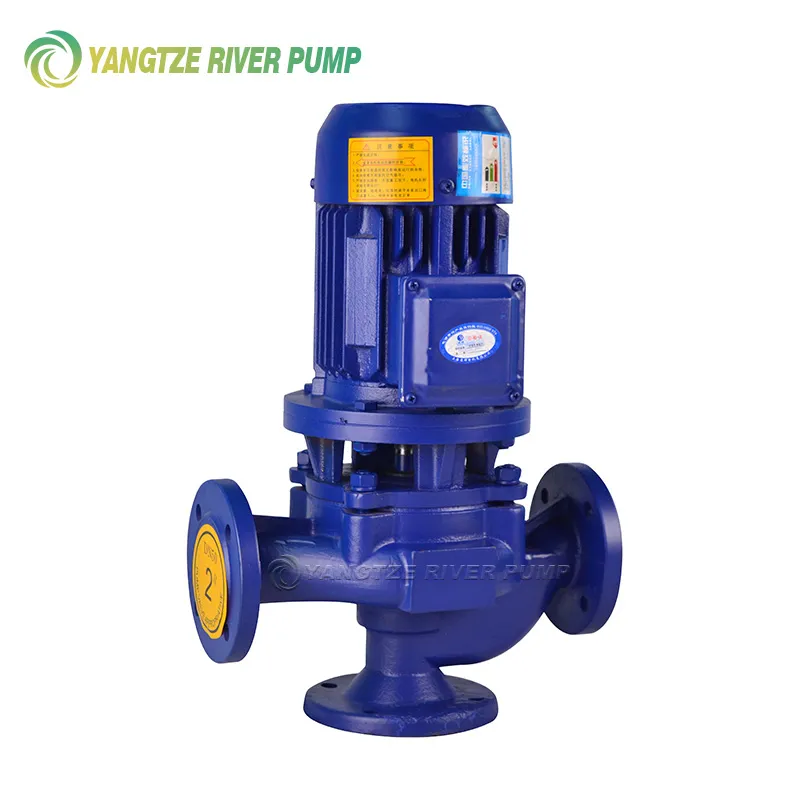 Pipeline wastewater pumps GW
-
 IH Stainless Steel Chemical Centrifugal Pumps
-
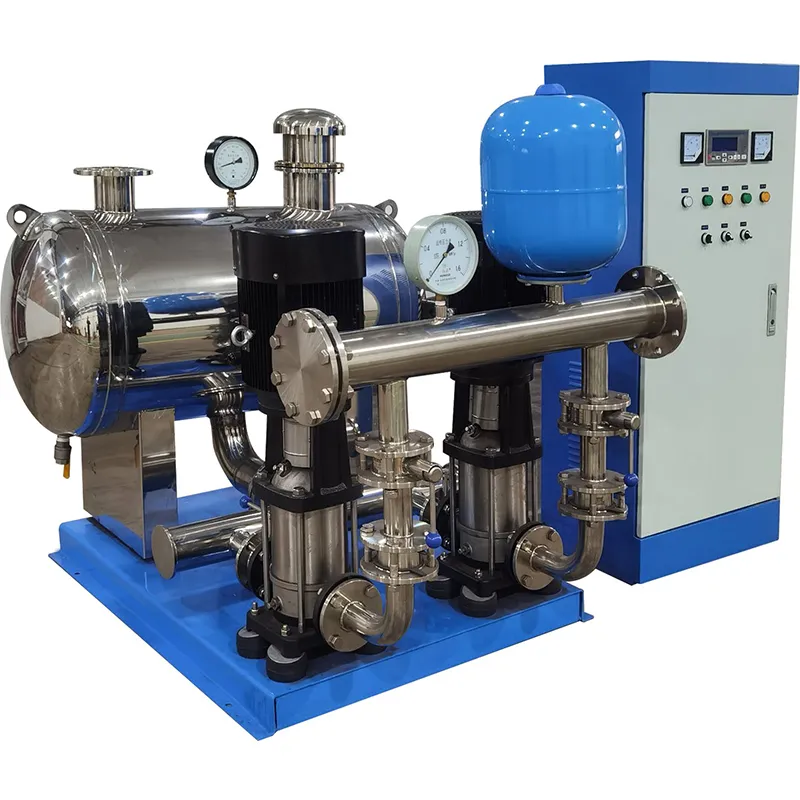 Complete water supply installations with frequency regulation and constant pressure CDLF
-
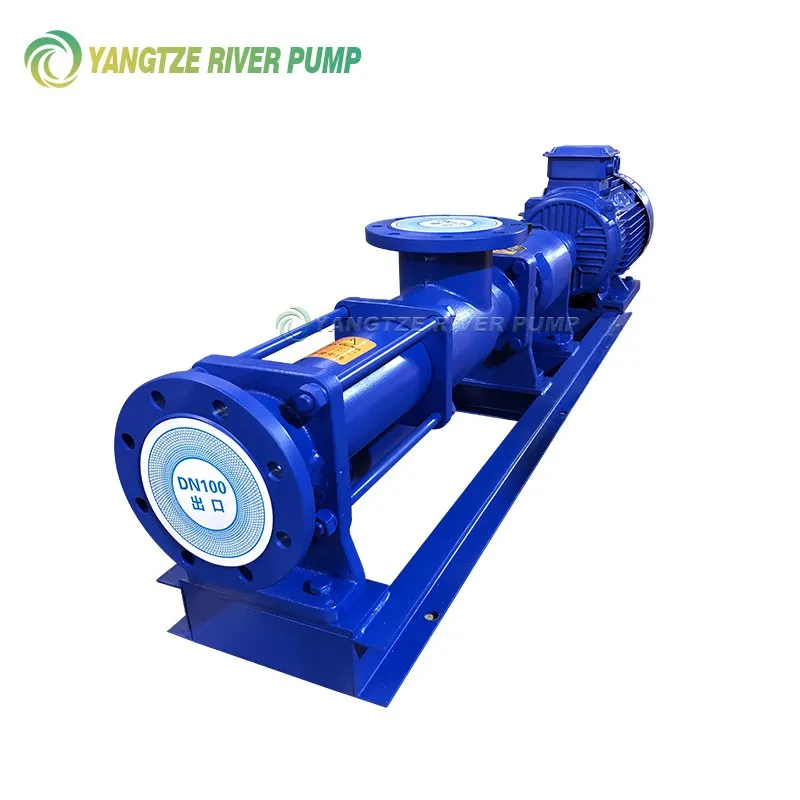 Single screw pumps type G
-
 YCB Type Circular Gear Pumps
-
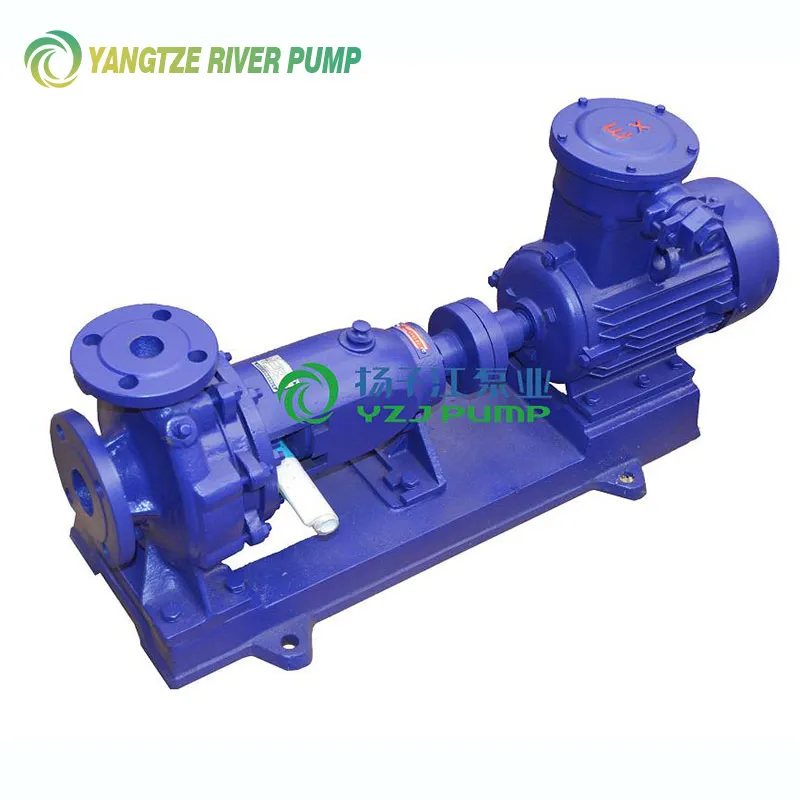 Horizontal chemical centrifugal pumps types IS and IR
-
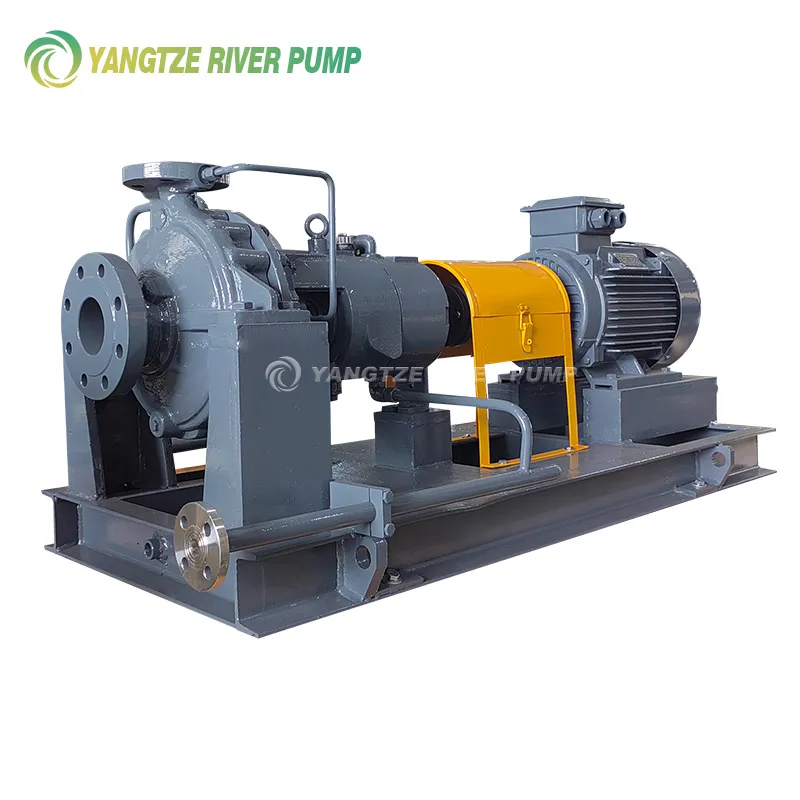 Petrochemical Process Pumps API 610 YZE
-
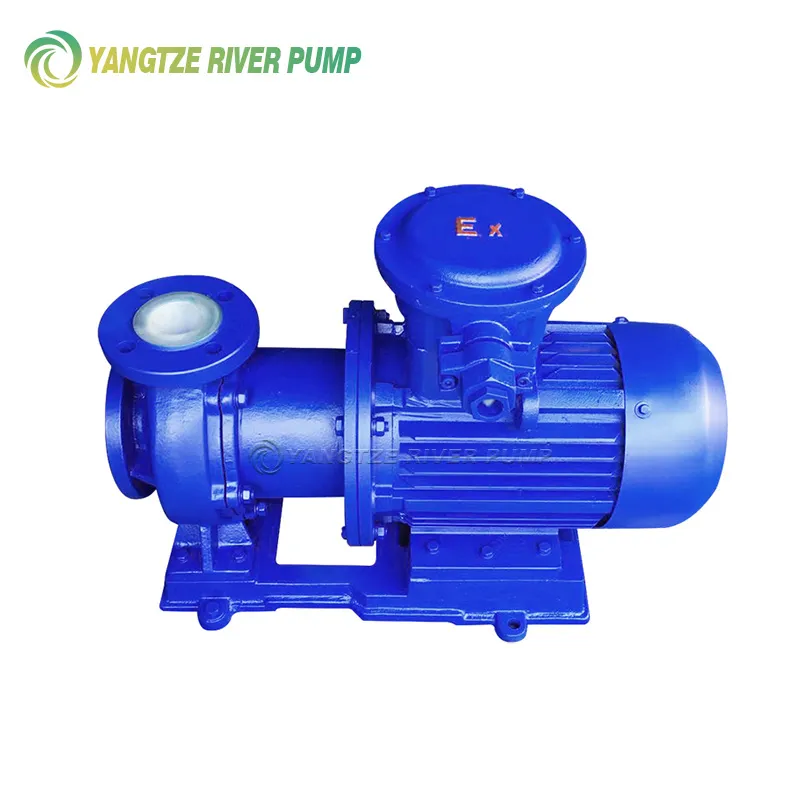 Magnetic pumps with fluoroplastic lining CQB-F
-
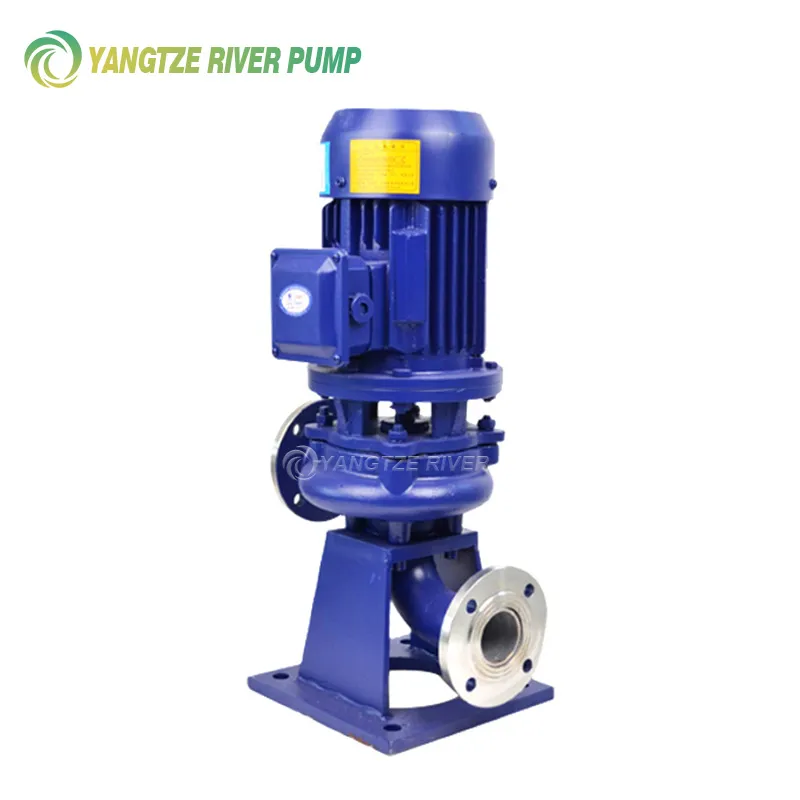 Non-clogging vertical wastewater pumps LW
-
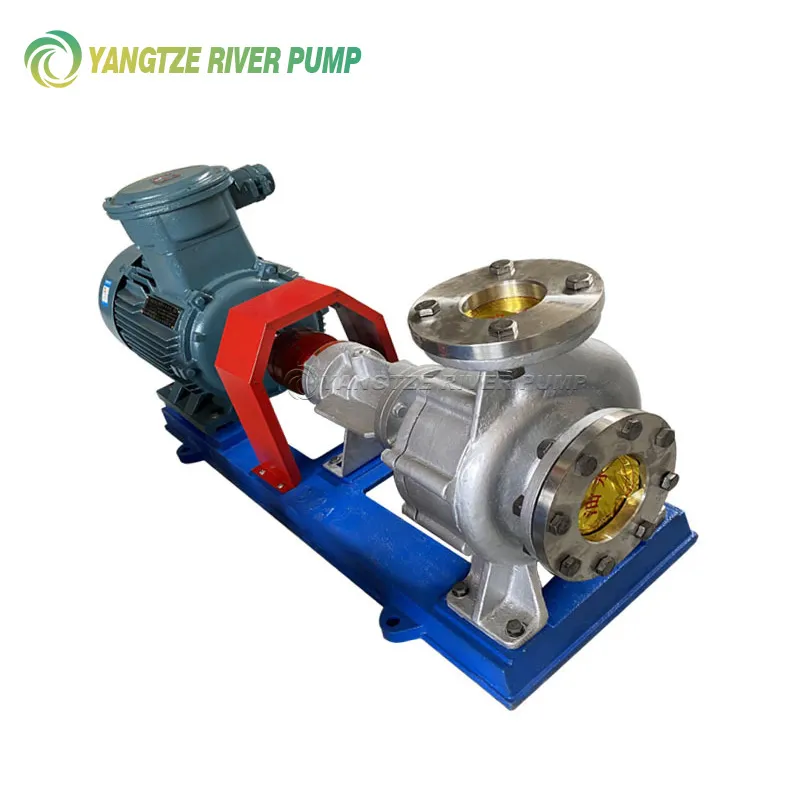 RY thermal oil pumps
-
 Sanitary screw pumps type GF
-
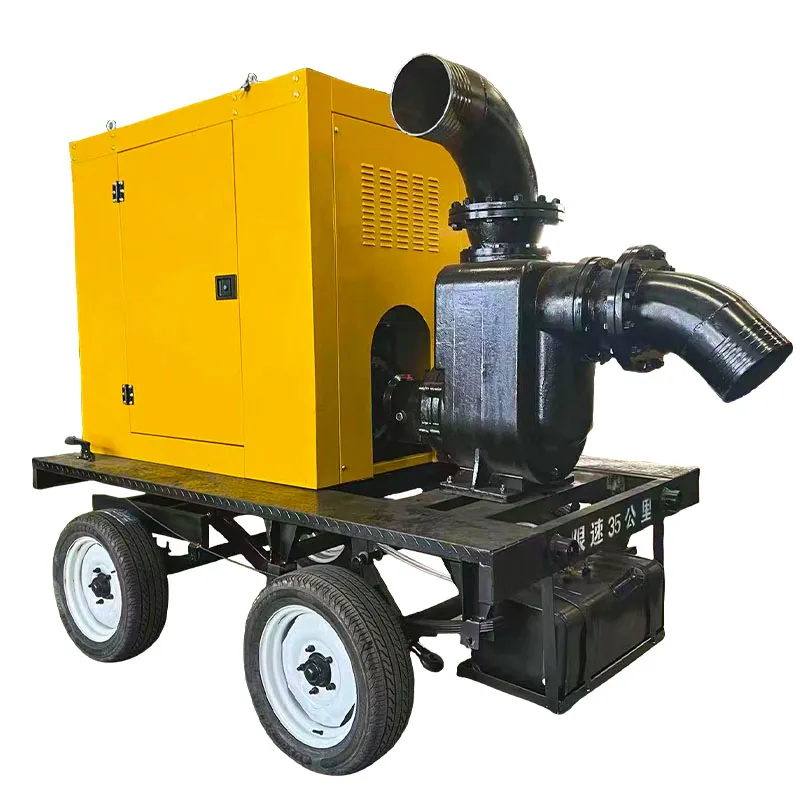 YZZW Diesel self-priming pumps