







centrifugal pump 220
When you hear “centrifugal pump 220”, the first thing that comes to mind is household models for gardening or irrigation. But therein lies the main catch. Many people think that since the power supply is 220 volts, then the pump is a simple “pump”. for water. In fact, this designation hides a huge range of equipment, from compact chemical pumps for laboratories to multi-stage systems capable of creating serious pressure. I often encounter the fact that a customer, having seen “220V” in the specification, automatically downplays the capabilities of the unit, and then wonders why he is offered something more than a plastic case with a motor.
What does ?220 really mean? in the context of a pump
Here it is necessary to separate two points: supply voltage and design. Yes, most single-phase motors are rated for 220V. But then the fun begins. The casing, impeller, seal material - this is what determines the fate of the pump. You can use a regular 220 volt linear centrifugal pump to pump clean water and it will work for years. But try to drive even a slightly aggressive medium with an abrasive through it - and ordinary cast iron or steel will begin to “melt”. before our eyes. Therefore, in our practice at the enterpriseZhejiang Yangzijiang Pumping Industry Co.,LtdWe always clarify the scope of application first, and only then look at the electrical part.
There was a case when a dosing pump was required for a small chemical workshop. The customer insisted on a simple and cheap solution, saying that the volumes were small and there was 220V voltage in the workshop. But the medium is a weak acid solution. We installed a standard centrifugal one. After three months - leakage along the shaft, corrosion of the impeller. I had to replace it with a plastic chemical pump from our range, with a ceramic/graphite mechanical seal. Yes, it is also 220V. But the ?filling? - completely different. After this incident, we even added a separate large section on the chemical composition of the pumped liquid to our customer questionnaires.
Another nuance is self-priming models. Many people believe that since the pump is centrifugal and operates at 220 volts, it must be self-priming for convenience. This is wrong. Classiccentrifugal pumprequires filling before starting. The self-priming modification is a separate design feature, with an ejector chamber or another solution. And it often comes at the expense of maximum pressure or efficiency. When choosing a pump, you always have to make a compromise: ease of starting or maximum efficiency in stationary mode.
From single-stage to multi-stage: where is the border?
When it comes to pressure above 4-5 atmospheres for a single-phase network, single-stagecentrifugal pump 220often no longer copes. Or rather, he copes, but with huge losses. The engine is running at the limit, the noise is incredible, the service life is reduced significantly. The logical solution here is a multistage pump. Several impellers on one shaft, each adding its own section of pressure. As a result, with the same 220V consumption and similar dimensions, you can get a pressure of 8, 10, or even 12 atmospheres.
But even here there are pitfalls. The multi-stage design is more sensitive to fluid purity. A grain of sand that would pass through one wheel can get stuck in the narrow flow channels between the steps. In our production, before recommending a multi-stage option, we always check the filtration data. It happened that for a well with a fine sand suspension, they ended up installing a reliable single-stage submersible pump with a large headroom, but with reinforced seals and wear-resistant impellers. He nursed his term, while the more “advanced” one a multistage one could fail due to abrasive wear.
An interesting experience was related to the selection of a pump for a pressure boosting system in a multi-storey building, where the design included a single-phase network. A pressure equivalent to 7-8 atmospheres was needed. We considered a multi-stage centrifugal one. But in the end, after analyzing the water consumption graphs, we settled on a cascade of two simpler single-stage pumps with frequency control. Why? Reliability. When one failed, the second maintained the minimum required pressure. One complex unit versus two simple ones is an eternal dilemma.
Materials: from cast iron to plastic
If we talk about the products that we produce atZhejiang Yangzijiang Pumping Industry Co.,Ltd, then the range of materials here is very wide. And this is not marketing, but a severe necessity. For water - cast iron, stainless steel. For sea water - bronze or special alloys. For chemistry - polypropylene, PVDF (polyvinylidene fluoride).
A 220V plastic chemical pump is often an ideal solution for laboratories or small production lines. Lightweight, inert to most environments, relatively inexpensive. But its main enemy is not chemistry, but mechanical action and temperature. One day a client complained about a crack in the case. It turned out that the pump was used to pump a hot solution (at 90°C), although the rated maximum was 60°C. Polypropylene “floated?”. I had to explain that for such tasks a PVDF pump is needed, and it is naturally more expensive. This is a typical story when they try to save on material without taking into account real conditions.
On the other hand, there are also opposite situations. We ordered a stainless steel pump for pumping weak alkaline solutions. From the point of view of chemical resistance - with a large margin. But from an economic point of view, it’s too much. It was also possible to use cast iron with a chemically resistant coating, which would have been cheaper. The engineer’s task is not just to sell the most durable solution, but to find the optimal solution in terms of price and durability. Sometimes you have to literally draw a graph for the client: here is the cost of a pump made of material A, its service life in your environment is X years; but made from material B, it costs less, but will last Y years. Often the choice becomes obvious.
Tests and “run-in” - you can’t live without it
On our websiteyangtzeriverpump.ruwe write that we have a full cycle, including testing. It's not for beauty. Each serial pump, especially those from new batches or non-standard designs, is run-in on a test bench. We drive it in different modes, take parameters: current consumption, vibration, noise, and check for leaks. It happens that during assembly you come across an o-ring with a microscopic defect. In cold water the leak may not appear, but when heated to operating 40-50 degrees - please.
One of the most significant cases was with a 220V magnetic pump. Sealless design, clutch via magnetic coupling. We assembled it, tested it on the water - everything was perfect. But the order was for pumping viscous oil. During repeated tests on glycerin (as a simulator), it turned out that at low temperatures (the customer worked in an unheated room), the viscosity of the medium is such that the external magnet begins to “slip” relative to internal. The motor spins, but the impeller does not. I had to quickly recalculate and install more powerful magnets. If they had shipped it “as is”, the pump would have been returned with a warranty claim in the first winter.
Therefore, now for non-standard environments we always ask the client for at least a liter or two of real liquid for testing. It is better to spend a day on additional checks than months on proceedings and reputational losses.
Service and typical breakdowns: what to look for first
Working withcentrifugal pumps 220, you can create a whole map of typical faults. And most often it is not the hardware that is to blame, but the operating conditions.
The first is “dry running”. The most common cause of failure. The pump is centrifugal, it is cooled and lubricated by the pumped liquid. Without it, the mechanical seal (oil seal) overheats in minutes, becomes deformed, and begins to leak. Next, water gets into the motor winding, causing a short circuit. The solution is flow or pressure sensors, protective relays. But many save on this “trifle”.
The second is jamming due to contamination. This is especially true for self-priming models, which are often used for dirty water from ponds or pits. There must be a filter mesh in front of the pump. Even if it’s homemade from an old saucepan. Its absence is a guarantee that a pebble or piece of algae will get clogged between the impeller and the housing.
The third is an incorrect electrical connection. It would seem that 220V is much simpler? But phase and zero for a single-phase motor are not always the same thing. There are connection diagrams with a working and starting capacitor. If you mix them up or install a capacitor of the wrong capacity, the motor will hum, but will not develop the rated speed, which will lead to overheating and a decrease in pressure. In our practice, service visits often end with a banal reassembly of the terminal box according to the diagram.
In conclusion I will say thatcentrifugal pump 220- it's not just a plug and socket. This is a whole complex of solutions where hydraulics, chemistry, and mechanics must be taken into account. An error in any of these points negates all the advantages of even the highest quality unit. The main advice I always give is: don't be shy about telling the supplier (whether it's us or someone else) ALL the details of the task. For what, where, what to download, how often, under what conditions. Then the pump will last a long time, and there will be many fewer problems.
Correspondingproducts
Related Products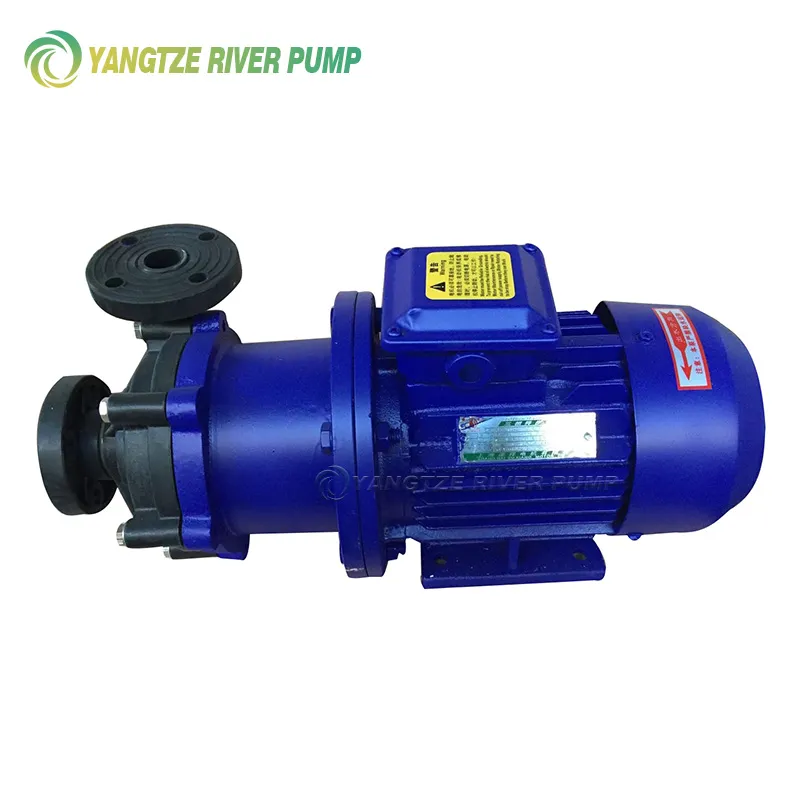

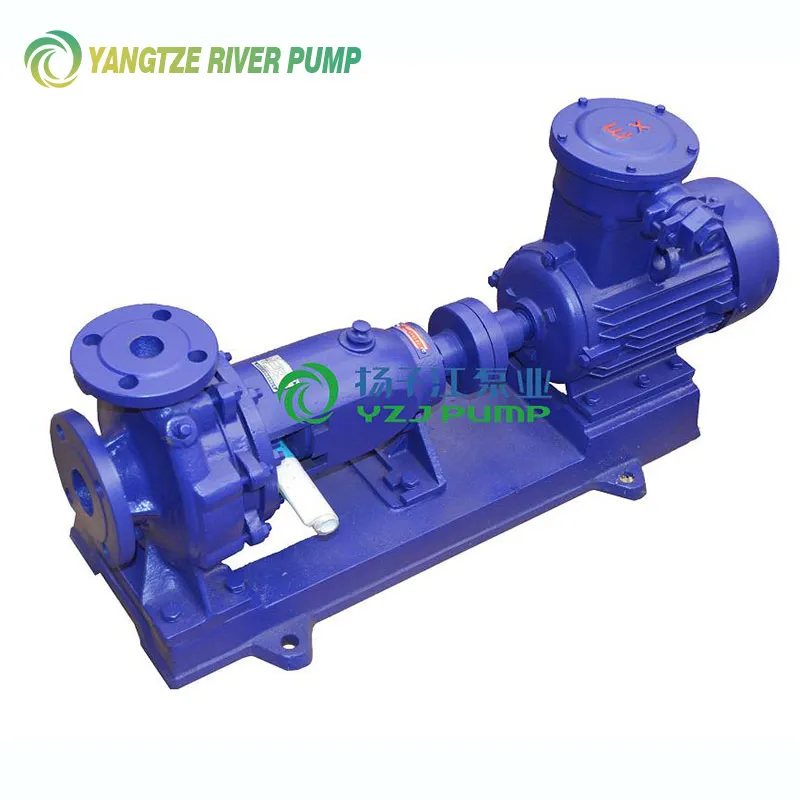
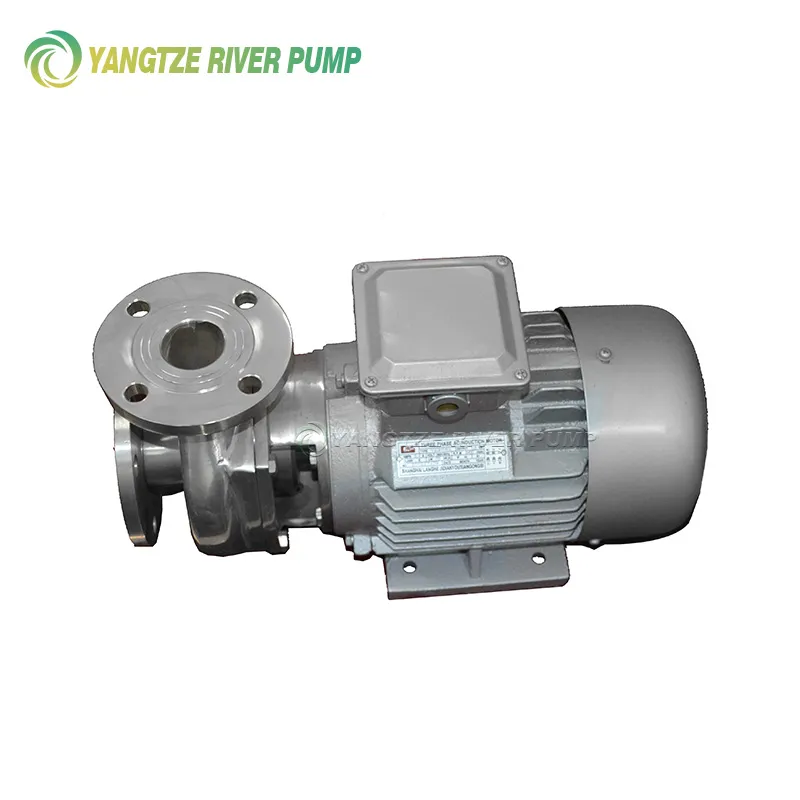

Best Sellingproducts
Best Selling Products-
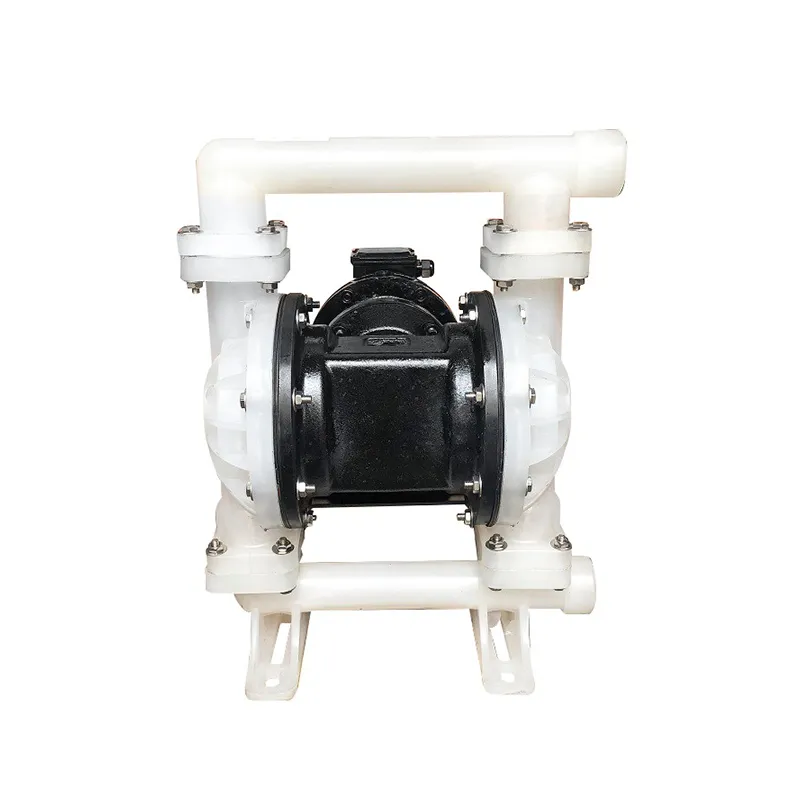 DBY Non-Metallic Electric Diaphragm Pumps
-
 Metal pneumatic diaphragm pumps QBK
-
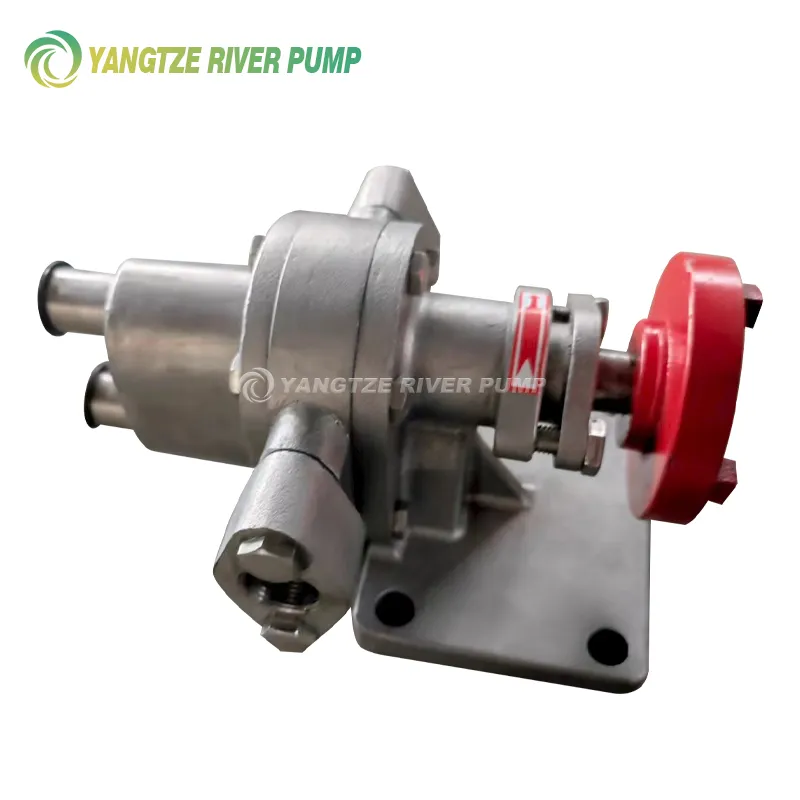 Gear oil pumps type KCB
-
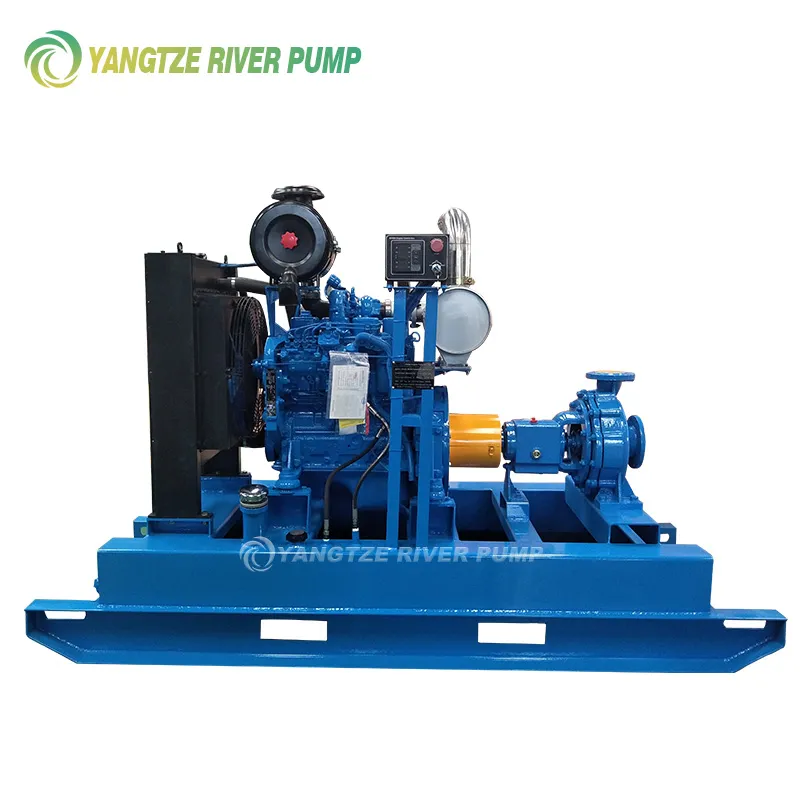 YZIS Diesel Single Stage Centrifugal Pumps
-
 Mechanical diaphragm dosing pumps DJ-D
-
 Infinitely variable screw pumps type G
-
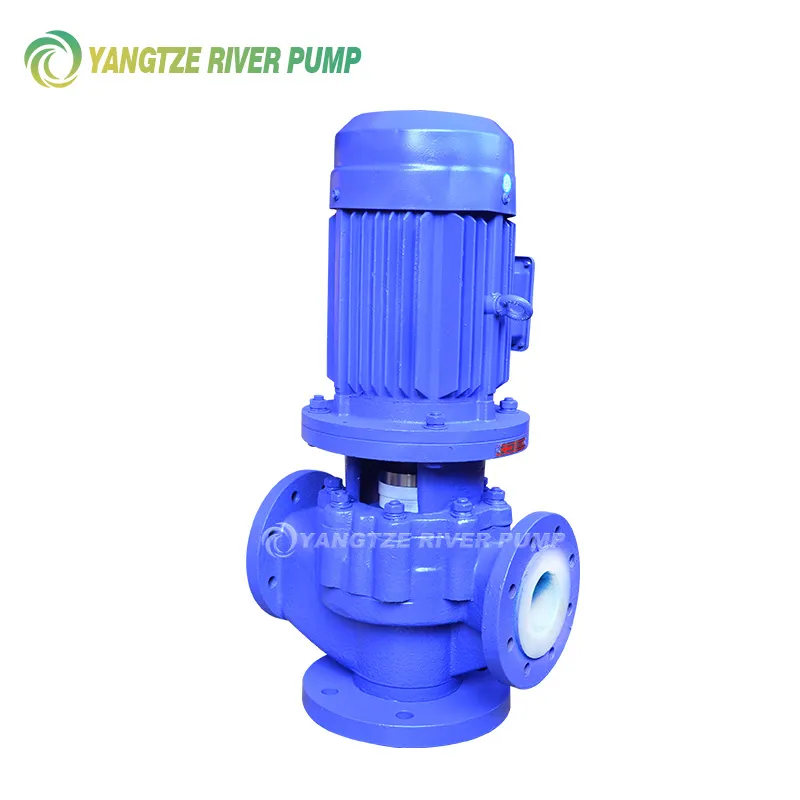 Vertical pumps with PTFE lining YQF
-
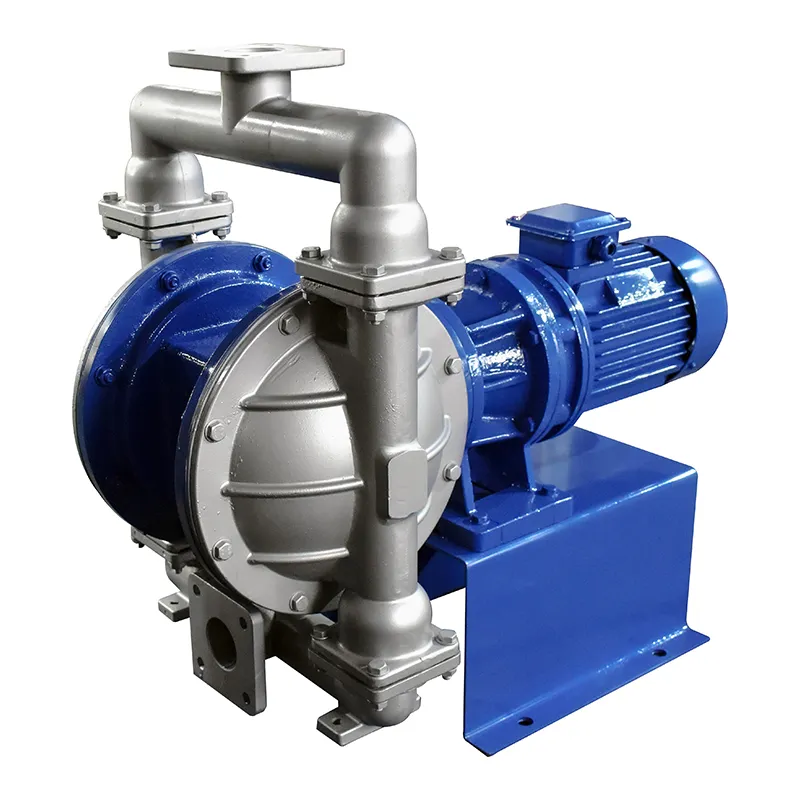 Metal electric diaphragm pumps DBY
-
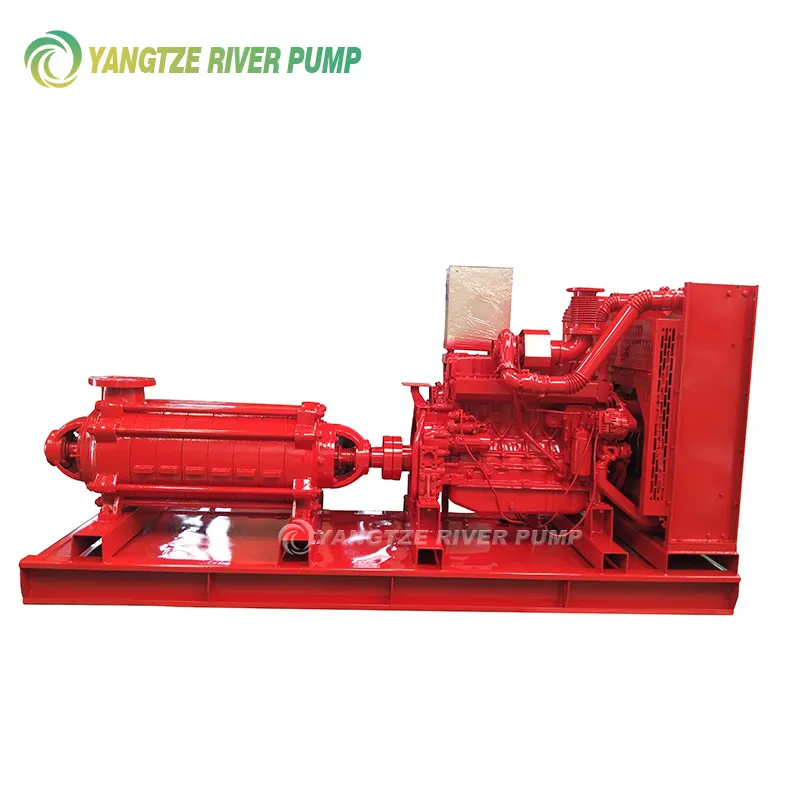 XBC Diesel Intelligent Fire Pumps
-
 Petrochemical Process Pumps API 610 YZA
-
 YW Vertical Submersible Sewage Pumps
-
 Geared screw pumps type G