







centrifugal water flow pumps
When they say “centrifugal water flow pumps,” many people immediately imagine something simple, like pumping from point A to point B. But in reality, this is a whole world where little things make all the difference. A common mistake is to assume that the main thing is the passport parameters, pressure and flow. But in practice, for example, the same cavitation reserve or seal material for specific water may be more important. We at Zhejiang Yangzijiang Pumping Industry LLC have gone through this more than once: the client asks for a pump based on the numbers, and then it turns out that his system has backfires or the temperature fluctuates, and the standard model does not survive. This is what I want to talk about - not from a textbook, but as it happens in real work.
What really lies behind the ?watercourse?
The term ?watercourse? too general. Water can be different: pure technical water, with abrasive suspensions, with elevated temperatures, even conditionally pure, but chemically active. And for each case the approach to choicecentrifugal pumpyours. In our production, where there are eight complete lines from R&D to service, this understanding came through a series of failures. It used to happen that they installed a standard single-stage pump on water with fine sand - after six months the impeller was like a sieve. Now we always clarify: what exactly are we downloading? This is the first rule.
The second point is the operating mode. Continuous flow or periodic? For irrigation systems, for example, the pump can be turned on ten times a day. Here resistance to frequent starts and reliability of the mechanical seal are already important. We have a range of products, from linear centrifugal to submersible models; for such cases we often recommend options with reinforced bearings and seals - although a little more expensive, they last many times longer. This is not an advertisement, but a statement: saving money on the right choice later comes back to bite.
And one more thing about pressure. Everyone is chasing high numbers, but they often forget about efficiency at partial loads. In practice, the pump rarely operates strictly at the design point. I have seen systems where the pump is selected with a huge headroom reserve, and it is constantly throttled. This is money down the drain - both on electricity and wear and tear. Sometimes it is better to take a multi-stage centrifugal pump, which will provide the required pressure more efficiently than a single-stage, “pull-in” pump.
Experience from the shop floor: from testing to the field
Our website https://www.yangtzeriverpump.ru writes about tests, and this is not for show. I'll tell you about one case. Made a batchcentrifugal pumpsfor irrigation systems in regions with hard water. In tests with clean water, everything was perfect - pressure, vibration were normal. But already on site, a month later, there were complaints about noise and a drop in productivity. We figured it out: there were salts in the water that were deposited on the impeller, disrupting the balancing. We had to urgently modify it - select a different alloy for the impeller and increase the gaps. This is now taken into account in the technical process for such orders.
Or take the montage. It would seem that it’s so difficult? Installed and connected. But how many times have I seen how, when installing a linear centrifugal pump, they cannot maintain alignment with the engine, or the pipeline puts a load on the housing. The vibration increases, the seals leak. The instructions contain everything, but installers often save time. Therefore, now, during service visits, our specialist first checks the foundation and piping. A trifle, but it has a major impact on the resource.
There are also nuances with self-priming models. They are often hired for temporary work, being considered unpretentious. But if you don’t monitor the level in the housing before starting or allow air leaks, you can quickly “kill” compaction One of our dealers once complained about the high return rate of such pumps. They began to look into it - it turned out that clients were not instructed on the initial filling. We added a bright reminder directly to the body - the number of complaints dropped. This is to the question that a product is not only hardware, but also the knowledge of how to handle it.
Materials and real environments
Our line includes plastic chemical pumps, cast iron and stainless steel. The choice of material is not about price, but about the environment. There was a project for food production, where it was necessary to pump a solution with low acidity. The client wanted to save money and install a regular cast iron pump. They persuaded him to buy a version made of AISI 304 stainless steel. A year later, he ordered three more of the same - because problems with corrosion began on the next line where cast iron was installed. You can’t give in to slack here, even if the client insists. Professionalism consists of explaining the consequences.
Abrasive media are a completely different story. For slurries or sandy water, a standard plain steel impeller will wear out within a season. For such tasks, we offer pumps with wear-resistant linings or made of high-chromium cast iron. But it is also important to understand the particle size. Once we put a pump with large gaps on a very fine abrasive - it passed through the gaps and erased everything in its path. I had to redo it for harder materials and reduce the gaps. Now in the order form there is a separate column - “size of solid inclusions, mm?”.
And about the temperature. It seems like water and water. But if it is above 60-70 degrees, special seals are already needed, often with cooling. For hot water recirculation systems, for example, we use graphite ring mechanical seals and provide a chamber for the coolant supply. Without this, a conventional oil seal will quickly fail. Such details are not always visible in the catalog, but they are critical for reliability.
When multi-stage is not a whim, but a necessity
Often customers ask for a single stage pump because it is cheaper and simpler. But there are cases where a multistage centrifugal pump is the only right solution. For example, for wells with greater depth or for pressure boosting systems in high-rise buildings. A single-stage simply will not give the required pressure without huge energy consumption. We have in our assortment vertical multi-stage models that are created just for this. Their advantage is compactness with high pressure.
But there are pitfalls here too. Multistage pumps are more sensitive to water purity. Even a small amount of scale or sand getting between the steps can cause jamming. Therefore, we always insist on installing good suction filters. Once they didn’t listen - they installed a pump on a system with old pipes. Two weeks later he stood up like a stake. due to rust that has accumulated in the inter-stage gaps. The repair cost almost the cost of a new unit. Now this is a case that we present at negotiations as an argument for an integrated approach.
Another point is maintainability. The design of a multistage pump is more complex, but if it is thought through, replacing a worn stage or seal should not be a problem. In our production, we try to make disassembly as logical as possible, without “hidden” ones. bolts that need to be cut. This is also part of the quality that service providers evaluate. After all, the pump operates for years, and the ability to maintain it on site greatly reduces the life cycle cost.
Thoughts out loud about the future and reliability
Nowadays there is a lot of talk about “smart” pumps, with sensors and automation. This is, of course, a trend. But for the most part, the market will continue to rely on classic, proven solutions for a long time. Our task as a manufacturer is to make these solutions as reliable as possible and adapted to real, not ideal, conditions. Sometimes that means giving up some fancy feature in favor of a thicker case wall or a more affordable seal.
Reliability, in my understanding, is when a pump, shipped three years ago, works without sudden failures, and spare parts for it are in stock. We at Zhejiang Yangzijiang Pumping Industry Co., Ltd. strive to maintain this line. Yes, we produce both magnetic pumps for aggressive media and diaphragm pumps for viscous liquids, but the basic principle for water centrifugal pumps is the same: the design must be worked out to the smallest detail.
As a result, returning to the keywords “centrifugal water flow pumps?”. This is not just equipment, it is a node in a living system. Its selection, installation and maintenance is always a compromise between cost, efficiency and durability. And the most valuable experience is the one that is gained not in the ideal conditions of a test bench, but in the field, with dirty hands and the need to solve a problem here and now. This is, in fact, why we need full-fledged production cycles, like ours - so that knowledge from the test site immediately goes to the design department and back to the workshop. This is the only way to make products that won’t let you down.
Correspondingproducts
Related Products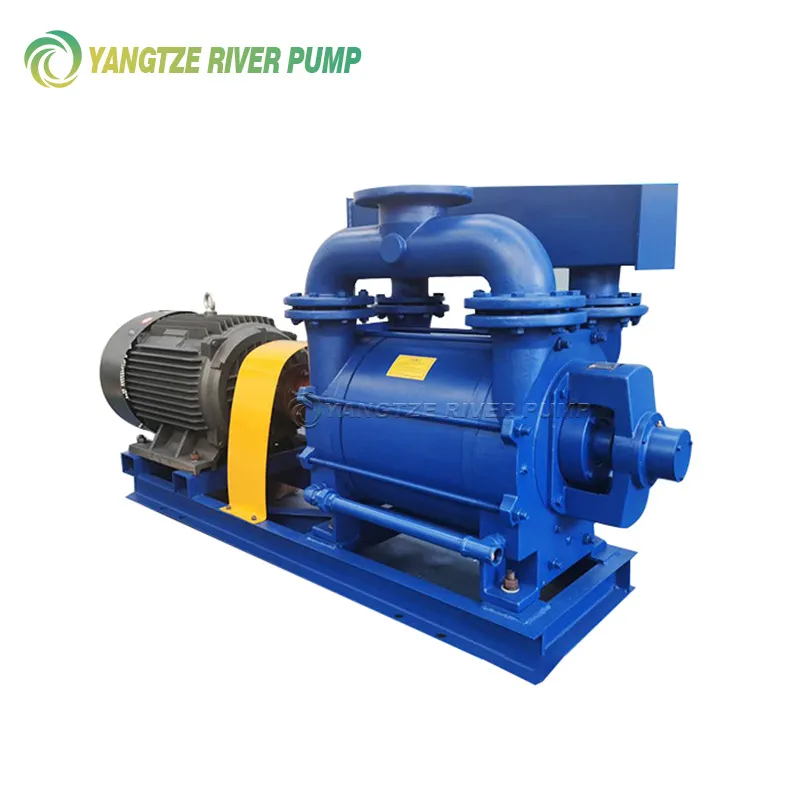
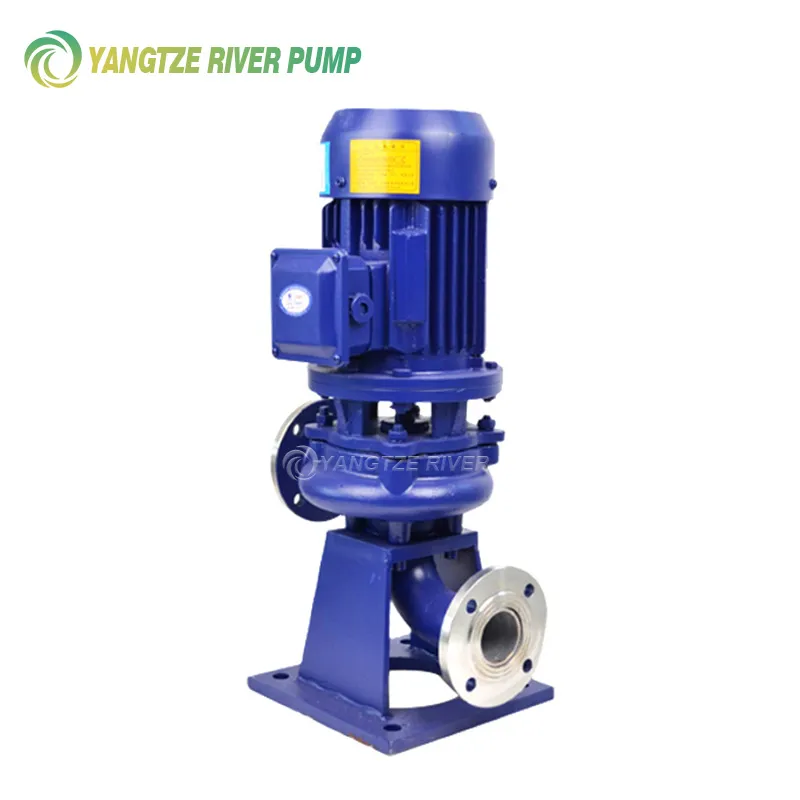
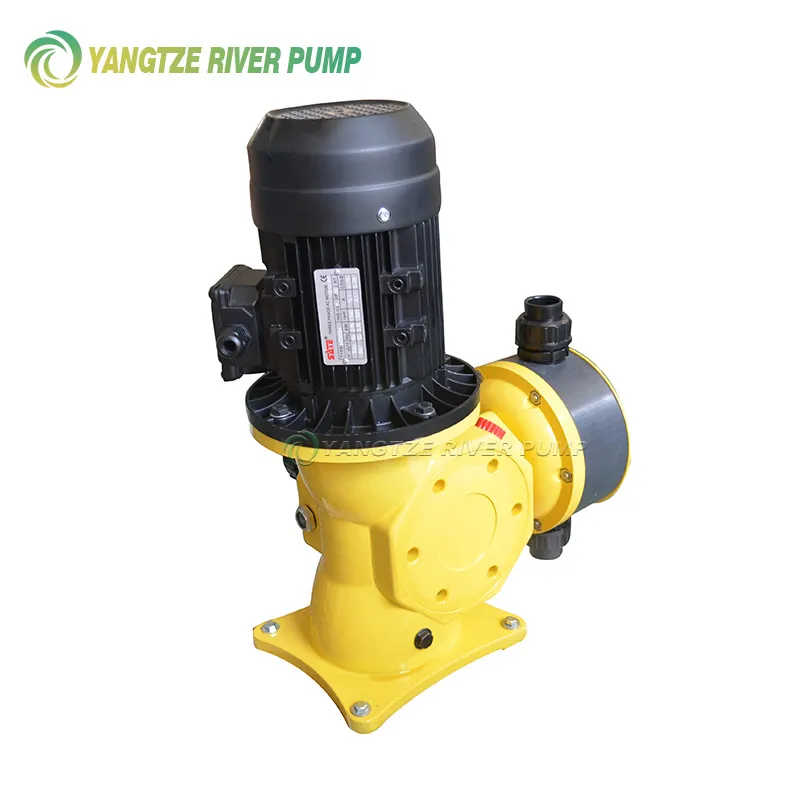
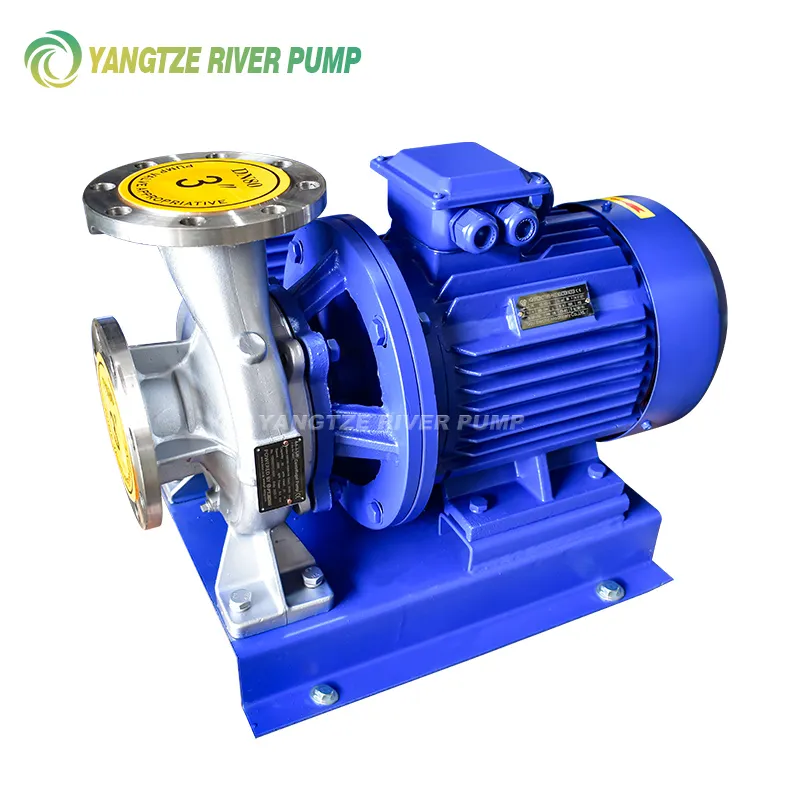

Best Sellingproducts
Best Selling Products-
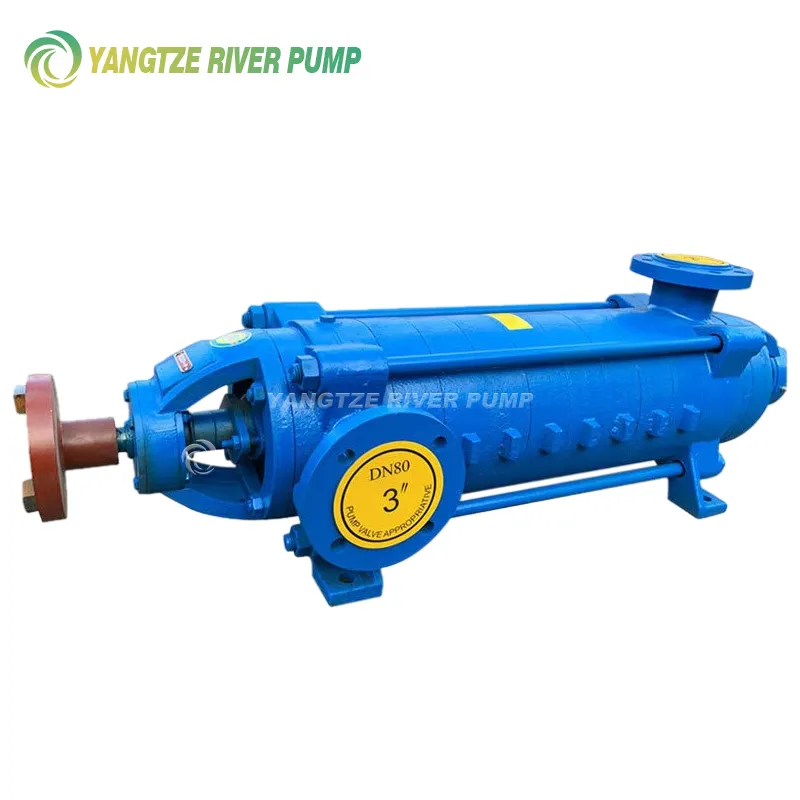 Horizontal multistage pumps for feeding DG boilers
-
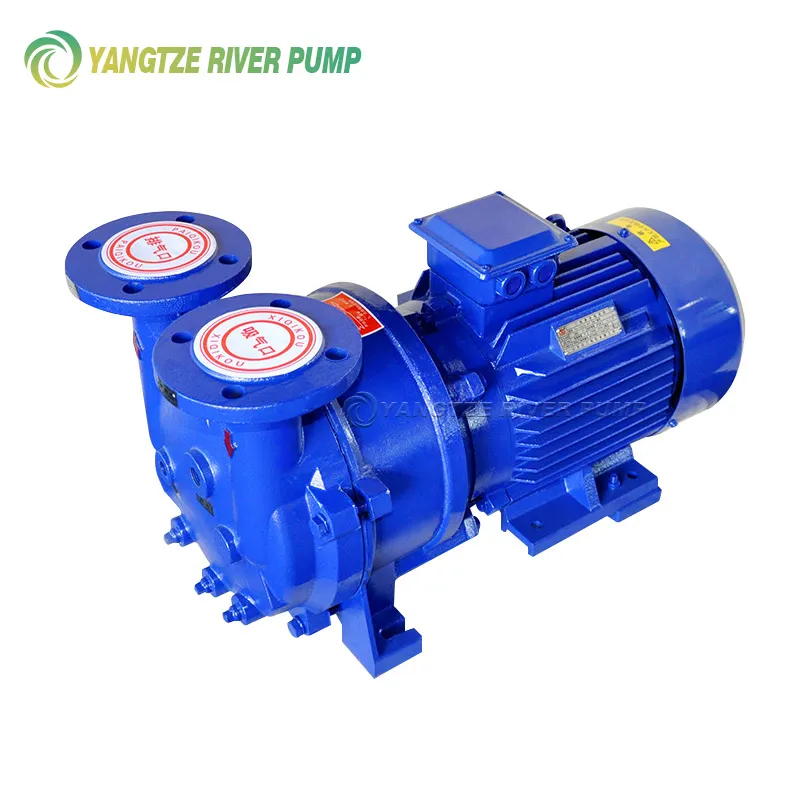 Liquid ring vacuum pumps type SKA and 2BV
-
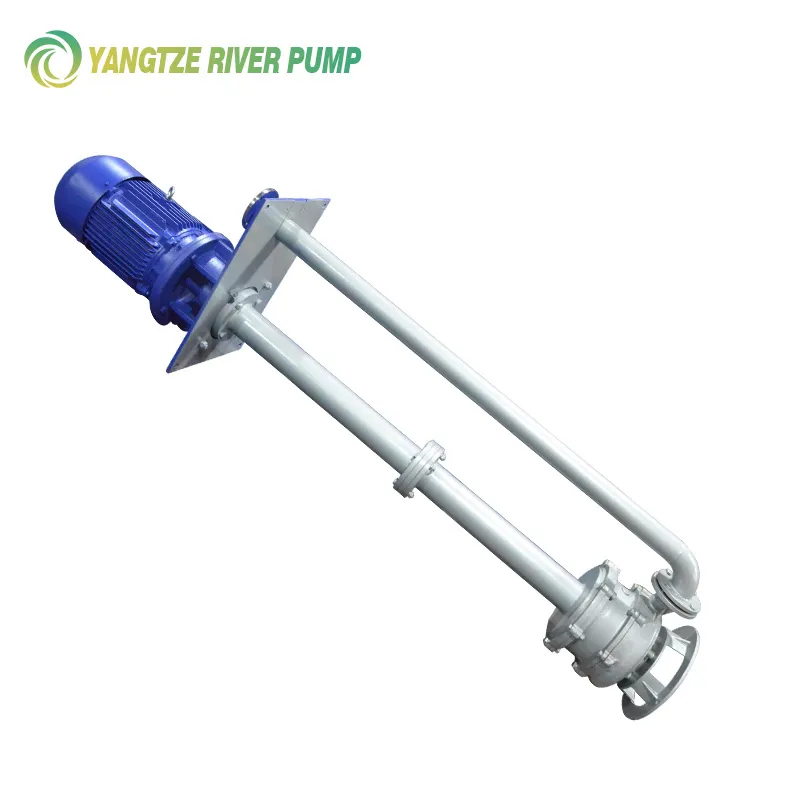 YW Vertical Submersible Sewage Pumps
-
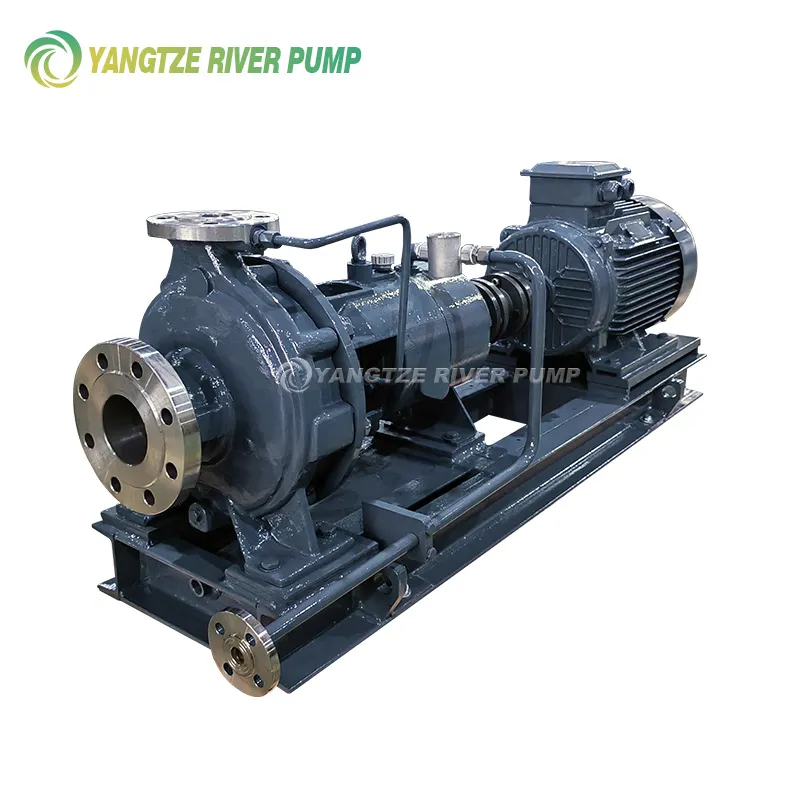 Petrochemical Process Pumps API 610 YZA
-
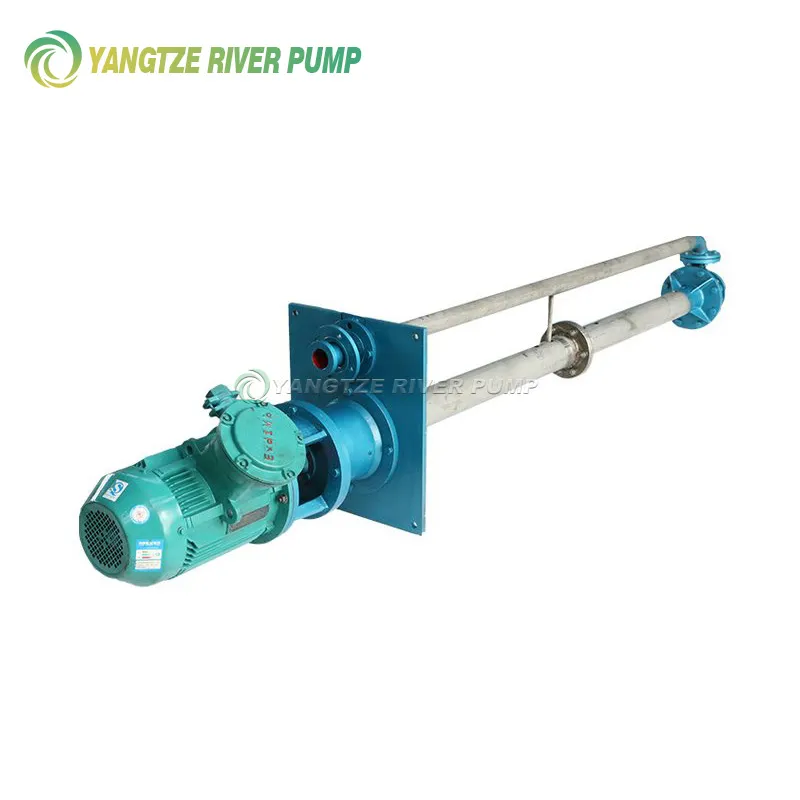 FY Submersible Chemical Pumps
-
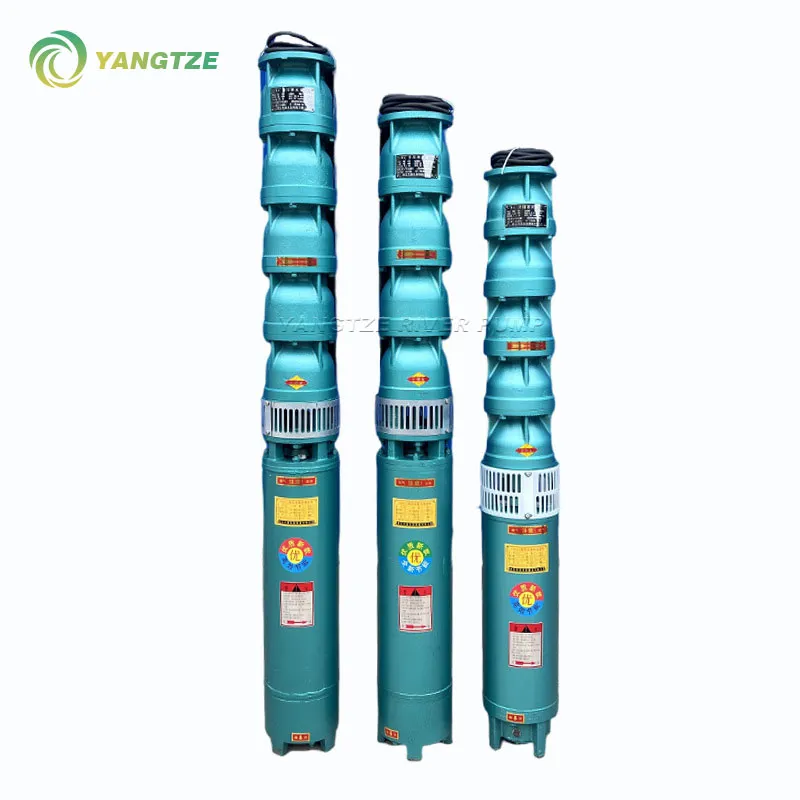 QJ type borehole pumps
-
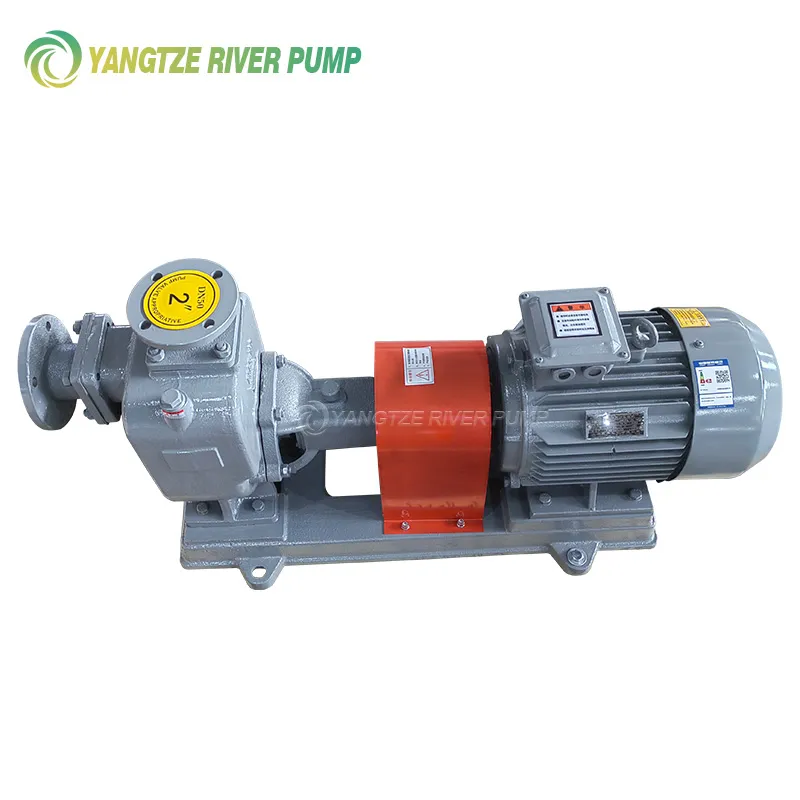 Non-clogging self-priming wastewater pumps ZW
-
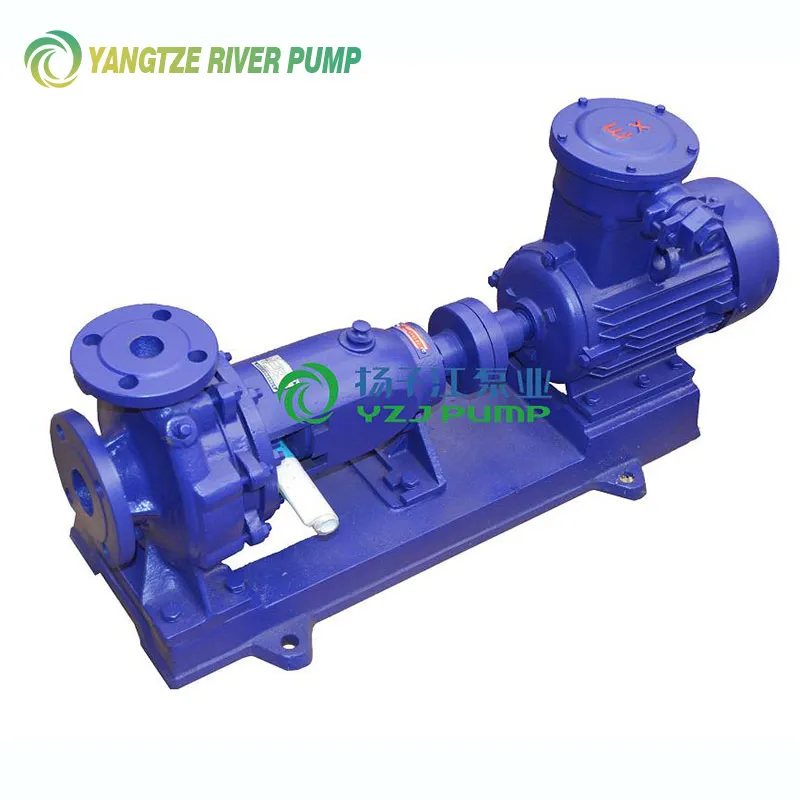 Horizontal chemical centrifugal pumps types IS and IR
-
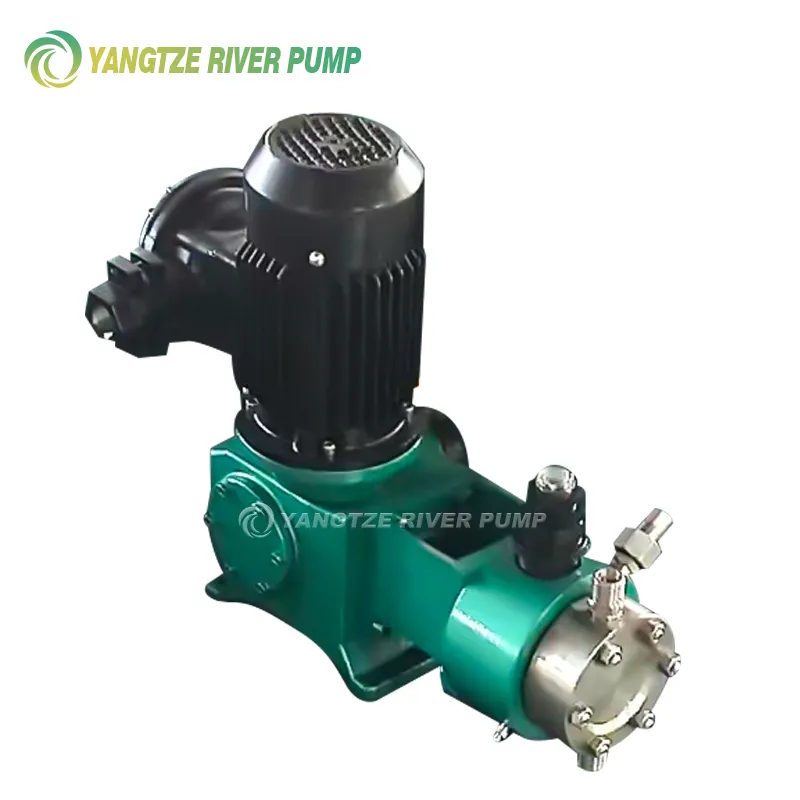 Plunger dosing pumps type DZ-X
-
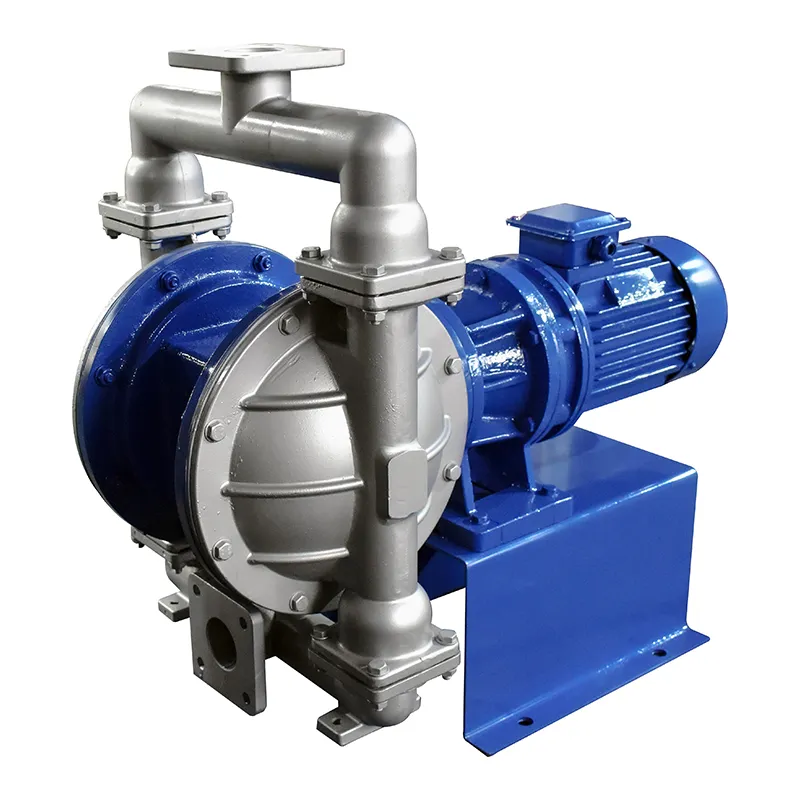 Metal electric diaphragm pumps DBY
-
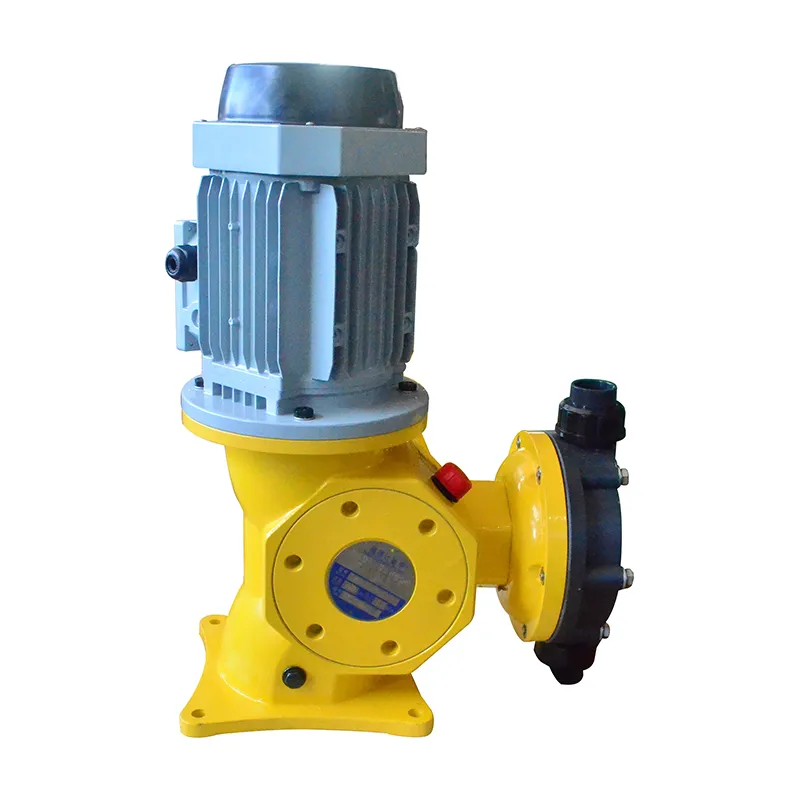 Mechanical diaphragm dosing pumps DJ-Z
-
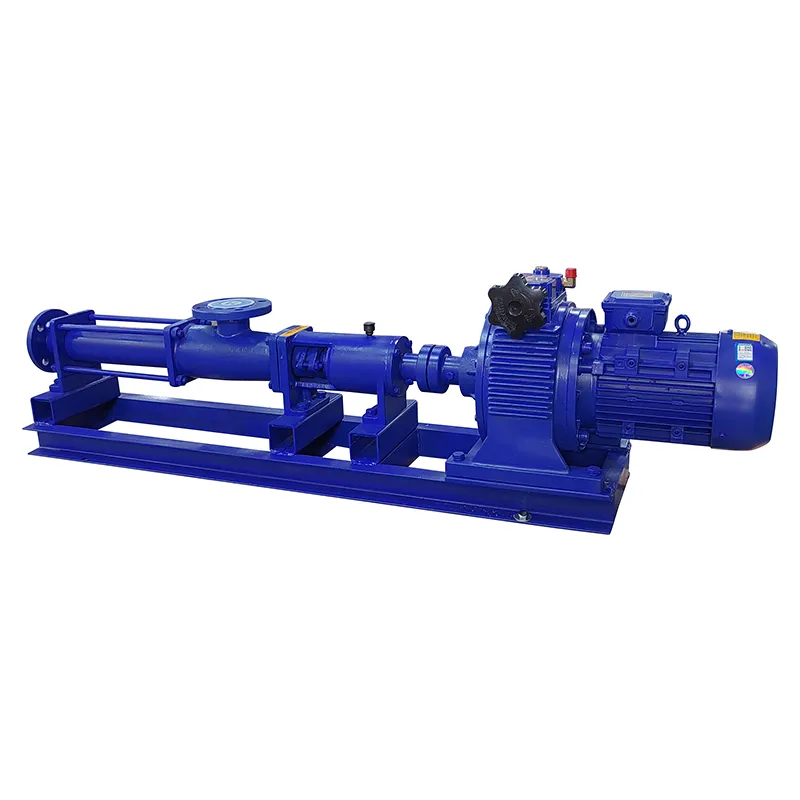 Infinitely variable screw pumps type G