







buy a centrifugal water pump
When you write in the search “will I buy a centrifugal water pump?”, you often see the same thing: general phrases, beautiful pictures, promises of “the best characteristics?”. But in reality, when you start to understand, you understand that the key thing is not just to buy, but to choose it specifically for your task. Many, especially those who are faced with a choice for the first time, chase pressure and flow figures, forgetting about the material of the flow part, the type of seal, or, say, the ability to work with abrasive inclusions. This is where I’ll probably start.
Why ?centrifugal? - this is not one word, but the whole world
Worked with different ones. Imported, domestic, and in recent years I’ve increasingly been looking at Chinese manufacturers, but not at nameless ones, but at those who have their own serious production and, importantly, their own R&D. For example, I came across the siteZhejiang Yangzijiang Pumping Industry Co.,Ltd (yangtzeriverpump.ru). In the description of the company, what immediately caught my eye was eight complete production lines, from development to testing and service. This already speaks of scale, and not of the assembly shop. When I buy a centrifugal pump, especially for a critical area, I want to understand that it was born at such an enterprise.
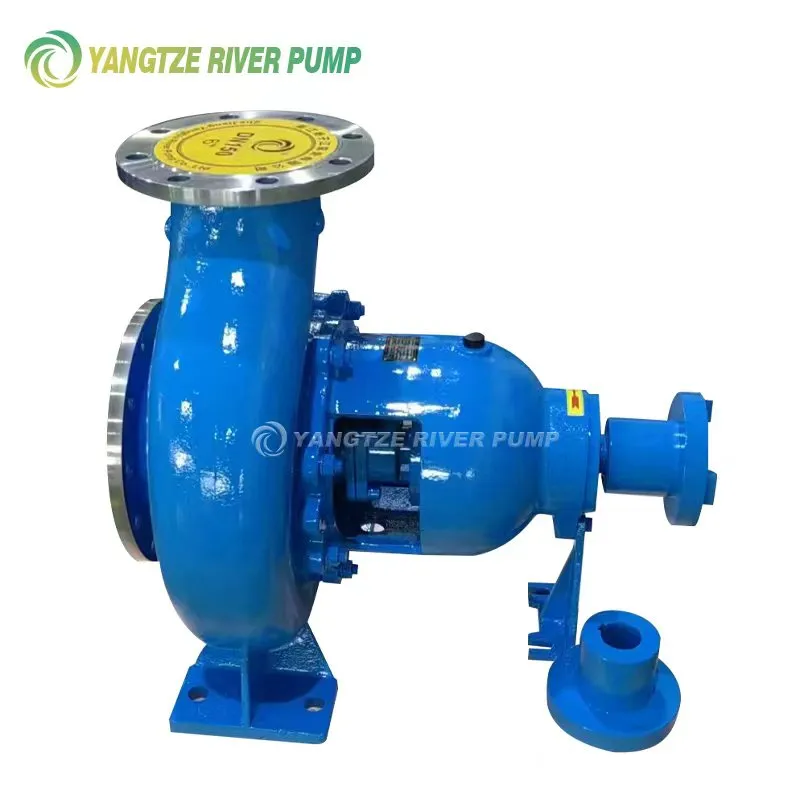
They have a range of both single-stage and multi-stage centrifugal pumps. This is an important distinction that beginners often miss. Single-stage is a classic for high flow rates at relatively low pressure. Multi-stage - when do you need to “squeeze out”? water to a serious height or pressure in the system, but without huge costs. Confusion here leads either to overpayment, or to the fact that the unit does not cope with the task.
I had a case at a construction site: I needed a pump to supply water to a temporary settlement from a deep well. At first they installed a powerful single-stage one, but the pressure was not enough. We changed it to a multistage centrifugal pump of medium power - everything fell into place. Moral: you need to look not at kW, but at the characteristic curve.
Materials and real environments - where the catch lies
Another point that is not visible in the query “will I buy a centrifugal water pump?” - This is chemical resistance. Water is water, but often it contains chlorine from the water supply, suspensions, and temperature changes. In the same Yangtzejiang catalog I see plastic chemical pumps - this is already a specialization. But even in conventional centrifugal versions, the material of the housing, impeller and seal decides everything.
Personally, I prefer cast iron or stainless steel for clean water, but when it comes to sea water or aggressive wastewater, AISI 304 or 316 stainless steel, or even duplex-type alloys, are indispensable. And this is where you rely on the manufacturer who conducts the tests. The mentioned company claims a full cycle, including tests. For me, this is not just a line in the description, but potentially less headaches later.
I remember how I saved on sealing material for a pump pumping process water with sand. The mechanical seal quickly failed and had to be replaced with a mechanical seal with silicon carbide rings. Lesson: Cheaper right awaybuy a centrifugal pumpwith the correct configuration for the environment.
Self-priming models are a different story
Often the task is not just to pump, but to first raise water from the level. This is where a classic centrifugal pump may not start if the suction line is not full. And this is where self-priming centrifugal pumps come into the picture. The same manufacturer has them in their line. Their operating principle is cunning, but effective for quick start-up.
I used these to drain pits after rain. The main advantage is that you do not need to fill the housing with water every time if the pump is above the water level. But there is a nuance here: the actual suction height is often less than the nominal one, especially if there is air in the pipeline. I always give a margin on the parameters.
By the way, on their website I also see submersible pumps. This is already a solution for wells or wells. But if we are talking about surface installation, then a self-priming centrifugal is often the best choice. The main thing is to look at the presence of a check valve and the design of the chamber where air separation occurs.
Installation, strapping and what sellers are silent about
Let's say a pump is selected and purchased. The most common mistake at this stage is incorrect binding. There must be a mesh filter on the suction, otherwise even a small grain of sand will wear down the impeller in a few months. On the pressure side there is a check valve and a gate valve. It seems banal, but how many times have I seen pumps running “dry?” or with water hammer due to incorrect fittings.
Another point is vibration. The centrifugal pump must stand on a level, rigid foundation. If you attach it to a living thing? to a metal frame, resonance can loosen the entire connection. This is especially critical for multi-stage models; they have a longer rotor. Ideally, vibration supports. This is rarely written about in articles, but in the instructions for serious units, I thinkZhejiang Yangzijiang Pumping Industry Co.,Ltdthis must be indicated.
From a personal note: I once didn’t tighten the anchor bolts on a powerful pump. After a month of work, noise appeared, they disassembled it - it turned out that the rotor had shifted due to vibration of the housing. It's good that it didn't jam. Since then, I always check the foundation and fasteners personally.
Service, spare parts and why ?original? details are not always marketing
When I buy a centrifugal water pump for continuous operation, I immediately look at the availability of spare parts. Impellers, shafts, seals are consumables in the long term. It is possible to find universal bearings, but a wheel made of special alloy that is precisely adjusted according to hydraulics is more difficult.
Here again I return to the importance of a full-cycle manufacturer. If a company has its own production and spare parts warehouse, as stated by Yangtzejiang, then getting an original part is easier and often more reliable than sharpening an “analog” one. at a local workshop. The difference in balancing of the same wheel can be critical to vibration and efficiency.
Had a negative experience with “handicraft?” restoration of the shaft. We saved money right away, but six months later the pump stopped working due to the failure of the seal, which was mounted on a substandard shaft. As a result, downtime and costs exceeded savings. Now the principle: at responsible sites - only the original or verified suppliers with certificates.
Instead of a conclusion: not just buy, but integrate into the system
So, to summarize the flow of thoughts. Inquiry “will I buy a centrifugal water pump?” - this is just the beginning of the journey. Next comes a series of questions: what kind of water? What are the temperatures? Continuous or cyclic operation? What is the power supply at the site? The answers to them narrow the field from hundreds of models to just a few.
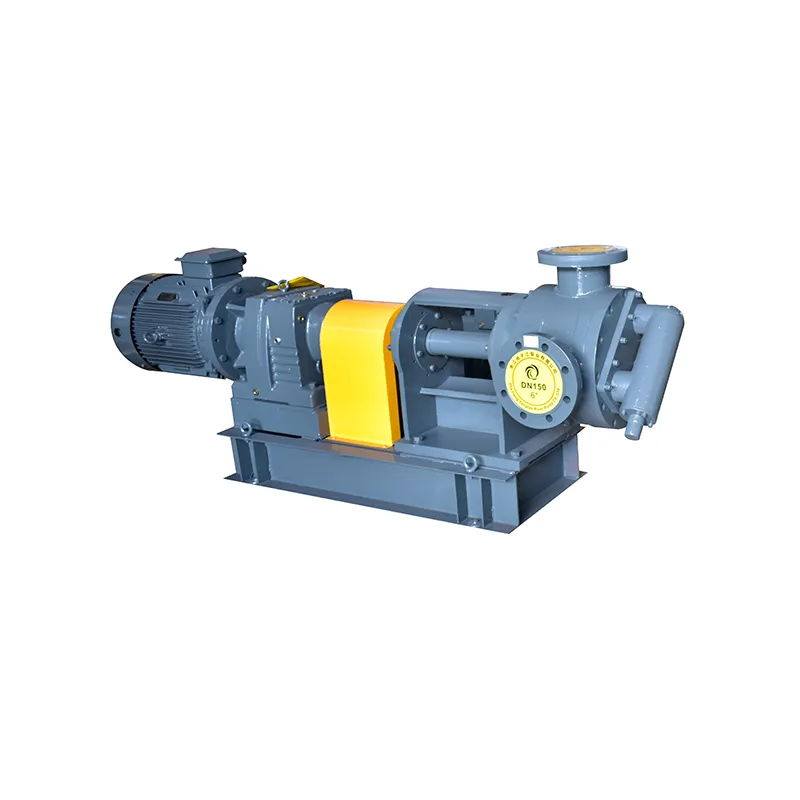
I noted for myself that it is worth taking a closer look at manufacturers who not only make pumps, but are also responsible for the entire cycle. Like the sameZhejiang Yangzijiang Pumping Industry Co.,Ltd, which has magnetic, diaphragm, and screw pumps in its portfolio. This indicates broad competence in pumping various media, which means that their centrifugal models are most likely thought out to the smallest detail.
The choice, ultimately, always depends on specific numbers in the passport, supported by real tests and the availability of service support. And yes, sometimes it’s better to overpay for the correct configuration and a restful sleep than to later deal with accidents and change unsuitable equipment. The pump is the heart of the system and should be selected accordingly.
Correspondingproducts
Related Products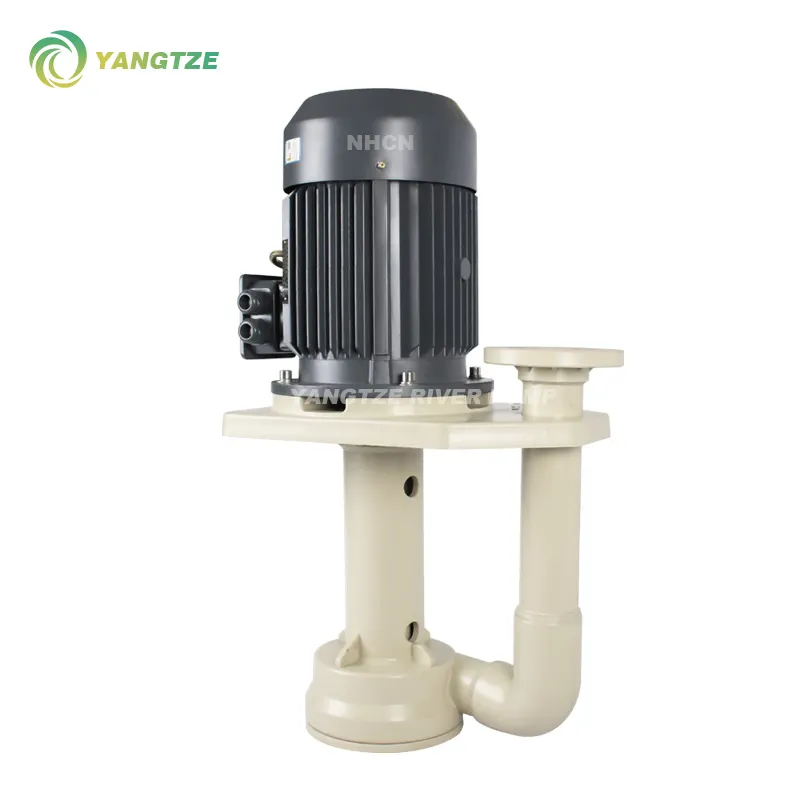
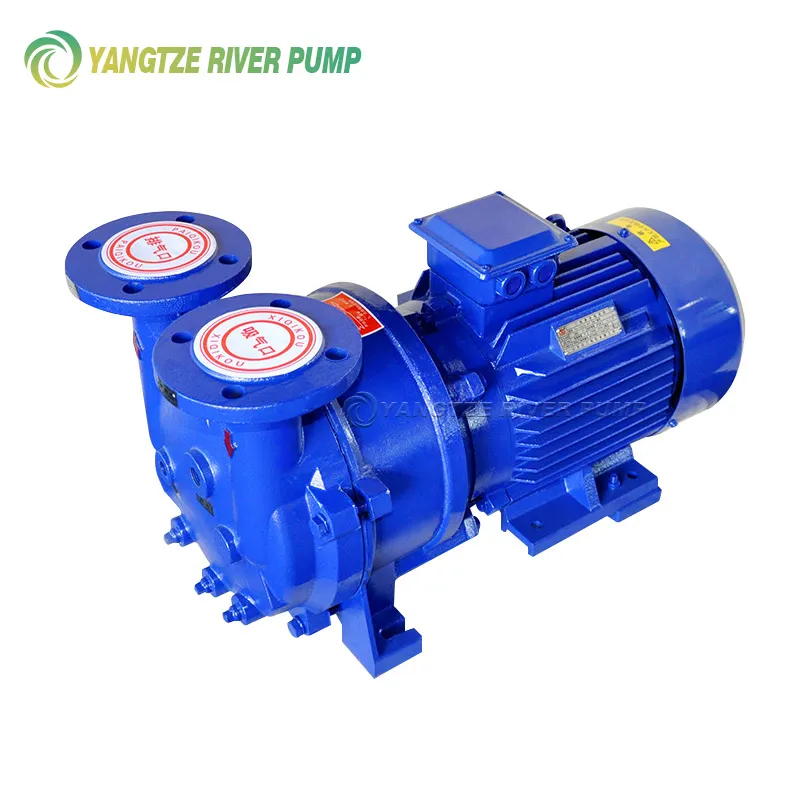


Best Sellingproducts
Best Selling Products-
 QJ type borehole pumps
-
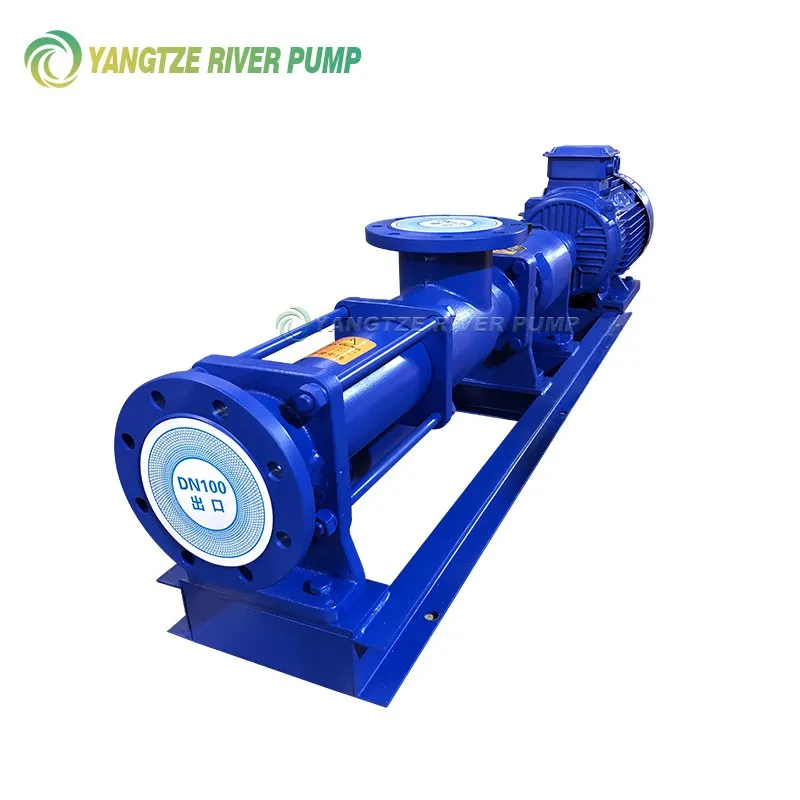 Single screw pumps type G
-
 CQF Plastic Magnetic Pumps
-
 Horizontal multistage centrifugal pumps type D
-
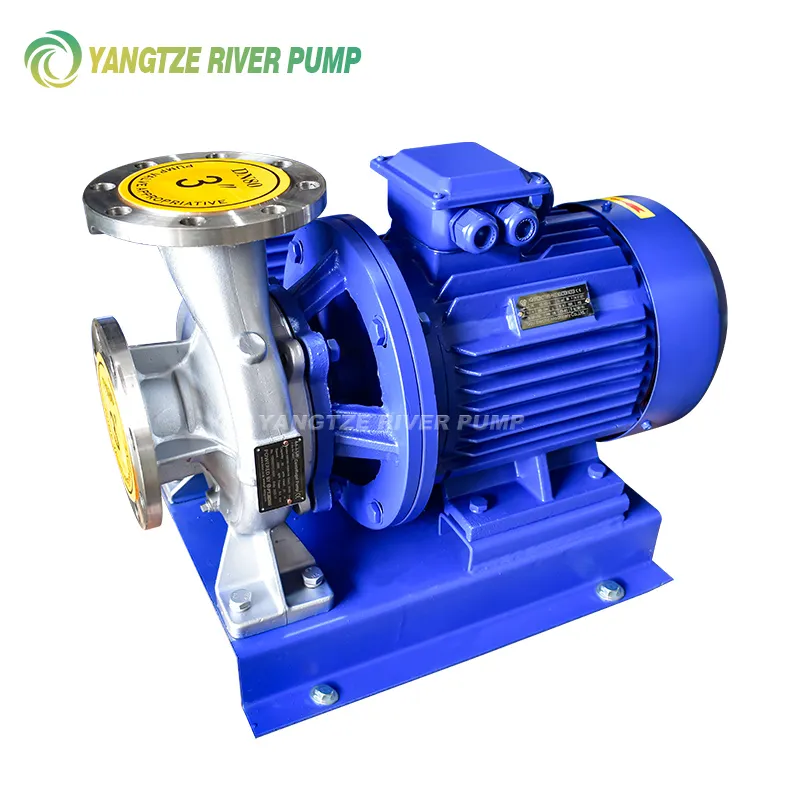 ISW and ISWH Single Stage Horizontal Pipeline Centrifugal Pumps
-
 Complete water supply installations with frequency regulation and constant pressure CDLF
-
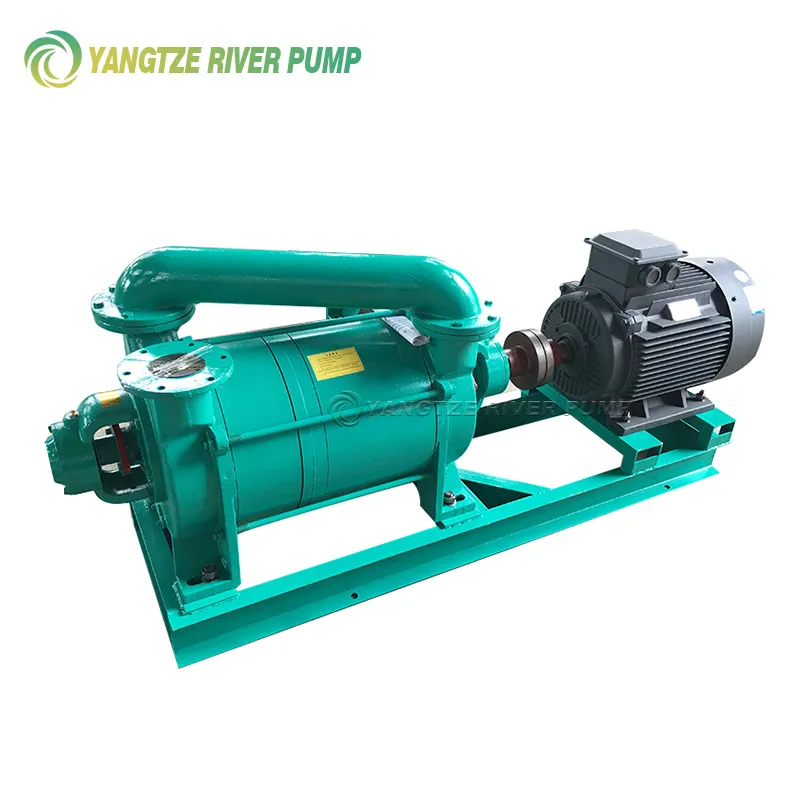 Liquid ring vacuum pumps type 2SK
-
 Metal electric diaphragm pumps DBY
-
 YW Vertical Submersible Sewage Pumps
-
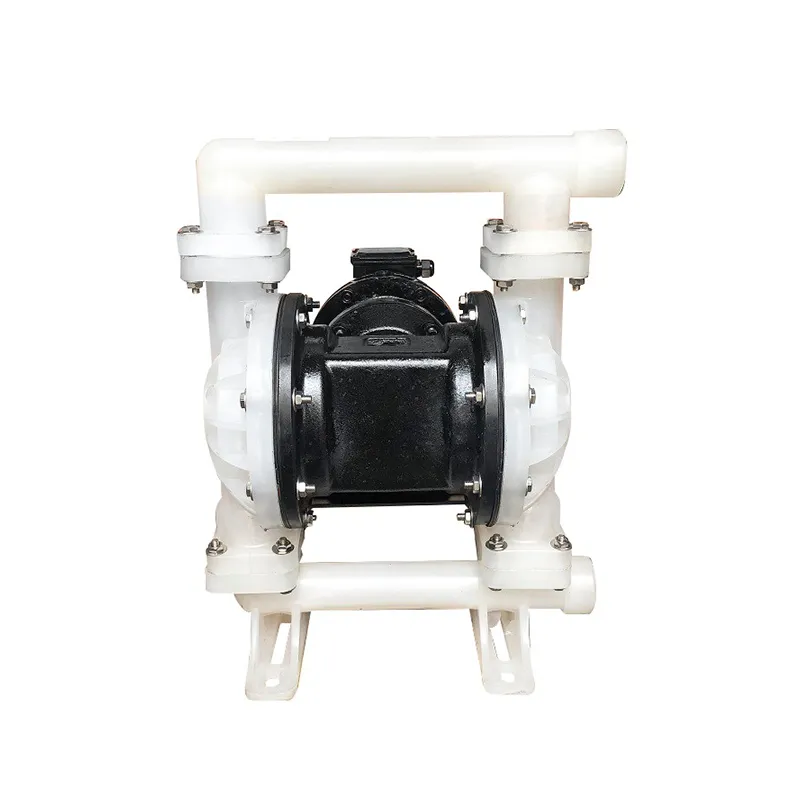 DBY Non-Metallic Electric Diaphragm Pumps
-
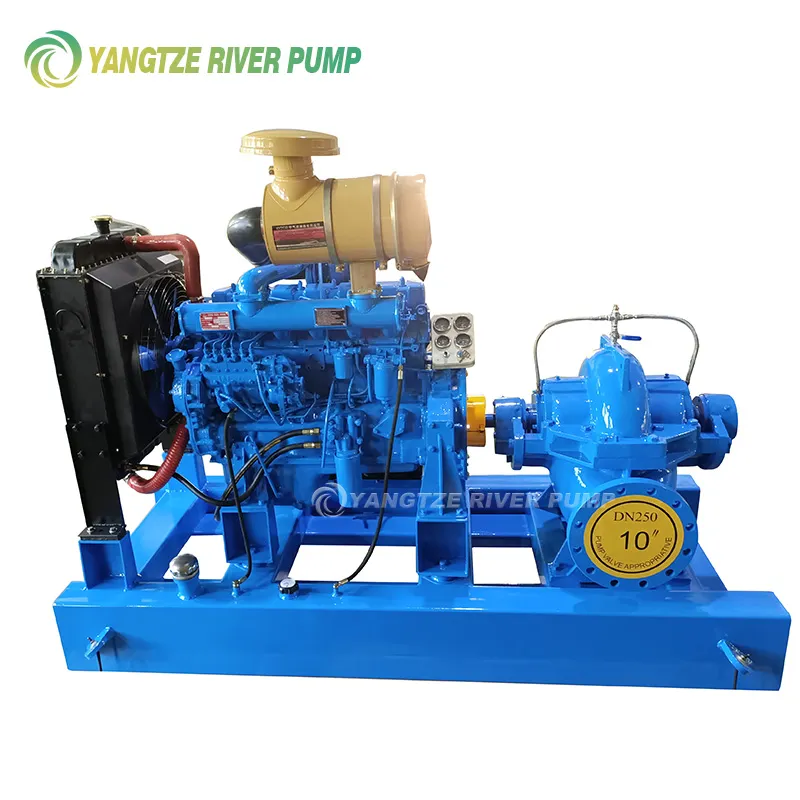 Diesel pumps with horizontal connector YZS and YZSH
-
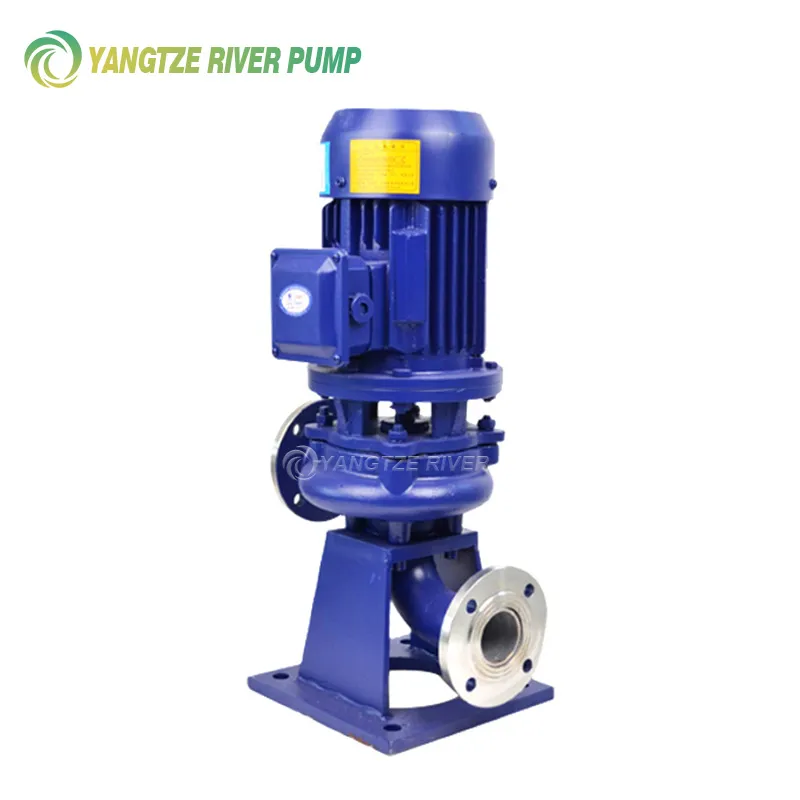 Non-clogging vertical wastewater pumps LW