







hot centrifugal pump
When they say “hot centrifugal pump?”, many people immediately imagine just a pump that pumps something warm. In reality, this is a whole complex of problems. The main mistake is to assume that the main thing here is the temperature class of the bearings or seals. Of course, this is important, but the root lies elsewhere: in the thermal deformations of the housing and rotor, and in how the properties of the pumped medium change when heated. If you do not take this into account at the design stage, even the most expensivehot centrifugal pumpwill quickly fail due to jamming or cavitation. At Zhejiang Yangzijiang Pumping Industry LLC, when developing such units, we always start with an analysis of the customer’s actual technological process, and not with selection from a catalog.
Design features: what is hidden behind the word “hot?”
There is no generalization here. ?Hot? - this can be 90°C for condensate, and 350°C for coolant in oil refining. The design will be radically different. For moderate temperatures, say up to 150°C, classic cantilever pumps with water-cooled bearing units are often used. The body material is cast iron, the rotor is steel. But as soon as we exceed 200°C, different coefficients of thermal expansion of the parts come into play. Cast iron and steel expand differently. If the gaps in the seals and the flow part are designed for “cold” conditions. condition, when reaching operating temperature, contact of the rotor with the housing may occur. That's why, for really high-temperature environments, we often offer carbon or alloy steel housing options to better match the thermal expansion of the housing and shaft.
A special story is the sealing system. Hot water packing is a constant battle against leakage and packing adjustments. Mechanical mechanical seals (MTU) are a more modern solution, but they also have their own nuances. MTU friction pairs must be designed specifically for operation at high temperatures. Standard carbon-ceramics may not be suitable. In our lines, for example, for pumping hot oils or solvents, we use pairs such as silicon carbide - silicon carbide. They remain stable during thermal shocks, when the inlet temperature of the medium can fluctuate.
And we must not forget about the cooling system. It is needed not only for bearings. It is often necessary to cool the mechanical seal chamber so that the elastomeric auxiliary elements (O-rings, cuffs) do not lose their elasticity. There was a story at one of the chemical plants: a pump at 280°C was constantly leaking after a month of operation. It turned out that the customer saved money and turned off the seal cooling line, deciding that since the medium was already hot, it was no big deal. As a result, the fluorine rubber rings simply “sintered” and lost their shape. We had to redo the unit using more heat-resistant materials and restore cooling.
Hydraulic part: why cavitation is more insidious here
With cavitation in cold pumps, everything is more or less clear: a drop in pressure, the formation of bubbles, and their collapse. Bhot centrifugal pumpthe process is getting worse. The temperature of the medium directly affects the saturated vapor pressure. The hotter the liquid, the easier it is for it to boil, even with a small local pressure drop in the suction pipe or at the impeller inlet. Therefore, the NPSHr (required suction head) for the same pump indicated for cold water will be completely insufficient for a hot medium. In fact, you need to either significantly increase the inlet pressure, or select a wheel with a special inlet geometry that reduces NPSHr.
We encountered this when supplying pumps for a hot water recirculation system in a large CHP plant. On paper, everything matched: the pressure in the deaerator was sufficient, the pipelines were designed. But in practice, at peak loads, when the temperature of the return makeup water jumped to 105°C, there was a constant noise at the suction, as if gravel had been poured inside. This was cavitation. The solution was not to replace the pumps with more powerful ones, but to modify the suction line: they shortened the route, removed extra elbows, and replaced the valve with a full-bore ball valve. Sometimes the problem is solved not by replacing equipment, but by analyzing the piping.
Another point is the choice of impeller. For high-temperature, high-viscosity applications (heated fuel oils, polymers), a standard closed impeller may not work effectively. Sometimes an open or semi-open wheel performs better, as it is less prone to coking and copes better with thick media. But here the maximum efficiency already drops - we have to look for a compromise between reliability and efficiency.
Materials: not only temperature, but also aggression
Often a hot environment is also a chemically active environment. Spent lye, hot acid solutions, concentrated brines. Here the task is doubled: the material must withstand both temperature and corrosion. Conventional AISI 304 stainless steel may not be suitable for chlorine containing environments at temperatures above 80°C due to the risk of pitting. We have to switch to AISI 316L or even Hastelloy-type alloys.
We have a range of plastic chemical pumps made from PP or PVDF. They are often asked for hot, corrosive environments. But there is a clear temperature limit, usually around 90-100°C for PP and up to 140°C for PVDF. Excess leads to loss of mechanical strength and casing deflection under load. There was a case where a client wanted to pump 40% nitric acid at 110°C with a polypropylene pump, citing budget reasons. I had to dissuade him and offer an option with 904L stainless steel with Teflon coating. Saving on pump material means paying many times more for subsequent repairs and downtime.
For purely high-temperature but non-aggressive media (hot water, thermal oil), nodular cast iron (DC iron) is a good and relatively economical choice. It is stronger than regular gray cast iron and has better resistance to thermal shock. This is exactly the kind of material we often use in multistage housings.centrifugal pumpsfor heating and hot water systems that operate in a continuous cycle for years.
Testing and commissioning: where the risks lie
The most critical moment for a hot pump is startup. If a hot medium is suddenly applied to a cold unit, you can get the same thermal deformation that was mentioned at the beginning. The housing heats up and expands faster than the massive rotor. The gaps “go away” and rubbing may occur. The correct technique is gradual, smooth heating. Sometimes they even provide a low-flow bypass line to warm up the entire pump body evenly before applying full load.
At our test bench at Zhejiang Yangzijiang Pumping Industry Co.,Ltd.hot centrifugal pumpsTwo types of tests must be carried out: cold hydraulic tests (for flow, pressure, NPSHr) and hot ones - for tightness and stability of operation at nominal temperature. For the latter, we have a circuit with a steam generator that allows you to heat the water up to 180°C. It is important to check not only the parameters “at the point”, but also the behavior of the pump when the temperature changes within the range specified by the customer. How does the oil seal or MTU behave when cooling after stopping? Will there be any leakage? It is better to identify these points at a stand than at the client’s site.
One of the common mistakes installers make is incorrect piping and fastening of pipelines. Significant temperature extensions occur on hot lines. If the suction and discharge pipes of the pump are rigidly fixed and do not have compensators, the resulting stresses can be transferred to the pump housing, causing it to warp. This is a direct path to bearing breakage and shaft misalignment. In the passport we always indicate the need to install bellows expansion joints or hinges, but, unfortunately, this is not always done.
Service and durability: predictable maintenance
Resourcehot centrifugal pumpstrongly depends on the operating mode. Cyclic mode (heating-cooling) is the most difficult. Materials become fatigued and seals lose elasticity. For these conditions, we recommend scheduling MTU and bearing maintenance more frequently than for pumps operating continuously at a stable temperature. A good indicator of condition is regular vibration measurements. An increase in vibration acceleration on bearing units often indicates the onset of wear due to changes in clearances or deterioration of lubrication.
Lubrication is a separate issue. For high-temperature bearing units, ordinary lithol or grease is not suitable - they simply drain or carbonize. High-temperature greases based on complex calcium or lithium thickeners, designed to operate above 150°C, are required. Or, as an option, a cooled liquid lubrication system. We often use the second option in our designs for critical applications, although it is more expensive.
Ultimately, selecting and operating a hot centrifugal pump is always a balancing act. Balance between the cost of equipment and the cost of ownership, between a standard solution and a special design. The main thing is not to consider it as just a “pump, but for hot water”. This is a specific device that requires an integrated approach from design to daily maintenance. And it is precisely this approach, combining the areas of R&D, production, testing and service, that we try to implement at Zhejiang Yangzijiang Pump Industry LLC for each order, be it a standard pump for a boiler room or a complex unit for a production line of a chemical plant.
Correspondingproducts
Related Products
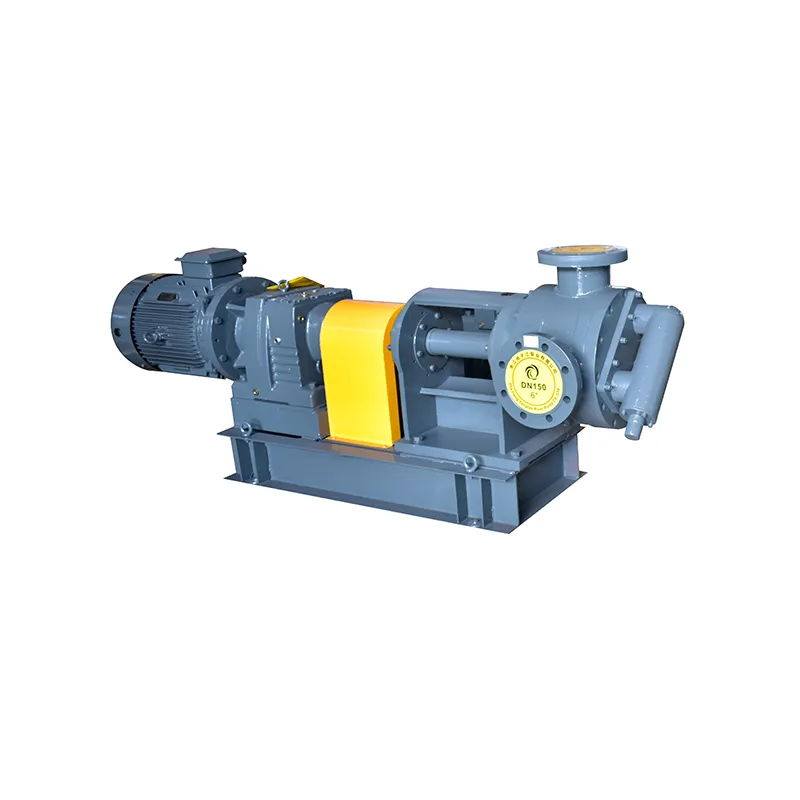
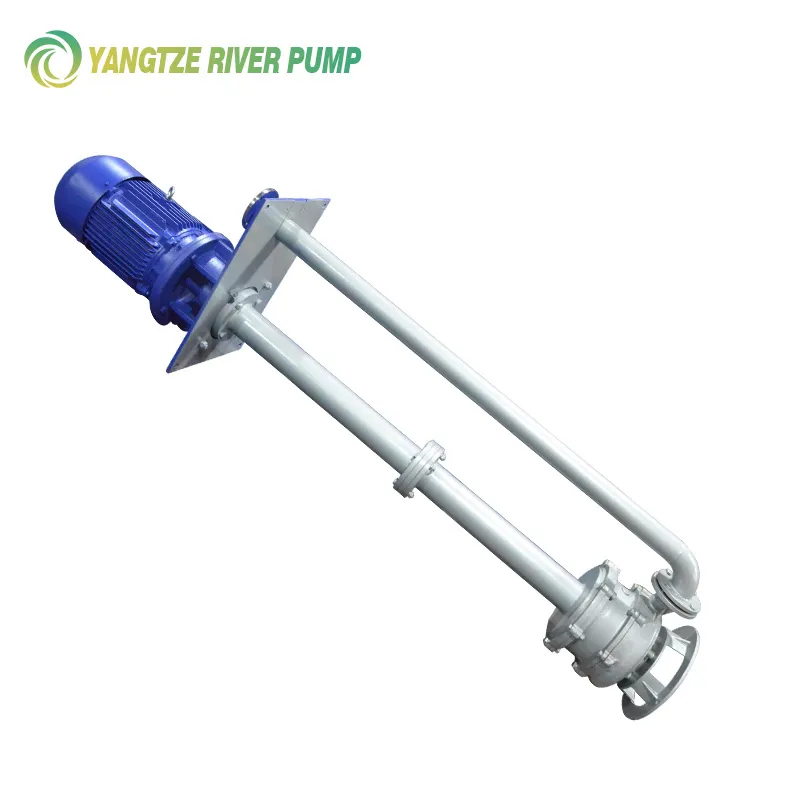

Best Sellingproducts
Best Selling Products-
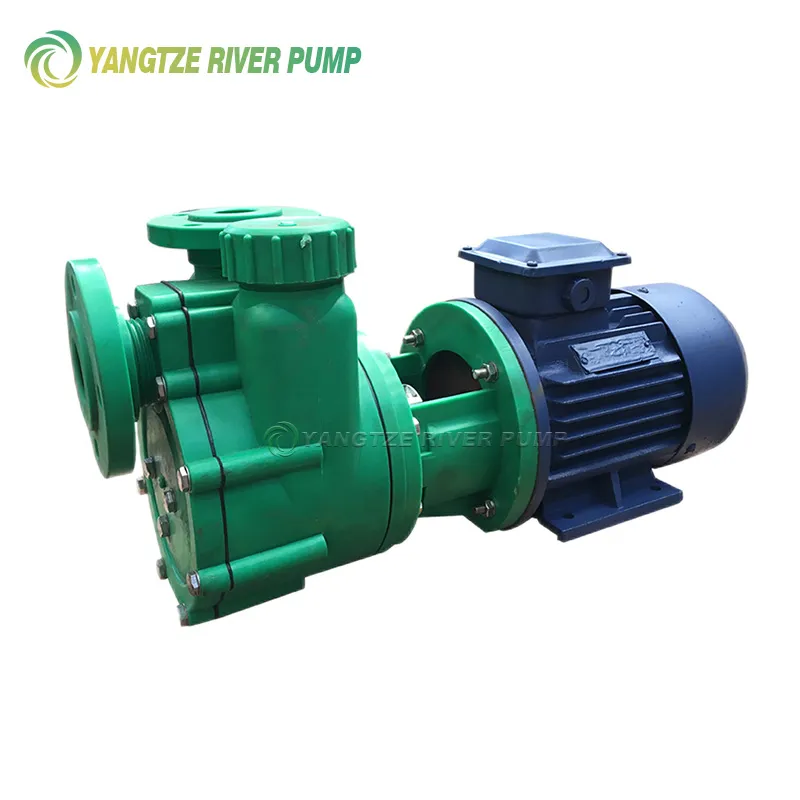 Plastic self-priming centrifugal pumps FP and FS
-
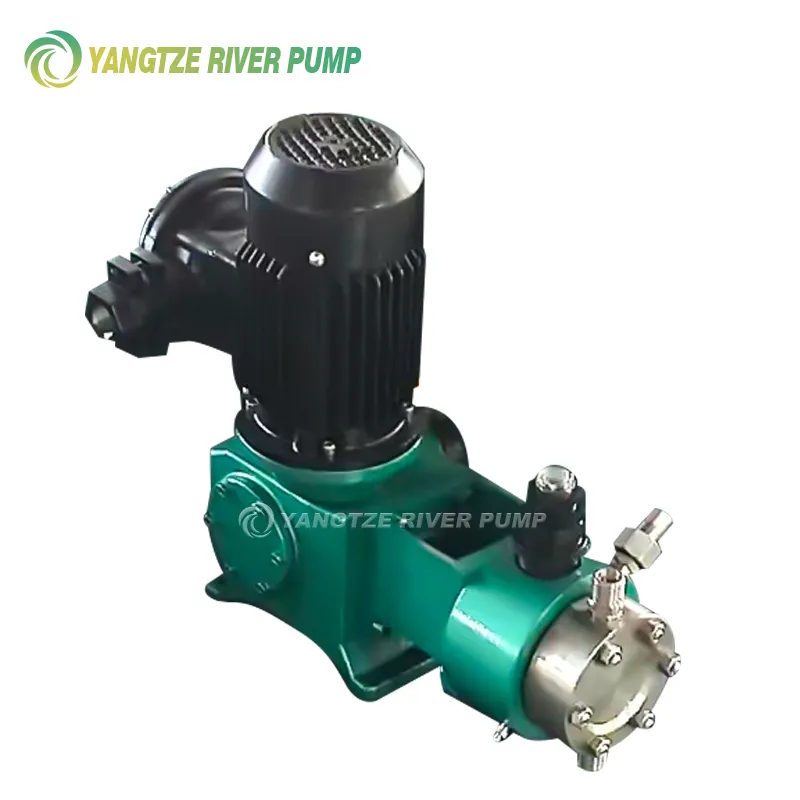 Plunger dosing pumps type DZ-X
-
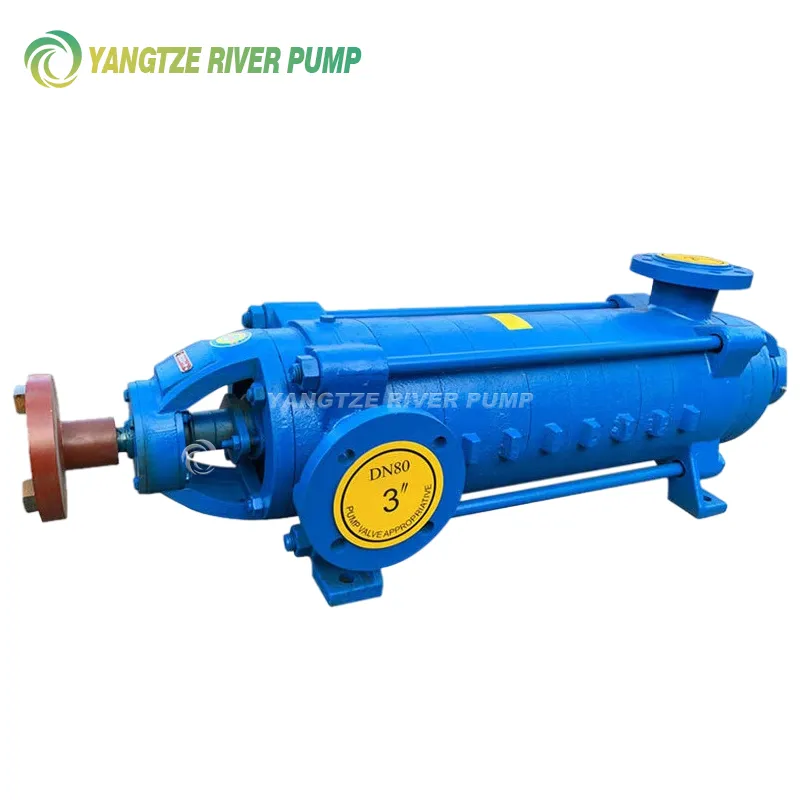 Horizontal multistage centrifugal pumps type D
-
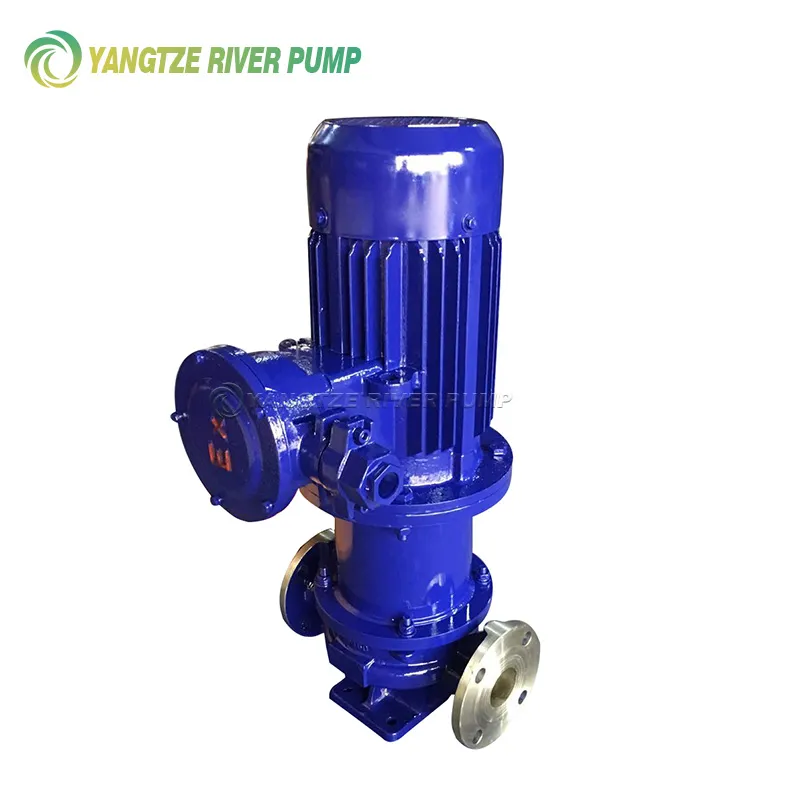 Vertical magnetic pumps CQB-L
-
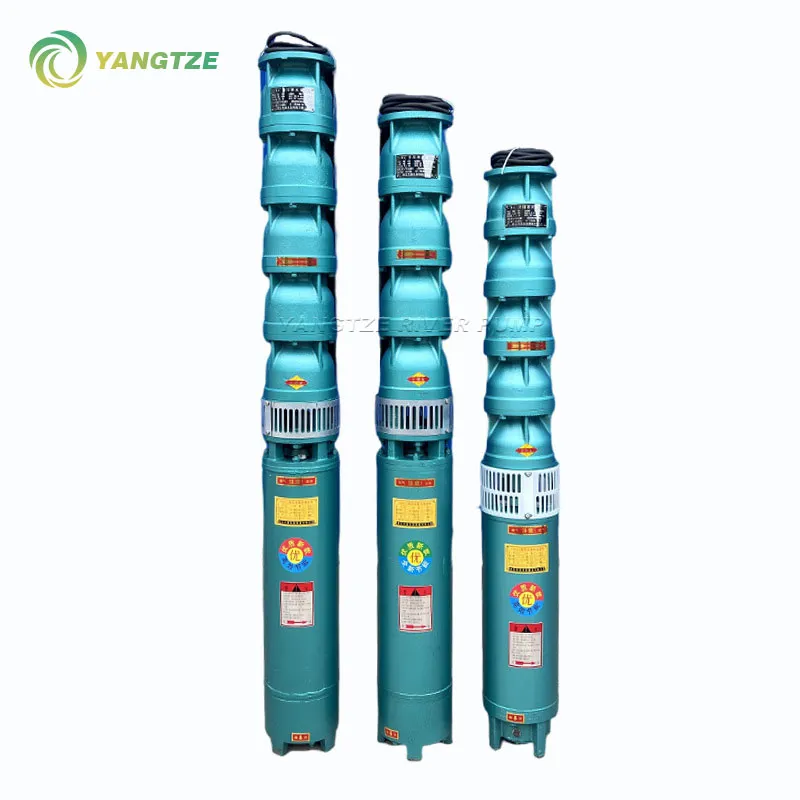 QJ type borehole pumps
-
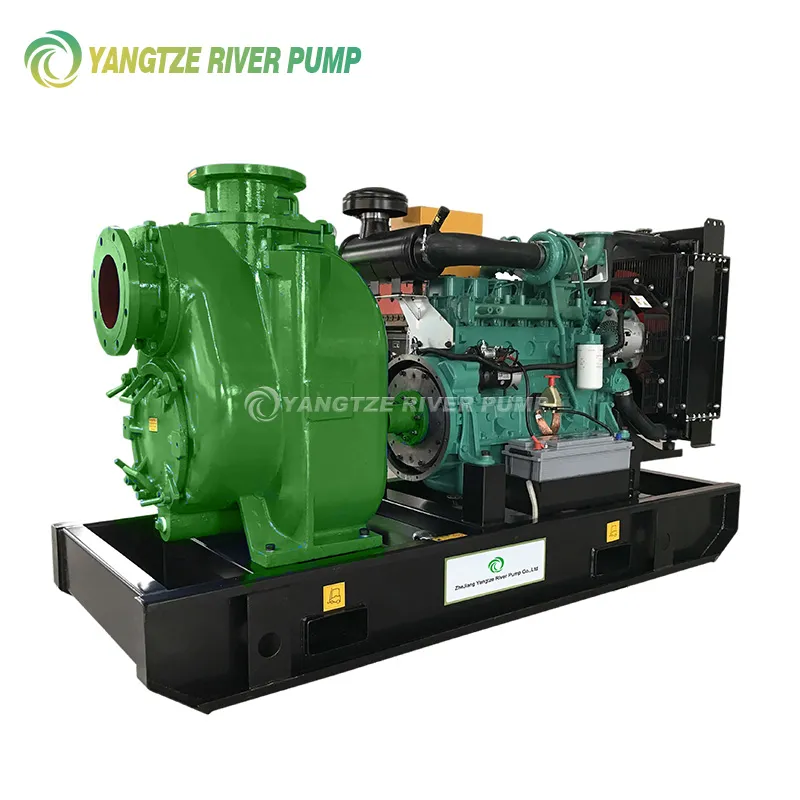 YZSP Diesel Self-Priming Pumps
-
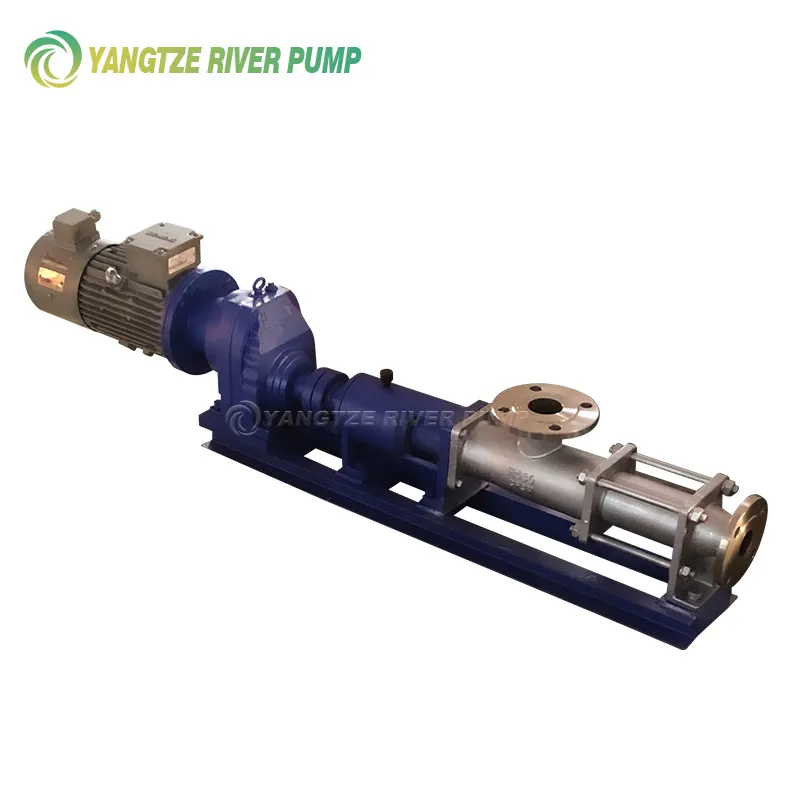 Geared screw pumps type G
-
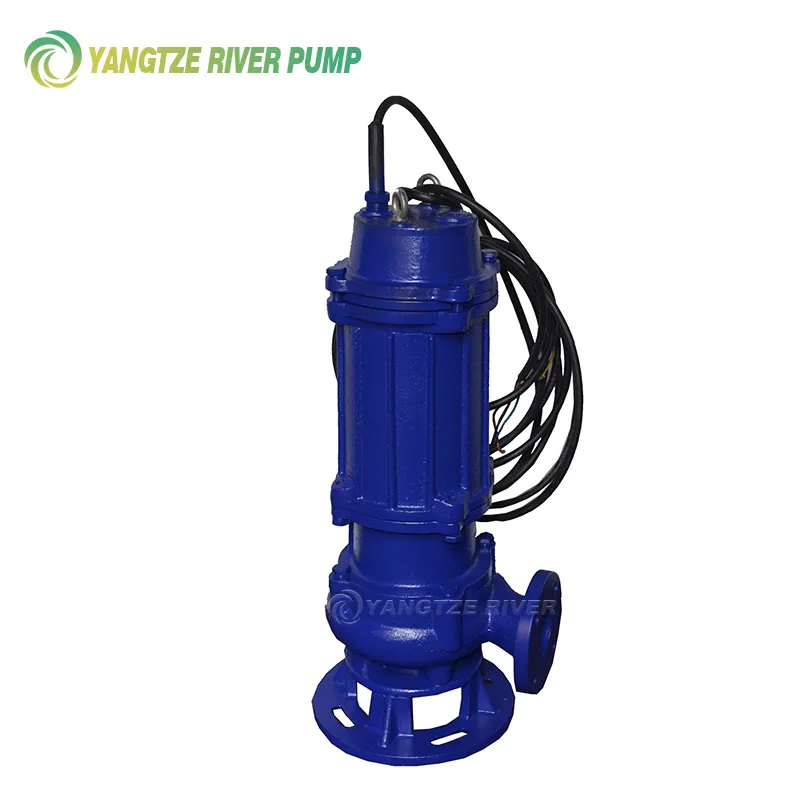 QW Non-clogging Submersible Sewage Pumps
-
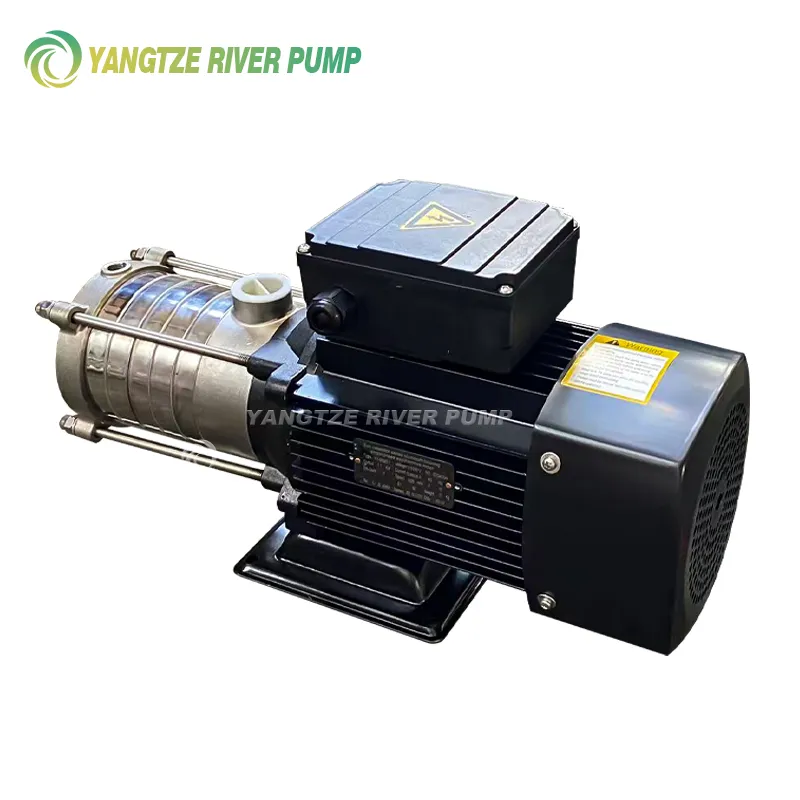 Horizontal multistage centrifugal pumps (light series) CHL and CHLF
-
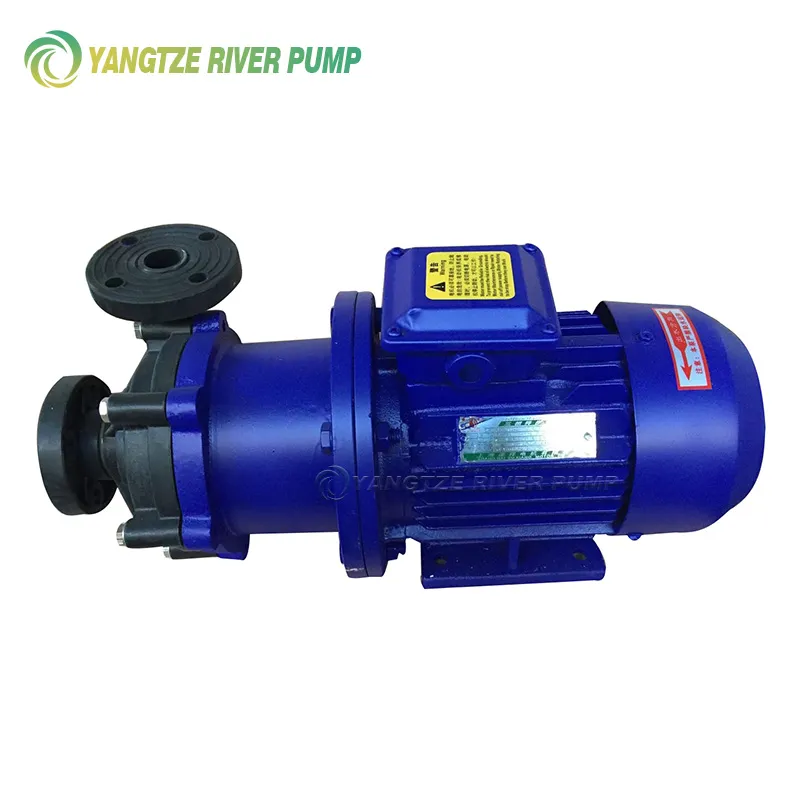 CQF Plastic Magnetic Pumps
-
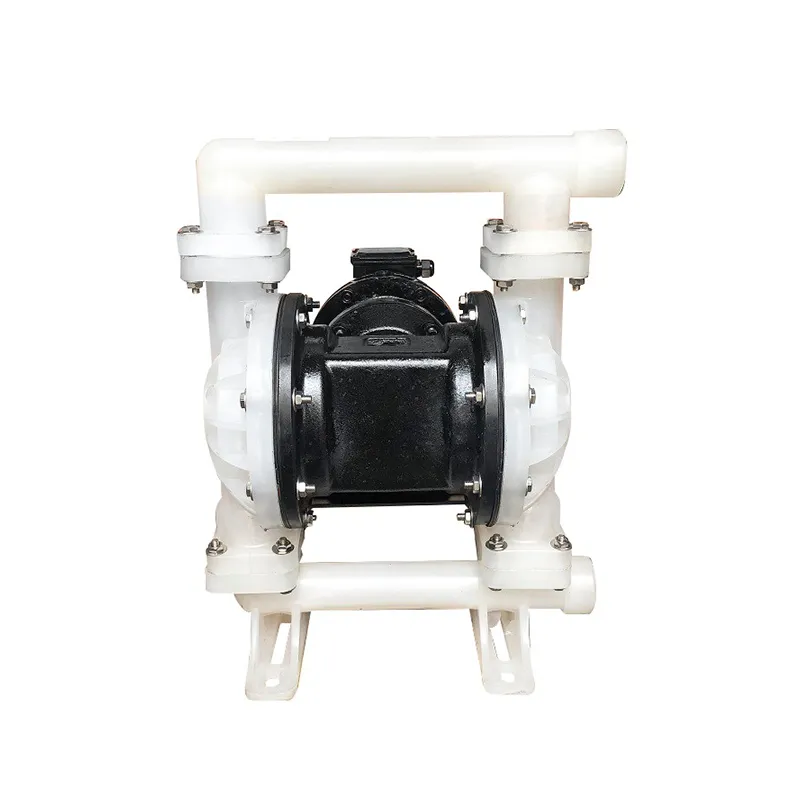 DBY Non-Metallic Electric Diaphragm Pumps
-
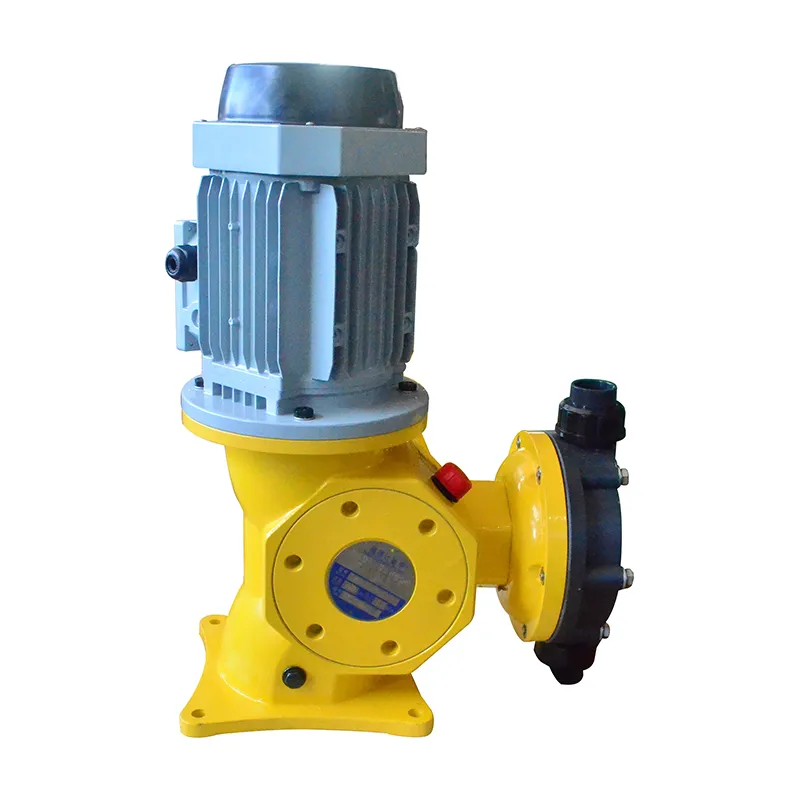 Mechanical diaphragm dosing pumps DJ-Z