







centrifugal pump 2 2 kW
When you see a request for “centrifugal pump 2 2 kW?”, the first thing that comes to mind is that people are looking for something specific for the task. But here lies the main trap: novice specialists or buyers often focus only on power as the main parameter. As if 2.2 kW is a guarantee of solving all problems. In reality, this is just an entrance ticket. The most common question I hear is: “Give me a pump with a little over two kilowatts to pump water?” What kind of water? To what height? What consumption is needed? What kind of environment – clean, abrasive, chemically aggressive? It is at this stage that the real work begins. Engine power is, roughly speaking, “appetite?” pump, how much can he “eat?” energy. But whether it will work effectively depends on hundreds of other things: the design of the impeller, the material of the flow part, the type of seal. At Zhejiang Yangzijiang Pumping Industry Co.,Ltd, when we are approached with such a request, the conversation never starts with kilowatts. It starts with the working conditions.
Why is 2.2 kW such a popular “size”?
This is not an accident. This power is, one might say, the golden mean for many industrial and utility tasks. The 2.2 kW motor is powerful enough to provide serious performance, but can often be connected to a standard three-phase or even single-phase (capacitor start) network, which is critical in many sites where a large electrical infrastructure cannot be installed. We see demand for such units for irrigation systems for small fields, pumping water from reservoirs, increasing pressure in water supply networks of buildings, such as circulation pumps in medium-power boiler houses.
But here’s a nuance: two pumps with the same engine power of 2.2 kW from different manufacturers can produce completely different pressure and flow parameters. It all comes down to efficiency. You can make a rough, heavy unit with low efficiency, which will spend most of the energy on heating and vibration, or you can make a balanced machine with precisely calculated hydraulics. On our production lines in Yangtzejiang this is exactly what they do: they select the optimal combination of wheel diameter, blade shape, and surface finish. The goal is to squeeze maximum useful work out of these 2.2 kW, and not just sell hardware with a motor.
I remember an incident at one of the food production plants. The customer requiredcentrifugal pumpexactly 2.2 kW for pumping syrup. They sent them a standard one, for water. Everything seemed to match according to the passport. And a month later - a call: productivity has dropped by half, the engine is overheating. It turned out that the viscosity of the medium played a cruel joke. The standard wheel was “choking”. We had to quickly develop and install a modification with wider channels and a different angle of attack of the blades. The power is the same - 2.2 kW, but the pump is different. After this, we always refine the environmental parameters to the smallest detail.
Single stage or multi stage? Selection for the task
Within the power limit of 2.2 kW there is a dilemma: single-stagecentrifugal pumpor multi-stage? These are fundamentally different devices for different purposes. If you need to pump a large volume of water to a small height (say, to pump out a pool or water a field), take a single-stage one. It will give a large flow rate at a relatively low pressure. The design is simpler, the price is often lower.
What if you need high pressure at moderate flow? For example, supply water from a deep well to a multi-story building or create pressure in a flushing system. Here a single-stage 2.2 kW pump may not cope. Output – multi-stagecentrifugal pump. The same motor rotates a shaft with several impellers arranged in series. Water passing through each wheel receives an additional impulse, the pressure increases in steps. Thus, with the same 2.2 kW on the shaft, we get many times more pressure than its single-stage counterpart. Of course, the design is more complex and the balancing requirements are higher, but for specific tasks this is the only correct solution. Both types are represented in our assortment, and most of the consultations are just assistance in this choice.
We had a project for a small hotel, where it was necessary to ensure stable pressure on the upper floors from a storage tank in the basement. The consumption is small, but you need decent pressure. They recommended a compact multi-stage 2.2 kW unit. Installed, everything works for years. And at the neighboring vegetable storage for water circulation in the cooling system - there are completely different requirements, they installed a single-stage one. The key is to analyze the hydraulic graph: which operating point (flow/pressure) is required most often.
Materials matter: not just cast iron
When talking about a 2.2 kW pump, for some reason everyone automatically imagines a massive cast-iron structure. Cast iron is a classic, it is durable, dampens vibrations, and is suitable for water. But what if the medium is a weak solution of acid or alkali? Or sea water? Cast iron will begin to corrode. Then the work of engineers shifts to the area of materials selection.
This is where the value of a wide product line like ours comes into play.yangtzeriverpump.ru. For chemically active environments we have a range of plastic chemical pumps. The housing and impeller are made of special polymers - polypropylene, PVDF. They are inert to a huge range of reagents. And yes, such pumps also come with 2.2 kW. They are lighter, and in some cases quieter, but require careful installation and an understanding of the temperature limitations of the material.
And for media with abrasive inclusions (sand, suspension) wear resistance is needed. High chromium content alloys or even rubber lined designs may be used here. The engine is still the same - 2.2 kW, but the "filling" is the same. another. We once supplied pumps for a water recycling system to a crushing and screening complex. Water with sand and fine dust. Standard pumps failed within a season. We selected a model with a reinforced, wear-resistant impeller. The resource has tripled. This is the one “turnkey”? The work that our company has announced is not just to sell, but to work out a solution.
Testing and ?fitting? - there’s no way without it
Any serial pump that comes off the assembly line, even with perfectly calculated parameters, must be tested. This is not a formality. On our test benches, each unit, including 2.2 kW models, is “tested” on various modes. They take the actual characteristics, build a real operating curve, and compare it with the passport one. They check for vibration, heating of bearing units, and tightness.
It happens that a small deviation is detected within the tolerances. Then the pump can be sent for adjustment. This is the same “fine-tuning” that distinguishes simple assembly from high-quality production. Sometimes it’s a matter of balancing the rotor, sometimes it’s a matter of grinding in the mechanical seal. Trifle? No. It is these little things that determine whether the pump will hum for exactly ten years or will it start to “cry?” seal after six months.
I always give the example of a car. You can buy a car that just drives. Or you can - which was adjusted and checked after the conveyor. It's the same story with pumps. Customer buyingcentrifugal pump 2 2 kWfrom us, he receives a device that not only complies with the specifications, but is also individually tested. This is part of our philosophy, embedded in the full cycle from R&D to service.
Service and installation errors: what the instructions are silent about
And now the pump is selected, manufactured, tested and delivered to the site. Here begins the second act of the drama - editing. You can have the best device in the world, but kill it with incorrect installation. The most common mistakes with 2.2 kW pumps, which we see on service visits: incorrect piping (lack of a check valve on the pressure line, which leads to water hammer), narrowing of the diameters of the supply pipelines (the engine is overloaded, trying to suck in water), “hard?” tying the suction pipe to the pipes (vibrations are transmitted to the housing).
Another scourge is “dry running”. The centrifugal pump is not designed to operate without liquid. Without water, there is no cooling and lubrication of the seals, it overheats and jams in seconds. For protection, thermal relays are often installed on such motors, but it is better to organize the system so that this situation does not arise in principle.
In Yangtzejiang, we try not just to ship equipment, but to provide basic advice on installation. Sometimes we even send simple strapping diagrams. Because we understand: system reliability is a shared responsibility of the manufacturer and installer. The successful launch and long operation of a 2.2 kW pump is the best advertisement for us. Much better than any fancy words on the site.
Correspondingproducts
Related Products


Best Sellingproducts
Best Selling Products-
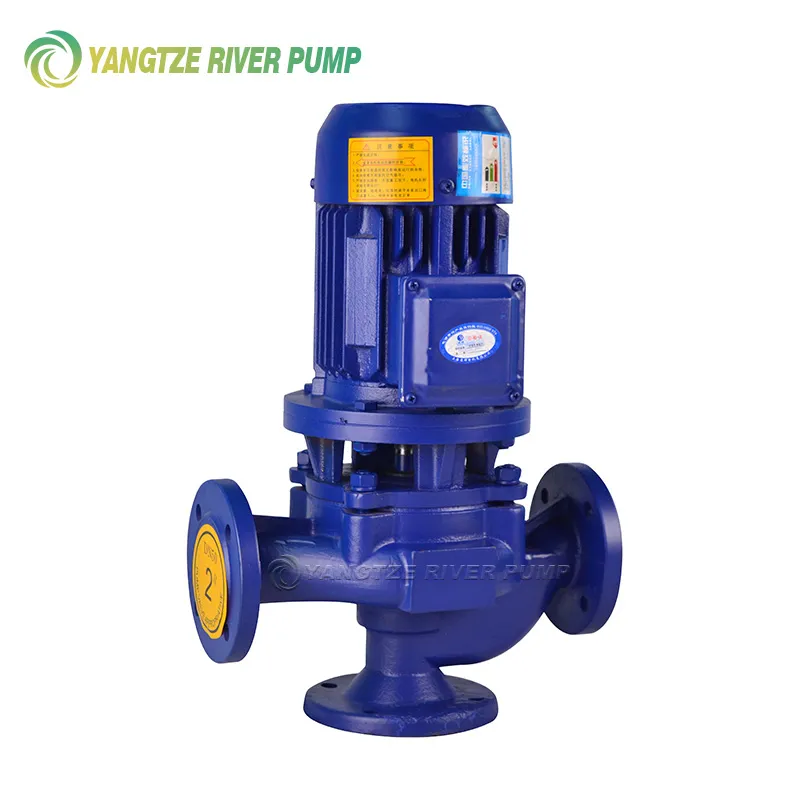 Pipeline wastewater pumps GW
-
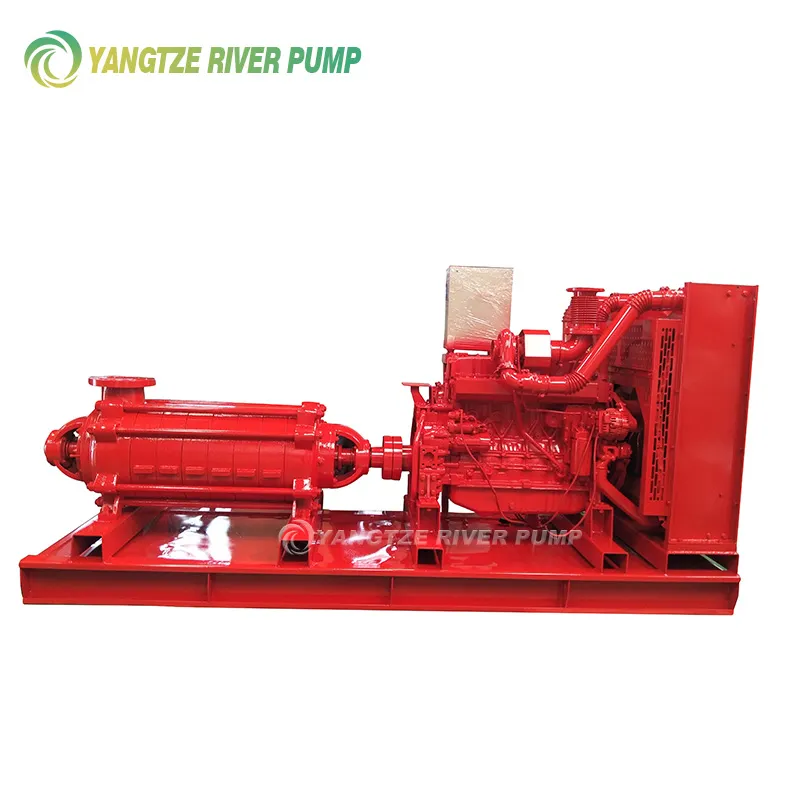 YZD Series Diesel Multistage Centrifugal Pumps
-
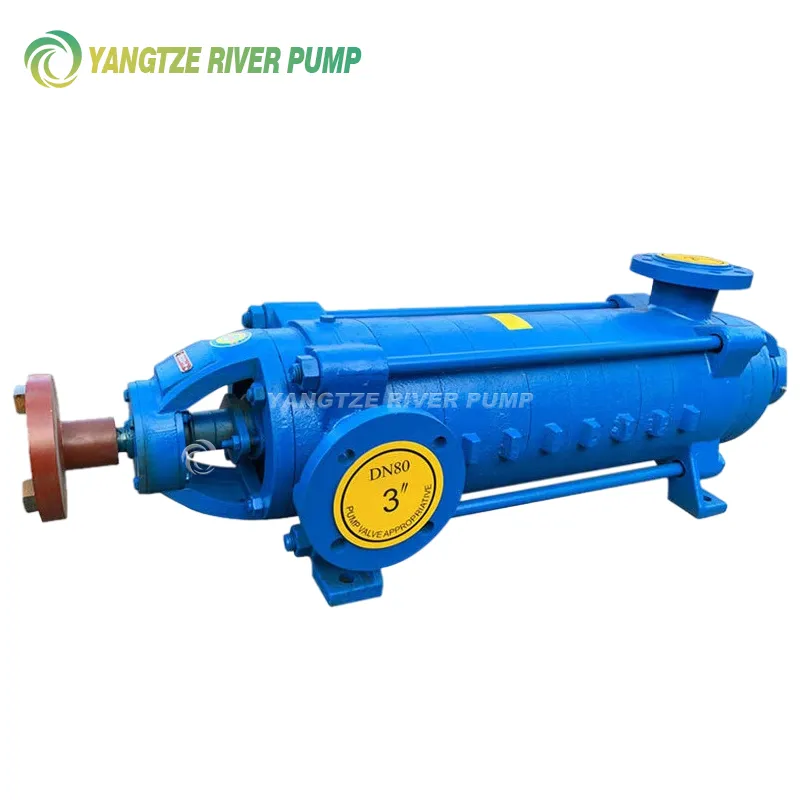 Horizontal multistage centrifugal pumps type D
-
 Corrosion-resistant stainless steel centrifugal pumps SFB and SFBX
-
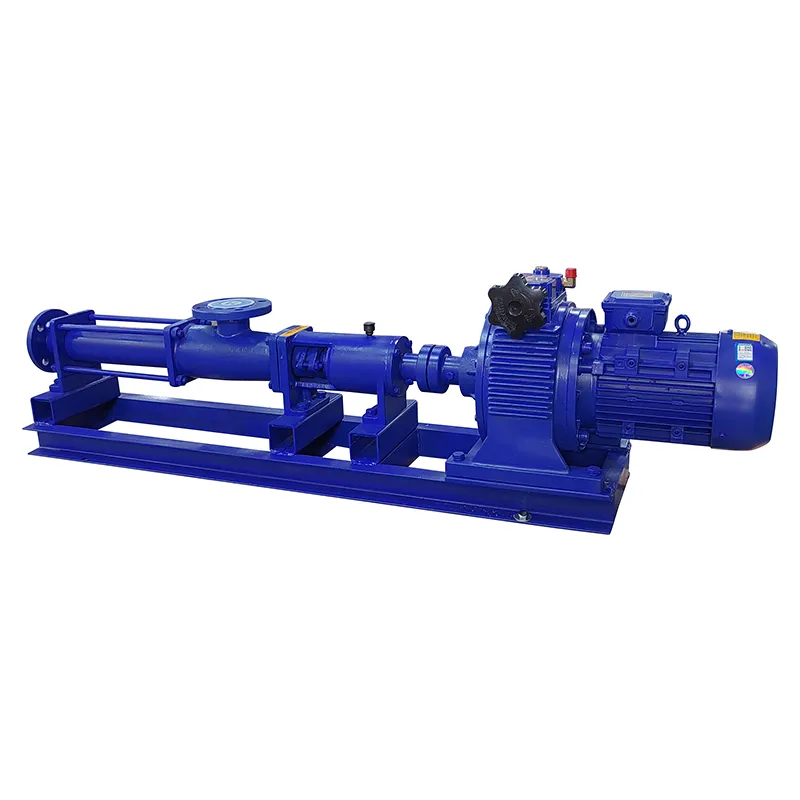 Infinitely variable screw pumps type G
-
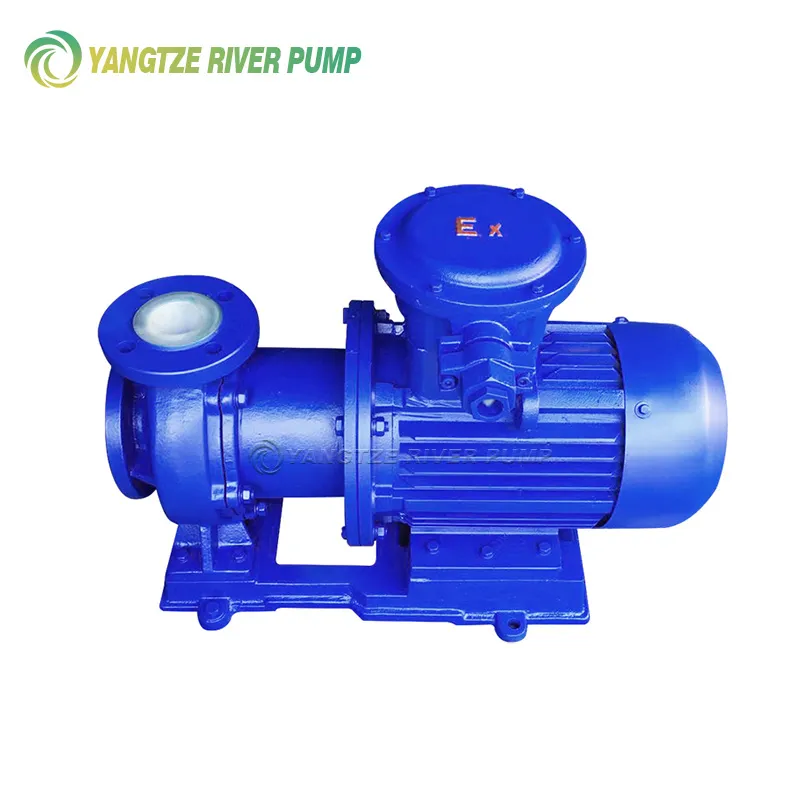 Magnetic pumps with fluoroplastic lining CQB-F
-
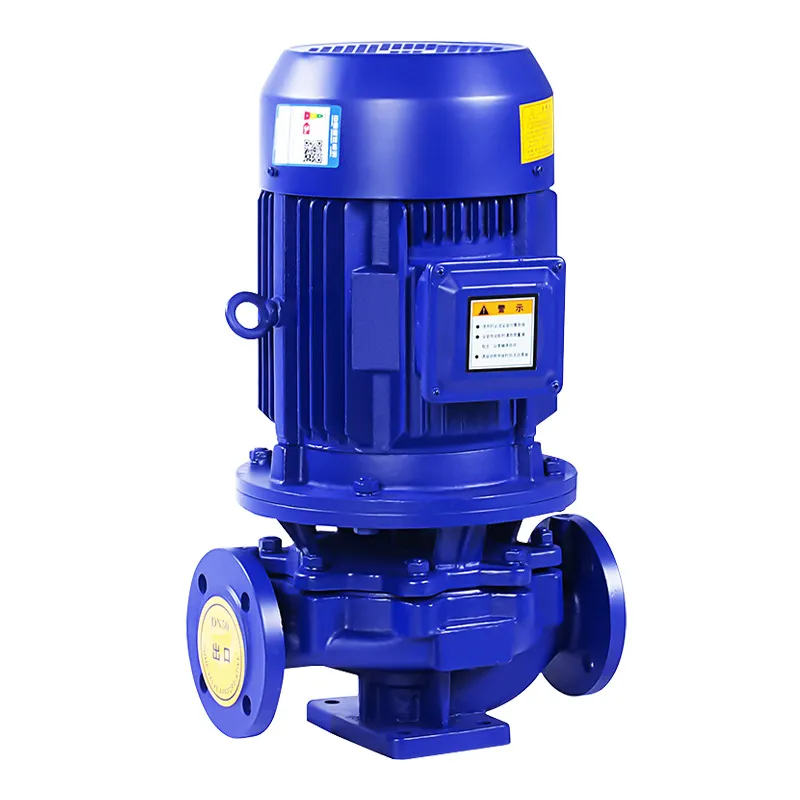 Vertical single-stage pipeline centrifugal pumps ISG and IHG
-
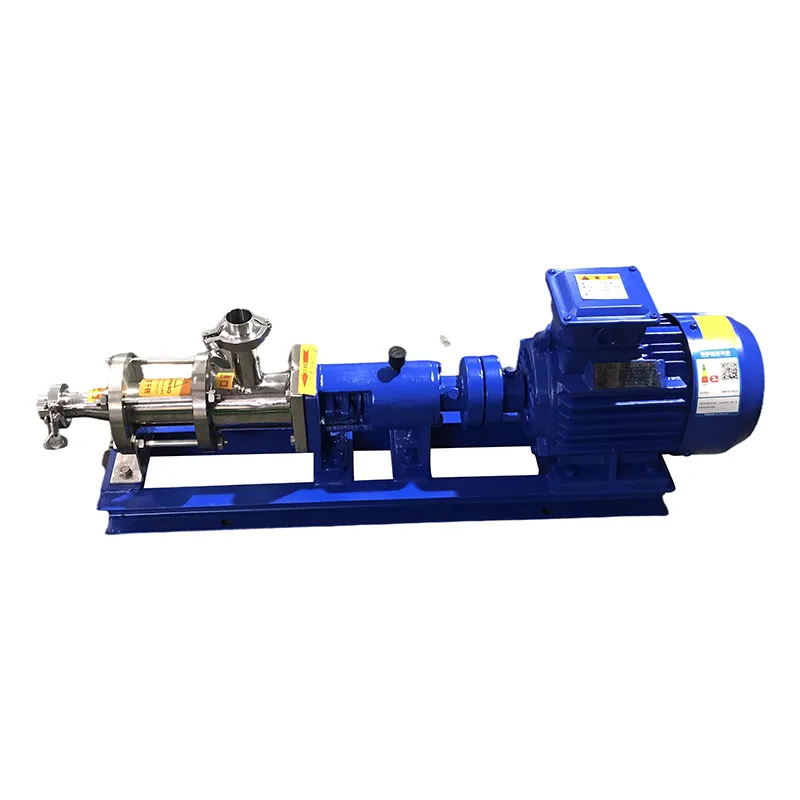 Sanitary screw pumps type GF
-
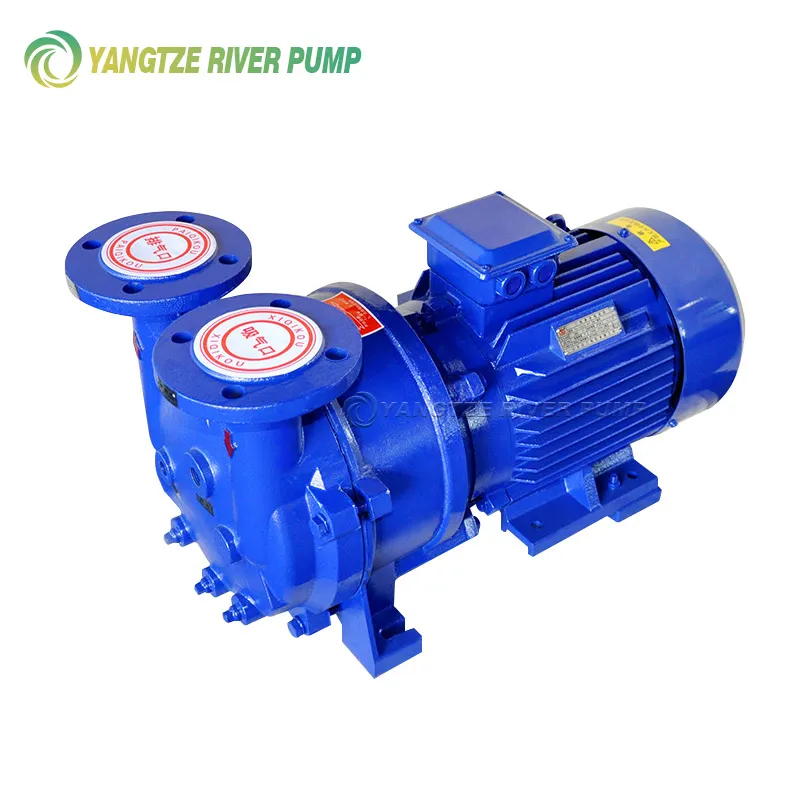 Liquid ring vacuum pumps type SKA and 2BV
-
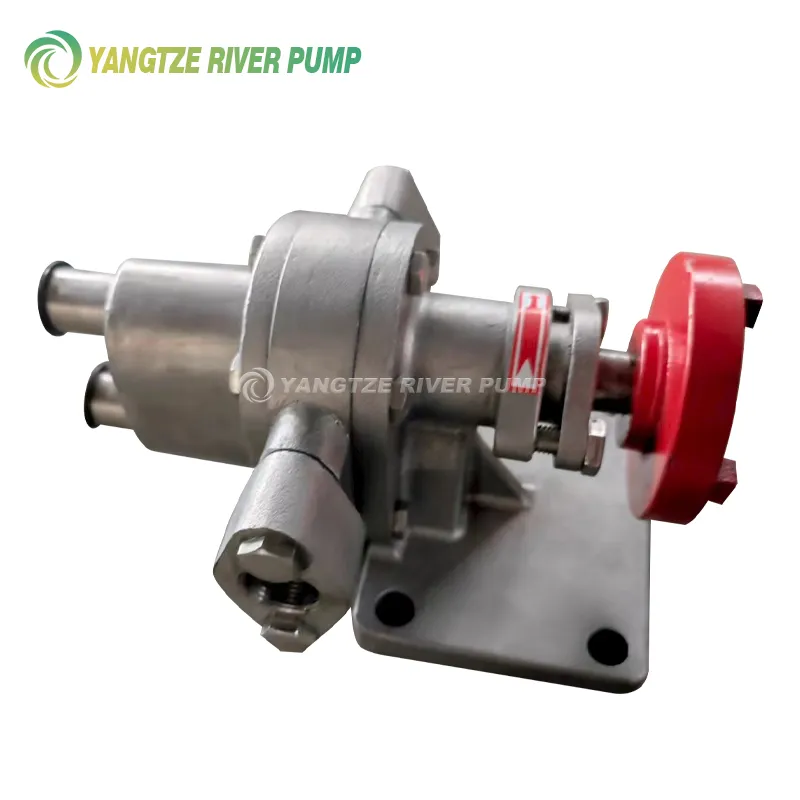 Gear oil pumps type KCB
-
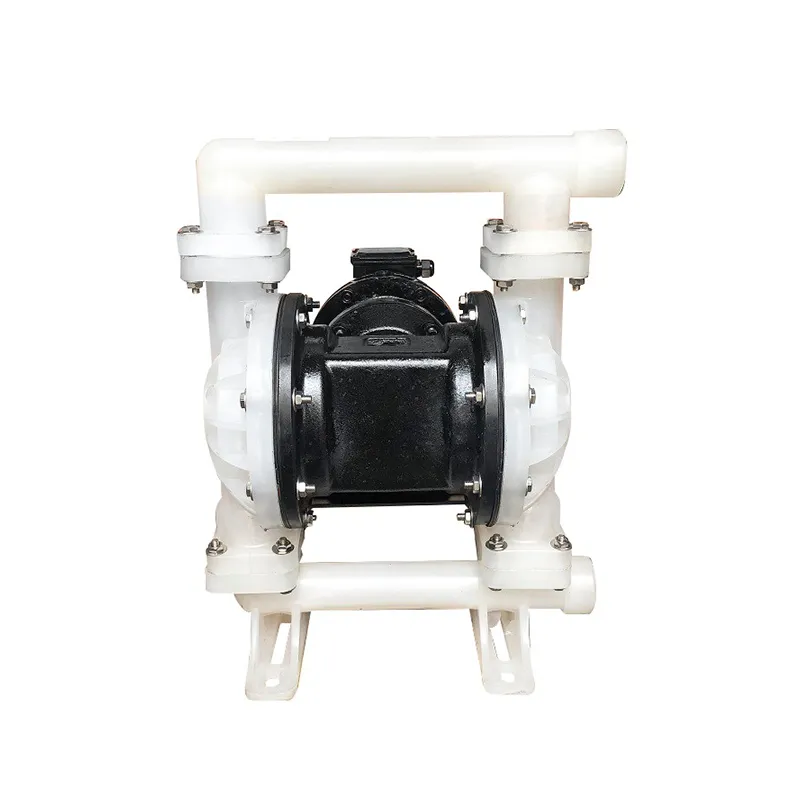 DBY Non-Metallic Electric Diaphragm Pumps
-
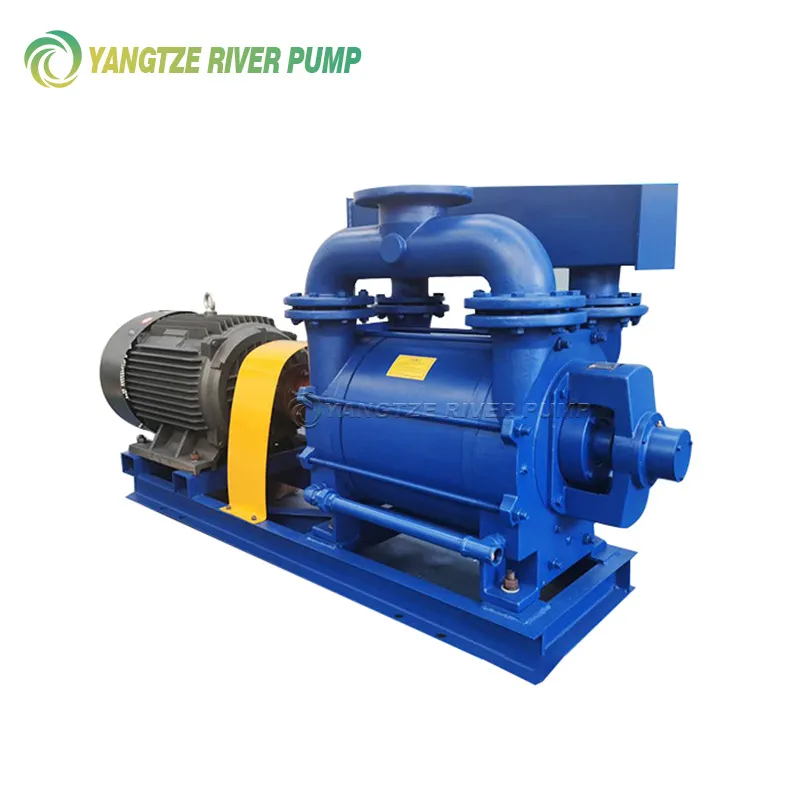 Liquid ring vacuum pumps type 2EB