







deep well pumps 380 volts
When they talk aboutdeep well pumps 380 volts, many immediately imagine something monstrous, exclusively for industrial wells. This is the first thing we come across in conversations with customers - the stereotype that three phases are always “heavy artillery”. In fact, the choice between 220V and 380V often depends not so much on power as on network stability, cable length and, importantly, on the economic feasibility of operation. This is especially felt in remote farms, where the line can “sag”. I myself saw how a 220-volt pump seemed to fit the parameters, but during prolonged operation, due to a voltage drop, it began to overheat, while its three-phase counterpart worked smoothly. But even here, not everything is so simple.
Why 380 volts? Not just about power
This, of course, is not about pushing three phases everywhere. If the well is up to 50 meters, the flow rate is average - often a single-phase one will cope. But when you start looking at depths of 80 meters and below, or at the need for constant high flow rates for watering large areas, then 380V already shows itself. Their starting moment is softer, the load on the network is more distributed, and the efficiency of a good three-phase motor is often higher. But the key word is “good”. I saw pumps in the field where they save on everything, including motor winding. These can even fail at 380 volts faster than a good single-phase unit.
One of the practical nuances that is rarely written about in catalogs is the actual cross-section and length of the power cable. Fordeep well pumpsAt 380V, voltage drop is a critical enemy. You calculate everything according to the tables, but at the site it turns out that from the transformer to the panel there are still a hundred meters of old aluminum wire. And the pump, which under ideal conditions would show one performance, operates 20-30% lower. You have to either pull a thicker cable, which is expensive, or install a stabilizer, which is also expensive. Is this the same “underwater” one? part of the cost that the customer does not always immediately see.
Here, by the way, it is worth noting the approach of some manufacturers who offer comprehensive solutions. Take, for example,Zhejiang Yangzijiang Pumping Industry Co.,Ltd. On their websiteyangtzeriverpump.ruit is clear that they do not just sell pumps, but have a full cycle from R&D to testing. For me, this has always been a marker: if a manufacturer tests a product in conditions close to real ones (and they have their own test lines), then in terms of selecting a 380V motor for theirsubmersible pumpsthey will likely make more accurate recommendations. Not bare numbers from the table, but adjusted for real operational voltage surges.
Varieties and pitfalls of choice
When you come to the topic of 380-volt deep-sinks, you understand that it’s “just a pump?” - that's too broad. There are multi-stage centrifugal models - real hard workers for deep wells with high pressure. Their advantage is that you can quite flexibly select the characteristics for the well flow rate by adding or removing steps. But their Achilles heel is sensitivity to sand. Even a small amount of abrasive quickly damages the impellers.
An alternative for difficult media is vortex or auger (single screw) pumps. They tolerate contaminated water better. I remember an incident at a sand well, where a centrifugal multistage pump died during the season, and the screw one installed in its place (just rated at 380V) had been pumping out for three years already. But it has another feature - usually lower efficiency and higher energy consumption at the same pressure. Choice always becomes a compromise.
This is where it is important to look at the manufacturer's range. If a company, like Yangtzejiang, produces both centrifugal andsubmersible pumpsscrew type, and even plastic chemical ones for aggressive environments, this indicates deep specialization. There is a good chance that they will be able to select or even modify a model for a specific task, rather than trying to sell what is in stock. For three-phase solutions, this possibility of customization is a big advantage.
Installation and operation: where mistakes are most often made
The most common installation mistakedeep-well pumps 380 volts- negligent attitude towards protection. Many people think that since the engine is powerful, it will take you out. All. They install without a soft start (soft starter), and on old networks this is a guaranteed current surge and the risk of a burned out winding at the first frequent switching on and off. Or they skimp on protection against dry running, and then wonder why the pump burned out when the level in the well dropped.
The second point is the fastening of the cable and cable. It would seem like a small thing. But I saw how the pump hung almost only on the power cable, because the stainless steel cable was not properly secured in the head. A year later, the vibration did its job - the insulation was broken and a short circuit occurred. For a three-phase pump, where the cable has 4 cores (3 phases + ground), such an error is fatal. The cable must be secured separately, with a margin of safety, or better yet, use special cable ties to the HDPE pipe.
And the third, already operational, tip is monitoring. Not just “turn it on and forget it?”. From time to time it is worth looking at the currents by phase in the control panel. If there is a imbalance (the current in one phase is noticeably different from the others), this is the first call. The reasons can be different: from network problems to incipient problems in the pump motor itself. Early detection will save you from costly repairs.
Case study: when an integrated approach worked
We had an object - a farm, a deep well (about 120 meters), water with a high content of hardness salts and fine suspended matter. A pump was needed for round-the-clock water supply and irrigation. The previous one, single-phase, could not cope with the pressure and burned out. They began to figure it out.
After analyzing the water, it became clear that resistance to aggressive environments was needed. We considered options with stainless steel, but the price was prohibitive. Then we turned our attention to plastic chemical pumps. Many are surprised, but modern engineering plastics can withstand both depth and pressure, and at the same time are absolutely inert to salts. We found a suitable model from the full-cycle manufacturer I was talking about -Zhejiang Yangzijiang Pumping Industry Co.,Ltd. It was important that they make such models with three-phase 380V motors.
We connected it with a mandatory control panel with protections, a voltage stabilizer (the network in the field was rather weak) and a frequency converter for smooth adjustment of performance. The result is that the pump has worked for four seasons without any complaints. The key here was precisely the comprehensive selection: not just a “380V pump,” but the right material, selected for the chemical composition of the water, and competent wiring with electronics that compensate for the weaknesses of the local network. This is the case when the stingy pays twice, and investments in high-quality and suitable equipment pay off with its resource.
Instead of a conclusion: what to look for today
To sum it up, I want to say that the marketdeep well pumpsdoes not stand still. If previously the choice was between a couple of types, now you can find a specialized solution for almost any task. The trend is in “smart” management. Increasingly, frequency converters are being installed for 380-volt pumps, which not only start the motor smoothly, but also allow you to accurately adjust performance depending on water flow, saving energy.
Another point is materials. More and more models are appearing with wear-resistant polymers and composite materials that extend the life of the pump in difficult conditions. And here again, the winners are manufacturers with their own research centers, which can test and implement such new products as the company whose example was given.
So, choosingdeep well pump 380 volt, do not focus only on the passport data of pressure and flow. Ask about the materials of the flow path, clarify recommendations for protection and control, and ask how a particular model behaves at non-ideal voltage. Look for a manufacturer that provides not just a product, but a technical solution. Because in a field, at a depth of a hundred meters, repairing or changing a pump is not at all the same as in a workshop. This means time, money and, most importantly, the confidence that there will always be water.
Correspondingproducts
Related Products

Best Sellingproducts
Best Selling Products-
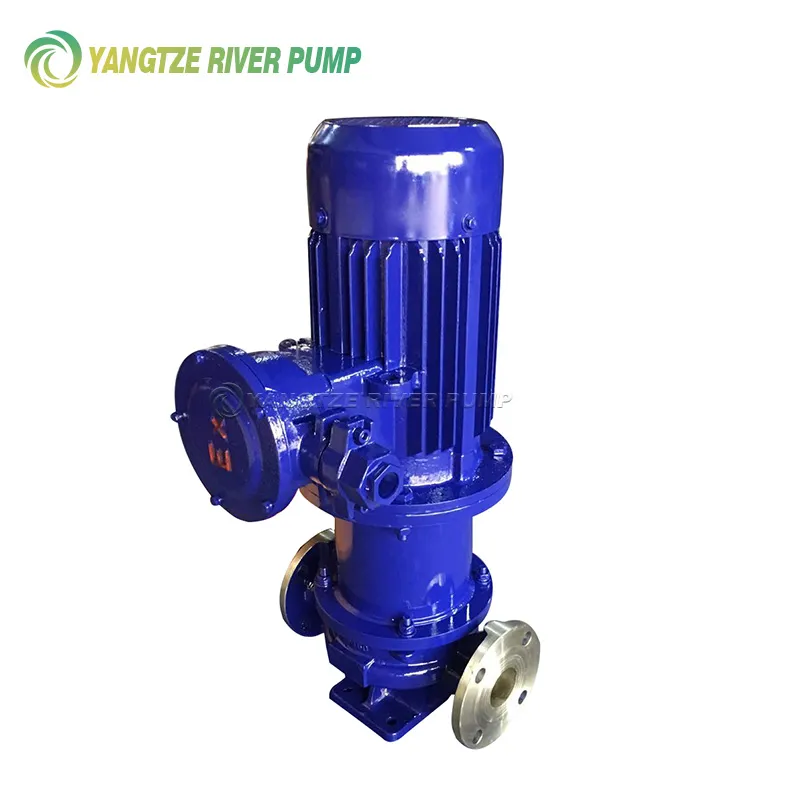 Vertical magnetic pumps CQB-L
-
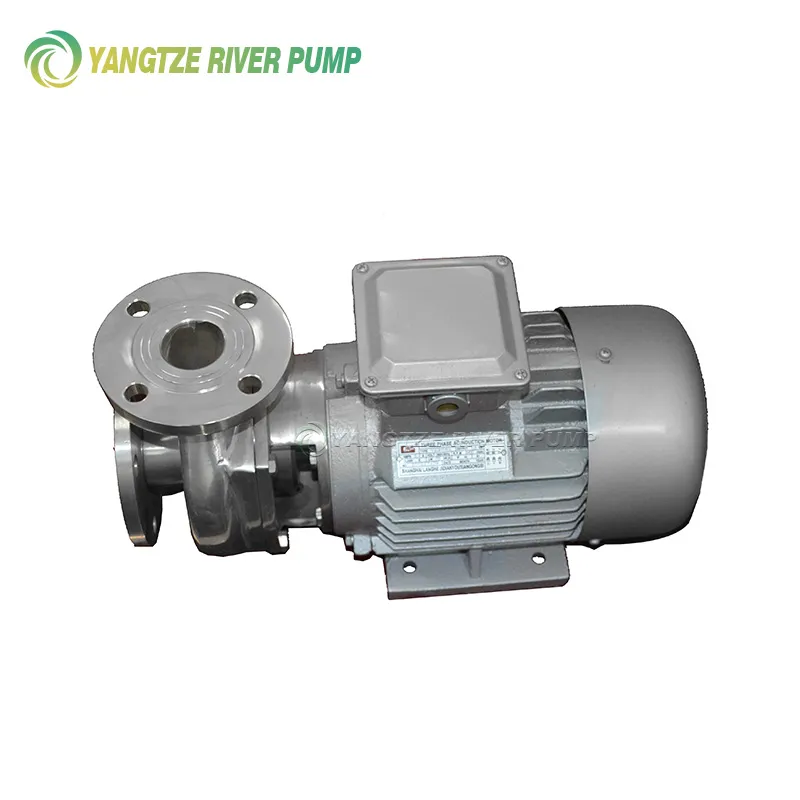 Corrosion-resistant stainless steel centrifugal pumps SFB and SFBX
-
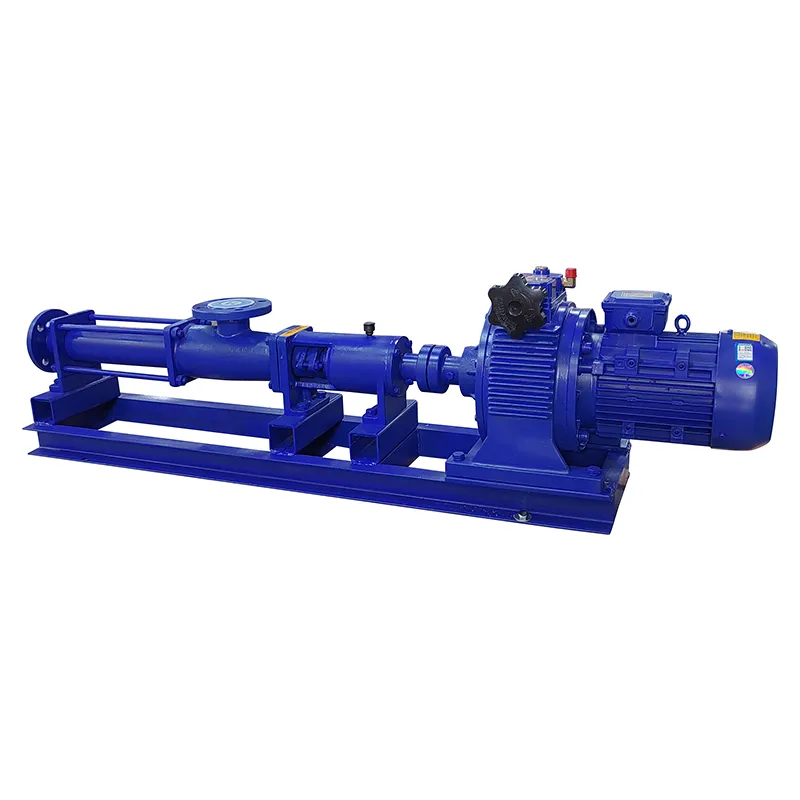 Infinitely variable screw pumps type G
-
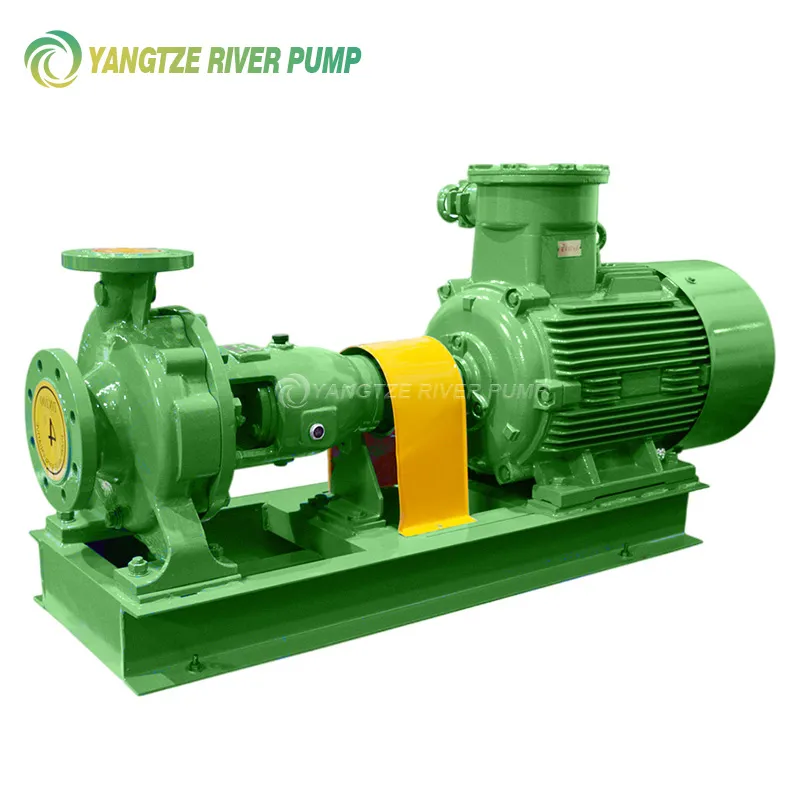 YCZ Chemical Process Pumps
-
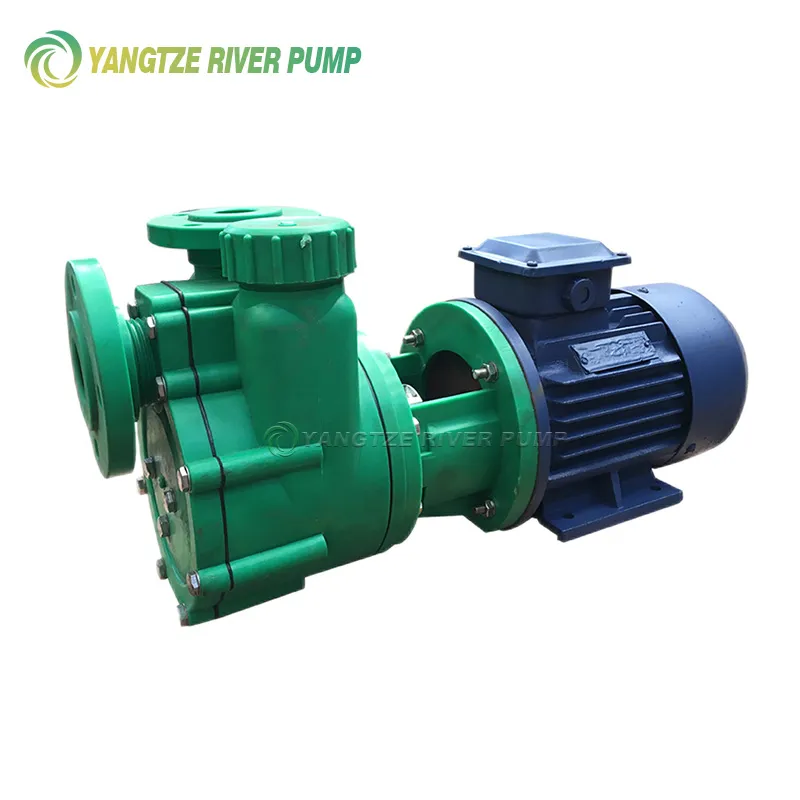 Plastic self-priming centrifugal pumps FP and FS
-
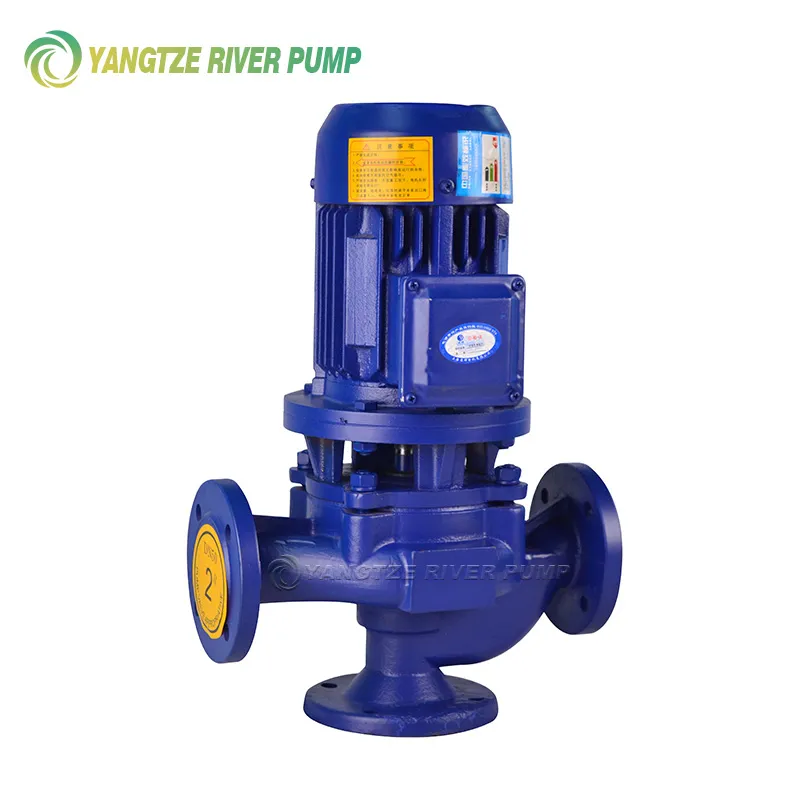 Pipeline wastewater pumps GW
-
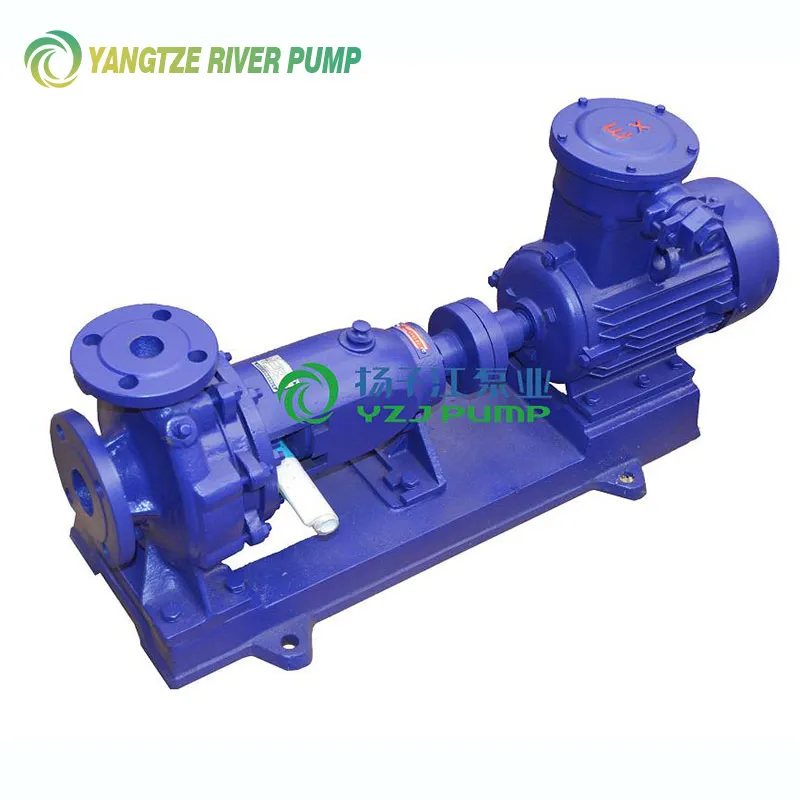 Horizontal chemical centrifugal pumps types IS and IR
-
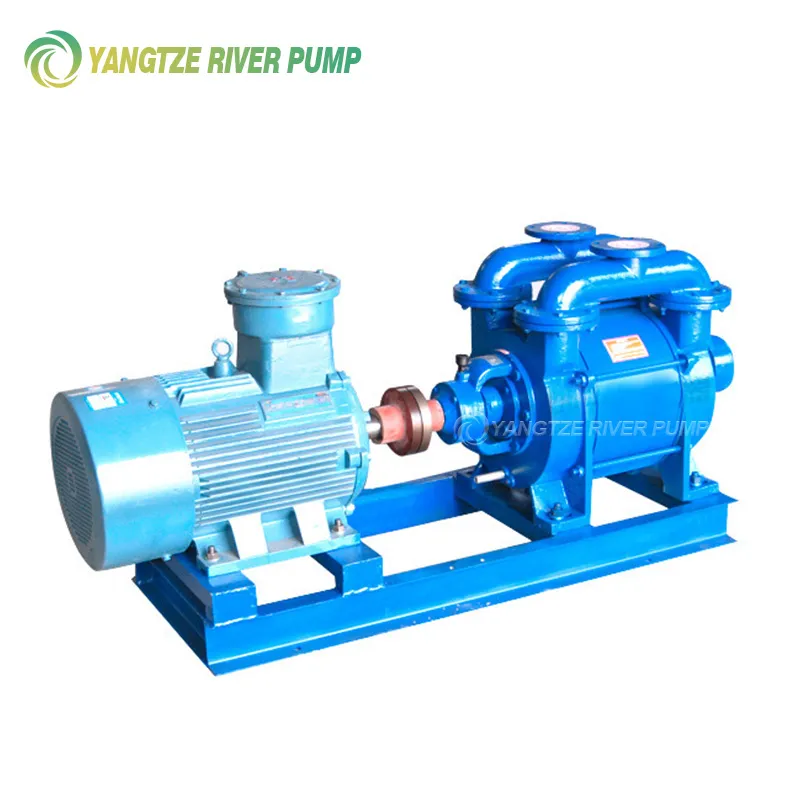
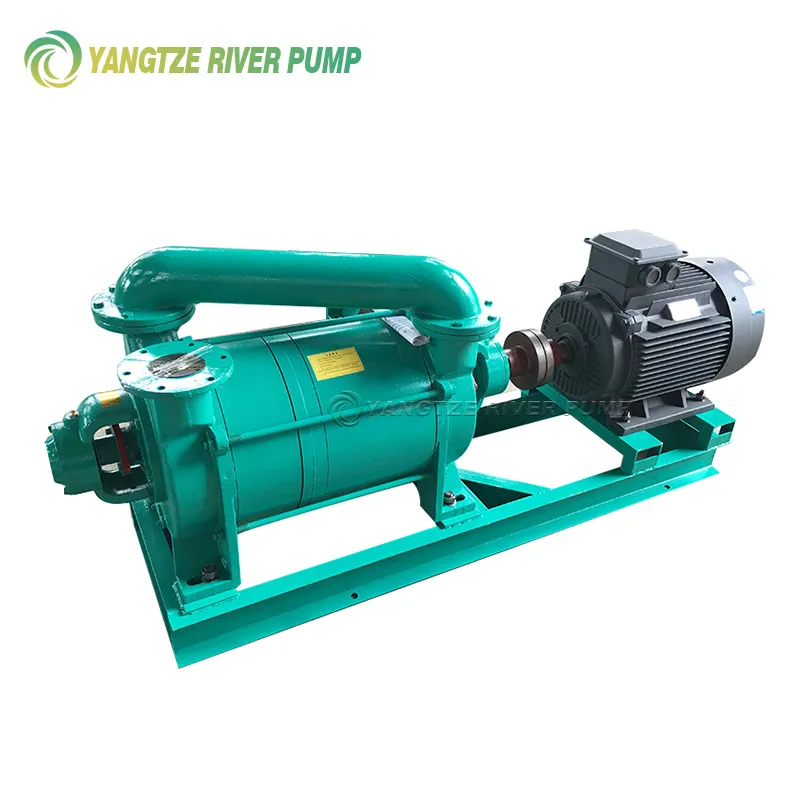 Liquid ring vacuum pumps type 2SK
-
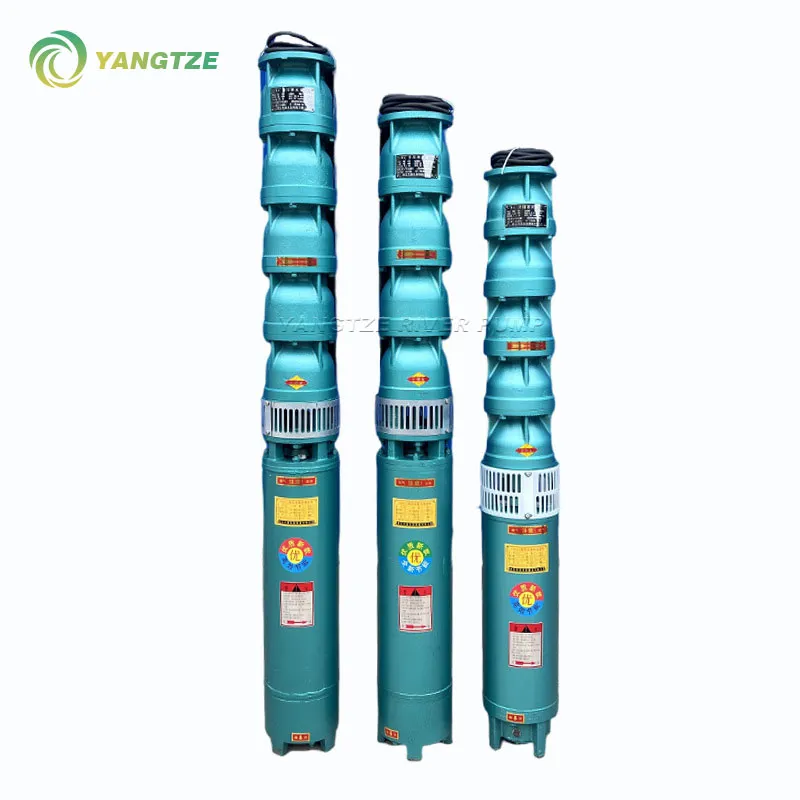 QJ type borehole pumps
-
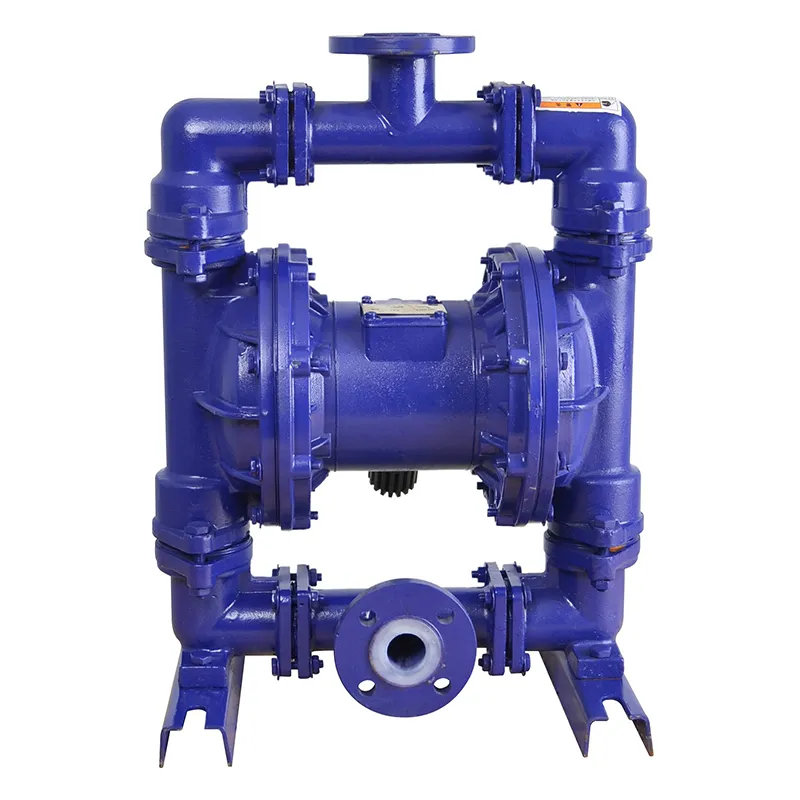 Metal pneumatic diaphragm pumps QBK
-
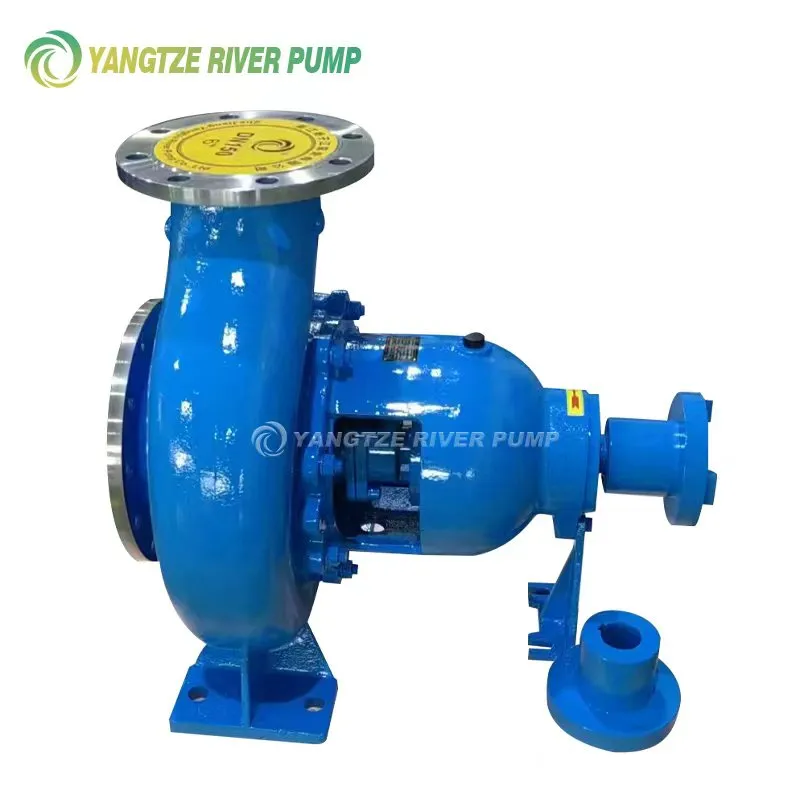 IH Stainless Steel Chemical Centrifugal Pumps
-
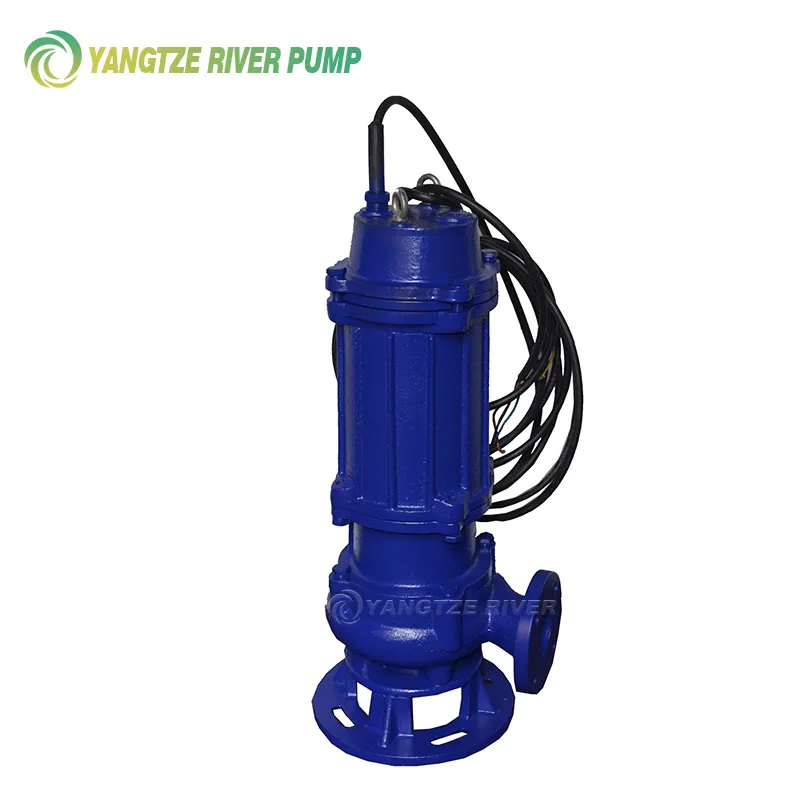 QW Non-clogging Submersible Sewage Pumps
Relatedsearch
Related Search- pump submersible centrifugal pump 7
- centrifugal water flow pumps
- semi-submersible coolant pump
- centrifugal pump components
- positive displacement rotary pumps
- plunger dosing pump
- semi-submersible pump for petroleum products
- Stainless steel submersible wastewater pumps
- deep well pump 60
- liquid ring vacuum pump 5 5