







centrifugal pump 50 m3
When you hear “centrifugal pump 50 m3”, the first thing that comes to mind is some kind of average unit, a “workhorse”. for pumping water. But in practice, this figure - 50 cubic meters per hour - often becomes the point where errors begin. Many people think that this is solely a matter of engine pressure and power. But in reality, if we are talking about, say, pumping a suspension or operating in frequent start-up mode, the standardcentrifugal pump50 cubic meters may not last or quickly fail. This is where the difference between just a product and well-chosen equipment appears.
Why 50 m3/h is not a point, but a range
During testing in our workshop, I often see how my colleagues look at the characteristics. They take a pump, pumps exactly 50 cubic meters of clean water at 20 degrees - everything fits, you can put a stamp in your passport. But as soon as you raise the temperature of the medium or add abrasive particles to it, the curve on the graph drops sharply. The actual flow rate can go up to 40, or even 35 m3/h. And here the client is already dissatisfied: the system does not provide the required performance. Therefore, we at Zhejiang Yangzijiang Pumping Industry Co., Ltd. always stipulate conditions. Not a “50 m3 pump”, but a “pump that provides 50 m3/h when pumping water with a temperature of up to 60°C with a solid content of no more than 5%”. This is a completely different conversation and, often, a different design.
By the way, about the design. For such tasks, a single-stage option may not be suitable. Sometimes it is better to look towards multi-stage models, especially if you also need decent pressure. On our website yangtzeriverpump.ru in the multi-stage pumps section there are models that, in the area of this performance, show themselves to be very stable even with pressure surges in the network. But this is not a panacea - it all comes down to details.
One of the key details is the material of the flow part. I saw a case where a customer saved money and took standard cast iron to pump a weak acid solution. Formally, according to the catalog, the pump was suitable. But after three months, cavitation ate up the impeller by almost half, and productivity naturally collapsed. I had to change it to a model with a stainless impeller. This is the very moment where general words from the catalog collide with physics and chemistry.
Self-priming or conventional centrifugal? The task determines everything
A frequent request is “need a 50 cubic meter pump to pump out a tank?”. Sounds simple. But if the liquid level drops below the suction pipe, the standardcentrifugal pump 50 m3it just stops working, it needs constant refilling. This is where the self-priming modification comes into play. We also produce them, and for many farms this is a salvation. But they also have a nuance: after stopping, there must be liquid left in the housing for the next start. If you don’t know this, the operator will suffer with filling every time.
I remember setting up such a system for watering. The client complained about the long startup time. We arrived and looked - and the pipeline after the pump runs with a slide, and after stopping, the water from the housing flows back into the container. The solution turned out to be simple - a check valve right at the outlet of the pump. It’s a trifle, but without it the unit could not reach its rated performance. Such little things make up 90% of successful operation.
That is why our production has a full cycle - from R&D to testing. You can not only assemble the unit according to the standard, but also test it under conditions close to future ones. Launch it, let it work with an imitation of that same suspension, catch possible problems even before shipment to the client. This is more expensive for us, but significantly reduces the number of complaints.
When a standard centrifugal pump fails: limits of application
There are environments where even stainless steel is no help. Aggressive chemicals, high temperatures. For this purpose we have a line of plastic chemical pumps. Their productivity can also be around 50 m3/h, but structurally these are completely different devices. And here it is a mistake to try to save money and install a conventional centrifugal pump made of stainless steel, if the technical process contains, for example, hydrochloric acid. He can hold out for a month, but it will be a month of constant risk.
Through experience, we came to the conclusion that for reliability it is sometimes better to even overestimate the parameters. If you need 50 cubic meters of an aggressive environment, take a model designed for 60-65. The productivity margin will make it possible to work beyond the limits of the material and hydraulics, which dramatically increases the service life. This seems irrational in terms of initial costs, but it pays off over years of trouble-free operation.
By the way, about working to the limit. A common story with submersible pumps. The declared 50 m3/h is at a certain pressure. If the depth of the well or well is greater than the calculated one, the productivity will be lower. And it’s not the manufacturer’s fault, but the wrong selection. We always ask for data not only on the desired flow rate, but also on the geometry of the system: lift height, length of the horizontal section, pipe diameter. Without this, any recommendation is fortune telling on coffee grounds.
Tests as the final argument
Eight production lines are not only about quantity, but also about control. The last step before packaging is the test bench. Here we race everyonecentrifugal pump, including 50 m3. We take actual characteristics, compare them with the passport ones, and listen for extraneous noise and vibrations. It happened that, despite external serviceability, a “failure” appeared on the graph. within a certain operating range. This means that somewhere in the hydraulics there is an imperfection, a cavitation bubble. We send it for revision.
This process is not for show. It allows you to avoid situations where the pump formally complies with GOST, but behaves unstable in a real system. For the client, such instability results in pressure fluctuations, increased wear and tear and, ultimately, downtime.
Therefore, when I see a request to “buy a 50 m3 centrifugal pump,” I understand that behind it is not just a desire to purchase a product, but a need to solve a specific technological problem. And our task is to help you choose a device that will solve it for years to come, and not just match the number in the “performance” line.
From design to service: why the full cycle is important
Many suppliers work as intermediaries: they received an order, assembled it from components, and shipped it. We at Zhejiang Yangzijiang Pumping Industry Co., Ltd. have a different approach. Our own production from case casting to assembly allows us to control every stage. If during operation it turns out that an impeller with a slightly changed angle of attack of the blades is better suited for a certain type of water, we can quickly make changes to the design and offer a modernized version. This is a level inaccessible to simply trading companies.
A case from practice: for a recycling water supply system at an enterprise, a reliable pump with a capacity of 50 cubic meters was needed, but with the condition of operation in the “start-stop” mode. 30-40 times a day. Standard motors and seals are not designed for this. Together with engineers from our R&D department, we revised the design of the bearing units and recommended a frequency control system for soft starting. The unit has been operating for more than two years without any complaints. This is the synergy of production and engineering.
As a result, returning to the original request. ?Centrifugal pump 50 m3? - this is not a product item, but the beginning of a dialogue. Dialogue about the environment, about the operating mode, about pipeline fittings, about installation conditions. Only by understanding this can you supply equipment that will not just pump, but will become part of a well-functioning technological chain. And it is precisely for such a dialogue, from selection to service support, that our company was created with its full cycle and eight production lines.
Correspondingproducts
Related Products


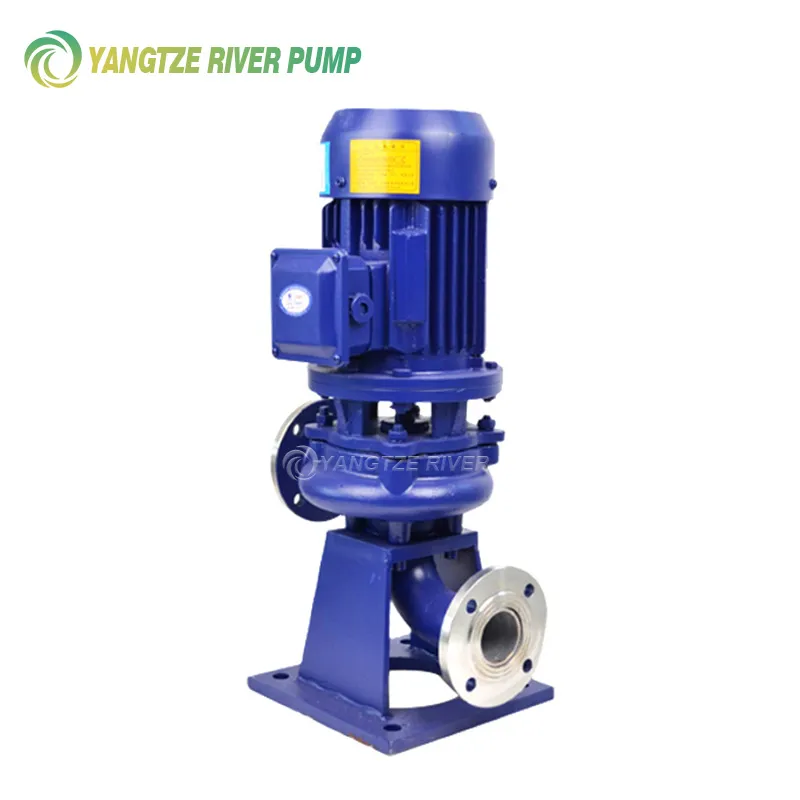
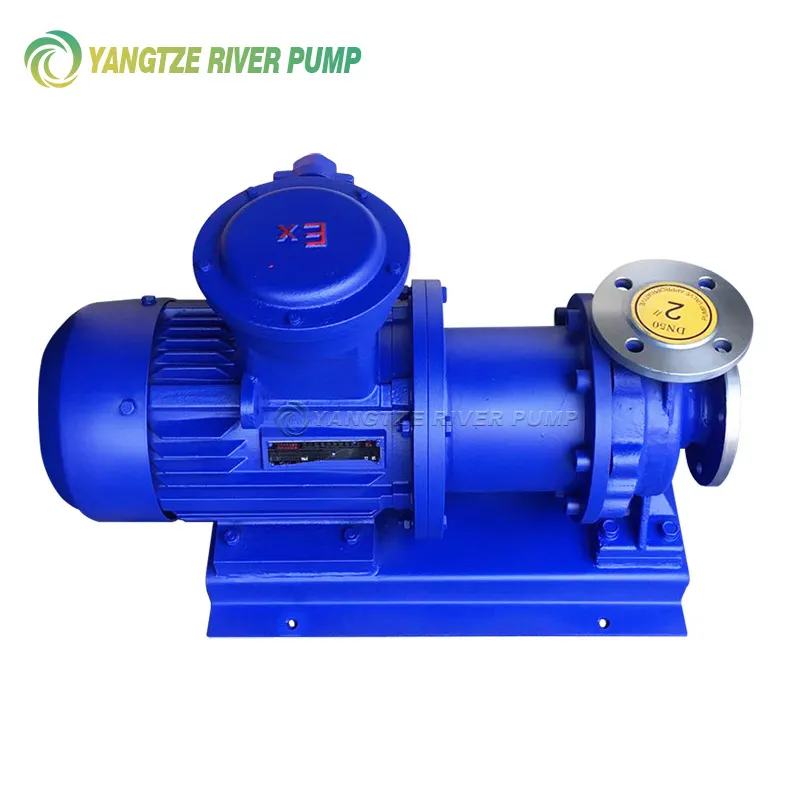

Best Sellingproducts
Best Selling Products-
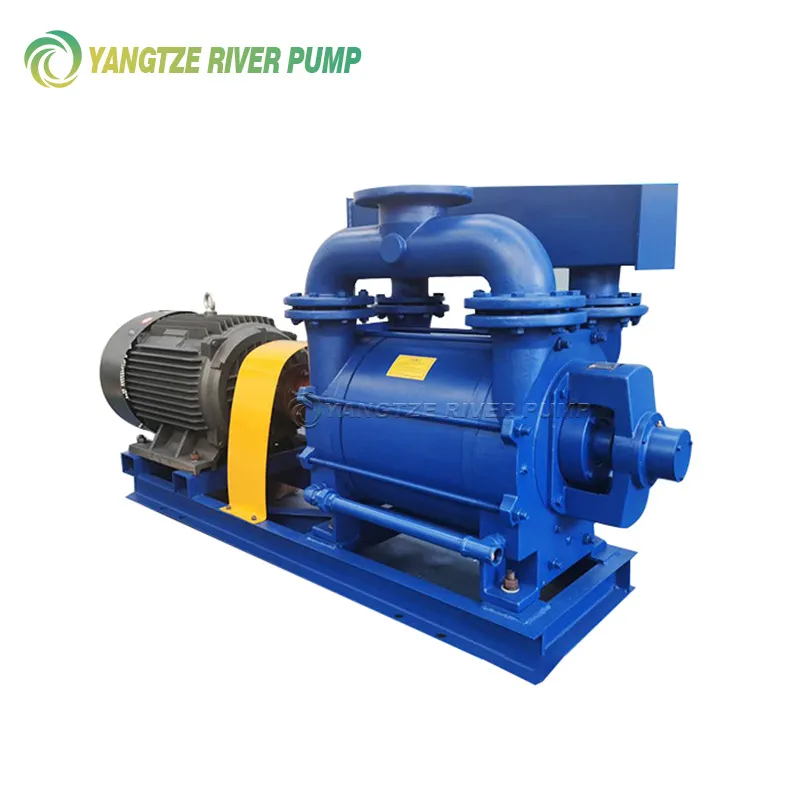 Liquid ring vacuum pumps type 2EB
-
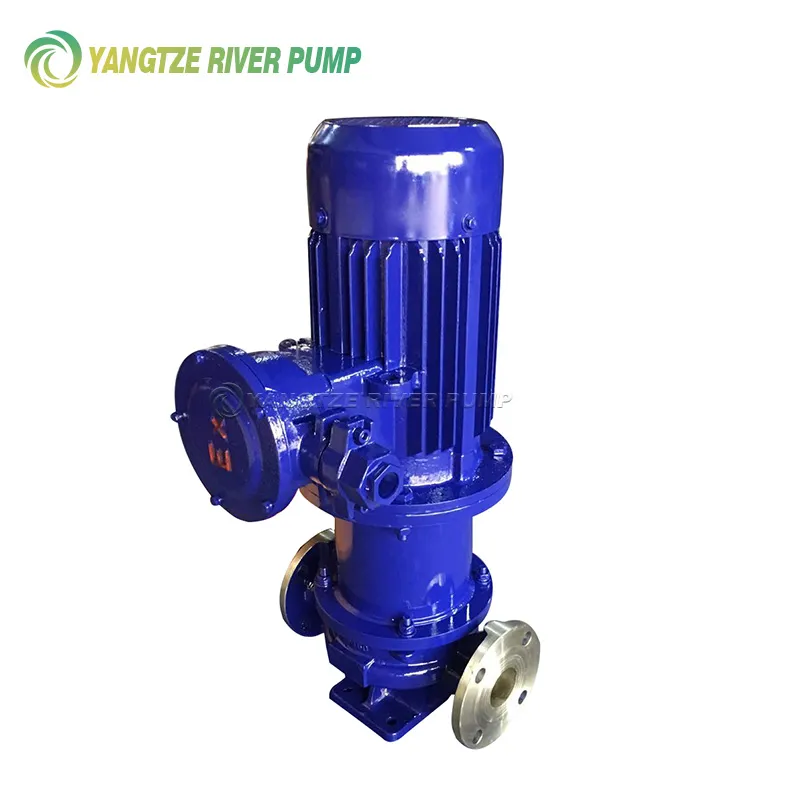 Vertical magnetic pumps CQB-L
-
 Sanitary screw pumps type GF
-
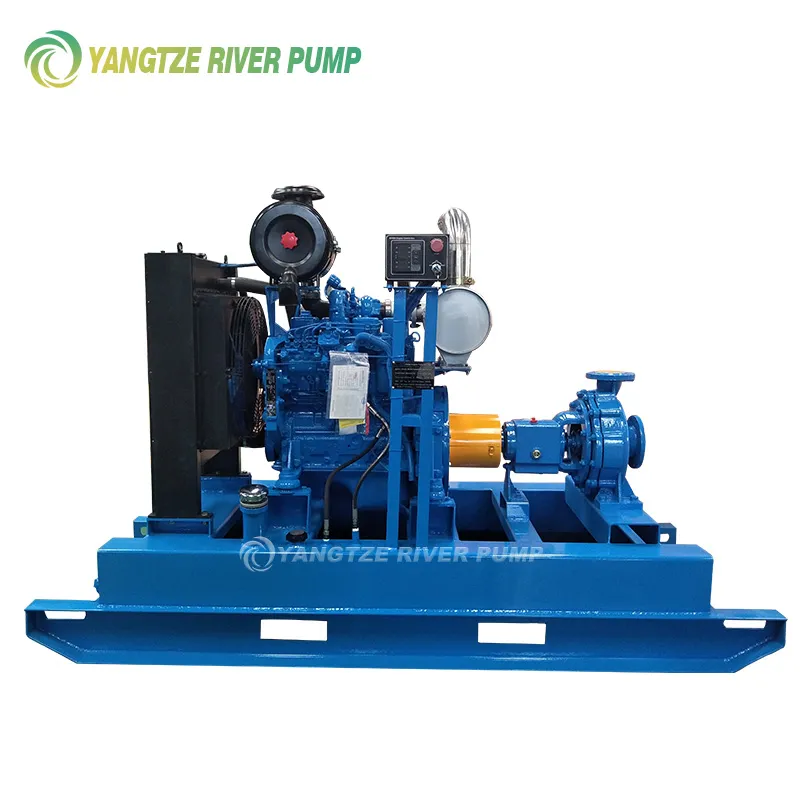 YZIS Diesel Single Stage Centrifugal Pumps
-
 Metal pneumatic diaphragm pumps QBK
-
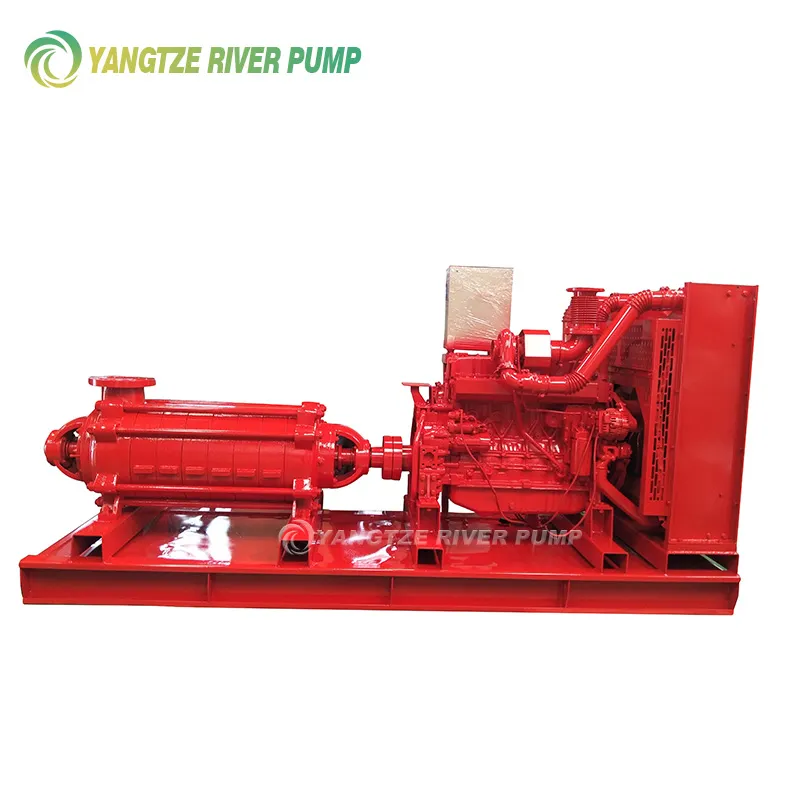 YZD Series Diesel Multistage Centrifugal Pumps
-
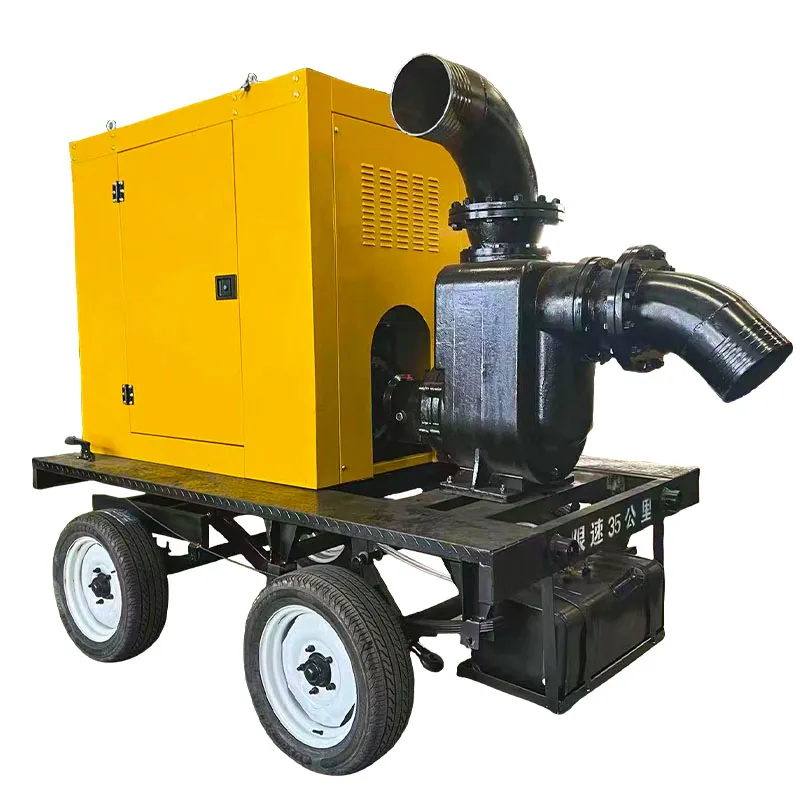 YZZW Diesel self-priming pumps
-
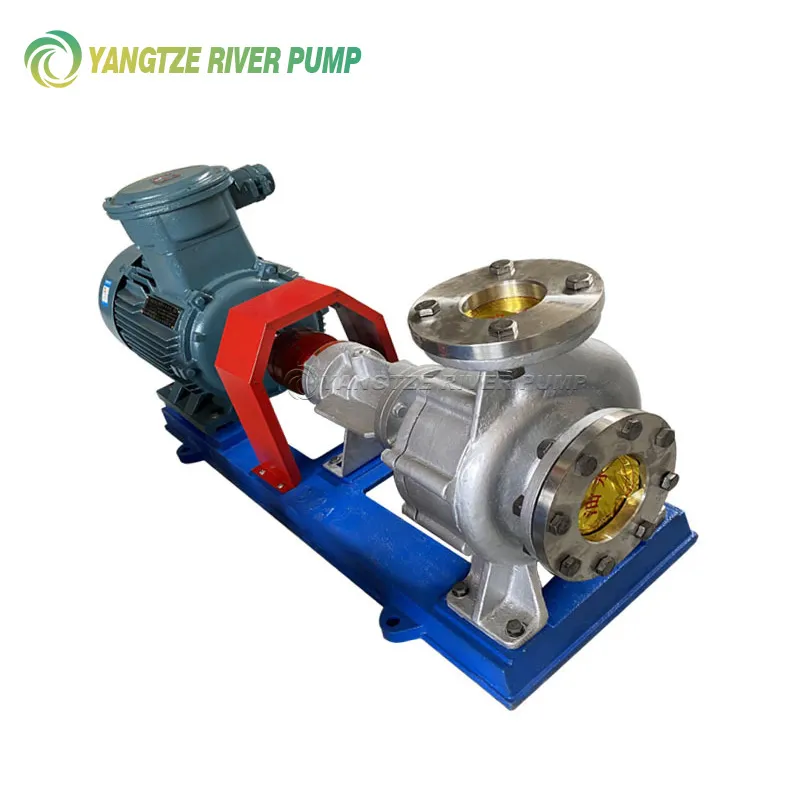 RY thermal oil pumps
-
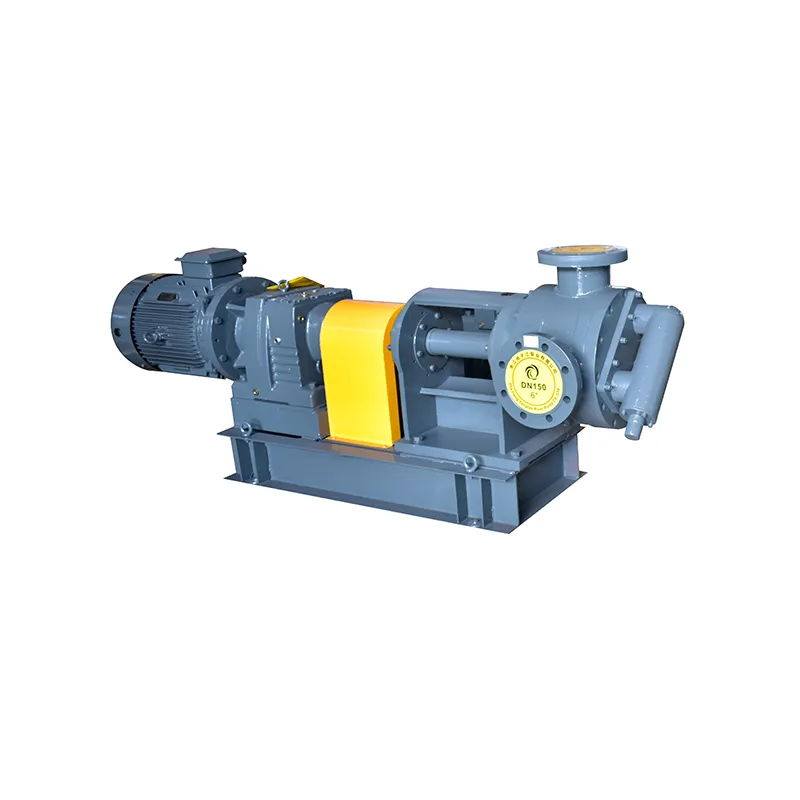 NYP High Viscosity Internal Gear Pumps
-
 YCZ Chemical Process Pumps
-
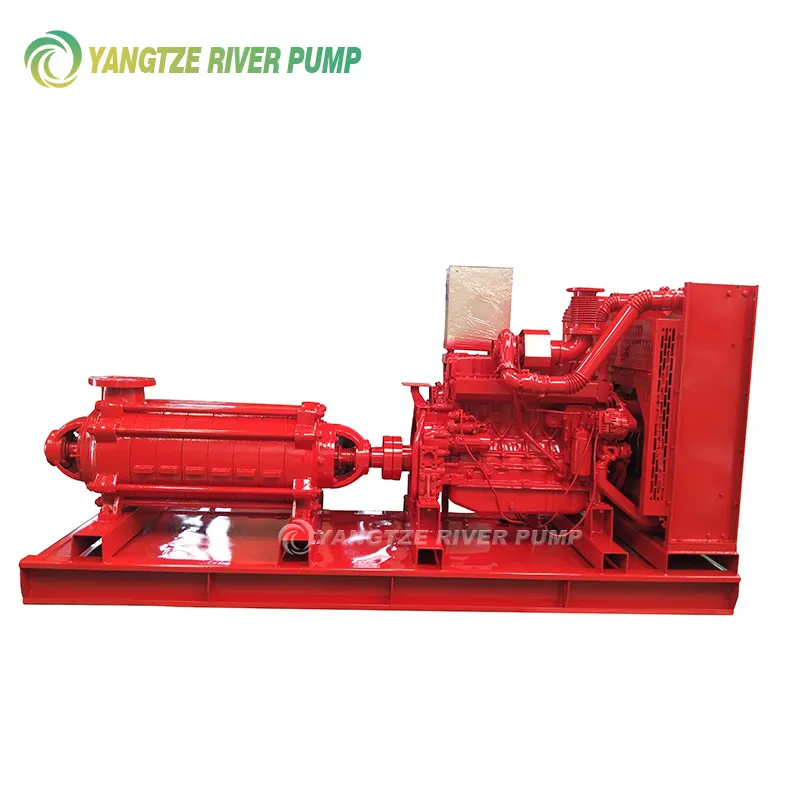 XBC Diesel Intelligent Fire Pumps
-
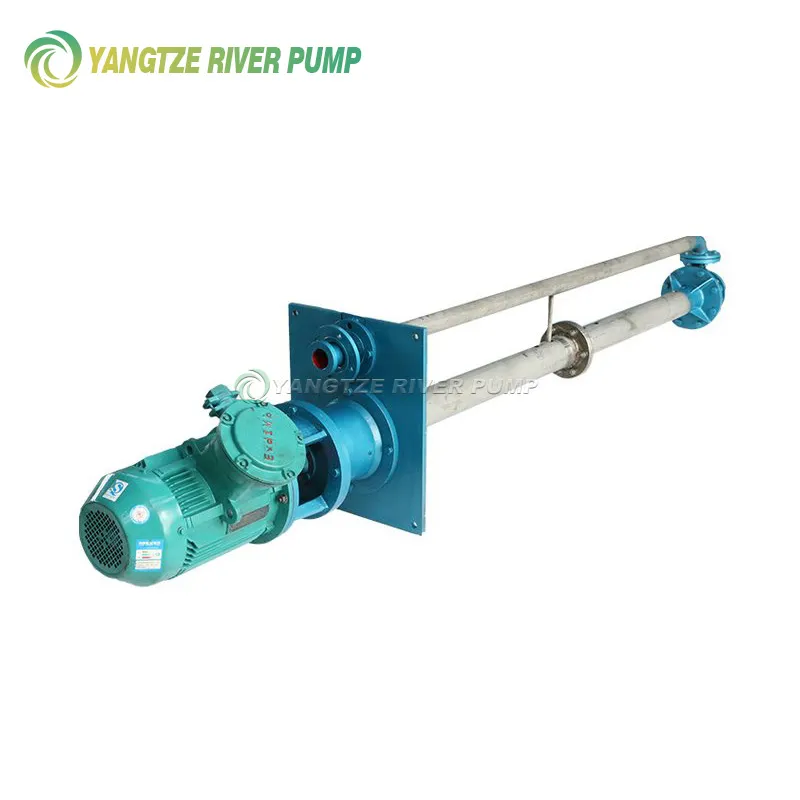 FY Submersible Chemical Pumps