







centrifugal liquid pump
When they say “centrifugal liquid pump,” many people immediately imagine a standard diagram: impeller, volute, shaft. But in reality, especially in production or in complex technological lines, everything comes down to details, which are often glimpsed in catalogs. Here, for example, is the issue of balancing a shaft when working on viscous liquids - not water, but glycerin or a suspension. Specified performance drops, vibration increases, and if a reserve for engine power is not initially provided and cavitation for this particular environment is not taken into account, the service life rapidly goes down. This is not a theory, but daily practice that you encounter on site.
From drawing to stand: where efficiency is lost
Let’s take, for example, a typicalcentrifugal pumpfor pumping conditionally clean water. The manufacturer claims an efficiency of 78%. We place it on a line with a liquid temperature of 80°C and minimal pressure at the inlet. After just a couple of hours of operation, the pressure drops and the engine heats up more than designed. Why? Because it was designed for 20°C, and when heated, both the viscosity and the saturated vapor pressure change. Cavitation begins earlier than standard NPSH calculations predict. And this is the same situation when formally the pump “fits” according to the catalog, but in reality it wears out.
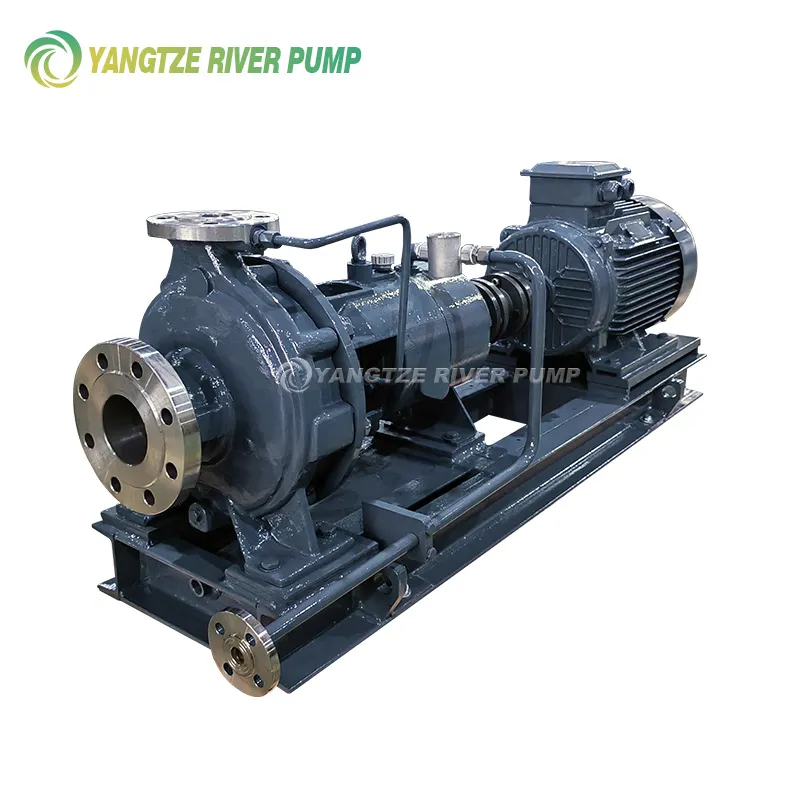
At our production site at Zhejiang Yangzijiang Pumping Industry LLC, we have been dealing with this problem for a long time. When the supply line was assembledcentrifugal pumpsat chemical enterprises, we had to reconsider the approach to testing. It is not enough to run the pump on water at the reception. Now, for critical orders, especially for plastic chemical pumps, we make sure to do test runs on a medium simulator - thick brine, low concentration alkali. This is the only way to see the real behavior of the seals, stuffing box or mechanical seal. And it often turns out that the standard cast iron option needs to be replaced with 316L stainless steel or even an alloy with a high molybdenum content, although initially the customer saved money and asked for the most budget option.
Another point is the assembly of the impeller. It would seem that everything is simple: balanced and installed. But if the imbalance is even within the tolerance, and the pump is multi-stage, then at high speeds this error multiplies. I saw a case at one thermal power plant: a cascade of threemultistage centrifugal pumpsstarted making a low frequency hum after 4000 hours of operation. We took it apart - the gap in the bearing units had increased not due to wear, but due to fatigue deformations of the housing from constant vibration, which was initially caused by a subtle imbalance on the first wheel. Reassembled with individual adjustment of spacer bushings and re-balancing of the shaft assembly - the problem went away. But how much time and money was spent on diagnostics and downtime.
Materials: not an obvious choice for standard tasks
Often the customer demands: 'Give me a pump to pump sea water.' Immediately in my head there is a checklist: stainless steel AISI 316, maybe duplex. But sea water can be different - warm, cold, with sand, with high oxygen activity. For arctic conditions, for example, the usual 316 may not perform well due to pitting. Here we are already looking towards super duplex or even titanium for critical components. But the price skyrockets.
Our assortment includes a lineplastic chemical pumps. So, their main advantage is not so much resistance to a wide range of reagents, but the complete absence of problems with galvanic vapors and electrochemical corrosion. You put this on a line with alternating acid and alkaline washes - and you don’t need to think about grounding or cathodic protection. But there are pitfalls here too. For example, polypropylene or PVDF 'age' over time under the influence of UV radiation and cyclic temperature loads. At one of the sites, a PVDF pump developed a crack on the suction flange after 3 years of operation. Not from pressure, but from constant heating to 60°C and cooling to 20°C. The cycles have accumulated. Now we always advise clients to either use an ETFE housing for such modes, or install protective covers from the sun if the pump is outdoors.
And with cast iron bodies forsingle stage centrifugal pumpsaltogether a different story. It would seem that the cheapest and most proven material. But if you pump, say, alkaline solutions with temperatures above 50°C, the cast iron begins to “soap” and the surface becomes loose. The pressure does not drop immediately, but after a year or two the efficiency drop can be 10-15%. You have to either switch to stainless steel or coat the internal cavity with epoxy compounds. But the coating is a risk of peeling. Therefore, for constant technological processes, we most often advise against cast iron in favor of at least cast steel.
Installation and piping: 90% of problems come from here
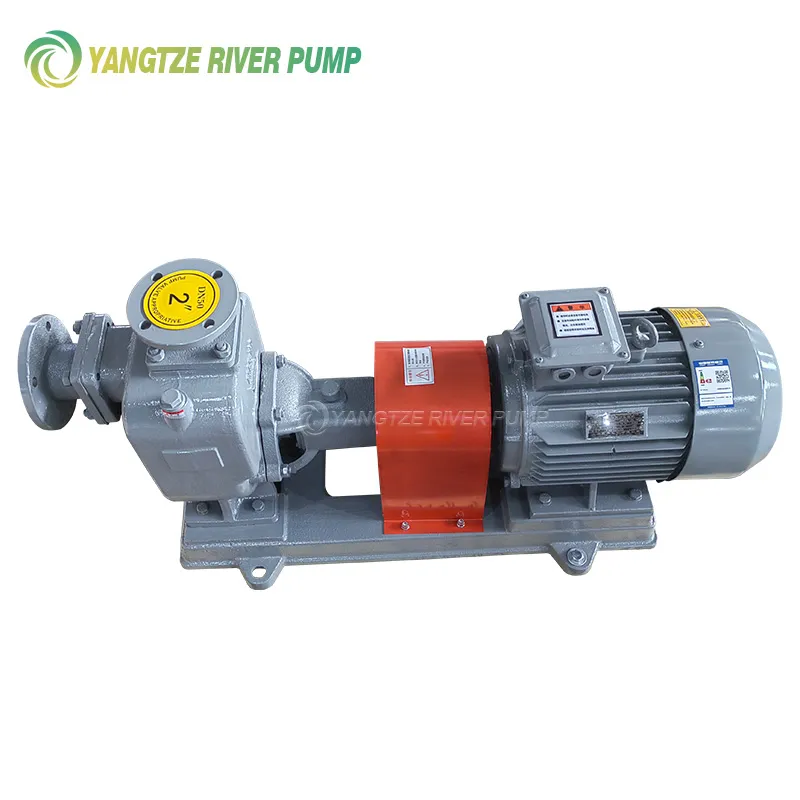
How many times have I come to a site where the pump is humming, overheating, and the reason is due to incorrect piping on the suction. We placed the valve directly in front of the flange, and even with a gearbox - so you have turbulence and loss of pressure. Or they mounted a suction line with a rise to the pump, and even with an air bag at the top point. Then they wonder whyself-priming pumpcannot reach nominal parameters and requires constant refilling.
One of the most significant cases was withlinear centrifugal pumpat a dairy factory. The pump was placed in the washing line, where hot steam periodically passed through for disinfection. The design of the linear pump is just right for SIP washing - it is easy to disassemble and wash. But the installers, saving space, placed it on rigid supports without compensators, and installed the pipelines from the devices with a rigid mount. Result: after several heating-cooling cycles, the pump mounting flanges began to leak due to thermal expansion of the pipelines. I had to redo the harness, install bellows expansion joints and floating supports. Moral: even the most successful pump design, be itmagnetic pumpor a multi-stage vertical design, is killed by ill-conceived installation.
The harness is especially critical forsubmersible pumpsin wells. It would seem that he dropped it and forgot. But if you didn’t align the column correctly, didn’t install a check valve and a burst coupling, then at the first serious water hammer or when trying to lift, you can end up with a broken cable and a pump at the bottom of the well. Dear lesson. Now we always insist that our specialists at least supervise the key stages of installation, especially for deep wells.
Tests and diagnostics: what is not written in the protocols
Our plant has eight complete lines, including a test line. And this is not just a site where passport characteristics are taken. It is important for us to understand the behavior of the pump in emergency situations. Therefore, in addition to standard performance and pressure tests, we often carry out long-term cyclic tests. For example, start-stopsingle screw pumpfor viscous liquids 100 times a day, simulating operation in dosing mode. We look at how the seal behaves, whether it is leaking along the shaft, or whether the drive is heating up.
Fordiaphragm pumpsAODD we have our own approach. The main parameter is not the maximum flow, but the stability of operation at different pressures and with different degrees of diaphragm wear. We deliberately 'kill' several sets of diaphragms to understand how performance will change towards the end of their life and at what point a sudden failure may occur. This allows us to give clients not just a guarantee, but real recommendations on the frequency of maintenance.
Often customers ask for H-Q curves. But these curves were filmed on the water. What if the medium is one and a half times more viscous? Therefore we for key modelscentrifugal liquid pumpsWe build additional correction graphs or even do a short test on an environment simulator if the client provides a sample of it. It is more expensive, but then there will be no surprises at the site. Once, for a project for pumping molasses, they did such a test and found out that the standard engine would not work - they had to increase the power by one step. The client was initially dissatisfied with the price increase, but after the line was launched he admitted that this saved him from constant stoppages and overheating.
Service and feedback: from the field to the design bureau
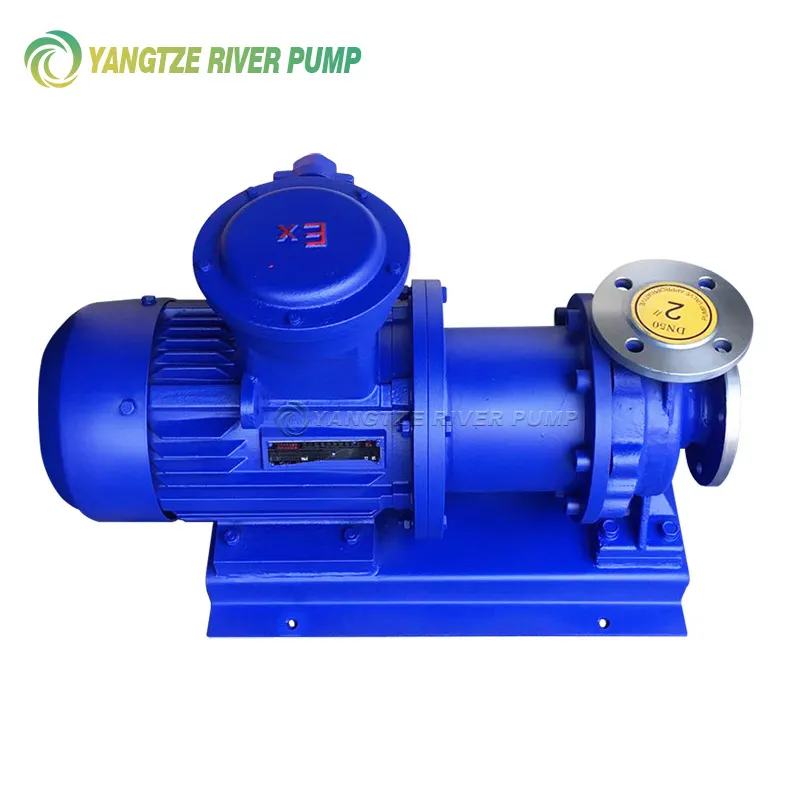
The most valuable information comes not from the test bench, but from the facilities, after several thousand hours of operation. At Zhejiang Yangzijiang Pumping Industry LLC, we have established a system where service engineers submit to R&D not just repair reports, but photographs of worn parts, descriptions of the conditions in which this wear occurred. For example, information was received from an oil depot:magnetic pumpsfor light petroleum products, plain bearings in the insulation zone began to fail. It turned out that during long periods of inactivity, moisture from the air condensed in the magnet, which mixed with product residues, forming an abrasive suspension. The designers modified the unit by adding a drainage channel and recommending a purge procedure for preservation. There are dozens of such minor improvements every year.
Or another case: on largemultistage centrifugal pumpsFor boiler houses, accelerated wear of the sealing rings on the guide vanes of the second and third stages began to be noted. A detailed analysis revealed that when operating in an off-design mode, partially closed by a valve, annular vortex flows arise in these stages, which locally accelerate erosion. The solution is not to change the material of the rings to a harder one (this would lead to wear of the devices themselves), but to adjust the geometry of the supply in these stages for more stable operation in a wide range of modes. This has already gone into the updated version of the pump.
Therefore, when we are now designing a newcentrifugal liquid pump, the calculations already include not only ideal parameters, but also corrections for possible deviations in operation. The gaps are given taking into account not only thermal expansion, but also the potential abrasive component in the liquid. Materials are selected not only for chemical resistance, but also for resistance to cavitation erosion in partial operating modes. This is the very practice that turns a simple product into a reliable tool for technology. And the website https://www.yangtzeriverpump.ru is not just a catalog, but, in fact, a reflection of this experience: what has been tested in the field is what we offer.
Correspondingproducts
Related Products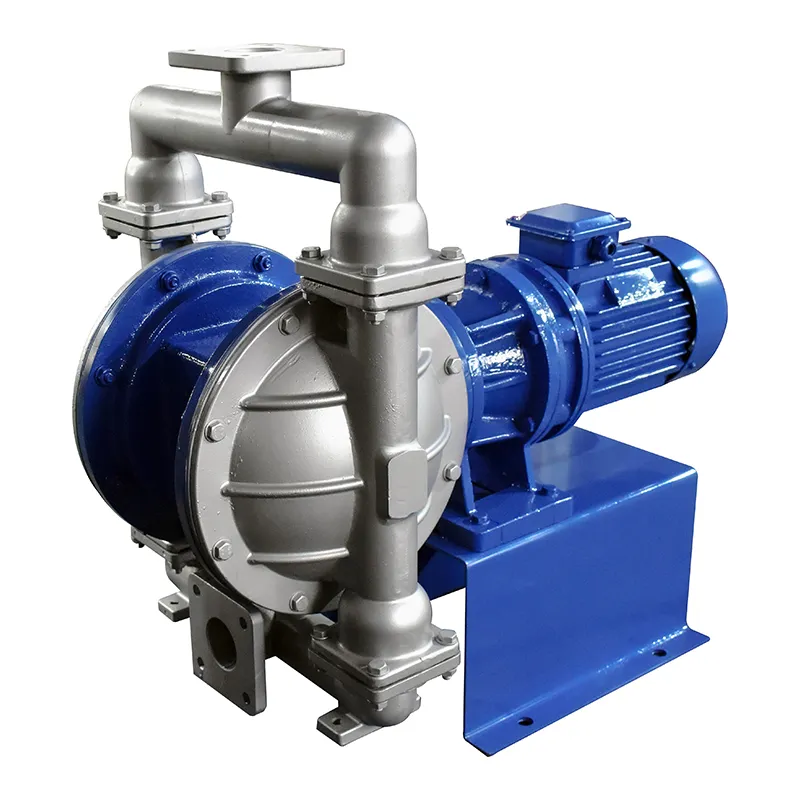

Best Sellingproducts
Best Selling Products-
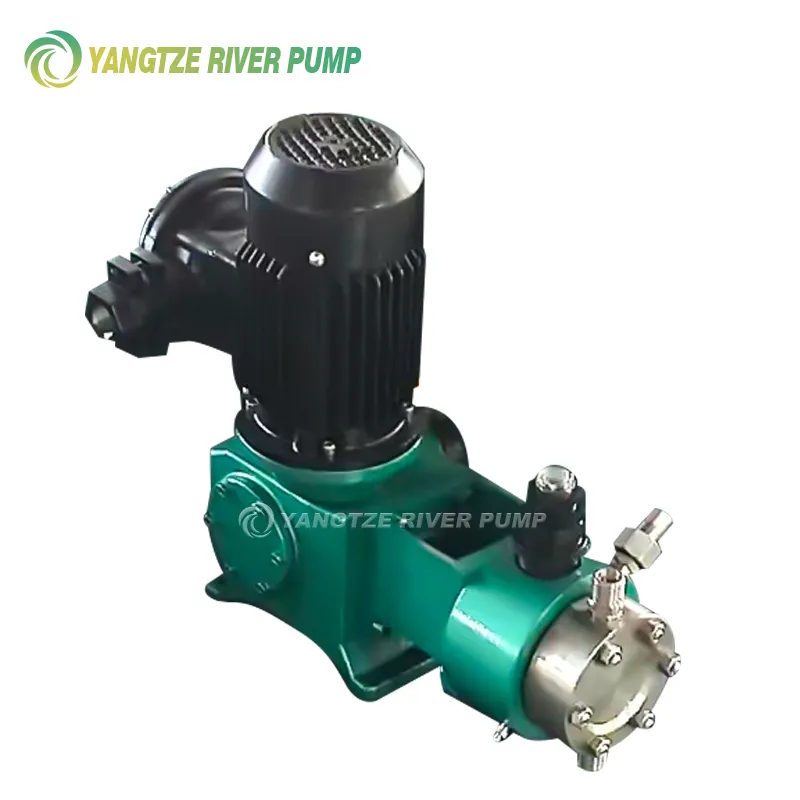 Plunger dosing pumps type DZ-X
-
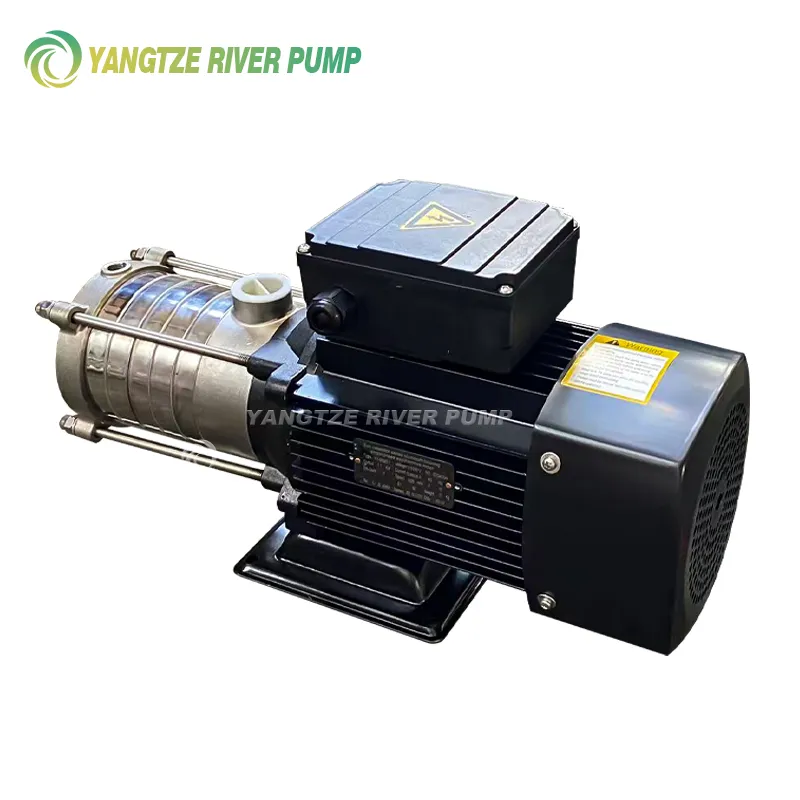 Horizontal multistage centrifugal pumps (light series) CHL and CHLF
-
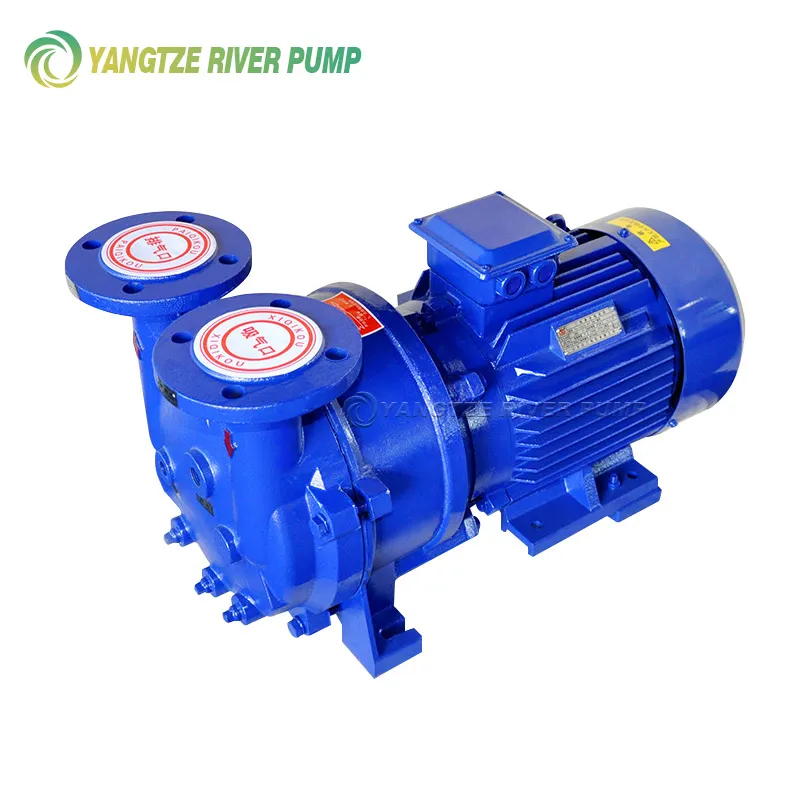 Liquid ring vacuum pumps type SKA and 2BV
-
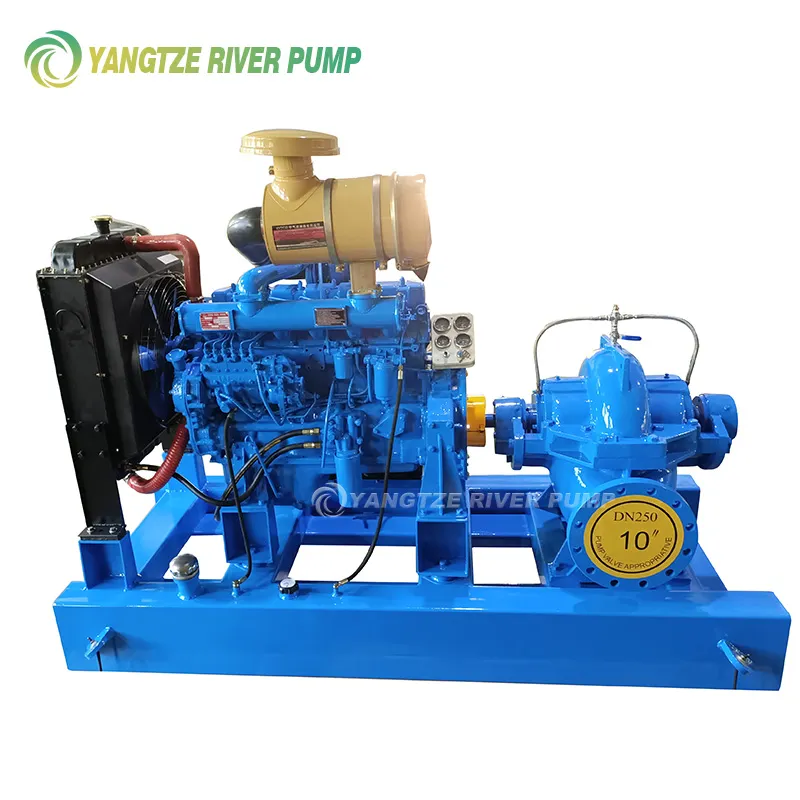 Diesel pumps with horizontal connector YZS and YZSH
-
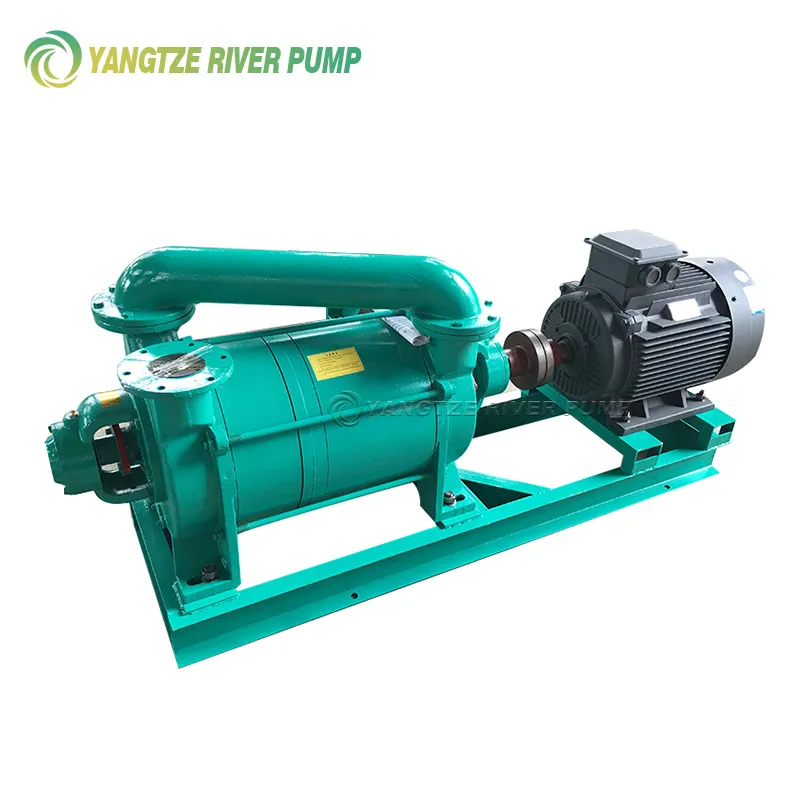 Liquid ring vacuum pumps type 2SK
-
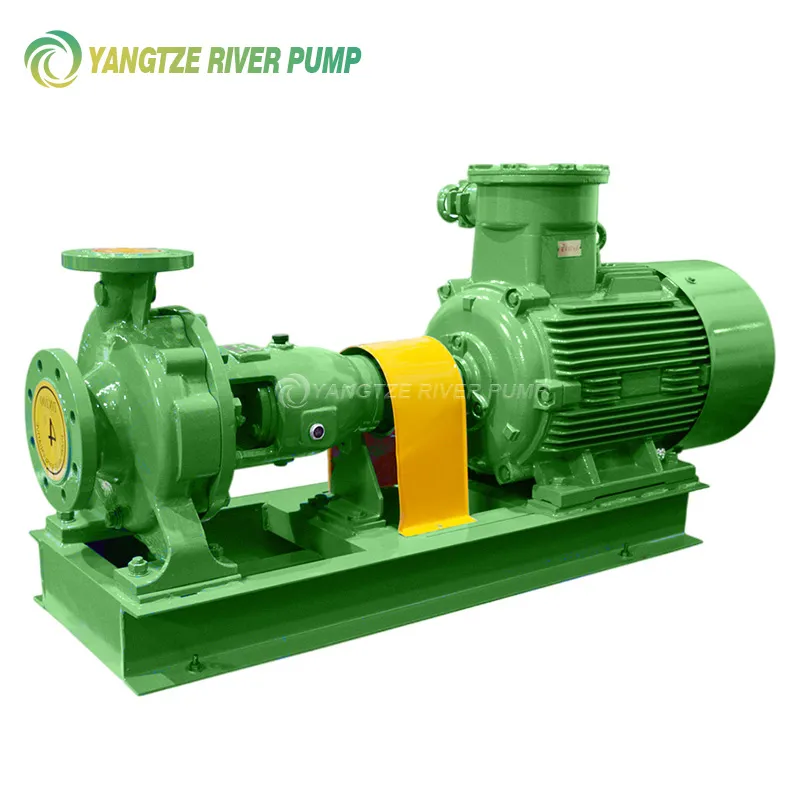 YCZ Chemical Process Pumps
-
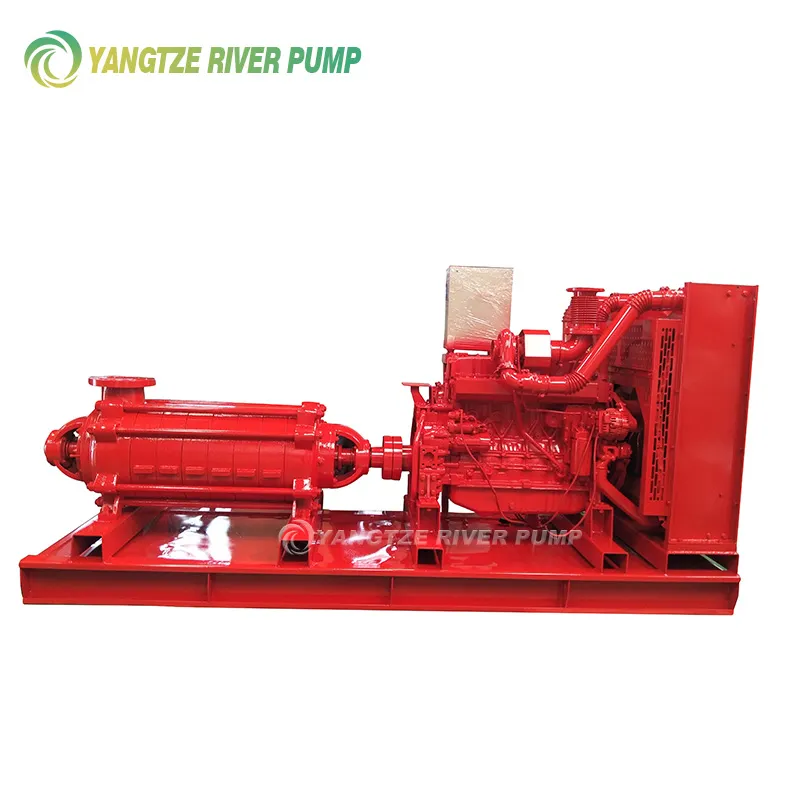 YZD Series Diesel Multistage Centrifugal Pumps
-
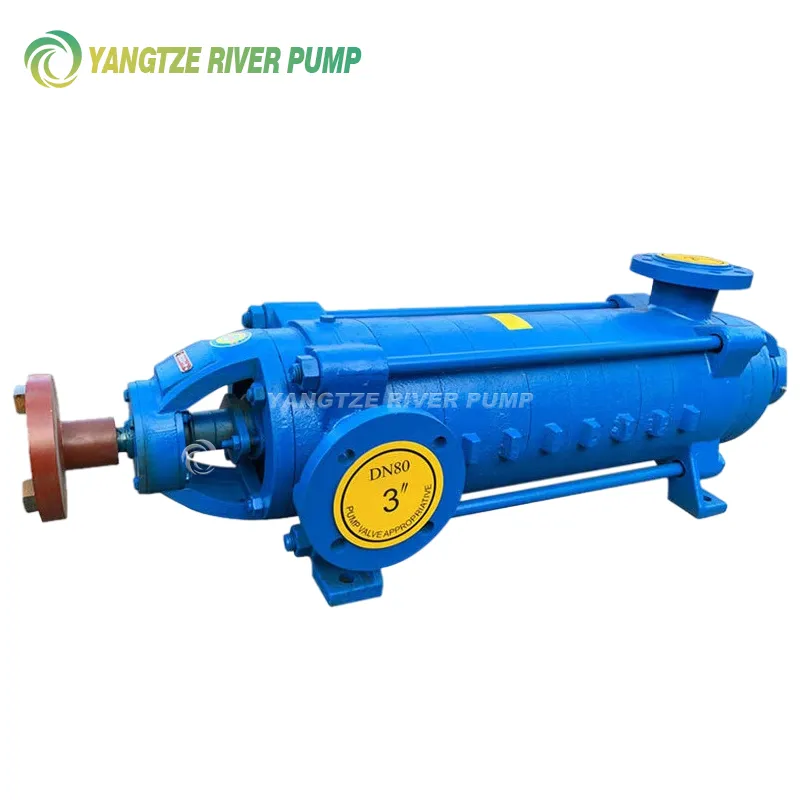 Horizontal multistage pumps for feeding DC boilers
-
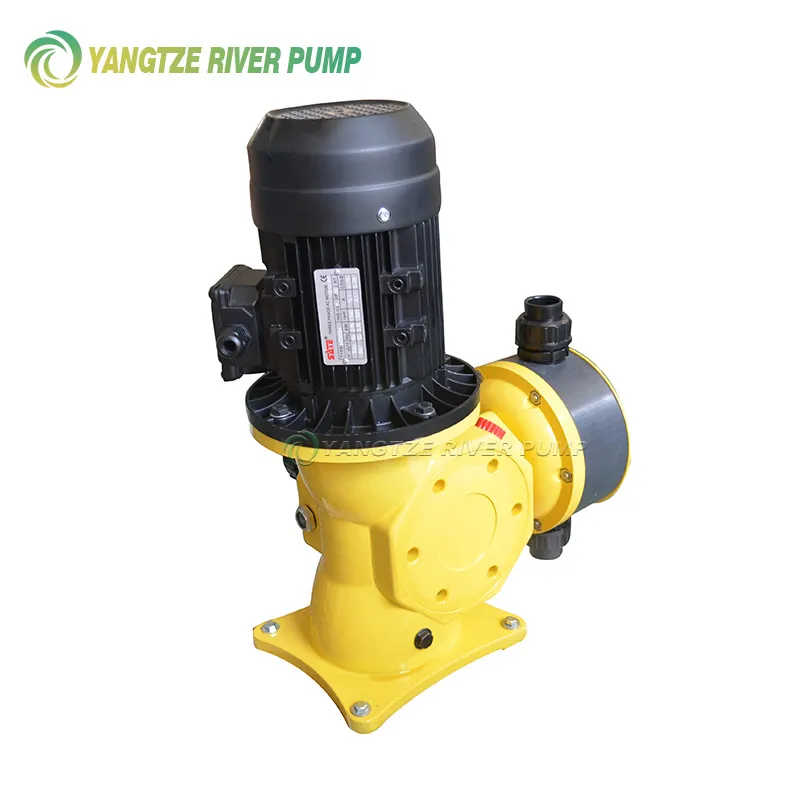 Mechanical diaphragm dosing pumps DJ-D
-
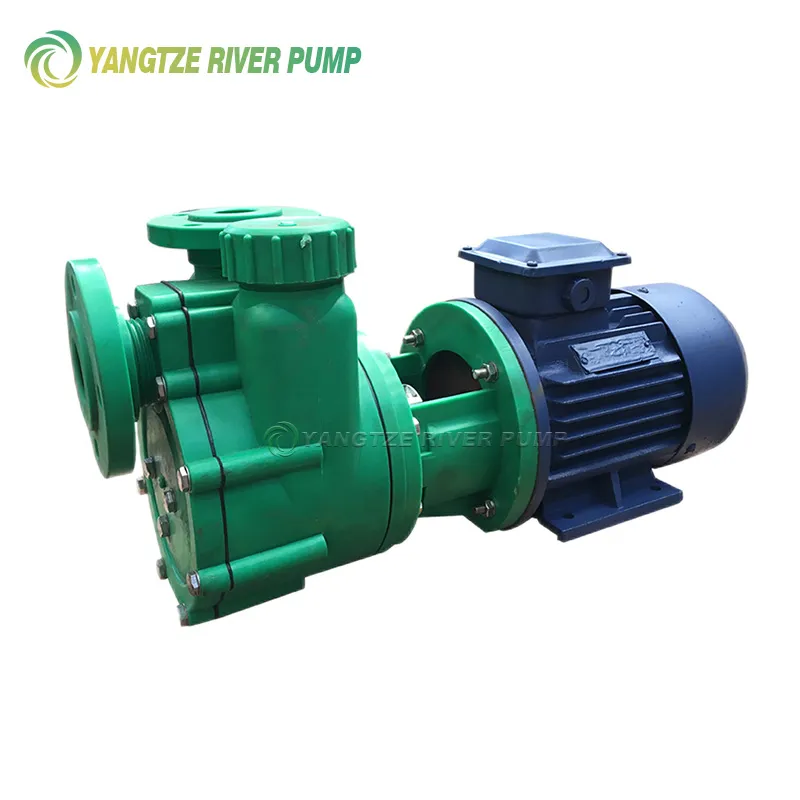 Plastic self-priming centrifugal pumps FP and FS
-
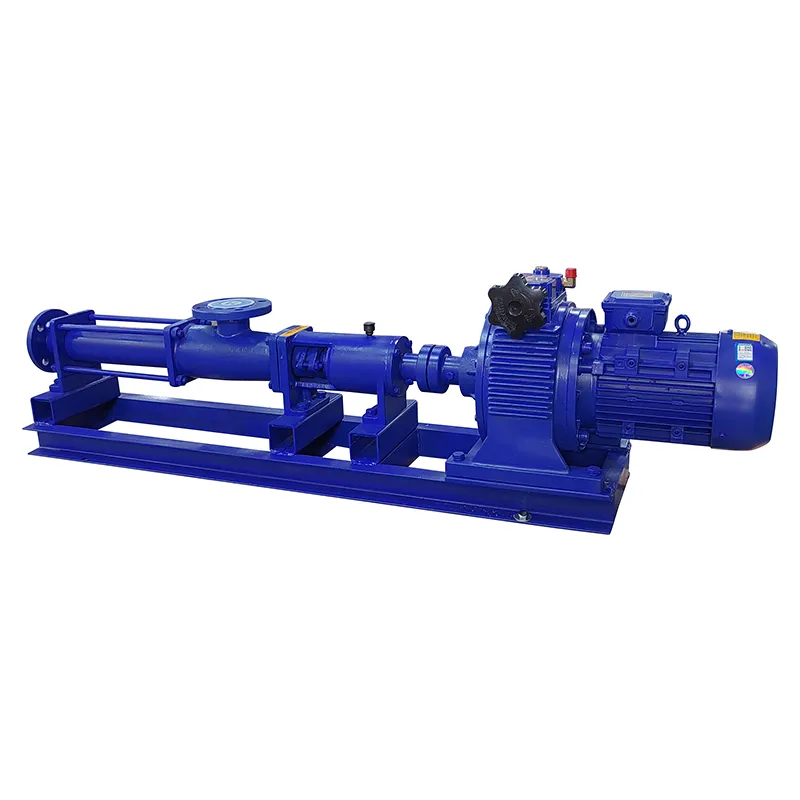 Infinitely variable screw pumps type G
-
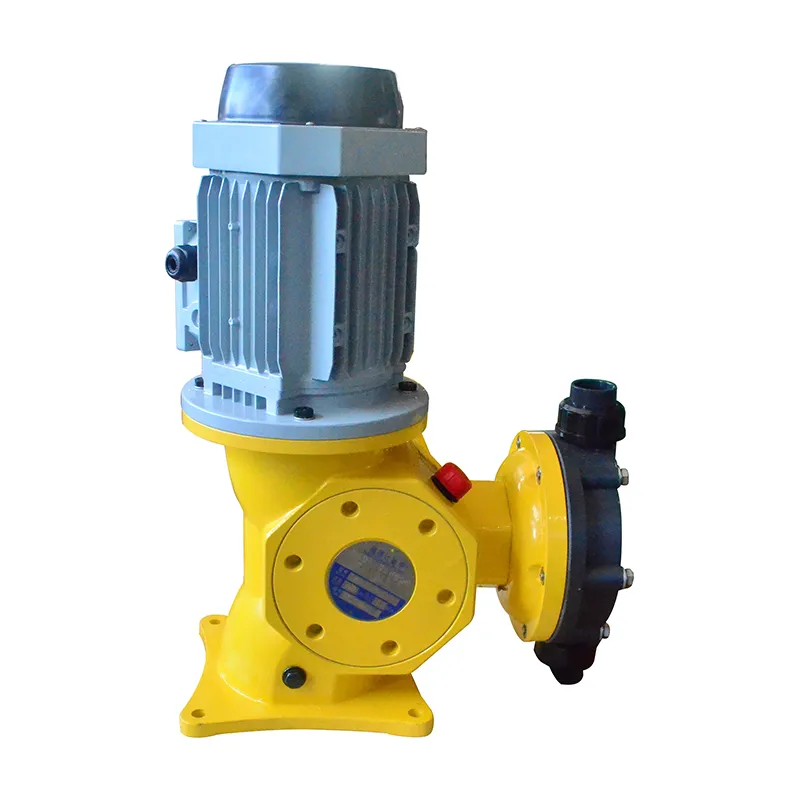 Mechanical diaphragm dosing pumps DJ-Z
Relatedsearch
Related Search- positive displacement jet centrifugal pumps
- DBY Non-metallic electric diaphragm pumps
- centrifugal pump 20 50
- Semi-submersible sewage pump
- small deep well pumps
- YW Vertical Submersible Sewage Pumps
- Self-priming magnetic pumps
- refrigerant vacuum pump
- jet centrifugal pump
- Vertical single stage centrifugal pumps