







for deep well pump buy
I see this request - “to buy a deep-well pump?” — and I immediately imagine how a person has most likely already faced a problem: he needs water, he has a well, but what next is unclear. Typical story. Many people immediately go online with this general question, and then either overpay for unnecessary options, or take whatever they can, and the pump breaks down after a season. The main mistake is to start by choosing a model without understanding the parameters of your well. I’ll say right away: without a passport for a well or at least accurate data on the depth, flow rate and diameter of the casing, you shouldn’t even look in the direction of specific models. It's like buying shoes without knowing the size.
From words to deeds: what does “for deep” really mean?
When they say “deep pump”, they often mean any pump for a well. But that's too broad. In fact, for artesian wells, where the water depth is large, we are almost always talking aboutsubmersible pumpsnamely the centrifugal type, most often multi-stage. They are the ones who create the necessary pressure to lift water from 50, 80, 100 meters. Auger (screw) ones are also used, but they have their own niche - more viscous media or wells with sand, although the efficiency is lower.
This is where the first fork begins. If there is a risk of sand in the well, even a small one, you need to look at the materials and clearances. Not all are ?deep? the pumps will survive this. In our production, inZhejiang Yangzijiang Pumping Industry Co.,Ltd, I personally saw how impellers are tested for such conditions - they install reinforced ones made of wear-resistant composites. This is not for show, but because sand will quickly wear off ordinary plastic or even stainless steel. And this is no longer a theory, but a practice that has resulted in separate product lines.
Therefore, the first thought when choosing: not “which pump to buy?”, but “what are the conditions in my well?”. Diameter is critical. If the casing is 110 mm, then the pump will fit in a 98 mm casing, but 102 mm is already a risk. There were cases when people ordered without checking, and then suffered with installation. Always ask for exact dimensions.
Power, pressure, performance: where the pitfalls lie
Everyone here likes to look at numbers: kilowatts, cubic meters per hour, meters of pressure. And they often take it with a reserve, thinking “let it be more powerful?” Error. The pump must match the flow rate of the well. If you put a pump with a capacity of 3 m3/h in a well that produces 1.5 m3/h, it will turn on and off frequently (dry running) or simply drain the well and burn out. Automation, of course, protects, but it’s better to choose the right one from the beginning.
Pressure is not just depth. To the depth of the water column you need to add the horizontal section (10 meters horizontally is approximately equal to 1 meter vertically), plus losses in the pipeline, plus the pressure in the system that you want at the outlet (usually 2-3 bar). The formula is simple, but many people ignore it. As a result, the pump barely pulls or, conversely, works at the limit, although it could last longer.
From personal experience: they once installed a system based on our ownmultistage centrifugal pumpQGD series. The object is a private house, depth 75 meters, plus relief. We calculated everything, but the customer arbitrarily extended the horizontal wiring across the site without telling us. As a result, there was not enough pressure in the far tap. I had to recalculate and change the model to a more powerful one. It's a small thing, but it has an impact. Now we always clarify about all planned wiring.
Brand, price and ?invisible? characteristics
The market is flooded with offers. A frankly cheap pump is always a lottery. They often save on the most important things - the motor winding and the quality of stainless steel. Moisture, power surges, work in cramped conditions - all this quickly damages weak components. I'm not saying that you need to take the most expensive. You need to take something technologically advanced and reliable.
Look here on our websiteyangtzeriverpump.ruin the product section it is indicated that we have a full cycle - from R&D to testing. These are not just words for beauty. The test bench for deep-well pumps is a different story. Before shipment, each pump is driven under load and the parameters are checked. This allows you to eliminate defects and accurately comply with the declared characteristics. For the buyer, this means that the numbers in the passport are real, and not “laboratory-ideal”.
The price is based on this. Yes, ourssubmersible pumpsmay be more expensive than no-name from the marketplace. But when you consider the cost of replacement, repairs, and downtime in the water supply, the difference is worth it. Especially if we are talking about a country house of permanent residence or, say, an irrigation system in agribusiness.
Installation and operation: what is not written in the instructions
Buying is half the battle. Once you install it, it will work. The cable must be special, for submersible pumps, with waterproofing. The cable is made of stainless steel, not galvanized, which will rot. It is imperative to install a check valve, otherwise every time you turn it off there will be a water hammer, which kills the accumulator and the system itself.
A very important point is protection against dry running. Even the best pump, working without water, will overheat in minutes. You definitely need a relay or frequency converter with this function. Many people save on this and then take the pump in for repair. From experience, 30% of breakdowns are precisely due to dry work.
And about the service. A deep well pump is not a unit that needs to be checked every month. But once a season, before intensive use (for example, before summer), it is worth checking the pressure in the hydraulic tank and the operation of the automation. And the main thing is to listen. Extraneous noise and vibration are the first signs of problems. It is better to call a specialist immediately than to wait until the pump finally stops.
Why Manufacturing Matters: An Inside Look
When choosing a pump, it is useful to understand who makes it and how. Here is our companyZhejiang Yangzijiang Pumping Industry Co.,Ltd, produces not only deep-well pumps, but also chemical, self-priming, and magnetic pumps. This is important. Why? Because technologies and materials from one area are transferred to another. Experience with aggressive media for chemical pumps leads to the use of more resistant seals in conventional well models.
Eight production lines are not about quantity, but about control. From housing casting and shaft production to final assembly and testing - everything is under one control. There is no situation where the engine is made in one place, the impeller in another, and assembled in a third. This reduces the risks of incompatibility and marriage. The difference may not be obvious to the end user, but it is in the work resource.
In conclusion, let's go back to the beginning. Request ?for deep well pump buy? is the starting point. The right path lies through well analysis, calculation of real parameters, selection of a reliable manufacturer with a full cycle (like ours, for example) and competent installation. Don't go for cheap. The deep pump is the heart of the water supply system. And you need to choose it not based on one phrase in the search, but with a cool head and understanding of how everything works from the inside. Only then will the purchase not be a problem, but a solution for many years.
Correspondingproducts
Related Products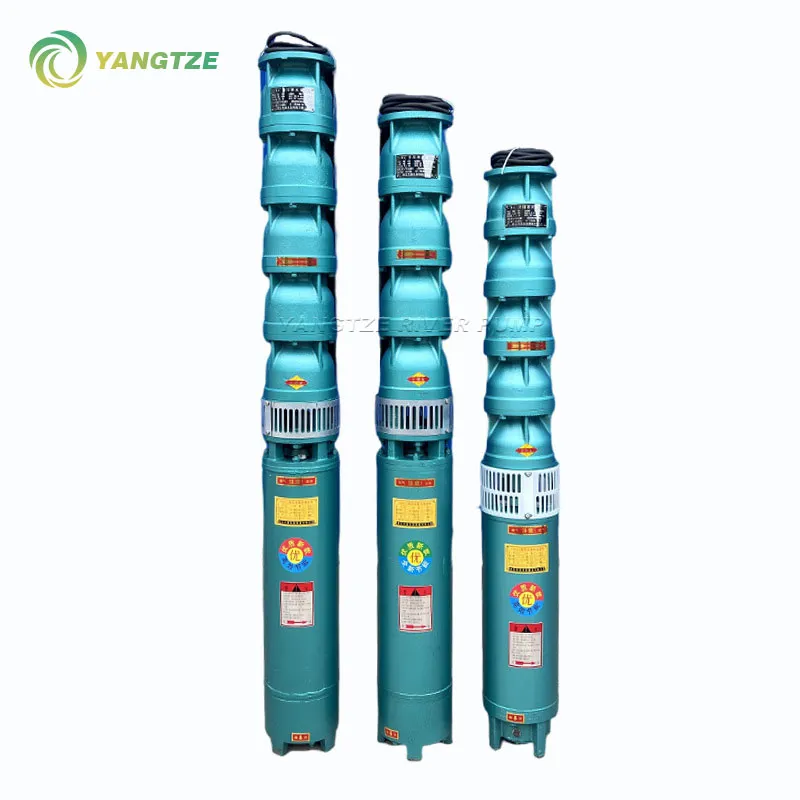


Best Sellingproducts
Best Selling Products-
 Horizontal multistage pumps for feeding DC boilers
-
 Metal pneumatic diaphragm pumps QBK
-
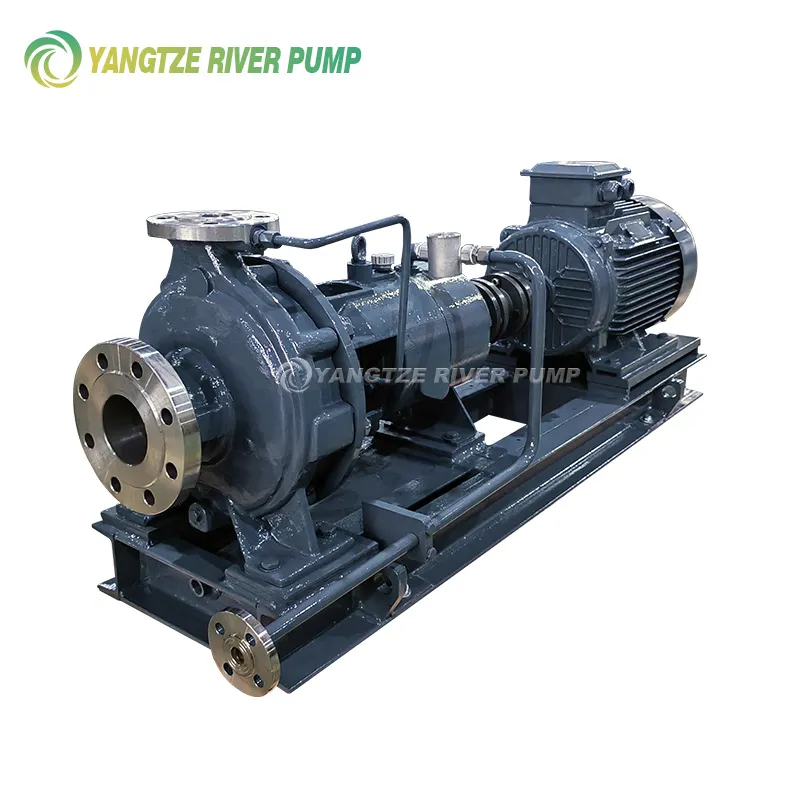 Petrochemical Process Pumps API 610 YZA
-
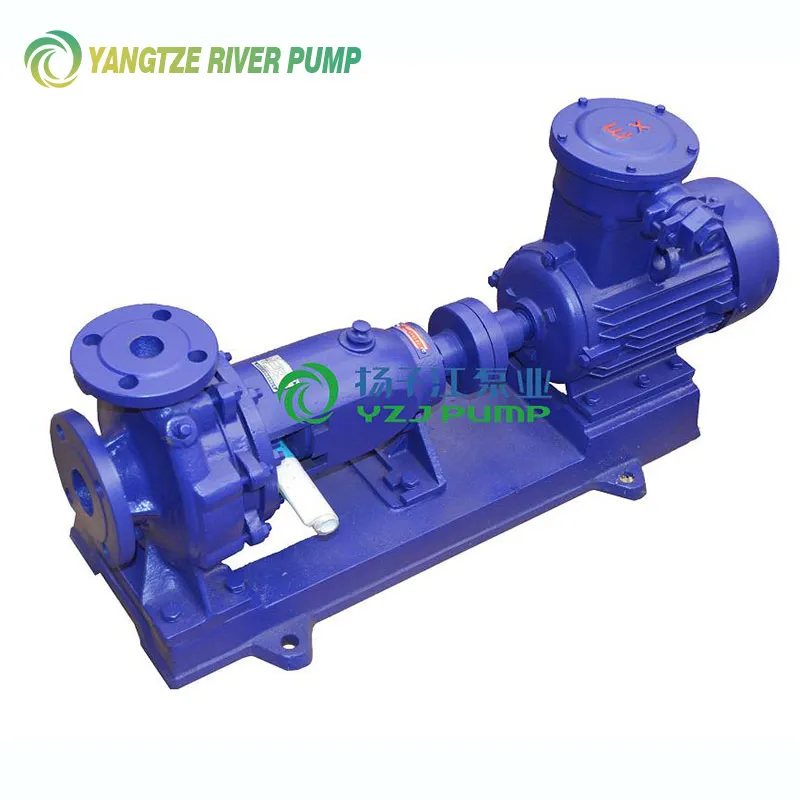 Horizontal chemical centrifugal pumps types IS and IR
-
 IH Stainless Steel Chemical Centrifugal Pumps
-
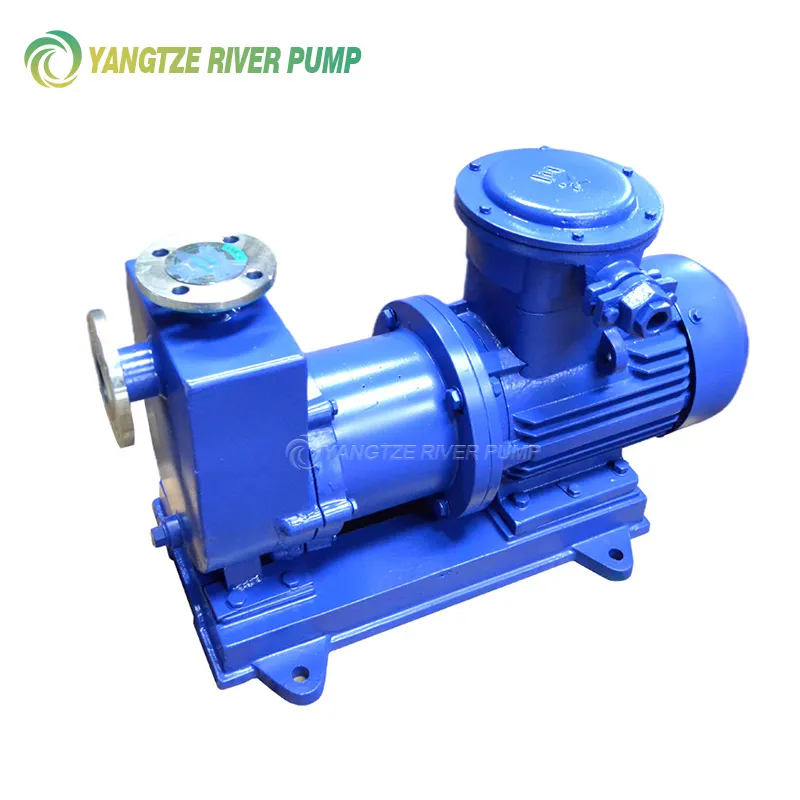 ZCQ Stainless Steel Self-Priming Magnetic Pumps
-
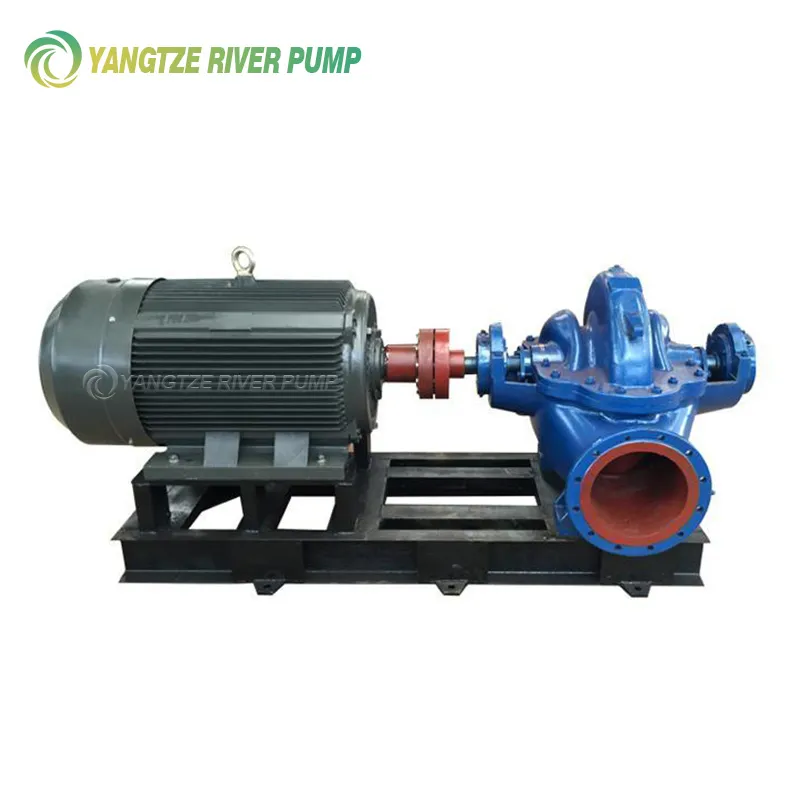 Single Stage Double Entry Centrifugal Pumps Type S
-
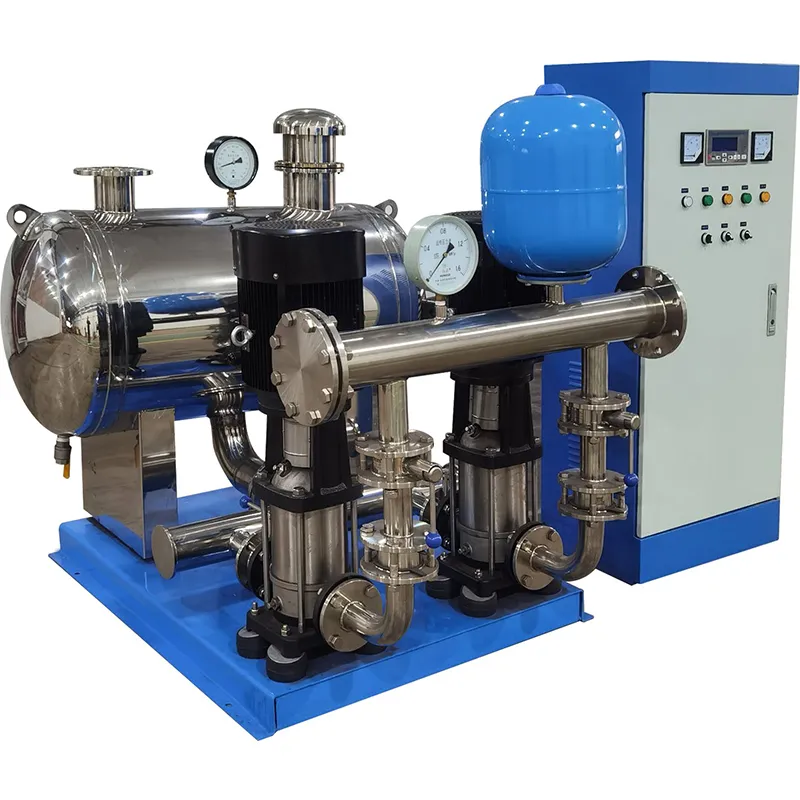 Complete water supply installations with frequency regulation and constant pressure CDLF
-
 Mechanical diaphragm dosing pumps DJ-D
-
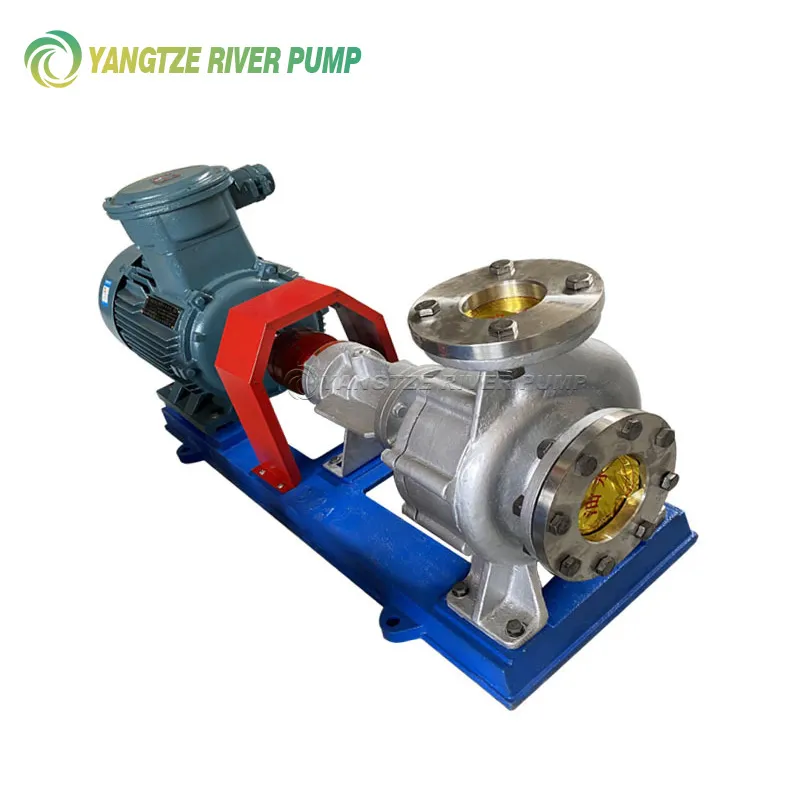 RY thermal oil pumps
-
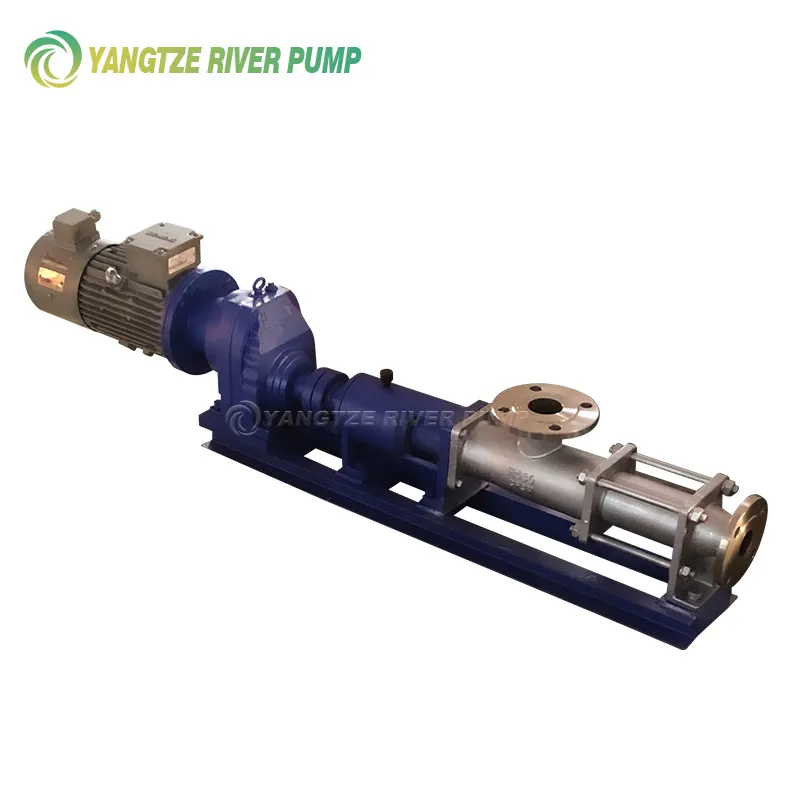 Geared screw pumps type G
-
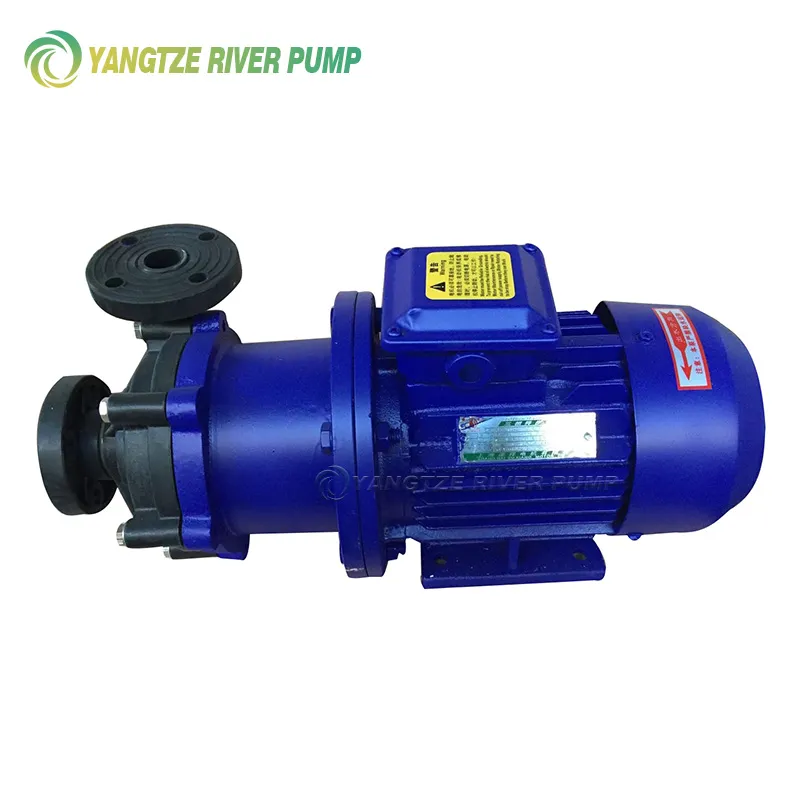 CQF Plastic Magnetic Pumps