







powerful centrifugal pumps
When people talk about powerful centrifugal pumps, many people immediately imagine huge units at thermal power plants or in main water pipelines. This is, of course, true, but incomplete. Power is not just the kilowatts on the nameplate. In practice, especially in industrial processes, where we at Zhejiang Yangzijiang Pumping Industry Co., Ltd. most often work, this is a complex story. This includes the ability to maintain parameters under load with variable flow rates for a long time, resistance to cavitation when working with non-ideal liquids, and even the design of the shaft and supports so that vibration does not eat up the mechanical seal in six months. A common mistake is to chase the maximum pressure from the catalog, forgetting that the actual working part of the pump curve may be far from this point, and the engine will be constantly overloaded. I saw this at a chemical plant, they installed a pump “with a reserve”, but at the required flow rate it went into overcurrent and eventually jammed due to overheating of the bearings.
From drawing to stand: where reliability is born
We have eight production lines - from R&D to service. And for powerful centrifugal pumps, the most important part is testing. It is possible to perfectly calculate the flow path, but without testing on real liquids (sometimes these are suspensions or aggressive media), all calculations are theoretical. We had a project for a pulp and paper mill, a pump for pumping liquors with fibers. In terms of water at the stand, everything was fine: both pressure and efficiency. And when they launched it into a real environment, problems began with the impeller clogging and a sharp increase in vibration. We had to quickly modify the wheel design, increase the passage channels and select a different type of seal. This is the point where catalog power pales in comparison to process demands.
A test bench is not just something to “spill with water”. These are many-hour runs in different modes, vibration measurements at control points, thermography of bearing units. For example, for multi-stage vertical pumps, we always look at the axial displacement of the rotor when hot. It happened that after reaching operating temperature, the gaps went the wrong way and contact appeared. Without long-term testing, such a defect can be missed in the workshop, but it will appear to the client after several months of continuous work.
Hence our approach: the production line must be closed. The designers who designed the pump are required to attend its first tests. And the technical service, which will then service these pumps at the client, must receive from the testers not only a passport, but also its own internal memo: what parameters to pay attention to during diagnostics, which lubrication points are the most critical. There are no small details for powerful pumps. One incorrectly selected suction gasket can lead to air leaks and cavitation, which will turn a stainless steel impeller into a sieve in a couple of weeks.
Multi-stage vs single-stage: choice without dogma
In catalogs, including on our website yangtzeriverpump.ru, the line of powerful pumps is divided into single-stage and multi-stage. A classic of the genre: for high pressure, multi-stage ones are used. But in life everything is more complicated. Yes, a multistage centrifugal pump will provide greater pressure with the same dimensions. But each stage means an additional seal, an additional friction disk, more complex rotor balancing and, importantly, higher sensitivity to solid inclusions in liquids.
We had a case at a mining and processing plant. Process water with residual suspension was pumped. Initially, a powerful multi-stage pump was installed. The pressure is beyond praise. And after 800 operating hours, progressive wear of the seals between the stages began, and the pressure began to drop. They took it apart - the channels in the guide vanes were partially clogged, an overflow occurred, and the operation was disrupted. We revised the diagram and installed two single-stage pumps in series. Yes, they took up more space, but maintainability has become many times higher, and resistance to abrasive has also improved. Sometimes ?power? The advantage of the system lies in its adaptability and ease of maintenance, and not in the maximum compactness of the unit.
Therefore, now when selecting, we always ask questions not only about the environmental parameters, but also about who and how will service the pump on site. If the site does not have highly skilled mechanics capable of assembling and balancing a multi-stage rotor, we often lean towards a cascade of simpler single-stage machines. The reliability of the system as a whole only benefits from this.
Materials and real environments: a story about chemical pumps
When mentioning powerful centrifugal pumps, we cannot ignore the chemical industry. Here, power is often synonymous with durability. We produce plastic chemical pumps from PP, PVDF. And there is a subtle point here. The client looks at the maximum pressure and thinks: “This pump is powerful, can it handle it?” But for a plastic case, the key parameter is not only pressure, but also temperature, the impact strength of the material at this temperature, and resistance to specific reagents.
There was a significant incident involving pumping a hot acid solution. The pump made from standard polypropylene according to the catalog was suitable both in terms of pressure and temperature (it was close to the upper limit). It worked great in the first weeks. And then, during a planned shutdown, a small hydraulic shock occurred during startup - and the body cracked along the weld. The analysis showed that the material had become “addicted”. from constant thermal load and aggressive environment, lost impact strength. After that, for such modes, we always recommend either PVDF, which is more expensive but more stable, or, if you need more power and performance, we consider the option with a metal case lined with the same PVDF or ceramics. The catalog power of a plastic pump is a relative thing; it must be divided by the safety factor, which strongly depends on the specific chemistry of the process.
This is about the complexity of production. Our R&D department doesn't just draw hydraulics. She works closely with materials technologists and requests the most detailed data on the environment from clients. Sometimes it is better to lower the formal parameters a little, but ensure that the pump will last five years without problems, than to install a record holder for pressure that will fail after a season.
Self-priming and submersible: powerful in special conditions
Power is also the ability to work in abnormal conditions. Take, for example, powerful self-priming pumps. Their trick is the ability to self-prime and start working without external recharge. But when it comes to powerful models with high productivity, a problem arises with the self-priming time and heating of the chamber during repeated attempts if, for example, the suction path is leaky. We refined the design of the hydraulic part and the shape of the chamber to speed up this process and reduce heat. This is not a characteristic that is often looked for in the catalog, but in practice, during emergency pumping of a flooded pit, it is critically important. The pump should ?grab? water quickly and not to overheat if it doesn’t work out the first time.
Submersible pumps are a different story. There, the power is limited, first of all, by the cooling capabilities of the engine. A powerful submersible motor enclosed in a narrow casing is a constant risk of overheating if it is not operating in a flow, but, say, in an almost static fluid. For such cases, we always recommend installing winding temperature sensors and automatic equipment that turns off the pump if it overheats. Also, pay attention to the protection class. Powerful does not mean eternal. And it certainly doesn’t mean that you can just put it in the water and forget about it. Regular lifting for inspection (although it is troublesome) is a must for powerful submersible models. I saw the consequences when this was not done: salt deposits completely blocked the cooling gap around the engine, resulting in an interturn short circuit and expensive repairs.
Conclusion: power is synonymous with balance
So what's all this for? Moreover, when choosing a powerful centrifugal pump, be it for water supply, chemical process or irrigation, you cannot stop at the numbers from the first line of the catalog. You need to look deeper: at the shape of the Q-H curve, at the recommended operating area, at the materials of the flow part in relation to your environment, at the design of the shaft and supports (sliding or rolling bearings? how is their lubrication organized?), at on-site maintainability.
Our production at Zhejiang Yangzijiang Pumping Industry LLC is structured so that these issues are resolved not at the time of the accident, but at the selection and design stage. Eight lines are not just for show. This is so that the sales department, having received an application, can immediately involve hydraulic engineers and materials technologists. To allow testers to simulate challenging conditions prior to shipment. And so that the service department, knowing all the strengths and weaknesses of a particular model, can give the client clear operating instructions.
Ultimately, the most powerful pump is the one that will cover its time between overhauls without failure under the specific conditions of the customer. And for this, the numbers on the nameplate must be supported by competent design, high-quality materials and, no less important, an understanding of the real process into which this pump will be integrated. Without this, any power is just a pretty number.
Correspondingproducts
Related Products




Best Sellingproducts
Best Selling Products-
 Vertical multistage centrifugal pumps made of stainless steel (light series) CDL and CDLF
-
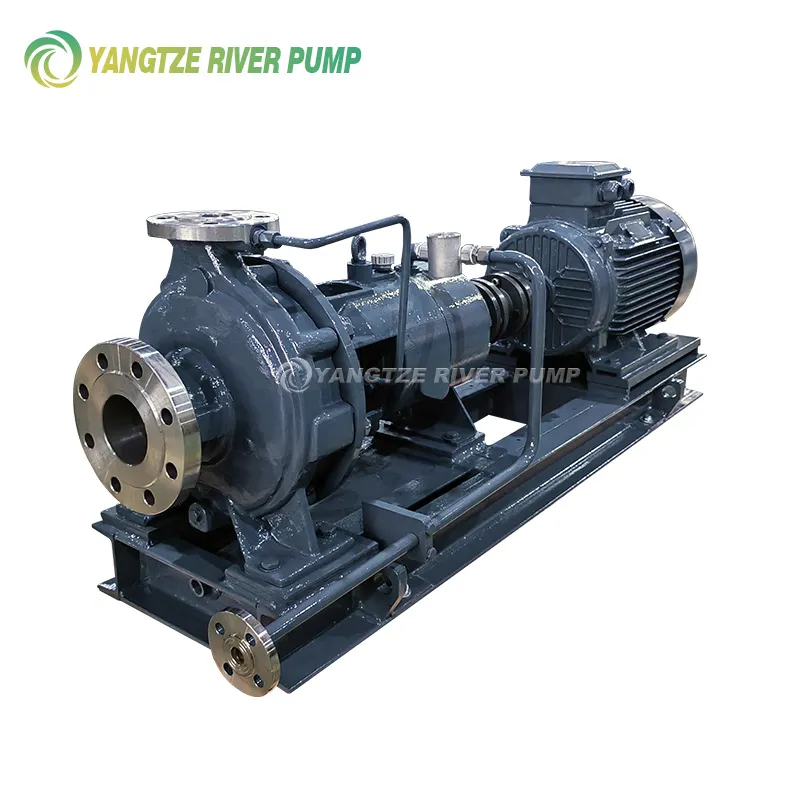 Petrochemical Process Pumps API 610 YZA
-
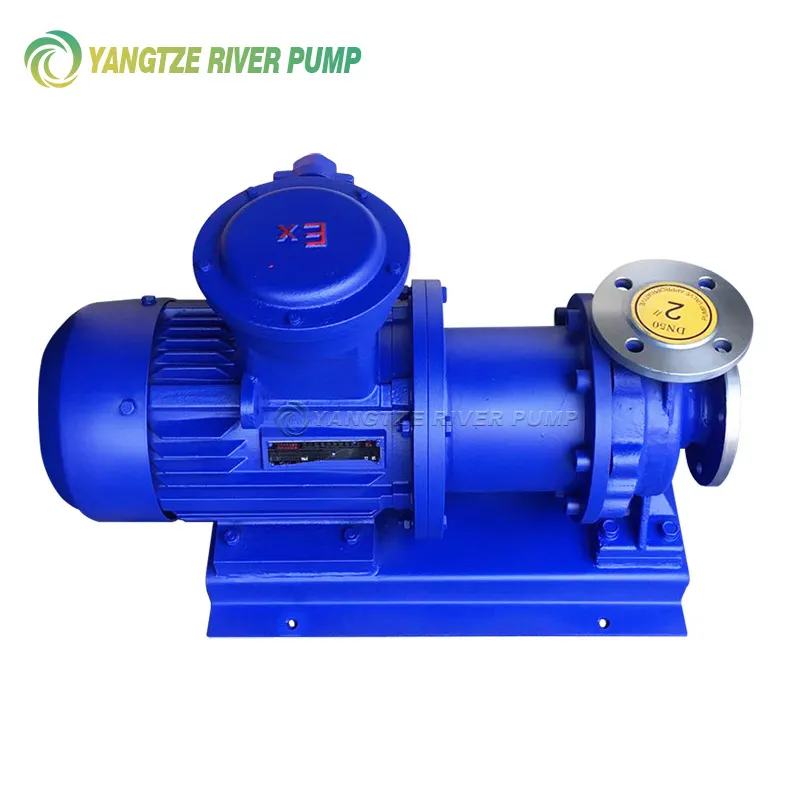 CQB Stainless Steel Magnetic Pumps
-
 Infinitely variable screw pumps type G
-
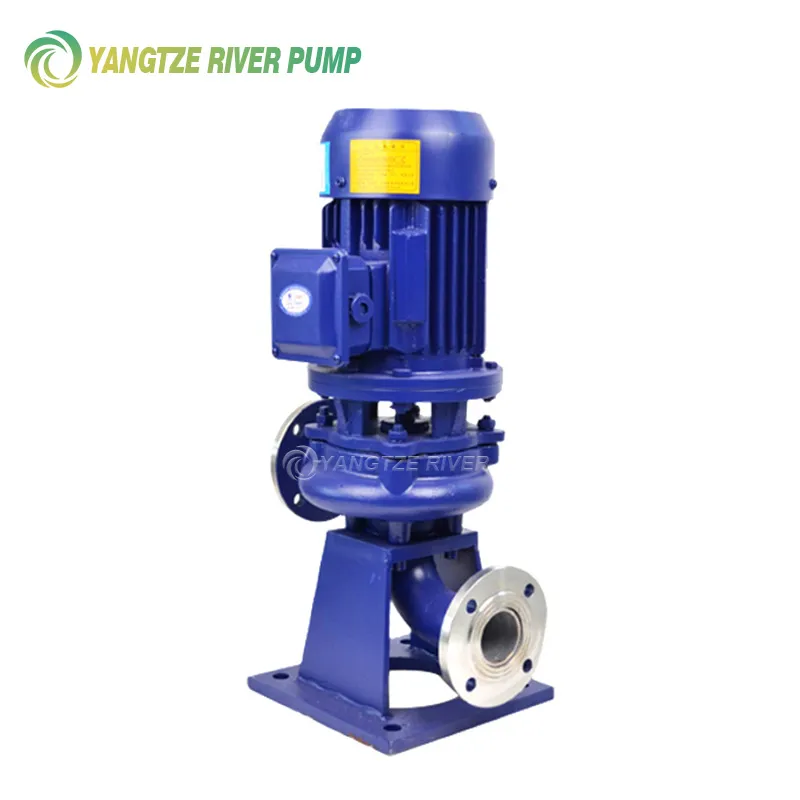 Non-clogging vertical wastewater pumps LW
-
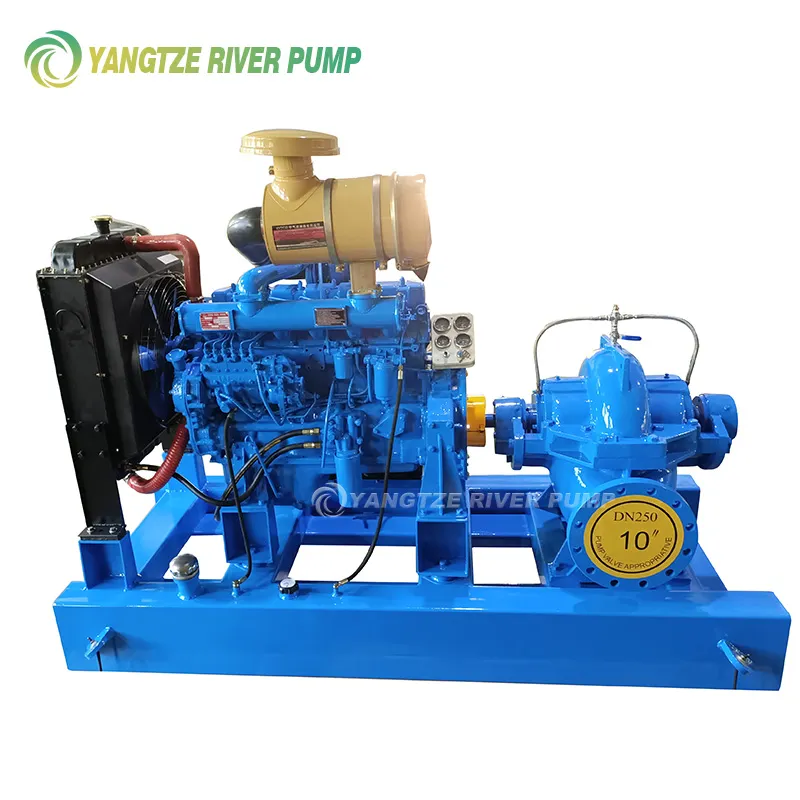 Diesel pumps with horizontal connector YZS and YZSH
-
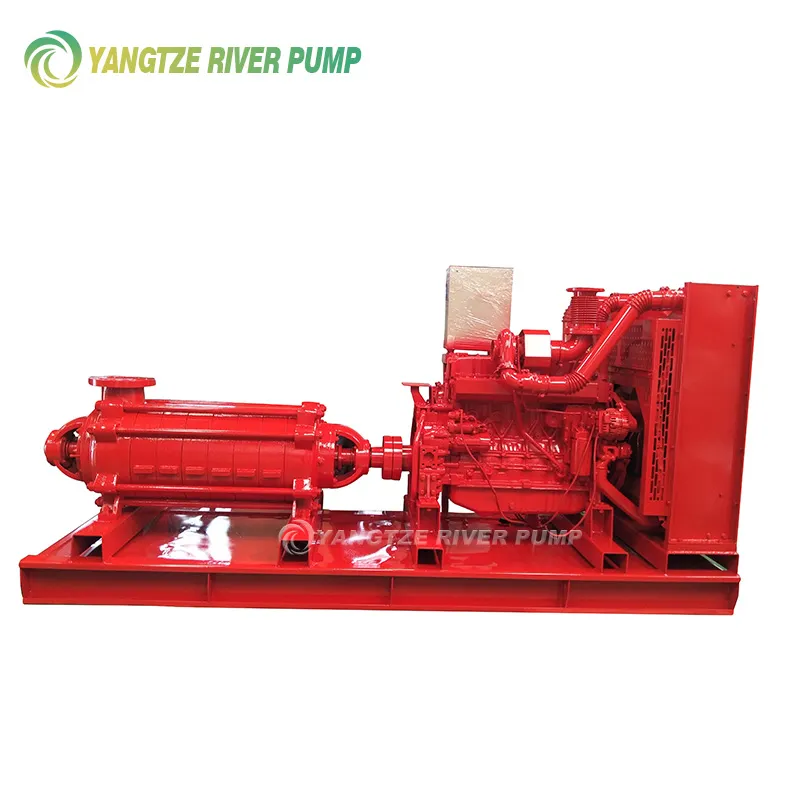 YZD Series Diesel Multistage Centrifugal Pumps
-
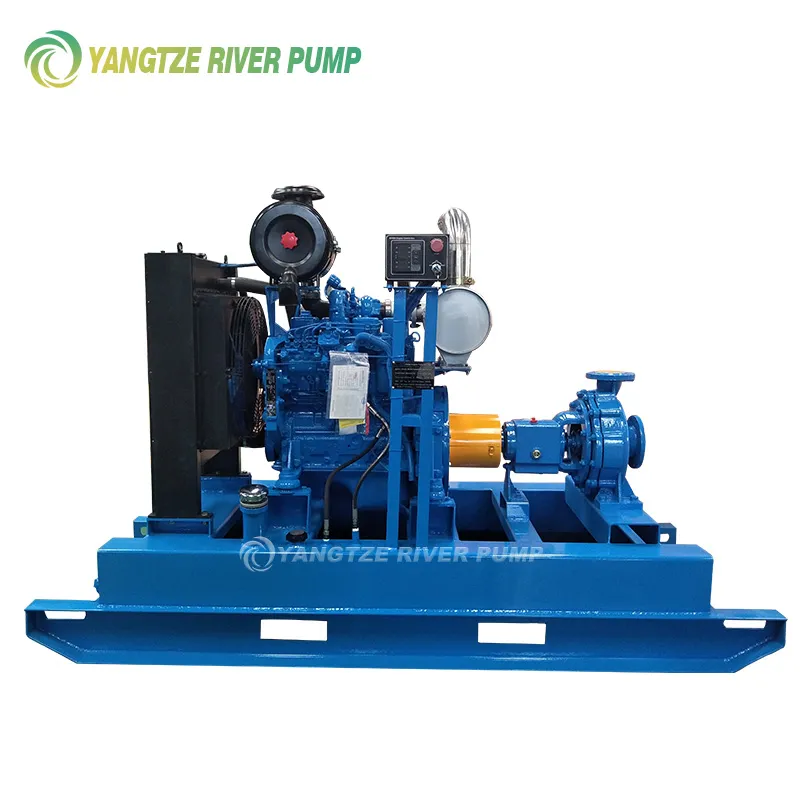 YZIS Diesel Single Stage Centrifugal Pumps
-
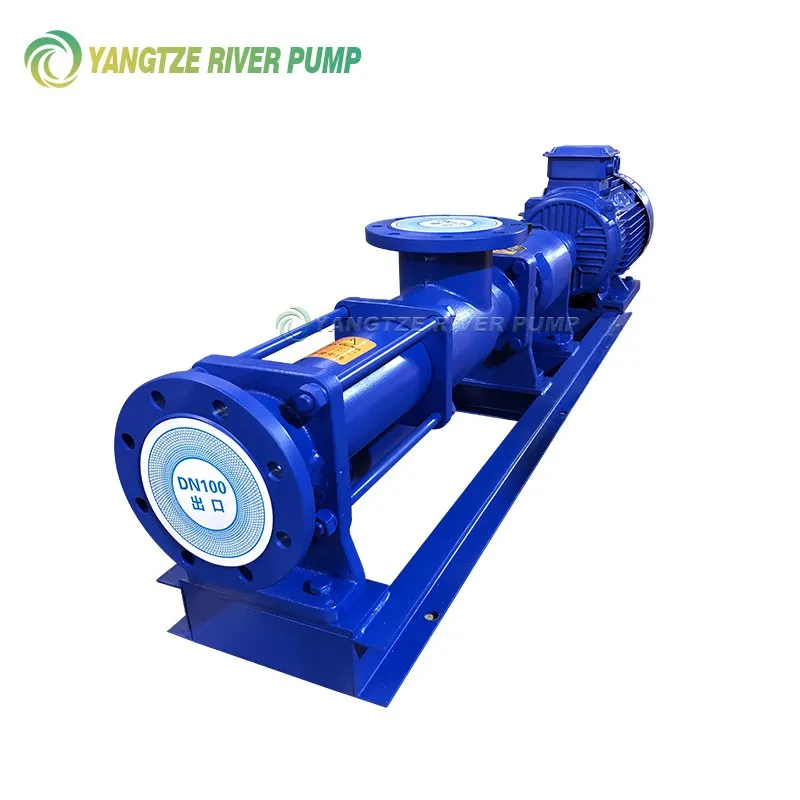 Single screw pumps type G
-
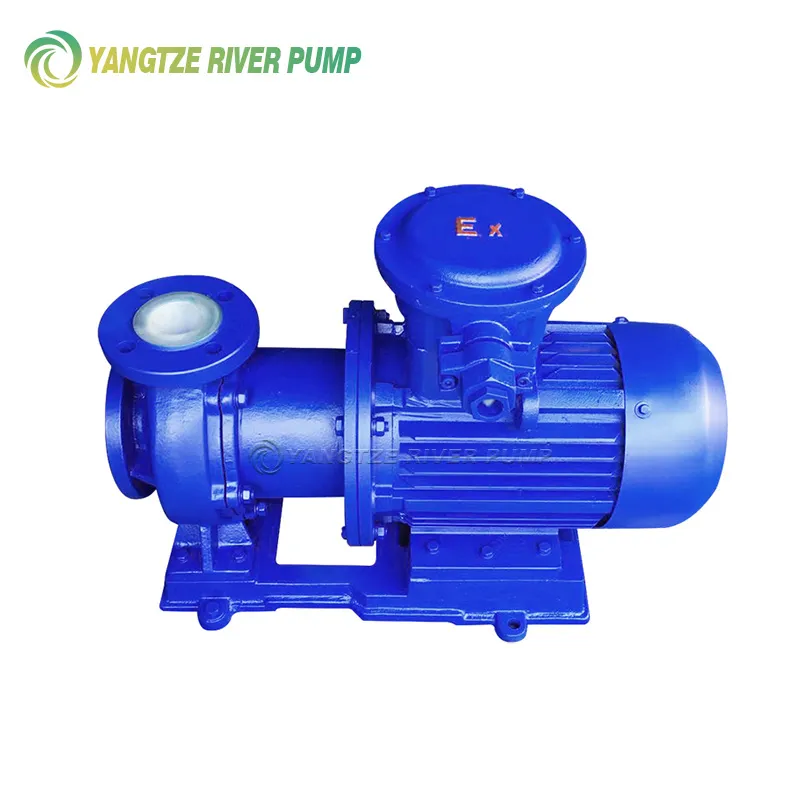 Magnetic pumps with fluoroplastic lining CQB-F
-
 Vertical pumps with PTFE lining YQF
-
 Metal pneumatic diaphragm pumps QBK