







deep well pumps 100 meters
When they talk aboutdeep well pumps 100 meters Look, many people immediately think: “one hundred meters is the usual depth, take any submersible pump with a suitable pressure and that’s it?” But here lies the first pitfall. Pressure is one thing, but reliable work at such a depth, where the pressure is already serious and the conditions can be different, is a completely different story. I have seen more than once how people, having saved on something, then encountered constant problems: either the engine overheats due to poor cooling in a narrow well, or the materials do not withstand the aggressive environment if the water is sandy or has high mineralization. Therefore, the parameter itself? 100 meters? - this is not just a number in a passport, but a whole set of requirements for design, materials and assembly. In the past, we often recommended standard multistage submersible pumps for such applications. The logic is simple: more stages - higher pressure. But in one of the projects near Kazan they encountered an interesting problem. The well was just under a hundred meters, the water was clean, but with a high content of dissolved iron. They installed a good, seemingly stainless steel pump. And after six months - a drop in productivity. We took it apart and there were deposits on the impellers and diffusers, almost like stone deposits. It turned out that at a certain combination of pressure, temperature and water composition, intense sedimentation begins. I had to switch to a model with increased gaps and a special coating. This was a lesson: the passport 100 meters is not a guarantee; you need to look deeply at the chemistry of the water. Another common mistake is not taking into account the diameter of the well. It happens that the casing pipe is 110-115 mm, and the pump is 98-100 mm in diameter. It seems to be passing. But at a depth of one hundred meters, this gap of 10-15 mm is critical for cooling the engine. If the water circulation around the housing is weak, the motor may simply “fry”. Therefore, we now always clarify: “What is the exact internal diameter of the casing?” And we are already looking for a model for it, sometimes even sacrificing a little performance, but providing the very necessary clearance for flow. And of course, the cable. This depth requires a cable with excellent waterproofing and mechanical strength. A cheap cable can leak over time, especially at the point where it enters the pump. I have seen cases where the entire unit failed because of this. Now we insist on using high-quality cables with reliable sealed leads, even if this makes the project a little more expensive. The economy here is false. If we talk about specific design solutions for a depth of 100 meters, then here they are beyond competitionmultistage centrifugal pumps. Their vertical design is specially designed for wells. Each stage raises the pressure by a certain amount, and by correctly selecting their number, you can accurately achieve the desired parameters. But it is important how these steps are made. Screws made of ordinary steel will not last long in an aggressive environment. AISI 304 stainless steel is already much better, but for very harsh conditions or sea water, sometimes you have to consider AISI 316 or even duplex steels. This is, of course, more expensive, but for industrial use or in regions with problematic water it is a necessity. The body is a separate issue. Cast iron is durable and inexpensive, but it is not suitable for some types of water and can corrode. Stainless steel is more versatile and durable. In our assortment, for example, there are lines where the body and all flow parts are made of stainless steel. This immediately eliminates a lot of potential problems with corrosion and chemical resistance. For domestic wells with a stable water composition, you can use a cast iron body, but for an unknown or clearly aggressive environment - only stainless steel. Engine. It must be reliably protected from water (filled with oil or special food liquid), have built-in overheating protection and operate in a wide voltage range. Voltage surges are common in rural networks and the pump must be able to handle them. I often pay attention to such a seemingly trifle as the length of the cable included in the standard package. For 100 meters it is almost always not enough, you have to increase it. And here it is important to do it correctly, with a sealed coupling, and not just a twist covered with electrical tape. I will give an example from one object in the Leningrad region. It was necessary to provide water to a small cottage community from a well 105 meters deep. There was sand in the water. The task was set not only to raise the water, but also to provide some reserve for abrasive wear. We went through several options and finally settled onsubmersible well pumpseries from Zhejiang Yangzijiang Pumping Industry Co.,Ltd. We took a model with impellers made of wear-resistant polymer, which tolerates periodic pumping of sand well. The key was that the manufacturer, judging by the description on https://www.yangtzeriverpump.ru, has a full cycle from R&D to testing, which means it can adapt standard solutions to atypical conditions. We requested information on the resistance of materials specifically to abrasive, and received very specific test data. This inspired confidence. The pump has been running for two seasons now, no problems. What's important is that it doesn't get stuck. from sand, the engine did not overheat. Of course, we also installed good filters on the surface, but the very fact that the pump copes with non-ideal conditions speaks of a correctly chosen design. In such cases, I now often look towards this manufacturer, because in their line there is exactlydeep well pumps, designed for difficult conditions, and not just re-labeled standard models. From their range, multi-stage vertical models are well suited for depths of about 100 meters. They cover a wide range of pressures and capacities. For clean water - some versions, for water with mechanical impurities - others, with reinforced elements. This is the correct, professional approach when the product line is segmented not only by numbers, but also by application conditions. The same site shows that the company emphasizes complete production lines, which usually means good quality control at all stages. The biggest headache at such depths is installation and possible dismantling for maintenance. The weight of a pump with meters of cable and HDPE pressure pipe for 100+ meters is already several hundred kilograms. You need good stainless steel cables, reliable clamps, and most importantly, the correct descent/ascent technique. Once I saw how the pump was “missed?” into the well due to a broken nylon cable. Getting it was painful and expensive. Since then I have insisted only on steel cable and safety rope. During installation, it is important to correctly assemble the entire thread: pump, check valve (sometimes placed directly on it), pipe, cable, cable. The cable must be carefully attached to the pipe with ties at a certain pitch, without tension, so that it does not hang separately and does not rub against the walls of the well. It seems like a small thing, but deep down any little thing can lead to a problem. In operation, I advise you to install a good automation system with protection against dry running and overload. And, no matter how trite, monitor the voltage in the network. Frequent shutdowns and surges are the main enemy of any submersible equipment. For especially critical objects we install stabilizers. And one more point: after a long period of inactivity, for example in winter at a dacha, it is better to pump the pump for a while before the first start-up to make sure that it has reached operating mode and there is no jamming from possible deposits. So, going back todeep pumps 100 meters. This is not a product from the “bought and delivered” category. This is an engineering solution that requires taking into account a dozen factors: from geology and water chemistry to the diameter of the well and the stability of the electrical network. The number ?100? is just a starting point for dialogue. There are many offers on the market now, and it is important to distinguish marketing promises from the real capabilities of the equipment. I am impressed by the approach of manufacturers such as Zhejiang Yangzijiang Pumping Industry LLC, which rely on the full production cycle and clear positioning of products for different conditions. This indicates a serious attitude towards the matter. As a result, the success of the project depends on three things: competent selection of a pump for specific conditions, high-quality installation and proper operation. If one of these links is lame, even the most expensive pump may not reach its service life. Therefore, it is always worth spending time on analysis and consultation with specialists who have practical experience working with such depths. This is the very area where the miser pays not twice, but many times.Selection experience and typical mistakes
What to look for in design and materials
Case study and working with YangtzeRiver Pump products
Installation, operation and personal observations
Instead of a conclusion: final thoughts
Correspondingproducts
Related Products



Best Sellingproducts
Best Selling Products-
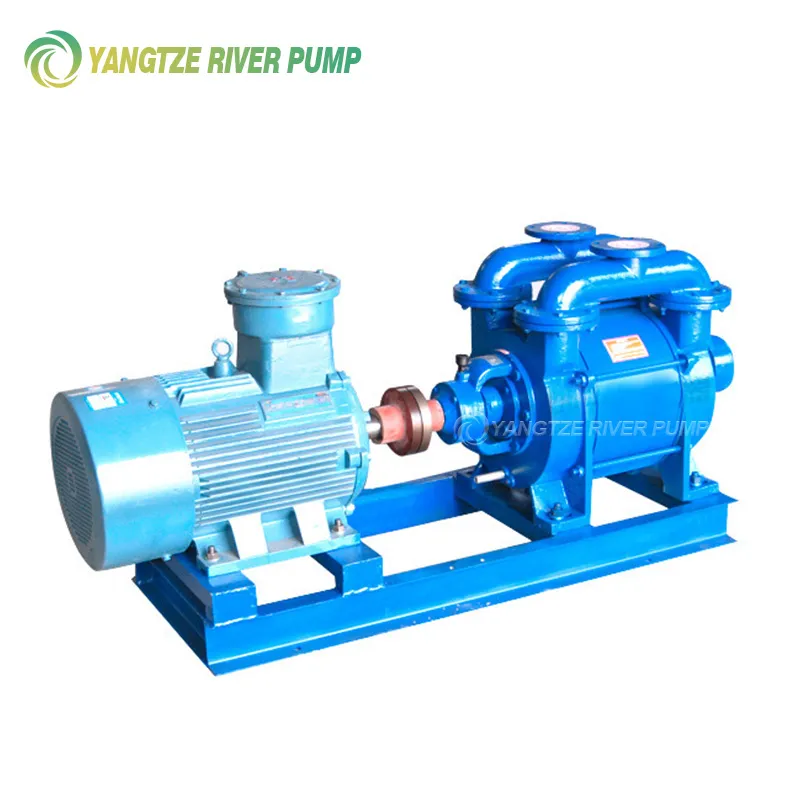 Liquid ring vacuum pumps type SK
-
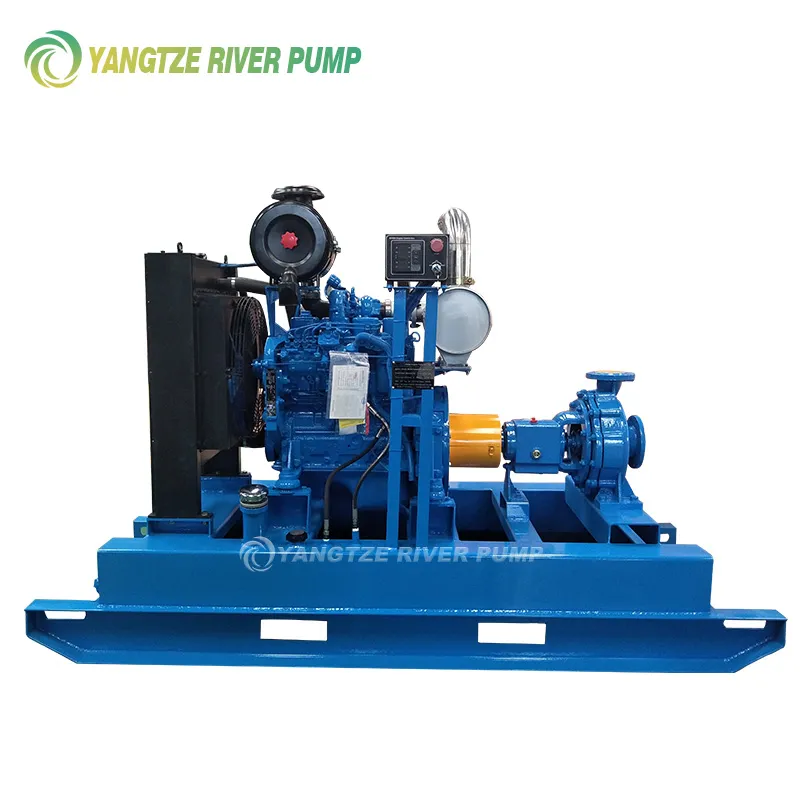 YZIS Diesel Single Stage Centrifugal Pumps
-
 Metal pneumatic diaphragm pumps QBK
-
 IHF PTFE Chemical Centrifugal Pumps
-
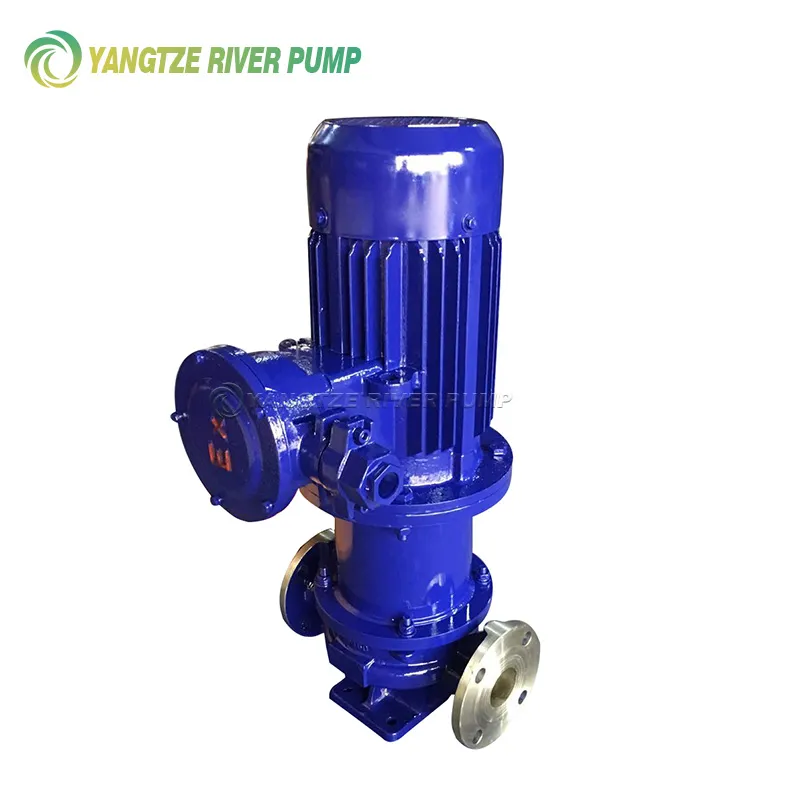 Vertical magnetic pumps CQB-L
-
 Corrosion-resistant stainless steel centrifugal pumps SFB and SFBX
-
 YCZ Chemical Process Pumps
-
 Metal electric diaphragm pumps DBY
-
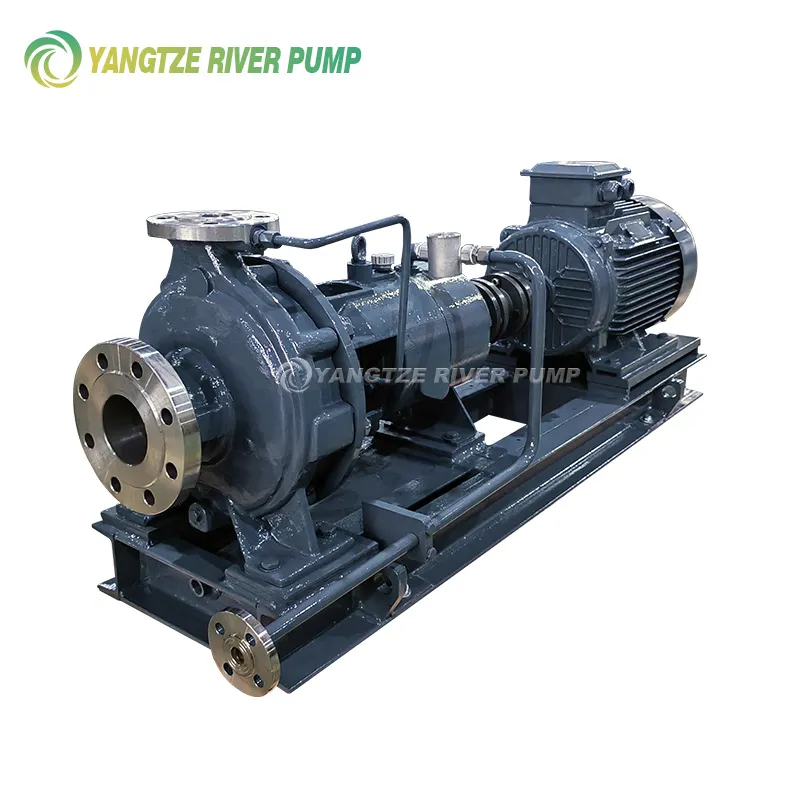 Petrochemical Process Pumps API 610 YZA
-
 YW Vertical Submersible Sewage Pumps
-
 Mechanical diaphragm dosing pumps DJ-D
-
 YZSP Diesel Self-Priming Pumps