







centrifugal pump 30 kW
When you hear “centrifugal pump 30 kW?”, the first thing that comes to mind is simply the engine power. Many people choose this way, looking at the numbers, and then they wonder why the unit does not support the system or, on the contrary, works at odds. In fact, these 30 kilowatts are just the starting point for a whole chain of calculations and “shooting?” for a specific task. I went through this myself when I was selecting equipment for circulation in a closed circuit with a high coolant temperature - I made a mistake with the cavitation reserve, I had to redo the piping.
Power is not the main thing. What's the main thing?
So, 30 kW. An engine of this power can spin different impellers in different housings. Key parameters that need to be ?linked? to this power is pressure and flow. I have seen cases where they installed a pump with a reserve pressure, believing that this was more reliable. The result is excessive energy consumption, noise on the valve, and constant operation far from the optimal efficiency point. The unit seems to be 30-kilowatt, but the efficiency is like that of a weak one. So the first rule is to look at the H-Q curve. It is necessary that the operating point of the system lies as close as possible to the top of the efficiency curve of this particularcentrifugal pump.
A dilemma often arises here: single-stage or multi-stage design? For high pressures at moderate flow rates, a multistage one will be more compact and efficient. For large volumes of water, say, in irrigation or cooling - single-stage. At our production site inZhejiang Yangzijiang Pumping Industry Co.,LtdThere are both lines, and bench tests confirm this. For 30 kW, if you need pressure over 100 meters, you are already looking towards multi-stage models. If the pressure is up to 80, and the flow rate is high, a single-stage one will most likely win in terms of price and ease of maintenance.
The material of the flow part is a different story. For clean water, cast iron is suitable, but if there are, for example, residual corrosion inhibitors or elevated temperatures in the system, then stainless steel is better. For chemical media - plastic or special alloys. This also affects the final cost and choice within the 30 kW power range. I remember a project with pumping heated glycol - the client initially chose a cast iron body for reasons of economy, but after consultation he switched to a stainless steel model. There was a difference in price, but the service life in an aggressive environment is incomparable.
Assembly, balancing and "first start-up"
A good pump starts with balancing the rotor. It would seem to be a truism. But I saw how during installation they neglected to check the alignment with the engine, relying on a rigid coupling. Vibration damaged the stuffing box after six months. Therefore, our approach on eight production lines is a mandatory dry run on a test bench after assembly. They didn’t just “check it and okay?”, but took a vibrogram, measured the no-load current and under load. Forpump 30 kWthis is critically important - the imbalance progresses quickly at such speeds.
Another nuance is the type of seal. Gland packing is cheaper, but requires maintenance and drops. Mechanical mechanical seal (MTU) is hermetically sealed, but sensitive to dry running and solid inclusions in liquids. In most cases, for water we recommend a double MTU with a cavity for filling. This increases the initial cost, but eliminates the need for constant oil seal tightening and fluid loss. In chemicalcentrifugal pumpsThis is often the only option.
The first launch is always exciting. Even if all the calculations are correct. I recommend that at the start you always have the ability to smoothly regulate the flow rate (output valve, frequency control) and control the motor current. There was a situation when, after starting the system, the current was consistently below the nominal value. It turned out that the actual hydraulic resistance of the network turned out to be less than the calculated one, the pump “ran away?” to the area of higher flow. I had to close the valve to reach the rated current and optimal mode. Without control, it would be possible to skip work at an off-design point.
Where are such units most often used?
30 kW is a fairly popular power in industry and utilities. Typical areas: water supply to villages or industrial facilities, circulation in heating systems of large buildings, booster stations, irrigation of large areas. It is also often used as the main pump in process lines - for example, to supply liquid to filters or heat exchangers.
There was an interesting case withlinear centrifugal pumpat 30 kW for the fire extinguishing system. A compact size for limited space in the machine room and high reliability were required. The linear design, where suction and pressure are on the same axis, saves space and simplifies piping. It was important to ensure a smooth start from the ATS system, so it was immediately equipped with a frequency converter.
Another application is pumping liquids from tanks. This is where the need for self-priming ability sometimes arises. But it is important to understand: classiccentrifugal pumpIt doesn't absorb itself, it needs filling. If you need a dry suction, we look at special self-priming structures or install a separate vacuum system. Confusion about these concepts often leads to installation problems.
Installation and operation errors that are costly
The most common mistake is incorrect suction piping. Installation without a straight section up to the valve, using elbows instead of bends, narrowing the diameter. All this increases losses and can provoke cavitation. For a 30 kW pump, the suction pipe must be as short as possible, straight and with a diameter no less than the suction pipe of the pump. Ideal - one size larger.
Neglecting the installation of support frames or foundations. A unit weighing several hundred kilograms, and even with dynamic loads, cannot simply be placed on the floor. Vibration is transmitted to the pipelines, over time the bolts become loose and the alignment is disrupted. Anchoring to a massive base is always necessary.
Operation "dry". Even short-term operation without liquid is fatal for most models - overheating and jamming of the mechanical seal or, worse, bearings. A dry running protection system is a must have. Working with the outlet valve closed for a long time is also harmful - the liquid in the housing overheats. It is necessary to either ensure the minimum permissible flow rate or provide a bypass line.
Service and what to look for when choosing a manufacturer
When choosing a pump, you always look beyond the price tag. The presence of a full cycle, from R&D to testing and service, as in our company, is a guarantee that the unit is not assembled on the knee? from purchased components. In-house production allows us to control the quality of casting of the housing, machining of the shaft and dynamic balancing of the rotor. Forcentrifugal pump 30 kWThese are not trifles, but resource issues.
Having a test bench is a big plus. This means that before shipment the pump is checked not only for leaks, but also its actual performance characteristics are measured. You can get a passport with a curve taken specifically for your product, and not a typical one from the catalog. This is important for accurate integration into the system.
And, of course, the availability of spare parts and repair kits. The impeller, shaft, bearing units, seals - all these are consumables with a certain service life. If you have to wait a month for a replacement part from abroad, this is a production downtime. It is logical to work with a manufacturer that keeps the main spare parts for its models in stock and can quickly ship them. We are inZhejiang Yangzijiang Pumping Industry Co.,LtdWe are building a service with this in mind, understanding that not only the purchase price is important to the client, but also the cost of ownership over the entire life cycle of the equipment.
Correspondingproducts
Related Products

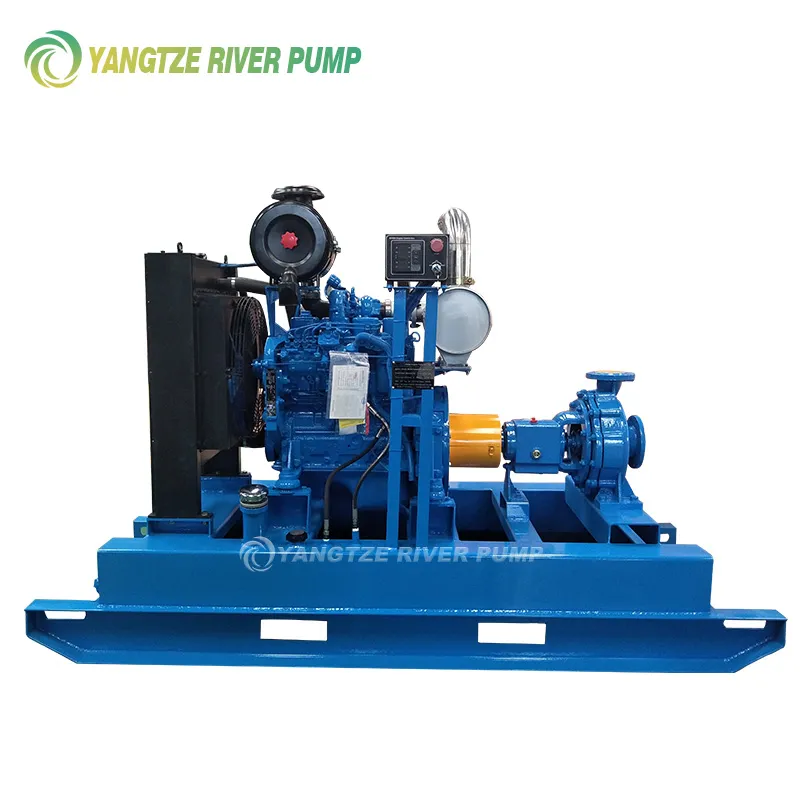

Best Sellingproducts
Best Selling Products-
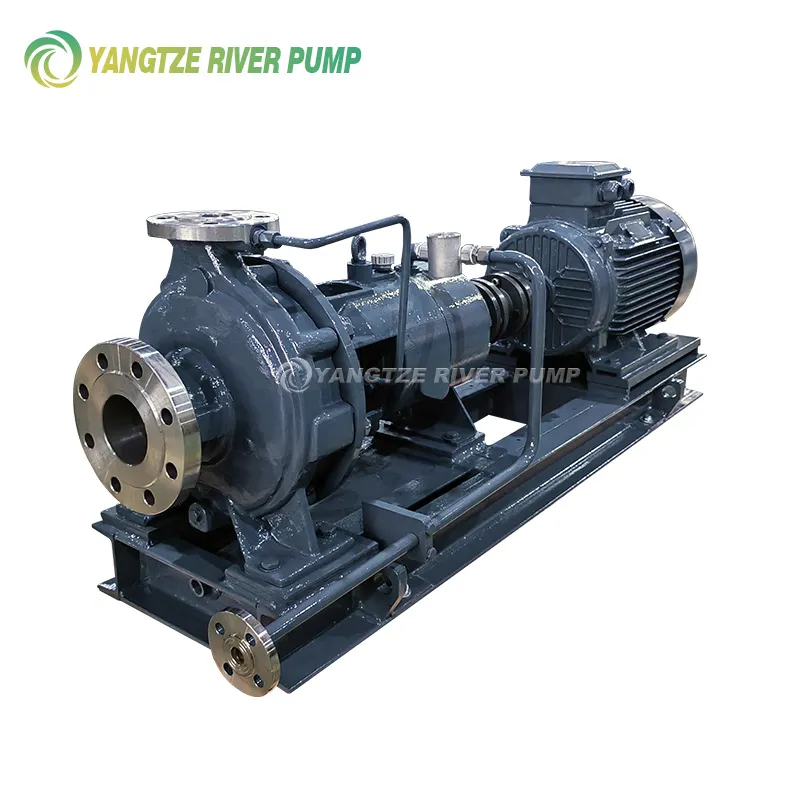 Petrochemical Process Pumps API 610 YZA
-
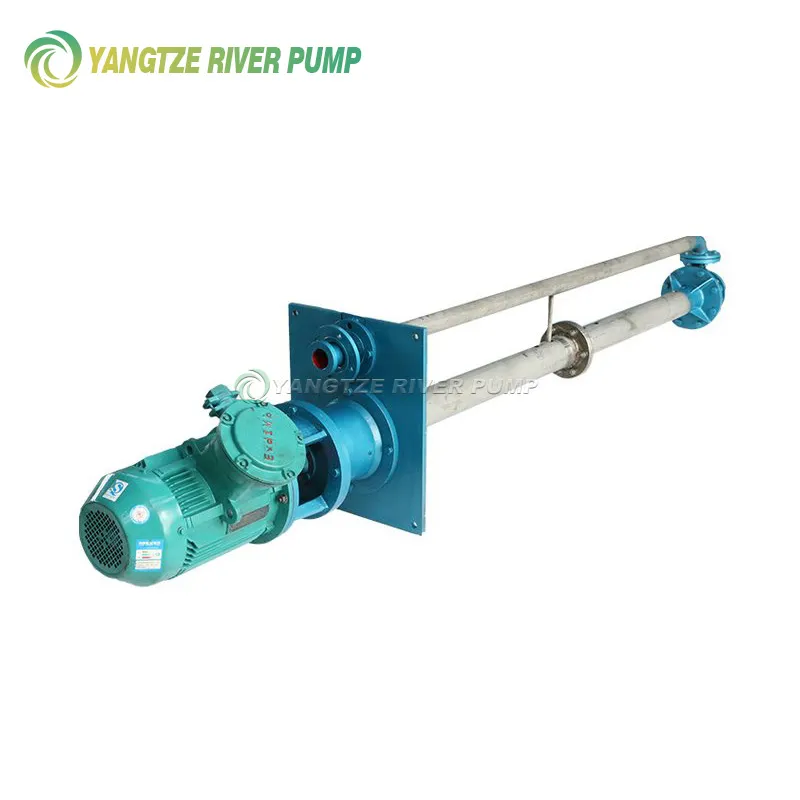 FY Submersible Chemical Pumps
-
 Geared screw pumps type G
-
 Non-clogging self-priming wastewater pumps ZW
-
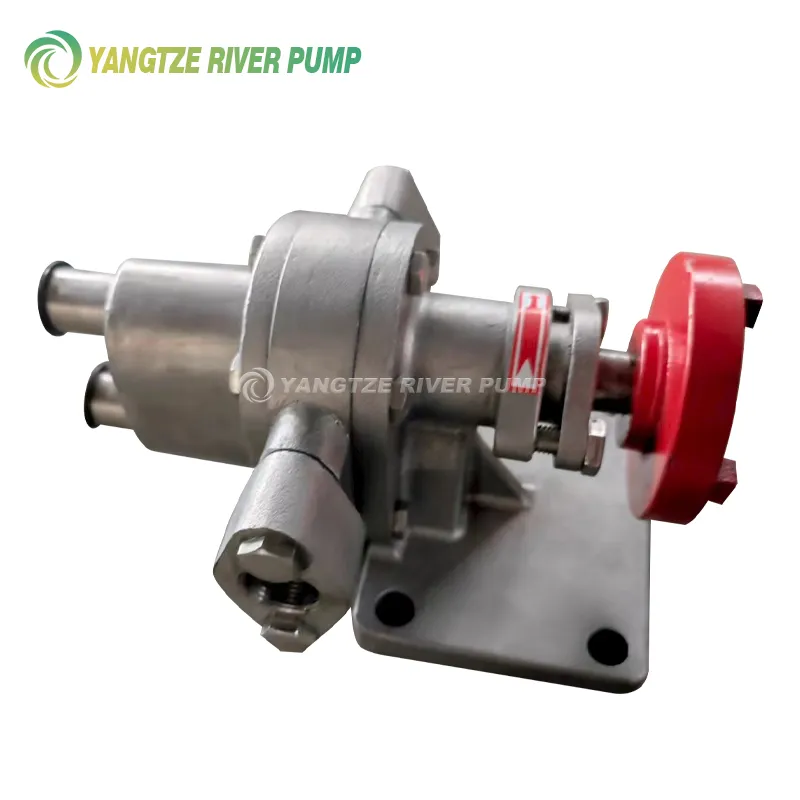 Gear oil pumps type KCB
-
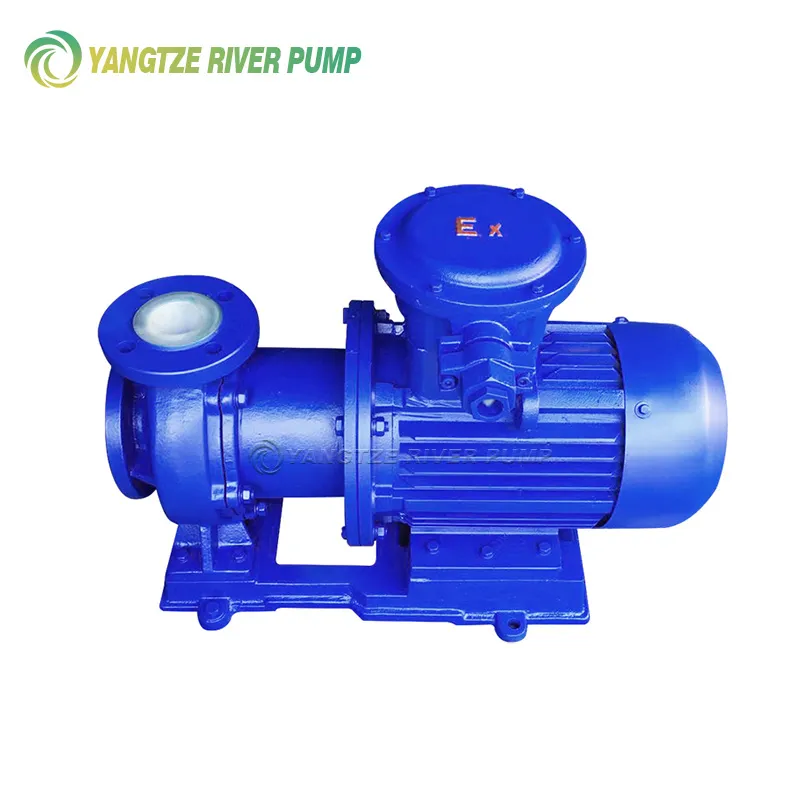 Magnetic pumps with fluoroplastic lining CQB-F
-
 YCZ Chemical Process Pumps
-
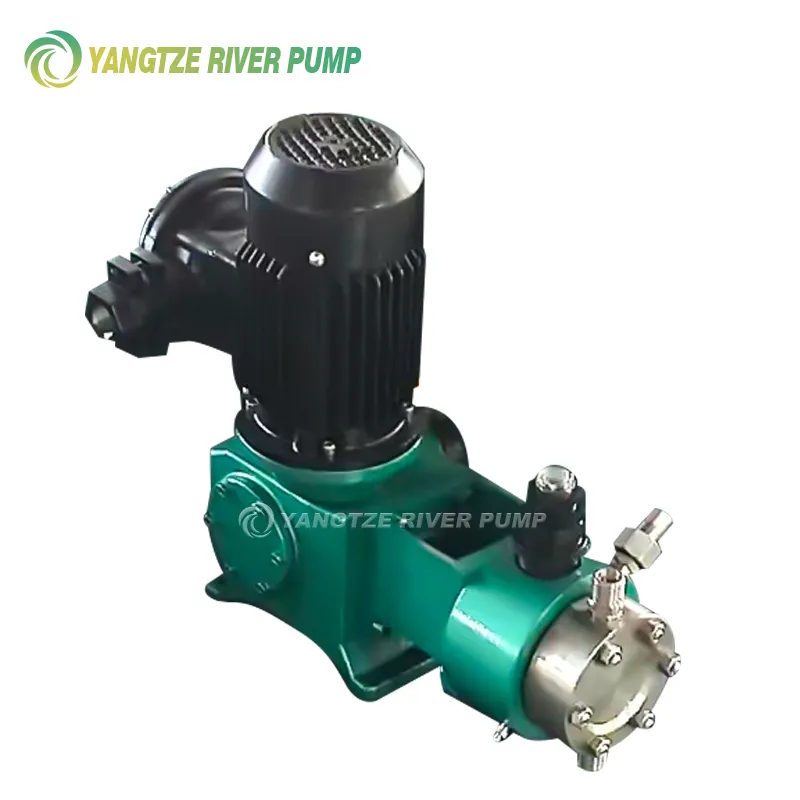 Plunger dosing pumps type DZ-X
-
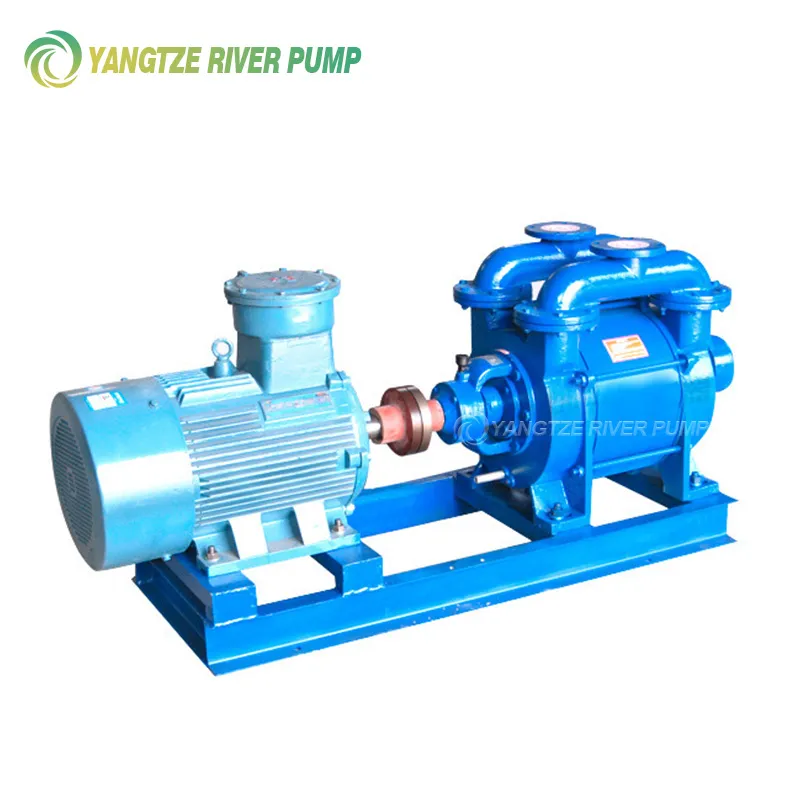 Liquid ring vacuum pumps type SK
-
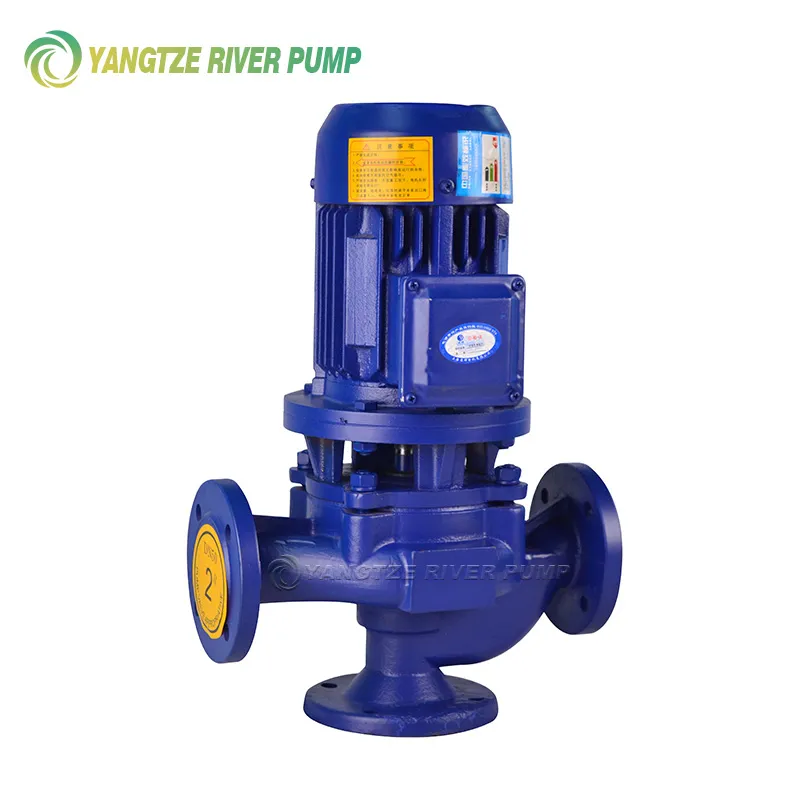 Pipeline wastewater pumps GW
-
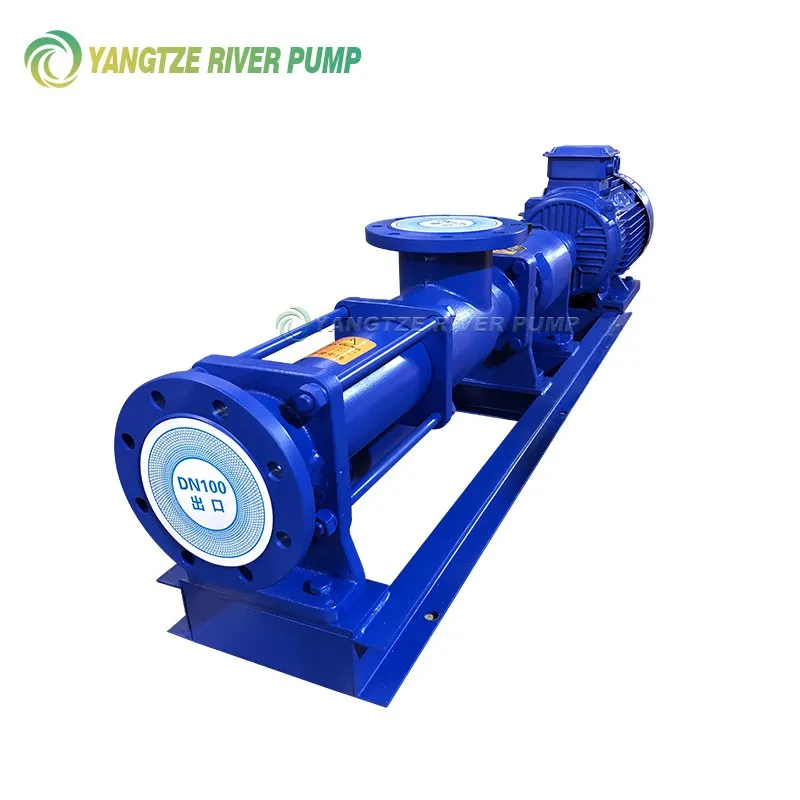 Single screw pumps type G
-
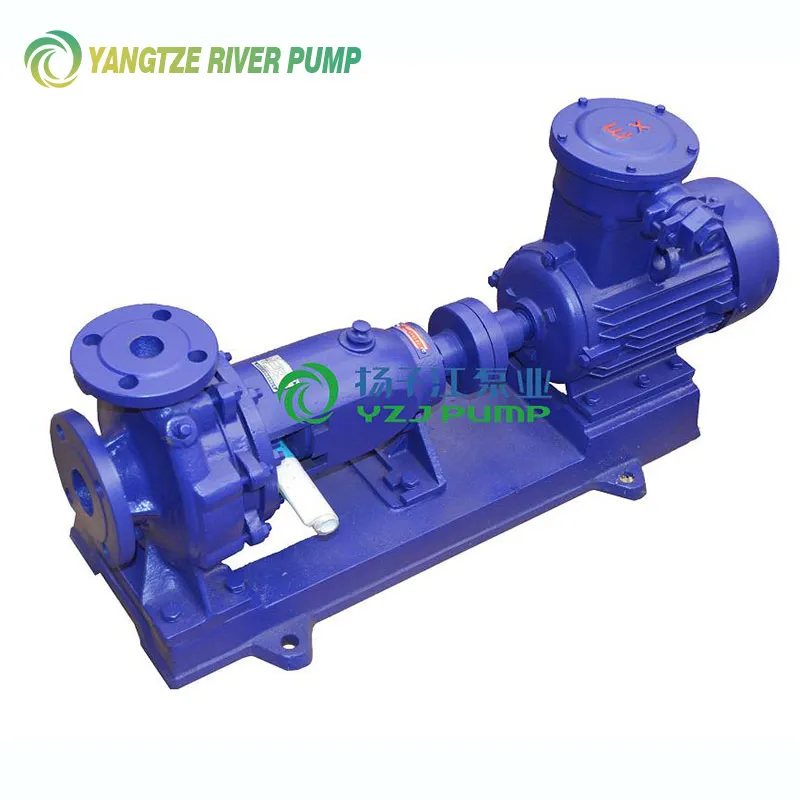 Horizontal chemical centrifugal pumps types IS and IR