







best deep water pumps
When they talk about the best deep-well pumps, something universal and ideal immediately appears. But this is the first mistake. In reality the ?best? - this is always “the best for a specific well, task and budget”. The most expensive maximum head models may be completely useless in narrow casing or high sand content. I often see how people chase after a stamp or numbers in their passport, and then suffer from constant breakdowns or low flow rates. Let's understand it without gloss.
A deep-well pump is not just a pipe with a motor
The design seems simple: an electric motor, a multi-stage section, a cable and a pipeline. But the devil is in the details. For example, the material of the impellers. For clean water, polymer ones will also work, but if there is a risk of abrasive use only wear-resistant composites or stainless steel. In our tests, it happened that samples with conventional wheels lost up to 40% of their performance in sandy water over a season. And the client then wonders why the pressure dropped.
Another point is the cooling system. Cheap pumps often have a simplified design; the motor is cooled only by flowing water. If the well flow rate is small or the pump is selected “butt-to-tail”, overheating is guaranteed. I had to disassemble it after such cases - the winding is darker, the insulation is fragile. Therefore, I always look at the passport minimum allowable consumption. This is not just a number, it is the survival limit of the device.
And of course, protection. A float switch is good for a well, but it is useless in a well. Do you need built-in protection against “dry running?” and overcurrent. But even here, not everything is clear. Some electronic units are too sensitive and trigger falsely during power surges in the rural network. Sometimes it is necessary to recommend installing a stabilizer separately. A trifle, but without it the pump will constantly turn off, and the owner will think that it is of poor quality.
Multistage systems: where they are really needed
This is where confusion often arises.Deep well pumpsare often considered multi-stage by default. And for deep wells with a high static level, this is true. Each stage adds pressure. But I have seen situations where a pump with 20 stages, designed for 150 meters, was installed for a 30-meter well. Yes, water is flowing, but the efficiency is catastrophically low, the engine is not operating optimally, and the electricity bill is rising. Excessive pressure is also harmful.
The correct selection is a balance between the flow rate of the well, the required flow rate in the house and the required pressure (depth + height to the top point + pressure in the system). For a standard cottage with a well up to 50-60 meters, a good 5-7-stage unit is often sufficient. But for an artesian of 100+ meters or for water supply to several houses, serious multi-stage devices are already needed, perhaps even insubmersibleversion with reinforced housing.
Speaking of cases. AISI 304 stainless steel is the standard, but for aggressive environments (high content of salts, acids) grade 316 is better. We are in productionZhejiang Yangzijiang Pumping Industry Co.,LtdWe do both options, but we always check the conditions with the customer. There was a story when there was a high level of chlorides in the water, and ordinary stainless steel developed pitting corrosion within two years. I had to change it to a more resistant alloy.
Tests as a crash test: what is not written in catalogs
Any self-respecting manufacturer conducts factory tests. But they are often “sterile”. On our lines, we additionally race selected specimens in extreme conditions. Let's say we simulate working with fine sand or short-term “dry running”. This gives an understanding of the real safety margin.
One of the key tests is the durability of seals and bearings. Vibration diagnostics after hundreds of hours of continuous operation show how well the rotor is balanced. Imperfect balancing is a vibration that will become loose in a year or two. even a strong case will lead to leakage. Therefore, in ourdeep-well pumpsthe emphasis is on precision assembly of the rotor group. This is not a characteristic that can be seen with the eyes, but it determines whether the pump will work for 2 seasons or 10 years.
Another important point is the heat resistance of the winding insulation. In the passport they write ?class F? or ?class H?. But in practice, if the pump is constantly operating at the limit of its capabilities, the internal temperature may be higher than designed. We perform thermography during testing to ensure that "hot spots" are present. do not exceed critical values. This is the same prevention against sudden engine burnout at the height of the summer season.
Application scenarios and typical installation errors
Often the best pump is damaged during installation. The most common mistake is hanging it on a regular HDPE water pipe without a safety rope. The pipe stretches, the load is placed on the threaded connections, resulting in a break and the pump at the bottom of the well. You should always use a stainless steel cable that is attached to special eyes on the pump body. It would seem banal, but every year I come across such cases.
The second mistake is the absence of a check valve immediately after the pump or, even worse, the installation of a cheap plastic valve that quickly fouls or leaks. Without it, the water flows back into the well every time, the pump starts “under load”, which kills it the fastest. I recommend using brass or stainless steel, and not one, but sometimes two - for reliability.
And thirdly, saving on cable. The power cable must be water-immersed, with sealed couplings. Conventional PVA in a well will quickly become unusable, moisture will penetrate the veins, and there will be a short circuit. I saw how “universal masters” use electrical tape instead of heat shrink sleeves. The result is predictable and sad. We discuss all these points in detail with clients and dealers, because the service life of even the most advanced equipment depends 50% on installation.
Service and maintainability: what to look for when choosing
Any pump, even the best one, may require maintenance. And here the constructive ability to repair it is important. Collapsible models, where you can replace an individual stage or bearing, are preferable to non-dismountable ones, which, if broken, are replaced entirely. In our linesubmersible pumpsWe are adopting a modular design for this very reason.
The presence of service centers and the availability of spare parts are not empty words. Waiting a month for a part from abroad when there is no water at the dacha is still a pleasure. We as a manufacturerZhejiang Yangzijiang Pumping Industry Co.,Ltd, we are trying to create warehouse stocks of the most popular components in the regions. This solves a lot of problems. Information on spare parts and technical support can always be obtained through our website.https://www.yangtzeriverpump.ru.
And the last thing is documentation. Good instructions in Russian with clear diagrams, fault tables and key sizes for disassembly are a huge plus. We are working on this because we know: often the user is ready to replace the oil seal or gasket himself if he understands how to do it. This saves everyone time and increases brand loyalty. After all, the best pump is the one that pumps water for a long time without problems, and if something happens, it can be repaired quickly and inexpensively.
Correspondingproducts
Related Products

Best Sellingproducts
Best Selling Products-
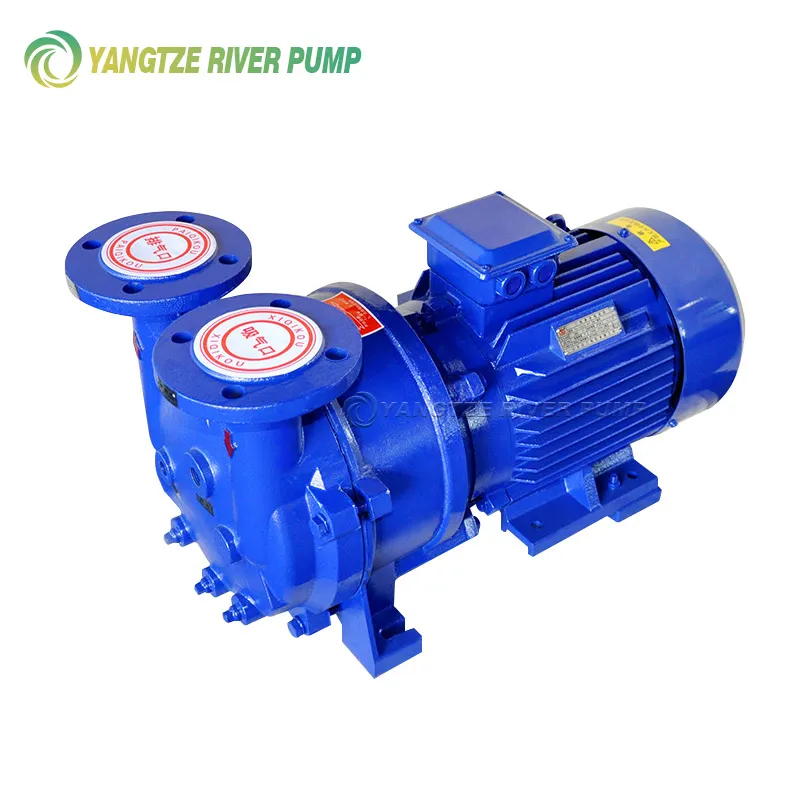 Liquid ring vacuum pumps type SKA and 2BV
-
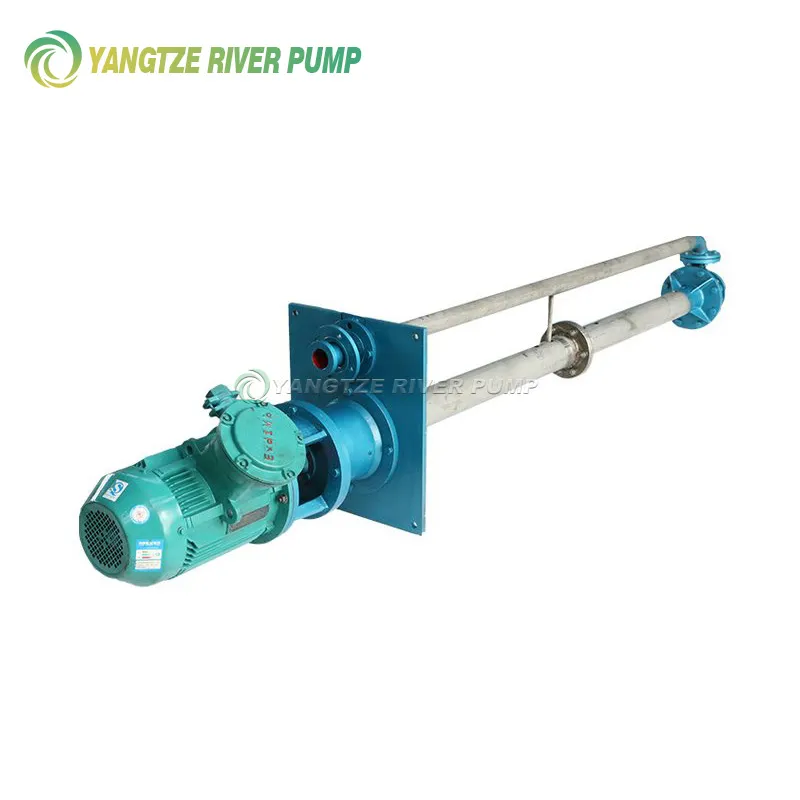 FY Submersible Chemical Pumps
-
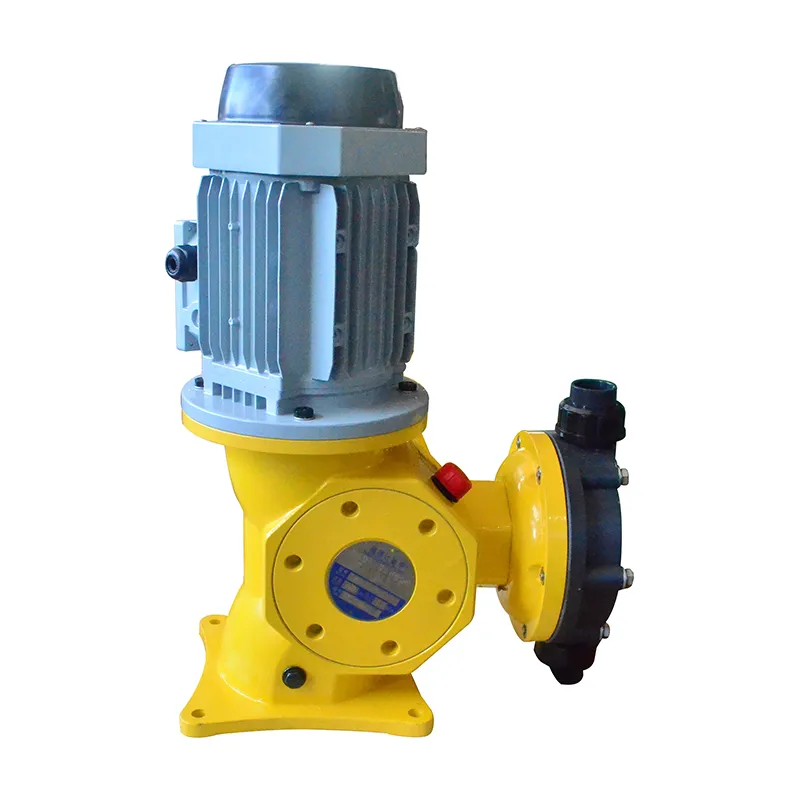 Mechanical diaphragm dosing pumps DJ-Z
-
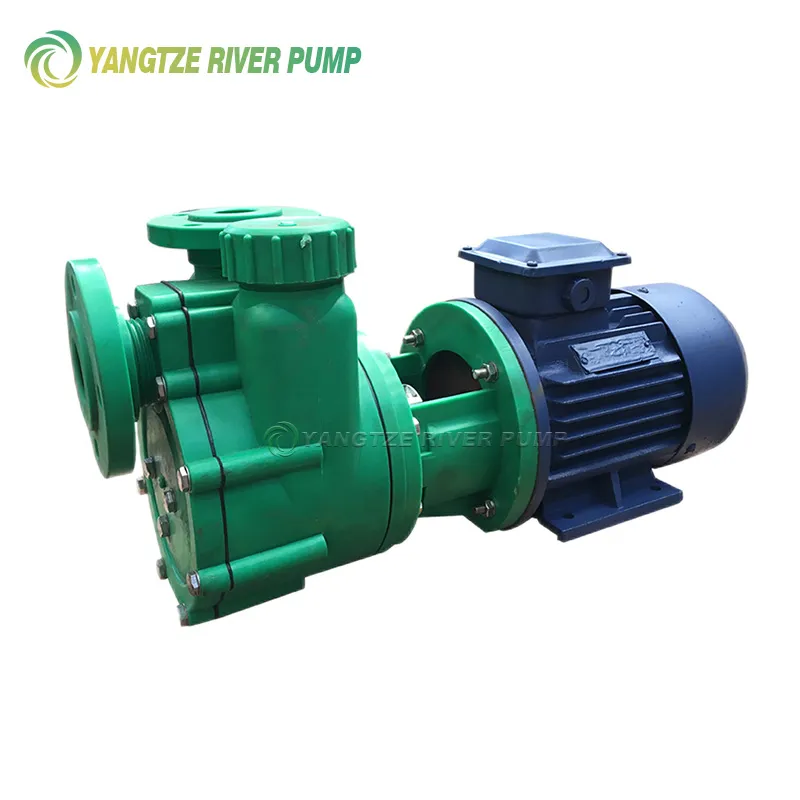 Plastic self-priming centrifugal pumps FP and FS
-
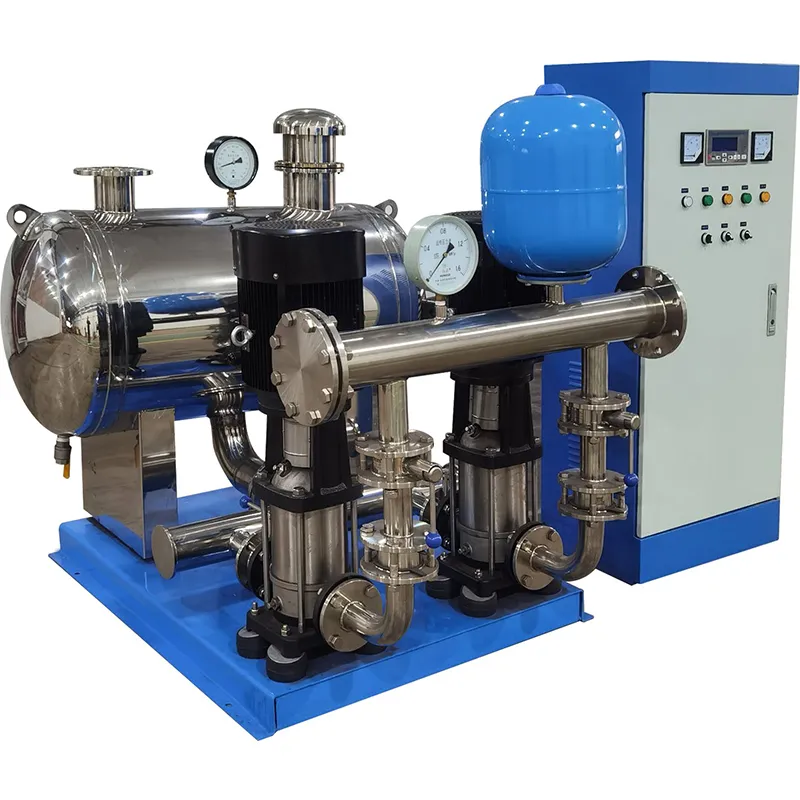 Complete water supply installations with frequency regulation and constant pressure CDLF
-
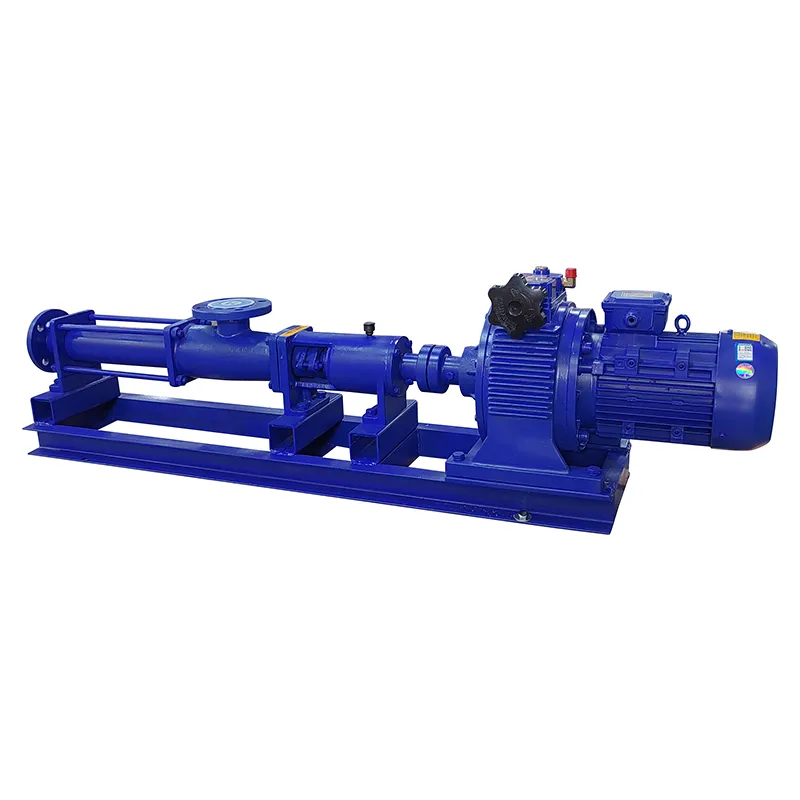 Infinitely variable screw pumps type G
-
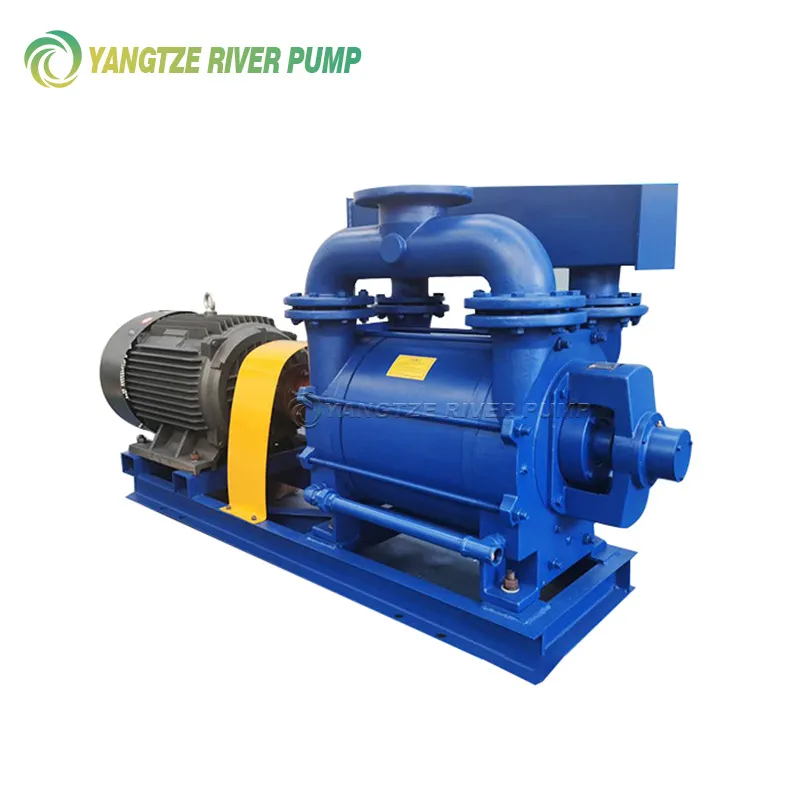 Liquid ring vacuum pumps type 2EB
-
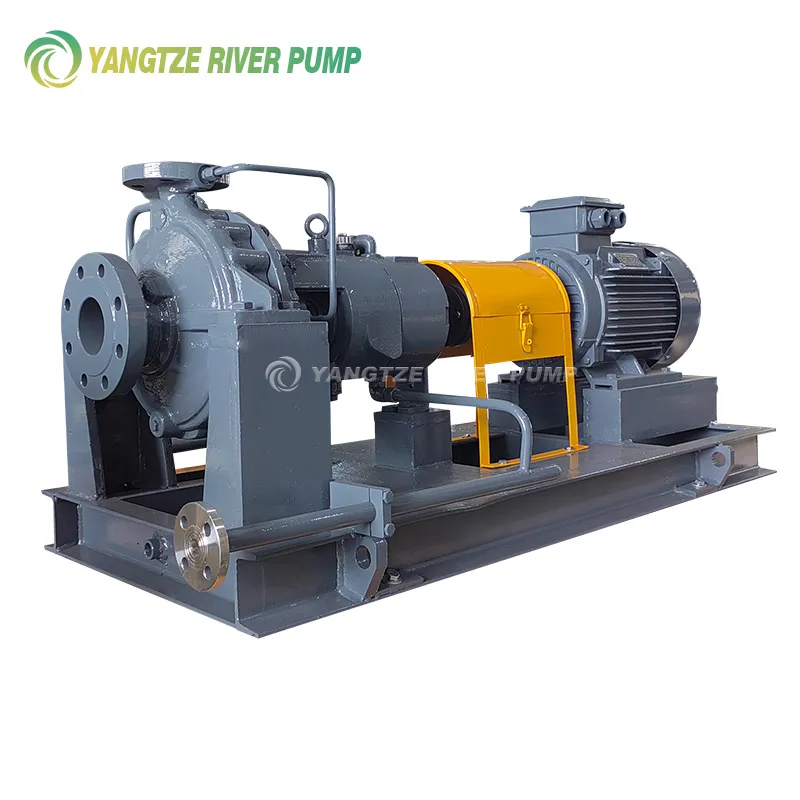 Petrochemical Process Pumps API 610 YZE
-
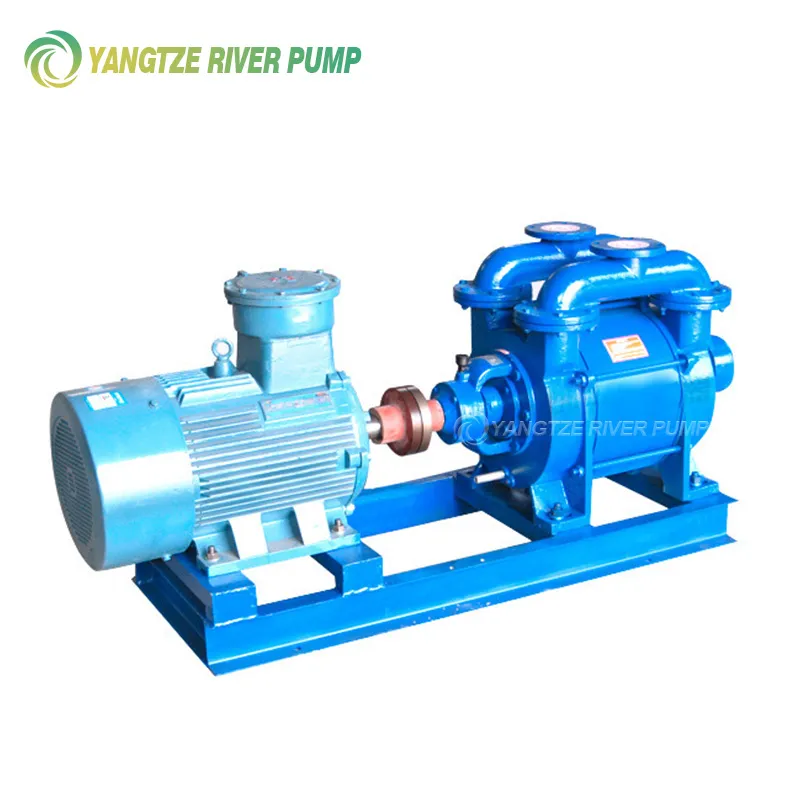 Liquid ring vacuum pumps type SK
-
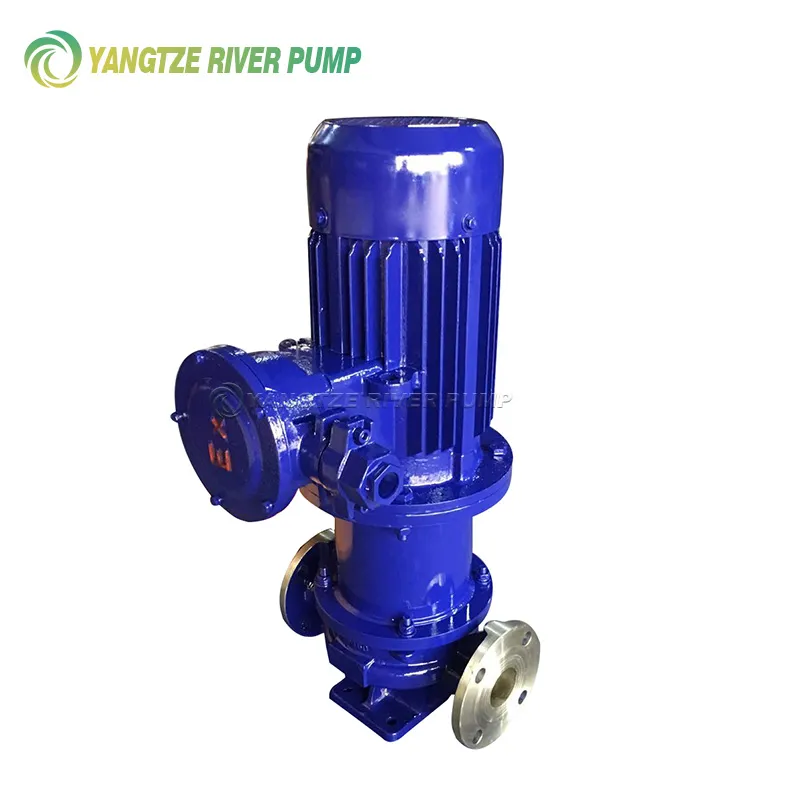 Vertical magnetic pumps CQB-L
-
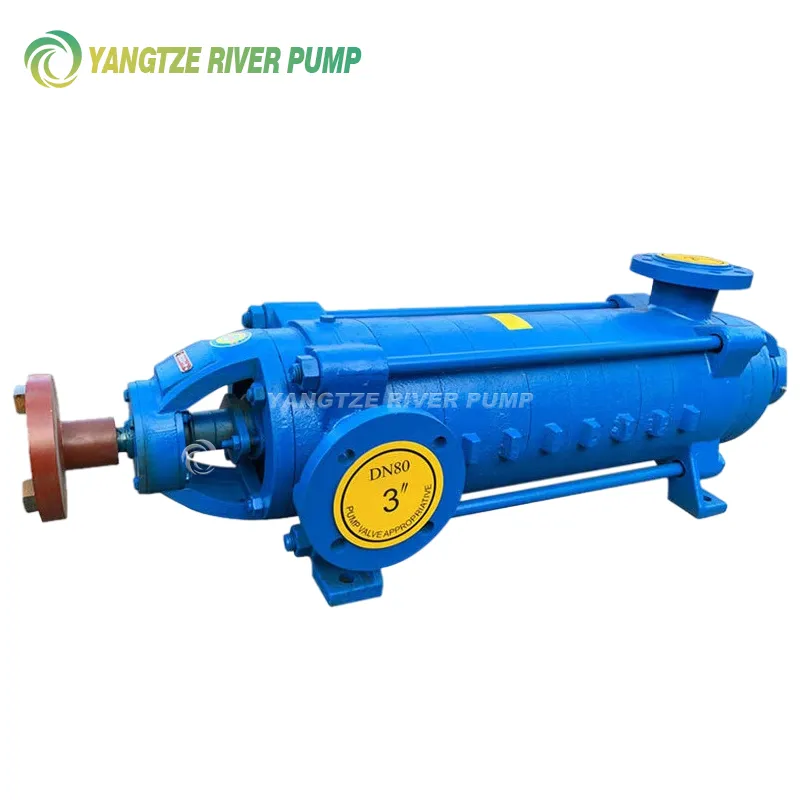 Horizontal multistage pumps for feeding DC boilers
-
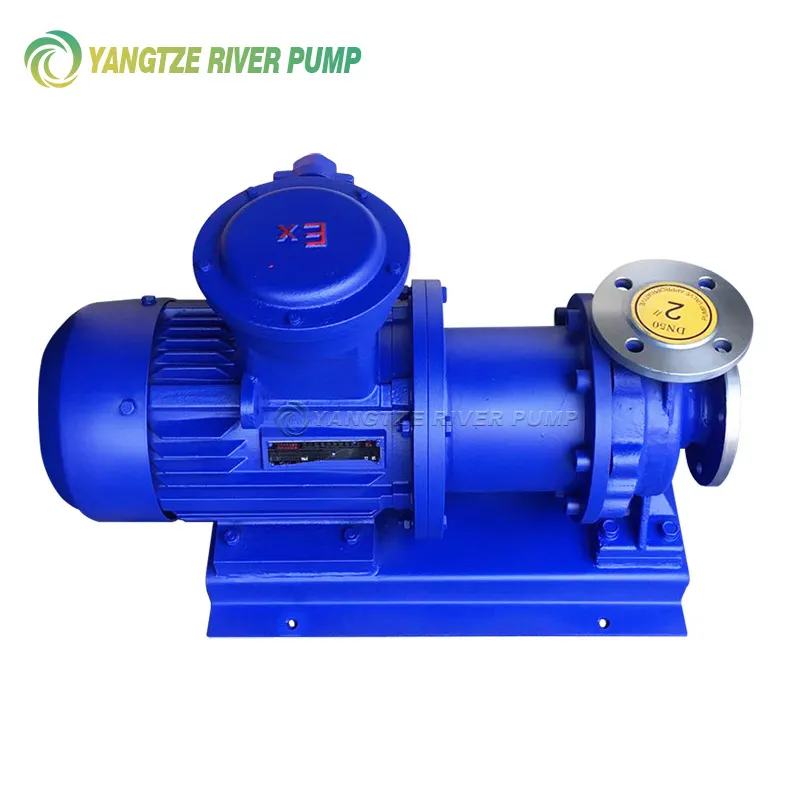 CQB Stainless Steel Magnetic Pumps
Relatedsearch
Related Search- deep well pump 110
- DJ-D Mechanical Diaphragm Dosing Pumps
- standard centrifugal pumps
- dosing pump GOST
- centrifugal pump 40 m3 h
- XBC Diesel Intelligent Fire Pumps
- CQB Stainless Steel Magnetic Pumps
- vertical type centrifugal pump
- Corrosion resistant stainless steel centrifugal pumps
- multistage surface centrifugal pump