







centrifugal pump 50 160 5 5
When you see in a specification or request a marking likecentrifugal pump, the first thought is another console monoblock, of which there are dozens on the market. But it is precisely in this apparent simplicity that the main mistake lies: considering all units with such numbers to be the same. In fact, behind these parameters - the nominal diameter of the pipe, the nominal pressure and engine power - there is a huge variation in the quality of workmanship, the materials of the flow part, the balancing of the rotor and, as a consequence, in the service life and real characteristics at the site. Many people, especially when purchasing for non-critical systems, chase a low price, and then wonder why the pump makes noise, vibrates, or does not produce the stated pressure after just six months of operation. In ourZhejiang Yangzijiang Pumping Industry Co.,LtdThe approach to such standard sizes is different: this is a basic but critical product line that should work without surprises.
What does 50-160-5.5 actually mean?
Let's take our pump of this size. The number 50 is the nominal diameter of the inlet and outlet pipes in millimeters. In practice, this means that it fits perfectly into lines designed for DN50, but here it is important to look at the design of the flanges - to what standard they are made. For example, we often do it under GOST, because most of our sales chain works with this standard, but we can also do it under DIN if the project requires it. 160 is the nominal pressure in meters of water column. The key word is “nominal”. On a test bench at the optimal efficiency point, we get it, but in a system where there are hydraulic losses and pipe resistance, the actual output pressure will be less. And here the engineering work begins: choosing the right operating point so that the pump does not “suffocate?” and did not peddle.
Power 5.5 kW - it would seem that everything is simple. But what engine? We usually install an asynchronous motor with a higher insulation class on this model, designed for frequent starts. Seen in ?noname? pumps where 5.5 kW is displayed on the housing, but in fact the motor does not even pull 4.5 at peak load, overheats and turns off. This is a direct path to system downtime. That's why we're on our waywebsiteWe always focus on complete technical data, and not just on labeling. Testing on our own stand is a mandatory step before shipment, not for show, but to take real Q-H curves.
And also by design. Console monoblock type KM - it would seem that everything is the same: a pump unit and an electric motor on a common plate. But how is alignment implemented? We achieve alignment with a minimum tolerance using laser alignment during assembly. This is not fast, but the vibration at the output is within strict standards. I remember a case when our pump was replaced at the site with a cheaper analogue with the same numbers 50-160-5.5. A month later they called: “Yours was working quietly, this one is humming, the foundation slab is vibrating?” We arrived and checked - shaft runout, poor-quality impeller balancing. They had to change it. So the numbers are just a starting point for the conversation.
Where and how it really works (and where you shouldn’t install it)
A classic of the genre for such a pump is water supply, irrigation, circulation in heating systems or process lines. Clean or slightly polluted water without abrasive inclusions is his element. On ourproduction siteEight lines allow a flexible approach to materials: for ordinary water - a cast iron wheel and body, for more aggressive environments - we can offer a version with a stainless steel wheel. This is no longer the standard 50-160-5.5, but a modification of it, but the point is that the base platform allows you to do this.
A common mistake is trying to use it to pump suspensions or liquids with fibers. The impeller is a closed type, the channels are not wide - it will clog very quickly. For such tasks we have other lines, for example, single screw pumps. But it’s excellent for supplying water from an artesian well to a storage tank. The main thing is to correctly calculate the required pressure, taking into account the depth, the height of the rise to the tank and losses in the pipeline. Sometimes you arrive at a site, and the pump is installed with a pressure reserve of two times - and the client pays for electricity, which literally translates into noise and excess pressure. It’s better to be a little short in the model and work in the optimal zone.
Another practical point is installation. It would seem that he secured it to the foundation, tied it with pipelines - and turn it on. But if you install a gate valve on the suction line, rather than a check valve with a shutter, and the pipeline is long, there may be problems with starting. The pump is not self-priming; it requires the housing to be filled with liquid. This is sometimes forgotten. We always state this in the documentation, but not everyone reads the manuals to the end.
Production cycle: from drawing to testing
When we talk about the production of such pumps inZhejiang Yangzijiang Pumping Industry Co.,Ltd, this is not just an assembly from purchased components. Our eight full lines are a closed loop. It all starts with R&D. Yes, even for a seemingly standard product. The hydraulic part is being worked out, the profile of the impeller blades is calculated for maximum efficiency in the declared range. Then casting - your own foundry allows you to control the quality of cast iron, the absence of cavities in critical places.
Machining is where precision comes into play. Bearing seats, seals, the shaft itself - all this is processed on CNC machines to maintain tolerances. Then dynamic wheel balancing. We balance it not assembled, but separately, on a special stand. This is more expensive but ensures that vibration is minimal. Assembly is a critical stage. They are assembled by experienced mechanics who know at what torque to tighten the fasteners, how to correctly install the mechanical seal (we practically don’t install stuffing box seals anymore, only by special order - there are too many problems with leaks and maintenance).
And the finale is a test bench. Each pump, includingcentrifugal pump, race on water, take actual parameters: pressure, flow, current consumption, vibration level, bearing temperature. The data is entered into the passport that comes with the kit. This is not just a piece of paper, but a guarantee that the unit has passed the test. Without this test certificate, nothing leaves the warehouse. Such a system takes time, but completely eliminates the supply of defective or non-conforming products.
What they encounter at sites: field practice
Theory and the stand are one thing, but real operation is another. One common problem that is not directly related to the pump is cavitation. There was a story in a food industry: the pump is running, the parameters seem to be selected correctly, but after a few hours of operation, loud noise begins and productivity drops. We've arrived. It turned out that there was a dirt filter on the suction line, which was clogged and created high hydraulic resistance. The pressure at the inlet to the pump dropped below the pressure of the saturated vapor of the liquid - cavitation began, which “eaten away” impeller material. The solution is simple - put a pressure gauge on the suction and clean the filter in a timely manner. But who thinks about this at the installation stage?
Another situation is working “on a closed valve”. The pump is centrifugal, it should not operate for a long time at zero flow - the liquid in the housing overheats and can damage the seals. Ideally, you need a bypass or frequency converter. But they often save on strapping. In such cases, we always warn the customer and explain the risks. Sometimes they listen, sometimes they don’t. Those who listened later thanked us - the equipment lasts longer.
And of course, service. Bearing units require periodic inspection and replacement of lubricant. Our pumps have grease fittings for this. But at some facilities they are remembered only when a hum or overheating appears. Simple preventive maintenance every six months to a year can extend the life of the unit by years. We are oncompany websiteWe post recommendations for maintenance, but, to be honest, few people study them before problems arise.
Why not only the pump, but also the system
As a result, when we sellcentrifugal pump, we sell not just hardware. We, in fact, sell a reliable component for the system, the operation of which determines the uninterrupted operation of the entire technological process. Therefore, our sales department and engineers always ask clarifying questions: what is the environment, temperature, what is the piping scheme, is there any automatic protection. Sometimes it becomes clear from a conversation that the client does not need a console model, but, say, a linear centrifugal pump to save space or a self-priming one for conditions where air leaks are possible.
Our production, which combines R&D, production, testing, sales and service, is precisely tailored to such an integrated approach. We can not only supply a standard pump marked 50-160-5.5, but also modify it for specific conditions and offer an alternative from our wide catalog - magnetic, submersible, chemical pumps. This is important.
So, back to the beginning. The numbers in the markings are the language spoken by engineers and suppliers. But behind them there must be a specific product with a known production history, confirmed tests and an understanding of how it will behave in real, far from ideal, conditions. This is exactly what all the work is aimed at.Zhejiang Yangzijiang Pumping Industry Co.,Ltd. Without loud words, simply through control at every stage and willingness to understand the customer’s problems, even if they arose not through the fault of the pump.
Correspondingproducts
Related Products



Best Sellingproducts
Best Selling Products-
 CQF Plastic Magnetic Pumps
-
 Corrosion-resistant stainless steel centrifugal pumps SFB and SFBX
-
 YCZ Chemical Process Pumps
-
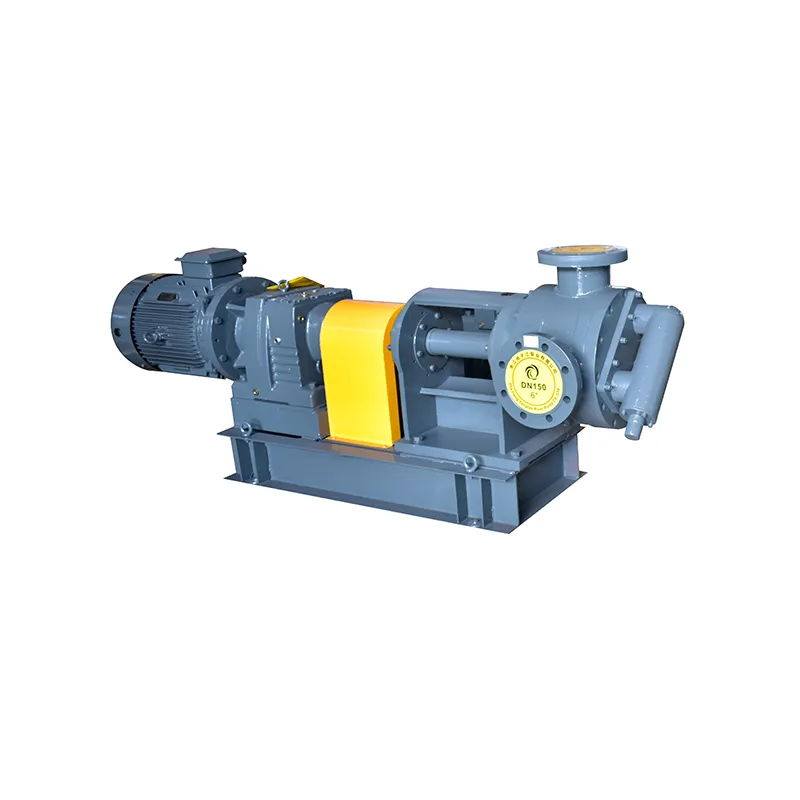 NYP High Viscosity Internal Gear Pumps
-
 Horizontal multistage centrifugal pumps type D
-
 Vertical pumps with PTFE lining YQF
-
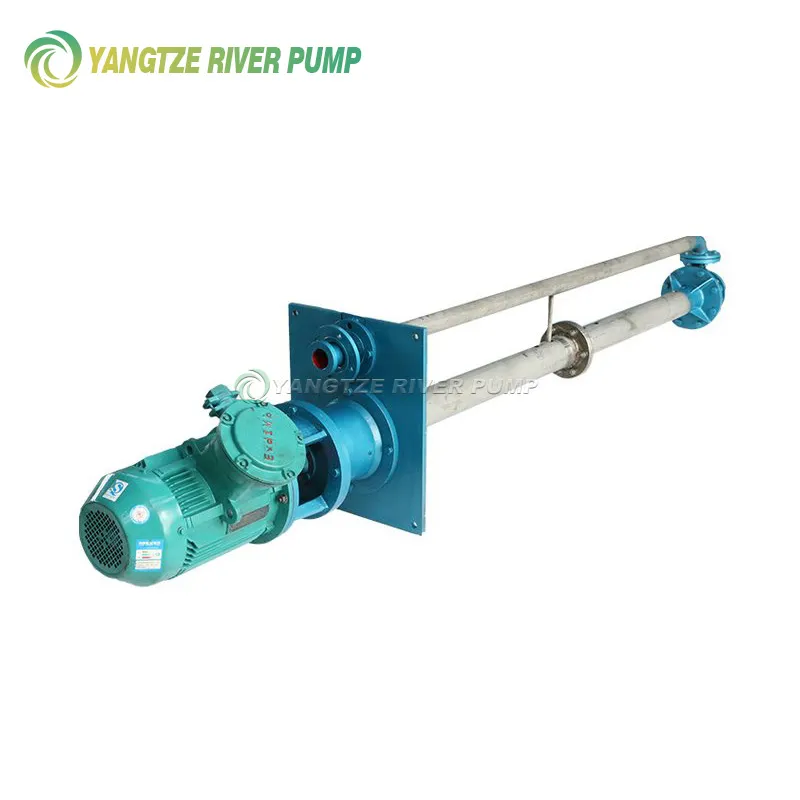 FY Submersible Chemical Pumps
-
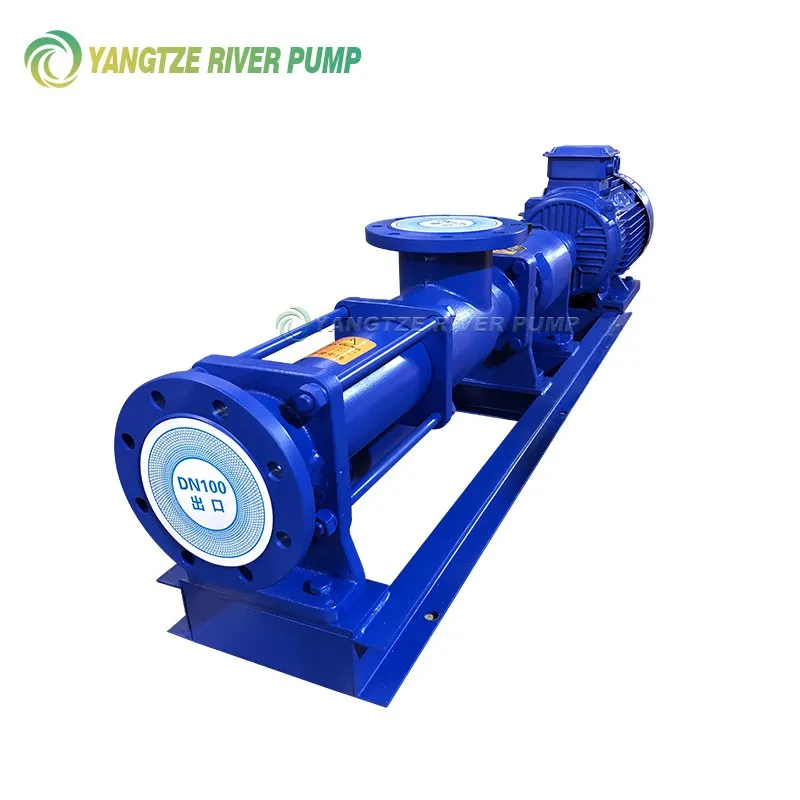 Single screw pumps type G
-
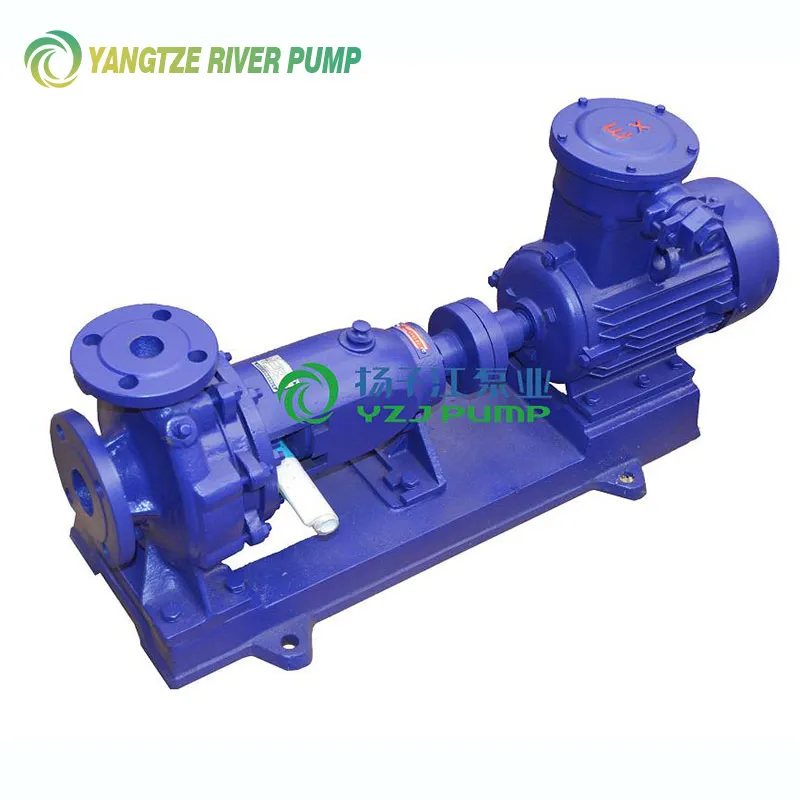 Horizontal chemical centrifugal pumps types IS and IR
-
 Non-clogging self-priming wastewater pumps ZW
-
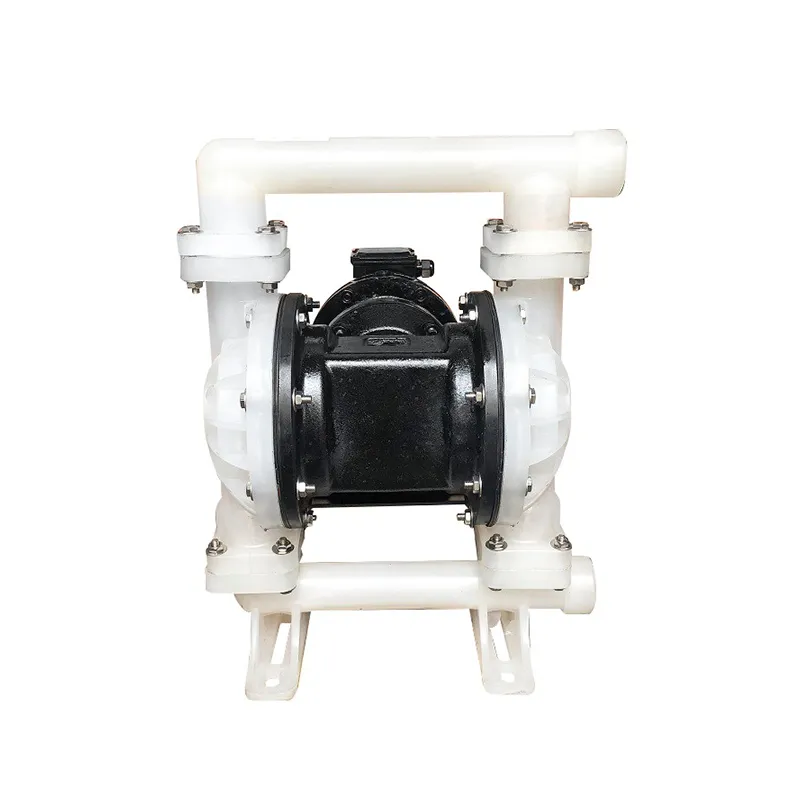 DBY Non-Metallic Electric Diaphragm Pumps
-
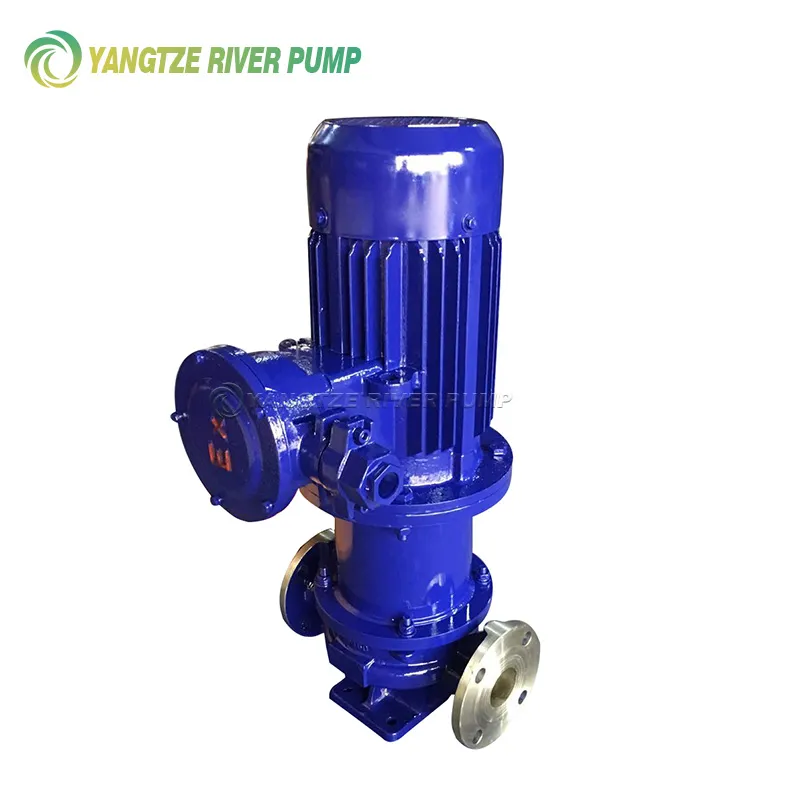 Vertical magnetic pumps CQB-L